去风险化

Search documents
太离谱!上周贵金属集体暴跌,美财长居然把黑锅扣给中国交易员?
Sou Hu Cai Jing· 2026-02-09 10:00
Group 1 - The article discusses the recent significant drop in gold and silver prices, attributing the blame to U.S. Treasury Secretary Bessent's comments about Chinese traders, which are seen as an attempt to deflect responsibility [3][11][25] - The price of silver experienced the most severe decline, dropping nearly 50% from its historical high on January 29, leading to substantial losses for many speculators [9][19] - Bessent's claims about the instability of the Chinese market and increased margin requirements are contradicted by the fact that the Chicago Mercantile Exchange, not Chinese regulators, implemented these changes [15][17] Group 2 - The article highlights that the price drop was a normal market correction following a previous surge, influenced by expectations of tighter monetary policy under a potential new Federal Reserve chair [22][24] - Bessent's assertions about the economic success of Trump's policies are challenged, with evidence showing that the Dow Jones Industrial Average's rise is not as straightforward as he claims [30][34] - The article emphasizes the contradiction in U.S. trade policy, where the U.S. seeks dialogue with China while simultaneously blaming it for economic issues, reflecting a broader pattern of U.S. hegemonic behavior [52][62]

美媒刊文:美国若想保持竞争力,就必须与中国合作
Huan Qiu Wang· 2026-02-08 22:58
Group 1 - The article emphasizes that the U.S. must consider collaboration with China to maintain its competitive edge, as evidenced by recent agreements between Canada and the EU that indicate a shift in the West's hardline stance on Chinese technology [1][3] - Canada has agreed to import a limited number of Chinese electric vehicles at low tariffs, while the EU has allowed Chinese automakers to set minimum prices for their electric vehicles to avoid tariffs [1][3] - The U.S. manufacturing sector has seen a decline in employment for eight consecutive months, largely due to an unfavorable policy environment for clean energy, which has led to the cancellation of $8 billion in clean energy investment plans [1] Group 2 - Despite challenges, U.S. companies are actively seeking Chinese technology, with Ford planning to produce grid-scale energy storage batteries in Kentucky using technology from CATL and considering a partnership with BYD [2] - Tesla is also utilizing Chinese technology by using battery cells from CATL and building a battery cell factory in Nevada with equipment sourced from the Chinese company [2] - A poll by the Royal Institute of International Affairs indicates that over half of Americans support government procurement of Chinese clean energy technology, reflecting a growing recognition of the advanced technology offered by Chinese products [2] Group 3 - Other Western countries are recognizing the need for a more nuanced approach to trade and investment with China, with the EU and Canada focusing on how to collaborate rather than whether to collaborate [3] - Successful cooperation could enable U.S. companies to access and learn from Chinese technology, train local workers, and create high-paying jobs, while implementing targeted safeguards for sensitive areas instead of blanket bans [3] - The current issue is not whether Chinese technology can enter the U.S., as American companies are already seeking it, but rather how the U.S. can leverage this technology for its own prosperity in the global market [3]
回旋镖狠狠打脸,美国被加拿大脱钩断链?中国静观大势改变!
Sou Hu Cai Jing· 2026-02-08 06:41
Group 1 - Canada is experiencing a significant shift in its economic relations with the U.S., with Prime Minister Carney emphasizing the need for economic diversification rather than a complete detachment from the U.S. [1][3] - The trade volume between Canada and the U.S. is projected to be approximately $36 billion in 2024, supporting millions of jobs across various sectors [3]. - A notable trend is the increasing negative sentiment among Canadians towards the U.S., with 64% expressing negative views and 59% identifying the U.S. as the biggest threat to Canada [3]. Group 2 - Canada is actively seeking to diversify its trade partnerships, particularly with emerging markets in Europe and Asia, as a response to the instability of U.S. trade policies [3][5]. - The Canadian automotive market is shifting, with a significant decrease in imports of U.S. vehicles, as only 36% of passenger cars imported in the first ten months of 2025 came from the U.S. [3]. - Canada has approved the import of 49,000 electric vehicles from China, indicating a strategic pivot towards Chinese manufacturers in the automotive sector [3]. Group 3 - Canada has substantial oil reserves, with proven reserves of 168.1 billion barrels, ranking third globally, and is a major oil supplier to the U.S. [8]. - The Keystone XL pipeline project has faced numerous setbacks due to changing U.S. administrations, resulting in significant financial losses for Canada [10]. - By 2025, China has become the largest buyer of Canadian oil, purchasing approximately 64% of the oil transported through a newly expanded pipeline, marking a pivotal shift in Canada's oil export dynamics [13]. Group 4 - The trend of "de-Americanization" is not limited to Canada, as Europe is also moving away from reliance on the U.S. due to perceived risks associated with U.S. policies [5][16]. - The global landscape is shifting as countries seek to mitigate risks associated with U.S. influence, indicating a broader trend of re-evaluating international partnerships [16]. - The changes in Canada and Europe reflect a significant transformation in global trade dynamics, with the U.S. no longer seen as a stabilizing force in globalization [16].
被特朗普威胁后,马克龙又打起中国的主意,呼吁中方加大对欧投资
Sou Hu Cai Jing· 2026-01-25 14:57
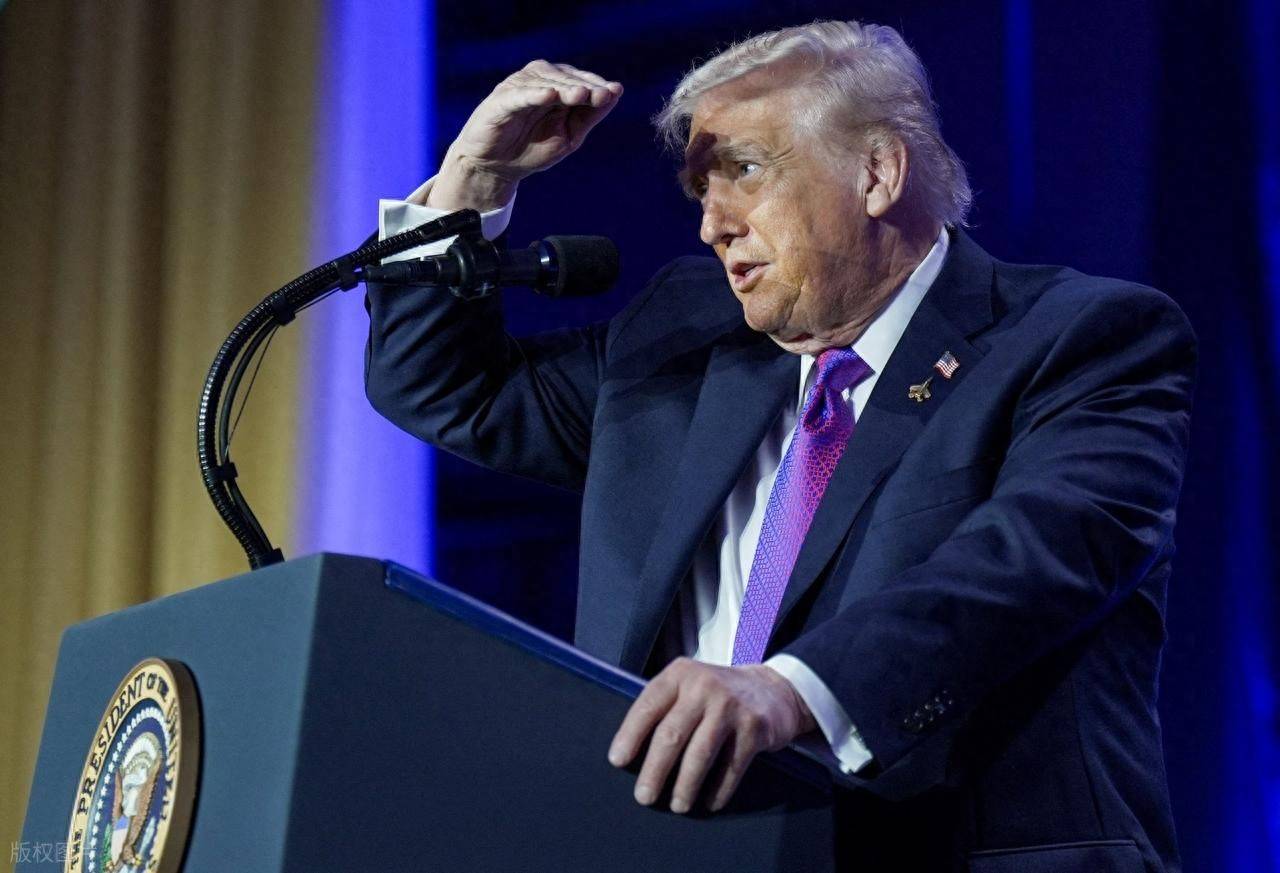
Core Viewpoint - French President Macron is expressing frustration over U.S. tariffs while simultaneously seeking investment from China, highlighting a contradictory diplomatic stance [1][3][20] Group 1: U.S. Tariffs Impact - The U.S. threatened to impose a 200% punitive tariff on French wine and champagne, which could result in losses of several billion euros annually for French exporters [5][7] - The U.S. market is crucial for French wine exports, accounting for nearly 4 billion euros, and losing access would severely impact the industry [7][9] Group 2: Diplomatic Strategy - Macron's rhetoric against U.S. hegemony is coupled with an appeal for Chinese investment, suggesting a shift in focus to a more cooperative relationship with China [11][12] - He emphasized the unsustainable trade deficit with China and encouraged Chinese companies to invest in Europe, mirroring past European investments in China [12][14] Group 3: European Economic Context - Europe is facing multiple challenges, including the ongoing Russia-Ukraine conflict and a lack of geopolitical influence, leading to a reliance on U.S. defense and Middle Eastern energy [20][22] - Macron's call for Chinese investment is seen as a pragmatic approach to address Europe's financial constraints and support sectors like green transition and AI [16][24] Group 4: Internal Reactions and Contradictions - Domestic reactions in France are mixed, with some criticizing Macron for seeking Chinese investment after being pressured by the U.S., portraying it as a desperate move [18][20] - There is a tension between the desire for Chinese investment and concerns over dependency on foreign capital, complicating the investment landscape [26][28] Group 5: Future Outlook - For Europe to achieve true autonomy, it must develop substantial economic and military capabilities rather than merely relying on external partnerships [28][30] - The current situation reflects Europe's struggle between seeking independence and the reality of its economic limitations, raising questions about its future strategic direction [30]
特朗普紧急发文,直言美国可能要完,中国或成为其自救的关键
Sou Hu Cai Jing· 2026-01-17 05:35
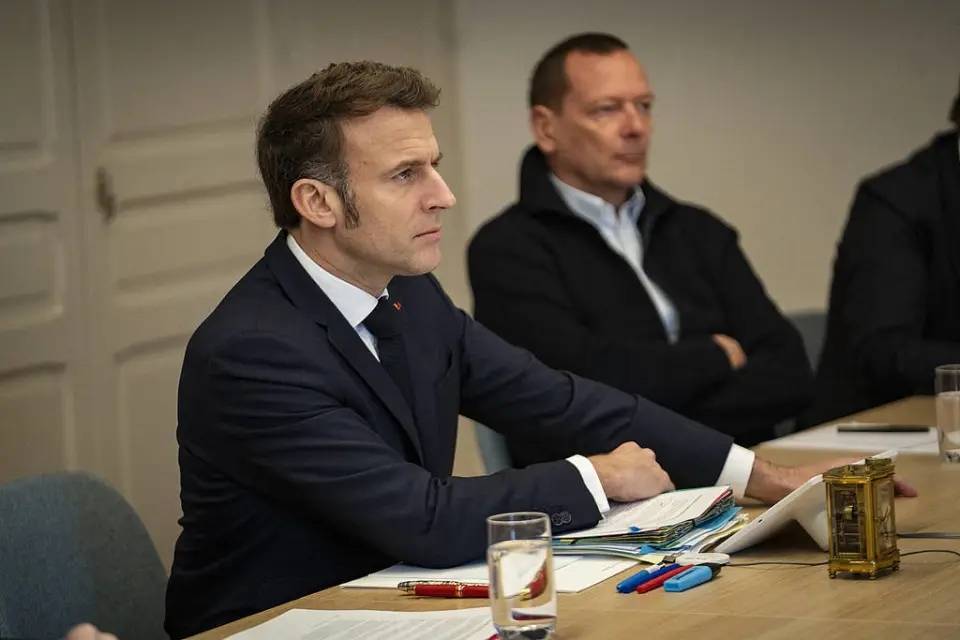
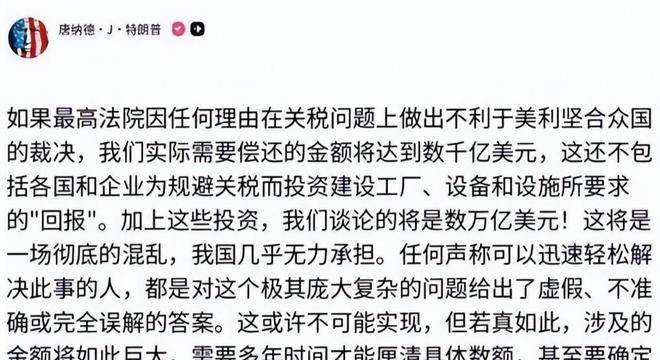
Group 1 - The current political climate in the U.S. is marked by deep systemic crisis, as indicated by President Trump's alarming statements about the potential collapse of the nation [1] - The Supreme Court is reviewing a significant case regarding the legality of tariffs, which could have a more substantial impact than a localized war, potentially affecting the financial backbone of the U.S. [2] - Trump's reliance on tariffs as a tool for economic strategy has backfired, with the courts ruling that his unilateral tariff actions are unconstitutional, leading to a critical situation for U.S. finances [4] Group 2 - If the Supreme Court upholds the previous ruling, the U.S. may face catastrophic consequences, including the need to refund hundreds of billions of dollars in tariffs and potential claims from global companies, which could total trillions [6] - The economic control measures implemented under the guise of national security have ironically created severe risks to the nation, undermining Trump's foreign policy strategies [7] - The U.S. is experiencing increasing isolation as former allies shift towards cooperation with China, highlighting the fragility of Western unity in the face of shifting interests [8] Group 3 - The U.S. economy's reliance on China is underscored by the significant bilateral trade volume, which reached $688.3 billion in 2024, indicating the critical role China plays in U.S. supply chains [10] - American multinational companies depend heavily on the Chinese market for profits, which is essential for their global operations, suggesting that any reduction in trade barriers could alleviate corporate burdens [12] - The U.S. Treasury's proposed fiscal alternatives will be ineffective without cooperation from China, emphasizing the interdependence of the two economies [13] Group 4 - Recent communications from Trump's team suggest a potential softening of the U.S. stance towards China, indicating a shift from pressure tactics to pragmatic engagement aimed at stabilizing supply chains and economic order [15] - The situation serves as a lesson for those clinging to the notion of unilateral dominance, as the U.S. faces the reality of its diminished capacity to exert power without considering the economic interdependencies with China [17] - The economic relationship between the U.S. and China is characterized by mutual support and interdependence, challenging the narrative of one-sided dominance and highlighting the need for a balanced approach to avoid future crises [18]
中美分手了?美元绑定石油又绑定中国制造,如今却反悔了?
Sou Hu Cai Jing· 2026-01-15 05:40
Group 1 - The core of the article discusses the evolving relationship between the US and China, highlighting the competitive dynamics and questioning whether the two nations are nearing a definitive split [1] - The historical context of the US dollar's dominance in global oil trade is outlined, emphasizing how this established the dollar as a global currency and linked the energy market to the US economy [3] - The article notes that the late 1990s saw China become a major manufacturing hub, with the US benefiting from low-cost goods while China accumulated significant foreign exchange reserves through US debt purchases, creating a mutually beneficial economic cycle [5] Group 2 - Recent years have seen increasing skepticism in the US regarding its relationship with China, leading to protective measures such as tariffs and export controls aimed at reducing reliance on Chinese manufacturing [7] - The article raises concerns about the feasibility of the US finding alternative manufacturing partners, as countries like India, Vietnam, and Mexico lack the capacity to fully replace China in the global supply chain [9] - The current global landscape is characterized by uncertainty, with the US pursuing its ambitions while smaller nations seek new strategic alliances, indicating that the US-China relationship remains complex and interdependent despite competitive tensions [13]
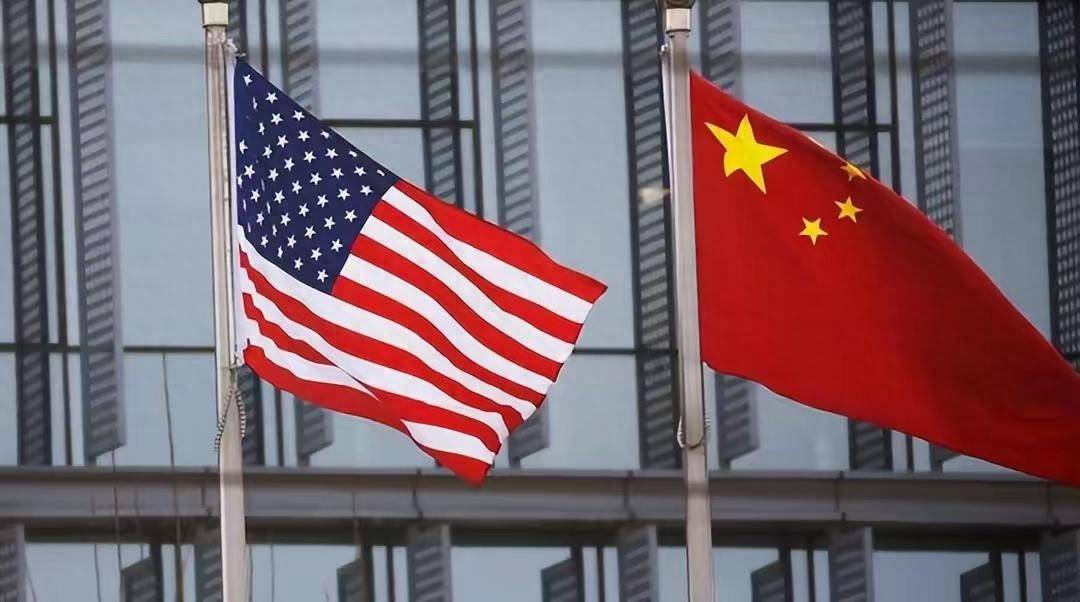
中美“分手了”?美元绑定石油又绑定中国制造,如今却反悔了?
Sou Hu Cai Jing· 2026-01-14 11:37
Group 1 - The core of the U.S.-China relationship is characterized by increasing competition across various sectors, yet both nations have refrained from a complete separation despite tensions [1] - The U.S. dollar was established as the dominant currency for global oil transactions in the latter half of the 20th century, which solidified its status as a hard currency and a guarantee for global trade [3] - The late 1990s saw China joining the WTO, leading to a surge in affordable goods flooding the global market, with the U.S. using printed dollars to purchase these goods, creating a closed-loop system where dollars returned to the U.S. through Chinese purchases of U.S. debt [5] Group 2 - Recent years have seen increasing skepticism in the U.S. regarding the costs of its relationship with China, including concerns over deindustrialization, technology outflow, and supply chain concentration, prompting a shift towards higher tariffs and export controls [6] - The U.S. faces challenges in finding an alternative to China for manufacturing, as other countries like India and Vietnam have limitations, and over 70% of industrial intermediate goods still rely on Chinese supply chains [6] - The current global landscape is in a transitional phase, with the old order in decline and a new framework yet to be established, indicating that U.S.-China relations are still in a unique "cooperative" stage despite evolving perceptions [9]
七国集团达成一致,急降对华稀土依赖,恰恰说明我们做的对
Sou Hu Cai Jing· 2026-01-14 07:31
Group 1 - The G7 has reached a consensus to accelerate the reduction of rare earth imports from China, indicating a strategic shift to decrease dependency on Chinese resources [1][5] - China dominates the global rare earth market, accounting for approximately 70% of production and over 90% of refining and processing, with a 95% monopoly on heavy rare earth separation [3][5] - The G7's urgency to reduce reliance on Chinese rare earths reflects their concerns over high-tech and defense capabilities, as rare earths are critical for advanced weaponry and new energy equipment [5][10] Group 2 - G7 countries face challenges in developing their own rare earth processing capabilities, with the U.S. MP Materials struggling for seven years to achieve high-purity production [3][5] - Despite G7's intentions, countries like India and Malaysia are continuing to collaborate with China on rare earth processing, highlighting the complexities of the global supply chain [7][8] - China's position emphasizes the need for global cooperation in stabilizing the rare earth supply chain rather than engaging in trade wars or exclusionary practices [8][10]
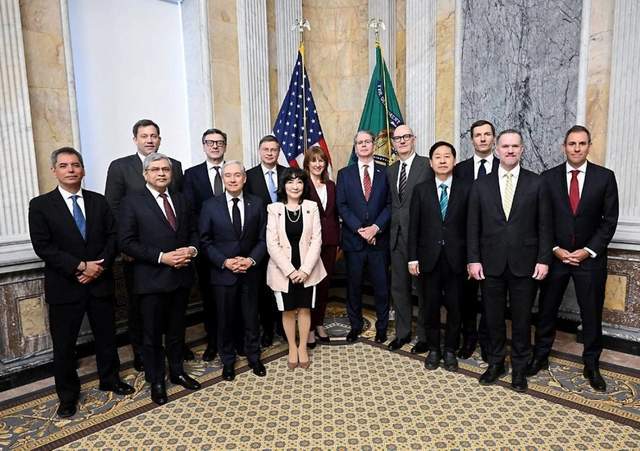
德印加强战略协作对冲美国压力
Xin Lang Cai Jing· 2026-01-14 04:08
Group 1 - German Chancellor Merz's visit to India is seen as a key step towards a strategic shift aimed at building a "de-risked" global supply chain [1] - Germany and India signed 19 cooperation agreements covering defense, semiconductors, critical minerals, artificial intelligence, higher education, and healthcare talent mobility [1] - The EU and India are expected to sign a landmark free trade agreement by the end of January 2024, with bilateral trade projected to reach €120 billion in 2024, making the EU India's largest trading partner [1] Group 2 - The high-profile visit occurs amid strained relations between European countries and the US, highlighting the importance of strengthening strategic cooperation between Germany and India [2] - Merz emphasized the current global trend of "unfortunate protectionism," which poses challenges for both Germany and India [2] - Despite signing a cooperation agreement to enhance bilateral defense industrial cooperation, challenges remain, as a notable submarine cooperation project did not reach a final agreement during Merz's visit [2]
外媒:对冲美国压力,德印加强战略协作
Huan Qiu Shi Bao· 2026-01-13 23:07
Group 1 - German Chancellor Merz's visit to India is seen as a "key step in strategic shift," aiming to build a "de-risked" global supply chain [1] - Germany and India signed 19 cooperation agreements covering defense industry, semiconductors, critical minerals, artificial intelligence, higher education, and healthcare talent mobility [3] - The EU and India are expected to sign a landmark free trade agreement by the end of January 2024, with bilateral trade projected to reach €120 billion in 2024, making the EU India's largest trading partner [3] Group 2 - Merz aims to encourage India to reduce its military and energy dependence on Russia, despite historical close defense ties between India and Russia [4] - A defense industrial cooperation agreement was signed, but a notable submarine cooperation project did not reach a final agreement during Merz's visit, highlighting ongoing challenges in defense collaboration [4]