地摊经济

Search documents
AI路边摊,下一个市民经济风口
3 6 Ke· 2025-12-07 09:26
Group 1 - The core idea of the article is that AI is transforming street vendor businesses in China, introducing innovative applications such as AI perfume customization, AI bracelet matching, AI billiards, and AI chess, which enhance customer engagement and personalization [2][4][5][6][8]. - AI perfume customization is gaining popularity at markets, where customers can generate personalized fragrance recipes by inputting their names and MBTI types into a small program powered by a large AI model [4][5]. - The AI bracelet market is thriving, with vendors using AI to help customers select traditional Chinese bracelets based on their budget and preferences, showcasing the integration of technology into traditional crafts [5][8]. Group 2 - The AI billiards business model involves using a projector and camera to guide players on how to make shots, appealing to beginners and enhancing their learning experience [6][10]. - AI chess and other AI games are being offered at low prices, attracting customers and creating a new form of entertainment that relies on the novelty and frequency of street interactions [9][10]. - The article outlines three business models for AI street vendors: franchise models requiring significant investment, hardware purchases for low-cost startups, and self-development models using user-friendly AI tools [12][15][18]. Group 3 - The success of AI street vendors is attributed to the rapid development of AI infrastructure in China, which has enabled the emergence of various AI applications and services [20][22]. - The article emphasizes the importance of AI agents in facilitating the operation of these businesses, highlighting the need for stable and efficient AI systems to support the growing demand for AI-enhanced services [22][23]. - The integration of AI into street vendor operations is seen as a subtle yet impactful way to enhance traditional business models, providing vendors with better tools to serve their customers [23][24].


数据复盘丨58股获主力资金净流入超1亿元 龙虎榜机构抢筹15股
Zheng Quan Shi Bao Wang· 2025-12-02 11:33
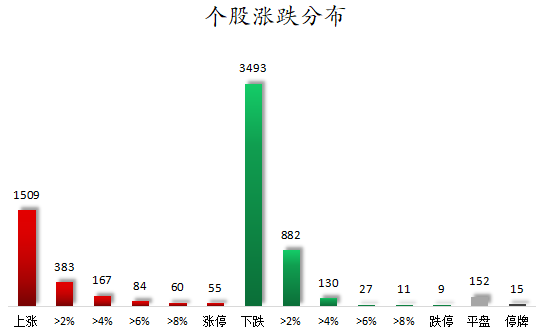
Market Overview - The Shanghai Composite Index closed at 3897.71 points, down 0.42%, with a trading volume of 627.4 billion yuan [1] - The Shenzhen Component Index closed at 13056.70 points, down 0.68%, with a trading volume of 965.99 billion yuan [1] - The ChiNext Index closed at 3071.15 points, down 0.69%, with a trading volume of 451.81 billion yuan [1] - The total trading volume of both markets was 1.59339 trillion yuan, a decrease of 280.59 billion yuan compared to the previous trading day [1] Sector Performance - Strong performance was noted in sectors such as oil and petrochemicals, light industry manufacturing, building materials, and home appliances [1] - Concepts like street vendor economy, prepared dishes, 6G, aquaculture, and low-carbon metallurgy showed active trends [1] - Sectors that experienced declines included media, non-ferrous metals, computers, precious metals, electric equipment, pharmaceuticals, machinery, and education [1] Individual Stock Performance - A total of 1509 stocks rose, while 3493 stocks fell, with 152 stocks remaining flat and 15 stocks suspended [2] - Among the stocks, 55 reached the daily limit up, while 9 hit the limit down [2] - Jinfu Technology led with 7 consecutive limit-up days, followed by *ST Yatai with 6 consecutive limit-ups [5] Capital Flow - The net outflow of main funds in the Shanghai and Shenzhen markets was 31.083 billion yuan, with the ChiNext experiencing a net outflow of 14.283 billion yuan [6] - Eight sectors saw net inflows, with the light industry manufacturing sector receiving the highest net inflow of 569 million yuan [6] - The electronic sector had the largest net outflow, totaling 4.984 billion yuan [6] Notable Stocks - 58 stocks received net inflows exceeding 1 billion yuan, with Xinyi Technology leading at 1.158 billion yuan [8] - ZTE Corporation had the highest net outflow at 3.023 billion yuan, followed by Sanhua Intelligent Control and Beijing Junzheng [11] - Institutional investors net bought 15 stocks, with Aerospace Development receiving the highest net purchase of approximately 167 million yuan [14]





“外摆一米线”折射治理精度
Jing Ji Ri Bao· 2025-12-01 22:21
Core Viewpoint - The recent urban management initiative in Suqian, Jiangsu Province, emphasizes the implementation of "tide-style convenience stalls" and the "one-meter line" policy for outdoor stalls, aiming to balance urban order with public needs, thereby enhancing the vibrancy of city life [1] Group 1: Urban Management Initiatives - The "one-meter line" policy allows for a slight expansion of outdoor stall space, which can increase merchants' income and create more job opportunities [1] - The initiative seeks to transform public spaces into commercial areas, optimizing resource allocation and enhancing consumer experiences [1] Group 2: Governance and Community Engagement - Successful implementation of the "one-meter line" policy requires a shift from restrictive to more flexible urban governance, focusing on community needs and feedback [2] - The approach includes establishing a multi-party governance mechanism and a platform for merchants to discuss and collaborate on operational matters [2] Group 3: Management Optimization - The management model is evolving from a broad approach to a more refined one, ensuring that convenience does not disrupt public order [2] - The integration of modern technologies like 5G and big data is proposed to enhance management efficiency and create a more humanized urban management system [2] Group 4: Innovative Practices - The Taicang City in Suzhou has developed the "Ta e-Ban" platform to provide real-time information on permissible stall locations and types, facilitating precise matching of stall needs [3] - There is a call for a shift in governance philosophy from management to service, encouraging proactive support for merchants to enhance their operational capabilities [3]
郑州永和铂爵国际酒店总经理雷玉明:过去高端餐饮陷入“越高端越小众”的陷阱
Sou Hu Cai Jing· 2025-11-27 11:37
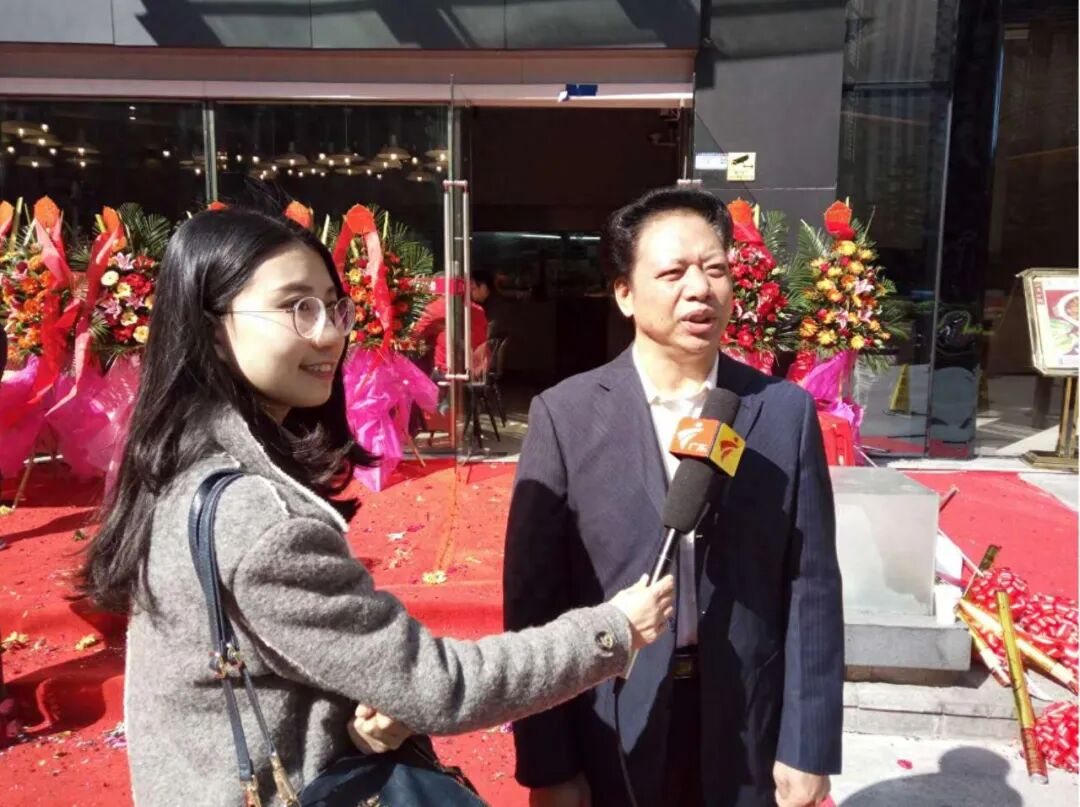
Core Insights - The high-end hotel dining industry in China is undergoing unprecedented adjustments, with average revenue share for mid-to-high-end hotels dropping from 35% in 2023 to 28% in 2024, and dining utilization rates falling below 40% [2][4] - The street economy is growing at an annual rate of over 12%, with expectations to exceed 60 trillion yuan by 2025, where dining consumption will account for 60% to 65%, becoming a core driver [2][4] - The traditional model of high-end hotels relying solely on space for high premiums is being challenged, shifting towards meeting the demands of the street economy [2][4] Industry Trends - The revenue of Yonghe Platinum Hotel's dining segment has decreased by over 51% compared to 2019, with a 14% decline compared to 2024 [4] - The night economy, also referred to as the street economy, is characterized by a demand for quality and cost-effectiveness, which has been overlooked by mid-to-high-end dining [4][6] - The restaurant industry's boundaries are dissolving, with new models emerging that combine dining with retail and entertainment, emphasizing the need for efficiency and value creation [7] Strategic Shifts - The transition from scale expansion to value cultivation is evident, where high-quality development is not synonymous with high premiums, but rather with precise alignment of core capabilities with mass consumption [6][7] - Companies must break down internal barriers to unleash strong self-rescue capabilities, as external policy impacts are merely catalysts for industry reshuffling [6] - The future of the restaurant industry requires a focus on quality over scale, and a shift from price competition to value competition, embracing digital transformation [7]

中国餐饮四大“神秘组织”,沙县小吃凭啥独树一帜?
3 6 Ke· 2025-11-24 07:56
Core Viewpoint - The article discusses the rise of Shaxian Snacks, a popular Chinese fast-food brand, highlighting its origins, growth, and the factors contributing to its widespread success across China and beyond [1][5][25]. Group 1: Origins and Development - Shaxian Snacks was founded by Deng Shiqi, who opened a small eatery in 1985 after facing financial difficulties [2][4]. - The brand gained momentum in 1997 when Deng was encouraged to return to Shaxian to lead the establishment of a snack street, which led to the creation of over 40 different snack varieties [4][11]. - As of now, there are approximately 88,000 Shaxian Snack outlets worldwide, generating nearly 50 billion yuan in annual revenue [4][12]. Group 2: Unique Selling Points - Shaxian Snacks are characterized by their healthiness and affordability, with dishes like noodles priced around 5 yuan and dumplings around 8 yuan, making them accessible to a wide audience [12][14]. - The brand's appeal lies in its simple yet delicious offerings, which are perceived as healthier alternatives to heavier fast food options [12][14]. Group 3: Government Support and Branding - The local government has played a crucial role in promoting Shaxian Snacks, establishing a dedicated office in 1997 to support the brand's development and setting up liaison offices in 29 cities [16][18]. - The government also provided financial incentives, such as subsidies for new store openings, and invested in a cultural industry park to standardize food processing [20][22]. - In 2015, Shaxian Snacks received official trademark approval, further solidifying its brand identity and operational standards [21][22]. Group 4: Business Model and Expansion - The business model of Shaxian Snacks is flexible, with many outlets being small, low-cost operations that can easily adapt to high-traffic locations [23][25]. - The brand has successfully expanded into various markets, including international locations, by leveraging its unique offerings and operational efficiency [25].
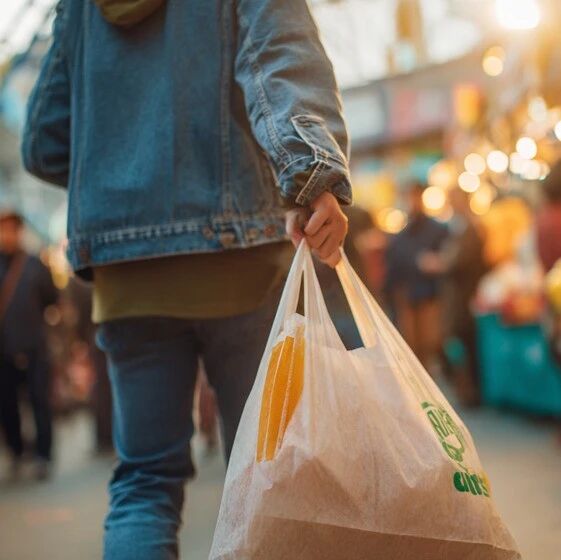
这届年轻人,背着山姆购物袋重返大集
虎嗅APP· 2025-11-23 23:56
Core Viewpoint - The article discusses the resurgence of traditional markets, or "daji," in urban areas, highlighting how young entrepreneurs are revitalizing these spaces through innovative business models and social media engagement [5][6]. Group 1: New Functions of Traditional Markets - Traditional markets are evolving to offer a diverse range of products, including fresh produce and trendy food items, at competitive prices, often lower than online platforms [9][10]. - The market experience includes interactive elements like free samples, which enhance customer engagement and satisfaction [9][10]. - The speed at which trendy food items are introduced in traditional markets surpasses that of many e-commerce platforms, allowing for rapid adaptation to consumer preferences [11][12]. Group 2: Young Entrepreneurs Transforming Markets - An increasing number of young individuals are entering the market scene, using it as a stepping stone to entrepreneurship, often starting with minimal investment [14][15]. - These new vendors are leveraging social media to build their brands and customer bases, creating private communities for direct engagement with consumers [16][17]. - The adaptability of these young entrepreneurs allows them to learn from other markets and adjust their offerings based on consumer feedback [16][18]. Group 3: Consumer Behavior and Market Dynamics - The shift back to traditional markets is influenced by a cycle of consumption where consumers, after experiencing e-commerce, seek the tangible and immediate benefits of in-person shopping [19][20]. - Social media plays a crucial role in shaping consumer perceptions and expectations, leading to increased scrutiny of vendors and their practices [19][20]. - The success of vendors often hinges on their ability to provide immediate gratification and competitive pricing, as consumers weigh the convenience of online shopping against the experience of traditional markets [20][21].
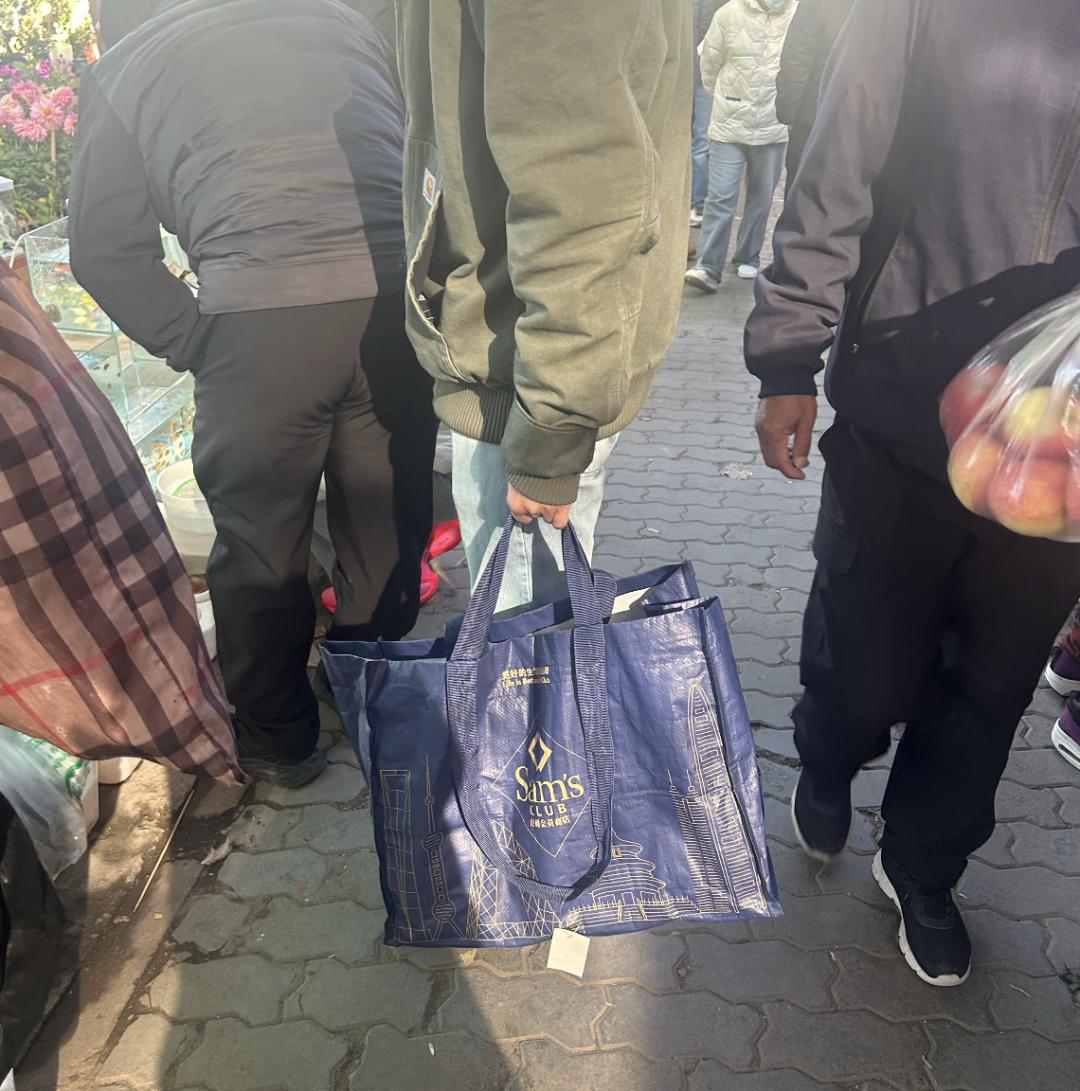
这届年轻人,背着山姆购物袋重返大集
3 6 Ke· 2025-11-22 05:44
Core Insights - The traditional market, or "大集," is experiencing a revival as younger generations engage in both shopping and selling, transforming the market dynamics through social media influence and innovative business models [1][10][14] Group 1: Market Dynamics - The traditional market is attracting younger consumers who prefer its unique offerings over conventional retail options like Sam's Club, highlighting a shift in shopping preferences [2][5] - Prices at the traditional market are significantly lower than those on fresh produce platforms, with examples such as onions priced at 8 yuan for a large bag and bananas at 20 yuan for 16 to 18 pieces, showcasing the cost-effectiveness of this shopping method [5][7] - The market's ability to quickly adapt to trending food items surpasses that of many e-commerce platforms, allowing for rapid introduction of popular products like Tiramisu and "奶皮子糖葫芦" [7][8] Group 2: Young Entrepreneurs - An increasing number of young individuals are starting their own stalls at traditional markets, often as a stepping stone to entrepreneurship, with many aiming to build their own brands [10][12] - Young stall owners are leveraging social media for marketing, sharing their experiences online, and creating private customer communities to enhance customer engagement [12][13] - The shift in consumer behavior reflects a blend of traditional and modern retail practices, where young entrepreneurs are learning from various markets to refine their offerings [10][12] Group 3: Consumer Behavior - The return to traditional markets is influenced by a cycle of consumption where consumers, after experiencing e-commerce, seek the tangible and immediate benefits of in-person shopping [14][15] - Social media plays a crucial role in shaping consumer perceptions, with younger shoppers being more aware of potential pitfalls in traditional market transactions, leading to a demand for transparency and quality [14][15] - The immediacy of traditional market shopping, such as purchasing warm hats for 30 yuan, highlights a preference for instant gratification that aligns with current consumer trends [15][16]
网红摊贩霸屏热搜!四千万从业者崛起,地摊经济撑起 37 万亿市场、
Sou Hu Cai Jing· 2025-11-17 11:46
Core Insights - The grassroots vendor economy has gained significant popularity in 2023, with ordinary street vendors becoming internet sensations, driven by a large group of 30-40 million practitioners and a city development logic that seeks vitality from the grassroots [2][4]. Policy Changes - The resurgence of the street vendor economy began with a policy shift in early 2023, where cities like Shenzhen and Hangzhou moved from a complete ban on vendors to allowing regulated operations, revitalizing previously marginalized street vendors [4][5]. Market Growth - The market size of China's street vendor economy is projected to grow from 22.59 trillion yuan in 2018 to 37.54 trillion yuan by 2024, with an estimated 12-18 million registered vendors and an additional 10-20 million unregistered vendors [5]. Popularity of Vendors - Recent popular vendors have followed a similar path to fame, characterized by affordability, freshness, diligence, and professionalism, leading to their rise on social media platforms [6][10]. Vendor Success Stories - Notable vendors like "Jumping Brother" and "Chicken Brother" gained massive followings through unique selling propositions and media coverage, transforming their personal brands into local economic drivers [10][11]. Individual Upgrades - The street vendor economy is evolving from a basic form of private enterprise to more formalized business structures, with policies supporting vendors in registering as individual businesses, thus enhancing their social recognition and economic contributions [13][14]. Long-term Viability - While the initial hype around popular vendors may fade, the street vendor economy continues to provide significant value through job creation and economic vitality, moving towards a more regulated and branded development model [16].
年底前,大连还有哪些促消费活动?
Sou Hu Cai Jing· 2025-11-16 04:43
Group 1 - The city of Dalian is planning various consumer promotion activities focused on "Double Twelve" and New Year's Day, with events including the "GO Xigang 1122 Hanfu Festival" and the distribution of consumption vouchers in Longxing Island and Changhai County [4] - The 2025 Dalian Beer Carnival was successfully held from July 18 to August 3, attracting over one million participants and featuring five major beer brands and over 300 types of local delicacies [4] - The 2026 Dalian Beer Carnival is scheduled for late July, aiming to integrate sports events, cultural performances, tourism, food, and market sales [4] Group 2 - The city has introduced new policies for outdoor exhibitions and stalls, allowing organized activities with professional event organizers responsible for the events, subject to local street and district approvals [4] - The "street vendor economy" remains a controversial topic, providing benefits for low-income groups while posing challenges for urban management, public safety, and environmental concerns [5] - Dalian's approach to managing street vendors focuses on flexible enforcement, allowing operations that do not impact city appearance or traffic safety [5]

当越来越多的摊贩成为网红
吴晓波频道· 2025-11-16 00:21
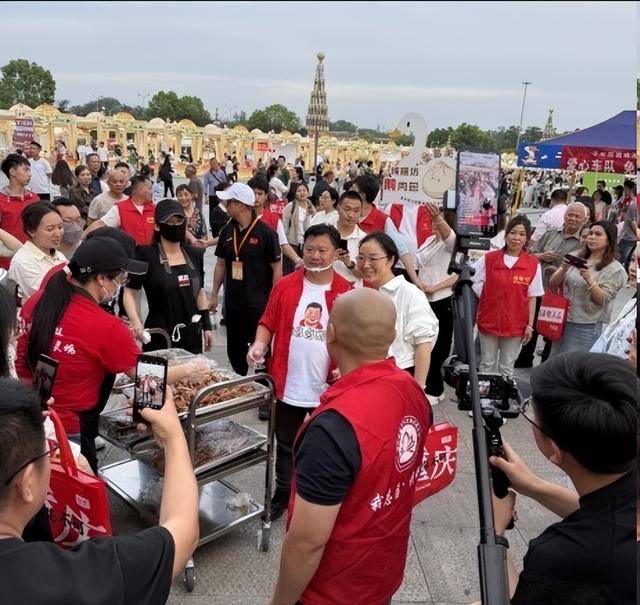
Core Viewpoint - The article highlights the rise of grassroots vendors in China, emphasizing their role in stimulating local economies and tourism, particularly during major holidays. The phenomenon reflects a shift in public perception and regulatory approaches towards street vendors, leading to a resurgence of this sector as a vital part of urban life and economic activity [2][33]. Group 1: Rise of Grassroots Vendors - The year has seen a surge in popularity for grassroots vendors, with notable figures like "Lu Ge Ge" and "Chicken Chop Brother" gaining significant attention and driving local tourism [3][4][5]. - During the May Day holiday, Rongchang attracted over 2 million visitors, generating retail sales of 2 billion yuan, a 258% increase year-on-year [5]. - The emergence of various vendors, such as "Jumping Pancake Brother" and "Happy Grandma," showcases the diverse and engaging personalities behind these businesses, contributing to their viral success on social media platforms [6][7][8]. Group 2: Changing Regulatory Environment - Recent policy shifts have allowed for more flexible management of street vendors, transitioning from a prohibitionist approach to one that encourages regulated operations [14][33]. - Major cities have seen an influx of vendors, with estimates suggesting there are now between 12 million to 18 million registered street vendors in China, alongside an additional 10 million to 20 million unregistered ones [22]. Group 3: Economic Impact and Consumer Behavior - The street vendor economy is projected to grow from 22.59 trillion yuan in 2018 to 37.54 trillion yuan by 2024, indicating a significant market potential [22]. - Vendors often offer products at prices 30% lower than traditional stores, appealing to cost-conscious consumers and enhancing their competitive edge [19][29]. - The success of these vendors is attributed to their ability to connect with local communities, providing fresh, affordable food options while fostering a sense of nostalgia and authenticity [19][29]. Group 4: Media and Social Influence - The rise of social media has played a crucial role in the visibility of these vendors, with many gaining fame through platforms like Douyin and Weibo, leading to increased foot traffic and sales [24][25]. - Media coverage has further amplified their stories, creating a narrative that resonates with the public and encourages local support [24][27]. Group 5: Future Prospects - The article suggests that the current trend of grassroots vendors represents a window of opportunity for new individual entrepreneurs, as they transition from informal operations to recognized businesses [30][34]. - The path from street vendor to small business owner is becoming clearer, with successful vendors like "Chicken Chop Brother" evolving into registered enterprises, indicating a potential for sustainable growth in this sector [34][37].