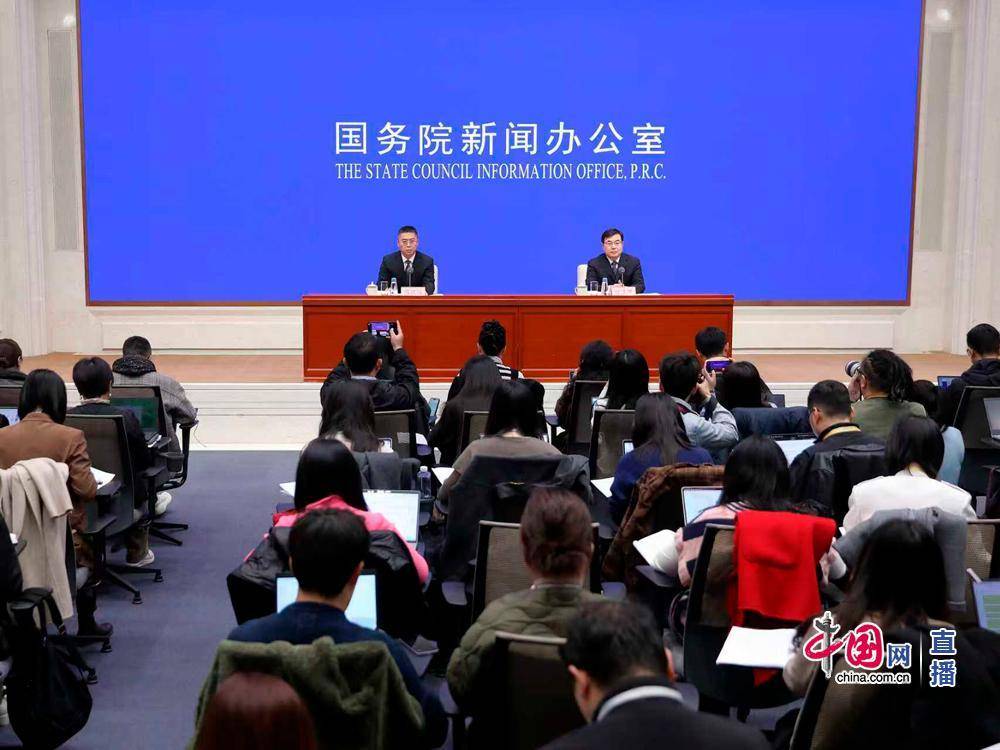
投资结构优化

Search documents
从四个故事看有效投资(财经眼)
Ren Min Ri Bao· 2025-12-07 21:57
Group 1: Investment Policy and Reforms - The "14th Five-Year Plan" emphasizes expanding effective investment, maintaining reasonable growth, and improving investment efficiency [1] - Investment approval reforms are being deepened to optimize government investment structure and increase the proportion of private investment [1][2] - The "container approval + commitment system" allows project units to apply for approvals even if some materials are temporarily missing, expediting the process [3][4] Group 2: Local Government Initiatives - In Anfu County, a "one-window acceptance" area has been established for all approval matters related to projects, streamlining the process significantly [4] - The county has implemented a "Tuesday parallel approval" mechanism, reducing required materials from 18 to 5 and cutting approval time from 7 days to 1 day [4] - Over the past three years, Anfu County has attracted 108 industrial projects with investments exceeding 1 billion yuan [4] Group 3: Aging Population and Healthcare Infrastructure - In Fangchenggang, the elderly population is projected to reach 178,500 by the end of 2024, highlighting a growing demand for elderly care services [6] - A comprehensive elderly care service center is being planned to address the lack of resources, with a focus on affordability and proximity to medical facilities [6][7] - The project has secured 200 million yuan in long-term credit to cover construction costs, demonstrating the role of policy-driven financial support [8] Group 4: Transportation Infrastructure Development - The Xi'an to Yan'an high-speed railway is set to open by the end of this year, significantly reducing travel time from over 2 hours to approximately 1 hour [9][10] - The project exemplifies the optimization of government investment structure and an increase in investments aimed at improving public welfare [10] - A multi-source financing system has been established to ensure funding for the high-speed railway, combining provincial capital, government bonds, and project loans [11] Group 5: Innovative Investment Models - The Jinan Energy Group has successfully launched a public REIT for heating infrastructure, raising 1.496 billion yuan to fund the "Chatou Heating into Jinan" project [12][15] - This innovative financial tool aims to revitalize existing assets and facilitate further investments in infrastructure [15] - The project has already seen significant progress, with the northern line fully connected and the southern line expected to be operational by December [15]
内需“双引擎”扩容提质 增长新动能释放新潜力——2025年终经济观察
Zheng Quan Shi Bao Wang· 2025-12-04 23:26
Group 1 - The core viewpoint emphasizes that the dual engines of consumption and investment are crucial for maintaining stable economic growth in the face of external uncertainties, with potential for further release of domestic demand through enhanced policies [1][6] Group 2 - Service consumption is expanding and improving, with retail sales of consumer goods increasing by 4.3% year-on-year and service retail sales growing by 5.3% in the first ten months of the year [2] - The "old-for-new" consumption policy has significantly boosted sales, generating over 2.5 trillion yuan in sales and benefiting more than 360 million people [2] - The share of service consumption in residents' expenditure is increasing, reaching 46.8% in the first three quarters of this year, indicating a shift in consumer behavior towards services [2][3] Group 3 - Investment structure is optimizing, with fixed asset investment excluding real estate growing by 1.7% year-on-year, and manufacturing investment increasing by 2.7% [4] - Despite a slowdown in overall investment growth, high-tech industries such as information services and aerospace are experiencing rapid investment growth [4] - The impact of fiscal policies, including special bonds and long-term loans, is expected to support investment growth, particularly in infrastructure, although the effects may take time to materialize [5][8] Group 4 - The potential for domestic demand is expected to continue being released, with consumption capacity and structure upgrading, providing broad growth opportunities [7] - The implementation of major strategies outlined in the 14th Five-Year Plan is anticipated to drive investment growth stabilization [7] - Supportive fiscal policies, including the use of special long-term bonds for consumption upgrades, are expected to enhance the effectiveness of consumption policies [8]
内需“双引擎”扩容提质 增长新动能释放新潜力
Zheng Quan Shi Bao· 2025-12-04 17:54
Core Viewpoint - The article emphasizes the importance of domestic demand as a dual engine of consumption and investment in driving China's economic growth, particularly in the context of the 14th Five-Year Plan and the uncertain external environment [1][6]. Group 1: Consumption Trends - Service consumption is expanding and improving, with retail sales of consumer goods increasing by 4.3% year-on-year and service retail sales growing by 5.3% in the first ten months of the year [2]. - The "old-for-new" consumption policy has significantly boosted sales, generating over 2.5 trillion yuan in sales and benefiting more than 360 million people [2]. - The proportion of per capita service consumption expenditure is projected to reach 46.1% in 2024, with a further increase to 46.8% in the first three quarters of this year, indicating a shift towards service consumption as a key growth driver [2]. Group 2: Investment Structure - Fixed asset investment, excluding real estate, grew by 1.7% year-on-year in the first ten months, with manufacturing investment increasing by 2.7% [4]. - High-tech industries, particularly in information services and aerospace, are experiencing rapid investment growth, while overall investment growth is slowing [4]. - The impact of fiscal policies, such as special bonds and long-term loans, is expected to support investment growth, although the immediate effects may not be realized until early next year [5][8]. Group 3: Policy Support - The People's Bank of China has established a 500 billion yuan service consumption and pension refinancing facility, indicating a shift in macro policy focus towards service consumption [3]. - The government is implementing various policies to enhance service consumption, including subsidies and support for sectors like elderly care and cultural tourism [3]. - The upcoming 15th Five-Year Plan aims to significantly increase the role of domestic demand in economic growth, with a focus on improving consumption rates [6][7].
【每周经济观察】当以质量标尺看待投资放缓
Sou Hu Cai Jing· 2025-11-28 23:16
Core Viewpoint - The fixed asset investment in China has shown a significant slowdown in 2023, with a year-on-year decline of 1.7% in the first ten months, and a rare drop of -11.2% in October, leading to concerns about economic deflation and crisis [2] Investment Trends - The high investment rate has been a challenge for China's economic growth model, contributing to structural supply-demand imbalances [2] - The slowdown in investment growth is a manifestation of new issues such as decelerating urbanization and declining infrastructure demand [2] - Real estate investment has been the largest drag on fixed asset investment, with a 14.7% year-on-year decline in the first ten months, pulling down overall investment growth by 3 percentage points [2] Sector Performance - Excluding real estate, actual project investment grew by 1.7%, indicating some resilience in other sectors [2] - Manufacturing investment increased by 2.7% year-on-year, accounting for 25.6% of total investment, reflecting a shift towards high-quality development [3] - High-end manufacturing and green transition sectors are experiencing rapid investment growth, showcasing a transition from scale-based to efficiency-based investment [3] Government Policy and Investment Strategy - The government is focusing on optimizing public investment efficiency and expanding effective investment through various financial tools [4] - There is an emphasis on increasing support for "two new" constructions and enhancing policy implementation effectiveness [5] - The government aims to stimulate private investment by improving mechanisms for private sector participation in major projects and encouraging high-value-added activities to return to China [5]


北京“十五五”规划:扩大有效投资 保持投资合理增长 实施一批标志性重大项目
Sou Hu Cai Jing· 2025-11-25 23:35
Core Viewpoint - The proposal emphasizes the need to expand effective investment in Beijing's economic and social development, focusing on maintaining reasonable growth and improving investment efficiency [1] Investment Strategy - The strategy includes promoting a positive interaction between investment and consumption, combining investments in physical assets and human resources [1] - It aims to optimize the investment structure by strengthening investments in urban renewal, technological innovation, emerging industries, future industries, and new infrastructure [1] Social Development Focus - There is a strong emphasis on increasing investments that improve livelihoods and upgrade consumption, as well as enhancing human resource development and comprehensive personal development [1] Project and Financing Mechanisms - The proposal calls for strengthening project reserves and resource guarantees, implementing a number of significant flagship projects [1] - It advocates for deepening reforms in the investment and financing system, effectively utilizing various types of government investments, and improving mechanisms for private enterprises to participate in major project construction [1] - The government investment is expected to play a guiding role to stimulate private investment vitality [1]
前10月江苏经济成绩单出炉工业延续增长 消费持续回暖
Xin Hua Ri Bao· 2025-11-23 23:03
Economic Overview - The overall economic operation in the province has been stable and progressing steadily in the first ten months of the year, with key sectors such as industry, consumption, and services showing positive developments [1][2]. Industrial Performance - The industrial economy has maintained a robust growth trend, with the industrial added value of large-scale enterprises increasing by 6.8% year-on-year from January to October. In October alone, the growth rate was 5.8%, with high-end manufacturing sectors such as equipment manufacturing, high-tech manufacturing, and digital core product manufacturing growing by 8.0%, 11.7%, and 9.4% respectively, outpacing the overall growth [1]. Consumption Market - The consumption market has shown signs of recovery, with total retail sales of consumer goods reaching 38,816.8 billion yuan, a year-on-year increase of 4.0% from January to October. In October, retail sales of household appliances and audio-visual equipment rose by 7.4%, while sales of computers and related products surged by 48%, indicating strong demand for upgraded and digital products [2]. Service Sector - The service sector has maintained a stable development trend, with revenue from large-scale service industries increasing by 7.2% year-on-year from January to September. Notable growth was observed in residential services, repair and other services, rental and business services, and water, environment, and public facility management, with respective growth rates of 14.2%, 12.7%, and 9.7% [2]. Fixed Asset Investment - Fixed asset investment has seen a year-on-year decline of 8.7% from January to October; however, the investment structure has been optimizing. Significant growth was noted in infrastructure investments, particularly in the electricity and heat production and supply industry, which grew by 22.9%, and in loading, unloading, and warehousing, which increased by 27.2% [3].
工业延续增长 消费持续回暖
Xin Hua Ri Bao· 2025-11-23 22:02
Economic Overview - The overall economic operation in the province has been stable and progressing steadily in the first ten months of the year, with key sectors such as industry, consumption, and services showing positive developments [1][2]. Industrial Performance - The industrial economy has maintained a robust growth trend, with the industrial added value of large-scale enterprises increasing by 6.8% year-on-year from January to October. In October alone, the growth rate was 5.8%, with high-end manufacturing sectors like equipment manufacturing, high-tech manufacturing, and digital core product manufacturing growing by 8.0%, 11.7%, and 9.4% respectively, outpacing the overall growth [1]. Consumption Market - The consumption market has shown signs of recovery, with the total retail sales of social consumer goods reaching 38,816.8 billion yuan, a year-on-year increase of 4.0% from January to October. In October, retail sales of household appliances and audio-visual equipment rose by 7.4%, while sales of computers and related products surged by 48%, indicating strong demand for upgraded and digital products [2]. Service Sector - The service sector has maintained a stable development trend, with revenue from large-scale service industries increasing by 7.2% year-on-year from January to September. Notable growth was observed in resident services, rental and business services, and water, environment, and public facility management, with respective increases of 14.2%, 12.7%, and 9.7% [2]. Fixed Asset Investment - Fixed asset investment in the province has decreased by 8.7% year-on-year from January to October, but the investment structure has been optimized. Significant growth was noted in infrastructure investments, particularly in the electricity and heat production and supply industry, which grew by 22.9%, and in loading, unloading, and warehousing, which increased by 27.2% [3].
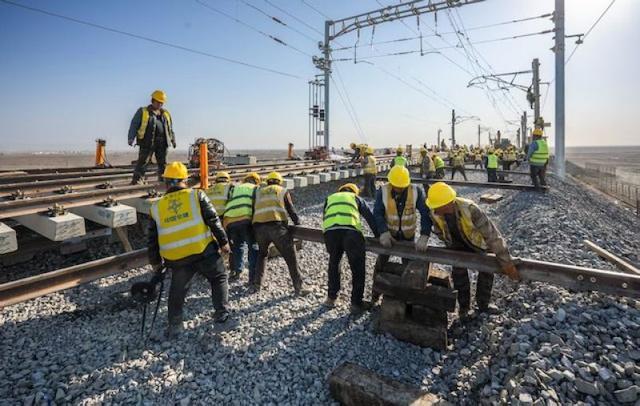
铁路投资持续领跑,高技术产业投资依然亮眼
Hua Xia Shi Bao· 2025-11-15 10:20
Investment Overview - In the first ten months of the year, overall investment has declined, but investments related to people's livelihood and high-tech industries have shown strong performance [2] - Fixed asset investment (excluding rural households) reached 37,153.5 billion yuan, a year-on-year decrease of 0.5%, while investment excluding real estate development grew by 3.0% [2] - October saw a significant drop in fixed investment, with a year-on-year decline of 10.7% [2] Sector Performance - High-tech industries continue to grow significantly, with investments in information services, aerospace, and computer manufacturing increasing by 33.1%, 20.6%, and 7.4% respectively, outperforming overall investment growth rates [2] - Railway construction has been robust, with fixed asset investment reaching 671.5 billion yuan, a year-on-year increase of 5.7% [2][4] Infrastructure Investment - Infrastructure investment grew by 1.1% in the first three quarters, contributing to a 0.2 percentage point increase in total investment [5] - Railway investment growth is notably higher than the average, with several key projects progressing well [4][5] Real Estate Sector - Real estate investment has seen a significant decline, with a year-on-year drop of 14.7% in the first ten months, negatively impacting overall investment growth [7] - In October, real estate investment decreased by 23%, with sales area and funding for real estate companies also declining sharply [6][7] Manufacturing and Other Industries - Manufacturing investment grew by 2.7% year-on-year, accounting for 25.6% of total investment, which is an increase from the previous year [7] - Investments in the automotive and transportation equipment sectors maintained double-digit growth [5] Green and High-Tech Investments - Investments in high-tech sectors such as aerospace and information services grew by 19.7% and 32.7% respectively [8] - Clean energy investments, including solar and wind power, saw a combined year-on-year growth of 10.4% [8] Economic Outlook - Despite a slight decline in investment in October, the overall investment potential remains significant, with expectations for reasonable growth in the fourth quarter due to new policies and financial tools [3][8]
国家统计局回应投资放缓:投资结构优化,制造业投资持续增长
Nan Fang Du Shi Bao· 2025-11-14 05:44
Core Viewpoint - The investment growth rate in China is slowing down, but the investment structure is optimizing, particularly in the manufacturing sector, which continues to see growth [1][4]. Investment Growth and Structure - Fixed asset investment decreased by 1.7% year-on-year in the first ten months of the year, but when excluding price factors, there was still a slight increase in the physical volume of investment [3]. - The slowdown in investment growth is attributed to multiple factors, including a complex external environment, intense domestic market competition, and declining investment returns, leading to cautious decision-making among market participants [3]. - Real estate investment saw a significant decline of 14.7% year-on-year, which negatively impacted overall investment growth by approximately 3 percentage points [3][4]. Manufacturing Sector Performance - Despite the overall slowdown, manufacturing investment grew by 2.7% year-on-year, accounting for 25.6% of total investment, an increase of 1.1 percentage points compared to the previous year [4]. - High-end industries are experiencing increased investment, with aerospace and equipment manufacturing up by 19.7% and information services by 32.7% year-on-year [4]. - Investments related to green transition are also on the rise, with clean energy investments (solar, wind, nuclear, and hydropower) growing by 10.4% year-on-year [4]. Future Investment Potential - China still has significant investment potential and space for growth, particularly in strengthening the real economy, promoting technological and industrial innovation, and addressing regional development imbalances [5]. - Continued investment is necessary to enhance public services in education, healthcare, housing, and other areas [5]. Foreign Trade Performance - In the first ten months, China's total goods import and export value increased by 3.6%, with exports growing by 6.2% [5]. - Despite challenges such as rising global trade protectionism, China's trade with ASEAN and the EU grew by 9.1% and 4.9%, respectively, outpacing overall trade growth [5]. - Private enterprises' imports and exports rose by 7.2%, significantly higher than the overall growth rate [6].
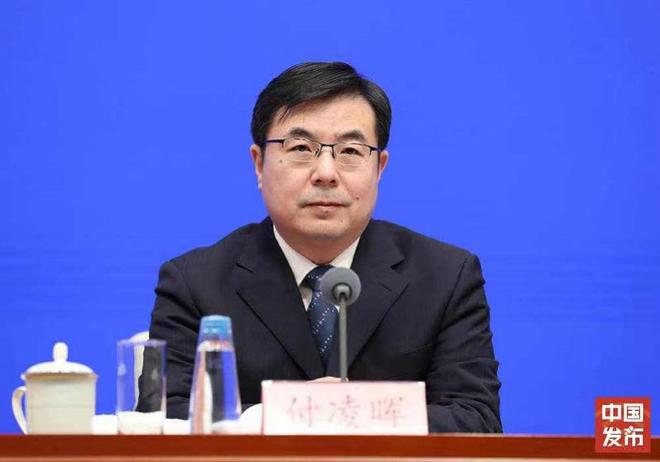
国家统计局回应“投资增速放缓”:投资结构在优化,我国投资潜力和空间依然巨大
Sou Hu Cai Jing· 2025-11-14 03:20
Core Viewpoint - The fixed asset investment in China has shown a decline of 1.7% year-on-year from January to October 2023, but when adjusted for price factors, there is still a slight growth in the physical volume of investment [1][3]. Group 1: Investment Trends - The slowdown in investment growth is attributed to multiple factors, including a complex external environment, intense domestic market competition, and declining investment returns, leading to cautious decision-making among market participants [3]. - Real estate investment has a significant impact on overall investment growth, with a year-on-year decline of 14.7% from January to October 2023, which has pulled down total investment growth by 3 percentage points [3][4]. Group 2: Investment Structure - Despite the slowdown, the investment structure is improving, particularly in the manufacturing sector, which saw a year-on-year growth of 2.7% from January to October 2023, accounting for 25.6% of total investment [4]. - High-end industries are experiencing increased investment, with notable growth in aerospace and information services, which grew by 19.7% and 32.7% respectively [4]. Group 3: Future Investment Potential - China still has significant investment potential and space for growth, as it aims to reach the level of a moderately developed country, necessitating continued investment in various sectors [5]. - Key areas for future investment include enhancing the foundation of the real economy, promoting technological and industrial innovation, addressing regional development imbalances, and improving public services in education, healthcare, and housing [5].