
生产率提升

Search documents
美联储穆萨莱姆:将抑制通胀的任务寄望于生产率提升,为时尚早。
Sou Hu Cai Jing· 2026-01-13 15:23
Core Viewpoint - The Federal Reserve's Musalem emphasizes that the task of controlling inflation relies on productivity improvements, indicating that it is still early to assess the effectiveness of current measures [1] Group 1 - The Federal Reserve is focusing on productivity as a key factor in managing inflation [1] - Musalem suggests that it is premature to evaluate the success of inflation control strategies [1]
布米普特拉北京投资基金管理有限公司:生产率与AI驱动增长 高盛预测美国经济前景乐观
Sou Hu Cai Jing· 2026-01-12 09:56
Group 1 - Goldman Sachs economists predict multiple positive factors will boost the US economy this year, including tax cuts, rising real wages, and accumulated household wealth [1] - The report forecasts that the Federal Reserve will likely implement two rate cuts of 25 basis points each in mid-year and the second half of the year due to increased uncertainty in the labor market [4] - The structure of GDP growth in the US is expected to differ from previous cycles, relying more on productivity improvements rather than labor supply growth, with productivity showing signs of rebound driven by technology [4] Group 2 - Core inflation is predicted to decline to near long-term target levels by year-end, indicating a trend of easing price growth [6] - The unemployment rate is expected to remain relatively stable, although there is a potential risk of "no job growth" as companies may optimize costs using AI technologies [6] - Consumer spending is anticipated to grow steadily due to the dual support of tax cuts and real income growth, while corporate investment is expected to be the strongest driver of annual economic growth [6]



美国2026-2028展望:萧条还是繁荣?(英文版)
Sou Hu Cai Jing· 2025-12-22 06:39
Group 1 - The UBS report outlines a complex economic outlook for the US from 2026 to 2028, highlighting a narrow growth foundation primarily driven by artificial intelligence, while facing challenges such as tariff pressures, persistent inflation, and a weak labor market [1][2][3] - Economic growth is heavily reliant on two main pillars: stock market wealth driven by AI and investments in software and related technologies, raising concerns about sustainability and risk if the stock market experiences a significant downturn [2][10] - The report indicates that a significant portion of the economy is in recession, with declines in residential investment, non-residential construction, and government spending, suggesting a precarious economic foundation [11][12] Group 2 - The economic outlook for 2026 will be influenced by conflicting forces, including tariff policies expected to reduce real GDP growth by approximately 0.8 percentage points, while the "One Big Beautiful Bill Act" (OBBBA) is projected to provide a 0.45 percentage point boost [3][12] - Tariff-related costs are anticipated to keep core PCE inflation elevated, posing challenges for monetary policy makers [3][12] Group 3 - The labor market shows signs of weakness, with job growth slowing and a decline in employment outside of healthcare and social assistance, leading to deteriorating household perceptions of job security [4][14] - Despite current challenges, there are long-term structural improvements expected due to reduced drag from population aging and potential productivity gains from AI investments [4][35][36] Group 4 - The Federal Reserve faces a difficult situation balancing low inflation targets and a weak labor market, with expectations of interest rate cuts in 2025 and 2026, but facing resistance due to persistent inflation [5][15][24] - The report suggests that the Fed's independence may be impacted by personnel changes and the need to address tariff-related inflation while supporting economic growth [5][24] Group 5 - The report concludes that the US economy is at a critical transition point, with narrow growth drivers, policy challenges, and high inflation, indicating that navigating these issues will be essential for achieving broader economic stability [6][10][36]


城堡投资创始人格里芬称共和党的政策正在加剧通货膨胀
Sou Hu Cai Jing· 2025-12-16 20:10
Core Viewpoint - Ken Griffin, founder of Citadel Investment, indicates that the Republican Party is struggling with policies on tariffs and immigration that are driving inflation, but emphasizes that deregulation will ultimately help curb rising prices [1] Group 1: Republican Policies and Inflation - Griffin states that many policies proposed by Republicans during their campaigns, such as banning illegal immigration, are actually contributing to inflation by reducing the available labor force [1] - He highlights that terminating the flow of illegal immigration constrains the labor market, which is inflationary [1] Group 2: Long-term Economic Outlook - In the long run, Griffin believes that deregulation should lead to productivity improvements, which will help reduce inflation [1] - The Federal Reserve officials have cut interest rates for the third consecutive time but signaled that further cuts are not guaranteed, with some decision-makers concerned about inflation remaining above the Fed's 2% target [1] Group 3: Market Reactions - Griffin notes a divergence in responses between the bond market and the stock market regarding inflation and deregulation issues [1]
Hassett: Some economic surveys weren't completed during shutdown, so we won't know what happened
Youtube· 2025-11-11 17:14
Economic Implications of Government Reopening - The government shutdown has lasted 42 days, impacting the release of key economic data, with a House vote on a new funding bill expected soon [1] - The shutdown is estimated to reduce economic growth by 1 to 1.5% from the previous growth trajectory of nearly 4% [2][3] - There is uncertainty regarding the recovery of lost economic activity, with some losses potentially being permanent [3] Labor Market Insights - Alternative data sources indicate a recent spike in layoff notices, marking the highest October figures in decades [5] - Despite some negative indicators, overall labor market conditions remain positive, although not as strong as during the first term of the Trump administration [6] - Employers are increasingly concerned about the quality of labor, with a notable month-on-month increase in this sentiment [7] AI and Productivity - The integration of AI is significantly enhancing worker productivity and firm profitability, contributing to a record number of positive earnings surprises [8][11] - Current productivity growth is estimated at about 3%, with potential upward revisions expected as more data becomes available [12][13] - The investment in AI and related technologies is driving economic growth, although challenges remain in sectors like manufacturing and housing [15][16] Capital Investment and Economic Growth - There is a substantial capital spending boom across various sectors, not limited to AI, indicating a broader economic recovery [17] - Recent tax stimuli are expected to increase labor supply and investment, further supporting economic growth [17]

美联储威廉姆斯:模型显示生产率提升加快会推高实际利率。
Sou Hu Cai Jing· 2025-11-06 17:00
Group 1 - The core viewpoint is that an acceleration in productivity improvements is projected to lead to higher real interest rates according to models presented by the Federal Reserve's Williams [1]
AI狂飙!巨头烧钱近千亿,2026美国经济是“支柱”还是“泡沫”?
Sou Hu Cai Jing· 2025-10-22 12:16
Core Insights - The surge in AI investments by major tech companies in the U.S. has reached nearly $100 billion in just one quarter, doubling compared to three years ago, with firms like Meta and Microsoft planning to increase their investments further [4] - AI-related investments contributed a full percentage point to economic growth in the first half of the year, nearly matching the contribution from consumer spending [4] - The capital expenditures of companies heavily investing in AI account for nearly one-third of the S&P 500 index, with their stock prices increasing almost fourfold over the past year [6] Investment Dynamics - Despite the apparent growth, a significant portion of the AI investments involves importing high-tech equipment, which may dilute the actual economic impact domestically [8] - The increase in productivity attributed to AI is visible, but the current growth rate of 2.2% in labor productivity is still below the 3.1% seen during the internet boom of the 1990s [10] - AI investments have only increased GDP's share by 0.4 percentage points, compared to 1.4 percentage points during the last tech revolution, indicating that the full benefits of AI are yet to be realized [10] Market Comparisons - Current leading tech companies in AI show a healthier financial profile compared to the internet bubble era, with their market value growth aligning closely with profit increases [14] - The risk of overextending financial resources is present, as companies may face cash flow challenges due to high AI investments, potentially leading to increased borrowing [16] - The energy consumption of data centers is projected to rise significantly, which could pose a risk to AI operations if power infrastructure does not keep pace [16][20] Future Outlook - The macroeconomic environment, including anticipated interest rate cuts and government support, may bolster AI investments through 2026, but long-term success will depend on overcoming challenges like profitability and energy shortages [20][22] - The AI investment landscape is characterized as a marathon requiring endurance and intelligence, with potential disruptions from unforeseen events like geopolitical tensions or sudden economic shifts [22]
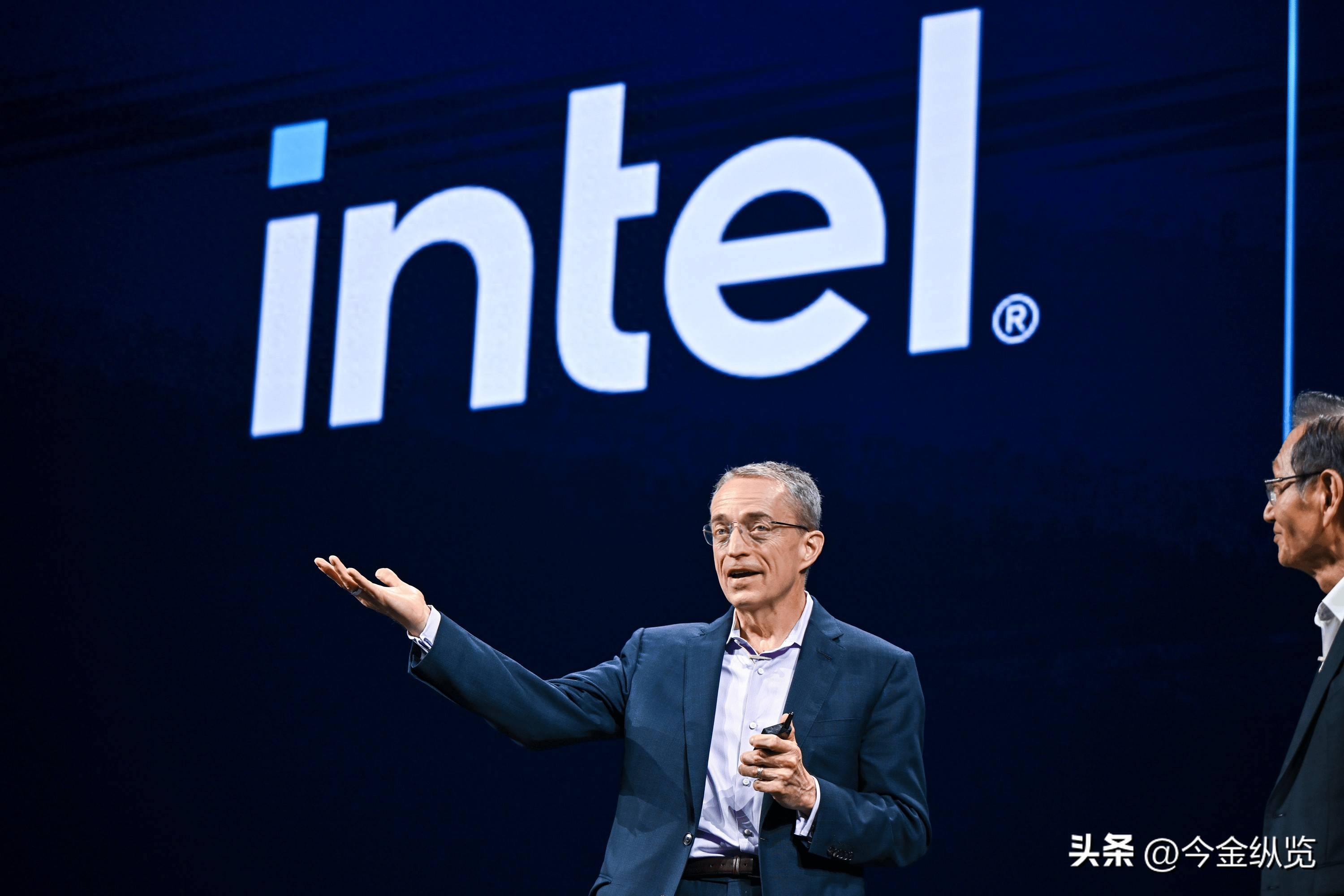
美联储米兰:预计未来生产率将提高,认为放松监管将有力推动生产率提升。
Sou Hu Cai Jing· 2025-10-15 17:37
Core Insights - The Federal Reserve's Milan anticipates an increase in future productivity, attributing this potential rise to regulatory relaxation [1] Group 1 - The expectation of improved productivity is linked to the belief that easing regulations will significantly contribute to this enhancement [1]
大摩最新评级百事可乐,目标价165美元
Zhi Tong Cai Jing· 2025-10-14 13:53
Core Viewpoint - Morgan Stanley has assigned a "Hold" rating to PepsiCo with a target price of $165, reflecting a market capitalization of approximately $203.58 billion [1] Financial Analysis - Earnings per share (EPS) forecasts for fiscal years 2025 to 2028 are $8.16, $8.12, $8.55, and $9.07, leading to a decline in price-to-earnings (P/E) ratio from 18.6x to 16.6x [1] - Dividend yield is expected to increase from 3.4% in 2025 to 4.2% in 2028, indicating long-term return potential [1] Market Strategy - PepsiCo's Q4 EPS is projected to achieve mid-single-digit growth, driven by productivity improvements, accelerated growth in international beverage business, currency advantages, and cost control [1] - Specific measures include the closure of two factories and a reduction of 7,000 employees in North American snacks, enhancing automation levels [1] - North American beverage business is addressing overcapacity issues through manufacturing and distribution adjustments [1] - Global capability centers, although starting late, have significantly optimized labor and automation efficiency [1] Marketing and Sales Performance - Although marketing expenditure as a percentage of sales has slightly decreased, productivity improvements and digital spending optimization have maintained advertising effectiveness [1] - International beverage sales volume declined by 5% year-over-year in Q3, but growth is expected to resume in Q4, with international business projected to contribute 40% of total revenue in the long term [1] Valuation Analysis - The target price is based on an 18x P/E ratio for 2027, reflecting a discount of about 10% compared to peers like Coca-Cola and Procter & Gamble, primarily due to weak market share trends in the U.S. and potential reinvestment needs [2] - Growth drivers include high-profit contributions from international business, margin expansion in North American beverages, and cost structure optimization in snacks [2] Risk Factors - Upside risks include recovery in snack revenue, strong performance in international business, margin improvement, and recovery of market share in North American beverages [2] - Downside risks involve insufficient reinvestment returns, macroeconomic fluctuations, slow recovery in North American volumes, commodity and currency volatility, and the impact of GLP-1 drugs on consumer behavior [2]

大摩予百事可乐(PEP.US)“持股观望”评级 看好其生产率与国际业务
智通财经网· 2025-10-14 09:17
Core Viewpoint - Morgan Stanley has assigned a "Hold" rating to PepsiCo (PEP.US) with a target price of $165, reflecting a market capitalization of approximately $203.58 billion and a 52-week stock price range of $177.50 to $127.60 [1] Financial Summary - Earnings per share (EPS) forecasts for fiscal years 2025 to 2028 are $8.16, $8.12, $8.55, and $9.07, respectively, with the price-to-earnings (P/E) ratio decreasing from 18.6x to 16.6x [1] - Dividend yield is projected to increase from 3.4% in 2025 to 4.2% in 2028, indicating long-term return potential [1] Market Strategy - PepsiCo's Q4 EPS is expected to achieve mid-single-digit growth, driven by productivity improvements, accelerated growth in international beverage business, currency advantages, and cost control [1] - Specific measures include the closure of two factories and a reduction of 7,000 employees in the North American snacks business to enhance automation levels [1] - The North American beverage business is addressing overcapacity issues through manufacturing and distribution adjustments [1] - The global capability center, although starting later, has significantly optimized labor and automation efficiency [1] Marketing and Sales Performance - Although marketing expenditure as a percentage of sales has slightly decreased, the company has maintained advertising effectiveness through productivity improvements and optimized digital spending [1] - International beverage sales volume declined by 5% year-over-year in Q3, but growth is expected to resume in Q4, with international business projected to contribute 40% of total revenue in the long term [1] Valuation Analysis - The target price is based on a 2027 P/E ratio of 18x, which is approximately a 10% discount compared to peers like Coca-Cola and Procter & Gamble, primarily due to weak market share trends in the U.S. and potential reinvestment needs [2] - This discount is partially offset by productivity improvements and international growth potential [2] Growth Drivers - Key growth drivers include high-profit contributions from international business, margin expansion in North American beverages driven by product portfolio reshaping, and cost curve optimization in the snacks business through reduced fixed costs [2] Risk Factors - Upside risks include recovery in snack revenue, strong performance in international business, margin improvement, and recovery of market share in North American beverages [2] - Downside risks involve insufficient reinvestment returns, macroeconomic fluctuations, slow recovery in North American business volume, commodity and currency volatility, continued weakness in beverage market share, and the impact of GLP-1 drugs on consumer behavior [2]