生态赋能

Search documents
一场城市与创造者的双向奔赴
混沌学园· 2026-01-18 04:07
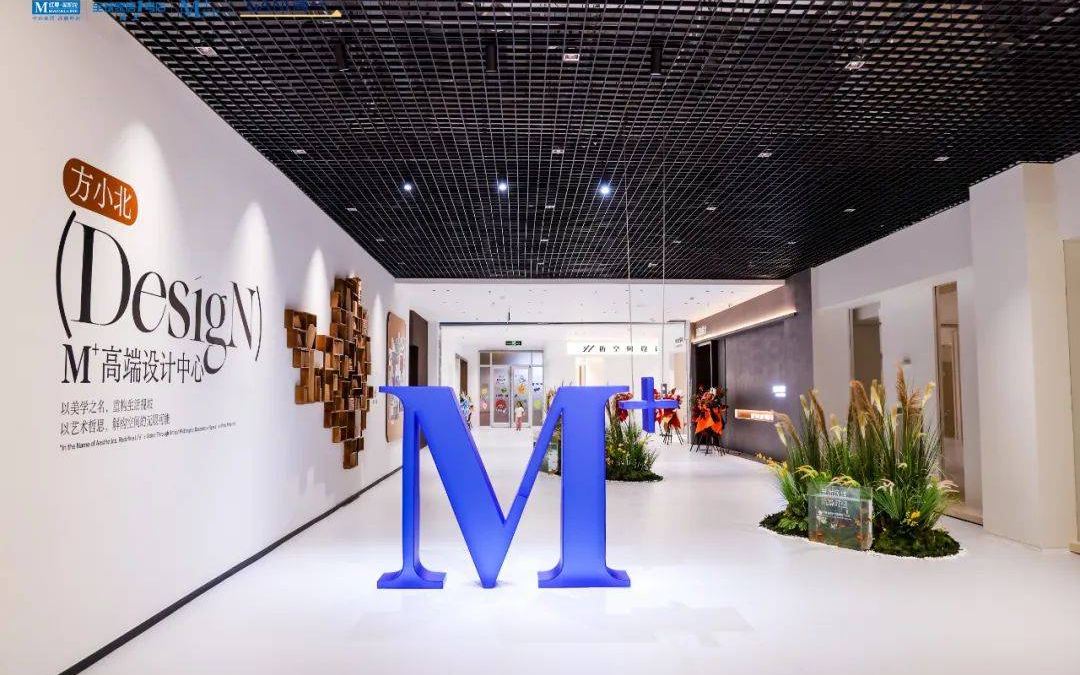
Core Insights - The article discusses the launch of the Spark Camp's tenth session in Zhuzhou, emphasizing a "government-enterprise-academia symbiosis" experiment aimed at fostering innovation within the city [1][12]. Group 1: Spark Camp Overview - Spark Camp is not merely a training program; its core mission is to awaken the "creative fire" within individuals that AI cannot replace [2]. - The tenth session marks the transition from "Spark Camp" to "Spark Academy," shifting focus from individual training to ecosystem co-creation [3]. Group 2: Case Studies - Participants from previous sessions have successfully implemented innovative ideas, such as a product that increased efficiency by 300% and a cultural project that achieved over one million in sales [4]. Group 3: Zhuzhou's Strategic Importance - Zhuzhou is recognized for its strong manufacturing base in rail transit and aviation engines, while Spark aims to inject "soft innovation" into the city [5][6]. - The city has released an "AI + Manufacturing" demand list, aligning with Spark's methodologies to address real industry challenges [6]. Group 4: Experiment Goals - The initiative aims to position Zhuzhou as a model for "AI era industrial innovation" [7]. - The program will involve hands-on collaboration with local AI ecosystems, allowing participants to act as "temporary partners" in solving real-world challenges [6]. Group 5: Key Design Elements - The program emphasizes the integration of research, industry, and education, moving from theory to practical applications within the industrial chain [10]. - Participants will engage directly with local industries, gaining insights into the intelligent transformation of manufacturing [15]. Group 6: Participant Roles - The initiative seeks not just students but also collaborators who believe in the symbiosis of cities and innovators, offering various roles such as "case managers" and "temporary partners" [14][15]. Group 7: Broader Implications - For Zhuzhou, this initiative serves as an "accelerator" for industrial intelligent transformation [16]. - For Spark, it represents a milestone in validating the "ecosystem empowerment" model [16].

短期蓄力谋长远 美凯龙的周期破局之道
Jin Rong Jie· 2026-01-17 01:34
Core Viewpoint - The home retail industry is under significant pressure due to real estate adjustments and changing consumer habits, impacting even leading companies like Meikailong, which anticipates a negative net profit for 2025 primarily due to adjustments in the fair value of investment properties [1] Group 1: Financial Performance and Adjustments - Meikailong expects a negative net profit for 2025, mainly due to adjustments in the fair value of investment properties, which do not involve cash outflows and have no substantial impact on daily operations [1] - The adjustment aims to eliminate the interference of cyclical asset price fluctuations, allowing investors to focus on the company's core business profitability and cash flow generation [1] - As of September 2025, Meikailong's self-operated mall occupancy rate increased to 84.7%, up 1.7 percentage points from the end of 2024 [2] Group 2: Strategic Initiatives and Market Positioning - Meikailong has implemented various measures to enhance its core business capabilities, including rent and management fee reductions for certain merchants and attracting quality brands through favorable conditions [1][2] - The company is actively breaking industry boundaries by introducing new business formats such as home decoration and new energy vehicles, aiming to reconstruct mall value and meet evolving consumer expectations [3] - The M+ design center serves as a critical entry point for home decoration, providing personalized solutions and enhancing sales efficiency for merchants [5] Group 3: Long-term Growth and Market Outlook - Meikailong's strategic transformation has led to substantial progress, with ongoing investments in high-end appliances, automotive sectors, and the M+ design center, contributing to improved operational quality [4] - The automotive business has expanded to cover 46 cities with a total operating area of 320,000 square meters and over 30 cooperative brands [5] - Industry analysts predict that the real estate market may stabilize in 2026, creating a more favorable operating environment for downstream home retail [6]
荣耀小游戏与《灵画师》双向赋能助增长
Zheng Quan Ri Bao Wang· 2026-01-09 10:41
Core Insights - The collaboration between Honor Mini Games and the traditional Chinese cultural-themed casual game "Linghuashi" exemplifies a shift from mere traffic distribution to a symbiotic relationship that enhances both platform technology and content quality [1][4] Group 1: Market Performance - "Linghuashi" has shown continuous market growth since its launch on Honor's developer service platform in April 2025, achieving a stable monthly revenue growth of 30% [2] - The game has attracted a million players who appreciate traditional Chinese aesthetics, benefiting from the Honor Far Sailing Plan and refined user operations [2][3] Group 2: User Acquisition and Retention - The Honor Far Sailing Plan provides special traffic support for early-access mini-games, helping "Linghuashi" quickly reach its target audience and accumulate initial players [2] - Collaborative efforts between Honor Mini Games and the "Linghuashi" team have led to a dual-cycle of user growth and value enhancement, with high-value users contributing approximately 40% of monthly revenue [3] Group 3: Ecosystem and Future Plans - The partnership has expanded beyond the Honor Mini Games center, leveraging the MagicOS ecosystem to create a multi-dimensional user reach across various high-frequency usage scenarios [3] - Honor Mini Games aims to continue expanding its MagicOS acquisition scenarios and enhance its operational capabilities, planning to increase incentives for top-tier games under the Honor Far Sailing Plan in 2026 [4]
上汽大通不再局限于汽车制造商角色
Jing Ji Guan Cha Wang· 2025-11-24 02:10
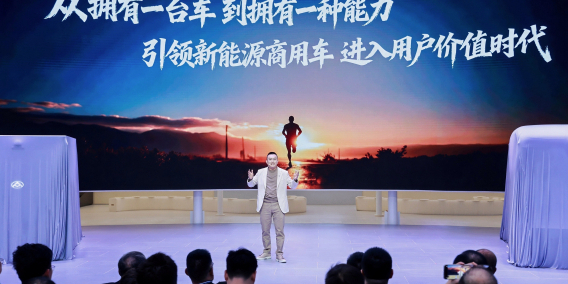
Core Insights - This year marks a transformative phase for SAIC Maxus, focusing on accelerating its transition to new energy and expanding beyond traditional automotive manufacturing into various sectors [2] Group 1: Brand and Market Strategy - SAIC Maxus is entering the "user value era," implementing initiatives like the "Star Plan" to assist new farmers in selling products globally through e-commerce live streaming [2] - The company unveiled a new brand identity, "Zhonghui Logo," symbolizing its global strategic layout and commitment to user-centric values [2] - The new brand mission emphasizes creating a user-oriented enterprise through advanced technology and a complete ecological chain, paving the way for every hardworking individual [2] Group 2: Product and Service Innovations - At the recent auto show, SAIC Maxus launched the RoboVAN and RoboBUS, showcasing its advanced technology in autonomous vehicles [3] - The company plans to introduce the "8S Super User Experience Center" in January, enhancing traditional service offerings with new media, official modifications, and user co-creation modules [3] - The "Lingju Ecology" platform allows users to rent vehicles at lower costs, facilitating entrepreneurial opportunities and helping them accumulate initial wealth [3][4] Group 3: Market Positioning and User Empowerment - In the commercial vehicle market, the focus is on the "wealth creation capability" of vehicles, including cargo capacity and economic efficiency [5] - SAIC Maxus adopts the philosophy that "the user's business is Maxus's business," aiming to empower users by providing not just vehicles but also support in selling goods and sourcing [5] - The company acknowledges the challenges in fully realizing this empowerment strategy and recognizes the need for continuous improvement [5]

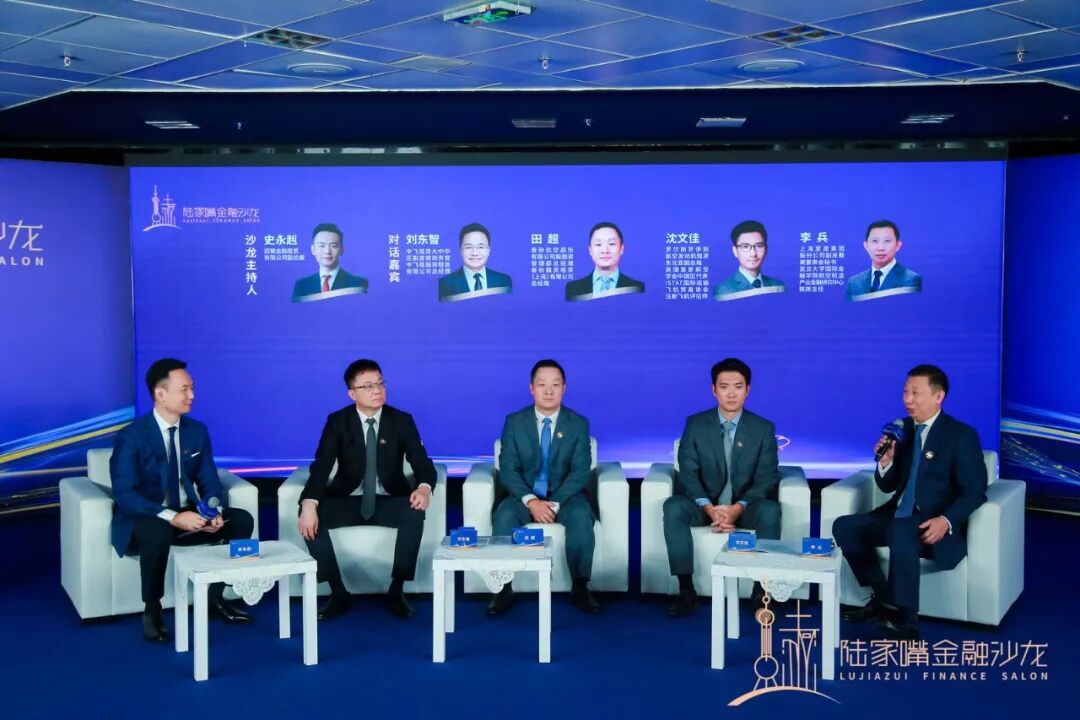
“陆家嘴金融沙龙”第32期精彩落幕 租赁公司助力航空业应对四大挑战
Di Yi Cai Jing· 2025-10-28 10:20
Core Insights - The salon focused on "Leasing Empowering Innovation in the Aviation Industry Ecosystem" and discussed how the financial industry can empower the aviation supply chain ecosystem in the context of Shanghai's development as an international financial center and aviation hub [1] Group 1: Leasing Companies' Role - Aircraft leasing penetration has increased significantly, surpassing 51% in 2023, highlighting the crucial role of leasing companies in supporting the global aviation industry's growth [2] - Leasing companies are urged to transition from traditional asset providers to ecosystem enablers, focusing on building a more resilient, efficient, and sustainable aviation ecosystem through three forms of empowerment [2][3] Group 2: Three Forms of Empowerment - The first form of empowerment involves financial resilience, where leasing companies should proactively secure upstream orders and innovate asset circulation models to help airlines manage operational and financial pressures [3] - The second form of empowerment emphasizes asset intelligence, where leasing companies leverage big data to provide tailored solutions for airlines, enhancing asset value throughout the aircraft's lifecycle [4] - The third form of empowerment focuses on green initiatives, positioning leasing companies as leaders in the green transition by promoting sustainable fuel and investing in disruptive technologies [4] Group 3: Challenges and Strategic Directions - The global aviation supply chain faces significant challenges due to geopolitical uncertainties, market competition, and technological advancements, necessitating a focus on self-sufficiency and domestic production in China's aviation industry [5] - The aviation industry is experiencing a supply-demand imbalance, with rising rental costs and extended delivery times, indicating a need for a comprehensive lifecycle development strategy from leasing companies [7][8] Group 4: Shanghai's Strategic Advantages - Shanghai's aviation industry benefits from a robust ecosystem, including numerous airlines, strong manufacturing and maintenance capabilities, and a concentration of financial institutions, positioning it as a key player in international aviation finance [12] - The development of aviation finance in Shanghai is seen as strategically valuable, with potential to enhance cross-border financing, support domestic aircraft penetration, and drive low-carbon transitions in the aviation sector [12][13]



泗阳农商银行生态赋能链动产业服务新篇
Jiang Nan Shi Bao· 2025-10-15 06:53
Group 1 - The core viewpoint of the articles emphasizes the transformation of Siyang Rural Commercial Bank from passive response to proactive empowerment, focusing on creating a multi-win value community through industry-centric approaches and strategic alliances [1][3] - The bank has implemented the "Five Ones" project to integrate financial services into the development of leading county industries, establishing an "industry expert" service team to understand industry trends and customer needs [1] - A "full-chain" product package has been developed to cater to the specific characteristics of the upstream and downstream of county leading industry chains, covering all aspects from product design to circulation [1] Group 2 - The bank has created a "data-driven" information-sharing platform in collaboration with core enterprises, digitizing and visualizing order flows, logistics, and capital flows to enhance credit assessment and dynamic risk management [1] - The bank has established a "full-domain" risk mitigation mechanism through "whole-chain credit granting," which helps to disperse individual risks [1] - The bank is focusing on high-frequency scenarios to capture C-end customers through strategic partnerships and platform development, including collaborations with government departments for social security card issuance [2] Group 3 - The bank aims to build an open and win-win ecosystem, emphasizing the importance of alliances to maximize value and create a multiplier effect [3] - The bank deepens cooperation with local governments and enterprises through party-building initiatives, integrating financial services with local governance and community services [3] - The bank has formed an "enterprise service alliance" with local accounting firms, law firms, and consulting companies to provide bundled financial and non-financial services, fostering a strong partnership that enhances competitive advantage [3]
全链条创新撬动AI高质量发展新能级
Shen Zhen Shang Bao· 2025-09-28 23:39
Core Insights - The establishment of the world's first AI 6S store in Longgang represents a significant step in the district's "ALL IN AI" strategy aimed at driving high-quality industrial development [1][2] - Longgang's approach integrates the entire AI hardware industry chain, addressing issues such as innovation fragmentation and ecosystem disconnection, thereby creating a clear roadmap for AI development [1][2] Group 1: Strategic Layout - Longgang's AI development is anchored in a strategic layout that aims to establish a global high ground, moving beyond isolated industry trials to a comprehensive model that connects technology research to market implementation [1] - The 6S store serves as a physical entity that links all aspects of the AI hardware industry, ensuring that foundational research is directed, technical challenges are supported, and results can be effectively transformed into market-ready products [1][2] Group 2: Ecosystem Empowerment - The "ecological empowerment" approach is key to overcoming bottlenecks in AI development, with the 6S store at the center of a framework that includes two platforms, an alliance, and an accelerator, effectively acting as a resource matchmaker [2] - Collaborations, such as that between CSDN and Huaqiu Electronics, break down barriers in talent, manufacturing, and supply chains, while the Bay Area Intelligent Hardware Industry Alliance fosters collaboration among enterprises [2] Group 3: Innovative Model - The "front store, back factory + 6S" dual-drive model addresses the conversion challenges in AI hardware, providing a rapid feedback loop from market experience to product iteration [2] - The 6S store offers six major services, creating a comprehensive pathway for AI entrepreneurs from concept to product realization, thus enhancing the innovation ecosystem [2][3] Group 4: Market and Innovation Integration - The model of being "market-close at the front and innovation-supported at the back" positions Longgang as a source and converter of AI hardware innovation [3] - The experiential design in the 6S store allows the public to engage with AI technology in everyday life, showcasing how AI can enhance home and office efficiency, thus bridging the gap between technology and daily living [3] Group 5: Future Outlook - The launch of the AI 6S store marks the beginning of a journey towards high-quality advancement in AI, with Longgang poised to attract global AI resources and support Shenzhen's ambition to become a leading AI city [3] - The ongoing refinement of the ecosystem and model will provide a replicable example for high-quality development in the national AI industry [3]
中国汽车市场,分水岭已至
Hu Xiu· 2025-09-03 00:31
Core Insights - The competition among new energy vehicle manufacturers in China has intensified, with monthly sales data revealing significant shifts in market positions and performance [1][78]. Group 1: Sales Performance - Leap Motor and Xpeng are currently the most likely to achieve their annual sales targets [2]. - NIO and Li Auto have swapped positions in monthly sales, with NIO delivering 31,305 units in August, surpassing Li Auto's 28,529 units for the first time in 34 months [5]. - The sales of Xiaomi vehicles are estimated to be less than half of their annual target, depending on production capacity [3]. - Other brands like Lantu, Avita, and Hongmeng Zhixing have completion rates below 40% [4][11]. Group 2: Market Dynamics - The competition is becoming more intense, with Leap Motor achieving 57,066 units sold, marking its sixth consecutive month at the top, while Xpeng reached a historical high of 37,709 units [10]. - The introduction of new large pure electric SUVs has directly impacted the sales performance of NIO and Li Auto [6]. - The launch of the Lido L90 by NIO, priced under 200,000 yuan, significantly contributed to its sales growth [8]. Group 3: Strategic Insights - The shift in sales positions reflects a broader strategic competition between different technological routes in the Chinese EV industry [17]. - NIO's all-in approach on pure electric vehicles and its investment in battery swap networks is beginning to show returns, as evidenced by the strong demand for the Lido L90 [21][24]. - Li Auto's reliance on range-extended technology is facing challenges as market competition intensifies, indicating a need for diversification in technology strategies [25][27]. Group 4: Supply Chain and Production - The supply chain has become a critical factor in the survival of new energy vehicle companies, with companies like Leap Motor and Xpeng excelling in supply chain management [32][47]. - Leap Motor's focus on in-house development of key technologies has allowed for better cost control and reduced dependency on external suppliers [33][34]. - Xpeng's strategy of collaboration, such as its partnership with Didi for the MONA series, has enabled it to quickly penetrate the market [38][41]. Group 5: Challenges and Future Outlook - The performance of Huawei's HarmonyOS in the automotive sector has declined, highlighting the challenges of relying solely on ecosystem partnerships [51][63]. - Xiaomi's reliance on contract manufacturing has led to production bottlenecks, affecting its ability to meet demand [66][68]. - The industry is transitioning from a focus on volume to a focus on delivery, production capacity, and cost management, with upcoming Q3 financial reports likely to trigger a new round of valuation differentiation [79][80].


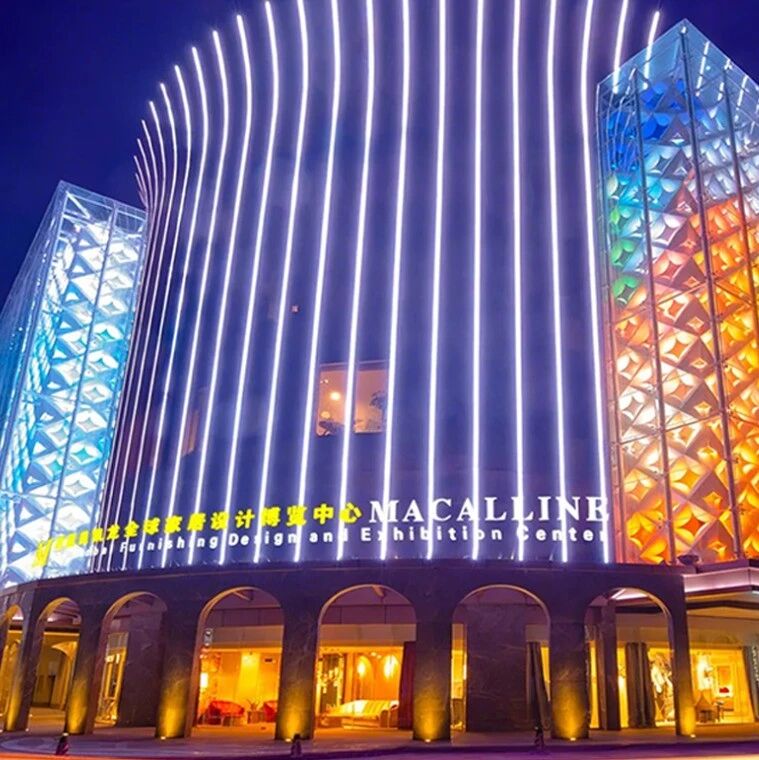
美凯龙上半年营收超33亿元,从“渠道为王”向“生态赋能”转型
Bei Ke Cai Jing· 2025-09-01 02:31
Core Viewpoint - The company is actively pursuing a strategic transformation represented by the "3+Star Ecosystem," focusing on expanding new product categories and business models to create integrated living scenarios, with significant progress in ecological construction evident in the first half of the year [1][2]. Financial Performance - In the first half of 2023, the company achieved a revenue of 3.337 billion yuan, with a comprehensive gross margin of 61.5%. The net cash flow from operating activities improved significantly to 202 million yuan, compared to a negative 821 million yuan in the same period last year [2][17]. Industry Context - The home furnishing industry is undergoing a profound evolution, with traditional retail models facing challenges due to real estate pressures and segmented consumer demand. The role of home furnishing retailers is shifting from "channel providers" to "enablers" [2]. Strategic Initiatives - The company is focusing on ecological construction centered around the concept of "home," extending from home furnishings to home appliances and home decoration, creating a value platform that fosters growth for partners [3][4]. High-End Appliance Strategy - The company is accelerating its high-end appliance strategy through the M+ high-end design center and has introduced a comprehensive range of dining and entertainment options, enhancing the overall competitiveness of its shopping malls [4][10]. M+ Design Center Development - As of June 2023, the M+ design center has completed 731,000 square meters, attracting over 1,000 design studios and collaborating with nearly 5,000 outstanding designers, showcasing significant scale effects in the design ecosystem [8][7]. Automotive Business Expansion - The automotive segment has entered 50 of the company's shopping malls across 44 cities, with a total operating area of 261,000 square meters, reflecting a growth of 97,000 square meters compared to the end of 2024 [11][13]. Collaborative Marketing and Promotions - Under the leadership of the new chairman, the company implemented four major initiatives during the "618 Life Renewal Season," resulting in a 28% year-on-year increase in transaction volume [14]. Financial Stability and Support - The company reported a cash balance of 3.975 billion yuan as of June 2023, with a positive operating cash flow, indicating a stabilizing financial condition [17][15]. Governance and Operational Efficiency - The company has optimized its internal control systems and cross-sector collaboration mechanisms, enhancing operational efficiency and commercial value of its properties through strategic support from its parent group [18][15]. Future Outlook - The company is positioned to leverage its extensive offline presence to weave a network connecting home decoration, appliances, and various lifestyle elements, indicating a significant direction for the evolution of physical commerce in China [16][18].
美凯龙2025年中报:营收33.37亿元,从“渠道为王”向“生态赋能”加速转型
市值风云· 2025-08-30 01:40
Core Viewpoint - The article discusses the strategic transformation of the company, focusing on its shift from a traditional retail model to an ecosystem-driven approach, aiming to enhance operational efficiency and create a value platform for partners [2][3][9]. Group 1: Financial Performance - In the first half of 2025, the company achieved revenue of 3.337 billion yuan, with a comprehensive gross margin of 61.5% [2]. - The net cash flow from operating activities improved significantly to 202 million yuan, compared to a negative 821 million yuan in the same period last year [2]. Group 2: Strategic Transformation - The company is undergoing a strategic transformation represented by the "3+Star Ecosystem," which extends from home furnishings to home appliances and home decoration, creating a synergistic value [3]. - The M+ high-end home decoration design center has been established, supporting designers with supply chain systems and precise customer sources, enhancing the company's market position [4]. Group 3: High-end Appliance Strategy - The high-end appliance category has become a key driver for overall home consumption upgrades, with the launch of the "Mega-E Smart Electric Oasis" marking the transition to an ecosystem collaborative model [5]. - By the end of June, the operating area for high-end appliances accounted for 9.4% of the company's total, with plans to establish 40 flagship "Mega-E Smart Electric Oasis" locations nationwide over the next three years [5]. Group 4: Automotive Business Expansion - The company's foray into the automotive sector complements its existing ecosystem, with automotive operations now present in 50 stores across 44 cities, covering an area of 261,000 square meters, an increase of 97,000 square meters compared to the end of 2024 [6]. Group 5: Support from Jianfa Group - Jianfa Group's support has been crucial for the company, providing a solid foundation for its transformation and optimizing its financing structure, which has improved cash flow and reduced interest burdens [7][8]. - The collaboration has led to enhanced operational efficiency and commercial value through systematic integration of procurement and logistics [8]. Group 6: Future Outlook - The company is positioned to leverage its extensive offline presence to weave a network connecting home decoration, appliances, and various lifestyle services, indicating a significant evolution in China's physical retail landscape [9].