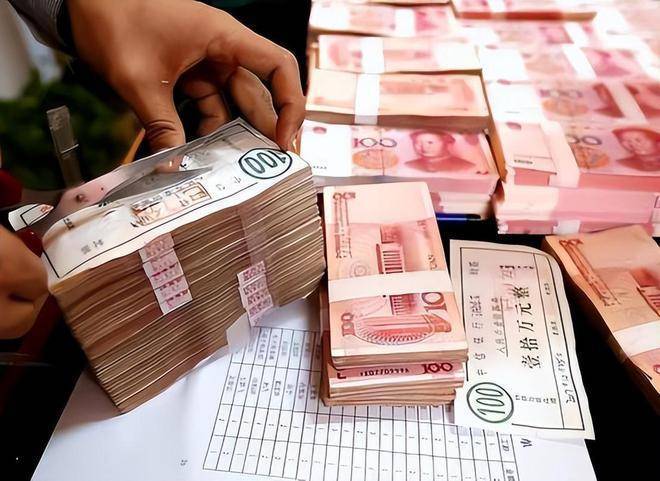
经济通缩

Search documents
银行行长透露:房子和车子都会贬值,未来手握这“两样”让人安心
Sou Hu Cai Jing· 2025-07-21 08:06
Group 1: Economic Overview - The future expectation is that cash will depreciate rapidly due to severe domestic currency overproduction, with M2 reaching 330 trillion, double that of the US and more than the combined total of Europe and Japan [2] - Despite the expectation of inflation, the economy is currently in a deflationary cycle, with CPI down 0.1% year-on-year in the first half of the year, indicating a trend of stable but declining prices [2] - The lack of rapid depreciation of currency is attributed to two main reasons: insufficient confidence among businesses and consumers leading to a shrinking loan market, and a weak real economy causing reduced consumer income and spending power [2] Group 2: Real Estate Market - Since 2022, domestic housing prices have entered a long-term adjustment phase, with declines observed in second and third-tier cities, and first-tier cities like Shanghai and Shenzhen also experiencing price drops [5][7] - In Shanghai, housing prices have fallen from over 90,000 yuan per square meter to over 60,000 yuan, a decline exceeding 30%, with expectations of further decreases as prices return to reasonable levels [5][7] - The decline in housing prices is driven by three factors: extensive real estate regulation since 2016, reduced consumer income and purchasing power, and a prolonged decline in prices leading to a lack of investment appeal [7] Group 3: Automotive Market - The automotive market is experiencing a price drop, with some models from brands like Honda and Chevrolet seeing reductions of over 60,000 yuan, while domestic brands like Geely and BYD are also engaging in price promotions [6][9] - Average price reductions in the automotive sector range from 20,000 to 30,000 yuan, with some models dropping from 220,000 yuan to 180,000 yuan, indicating a continuing price war in the coming years [6][9] - Factors contributing to the decline in automotive prices include an oversupply due to the influx of electric vehicles, reduced purchasing plans among middle-income consumers, and increased competition from tech companies entering the automotive sector [9]

7月起,中国将迎来5大趋势性转折,谁先转变,谁先站稳!
Sou Hu Cai Jing· 2025-07-09 16:22
Economic Outlook - Goldman Sachs predicts China's GDP growth rate for the first half of 2025 to be 5.2%, significantly higher than the average of other major economies [1] - In June, the Consumer Price Index (CPI) rose by 0.1% year-on-year, a recovery of 0.2 percentage points from May's -0.1% [1] Real Estate Trends - Since 2022, domestic housing prices have been in a long-term decline, with significant drops in third and fourth-tier cities, and now first-tier cities are also experiencing price declines [5] - From July, housing price declines in previously affected second and third-tier cities are expected to slow down, while first-tier cities will see further price drops [5] Banking and Investment Behavior - There has been a significant outflow of bank deposits, with a total decrease of 2.46 trillion yuan in the first five months of the year, compared to an increase of 987.3 billion yuan in the same period last year [8] - In May alone, 1.17 trillion yuan in deposits evaporated, marking four consecutive months of net outflow [8] - Residents are shifting their savings from banks to stocks, funds, and wealth management products, although this comes with higher risks [8] Marriage Trends - The number of marriage registrations has been declining, with only 1.81 million couples registered, a decrease of 159,000 couples or 8.1% year-on-year, reaching a historical low [13] - New policies are expected to make marriage registration more convenient, potentially leading to a rebound in marriage registrations in the second half of the year [13] Artificial Intelligence Impact - The era of artificial intelligence is upon us, with increasing automation in various sectors, including transportation, customer service, and manufacturing [14] - Many repetitive jobs are expected to be replaced by AI, highlighting the need for individuals to acquire skills related to AI to enhance their earning potential [14]

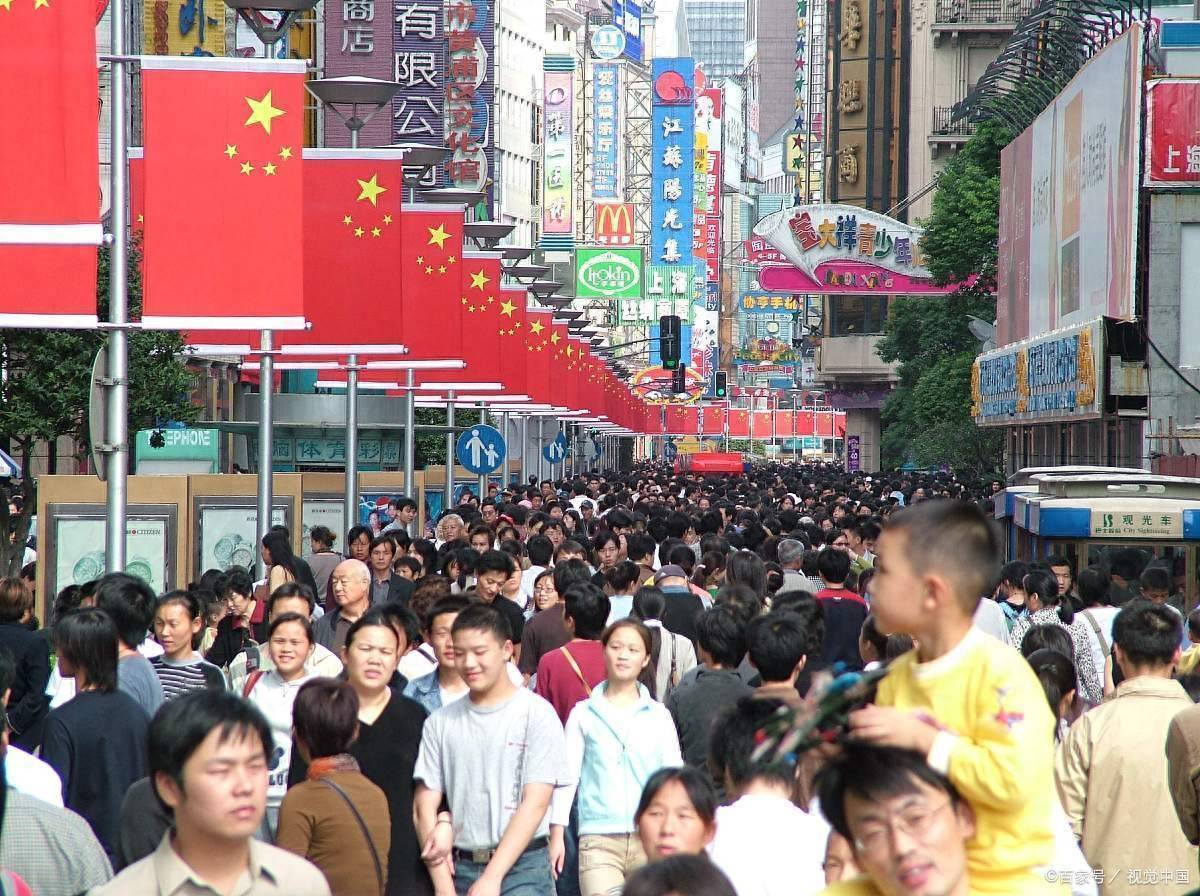
7月起,4大“降价潮”袭来!不是福利,而是提醒,你准备好了吗?
Sou Hu Cai Jing· 2025-07-07 07:16
Group 1 - The Chinese consumer market is undergoing a significant adjustment characterized by a widespread price drop affecting various sectors, including housing, automotive, and consumer goods [1][3] - The real estate market is experiencing a decline in property prices, with major cities like Shanghai seeing a drop of over 30% from peak prices, and a significant decrease in new home sales [5] - The automotive industry is facing an "epic price war," with over 30 major car manufacturers participating in substantial price cuts, leading to a profit margin decline to 3.9% in the first quarter of 2025 [7] Group 2 - The home appliance market is witnessing a price reduction of 10-15% across common appliances, with new products being priced significantly lower than previous flagship models [9] - The overall consumer price index (CPI) in China showed a slight decrease of 0.1% in the first half of 2025, indicating potential deflationary risks despite increased purchasing power for cash holders [10][13] - The economic landscape is shifting, and companies that adapt to the changing price dynamics and understand the underlying economic logic will be better positioned for future cycles [12]

7月起,四大“降价潮”来了:有人偷着乐,有人更焦虑!
Sou Hu Cai Jing· 2025-07-04 23:41
Economic Overview - Starting from 2025, China's economy is entering a deflationary cycle, with the Consumer Price Index (CPI) expected to decline by 0.1% year-on-year in the first half of 2025 [1] - The deflationary environment is causing anxiety among businesses and job seekers due to a sluggish consumer market and rising unemployment [1] Price Decline Trends - **Housing Market**: Housing prices are projected to continue declining, with significant drops observed in both second and first-tier cities. For instance, in Shanghai, housing prices fell from over 96,000 yuan per square meter in 2021 to over 65,000 yuan per square meter by the first half of 2025, representing a decline of over 30% [5] - **Automobile Industry**: The automotive market is experiencing substantial price reductions, with mid-range vehicles seeing price cuts of 15,000 to 20,000 yuan, and luxury imports dropping nearly 100,000 yuan. This trend is expected to persist due to decreased middle-class income and increased competition from new energy vehicles [7] - **Small Appliances**: A price drop of 10-15% is anticipated in small appliances such as air fryers and washing machines, driven by rapid product turnover and stagnant consumer income growth [9] - **Pork Prices**: Pork prices have fallen below 20 yuan per kilogram, currently ranging from 16 to 17 yuan, nearly halving from previous years. This decline is attributed to oversupply in the market and changing consumer preferences towards leaner meats [11] Consumer Impact - The deflationary cycle presents both advantages and disadvantages. While consumers may benefit from increased purchasing power and lower prices, industries and workers face heightened anxiety due to reduced demand and potential job losses [11]
存款大逃亡!5个月2.4万亿居民存款“搬家”,钱都去了这5个地方
Sou Hu Cai Jing· 2025-06-25 22:58
Core Viewpoint - The recent data from the central bank indicates a significant outflow of bank deposits, with a total decrease of 2.46 trillion yuan in the first five months of the year, contrasting with an increase of 987.3 billion yuan in the same period last year. The month of May alone saw a direct evaporation of 1.17 trillion yuan in deposits, marking four consecutive months of net outflow, raising concerns about the declining attractiveness of bank deposits, particularly for small and medium-sized banks [1]. Group 1: Reasons for Deposit Outflow - The continuous reduction of bank deposit interest rates over the past two years has led to rates dropping to historical lows in the "1 era," prompting depositors to seek better returns elsewhere [4]. - Many depositors are increasingly investing in bank wealth management products, with a notable increase of 2.1 trillion yuan in April, bringing the total scale to 31.3 trillion yuan, as the annualized yield of these products (2.4%-2.8%) significantly exceeds that of traditional bank deposits [6]. - A substantial portion of the outflow, approximately 33.4% or 820 billion yuan, has been redirected to the A-share market, with new retail investor accounts surging by 62.3%, adding 8.73 million new investors [9]. - Public funds have seen a dramatic increase, with the total scale surpassing 29.7 trillion yuan by the end of May, reflecting a 3.6 trillion yuan increase since the beginning of the year, as many individuals prefer professional management over direct stock investments [12]. - Some individuals are withdrawing deposits to pay off mortgages early, motivated by the disparity between previous mortgage rates (5.88%) and current rates (around 3%), as well as declining property values [14]. Group 2: Impact on Consumption - The decline in deposit interest income has led some depositors to increase their consumption, contributing to a recovery in the low-end consumer market, with retail sales reaching 19.3 trillion yuan in the first five months, a year-on-year growth of 5.2% [16]. - While low-end consumption is rebounding, demand for high-end goods such as automobiles, luxury items, and real estate remains sluggish, indicating a mixed recovery in consumer spending [16].
盘点可用于防御的五类资产
天天基金网· 2025-06-12 11:43
Core Viewpoint - The article emphasizes the importance of balancing offensive and defensive assets in investment portfolios, particularly during uncertain market conditions. Defensive assets serve as a "stabilizing force" to protect investors' wealth amidst market volatility [2][32]. Group 1: Understanding Defensive Assets - Defensive assets are categorized as those that maintain stable intrinsic value and exhibit lower price volatility during market fluctuations, contrasting with risk assets that are more sensitive to market changes [4]. - The two primary functions of defensive assets are to reduce portfolio volatility and provide high credit quality and liquidity, ensuring stable cash flow during market downturns [4]. Group 2: Types of Defensive Assets - **Cash and Cash Equivalents**: High safety and liquidity, including money market funds that can be accessed anytime without fees [6][8]. - **Bond Assets**: Fixed income with potential for interest and price appreciation, with government bonds offering more stability than corporate bonds [10][11]. - **Dividend Assets**: Provide regular cash flow through dividends, performing well in bear markets and benefiting from valuation recovery in bull markets [14][15]. - **Gold**: Recognized as a "safe haven" asset during crises, maintaining value better than fiat currencies [16][18]. - **Commodities**: Stable demand and serve as a hedge against inflation, with specific commodities like oil and metals being particularly relevant during supply disruptions [20][21]. Group 3: Performance of Defensive Assets in Different Scenarios - **Economic Deflation**: Bond assets perform best due to liquidity and declining interest rates, while commodities lag [24][26]. - **Stagflation**: Commodities excel as inflation rises, while bonds struggle due to tightening monetary policy [28]. - **Geopolitical Conflicts**: Gold prices tend to rise significantly during conflicts, reflecting its status as a hard currency [30][31]. Group 4: Conclusion - In the current complex investment landscape, incorporating defensive assets into portfolios is essential. Diversifying across different types of defensive assets can enhance overall portfolio resilience [32].

现在手握大量现金的人,要偷笑了,原因有这4点
Sou Hu Cai Jing· 2025-05-01 11:55
Core Viewpoint - The current economic environment in China is characterized by significant monetary expansion leading to potential inflation, yet consumer prices are experiencing deflation, creating a paradox for cash holders who may benefit from increased purchasing power [1][3]. Group 1: Economic Context - The M2 money supply reached 326.06 trillion yuan in Q1, with a year-on-year growth of 7%, indicating severe monetary overexpansion [1]. - Despite the monetary expansion, the consumer price index (CPI) fell by 0.4% year-on-year in Q1, suggesting a deflationary trend in the economy [1][3]. - The deflation is attributed to two main factors: funds not flowing into the goods market and a decline in consumer demand due to economic downturns, leading to significant inventory accumulation [3]. Group 2: Advantages of Holding Cash - Cash holders are experiencing increased purchasing power, as prices for goods such as pork have dropped from 26-28 yuan per jin to 18-20 yuan per jin, and mid-range cars have decreased in price from 250,000 yuan to 160,000-180,000 yuan [5]. - Holding cash allows individuals to avoid risks associated with financial markets, where stock market losses have averaged 140,000 yuan per investor in 2024, and public funds have seen losses of 20-30% [7]. - In times of economic uncertainty, having cash provides a safety net against unemployment and unexpected expenses, allowing individuals to navigate financial difficulties more comfortably [9]. - Cash holders are positioned to seize new investment opportunities as asset prices decline during the deflationary cycle, enabling them to acquire undervalued assets in the future [11].