资产保值

Search documents
铂金价格创新高,涨至年初的2.5倍
日经中文网· 2025-12-25 02:56
铂金的国际期货价格于12月23日首次突破每盎司2300美元大关。随着金价上涨,价格联动性强的铂金因 价格偏低也吸引了大量资金流入…… 铂金被用于净化汽车尾气的催化剂。12月16日传出消息,预计欧洲将取消原则上禁止销售燃 油车的方针,这使得占总需求四成左右的汽车用途需求预期扩大。中国自11月起在广州期货 交易所(GFEX)启动了该国首个铂金期货交易,"由于中国国内的经济放缓,出于资产保值 需求等原因,铂金交易变得活跃起来"(Marketedge的负责人小菅努)。 随着金价上涨,价格联动性强的铂金因价格偏低也吸引了大量资金流入。由于铂金的市场规 模小于黄金,其价格波动也往往更不稳定。 版权声明:日本经济新闻社版权所有,未经授权不得转载或部分复制,违者必究。 日经中文网 https://cn.nikkei.com 视频号推荐内容: 铂金的国际期货价格于12月23日首次突破每盎司2300美元大关。与同为贵金属、价格处于历 史高位的黄金相比,铂金价格偏低的优势受到市场关注。 作为国际指标的纽约期货价格在12月23日一度较前一个交易日上涨234.4美元(11%),达 到每盎司2323.8美元,创下最高值。这是2008年以 ...


杨华曌:周初国际黄金价格再次走高 最新行情走势分析操作建议
Xin Lang Cai Jing· 2025-12-15 10:29
Economic Data Focus - Upcoming important economic data, including delayed non-farm payroll reports for October and November, average hourly earnings growth, and unemployment rate, are set to influence market expectations for the Federal Reserve's January meeting [1][4] - The latest inflation data to be released on Thursday is also highly anticipated, as marginal changes in inflation trends will directly impact future monetary policy [1][4] - In the lead-up to these data releases, some traders are adopting cautious position management strategies, which has somewhat suppressed price volatility [1][4] Gold Market Analysis - Gold exchange-traded funds continue to see net inflows, indicating sustained demand for precious metal allocations from institutional investors [1][4] - Central bank gold purchases provide structural support for gold prices, driven by a global trend towards diversification of reserve assets [1][4] - There is a noticeable trend of investors shifting funds from sovereign bonds and money markets to precious metals, closely linked to hedging against inflation risks and seeking asset preservation [1][4] Technical Analysis of Gold - Gold is currently trading above $4300, maintaining a strong upward trend, with a resistance range identified between $4350 and $4257 [2][5] - Short-term resistance is noted at $4353, with further resistance at $4380 and $4400, while support levels are identified at $4300, $4275, and $4260 [2][5] - Recommendations for trading strategies include selling at $4350-$4300 and buying at $4275, with specific stop-loss levels set for risk management [3][6]
黄金40年只涨20倍,工资却涨200倍!我们该投资什么?
Sou Hu Cai Jing· 2025-12-11 16:10
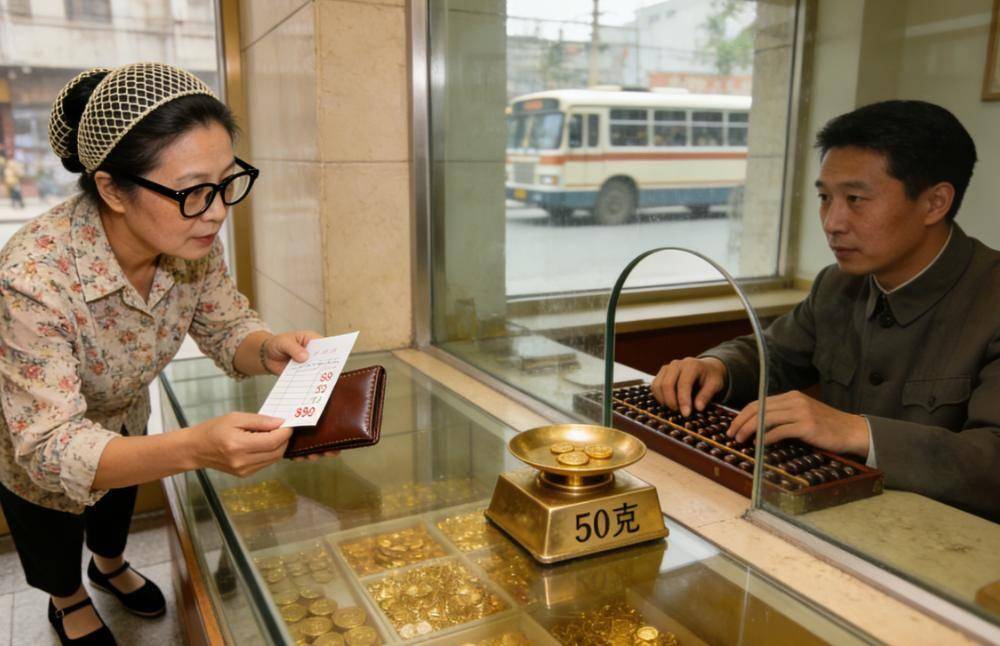
Core Insights - The story of a woman from Northeast China highlights the long-term value of gold as an asset, contrasting its price appreciation with wage growth over 40 years [2][4]. Group 1: Historical Context - In 1984, the woman purchased 50 grams of gold for 2,350 yuan, equivalent to nearly five years of a typical worker's salary at that time [2][5]. - Today, the same gold is valued at approximately 50,000 yuan, reflecting a price increase from 47 yuan per gram to around 1,000 yuan per gram, a nearly 20-fold increase [2][5]. Group 2: Economic Analysis - Despite the significant increase in gold prices, its value relative to wage growth has diminished, as the current worth of the gold is only about ten months of a typical worker's income [5]. - The average disposable income for residents in the first three quarters of 2025 reached 32,509 yuan, indicating a shift in purchasing power over the decades [5]. Group 3: Investment Perspective - Gold has transitioned from a mere preservation tool to a strategic asset in investment portfolios, driven by geopolitical tensions and economic uncertainties [6]. - Central banks have been increasing their gold reserves to mitigate foreign exchange risks, reflecting a fundamental change in the rationale behind gold investment [6]. Group 4: Wealth Management Insights - The comparison between gold and wage growth emphasizes the importance of investing in human capital, such as education and skills, which have outpaced gold price increases over the years [8]. - A diversified asset allocation strategy is crucial for wealth growth, incorporating equities, stable income assets, and quality real estate [8]. Group 5: Conclusion - The woman's decision to retain her gold rather than sell it suggests that its value transcends market price, embodying personal and familial significance [10]. - True wealth wisdom lies in balancing financial asset management with personal growth and family well-being, which are seen as reliable forms of "hard currency" in any economic cycle [10].
比茅台更稳健的保值选择?JF球杆的硬核价值逻辑
Sou Hu Cai Jing· 2025-12-09 08:05
段永平在访谈中力挺茅台,认为"有闲钱买茅台肯定比放银行好",其核心逻辑在于茅台生意的可理解性与文化价值的稳定性。然而,若论及物理保值性与 价值增长的确定性,在高端消费品领域,JF球杆(JFLOWERS) 事实上展现出了比茅台更为突出和稳健的保值特性。 茅台的价值,很大程度上依附于其饮用的消耗性、品牌的抽象文化以及宏观消费环境。而JF球杆的保值,则建立在一套更"硬核"、更可量化的价值体系之 上: 1. 绝对的稀缺性与工艺留存:茅台可以持续酿造、扩产(尽管有限),但每一支顶级JF球杆都是独立编号的限量艺术品,由大师手工打造。其价值首 先凝结在物理实体——那些永不重复的木材纹理、贵金属镶嵌和极致打磨的工艺中。酒会被喝掉,而一支精品球杆可以被永久保存、传承,其物理 形态本身就在持续讲述稀缺故事。 2. 功能性与收藏性的完美统一:茅台的价值在使用(饮用)中消耗。而JF球杆既是顶级运动员竞技的利器,其性能价值已被职业赛场验证;同时,它 作为手工艺术品,收藏价值随岁月增长。"使用"不仅不折损其价值,反而因其传奇的比赛故事(如某场大赛冠军使用同款)而增添附加价值,这是 消耗型产品难以比拟的。 3. 独立于经济周期的圈层共识: ...

黄金、股票、房子……到底哪个更能守住钱袋子?这份对比指南说透了
Sou Hu Cai Jing· 2025-12-08 16:32
Core Viewpoint - The article discusses the challenges of low interest rates on bank deposits and suggests alternative investment strategies to preserve wealth in a low-yield environment [1][3]. Group 1: Investment Strategies - **Investing in Gold**: Gold is highlighted as a reliable asset for wealth preservation, especially during economic volatility and inflation. It is recommended to allocate 10% to 20% of bank savings into physical gold or recognized gold products like ETFs [3][4]. - **Quality Bank Stocks**: Investing in stable, dividend-paying bank stocks is compared to owning property in a prime location, providing both dividend income (4%-6% yield) and potential capital appreciation. This strategy is suitable for investors with a higher risk tolerance and a long-term investment horizon [4][5]. - **Core Real Estate Investments**: The article emphasizes the importance of selecting high-quality properties in prime locations for long-term value retention. The focus should be on properties that can generate stable rental income and appreciate over time, requiring careful consideration of location and market conditions [7]. Group 2: Personal Development - **Investing in Self**: The article stresses the significance of personal development and acquiring financial knowledge as the most effective investment. Enhancing professional skills can lead to higher income, while understanding financial tools aids in making informed investment decisions [9][10].

商品ETF迎来高光时刻!一文看尽双丰收背后的投资价值深度解析!
市值风云· 2025-11-26 10:08
Core Viewpoint - The commodity ETF market has experienced significant growth in both scale and performance, indicating its transition from a niche option to a core strategic asset in asset allocation [3][4]. Group 1: Growth in Scale and Performance - The total scale of commodity ETFs has increased by over 200% since the beginning of the year, with a total net inflow of 966.2 billion yuan, bringing the total scale to 2,267 billion yuan [5][7]. - Gold ETFs have emerged as the main driver of this growth, with an average scale increase of 4.8 times this year, significantly outperforming traditional equity and bond assets [7][9]. Group 2: Factors Driving Growth - The explosive growth of commodity ETFs is attributed to a combination of macroeconomic conditions, market structure, and investor awareness, with gold ETFs particularly benefiting from their inflation-hedging and asset preservation functions [9][10]. - The price of gold has surged, reaching a peak of over 4,100 USD per ounce, which has been a key factor in the strong performance of gold ETFs, with returns close to 50% this year [9][21]. Group 3: Investment Value Analysis - Gold ETFs dominate the commodity ETF market, accounting for over 95% of the total scale, making it essential to analyze future gold price trends for assessing the investment value of commodity ETFs [17][18]. - The anticipated easing of monetary policy by the Federal Reserve is expected to support gold prices, as historical trends show that a rate-cutting cycle typically leads to a weaker dollar and stronger gold prices [18][19]. Group 4: Selection and Allocation Strategies - For investors focused on asset preservation and risk hedging, gold ETFs are the preferred choice, while those looking to capitalize on economic cycles may consider allocating to industrial metal or energy ETFs [24][25]. - A diversified allocation strategy is suggested, with varying proportions of gold ETFs, industrial metal ETFs, and energy ETFs based on the investor's risk tolerance and market outlook [25]. Group 5: Future Outlook - The future of the commodity ETF market appears promising, with ongoing product innovation expected to solidify commodity ETFs as a standard allocation in investment portfolios, especially in times of global uncertainty [26].

从美股震荡到传世球杆:在不确定的时代,寻找永不贬值的资产
Sou Hu Cai Jing· 2025-11-19 00:19
当美股市场再度掀起抛售潮,当AI泡沫引发估值担忧,当降息预期在数据迷雾中摇摆不定——我们突然意识到,在这个充满不确定性的时代,寻找真正保 值的资产,已成为每个人必须面对的课题。 JFLOWERS的保值逻辑:为什么"慢"反而更"值钱"? 1. 极致的稀缺性 就在昨夜,纳斯达克指数一度暴跌近1.5%,恐慌指数VIX单日飙升13%。曾经备受追捧的科技股,如今正接受市场对基本面的"灵魂拷问"。而美联储降息概 率的剧烈波动,更让投资者意识到:所谓的"确定性",原来如此脆弱。 当金融资产剧烈波动,什么才能真正穿越周期? 就在全球资本市场经历震荡的同时,在台球器材领域,一个现象正引发深思:JFLOWERS手工球杆,正成为越来越多精明投资者的选择。 这不是偶然。 与股票、基金等金融资产不同,JFLOWERS球杆代表的是一种实物资产——它不随美联储的利率决议而波动,不因科技股的估值泡沫而贬值。相反,时间 的流逝,只会增加它的价值。 在不确定中寻找确定:JFLOWERS的资产属性 当美股投资者在降息预期中焦虑不安时,JFLOWERS的拥有者却在享受另一种安心: 每年仅限量生产约100支完整球杆 每支球杆耗费制杆师300-500小 ...

居民存款大增,钱却贬值了!房子、黄金靠不住,怎么“抗贬值”?
Sou Hu Cai Jing· 2025-11-12 10:46
Core Insights - The significant increase in household deposits in China, amounting to 12.73 trillion yuan in the first three quarters of 2025, reflects a cautious outlook among residents due to slowing economic recovery and weakened corporate profitability [2][4] - Despite a stable Consumer Price Index (CPI) with a year-on-year decrease of 0.3%, the real purchasing power is diminishing due to excessive money supply, leading to hidden devaluation of currency [2][7] Group 1: Household Deposits and Economic Context - The total increase in RMB deposits reached 22.71 trillion yuan, with household deposits accounting for over half, averaging nearly 9,000 yuan per person [5] - The growth rate of M2 at 8.4% significantly outpaces the growth of disposable income, indicating that the expansion of money supply dilutes the value of currency [5][7] - The low interest rates on savings, with three-year fixed rates dropping below 2%, result in negligible or negative real returns for depositors [7] Group 2: Real Estate Market Trends - The real estate market has seen a reversal, with the average price of second-hand homes in Beijing dropping from 43,000 yuan per square meter at the beginning of the year to 41,800 yuan by November [9] - Nationwide, the average price of second-hand residential properties fell by 0.34% month-on-month and 3.21% year-on-year, indicating a significant decline in market activity [9] Group 3: Investment Landscape - Gold has lost its appeal as a safe-haven asset, with prices fluctuating and high transaction fees eroding potential profits for individual investors [11] - The stock market, while experiencing some gains, has become highly volatile, with many retail investors facing losses due to rapid price changes in various sectors [13] - The digital yuan, despite its growing adoption, does not provide additional value protection against inflation, serving primarily as a more convenient payment method [15][16] Group 4: Economic Resilience - The increase in household savings reflects a collective caution among families regarding future economic conditions, contributing to a soft landing for the Chinese economy [18] - This cautious behavior, while indicative of underlying economic challenges, prevents the situation from escalating into a systemic crisis, showcasing the resilience of the Chinese economy [18]
2025年11月10日黄金市场观察:各大品牌金价及人民币黄金最新动态
Sou Hu Cai Jing· 2025-11-10 18:59
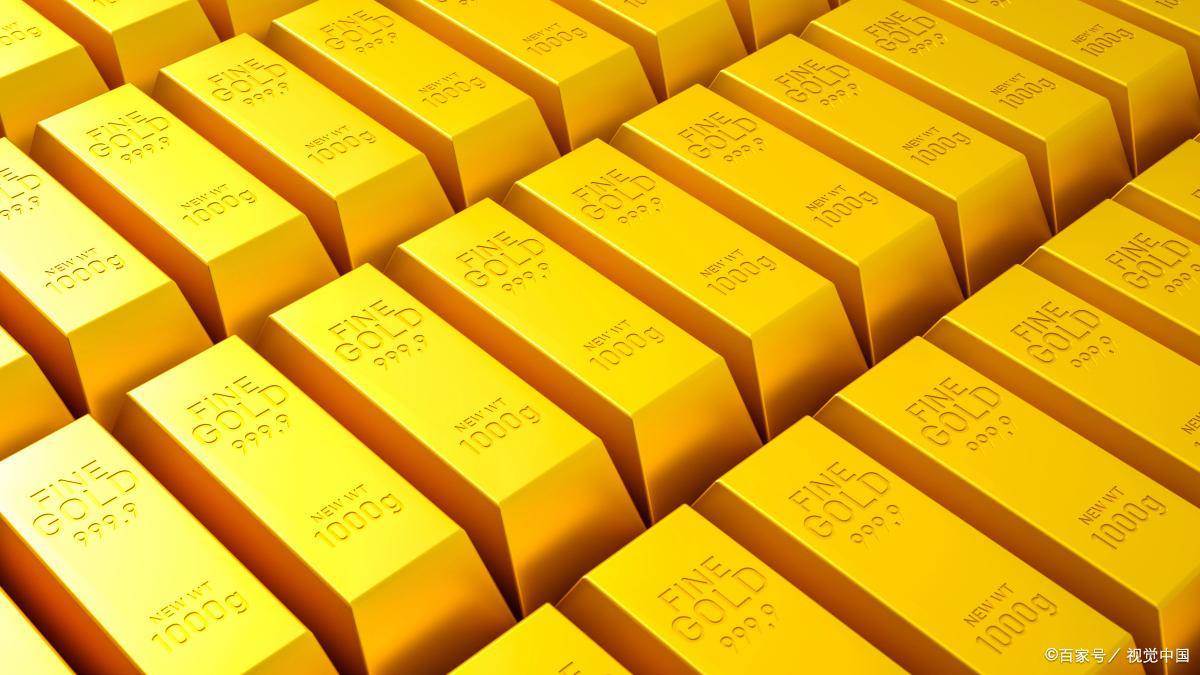
Core Viewpoint - The domestic gold market is experiencing slight adjustments in prices among various well-known jewelry brands, with a general downtrend in gold prices denominated in RMB, indicating the need for rationality among investors and consumers [1][3][7] Price Adjustments - Major brands are pricing gold between 1260 RMB/gram and 1270 RMB/gram, while some local brands like Cai Bai Jewelry and China Gold are priced lower [3][7] - Specific brand prices include: - Chao Hong Ji: 1268 RMB/gram - Cai Bai Jewelry: 1238 RMB/gram - Zhou Sheng Sheng: 1267 RMB/gram - China Gold: 1188 RMB/gram [1][3] Market Trends - The latest price for 24K gold on the Shanghai Gold Exchange is 917.42 RMB/gram, showing a minor decrease of 0.22 RMB or approximately 0.024% from the previous trading day [3][5] - The trading range for the day saw a high of 922 RMB/gram and a low of 913.30 RMB/gram, indicating limited market volatility [3][5] Investment Insights - Despite the slight decline in gold prices, the long-term investment value of gold remains intact, serving as a hedge against inflation and economic uncertainty [5][7] - For short-term speculators, the current market conditions present limited arbitrage opportunities, necessitating cautious trading strategies [5][7] Consumer Guidance - Consumers should consider not only the price but also brand reputation, after-sales service, and repurchase channels when purchasing gold jewelry [3][5] - The purity of gold is a critical factor for investment and collection, with common standards being 999 or 24K gold, ensuring a minimum purity of 99.9% [5][7]
“涨到1200元再卖就能赚一笔”,女子“跟风”炒黄金,结果坐上“过山车”,一晚上就亏了5000元,专家:盲目追涨或导致长期套牢
Sou Hu Cai Jing· 2025-10-29 14:21
Core Insights - The article discusses the volatile journey of consumers purchasing gold products in October, highlighting a significant price increase followed by a sharp decline in gold prices, leading to substantial losses for many buyers [1][8][12]. Price Trends - International gold prices experienced a cumulative increase of over 10% over 20 days, reaching a peak of $4,381.48 per ounce on October 20, before falling below $4,000 on October 27 [1][8]. - Domestic gold jewelry prices also saw a decline, with the price of gold jewelry dropping from a high of 1,260 RMB per gram to below 1,200 RMB [1][8]. Consumer Behavior - A new generation of consumers, referred to as "gold savers," is increasingly purchasing gold not only as a value-preserving asset but also as a fashionable item [1][11]. - Many consumers, like Xiaoxue, entered the market during the price surge, only to face losses as prices fell shortly after their purchases [7][9]. Investment Experiences - Xiaoxue purchased two investment gold bars weighing 100 grams each for 190,000 RMB, only to see the price drop significantly within days, resulting in a loss of approximately 14,600 RMB [4][7]. - Other consumers, such as Lily and Xie Ming, also reported losses shortly after their purchases, indicating a trend of emotional and impulsive buying among inexperienced investors [9][10]. Market Analysis - Experts suggest that gold, while traditionally viewed as a safe-haven asset, is subject to price volatility and should be approached with caution [11][12]. - The article emphasizes the importance of rational investment strategies, particularly for younger investors who may be drawn to gold as a trendy investment without fully understanding the risks involved [12]. Future Outlook - Following a brief price correction, gold prices rebounded to above $4,000 on October 29, indicating potential for recovery in the market [13]. - Analysts suggest that while short-term fluctuations may occur, structural factors supporting gold prices remain, encouraging long-term investors to consider gradual purchasing strategies [13].