超级增程

Search documents
车展速递丨比纯电车型便宜5万元!小鹏X9鲲鹏超级增程版入市 何小鹏:燃油车用户转向增程产品的可能性更大
Mei Ri Jing Ji Xin Wen· 2025-11-20 14:34
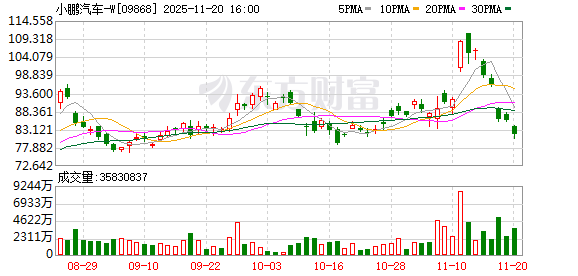
Core Viewpoint - The launch of the Xiaopeng X9 Kunpeng Super Extended Range model marks a significant step for Xiaopeng Motors in diversifying its vehicle offerings, particularly in the extended range segment, which is expected to cater to a broader market demand [2][4]. Group 1: Product Launch and Features - The Xiaopeng X9 Kunpeng Super Extended Range model is available in two versions, Max and Ultra, with starting prices of 309,800 yuan and 329,800 yuan, respectively, which is 50,000 yuan lower than the pure electric version priced at 359,800 yuan [2][4]. - This model features a "large battery + large fuel tank" configuration, equipped with a 63.3 kWh battery and a 60-liter fuel tank, providing users with flexible options for fuel usage [4]. Group 2: Market Context and Sales Trends - Despite the increasing number of companies entering the extended range market, sales of extended range vehicles have seen a decline, with October's sales at 121,000 units, down 1.9% year-on-year, while pure electric vehicle sales reached 1.02 million units, up 31.6% year-on-year [5][6]. - The extended range vehicle segment experienced a significant growth rate of 78.7% in 2024, contrasting with the 15.5% growth of pure electric vehicles during the same period [6]. Group 3: Future Outlook and Strategy - Xiaopeng Motors' chairman, He Xiaopeng, believes that the decline in extended range vehicle sales may be a short-term fluctuation, with expectations for a strong market demand for "super extended range" vehicles in the future [6][8]. - The company plans to introduce seven extended range models next year, with at least three aimed at international markets, indicating a strategic push towards global expansion [9].


资金动向 | 北水净买入港股超74亿港元,持续加仓阿里、小米
Ge Long Hui A P P· 2025-11-18 11:39
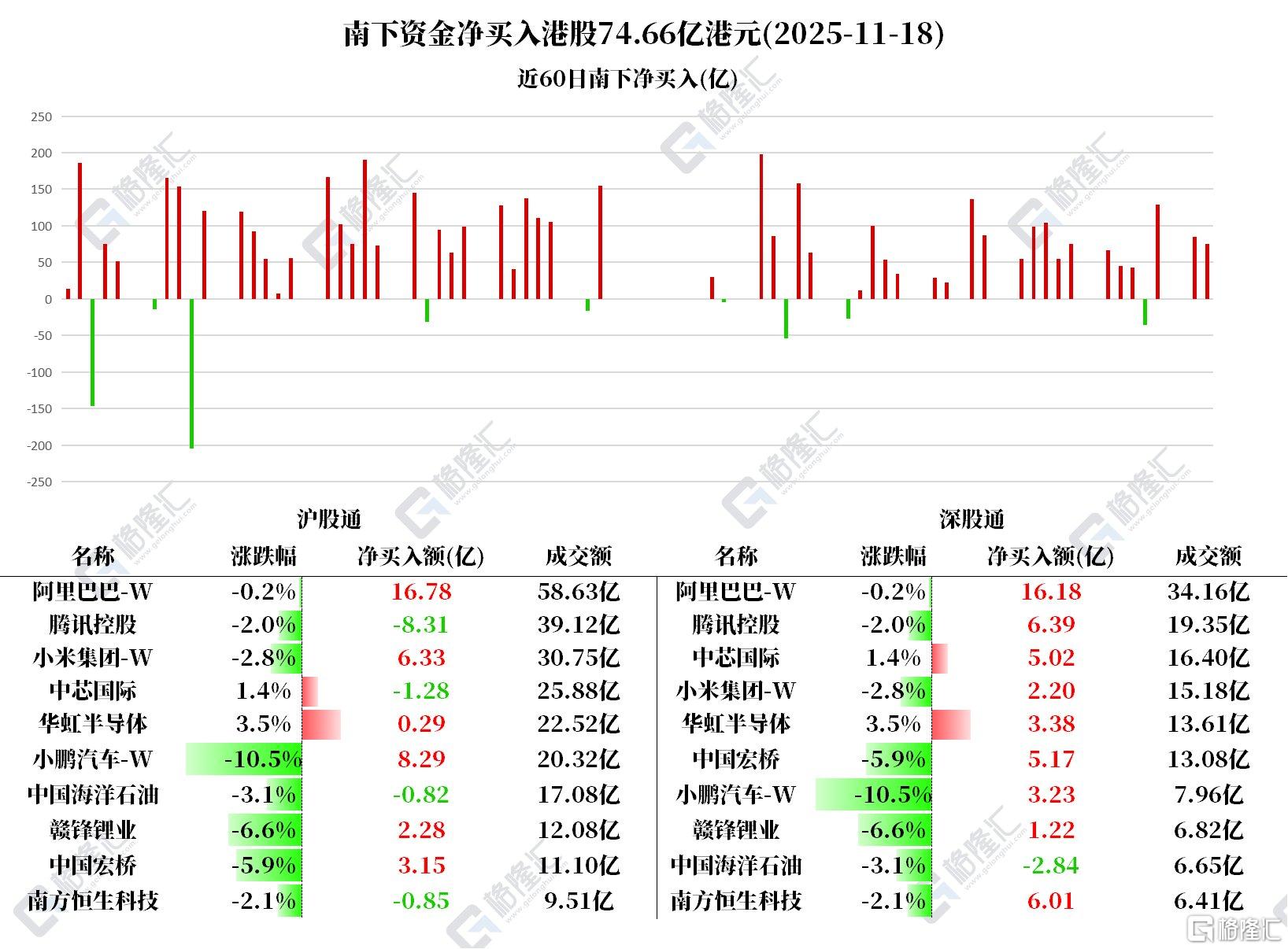
Group 1 - Net purchases of stocks include Alibaba-W at 32.97 billion, Xpeng Motors-W at 11.52 billion, Xiaomi Group-W at 8.53 billion, and others, while net sales include China National Offshore Oil at 3.65 billion and Tencent Holdings at 1.91 billion [1] - Southbound funds have continuously net bought Xiaomi for 15 days, totaling 106.6072 billion HKD, and have net bought Alibaba for 4 days, totaling 90 billion HKD [1] Group 2 - Alibaba-W saw a slight decline of 0.2% with a net purchase of 16.78 billion and a transaction amount of 58.63 billion [5] - Tencent Holdings experienced a decline of 2.0% with a net sale of 8.31 billion and a transaction amount of 39.12 billion [5] - Xiaomi Group-W had a decline of 2.8% with a net purchase of 6.33 billion and a transaction amount of 30.75 billion [5] - Xpeng Motors-W declined by 10.5% with a net purchase of 8.29 billion and a transaction amount of 20.32 billion [5] - China National Offshore Oil declined by 3.1% with a net sale of 0.82 billion and a transaction amount of 17.08 billion [5] Group 3 - Alibaba's AI application, Qianwen App, launched on the 17th, quickly rose to the fourth position in the Apple App Store free apps ranking, surpassing DeepSeek [6] - Xpeng Motors plans to launch 7 new vehicles with "super range extender" configurations in 2026, significantly expanding its total addressable market [6] - Xiaomi Group reported a total revenue of 113.1 billion for Q3 2025, a year-on-year increase of 22.3%, exceeding expectations [6] - Semiconductor company SMIC received a cautious outlook from JPMorgan, with a target price raised to 57 HKD [6] Group 4 - Daiwa maintained a "underperform" rating for Ganfeng Lithium, raising the target price from 23 HKD to 53 HKD, expecting the company to record net profits from 2025 to 2027 after a net loss in 2024 [7]



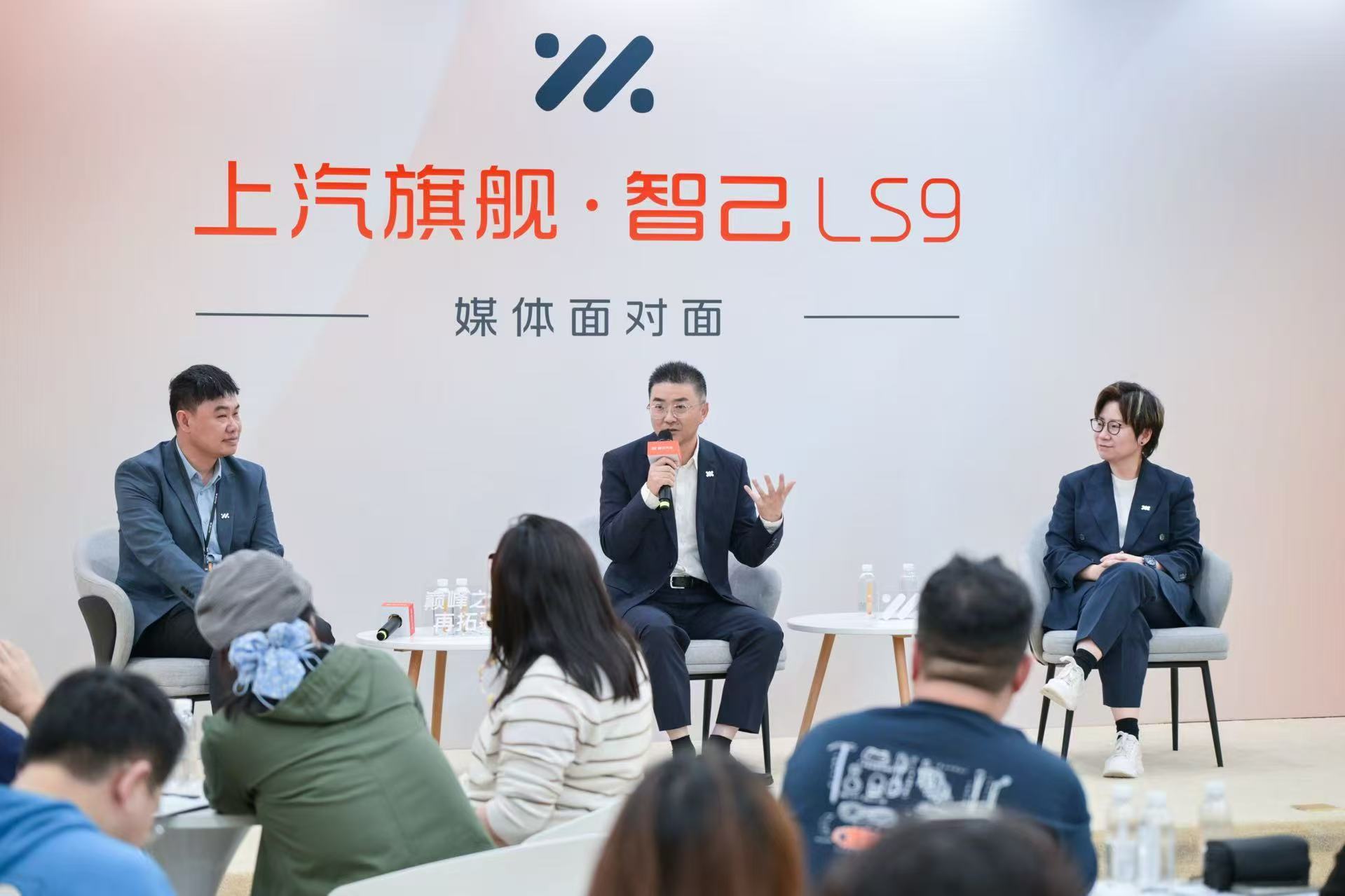
智己闯入“九系”修罗场
Hua Er Jie Jian Wen· 2025-11-13 09:17
Core Insights - The launch of the IM LS9 by SAIC Group marks a significant step in the luxury SUV market, aiming to compete with established brands and attract affluent consumers [2][3][4] - The LS9 features innovative technologies and unique design elements, such as heated flooring and a spacious interior, targeting a specific demographic of middle-aged consumers [2][5][6] Group 1: Product Features and Market Positioning - The LS9 is positioned as a flagship model, incorporating advanced technologies like Momenta's intelligent driving solutions and a digital chassis [2][5] - The vehicle's pricing strategy is aggressive, starting at 322,800 yuan, which is lower than competitors like Li Auto L9 and AITO M9, aiming to attract price-sensitive consumers [5][6] - The LS9's design focuses on user experience, offering features like 24-hour hot water and spacious seating arrangements, catering to the lifestyle needs of its target audience [2][8] Group 2: Market Dynamics and Competitive Landscape - The high-end SUV market is becoming increasingly competitive, with numerous brands launching flagship models, leading to a "red ocean" scenario for vehicles priced above 300,000 yuan [3][4] - The profitability of high-end models is appealing to manufacturers, as they offer healthier margins compared to lower-priced segments [4][5] - The LS9's success is crucial for SAIC Group, as it seeks to demonstrate its capability in the luxury and intelligent driving sectors, impacting investor confidence in the company's future [5][6] Group 3: Consumer Insights and Target Demographics - The target demographic for the LS9 includes affluent consumers, particularly men over 40, who prefer larger vehicles but have previously faced challenges with driving them [3][13] - The vehicle aims to balance comfort and driving performance, addressing consumer preferences for both family usability and driving enjoyment [11][12] - The LS9's features are designed to resonate with users' deeper needs, such as the inclusion of heated flooring, which reflects a focus on enhancing the overall user experience [17]

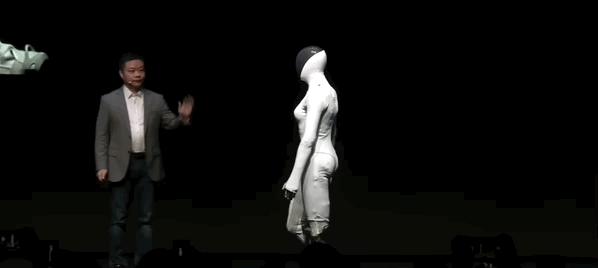
何小鹏曾五次推动的增程,终于落地了
Hua Er Jie Jian Wen· 2025-11-11 07:13
Core Viewpoint - XPeng Motors is transitioning from being solely an electric vehicle company to incorporating range-extended vehicles, marking a significant strategic shift in its business model [3][6]. Group 1: Product Development - XPeng has officially launched its first range-extended model, the XPeng X9, with pre-sale prices set at 350,000 and 370,000 yuan for its Max and Ultra versions respectively [4]. - The XPeng X9 features a 63.3 kWh lithium iron phosphate battery and a 60L fuel tank, achieving a combined range of 1,602 kilometers [4]. - The company plans to introduce at least five additional range-extended models by 2026 and 2027, including the P7+ and G6 versions [5]. Group 2: Market Expansion - XPeng has established a network of 275 stores across nearly 50 countries, with overseas deliveries reaching 29,706 units from January to September, a year-on-year increase of over 125% [4]. - The company aims to adapt its vehicle offerings to local market needs, recognizing that even in China, pure electric models may not meet all regional demands [4][11]. Group 3: Financial Investment - XPeng's R&D expenditure for the year is approximately 10 billion yuan, emphasizing the need for strong cash flow from its automotive business to support its broader ecosystem [5][14]. - The company is focused on long-term growth, prioritizing foundational aspects of technology and product development over immediate profitability [11][16]. Group 4: Technological Integration - The range-extended technology leverages XPeng's existing electric vehicle technology, ensuring efficient energy consumption and performance [17]. - The company is committed to a modular approach in both hardware and software development, which is crucial for scaling production and maintaining a stable supply chain [15][17]. Group 5: Future Outlook - XPeng's CEO believes that the transition from fuel vehicles to range-extended models will be significant, especially as the demand for higher power consumption in vehicles increases [19]. - The company is optimistic about the potential of both flying cars and robots as future revenue streams, with robots expected to represent a market potentially twice the size of the current global automotive market in the next 10-20 years [23].
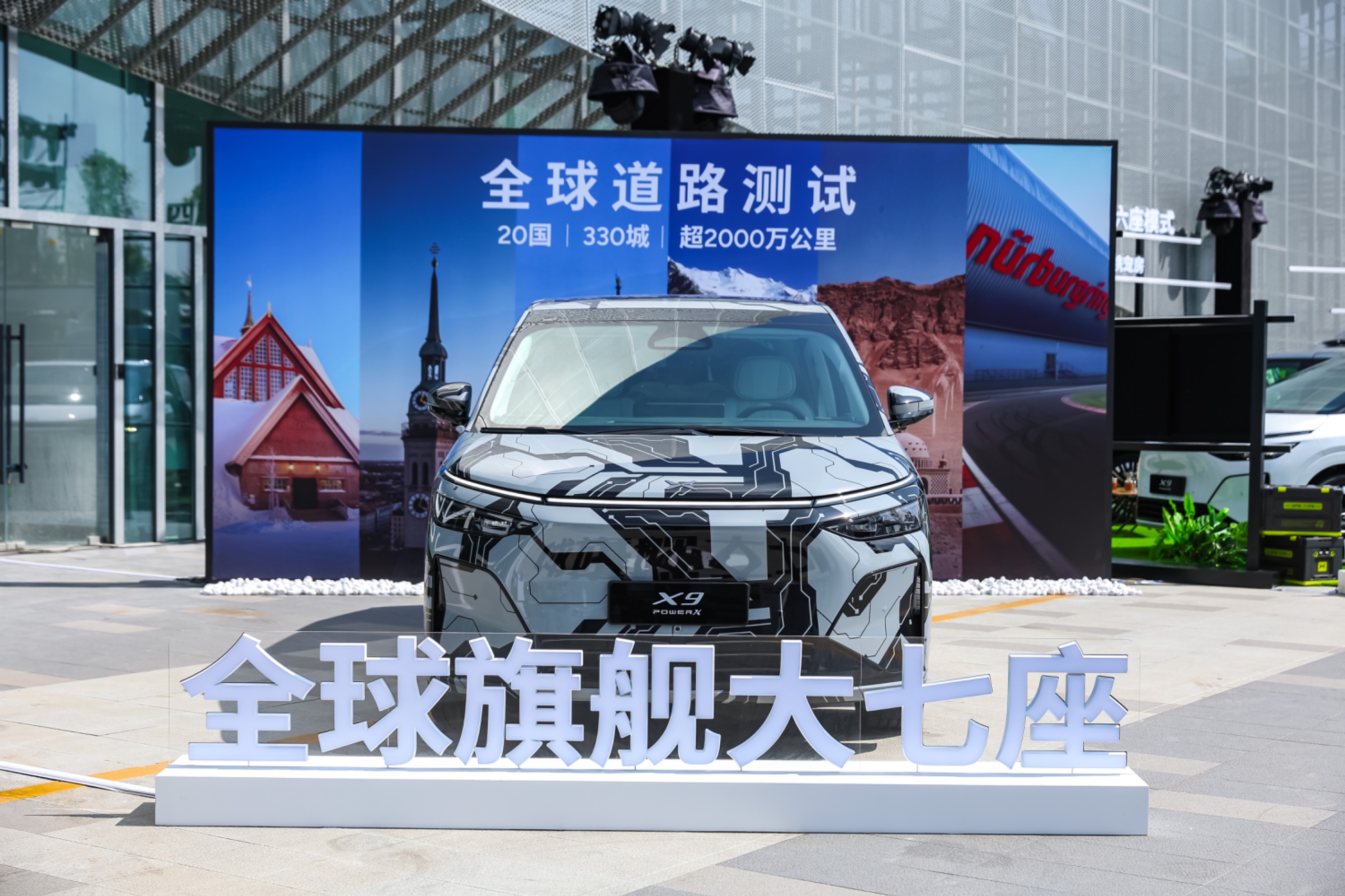
对话何小鹏:强化学习已过时,具身智能不该以硬件为核心
3 6 Ke· 2025-11-10 01:26
Core Insights - The development of embodied intelligent robots marks a significant milestone for Xiaopeng, as it aims to build confidence among both industry and non-industry users in Chinese technology [1][3][5] Group 1: Robot Development and Philosophy - Xiaopeng emphasizes the importance of human-like robots, stating that they can learn more effectively from human data and adapt to environments designed for humans [8][10] - The company believes that the future of robotics will see a significant market potential, with robots expected to surpass automotive sales in the long term [16][18] - Xiaopeng's approach to robotics involves a high degree of integration between software and hardware, aiming for a 1:1 relationship to ensure seamless coordination among robot joints [5][10] Group 2: Business Strategy and Market Position - Xiaopeng plans to launch three Robotaxi models next year, focusing on creating new experiences and demands through technological disruption [12][20] - The company differentiates itself from competitors by emphasizing the commercial value of its technology and the potential for shared and private transportation models [20][21] - Xiaopeng's Robotaxi strategy includes a partnership with Gaode, leveraging its extensive ecosystem for operational support [21] Group 3: Financial Outlook and R&D Investment - The company is investing heavily in R&D, with an estimated budget of 10 billion yuan for this year, focusing on software development to enhance long-term profitability [45] - Xiaopeng aims to balance its investments in robotics and automotive sectors, with a vision of achieving significant revenue growth in the coming years [45] - The company is cautious about rapid growth, prioritizing foundational stability over speed in its expansion strategy [41]
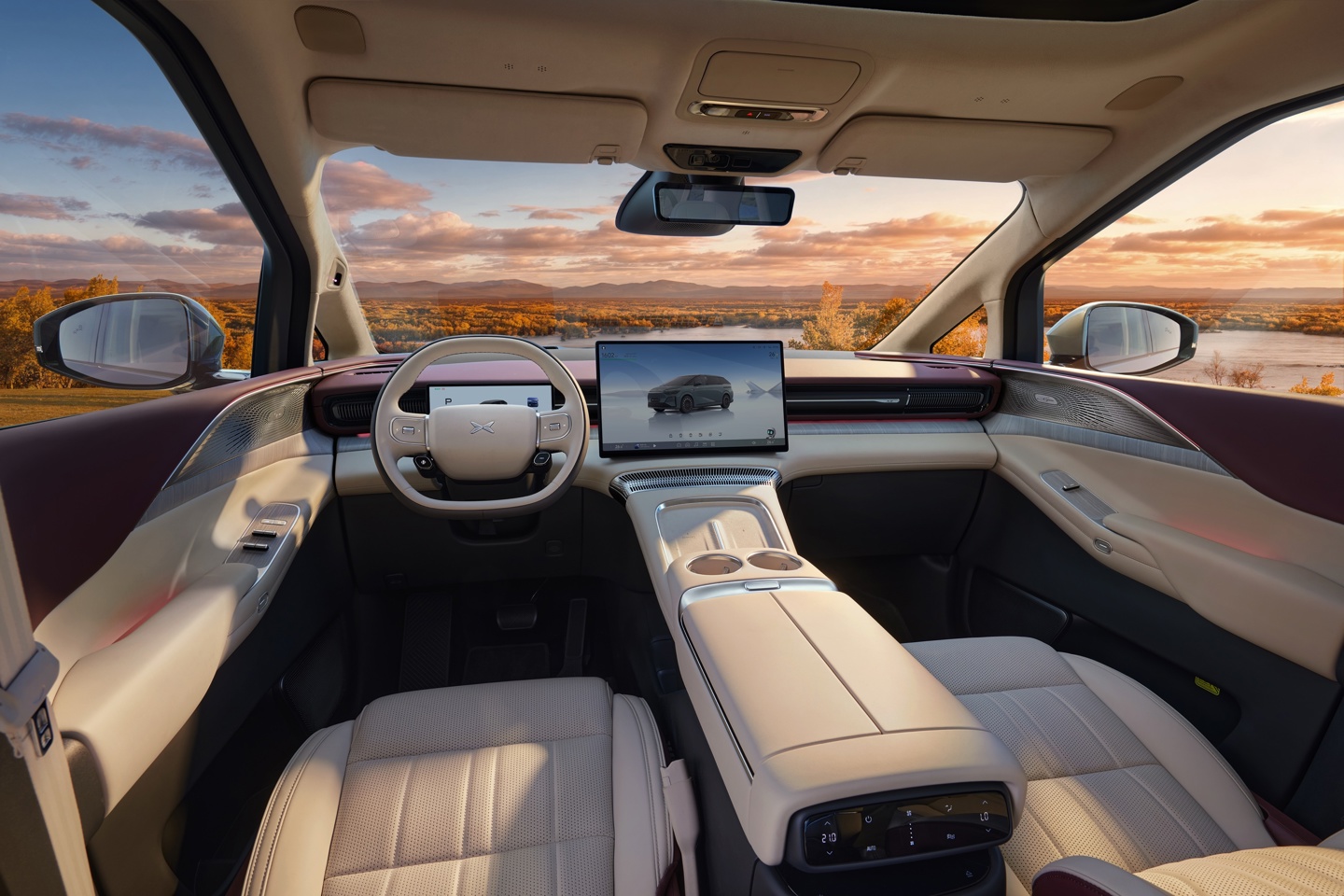
小鹏 X9 增程版内饰公开:穹顶星轨氛围灯、进口阿尤斯真木,号称“星舰头等舱”
Xin Lang Cai Jing· 2025-10-24 14:15
Core Insights - Xiaopeng Motors has unveiled the interior design of the new Xiaopeng X9 extended-range model, emphasizing a luxurious "Starship First Class" concept with high-quality materials and advanced features [1][15]. Interior Design and Features - The new model features a "Cloud Rose Brown" color scheme and is equipped with 100% soft-touch materials and "Ayous" wood, including 4.2 meters of imported Ayous wood throughout the vehicle [1]. - The car includes a starry sky atmosphere light and AI aviation reading lights, aiming to create a "mobile starry cabin" [1]. - The second row of seats is designed with independent seating that supports a "zero-gravity" mode and is expected to include a built-in heating and cooling box [1]. Performance and Specifications - Xiaopeng's chairman, He Xiaopeng, stated that the Xiaopeng X9 is the first super extended-range vehicle, featuring a unique combination of a 63.3 kWh large battery and a 60L fuel tank, achieving a comprehensive range of 1602 km [14][15]. - The vehicle is positioned as the "longest-range large seven-seater" globally, having undergone rigorous testing in various complex environments worldwide [15].
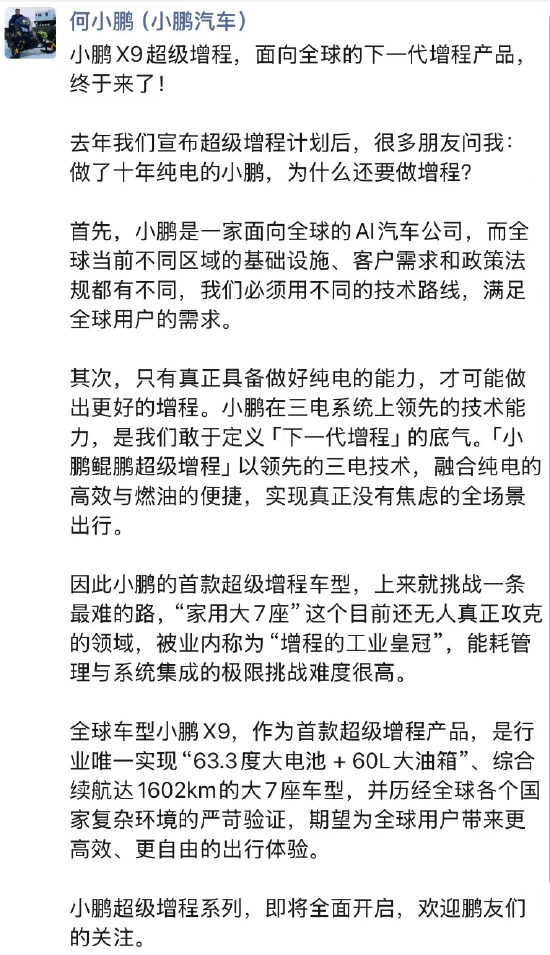
何小鹏:小鹏X9超级增程,面向全球的下一代增程产品,终于来了!
Xin Lang Cai Jing· 2025-10-23 05:39
Core Insights - The launch of the Xiaopeng X9 Super Extended Range vehicle marks a significant step for the company in the global automotive market, particularly in the extended range segment [1] - Xiaopeng aims to address diverse global user needs through different technological approaches, emphasizing its capabilities in both pure electric and extended range technologies [1] Group 1: Product Features - The Xiaopeng X9 is the first super extended range model, featuring a "63.3 kWh large battery + 60L large fuel tank," achieving a comprehensive range of 1602 km [1] - The vehicle is designed as a "family-sized 7-seater," targeting a challenging market segment that has not been effectively addressed by competitors [1] Group 2: Technological Advancements - Xiaopeng's advanced battery technology and electric drive systems provide the foundation for defining the "next generation of extended range" vehicles [1] - The company has conducted rigorous testing in various global environments to ensure the vehicle meets high efficiency and user freedom in travel [1]
都在做超级增程,广汽凭什么赢?
2 1 Shi Ji Jing Ji Bao Dao· 2025-09-27 11:07
Core Viewpoint - GAC Group's Xingyuan range extender technology addresses common pain points in electric vehicles, specifically noise, acceleration, and fuel consumption, through innovative engineering solutions [1] Group 1: Noise Reduction - The integration of the engine and generator using a "crankshaft direct connection" significantly reduces noise levels, addressing the common complaint of loud operation in range extender vehicles [1] - The vibration during engine start-stop has been reduced by over 70%, leading to a nearly imperceptible driving experience for users [1] Group 2: Technical Innovation - The elimination of intermediate damping in the connection between the motor rotor and the engine crankshaft enhances the overall efficiency and performance of the vehicle [1] - Comprehensive vibration isolation measures have been implemented in the vehicle design to further minimize noise and vibration perception by the driver [1]

别克亮剑新势力
Hua Er Jie Jian Wen· 2025-09-16 07:51
Core Viewpoint - Buick is launching the Electra L7, a mid-large sedan aimed at the competitive price range of 200,000 to 300,000 yuan, marking a significant shift in its strategy to reclaim market presence in the electric vehicle sector [2][3]. Group 1: Product Development and Technology - The Electra L7 is built on the fully self-developed "Xiaoyao" architecture by the Pan-Asia Automotive Technology Center, allowing for a comprehensive approach to product development [3][6]. - The vehicle features a "super range extender" system, addressing range anxiety for consumers and filling a gap in the sedan market where such technology is currently lacking [3][9]. - The collaboration with Momenta has led to the introduction of the R6 flying model for intelligent driving, enhancing the vehicle's competitive edge in smart technology [3][10]. Group 2: Market Positioning and Strategy - Buick aims to redefine its image from being perceived as a "mixed-brand electric vehicle" to a leader in the electric vehicle market, providing a model for the transformation of joint venture brands [2][4]. - The company acknowledges the challenges in the 200,000 to 300,000 yuan market, which is highly competitive, but believes that the Electra L7 can meet consumer needs effectively [4][11]. - The focus on a high-end electric sub-brand reflects Buick's commitment to delivering quality products that leverage its historical strengths in automotive manufacturing [18][22]. Group 3: Organizational Changes and Trust - There has been a significant shift in the organizational structure, with increased autonomy for the Chinese team in product development, which has fostered trust from the American side [3][22]. - The successful execution of the Electra L7 project is seen as a case study for General Motors, showcasing the capabilities of the Pan-Asia team and enhancing confidence in the Chinese market [23][22]. - The collaboration between the American and Chinese teams has improved communication and alignment, leading to better product outcomes and market performance [7][22].
理想i8、问界M8争30万+纯电,三元电池锁定“后50%”?
高工锂电· 2025-08-02 11:38
Core Viewpoint - The article discusses the competitive landscape of the high-end electric vehicle (EV) market in China, particularly after the penetration rate of new energy vehicles (NEVs) surpassed 50%. The focus is on the strategies of automakers to capture the market above 300,000 yuan, where fuel vehicles still dominate, and the emergence of "super range extension" and "high-end pure electric" models as key strategies for growth [2][4][5]. Group 1: Market Dynamics - The market is experiencing a battle for the "post-50%" incremental market, particularly in the high-value segment where fuel vehicles still hold a significant share [2]. - The share of new energy vehicles in the 300,000 yuan and above segment is approximately 40%, which includes a substantial number of hybrid models [2]. - The high-end pure electric SUV market shows considerable potential, as evidenced by the rapid order volume for models like the AITO M8 [5]. Group 2: Strategic Differentiation - Automakers are adopting two main strategies: "super range extension" through larger battery packs and ultra-fast charging, and direct competition in the high-end pure electric SUV market [4][5]. - The "super range" strategy aims to blur the lines between range-extended and pure electric vehicles, with companies like Zhiji and Zeekr introducing models with significant battery capacities [4]. - The high-end pure electric SUV segment is being targeted by brands like Li Auto and Audi, indicating a shift in consumer demand towards premium electric offerings [5]. Group 3: Technological Foundations - Both strategies rely on a common technological foundation of high-capacity, high-rate fast-charging batteries [6]. - Consumer "charging anxiety" has been a significant barrier to the growth of high-end pure electric vehicles, with hybrid models currently dominating the market [7]. - New models like the Li i8 and AITO M8 are equipped with large capacity batteries, indicating a trend towards higher energy density and faster charging capabilities [7][8]. Group 4: Industry Implications - The competition in the high-end market is opening new opportunities for the battery supply chain, particularly for companies that can deliver high-performance batteries [8]. - The demand for high energy density, fast-charging, and safety in batteries is creating high entry barriers, leading to market consolidation around leading battery manufacturers like CATL [8]. - The ongoing transformation in the automotive market is reshaping the value and structure of the upstream battery industry, with a focus on differentiated products that meet the evolving needs of high-end electric vehicles [8].