AI变现

Search documents
备受关注的“AI商业模式”:谷歌率先在Gemini中引入广告
Hua Er Jie Jian Wen· 2026-01-12 01:17
Core Insights - Google is introducing new personalized advertising features in its AI shopping tool, marking a significant step in the monetization of AI [1] - The initiative allows advertisers to offer exclusive deals to consumers preparing to purchase through Google's AI model, driven by the Gemini model [1][2] - This move represents a major shift from Google's traditional advertising model, aiming to provide value to retailers at critical moments to facilitate transactions [1][2] Group 1: New Advertising Features - The new advertising functionality enables brands to deliver highly personalized ads, such as discount codes, through its chatbot, advancing Google's position against AI competitors [2] - Retailers can set desired offers, with Google using AI to determine the optimal timing for displaying these deals to potential customers [2] - Initial focus during the pilot phase is on discounts, with plans to expand to other types of offers, such as bundled sales and free shipping [2] Group 2: Competitive Landscape - Google is leveraging its significant market share in online search to showcase its AI model to billions of users, despite its Gemini chatbot lagging behind ChatGPT in popularity [3] - Competitors like OpenAI, Microsoft, and Perplexity are racing to introduce e-commerce features in their chatbots to generate revenue from their costly AI products [3] - OpenAI has paused internal discussions on advertising products due to concerns about competitors narrowing the technological lead [3] Group 3: Industry Trends - Microsoft has launched Copilot Checkout, which provides recommendations and checkout services in its AI chat, resulting in a 53% increase in purchases within 30 minutes for users utilizing the feature [4] - Google’s CEO Sundar Pichai emphasized the need for collaboration in this transformative period for the industry, suggesting significant growth potential if executed well [4] Group 4: General Business Agreement - Google has introduced a "Universal Commerce Agreement" that allows shopping agents to research products and complete purchases without leaving its platform, developed in collaboration with major retailers like Walmart, Target, and Shopify [5]

美银证券:中资软件首选股金蝶国际及金山办公(688111.SH)
Zhi Tong Cai Jing· 2026-01-09 06:58
Core Viewpoint - Bank of America Securities predicts that the average stock price of covered Chinese software companies will rise by 16% by 2025, underperforming the MSCI China Index's increase of 23% [1] Group 1: Industry Outlook - The firm holds a cautiously optimistic view on software demand for 2026, driven by accelerated AI monetization and trends in software import substitution, despite weak demand across various verticals [1] - Overall, the firm forecasts a 12% year-on-year revenue growth for the Chinese software and IT services industry in 2026, down from a 13% growth forecast for 2025 [1] Group 2: Revenue Projections - After a downward revision of approximately 2% for revenue forecasts in 2025-2026, the expected average revenue growth for covered software companies is projected to accelerate to 14% year-on-year in 2026, compared to 7% in 2025 [1] Group 3: Sector-Specific Insights - The firm maintains a selective positive outlook on companies in the Enterprise Resource Planning (ERP), photo editing software, and office software sectors, as these segments show higher growth visibility under the SaaS model and AI-driven initiatives [1] - Conversely, a cautious stance is held towards cybersecurity and real estate software due to weak demand [1] Group 4: Preferred Stocks - Preferred stocks include Kingdee International (00268), Meitu Inc. (01357), and Kingsoft Office (688111.SH), all rated as "Buy" [1]


美银证券:中资软件首选股金蝶国际、美图公司及金山办公
Zhi Tong Cai Jing· 2026-01-09 06:39
Group 1 - The core viewpoint of the report is that the average stock price of covered Chinese software companies is expected to rise by 16% by 2025, underperforming the MSCI China Index by 23% [1] - The outlook for software demand in 2026 is cautiously optimistic, driven by accelerated AI monetization and trends in software import substitution, despite weak demand across various verticals [1] - The forecast for the Chinese software and IT services industry anticipates a 12% year-on-year revenue growth in 2026, down from a projected 13% growth in 2025 [1] Group 2 - After a downward revision of approximately 2% for the revenue forecast for 2025-2026, the average revenue growth for covered software companies is expected to accelerate to 14% year-on-year in 2026, compared to 7% in 2025 [1] - The company holds a selectively positive view on companies in the enterprise resource planning (ERP), photo editing software, and office software sectors, as these segments show higher growth visibility under the SaaS model and AI-driven initiatives [1] - Caution is maintained regarding cybersecurity and real estate software due to weak demand, with preferred stocks including Kingdee International (00268), Meitu Inc. (01357), and Kingsoft Office (688111.SH), all rated as "Buy" [1]
美银证券:中资软件首选股金蝶国际(00268)、美图公司(01357)及金山办公(688111.SH)
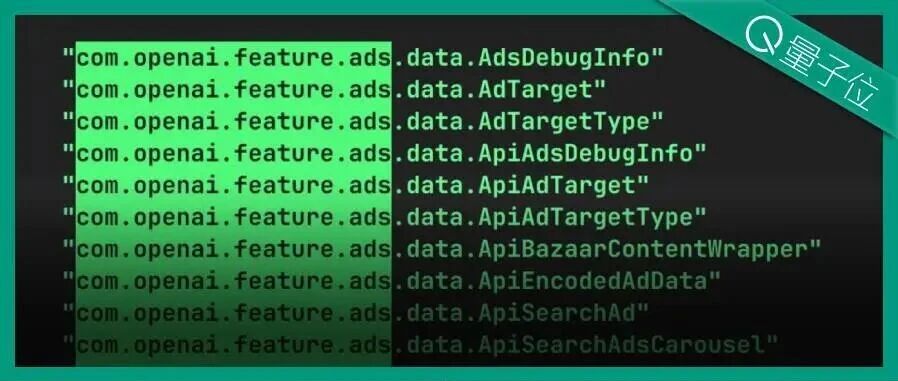
智通财经网· 2026-01-09 06:37
Group 1 - The core viewpoint of the report is that the average stock price of covered Chinese software companies is expected to rise by 16% by 2025, underperforming the MSCI China Index's increase of 23% [1] - The outlook for software demand in 2026 is cautiously optimistic, driven by accelerated AI monetization and trends in software import substitution, despite weak demand across various verticals [1] - The overall revenue growth forecast for the Chinese software and IT services industry is projected at 12% year-on-year for 2026, down from a previous estimate of 13% for 2025 [1] Group 2 - After a downward revision of approximately 2% for the revenue forecasts for 2025-2026, the average revenue growth for covered software companies is expected to accelerate to 14% year-on-year in 2026, compared to 7% in 2025 [1] - The report expresses selective positive views on companies in the Enterprise Resource Planning (ERP), photo editing software, and office software sectors, as these segments show higher growth visibility under the SaaS model and AI-driven trends [1] - Caution is maintained regarding cybersecurity and real estate software sectors due to weak demand [1] Group 3 - Preferred stocks identified include Kingdee International (00268), Meitu Inc. (01357), and Kingsoft Office (688111.SH), all rated as "Buy" [1]
研报掘金丨申万宏源研究:维持同花顺“买入”评级,兼具牛市弹性与平淡期韧性
Ge Long Hui A P P· 2026-01-07 07:51
Core Viewpoint - The performance of Tonghuashun is significantly influenced by the activity level of the capital market, but it also demonstrates resilience during market downturns due to strategic initiatives and its strong market position [1] Group 1: Company Performance - Tonghuashun's revenue is heavily impacted by the capital market's activity, but it has shown resilience during quieter market periods [1] - The resilience is attributed to proactive strategies in new areas such as product innovation, customer expansion, and technology development [1] - According to data from Analysys Qianfan, Tonghuashun leads the securities app market with a market share of 21%, significantly ahead of its closest competitor, Dongfang Caifu [1] Group 2: Business Strategy - The company possesses four key elements: strategic determination, core product technology, comprehensive layout, and advantages in the consumer end [1] - Both C-end and B-end AI initiatives have started to generate revenue, with recent B-end contracts, such as a major deal with Guotai Junan, showcasing its technical capabilities [1] - The C-end AI service, "WenCai AI," has begun implementing tiered pricing [1] Group 3: Financial Projections - Based on a reassessment of Tonghuashun's business, the projected net profit attributable to shareholders for 2025-2027 is estimated to be 2.854 billion, 3.513 billion, and 4.308 billion yuan, with growth rates of 57%, 23%, and 23% respectively [1] - Previous profit expectations were lower, at 2.286 billion, 2.749 billion, and 3.159 billion yuan [1] - The current PE ratio for 2026 is 51x, indicating over 20% potential upside, maintaining a "buy" rating [1]


Meta买下Manus,买的是AI变现模板
Tai Mei Ti A P P· 2025-12-30 06:23
Core Insights - Meta has announced the acquisition of the AI application Manus, with the deal reportedly worth several billion dollars, marking Meta's third-largest acquisition since its inception [3][4] - Manus has experienced rapid valuation growth, increasing from $1.4 million to over $200 million in just three years, driven by its innovative product and business model [4][6] - The acquisition is seen as a strategic move for Meta to enhance its AI capabilities and address the challenge of monetizing its AI models effectively [14][18] Company Overview - Manus, founded in 2022, has quickly established itself in the AI space, achieving a valuation of $200 million before the acquisition [4][6] - The company’s first product, Monica, is an AI browser plugin that has gained significant traction, with over 10 million users [6] - Manus's annual recurring revenue (ARR) surpassed $100 million within 270 days of its official launch, showcasing its rapid commercialization [7] Investment Dynamics - The acquisition process was notably swift, taking only about ten days from initial contact to agreement, indicating strong interest and urgency from Meta [3] - True Return on Investment (ROI) for early investors like ZhenFund has been substantial, with seed round investors seeing returns exceeding 200 times their initial investment [6] Market Positioning - Manus's growth strategy has relied on zero market budget, leveraging organic social media growth and high user engagement [7] - The product's unique approach, which focuses on delivering results rather than just answers, differentiates it from competitors like OpenAI [7][18] Competitive Landscape - The acquisition reflects a broader trend in the tech industry where companies are shifting from in-house development to acquisitions to quickly gain proven business models and teams [18] - Meta's need to acquire Manus is underscored by its struggle to convert AI model capabilities into sustainable revenue streams, especially in comparison to competitors like OpenAI and Google [14][15] Future Implications - The deal positions Meta to leverage Manus's validated subscription model and user acquisition strategies across its other AI products, potentially accelerating its market presence [18] - The acquisition also highlights a shift in the AI landscape, where companies are increasingly looking to acquire innovative startups to enhance their competitive edge [19]

甲骨文百亿项目融资突然“告吹” 美国AI泡沫恐慌来袭
Xin Lang Ke Ji· 2025-12-19 06:22
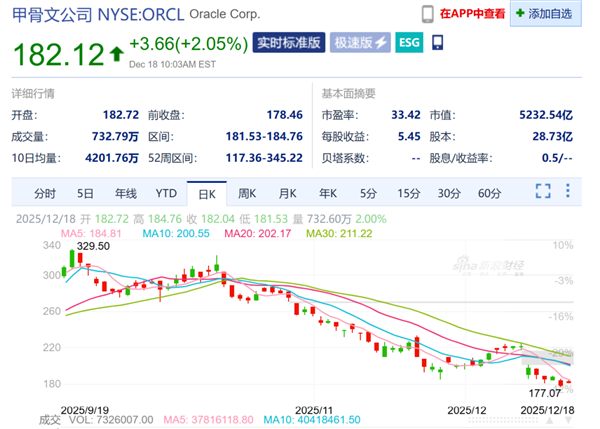
Core Viewpoint - Oracle's significant data center project in Michigan, valued at $10 billion, will not receive funding from Blue Owl Capital, raising concerns about the AI bubble and leading to a nearly 45% drop in Oracle's stock price since its peak in early September [1] Group 1: Financial Performance and Market Reaction - Oracle's stock price surged from approximately $122 on April 21 to over $320 in early September, driven by AI narratives, but has since retraced all gains as investors focus on the costs of realizing these promises [4] - Jim Chanos criticized Oracle's rapid asset expansion, indicating that the return on new capital investments is only about 8.5%, compared to nearly 40% for Microsoft, suggesting Oracle may struggle to recover its incremental capital costs [4][5] - Analysts are questioning how much Oracle is investing in AI, with management failing to provide clear financial guidance during a recent earnings call [6] Group 2: Funding and Project Viability - Blue Owl Capital, previously a key financier for Oracle's data center projects, has opted out of the Michigan project due to changing market attitudes towards AI spending and Oracle's debt levels, leading to stricter loan terms [7][9] - Concerns are growing regarding the reliability of OpenAI's commitments to Oracle, with analysts suggesting that Oracle should consider restructuring its contract with OpenAI to manage capital deployment more responsibly [11] Group 3: Competitive Landscape and Future Outlook - OpenAI's partnerships with Microsoft and Amazon indicate a diversification of its computing resources, potentially diminishing Oracle's role in OpenAI's ecosystem [12] - The competitive landscape is shifting, with stronger players like Google accelerating their AI capabilities, raising questions about OpenAI's ability to maintain its lead [13][14] - Uncertainties remain regarding a potential agreement between OpenAI and Nvidia, which could impact Oracle's future revenue from AI infrastructure [15] Group 4: Capital Structure and Investment Strategy - Oracle's traditional business model, characterized by predictable cash flows and high gross margins, is being challenged by the capital-intensive nature of AI investments, which require longer return periods [16] - The company's ability to sustain high levels of investment in AI will ultimately depend on decisions made by founder Larry Ellison, as the market shifts focus from grand AI visions to the sustainability of capital structures during prolonged return delays [16]
甲骨文百亿项目融资突然“告吹”,美国AI泡沫恐慌来袭? | 北美前哨
Xin Lang Cai Jing· 2025-12-19 00:16
Core Viewpoint - Oracle's significant data center project in Michigan, valued at $10 billion, has lost funding support from Blue Owl Capital, raising concerns about the AI bubble and leading to a nearly 45% drop in Oracle's stock price since its peak in early September [2][17]. Group 1: Oracle's AI Investment and Market Reaction - Oracle's stock price surged from approximately $122 on April 21 to over $320 by early September, driven by expectations of substantial AI-related revenue from OpenAI [7][21]. - As investors shifted focus from growth narratives to the costs of realizing these promises, Oracle's stock began to decline, indicating a critical point in the AI infrastructure cycle [22][29]. - Jim Chanos criticized Oracle's rapid balance sheet expansion, suggesting that its return on new capital investments is only about 8.5%, compared to Microsoft's nearly 40% [8][22]. Group 2: Financing and Credit Market Dynamics - The private credit market is reassessing risks, with Blue Owl Capital withdrawing from the Michigan project due to increased financing costs and stricter terms, reflecting a shift in market sentiment towards AI spending and Oracle's debt levels [10][25]. - Analysts are questioning the reliability of OpenAI's commitments, with concerns that OpenAI may not fulfill its promise of $300 billion in computing power payments to Oracle, which has a remaining performance obligation (RPO) of $523 billion as of November 30 [12][26][27]. Group 3: Competitive Landscape and Future Uncertainties - OpenAI's position in the AI market is becoming uncertain, especially with new partnerships with Microsoft and Amazon, which diversify its computing power sources and challenge Oracle's role [13][27]. - The pending agreement between OpenAI and Nvidia, which could involve up to $100 billion in investment, remains unfinalized, adding to the uncertainty surrounding Oracle's future revenue from AI [28]. - The market is increasingly focused on which companies can sustain prolonged periods of capital investment without immediate returns, with Oracle's traditional cash flow model being disrupted by the high upfront costs of AI infrastructure [14][29].
瑞银证券熊玮:现阶段中国出现“AI泡沫”可能性不大
Xin Hua Cai Jing· 2025-12-05 11:27
Core Viewpoint - UBS Securities analyst Xiong Wei believes that by 2026, the application cases of AI in China will become more abundant and the monetization pace will accelerate, indicating a low likelihood of an "AI bubble" in the current stage [1]. Group 1: AI Development in China - By 2025, investor interest and recognition of AI development in China are expected to increase due to advancements in large model technology, computing infrastructure, and the widespread adoption by enterprises and consumers [1]. - In 2026, domestic large model capabilities are anticipated to rapidly iterate, catching up with their American counterparts, while both China and the U.S. will follow similar monetization paths in AI applications, particularly in cloud services and advertising [1]. - The localization of computing power is expected to continue, with breakthroughs in chip performance, leading to supernodes taking a larger share of inference and training workloads [1]. Group 2: Factors Mitigating AI Bubble Risks - The limited cycle of financing is a key reason for the low likelihood of an "AI bubble," as leading AI model developers are funded by internal cash flows from parent companies rather than third-party financing [1]. - Major Chinese internet companies are adopting a pragmatic approach to AI investments, focusing on return on investment and operational efficiency rather than excessive initial spending [1]. - The stability of the Internet Data Center (IDC) deployment rate and regulatory control over new supply, including strict management of electricity quotas by the National Development and Reform Commission, help prevent overbuilding [1]. Group 3: AI Disruption in Vertical Industries - The discussion around AI's potential to disrupt vertical industries is increasing among investors, but the pace of disruption in China may remain slow due to a more fragmented landscape of AI chatbots compared to the dominance of ChatGPT and Gemini in the U.S. [2]. - Vertical industry companies are actively integrating AI and intelligent agents into their applications, but the high entry barriers in sectors like online travel agencies (OTA) and online music content and user operations make it difficult for AI to easily replace existing capabilities [2].
ChatGPT广告代码泄露!奥特曼一年三变脸:从“广告令人不安”到“并非完全不可取”
量子位· 2025-12-01 04:26
Core Viewpoint - OpenAI is preparing to monetize ChatGPT through advertising, as indicated by the discovery of ad-related code in the Android app, marking a significant shift in its operational strategy [1][11]. Group 1: Advertising Implementation - The code in the ChatGPT Android app reveals multiple references to advertising features, including "ads feature," "bazaar content," and "search ads carousel," suggesting at least three different advertising formats [12][13]. - The advertising formats include search ads targeting specific queries, a carousel format for multiple ads, and a marketplace-style content display for promoting products or services [18]. Group 2: Financial Pressures - OpenAI faces substantial financial pressures, with estimates suggesting that operating ChatGPT could require several hundred billion dollars annually just to maintain its computational infrastructure [8]. - Current revenue from ChatGPT Plus subscriptions and API licensing is insufficient to cover these operational costs, leading to projections of continued losses exceeding $100 billion by 2029 [9][10]. Group 3: User Engagement and Trust - ChatGPT has achieved a remarkable user base, with 800 million active users weekly and 2.5 billion daily interactions, a sevenfold increase from 100 million users in November 2023 [14]. - The potential for advertising revenue is significant, even without considering the advanced contextual understanding of large models, as traditional internet advertising revenue can be estimated using active user numbers and average ad impressions [15][16]. Group 4: Leadership Perspectives - OpenAI's CEO, Sam Altman, has expressed concerns about balancing profitability with user trust, questioning the ethics of paid rankings in search results [17][20]. - Altman believes that if ChatGPT can provide the best answers without bias from paid advertisements, it could maintain user trust, suggesting a model where commissions are earned from bookings rather than direct ad placements [22]. Group 5: Organizational Influence - There are indications that OpenAI's shift towards advertising is influenced by the hiring of former Meta employees, who are accustomed to a business model heavily reliant on ad revenue [23]. - User feedback suggests that some believe advertising is already present in ChatGPT, with internal discussions at OpenAI considering the integration of ads based on user interactions and preferences [25].