FOF

Search documents
14年投研积淀!王登元新基来袭,富国智汇稳健 FOF1月19日正式开售
Xin Lang Cai Jing· 2026-01-19 07:49
Core Viewpoint - The A-share market has shown significant momentum at the beginning of 2026, with the Shanghai Composite Index rising for 17 consecutive days and surpassing the 4100-point mark, leading to increased trading volumes. However, after January 13, the market entered a phase of high volatility, prompting investors to seek opportunities while being cautious of risks. In this context, FOF products have become increasingly valuable as they offer a balanced approach to capturing opportunities while managing risks [1][6]. Group 1: Market Performance - The Shanghai Composite Index rose from the end of 2025 to January 12, 2026, achieving 17 consecutive days of gains and breaking through the 4100-point threshold [1][6]. - Trading volumes in the two markets exceeded 30 trillion yuan for three consecutive days [1][6]. - The CSI 300 Index experienced a slight decline of 0.46% in 2025, indicating a backdrop of accelerated sector rotation [1][6]. Group 2: FOF Product Features - The FOF product, specifically the "Fuguo Zhihui Stable 3-Month Holding Period Mixed FOF," is set to launch on January 19, 2026, as part of the Bank of China's "Hui Investment Plan" [1][4]. - This FOF product aims to meet market demand for both opportunity capture and risk management through diversified asset allocation [1][4]. - The FOF product emphasizes a "bottom warehouse + strategy + risk control" framework, leveraging high-quality bond funds as a stable base to provide a safety net for the investment portfolio [2][7]. Group 3: Investment Strategy - The investment strategy of the FOF product includes a flexible allocation of quality funds in sectors influenced by anti-involution policies, PPI recovery in the manufacturing midstream, and technological changes driven by overseas AI developments [2][7]. - The product also incorporates gold and REITs to hedge against market volatility, aiming to capture structural opportunities while avoiding risks associated with single market trends [2][7]. Group 4: Fund Manager Expertise - The appointed fund manager, Wang Dengyuan, has 14 years of experience in the securities industry and 6 years in FOF management, employing a "three-dimensional integrated" framework for fund selection [3][8]. - Wang's previous products have demonstrated significant excess returns, with the "Fuguo Xinhui Pension Target Date 2025" and "Fuguo Xinhui Pension Target Date 2035" achieving returns of 10.89% and 15.93%, respectively, against benchmarks of 6.60% and 9.00% [3][8]. Group 5: Hui Investment Plan - The "Hui Investment Plan" is a collaborative initiative by the Bank of China and public fund management institutions, designed to provide a clear risk-return profile and targeted wealth management options [4][9]. - The plan encompasses a variety of asset classes, including stocks, bonds, and commodities, and employs different strategies to identify investment opportunities across various configurations [4][9]. - The "Hui Investment Plan" has officially launched, with the Fuguo Zhihui Stable FOF being the first product available for sale [4][9].
14年投研积淀!王登元新基来袭,富国智汇稳健FOF1月19日正式开售
Quan Jing Wang· 2026-01-19 06:20
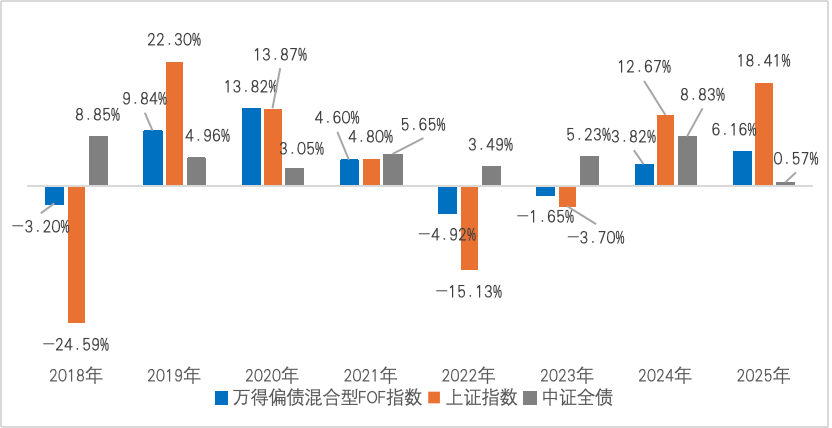
Core Viewpoint - The A-share market has shown significant momentum at the beginning of 2026, with the Shanghai Composite Index rising for 17 consecutive days and surpassing the 4100-point mark, leading to increased trading volumes. However, after January 13, the market entered a phase of high volatility, prompting investors to seek opportunities while being cautious of potential risks [1]. Group 1: Market Performance - The Shanghai Composite Index rose from the end of 2025 to January 12, 2026, achieving 17 consecutive days of gains and breaking through the 4100-point threshold [1]. - Trading volumes in the two markets exceeded 30 trillion yuan for three consecutive days [1]. - Following the peak on January 13, the market experienced high volatility, with previous leading sectors showing increased fluctuations [1]. Group 2: FOF Product Value - The value of FOF (Fund of Funds) products has become more prominent, particularly in a market characterized by rapid asset rotation and declining interest rates [2]. - The 2025 mixed FOF index with a bias towards bonds increased by 6.16%, demonstrating both reduced volatility and income elasticity [1][2]. - The newly launched FOF product, 富国智汇稳健, aims to meet market demand for both opportunity capture and risk control [1][2]. Group 3: FOF Product Strategy - The 富国智汇稳健 FOF employs a "bottom warehouse + strategy + risk control" framework, ensuring a robust investment strategy [2]. - The product focuses on a "fixed income base" by selecting high-performing bond funds to provide a safety net for the portfolio [2]. - It utilizes a "multi-asset + multi-strategy" approach, flexibly allocating to quality funds in sectors influenced by policy changes and technological transformations, while also including gold and REITs for volatility hedging [2]. Group 4: Fund Manager Expertise - The appointed fund manager, 王登元, has 14 years of experience in the securities industry and 6 years in FOF management, employing a "three-dimensional" selection framework [3]. - The 富国基金 has a comprehensive research and investment system, supporting the product with a balanced approach across fixed income, active equity, and quantitative investments [3]. - Previous products managed by 王登元 have demonstrated significant excess returns, with yields of 10.89% and 15.93% compared to their respective benchmarks [3]. Group 5: Wealth Management Initiative - The 富国智汇稳健 FOF is part of the China Bank's "慧投计划," which aims to provide a clear risk-return profile and targeted wealth management options [4]. - The "慧投计划" encompasses a variety of asset classes, including stocks, bonds, and commodities, utilizing different strategies to identify investment opportunities [4]. - The initiative has officially launched, with the 富国智汇稳健 FOF being the first product available for sale, designed to navigate uncertain market conditions through professional multi-asset allocation [4].
低利率环境持续,信澳盈泰稳健3个月持有期混合型FOF顺势发行
Zhong Guo Zheng Quan Bao· 2026-01-19 04:34
Group 1 - The core viewpoint of the articles highlights the emergence of a low-interest-rate environment as a new normal for investors, prompting a focus on balancing returns and risks for stable asset growth [1] - The introduction of the "Fixed Income +" strategy mixed fund of funds (FOF) product by Xinda Australia Fund aims to provide investors with a balanced investment option that combines stability and flexibility through multi-asset and multi-strategy allocation [1][2] Group 2 - The low-interest-rate environment, driven by the Federal Reserve's rate cuts and ongoing domestic low rates, has compressed the yield space for traditional fixed-income assets, making "Fixed Income +" FOF products increasingly attractive to investors seeking higher returns while managing equity market volatility [2] - Historical performance data shows that the "Fixed Income +" FOF index has outperformed the Shanghai Composite Index, with a cumulative increase of 31.72% since its base period compared to the Shanghai Composite's 20.59% [2] - The "Fixed Income +" FOF products have demonstrated strong defensive characteristics during market downturns, providing better downside protection while still capturing some upside during bullish years [3] Group 3 - The new product, Xinda Australia Ying Tai Stable 3-Month Holding Period Mixed FOF, is designed to cover various asset classes, including stocks, bonds, commodities, and overseas markets, to achieve systematic multi-asset allocation for investors [6] - The investment strategy emphasizes a primary focus on fixed-income funds while also seizing opportunities in other asset classes to enhance returns, with equity investments ranging from 5% to 30% of the portfolio [6] - The management of the new product is led by Wang Yilei, who has extensive experience in asset allocation and FOF management, ensuring a professional approach to fund selection and performance [7]

热门产品掀起限购潮 基金公司差异化导购
Zhong Guo Zheng Quan Bao· 2026-01-18 20:56
Core Viewpoint - Fund companies are implementing purchase limits on popular products to avoid rapid scale expansion and protect existing investors' returns, reflecting a shift from scale-driven to investor return-driven strategies [1][4]. Group 1: Fund Purchase Limits - Several fund companies have initiated purchase limits on high-performing funds, particularly those focused on AI applications and commercial aerospace, due to increased market activity in these sectors [1][5]. - On January 12, 2026, following a surge in the AI application sector, Debon Fund announced a reduction in purchase limits for its popular fund from 10 million yuan to 100,000 yuan for A shares and from 1 million yuan to 10,000 yuan for C shares [2]. - Yongying Fund also limited large purchases for two of its actively managed equity funds starting January 14, 2026, due to their significant recent gains [2]. Group 2: Reasons for Limiting Purchases - Fund managers indicate that limiting purchases after a price increase is primarily to protect performance, as new inflows can dilute returns when the fund's net asset value is high [4]. - Limiting fund size helps avoid operational challenges associated with large capital inflows, which can hinder effective portfolio management and lead to unpredictable fluctuations in net asset value [4]. - The current trend shows a cautious approach to fund size expansion, contrasting with previous years when many new products were launched during market upswings [4]. Group 3: Alternative Investment Options - Fund companies are exploring other niche sectors and products like "fixed income plus" and FOFs to provide investors with balanced investment options amid crowded market segments [1][6]. - Some companies are focusing on promoting long-term high-performance products rather than popular sector funds, emphasizing their integrated research platforms to enhance fund manager capabilities [6].
热门产品掀起限购潮基金公司差异化导购
Zhong Guo Zheng Quan Bao· 2026-01-18 20:45
Core Viewpoint - Fund companies are implementing purchase limits on popular products to prevent rapid scale expansion and protect existing investors' returns, reflecting a shift from scale-driven to investor return-driven strategies [1][2][3] Group 1: Fund Purchase Limits - Several fund companies, including 德邦基金 and 永赢基金, have announced purchase limits on high-performing funds focused on AI applications and other hot sectors due to increased market interest [1][2] - 中欧基金 has also implemented purchase limits on three of its products, with one fund's net asset value capped at 2 billion RMB to control its scale [2] - 工银瑞信基金 announced limits on its FOF product, indicating a trend of limiting purchases even amid a hot market [2] Group 2: Reasons for Limiting Purchases - Fund managers indicate that limiting purchases is necessary to protect performance, as new inflows at high net asset values can dilute returns and lead to inefficient cash management [2][3] - Limiting fund size helps avoid operational challenges associated with large-scale funds, which can hinder effective portfolio management and lead to significant net asset value fluctuations [3] Group 3: Market Strategy Adjustments - Fund companies are exploring alternative investment options, such as "固收+" and FOF products, to provide investors with balanced choices amid crowded sectors like AI and commercial aerospace [1][3] - Marketing strategies are shifting focus from popular sectors to long-term high-performing products, with an emphasis on the company's integrated research platform rather than individual fund managers [4]
每周回顾 证监会坚决防止市场大起大落;全市场跨境ETF规模突破万亿元
Sou Hu Cai Jing· 2026-01-16 11:56
Regulatory Actions - The China Securities Regulatory Commission (CSRC) emphasizes the need to prevent significant market fluctuations and strengthen market monitoring and regulation to maintain stability [1] - The Shanghai and Shenzhen Stock Exchanges have raised the minimum margin requirement for margin trading from 80% to 100% to reduce leverage and protect investors' rights [2] Automotive Industry - The Ministry of Industry and Information Technology, along with other regulatory bodies, has called for an end to disorderly price wars in the electric vehicle sector to promote fair competition [2] Commodity Market - Silver has surpassed Nvidia to become the second most valuable asset globally, with a market capitalization exceeding $5 trillion, driven by a cumulative price increase of over 200% in the past five years [2] Company Developments - Alibaba's Qianwen has launched an "AI Life Assistant" with over 400 functions, marking a transition into the "AI service era" [3] - TSMC plans to significantly increase its capital expenditure over the next three years, with 2026 spending projected between $52 billion and $56 billion, a potential increase of up to 36.92% year-on-year [3] - Xibei will close 102 stores, accounting for approximately 30% of its total, following significant losses exceeding 500 million yuan since a controversy last year [4] - Ctrip Group is under investigation for alleged monopolistic practices, including unauthorized price modifications that have led to consumer price discrimination [4] Fund Market - The first commodity ETF in China has surpassed 100 billion yuan in size, with the Huaan Gold ETF reaching 100.76 billion yuan [5] - The total size of cross-border ETFs in China has exceeded 1 trillion yuan, driven by strong performance in overseas markets [5][6] - Public fund issuance has accelerated in 2026, with 78 new funds launched, particularly in the FOF category, which has seen strong fundraising capabilities [6] IPO Activities - Yuanji Food has submitted an IPO application in Hong Kong, with over 4,200 stores globally and a compound annual growth rate of 44.7% in store openings from 2023 to 2025 [7] - Shangmi Technology has filed for an IPO in Hong Kong, with significant backing from major shareholders including Ant Group, Meituan, and Xiaomi [8]
闪电结募!2026,FOF火了
Zhong Guo Zheng Quan Bao· 2026-01-07 12:09
Core Insights - The fund issuance market in early 2026 is experiencing a surge, particularly in FOF (Fund of Funds) products, driven by customer demand and competition among banks and fund companies [1][6] Group 1: FOF Product Performance - On January 5, 2026, Wanji Fund's FOF product sold out in just one day, marking it as the first new fund of the year to achieve this feat [2] - On January 6, 2026, GF Fund's FOF also announced an early closure of its fundraising, completing its collection in only two trading days [2] - The rapid sales of FOF products are attributed to banks setting high fundraising targets, such as 2 billion or 3 billion yuan, which, once reached, lead to early closure of the fundraising period [2] Group 2: Market Dynamics - In 2026, a total of 20.7 trillion yuan, 9.6 trillion yuan, and 1.3 trillion yuan of 2-year, 3-year, and 5-year fixed-term deposits will mature, representing an increase of 4 trillion yuan compared to 2025 [4] - The low interest rates on fixed deposits are failing to meet investors' needs for capital preservation and growth, prompting a shift towards FOF products that offer diversified asset allocation [4] - FOF products are designed to include a variety of underlying assets beyond traditional equity and bond funds, such as U.S. stocks, Hong Kong stocks, and commodities, which helps in risk diversification and capturing alpha opportunities [4] Group 3: Supply and Channel Strategies - The role of FOF fund managers is evolving from merely selecting funds to focusing on asset allocation and developing refined strategies [5] - Major banks are actively promoting FOF marketing plans, with many large banks establishing dedicated FOF sections on their wealth management platforms [5] - The demand for FOF products is supported by the requirement for fund managers to have experience in multi-asset management and strong volatility control capabilities [5] Group 4: New Fund Issuance Trends - The FOF sales surge reflects a broader trend in the new fund issuance market, with 38 new funds launched between January 5 and January 7, 2026 [6] - A total of 77 public funds are planned for issuance in January 2026, with the first trading week expected to account for 62.33% of the total monthly issuance [6] - Equity products dominate the new fund landscape, with 26 index funds and 26 actively managed equity funds among the new offerings [7]
为什么说FOF是指数投资的下一站?
Sou Hu Cai Jing· 2025-12-09 14:45
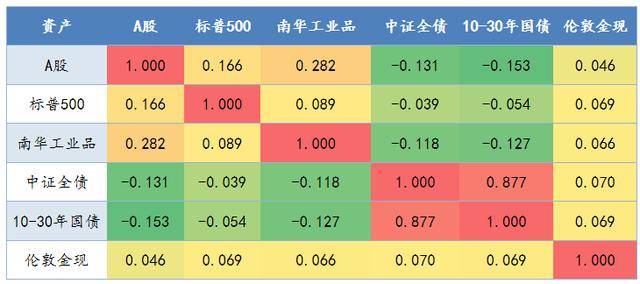
Core Insights - Index investing is facing new challenges and opportunities, with the rapid development of the index market in China, where the number of ETFs has exceeded 1,400 and the cumulative scale has surpassed 5.7 trillion yuan by December 5, 2025 [1] - The complexity of index products has made it difficult for ordinary investors to select and allocate them effectively, leading to the need for standardized guidelines from exchanges [1] - Despite being passive investment tools, index products still require active selection and allocation strategies to mitigate risks associated with high volatility [1] Group 1: Market Trends and Challenges - The ETF-FOF (Fund of Funds) issuance is expected to accelerate, with a notable increase in product offerings after a period of stagnation [2] - The introduction of service-oriented solutions, such as fund advisory services, aims to guide investors in index allocation, exemplified by the "Zhineng Tianfu" brand launched by Huatai-PineBridge [2] - Investors have reported high volatility in many index products, emphasizing the importance of professional research and strategic timing in trading [1] Group 2: Index FOF Characteristics - Index FOF primarily invests in index funds, with a minimum of 50% of its net asset value allocated to ETFs and other index-related funds [3] - The diversification and asset allocation advantages of index FOF can help smooth out net asset value fluctuations and improve investor experience [3] - The performance of mixed FOF indices has shown resilience against market fluctuations, with a 40.12% increase from the base date to Q3 2025, compared to a 15.72% increase in the CSI 800 index [4] Group 3: Asset Allocation Strategies - Index FOFs can include a variety of asset classes, such as equity ETFs, bond ETFs, and commodity ETFs, reflecting a growing trend towards multi-asset allocation [5] - The performance benchmark for the "Huatai-PineBridge Multi-Asset Allocation FOF" includes a mix of indices, allowing for exposure to A-shares, Hong Kong stocks, fixed income, gold, and commodities [5] - The theory of asset allocation emphasizes the benefits of combining low-correlated assets to enhance risk-return characteristics, with research indicating that adding low-correlation assets can positively impact portfolio performance [6] Group 4: Dynamic Risk Management - Effective multi-asset allocation requires clear strategies for asset proportioning and dynamic adjustments based on market conditions [8] - The "risk parity" approach is recommended for asset allocation, ensuring equal risk contribution from different asset classes, which can enhance risk diversification [9] - Regular assessments of asset risk levels are necessary to maintain the desired risk distribution within the portfolio, adapting to changing market dynamics [9][11]
鹏华易选稳健3个月持有期正式推出,持续完善多元FOF产品谱系
Zhong Guo Jing Ji Wang· 2025-12-01 05:31
自2017年9月8日国内首批产品获批以来,公募FOF已走过八年有余。从初期借势结构性牛市快速扩容, 到经历市场周期洗礼后的理性回归,再到如今的养老第三支柱建设加速推进、居民财富管理需求升级以 及多资产配置理念深入人心的多重驱动下重焕活力,FOF正逐步从"小众品种"迈向"主流配置"。 在此进程中,鹏华基金始终秉持长期主义与专业精神,不仅积极参与FOF业务布局,更立足中国资本市 场实际,深度融合全球视野与本土实践,形成了兼具战略定力与战术灵活的"中国特色资产配置框架"。 该方法论已深度融入鹏华基金FOF投研的全流程,并持续赋能旗下养老FOF以及普通FOF等系列产品 线。此次推出的鹏华易选稳健3个月持有期FOF(基金代码:A类025950;C类025951),正是在此框架指 导下的又一重要实践。 该产品由鹏华首席资产配置官郑科执掌,延续其一贯的投资理念,在底层资产筛选、跨市场联动策略及 回撤控制机制中,深度融入对当前宏观经济格局与中国资本市场结构性特征的研判,力求在复杂多变的 环境中,为投资者提供兼具时代适配性与长期复利价值的配置方案。 单一资产难以应对复杂的市场环境,多元资产配置成为趋势。对此,郑科有着独到见解: ...
这类理财,业绩亮眼
中国基金报· 2025-11-30 13:54
Core Insights - The performance of mixed financial products has been outstanding this year, with the highest unit net value growth rate approaching 36% [2][4] - The recovery of the equity market and the increase in structural opportunities in specific sectors have contributed to the explosive performance of mixed financial products [2][4] - There is significant growth potential for mixed financial products, especially in the context of declining deposit rates, prompting financial institutions to enhance their equity research capabilities and innovate product offerings to meet diverse market demands [2][4] Performance Highlights - As of November 27, over 90% of mixed financial products have shown positive unit net value growth this year, with 11 products exceeding a 20% growth rate, the highest being 35.97% [4] - The average annualized returns for mixed financial products over the past week and month were 13.21% and 6.62%, respectively, marking increases of 112.44 percentage points and 35.32 percentage points from the previous quarter [4] - Key drivers for the strong performance include the recovery of the equity market, refined operational strategies, and diversified asset allocation [4] Market Position - Despite the impressive performance, the scale of mixed financial products remains relatively low within the banking wealth management sector, with a total market size of 749.19 billion yuan, accounting for only 2.37% of bank wealth management [5] - The market size has increased by nearly 160 billion yuan since the end of January, with a 0.39 percentage point rise in market share [5] Strategic Recommendations - Financial institutions are encouraged to focus on diversified asset allocation and product innovation to meet the varied investment needs of clients [7] - There is a need to enhance intelligent advisory and dynamic asset allocation technologies to improve management efficiency and customer experience [7] - Institutions should explore opportunities in technology growth sectors, cross-border asset allocation, and alternative fixed-income assets while strengthening research capabilities in equity investment and new stock pricing [7]