
保护主义

Search documents
从“心”出发,共创中韩关系美好未来(大使随笔)
Ren Min Ri Bao· 2025-10-28 22:56
Group 1 - The visit of President Xi Jinping to South Korea from October 30 to November 1 is expected to play a crucial role in the development of the China-South Korea strategic partnership and contribute to stability and prosperity in the Asia-Pacific region [1][4] - China and South Korea have a long history of friendly exchanges and their interests are closely linked, making it essential to strengthen cooperation in the current complex international environment [1][2] - The two countries should enhance mutual understanding and trust, adapting to the changing international landscape while maintaining the original intentions of their diplomatic relations established in 1992 [1][2] Group 2 - China is South Korea's largest trading partner, while South Korea has become China's second-largest trading partner, indicating a deep economic integration and a shift towards closer horizontal cooperation in various industries [2] - Both countries are encouraged to collaborate in emerging fields such as artificial intelligence, green technology, high-end manufacturing, and biomedicine to achieve higher levels of mutual benefit [2] - There is a strong public sentiment in both countries favoring improved relations, with increased people-to-people exchanges anticipated due to upcoming visa facilitation measures [2] Group 3 - Despite some differences, the fundamental driving force behind China-South Korea relations is their shared interests, and both countries should resist external influences while promoting mutual respect for core interests [3] - The upcoming APEC meeting, hosted by South Korea, is seen as an opportunity for both nations to strengthen their cooperation and promote a message of openness and collaboration [3] - China's commitment to high-quality development and modernization is expected to provide more opportunities for both China and South Korea, contributing to regional prosperity [3]
李强在第20届东亚峰会上的讲话(全文)
证监会发布· 2025-10-28 02:29
Group 1 - The core message emphasizes the importance of cooperation and adherence to international law to enhance regional stability and development, aligning with the original purpose of the East Asia Summit [2] - The current international landscape is characterized by profound changes and challenges, necessitating a focus on global governance initiatives that promote equality, rule of law, and multilateralism [2][4] - The need for broad consensus among countries is highlighted, as differing fundamental understandings can hinder effective communication and economic cooperation [3] Group 2 - The article stresses the urgency of addressing protectionism, which has adversely affected international economic cooperation, particularly for developing countries [4] - It advocates for the maintenance of a free trade system and the establishment of a high-level regional free trade network to enhance regional integration [4] - The necessity of reforming the international rule system is underscored, with a call to uphold the authority of international law and support ASEAN's central role in regional cooperation [4]


美国挖坑中国填!特朗普赴日会见高市早苗,中国在东盟收拾烂摊子
Sou Hu Cai Jing· 2025-10-28 02:23
Group 1 - The article highlights China's efforts to fill the leadership void left by the U.S. in Southeast Asia, particularly in promoting open trade and strengthening regional economic ties during a summit in Kuala Lumpur [1][3] - The U.S. under President Trump is facing criticism for its high tariffs on Southeast Asian countries, which analysts believe is a strategy to pressure these nations to align with U.S. interests against China [3][4] - The Regional Comprehensive Economic Partnership (RCEP), supported by China, is emphasized as a significant trade agreement that could buffer the impact of U.S. tariffs, covering about 30% of global GDP [4][6] Group 2 - China's call for maintaining free trade and opposing protectionism is seen as a direct response to U.S. tariff policies, aiming to promote regional economic integration [3][4] - The article notes the challenges China faces, such as criticism from the Philippines regarding its actions in the South China Sea, which complicates its regional leadership aspirations [4][6] - Brazil's President Lula expresses optimism about achieving better trade agreements with the U.S., reflecting a common sentiment among Southeast Asian nations to balance relations with both the U.S. and China [6][7]
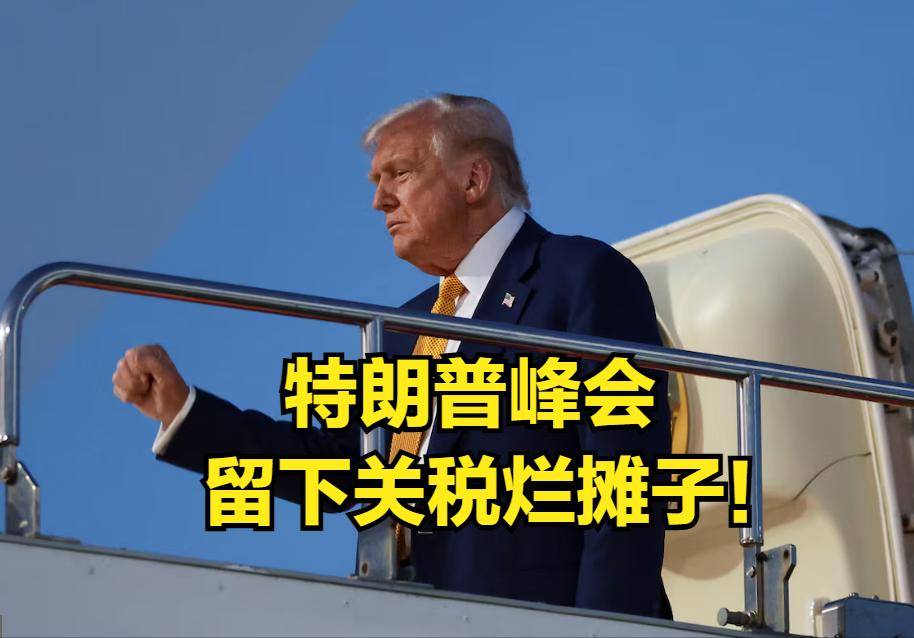
特朗普又要刷新美国历史!关税政策遇挫,美国信用记录再添瑕疵!
Sou Hu Cai Jing· 2025-10-26 18:07
Group 1 - The U.S. government is experiencing a significant shutdown, lasting 25 days, which has severely impacted the service sector and delayed critical economic data releases such as non-farm payrolls and CPI [1][3] - The market is estimating that the shutdown could extend until November 11, leading to two consecutive months without non-farm payroll data, increasing the risk of policy misjudgments by the Federal Reserve [3][10] - The U.S. credit rating has been downgraded by Scope Ratings from "AA" to "AA-", reflecting concerns over high federal deficits and increased interest expenditures, amidst a politically polarized environment [3][5] Group 2 - The ongoing shutdown and credit rating downgrades highlight systemic failures within the U.S. governance structure, with rising financing costs anticipated as a consequence [5][10] - The trade policies initiated by former President Trump, particularly tariffs, have led to unintended economic pressures, including increased consumer spending and inflationary effects, despite official inflation rates remaining stable [5][7] - A legal challenge regarding tariffs is set to be debated in the Supreme Court on November 5, which could have significant implications for U.S. economic policy and the balance of presidential power [7][8] Group 3 - The combination of the government shutdown, missing economic data, and credit rating downgrades reflects a broader issue of governance inefficiency and political dysfunction in the U.S. [10][12] - If non-farm payroll data is not released by mid-November, it could create an unprecedented "data vacuum," complicating the Federal Reserve's decision-making process [12][14] - The current situation serves as a critical indicator of the U.S. economic credibility, with the potential for long-term impacts on market confidence and investment behavior [14]
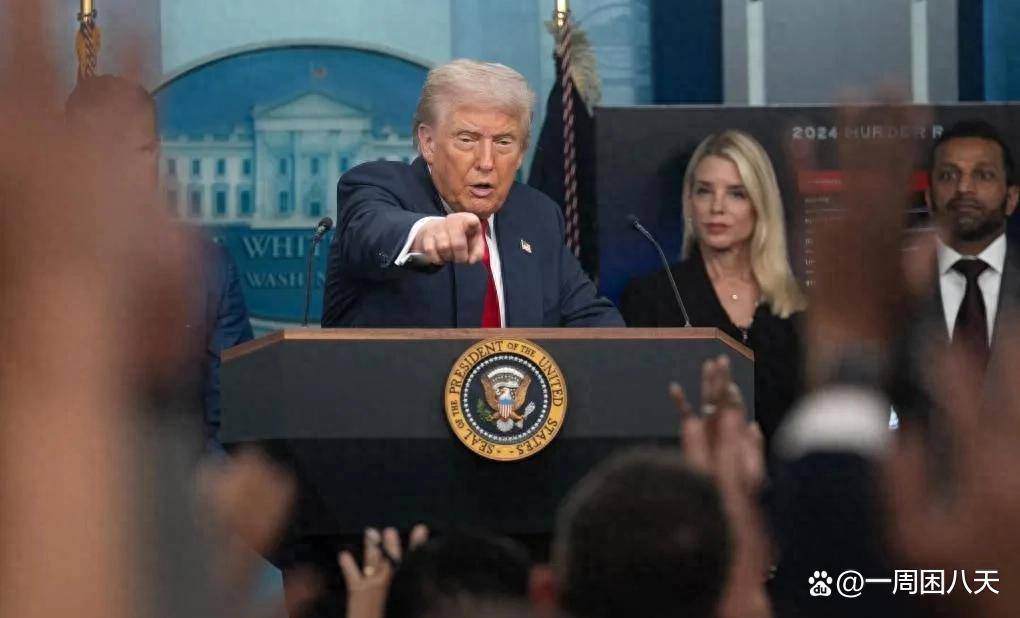
李强同新加坡总理会谈
Yang Shi Wang· 2025-10-26 12:06
Core Points - The meeting between Chinese Premier Li Qiang and Singaporean Minister of Finance Lawrence Wong emphasized the strategic direction for the development of China-Singapore relations, following a previous meeting between President Xi Jinping and the Singaporean Prime Minister in June [1] - China expressed its willingness to enhance cooperation in various fields, including digital economy, green economy, artificial intelligence, new energy, and biomedicine, while also focusing on key projects like the Suzhou Industrial Park and Tianjin Eco-City [1] - Singapore reaffirmed its commitment to the One China principle and expressed support for Xi Jinping's global development initiatives, emphasizing the importance of maintaining free trade and multilateralism [2] Cooperation Initiatives - Both countries signed multiple cooperation documents in areas such as digital economy, green development, and information communication, indicating a commitment to practical collaboration [3]
俄媒:欧洲人对于荷兰抢劫的行为,没有任何国家觉得不对,也没有觉得这么做是不对
Sou Hu Cai Jing· 2025-10-26 04:15
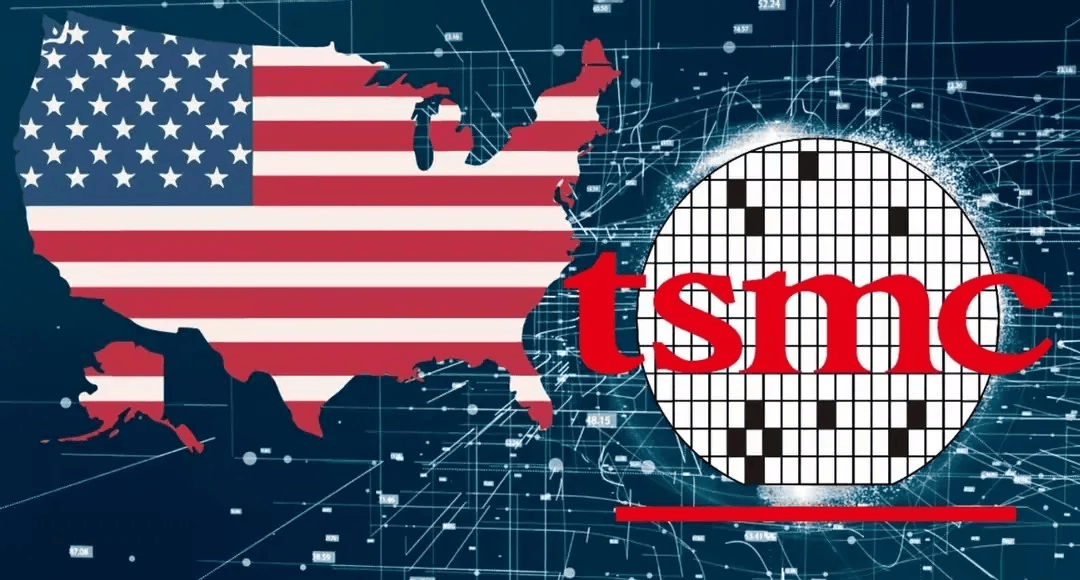
Core Points - The Dutch government's forced acquisition of a semiconductor company has sparked widespread controversy, with European nations remaining silent on this apparent violation of market rules [1][2] - The incident highlights the hypocrisy of Western nations that claim to uphold a "rules-based order" while prioritizing their own industrial interests, undermining the international investment environment and the concept of fair competition [2][4] - The justification of "national security" for the takeover raises questions about the true motives behind the Dutch government's actions, with discussions in European media focusing more on the company's technology impact on the automotive industry rather than the legality of the government's behavior [5] Group 1 - The forced acquisition by the Dutch government has been criticized for undermining market rules and international governance principles [1][2] - The silence from other European countries indicates a double standard in their commitment to fair competition when it comes to non-Western enterprises [2][5] - The incident serves as a reminder that the so-called "order" and "justice" espoused by some Western nations often serve their strategic interests, revealing a pragmatic approach to rules [4] Group 2 - The focus of public discourse on the semiconductor company's technology rather than the legality of the acquisition reflects a selective disregard for principles in favor of national interests [5] - The situation illustrates the potential erosion of international credibility for Western nations as their actions reveal the true nature of power politics [4]
新华财经早报:10月26日
Xin Hua Cai Jing· 2025-10-26 00:44
Group 1 - China and the US began trade negotiations in Kuala Lumpur on October 25, 2025 [1] - China's actual foreign investment usage in September increased by 11.2% year-on-year, while the total for January to September was 573.75 billion RMB, a decrease of 10.4% [1] - The number of newly established foreign-invested enterprises in China from January to September 2025 was 48,921, reflecting a year-on-year growth of 16.2% [1] Group 2 - European credit rating agencies downgraded the US sovereign credit rating from "AA" to "AA-" due to deteriorating public finance and governance standards [2] - Moody's maintained France's sovereign credit rating at Aa3 but downgraded the outlook from "stable" to "negative" due to weakened governance and risks of structural reform setbacks [2] - The UK economist emphasized the need for the UK to strengthen economic cooperation with countries like China amid rising protectionism and geopolitical tensions [2]

IMF:贸易风险或致亚洲经济增长今明两年放缓
Shang Wu Bu Wang Zhan· 2025-10-25 03:42
Core Insights - The Asia-Pacific region remains the fastest-growing area globally, but rising tariffs and protectionism may lead to reduced exports and ultimately impact economic activity [1] - The IMF projects Asia's GDP growth rate to be 4.5% in 2025, slightly down from 4.6% in 2024, with a further slowdown to 4.1% by 2026 [1] - Trade policy uncertainty, although decreased since April, remains high and could severely affect investment and market sentiment [1] Economic Projections - Strong export growth in Asia is expected to be driven by pre-purchase activities ahead of tariff increases and a recovery in the technology cycle [1] - Domestic demand is anticipated to remain robust due to loose policies and the global environment [1] Policy Recommendations - The IMF urges Asian policymakers to stimulate domestic demand, particularly consumption, and enhance productivity [1] - Short-term recommendations include targeted fiscal and monetary stimulus measures to mitigate the impact of trade shocks [1]
互征港口费后,克拉克森海运指数突破3万美元
Sou Hu Cai Jing· 2025-10-24 10:03
上周原油运输市场表现尤为强劲,各细分板块全面上涨。超大型油轮(VLCC)平均日收益增长10%至9万美元,中型油 轮(MR)平均日收益则飙升44%至2.5万美元/日。 克拉克森研究分析师指出,以运力占比计算,目前全球约2%-7%的货运吨位(以船队数量计算,约为1%至3%)停靠中 国港口可能受到该费用影响。从整体来看,航运公司可通过调整船舶部署来应对费用影响,但这一规模足以引发短期市 场动荡,并导致租船偏好变化及市场效率下降。克拉克森在最新周报中表示,上述因素在当前供需紧张的市场环境中可 能 "总体起到支撑作用"。 9月29日,国务院公布关于修改《中华人民共和国国际海运条例》的决定。条例明确提出:任何国家或者地区对中国船 东、运营商、船舶或者船员采取或者协助、支持采取歧视性的禁止、限制或者其他类似措施的,中国政府根据实际情况 采取必要的反制措施。这是对美国此前公布的同样于10月14日生效的港口费计划的强势反击。 10月14日起,中美两国开始报复性地相互征收港口附加费,由此引发的市场动荡已推动航运收益攀升至历史高位。 中国于10月14日正式开始对美国所有、运营、建造或悬挂美国国旗的船舶征收每吨净吨400 元人民币( ...

X @外汇交易员
外汇交易员· 2025-10-24 02:52
Government Spending & Political Influence - Ontario, Canada is spending $75 million on commercials targeting US Republican voters [1] - The commercials began airing last week on Newsmax and Bloomberg, and are now running on Fox News, NBC, CBS, CNBC, ESPN, and ABC [1] - The commercials are scheduled to run until January [1] Trade & Economic Policy - The commercials quote Ronald Reagan's 1987 speech opposing "protectionist legislation" and supporting "fair free competition" [1]