精细化运营

Search documents
名创优品(MNSO)盘前涨超1% 机构指TOP TOY业务持续高速增长
Xin Lang Cai Jing· 2025-10-10 13:48
Core Insights - MINISO's stock rose over 1% pre-market, reaching $22.37, driven by positive financial performance and strategic shifts [1] Group 1: Domestic Performance - In H1 2025, MINISO's revenue in mainland China increased by 11.4% year-on-year, with same-store sales achieving positive growth for the first time in four quarters, indicating effective operational optimization and improved customer traffic [1] - The company's strategic focus has shifted from quantity expansion to quality enhancement, closing inefficient small stores and optimizing its network structure, resulting in a total of 4,305 stores by the end of H1 2025, with a net increase of 190 stores [1] - Large store formats, represented by MINISO LAND and flagship stores, have significantly boosted average transaction value and sales per square meter, becoming the core drivers of growth and brand upgrade [1] Group 2: International Expansion - MINISO's overseas business saw a substantial revenue increase of 29.4% in H1 2025, with the total number of international stores reaching 3,307 [2] - The North American market is a key growth driver, with store count rising to 394 and GMV surging by 67.5% to 1.41 billion yuan, supported by cluster-based layouts and localized operations [2] - Future plans for the overseas market include refined operations, with a focus on developing large store models in the U.S. and aiming to open 80 new stores throughout the year, while also targeting high-growth regions like Canada and Australia with a goal of adding over 500 international stores [2] - TOP TOY's business continues to grow rapidly, with a year-on-year revenue increase of 73% and a total of 293 stores, serving as a strong secondary growth curve for the group [2]
从“奈曼人家”看东北菜融合下的饮食业发展趋向
Sou Hu Cai Jing· 2025-10-10 03:53
Core Insights - The article discusses the development trends in the food industry through the lens of "Naiman Renjia," a restaurant in Hohhot that exemplifies the fusion of Northeast cuisine with local culinary culture [4][7] - The restaurant serves as a case study for how regional cuisine can adapt to local tastes while maintaining its unique identity, emphasizing the importance of understanding customer preferences [7][16] Group 1: Fusion of Regional Cuisines - "Naiman Renjia" integrates Northeast cuisine with Inner Mongolian culinary traditions, creating signature dishes like "Iron Pot Stewed Goose" and "Naiman Stewed Lamb" that appeal to both locals and visitors [7][8] - The restaurant modifies traditional dishes to suit local tastes, such as reducing the sugar in "Guo Bao Rou" and adding tomato juice for a balanced flavor profile [7][10] - The fusion approach is characterized by "localized transformation," focusing on regional roots and customer needs rather than mere replication of traditional recipes [7][16] Group 2: Operational Trends - The restaurant adopts a "scene-based" operation model, transforming dining into an emotional experience rather than just a meal, catering to the nostalgia and communal aspects of dining [9][10] - "Naiman Renjia" employs a closed-loop operational strategy, where feedback from customers is directly communicated to the kitchen, enhancing efficiency and responsiveness [10][11] - The focus on refined operations allows the restaurant to reduce costs and improve service quality, emphasizing collaboration between different operational segments [10][11] Group 3: Marketing Strategies - Emotional marketing is prioritized, with the restaurant sharing stories about its dishes and the people behind them, fostering a deeper connection with customers [11][12] - The marketing strategy shifts from traditional advertising to targeted storytelling that resonates with the audience, enhancing brand loyalty and recognition [12][14] - The emphasis on "emotional resonance" and "visualization of uniqueness" in promotions helps the restaurant reach new markets and attract customers [14][16] Group 4: Future Directions - The future of the food industry lies in balancing the preservation of regional cultural roots with innovative approaches to meet evolving consumer demands [16][17] - "Naiman Renjia" aims to be a community hub rather than just a restaurant, focusing on creating a warm and inviting atmosphere for its patrons [16][17] - The article concludes that the food industry can thrive by centering its operations around customer experiences and emotional connections, navigating challenges like rising costs and fluctuating customer traffic [17]

步步高:公司专注湖南市场,回归传统优势区域,优化门店布局
Zheng Quan Ri Bao Zhi Sheng· 2025-10-09 09:13
Core Viewpoint - The company is focusing on the Hunan market, optimizing store layout, and balancing operational efficiency with store scale to enhance profitability and stabilize business development [1] Group 1 - The company is returning to its traditional advantageous region, Hunan, to maximize operational efficiency and store scale [1] - The company aims to enhance the operational effectiveness of its advantageous stores while leveraging the demonstration effect of "Fat Donglai" to optimize store operations [1] - The company is committed to a flexible combination of dual business formats, ensuring traffic interconnection and value co-creation to meet diverse consumer needs [1] Group 2 - The company is constructing a "high frequency + high quality" commercial ecological loop to provide rich consumer experience scenarios [1] - The company is continuously improving its core competitiveness through refined operations and resource concentration [1]

数百万网约车司机,给平台出了一道平衡难题
吴晓波频道· 2025-09-29 00:29
Core Viewpoint - The ride-hailing industry has evolved from merely transporting passengers to becoming a super infrastructure that reassembles "scattered time, vehicles, and labor" into a cohesive employment reservoir, significantly impacting various demographics and employment patterns [2][6]. Group 1: Employment Dynamics - As of 2024, the number of licensed ride-hailing drivers in China reached 7.483 million, a 159% increase from 2020 [2]. - The average age of ride-hailing drivers is around 40 years, with a notable trend of increasing participation from middle-aged and female drivers [6]. - Approximately 80% of drivers face cash flow pressures, and over 1.05 million female drivers rely solely on ride-hailing income [6][10]. Group 2: Income and Economic Impact - The average monthly income for ride-hailing drivers is 7,623 yuan, with those in first-tier cities earning an average of 11,557 yuan per month [8]. - The ride-hailing industry serves as a buffer for employment, particularly for those affected by industrial upgrades, with nearly 70% of surveyed drivers coming from traditional blue-collar sectors [6][10]. Group 3: Platform Dynamics and Challenges - The growth of drivers has outpaced the increase in ride-hailing demand, with a 38.3% rise in average monthly orders compared to the 159% increase in driver numbers since 2020 [27]. - The average daily order volume for ride-hailing drivers in cities like Suzhou and Zhuhai is low, leading to reduced earnings for many drivers [27]. - The platform's commission structure is a significant concern for drivers, with an average commission of 15.3% reported, although many drivers overestimate their commission rates [14][17]. Group 4: Future Directions and Strategies - The industry may not return to previous high-earning conditions due to increased competition and a larger number of drivers [28]. - Future strategies may involve refined operations, such as improving order efficiency and diversifying service offerings to meet consumer demands [30][35]. - Platforms are increasingly focusing on enhancing labor welfare and transparency to build trust with drivers, including initiatives like the "Transparent Bill" feature [35][36].

绝味食品的财务“黑洞”:7亿营收消失之谜
Xin Lang Cai Jing· 2025-09-28 23:45
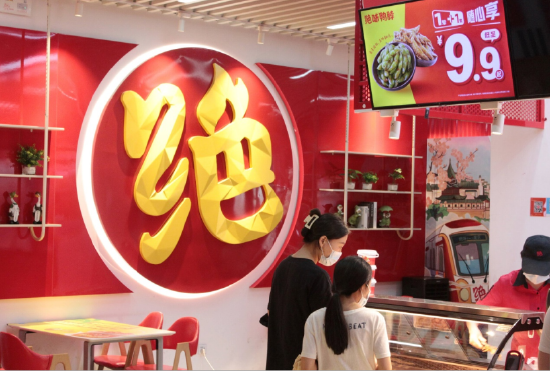
Core Viewpoint - The company, known as the "Duck Neck King," has faced significant financial and operational challenges, leading to a decline in its stock price and market value due to financial misconduct and poor performance in the competitive market [3][5][10]. Financial Misconduct - The company was penalized by the China Securities Regulatory Commission (CSRC) for underreporting revenue by approximately 724 million yuan from 2017 to 2021, resulting in a fine of 4 million yuan [3][5]. - The investigation revealed that the company failed to recognize income from franchise store renovations, leading to a systematic underreporting of revenue across multiple years [5][7]. Performance Decline - In the first half of 2025, the company reported a revenue decline of 15.57% year-on-year, with net profit dropping by 40.71% [4][10]. - The total number of stores decreased from 14,969 at the end of 2023 to 10,725 by September 2024, indicating an average closure of about 10 stores per day over the past year [4][10][14]. Market Position and Strategy - The company has shifted its focus from aggressive expansion to optimizing store performance and franchise management in response to market saturation [14][15]. - Despite previous growth, the company has faced increased competition and declining profitability, prompting a reevaluation of its business model and marketing strategies [10][15][17]. Investment and Brand Strategy - The company has invested over 5 billion yuan in various brands since 2017, but these investments have resulted in significant losses, totaling over 370 million yuan from 2022 to 2024 [15][17]. - In an effort to rejuvenate its brand, the company appointed a new global ambassador and introduced new store formats, although the effectiveness of these strategies remains uncertain [17][18].

从规模增长到质量共生,新城商业擘画发展新路线
Qi Lu Wan Bao Wang· 2025-09-28 11:43
Core Insights - New City Holdings (601155) demonstrates counter-cyclical growth amidst deep adjustments in the commercial real estate sector, indicating a profound change in its business operation logic [1] - The company introduced the "Wuyue Management Five-Step Method" and the "Yuelian Plan" during its annual conference, signaling a strategic shift from scale expansion to quality symbiosis [1][3] Industry Trends - The annual conference featured key insights from industry leaders, highlighting the need for commercial real estate to accurately grasp consumer demand changes amid a backdrop of consumption upgrading and segmentation [2] - Data analysis presented at the conference indicated that leading commercial operators have seen rental fee scales grow, with rental growth rates outpacing market expectations [2] Company Performance - In the first half of the year, New City Holdings achieved a total commercial operating revenue of 6.944 billion yuan, marking an 11.8% year-on-year increase [3] - The gross profit from property leasing and management reached 4.573 billion yuan, increasing its share of total gross profit from 57.21% to 77.06% compared to the same period last year, underscoring the commercial segment's role as a vital profit pillar [3] Strategic Initiatives - The "Wuyue Management Five-Step Method" focuses on five dimensions: building good spaces, organizing content, finding brands, increasing sales, and sharing profits, systematically constructing New City's operational framework [4] - The company has invested 400 million yuan in 88 projects for space renovation and quality enhancement, emphasizing the importance of quality space experiences for consumer retention and brand empowerment [5] New Business Models - The "Yuelian Plan" aims to create a sustainable resource connection and value co-creation platform by selecting quality brands and core agents, shifting from one-way recruitment to a three-way win model [5][6] - The first phase of the "Yuelian Plan" will involve the careful selection of 10 certified brands and 80 core agents, reflecting a focus on partnership quality rather than quantity [6] Future Growth Strategies - New City Holdings has established a presence in 141 cities with 205 integrated projects, with 175 already opened, covering over 16 million square meters [7] - The company is transitioning from a focus on scale growth to quality symbiosis, with plans for further refinement in residential and commercial operations [8] Regional Development - The launch of the "Gold Standard Wuyue Plaza" in Changzhou marks a significant step in enhancing commercial quality, with high foot traffic and sales figures reported shortly after opening [8] - Regional deepening strategies, such as the introduction of new Wuyue Plazas in Shandong, are expected to drive future growth through scale effects and brand synergy [9]

新城控股发布“吾悦经营五步法”与“悦链计划”,推动商业运营提质增效
Zheng Quan Shi Bao Wang· 2025-09-27 10:41
Group 1 - The core theme of the annual conference is "Two-way Pursuit, Co-drawing Happiness," aimed at enhancing industry chain collaboration and resource integration capabilities [1] - The company introduced the "Five Steps of Wuyue Management," which includes building space, organizing content, finding brands, increasing sales, and sharing profits, to systematically improve operational efficiency [2] - The "Yuelian Plan" was launched to create a resource symbiosis platform, emphasizing a win-win and link model among agents, Wuyue, and brands [3] Group 2 - In the first half of 2025, the company's commercial operations revenue reached 6.944 billion, a year-on-year increase of 11.8%, with a gross profit margin of 71.20% [4] - The company has established 205 comprehensive projects in 141 cities, with a total opening area of 16.0814 million square meters and an average occupancy rate of 97.81% [4] - The introduction of the "Five Steps of Wuyue Management" and the "Yuelian Plan" reflects the company's strategic focus on deepening commercial operations and enhancing ecological collaboration [4]
2025年H1中国手机银行APP流量监测报告
艾瑞咨询· 2025-09-26 00:04
Core Insights - The mobile banking app has become a core platform for commercial banks to serve users, optimize experiences, and enhance competitiveness in the context of national digital transformation and financial technology innovation [1] - The market for mobile banking apps is entering a stage of stock competition, with user flow stabilizing between 650 million to 700 million from 2023 to 2025, indicating saturation [2] - User engagement with mobile banking apps is declining, necessitating refined operational strategies for banks to retain customers [4][6] User Flow and Behavior - The overall user flow of mobile banking apps in China is projected to fluctuate between 650 million and 700 million, with a change rate of -1.2% to 4.6% from 2023 to 2025, indicating market saturation [2] - User stickiness has significantly decreased, with average daily effective usage time dropping from 4.93 minutes to 2.70 minutes and daily usage frequency from 4.54 times to 2.86 times [4] Operational Strategies - Refined operations are essential for banks to break through in a saturated market, focusing on precise user insights and intelligent technology applications [6][7] - The strategy involves three layers: foundational user insights, scenario-based and differentiated operations, and establishing emotional connections with users [7] AI Integration - AI technology is recognized for its potential value across industries, aiding banks in refining operations by enhancing interactive experiences, risk management, and data efficiency [9] Rankings and Performance - The top 50 rankings show that state-owned banks dominate, with Agricultural Bank of China leading with an average MAU of 24.8 million, followed by Industrial and Commercial Bank of China and China Construction Bank [11][12] - Among joint-stock commercial banks, China Merchants Bank leads with over 7 million MAU, while many others face declining user engagement [16][17] - City commercial banks have shown strong performance, with Jiangsu Bank leading at 3.5 million MAU, and several banks achieving significant growth rates [19][20] Case Studies of Successful Apps - Agricultural Bank of China continues to lead the industry with a 4.8% increase in MAU, focusing on integrating financial services with daily life scenarios [28][29] - China Merchants Bank is recognized for its innovative digital services, maintaining its position as a leader among joint-stock banks [31] - Jiangsu Bank emphasizes the integration of digital capabilities with wealth management, enhancing its app to meet customer needs [33] - Beijing Bank's app showcases a digital transformation strategy that combines technology, scenarios, and services to create value [35]




万辰赴港角逐量贩零食第一股
Bei Jing Shang Bao· 2025-09-24 16:37
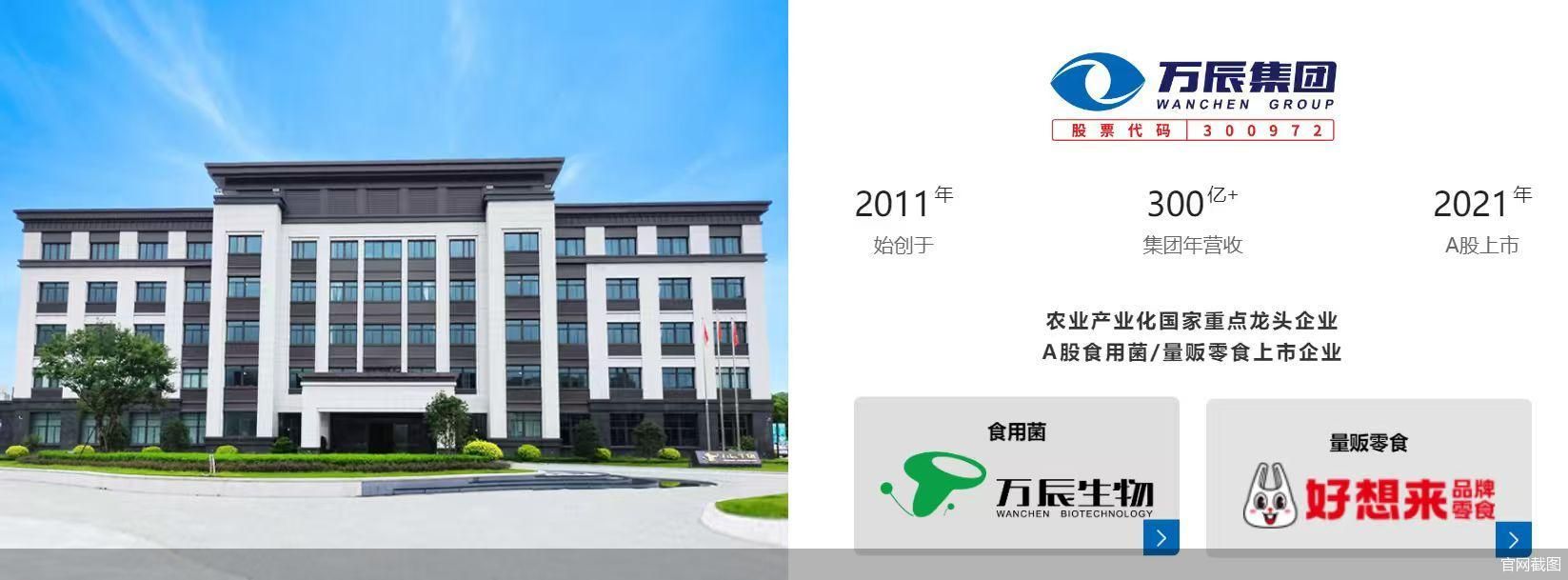
Group 1 - Wanchen Group has officially submitted a listing application to the Hong Kong Stock Exchange, aiming to raise funds for expanding and upgrading its store network, enriching its product portfolio, enhancing logistics efficiency, and upgrading digital infrastructure [1] - The company initially focused on edible fungi and went public on the Shenzhen Stock Exchange in April 2021. It has since acquired several regional snack brands and consolidated them into the "Haoxianglai Brand Snacks" in 2023, forming a significant presence in the snack market [1] - As of the first half of 2025, Wanchen Group reported revenue of 22.583 billion yuan, a year-on-year increase of 106.89%, with net profit attributable to shareholders reaching 472 million yuan, a staggering increase of 50,358.8% [1] Group 2 - The snack retail industry is experiencing rapid growth, characterized by a "two super, many strong" competitive landscape, with leading companies expanding through a franchise model. Wanchen Group's store count reached 14,196 by the end of 2024, while its competitor, Mingming Hen Mang, had 14,394 stores [2] - By June 30, 2025, Wanchen Group's store count increased by 1,169 to 15,365, while Mingming Hen Mang surpassed 20,000 stores by September 2025 [2] - Both companies are competing for the title of "first snack stock in Hong Kong," with Wanchen Group's IPO application and Mingming Hen Mang's ongoing IPO process aimed at funding store expansion and supply chain optimization [2] Group 3 - Wanchen Group anticipates entering a "refined operation" phase in the snack industry, with a slowdown in store growth and a focus on supply chain efficiency and proprietary brands as key competitive factors [3] - The company has begun launching new store formats and developing its own brands, such as "Haoxianglai Super Value" and "Haoxianglai Selection," to cater to diverse consumer needs [3] - Experts suggest that Wanchen Group's IPO strategy is aimed at enhancing brand recognition and industry standing, attracting more consumers and partners, and securing additional financing channels to strengthen its competitive position [3]
万辰集团递表,角逐量贩零食港股第一股
Bei Jing Shang Bao· 2025-09-24 12:52
Core Viewpoint - Wancheng Group has officially submitted its listing application to the Hong Kong Stock Exchange, aiming to raise funds for expanding and upgrading its store network, enriching its product portfolio, enhancing logistics efficiency, and upgrading digital infrastructure [2] Company Summary - Wancheng Group initially focused on edible fungi business and was listed on the Shenzhen Stock Exchange in April 2021. The company has acquired several regional snack brands and consolidated them under the "Haoxianglai" brand in 2023, forming a significant presence in the snack market [2] - As of the first half of 2025, Wancheng Group reported revenue of 22.583 billion yuan, a year-on-year increase of 106.89%, with a net profit of 472 million yuan, up 50,358.8%. Revenue from the snack business accounted for approximately 99% of total revenue [2] - In July 2023, Wancheng Group underwent a management change, with founder Wang Jiankun stepping down as chairman and Wang Liqing taking over. Wang Jiankun's son, Wang Zenning, was appointed as the new general manager [2] Industry Summary - The snack retail sector is experiencing rapid growth, characterized by a "superior price-performance ratio" product positioning. The competitive landscape is dominated by a few strong players, with Wancheng Group's store count reaching 14,196 by the end of 2024 [3] - By June 30, 2025, Wancheng Group's store count increased by 1,169 to 15,365, while a competitor, Mingming Henbang, surpassed 20,000 stores [3] - Both Wancheng Group and Mingming Henbang are competing for the title of "first snack stock in Hong Kong," with Wancheng Group's IPO application indicating a strategic move to enhance brand recognition and industry position [3][4] - The industry is expected to transition into a phase of "refined operations," with a focus on supply chain efficiency and proprietary brands becoming key competitive factors [3][4]