AI时代

Search documents
杰华特:收购新港海岸!
是说芯语· 2025-09-02 00:00
Core Viewpoint - JETCHIP has announced the acquisition of 66.25% of Xinhai Coast, a high-speed mixed-signal IC design company, for a total price of 418 million yuan, which strategically fills the gap in JETCHIP's product line, particularly in high-speed interface and clock chip areas [1][4][6]. Group 1: Acquisition Details - JETCHIP directly acquires 20% of Xinhai Coast for 126 million yuan and holds a total of 35.37% through associated funds, ensuring strategic influence via board appointment rights [1][6]. - The acquisition structure allows JETCHIP to avoid financial pressure from a full acquisition while maintaining control through a combination of direct and indirect holdings [6]. Group 2: Strategic Importance - The acquisition of Xinhai Coast complements JETCHIP's existing power management technology, creating a comprehensive solution that addresses the growing demand for high-speed interfaces in AI servers and automotive applications [4][6][7]. - Xinhai Coast's technology, including 112G SerDes IP and ultra-low jitter clock generators, enhances JETCHIP's competitive edge in the AI server power management module market [7]. Group 3: Market Potential - The valuation of Xinhai Coast at approximately 631 million yuan, with a projected revenue multiple of about 8 times for 2024, is below the industry average of 10-12 times, indicating a favorable investment opportunity [8]. - The global AI server market is expected to exceed 60 billion USD by 2025, with a demand growth rate for related interface chips surpassing 50%, highlighting the significant market potential for the combined technologies of JETCHIP and Xinhai Coast [8].



“染料一哥”扣非净利润同比下滑,房产子公司现亏损
2 1 Shi Ji Jing Ji Bao Dao· 2025-08-28 02:18
Core Viewpoint - Zhejiang Longsheng, a leading dye manufacturer in China, reported a decline in revenue and a mixed performance in net profit, raising concerns about its financial health amid significant acquisitions and long-term urban renewal projects [1][2]. Financial Performance - For the first half of 2025, Zhejiang Longsheng achieved revenue of 6.505 billion yuan, a year-on-year decrease of 6.47% [1]. - The net profit attributable to shareholders was 928 million yuan, reflecting a growth of 2.84% year-on-year, while the net profit after deducting non-recurring items was 583 million yuan, down 9.54% year-on-year [1]. - Short-term borrowings increased to approximately 9.053 billion yuan, up 14.26% from the end of 2024 [2]. - The company reported an increase in accounts receivable and notes payable, indicating a strategy to manage liquidity risks [2]. Business Segments - Zhejiang Longsheng's main profits stem from traditional manufacturing, particularly in dyes and intermediates, while it has also ventured into real estate, focusing on urban renewal projects in Shanghai [1][3]. - The company has invested over 30 billion yuan in real estate, with significant projects including Huaxing New City and the Bo Mao Plaza [5][6]. Urban Renewal Projects - The urban renewal projects undertaken by Zhejiang Longsheng are characterized by long capital return cycles, which have led to increased financial pressure [4][6]. - The company has established a policy response mechanism to monitor macroeconomic policies and adjust project operations accordingly [5][6]. - The real estate segment's asset proportion is high, and the company faces potential impacts from national macro-control policies [5]. Financial Risks - The company's real estate subsidiary has reported losses, contributing to a rise in contract liabilities to approximately 11.593 billion yuan, up from about 7.270 billion yuan at the end of 2024 [6]. - The asset-liability ratio of Shanghai Shengnuo, the parent company of Longsheng Bay and Huaxing New City, stands at 88.68%, exceeding the industry average [6][7]. - High inventory levels have been maintained, with inventory reported at approximately 29.469 billion yuan in the first half of 2025 [7].

百度公布营销服务商首批名单,Q3新引入78家服务商
Xin Lang Ke Ji· 2025-08-27 07:14
Core Insights - Baidu Marketing has announced the first batch of regional service providers for 2025, comprising 133 partners, with over 25 partners having collaborated for more than five years [1] - In Q3, Baidu introduced 78 new service providers across various provinces, including Beijing, Shandong, Hubei, and Guangdong, to enhance local business vitality [1] - The company is transitioning from an exclusive agency model to a service provider model in certain cities, aiming to align with market reforms and focus on service quality [1] Summary by Sections Service Provider Model - The new service provider model is designed to stimulate local business activity and create a more valuable service ecosystem [1] - Service providers will operate in authorized regions and benefit from incentive policies [1] Market Strategy - The upgrade of the channel system is a response to the shift in Baidu's search business strategy, emphasizing the need for market-oriented reforms [1] - Agents can choose their operational model, with many transitioning positively to the new service provider system and showing improved performance [1] Future Outlook - The ongoing evolution of the channel system is essential in the AI era, requiring agents to enhance their core service capabilities and explore new business models [1] - Baidu plans to continue recruiting more partners to expand its marketing system and support long-term growth for enterprise clients [2]

晚报 | 8月26日主题前瞻
Xuan Gu Bao· 2025-08-25 14:35
Group 1: Rare Earth - The Ministry of Industry and Information Technology, the National Development and Reform Commission, and the Ministry of Natural Resources released interim measures for total quantity control management of rare earth mining and smelting separation on August 22 [1] - The new management measures indicate a comprehensive upgrade in the regulatory level and scope of rare earth production control, potentially leading to a tightening of supply and an increase in rare earth prices [1][1] - Analysts predict that the domestic rare earth supply will continue to be tight, driving prices upward [1] Group 2: Innovative Pharmaceuticals - China's pharmaceutical industry ranks second globally, with approximately 30% of innovative drugs under research [2] - Since the 14th Five-Year Plan, 387 children's drugs and 147 rare disease drugs have been approved for market, addressing the medication needs of key populations [2] - Analysts believe that the rise of innovative drugs is sustainable, with significant potential for individual products and companies with leading technology platforms [2] Group 3: Photovoltaics - The China Photovoltaic Industry Association issued an initiative to strengthen industry self-discipline and maintain fair competition, urging downstream enterprises to optimize bidding rules [3] - Analysts expect that the photovoltaic industry will see a recovery in long-term profitability as supply-side policies progress and as the industry addresses current challenges [3][3] - The adjustment of polysilicon prices is anticipated to be accepted by the downstream market, leading to a return of component prices to cost levels [3] Group 4: Carbon Emissions - The Central Committee and the State Council released opinions on promoting green and low-carbon transformation and strengthening the national carbon market [4] - By 2027, the national carbon trading market is expected to cover major industrial sectors, with a significant increase in carbon emission quota prices from 46.60 yuan/ton in 2021 to 91.82 yuan/ton in 2024 [4][4] - The total transaction volume of carbon emission quotas reached 1.89 billion tons in 2024, with a total transaction value of 18.114 billion yuan, marking a new annual high [4] Group 5: Storage - Huawei is set to launch a new AI SSD on August 27, aimed at addressing traditional SSD shortcomings in the AI field [5] - The new SSD is expected to enhance data efficiency, which is crucial for enterprise productivity in the era of AI [5] - Analysts highlight the importance of high-performance storage in the training and inference processes of large models, positioning Huawei as a key player in the infrastructure of computing power [5] Group 6: Brain-Computer Interface - A multi-center clinical trial for brain-machine interface technology focusing on precise diagnosis and treatment of hydrocephalus has been initiated by top medical institutions in China [6] - This project marks a significant advancement in brain-machine interface technology, expanding its applications beyond traditional areas [6] - The integration of brain-machine interface technology into medical services has been facilitated by recent policy support from the National Medical Insurance Administration [6] Group 7: Forestry - The People's Bank of China and other regulatory bodies issued a notification to support high-quality development in forestry through financial measures [7] - The forestry sector is evolving beyond traditional timber production to include carbon sink development and ecological tourism [7] - The industry is expected to cover various fields, employing over 100 million people and contributing significantly to the economy [7]
用电量创新高汽柴油消费却在下滑:能源转型让中国经济更高质量?
Sou Hu Cai Jing· 2025-08-23 01:38
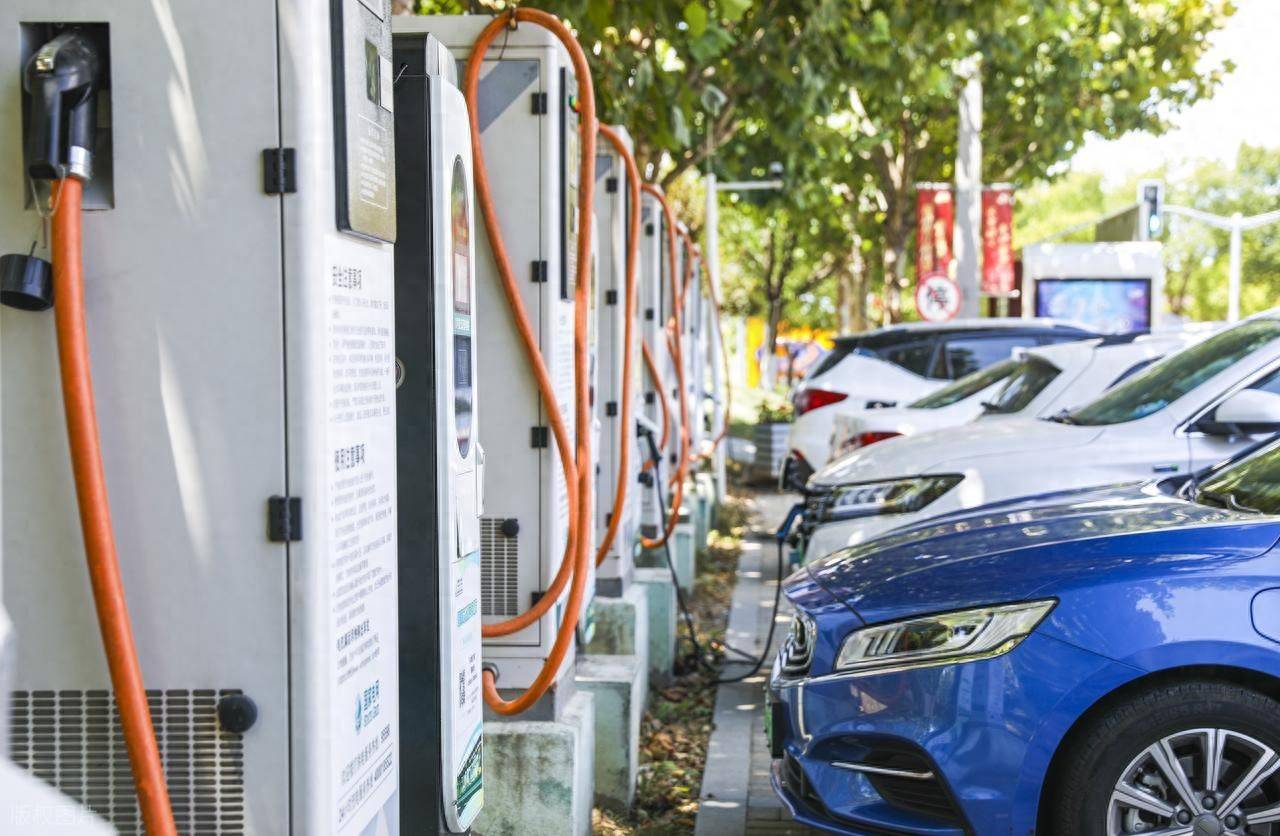
Group 1: Electricity Consumption Trends - In July, China's electricity consumption reached 10,226 billion kilowatt-hours, marking an 8.6% increase year-on-year and more than doubling from a decade ago [1][3] - The increase in electricity consumption is attributed to three main factors: a clear release in demand, improved supply efficiency, and higher usage of air conditioning and cooling due to high temperatures [3][5] - The contribution of renewable energy sources, including wind, solar, and biomass, accounted for nearly one-quarter of the electricity consumed in July, indicating significant progress in energy transition [3][5] Group 2: Economic Indicators and Energy Structure - The rise in electricity consumption is part of a broader economic vitality indicator, often referred to as the "Li Keqiang Index," which includes electricity usage, railway freight, and loan issuance [5] - Diesel and gasoline consumption decreased by approximately 7% and 4% respectively in the first half of 2025 compared to the previous year, while the share of new energy vehicles is rapidly increasing [5] - The energy structure is undergoing long-term optimization, with renewable energy sources expected to account for over half of the new installed capacity in 2024, reducing reliance on fossil fuels [5][7] Group 3: AI and Power Demand - The demand for electricity is rising due to the increasing need for computing power in data centers and smart manufacturing, positioning China as a major player in global AI computing capacity [7] - The competitiveness of power generation and electricity costs is becoming a critical factor in industrial competitiveness, with electricity serving as a foundational element for high-end manufacturing and intelligent services [7] - The milestone of surpassing 10 trillion kilowatt-hours in electricity consumption is seen as a marker of progress in energy structure optimization, industrial upgrading, and the application of advanced technologies [7]
古典×Judy×凯莉彭:副业选择的能与不能 | 今日直播
吴晓波频道· 2025-08-22 00:30
Core Viewpoint - The article emphasizes the growing trend of individuals seeking side jobs as a response to economic changes and rising living costs, highlighting the importance of aligning personal interests with market demands in the pursuit of additional income [3][4]. Group 1: Side Job Trends - The shift in economic environment and individual perspectives has led to increased competition in the job market, prompting many to explore additional income sources [3]. - Young people are increasingly inclined towards flexible and diverse career paths, using side jobs to explore interests and mitigate uncertainties [3]. - The development of technology platforms has significantly lowered the barriers to starting side jobs, making them a viable option for modern professionals [3]. Group 2: Expert Insights - Gu Dian, a personal development expert, advises against hasty decisions like quitting jobs or blindly following trends; instead, individuals should focus on niche demands and create exceptional products [5]. - Judy, a cultural entrepreneur, suggests that individuals should view traditional jobs as a resource accumulation process that can pave the way for entrepreneurship, emphasizing the importance of finding a personal vision [7]. - Kelly Peng, a personal brand consultant, encourages individuals to start small and experiment to discover their passions, warning against common pitfalls like rushing for success and neglecting market needs [4][8]. Group 3: Event Details - The live event will feature discussions with influential bloggers in the side job space, providing insights on how to navigate the challenges and opportunities in finding suitable side jobs [2][8]. - Participants will have the chance to interact with the speakers and potentially win prizes, such as book blind boxes [8].

从硬件商到生活OS:小米的估值跃迁才刚刚开始
3 6 Ke· 2025-08-21 09:31
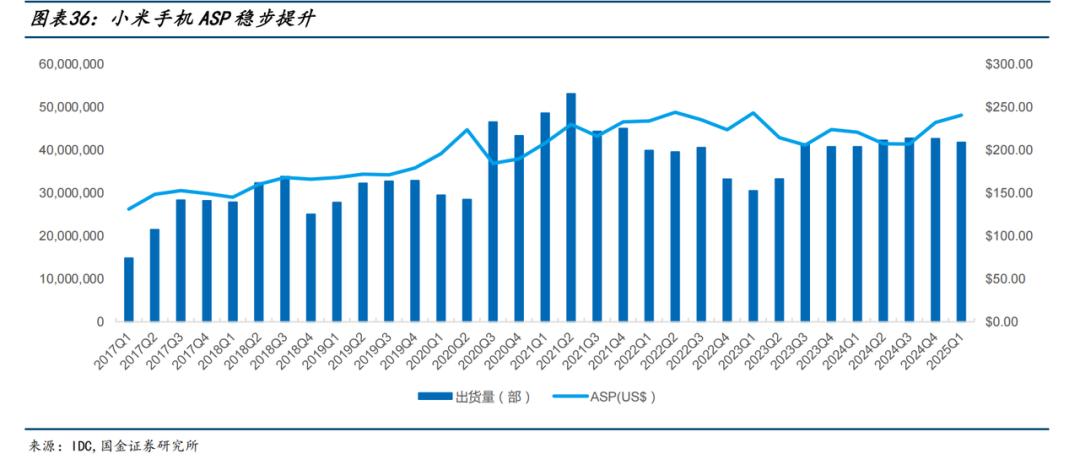
Core Viewpoint - Xiaomi has reported its strongest quarterly performance to date, with significant revenue growth and a successful high-end strategy in the smartphone market, while also expanding its IoT and electric vehicle segments [1][2][3]. Financial Performance - Revenue for Q2 reached 116 billion yuan, a year-on-year increase of 30.5%, marking a historical high for five consecutive quarters [1]. - Gross margin improved to 22.5%, up 1.8 percentage points year-on-year [1]. - Adjusted net profit reached 10.8 billion yuan, a year-on-year increase of over 75%, also a historical high for three consecutive quarters [1]. Smartphone Business - Smartphone revenue was 45.5 billion yuan with a shipment volume of 42.4 million units, achieving year-on-year growth for eight consecutive quarters [3]. - Xiaomi's global smartphone market share reached 14.7%, ranking third, while it ranked first in mainland China [3]. - The high-end strategy has led to an increase in average selling price (ASP), with market shares in the 4000-5000 yuan and 5000-6000 yuan segments rising to 24.7% and 15.4%, respectively [6][7]. IoT and Consumer Products - IoT and consumer products revenue was 38.7 billion yuan, a year-on-year increase of 44.7%, driven by growth in major appliances and wearable products [8]. - Smart home appliances saw a revenue increase of 66.2%, indicating a successful strategy against price competition [8]. Electric Vehicle Business - In Q2, Xiaomi delivered 81,302 vehicles, a year-on-year increase of 197.7% [10]. - The new Xiaomi YU7 model achieved over 240,000 orders within 18 hours of launch [10]. - Revenue from smart electric vehicles reached 21.3 billion yuan, accounting for 18.3% of total revenue [10]. Ecosystem and User Engagement - Xiaomi's ecosystem includes over 730 million monthly active users globally, with a significant increase in users owning multiple connected devices [20][21]. - The average annual spending per user is 12,000 yuan, four times that of typical brand users [21]. - The company has a strong focus on user feedback and co-creation, leading to successful product launches [15]. Research and Development - Xiaomi has 22,300 R&D personnel and plans to invest 300 billion yuan in R&D over the next five years, with a focus on chip development [19]. Market Position and Valuation - Xiaomi's unique business structure and ecosystem provide a competitive edge, with a projected market value of 1.62 trillion yuan for 2025 [26]. - The company is positioned not just as a device manufacturer but as a platform for interconnected digital life, enhancing its long-term value potential [27].

Manus 年化收入突破 9000 万美金,红杉中国投了一个AI 床垫
投资实习所· 2025-08-20 06:16
Core Insights - Manus has achieved an annual revenue run rate exceeding $90 million, approaching $100 million, following a $500 million valuation investment from Benchmark [2] - The calculation of revenue run rate is emphasized as a rigorous financial metric, with caution against misinterpretation of revenue figures, particularly in AI products with annual payment options [2] - The article discusses the importance of accurate ARR (Annual Recurring Revenue) calculations, highlighting common pitfalls in early-stage product revenue assessments [2][3] Group 1: Manus and Benchmark Investment - Manus's revenue run rate is a critical indicator of its financial health, with a focus on the correct calculation methods to avoid inflated figures [2] - Benchmark's investment strategy is highlighted, showcasing their confidence in Manus's growth potential [1] Group 2: Eight Sleep and Market Trends - Eight Sleep, a smart mattress product, has raised $100 million in Series D funding, with a total funding of approximately $260 million, and has generated over $500 million in revenue since its launch in 2019 [4] - The product integrates AI to enhance sleep quality by tracking various health metrics, indicating a growing trend in health-focused technology [4][6] - Eight Sleep is expanding its market reach, particularly targeting the health-conscious middle class in China, which is seen as a significant growth opportunity [7][8] Group 3: Industry Dynamics and Investment Sentiment - The article reflects on the competitive landscape of AI-driven health products, with a focus on the importance of data collection and personalized services [10] - There is a discussion on the evolving perceptions of Chinese investments in the tech sector, particularly in light of recent funding rounds involving prominent VC firms [8][9]

美国第一夫人写给普京的信&关税是谁付&美国政府计划入股英特尔
Sou Hu Cai Jing· 2025-08-18 15:03
Group 1 - The U.S. government plans to invest in Intel to support the company amid challenges in the AI era, highlighting the stark contrast between Intel's struggles and the successes of competitors like Nvidia and AMD [11][13] - Potential funding options for Intel include converting existing grants into equity, obtaining new funding, or combining grants with other financing sources [13] Group 2 - A report from Goldman Sachs analyzes the cost-sharing model of tariffs imposed during the Trump administration, indicating that U.S. companies currently bear 64% of the costs, while this is projected to decrease to below 10% in the future, shifting more burden onto consumers [10] - The report suggests that by 2025, U.S. consumers will be responsible for 67% of tariff costs, raising concerns about the long-term impact on American consumers [10] Group 3 - Data from the U.S. Bureau of Economic Analysis and the U.S. Census Bureau shows that in 2024, the U.S. imported $3 billion worth of goods from Russia, while the EU imported $41.9 billion, indicating ongoing trade relations despite sanctions [14][16] - The commentary suggests that these trade figures may not include undisclosed energy transactions, raising questions about the transparency of trade practices [16] Group 4 - Former UK Prime Minister Boris Johnson criticized the U.S.-Russia summit, labeling it as a distasteful event in international diplomacy, which he believes will provide important lessons for Trump [17][19] - Johnson's past actions, including opposing peace agreements and advocating for continued conflict, are noted as contributing factors to the ongoing Russia-Ukraine conflict [21]


盛夏相聚,满载而归丨2025年经济学理学硕士项目优秀大学生夏令营-体验营活动回顾
Sou Hu Cai Jing· 2025-08-17 04:57
Group 1 - The 2025 Summer Camp organized by the Chinese University of Hong Kong (Shenzhen) and Shenzhen Advanced Institute of Finance successfully concluded, providing participants with an immersive experience in the MSc in Economics program [4][23]. - The camp included various activities such as project introduction sessions, sharing experiences from senior students, and a unique English experiential class led by Professor Xu Shiyuan, which combined theoretical knowledge with practical case studies [9][15]. - Participants engaged in a corporate visit to OPPO, where they learned about the company's culture and innovation, and received insights from alumni on how the MSc program aided their career development in the tech industry [30]. Group 2 - The opening ceremony featured speeches from university officials, highlighting the institution's educational philosophy and the advantages of the MSc in Economics program, including strong employment support [23][25]. - The camp provided opportunities for networking and discussions among students, faculty, and alumni, fostering a sense of community and collaboration [22][26]. - The final day included personal interviews, allowing participants to showcase their talents and potential, concluding the camp on a positive note [37].