体验经济

Search documents
掘金泰国-市场洞察与战略机遇报告2025-海域出海研究
Sou Hu Cai Jing· 2025-08-06 17:02
Group 1: Thailand Overview - Thailand is the second largest economy in ASEAN with a GDP of $545 billion in 2023, and a per capita GDP of $7,830, which is above the ASEAN average of $5,210 [7][9] - The country has a population of 67.9 million, with over 90% practicing Buddhism, and Thai is the official language [9][7] - Thailand's total foreign trade reached $585 billion, accounting for 15.2% of ASEAN's total trade, and it attracted $12 billion in foreign direct investment, ranking third in ASEAN [7][9] Group 2: Policy Incentives and Opportunities - The Thai government supports nine key industries, including automotive and electronics, aiming to enhance GDP by at least 1% [23][19] - The EV3.0 and EV3.5 policies target a 30% production rate for electric vehicles by 2030, with Chinese companies holding a 75% market share in Thailand's electric vehicle sector [24][25] - The report highlights the importance of compliance, including ODI registration, trademark protection, and adherence to import regulations [30][19] Group 3: Consumer Insights - The Thai consumer market is shifting towards convenience and digitalization, with over 80% of online consumption occurring on mobile devices [30] - E-commerce is dominated by Shopee with a 49% market share, followed by Lazada at 30%, and TikTok Shop is rapidly growing with a live shopping penetration rate exceeding 40% [30] - The report identifies five trends in luxury consumption, including high-end dining experiences, cultural entertainment privileges, luxury travel, personalized health services, and collectible investments [28][30] Group 4: Chinese Enterprises in Thailand - Chinese companies are performing well in various sectors, including electric vehicles (BYD, Great Wall), home appliances (Haier, Midea), fast fashion (SHEIN, Pop Mart), and cosmetics (ZEESEA,橘朵) [30][19] - The report emphasizes the need for localization strategies and leveraging policy benefits to tap into consumer and industrial opportunities in Thailand [30][19]


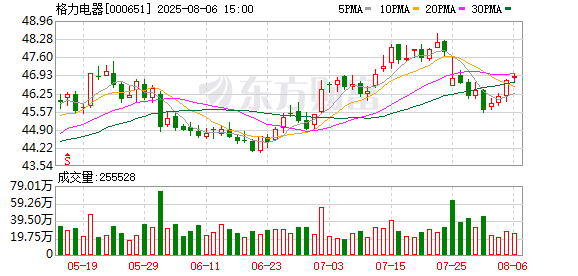
家电门店升级提速 格力电器加速新业态落子
Zheng Quan Ri Bao· 2025-08-06 12:39
Core Viewpoint - Gree Electric Appliances is accelerating its store transformation with the opening of the first "Dong Mingzhu Health Home" store in Inner Mongolia, marking a strategic move to expand into the northwest market [2][3]. Group 1: Store Transformation and Market Strategy - As of May this year, the number of "Dong Mingzhu Health Home" stores has exceeded 600 nationwide, with over 300 flagship stores, accounting for more than 50% [2]. - Gree Electric aims to complete the transformation of 3,000 stores by 2025, reflecting a significant shift in the Chinese home appliance industry's channel transformation [2][3]. - The new store design emphasizes a "de-selling" concept, integrating living scenarios like living rooms and tea rooms, which represents a shift from product segmentation to scenario integration [3]. Group 2: Health Appliance Focus and Consumer Trends - Gree Electric is focusing on health appliances and smart home solutions, responding to consumer demands for health and lifestyle experiences [3][4]. - According to the "2025 China Home Appliance Health Trend White Paper," 83% of consumers are willing to pay a premium for health technology, indicating a shift in consumer preferences [3]. Group 3: Industry Context and Competitive Landscape - Gree Electric's channel transformation is part of a broader trend in the home appliance industry, with companies like Huawei and Xiaomi also exploring smart store concepts [6]. - The integration of AI systems and a comprehensive ecosystem in stores is seen as a competitive advantage, addressing the "one-stop shopping" pain points for health living [4][6]. - The transformation from single sales terminals to full-scenario experience services is reshaping the competitive landscape, with a focus on value competition rather than price competition [6].

富达基金周文群:新消费整体估值偏高 对传统消费保持观望
Zhong Zheng Wang· 2025-08-05 13:53
Group 1 - The core viewpoint is that with the post-95 and post-00 generations becoming the main consumer force, there is a shift towards emotional value-driven demand, leading to rapid growth in service consumption and experience economy, particularly in sectors like trendy toys, health management, and cultural experiences [1] - From an investment perspective, new consumption overall is considered to have high valuations, necessitating a selective approach to stocks with valuation safety margins; traditional consumption is viewed with caution due to low valuations but lack of catalysts, requiring a wait for signals [1] - The investment process in new consumption companies has prompted new considerations, with a focus on the long-term trends in the IP industry and the international expansion of outstanding Chinese companies [1]
蚂蚁加码“体验经济”
Hua Er Jie Jian Wen· 2025-07-24 08:27
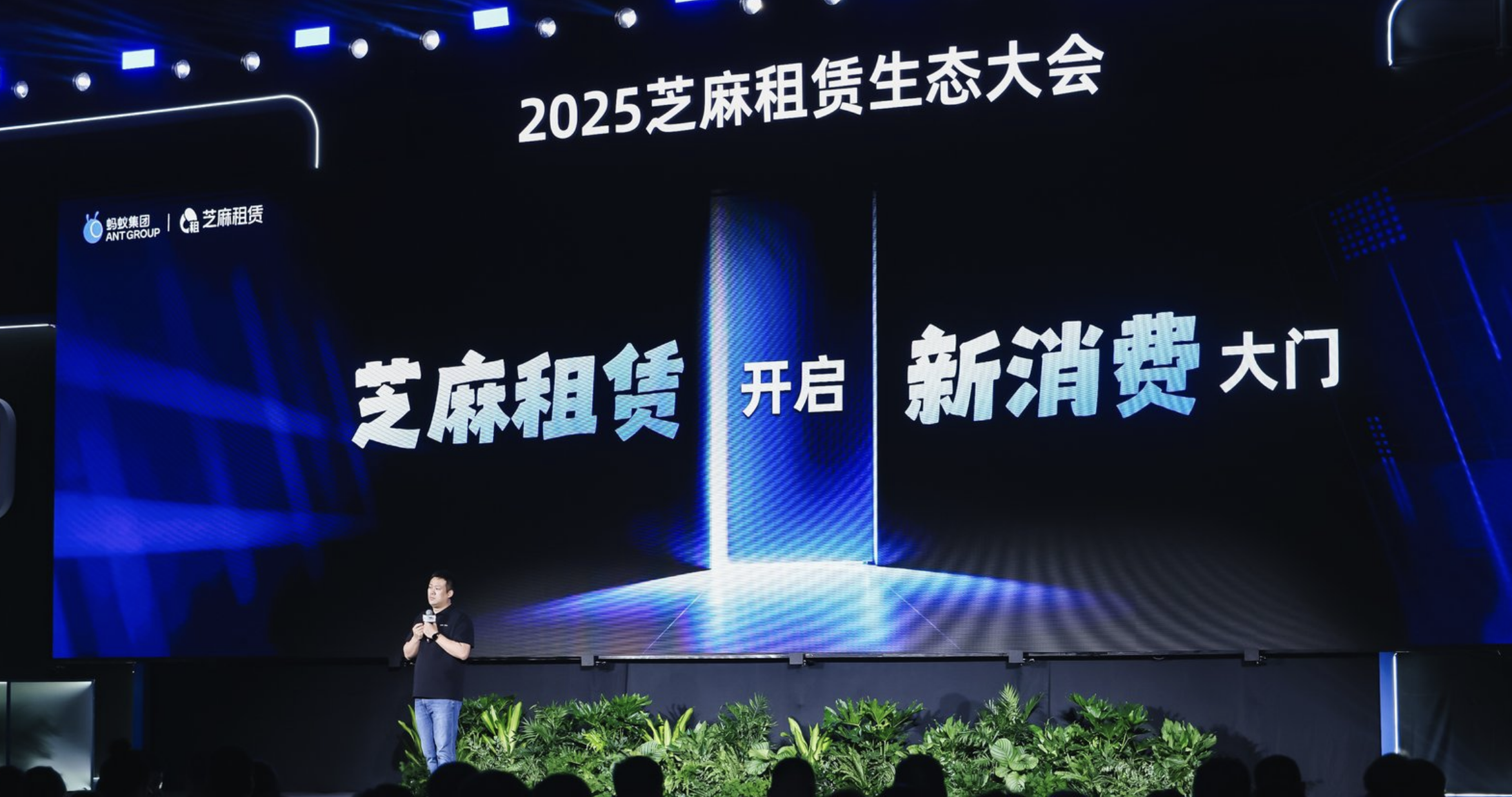
Core Insights - The rental industry is expanding rapidly, driven by the changing consumption logic of Generation Z, who prioritize experience over ownership, creating a new trillion-dollar market opportunity [2][3][4] - Ant Group announced a significant investment of 10 billion yuan to enhance its rental ecosystem, focusing on "full-domain operation" and "AI intelligent management" capabilities [2][4] - The rental market is witnessing explosive growth, with platforms like Ant Group's Sesame Rental reporting a 71.6% year-on-year increase in transaction GMV, and a 200% increase in orders from post-2000 consumers [4][5] Group 1: Market Dynamics - The traditional rental business is shifting towards a consumer-oriented model, with younger consumers showing a preference for experience-based consumption [3][4] - The average decision-making cycle for traditional rentals is 5-7 days, while new rental models have reduced this to as little as 30 minutes [4][5] - The penetration rate of new rental experiences is currently at 8%, with potential willingness to use exceeding 50% after exposure to the model [4] Group 2: Ant Group's Strategy - Ant Group is focusing on building a robust user credit system and AI capabilities to support the rental industry, addressing challenges such as asset depreciation and user credit assessment [5][6] - The company aims to leverage its existing resources, including traffic and marketing, to enhance the rental experience and support brand partnerships [8][25] - Ant Group's ambition extends beyond low-end rentals, targeting high-end brands to establish user awareness through differentiated experiential offerings [6][7] Group 3: Consumer Behavior - Young consumers are increasingly using rentals to lower startup costs and explore diverse interests without the burden of ownership [4][10] - The rental model is seen as a more rational consumption method, appealing to consumers who prefer flexibility and lower financial commitment [4][5] - The trend of renting items like plants and office equipment is gaining traction, reflecting a shift in how businesses manage costs during uncertain periods [10][11] Group 4: Future Outlook - The rental market is projected to grow from 71.6 billion yuan this year to a trillion yuan by 2030, indicating significant potential for expansion [4][26] - Ant Group is preparing for competition from other players like JD.com, which is also looking to enter the rental market [8][26] - The integration of rental services with e-commerce platforms like Taobao and Xianyu is expected to enhance market penetration and consumer engagement [25][26]
旅拍“刺客”,被拍在沙滩上
Hu Xiu· 2025-07-22 13:03
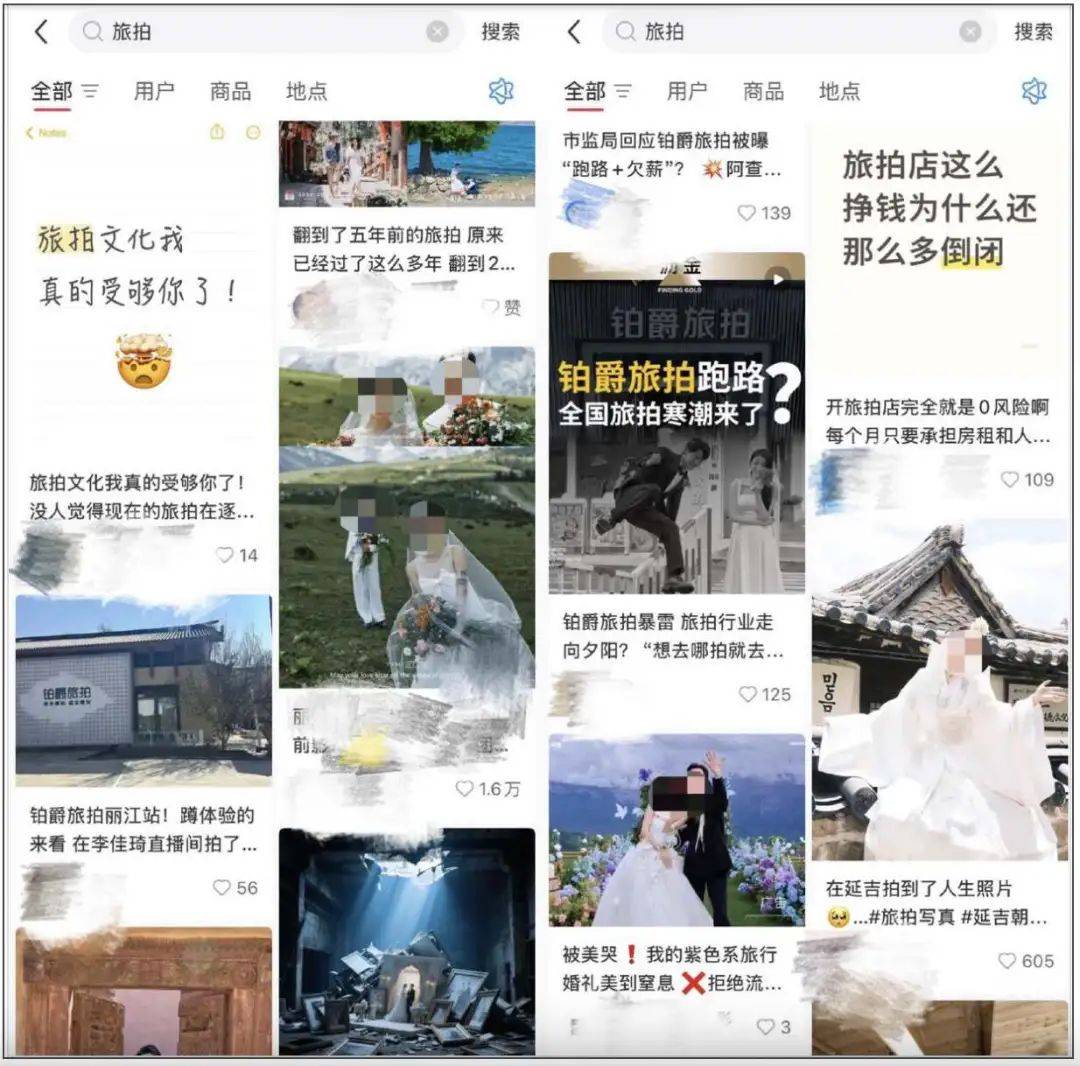
Core Viewpoint - The "travel photography" model, popular among young people, is being abandoned due to rising consumer dissatisfaction and industry issues [1][2][3] Group 1: Industry Challenges - The leading travel photography brand "Platinum Travel Photography" has been accused of "disappearing and running away, defaulting on consumer payments," raising widespread concern [2][3] - The survival of top companies is in doubt, indicating a broader industry crisis [3] - Consumers are increasingly questioning the value of travel photography as experiences become commodified and lack authenticity [4][6] Group 2: Consumer Experiences - Many consumers report negative experiences with travel photography services, citing hidden costs, poor quality, and unfulfilled promises [5][10][15] - Specific cases highlight issues such as unexpected price increases, low-quality costumes, and unsatisfactory photo editing [10][14][15] - Social media discussions reveal a growing backlash against travel photography, with complaints about inducement to consume and poor service quality [17][18] Group 3: Company Issues - "Platinum Travel Photography" has faced numerous complaints regarding unfulfilled services and refund difficulties, leading to a loss of consumer trust [20][22][23] - The company has been reported to owe employees several months of wages, indicating financial distress [26] - Legal troubles are mounting, with significant assets frozen and multiple court judgments against the company [27] Group 4: Future Directions - The traditional travel photography business model is under scrutiny, with high operational costs and a reliance on physical locations making it vulnerable to market changes [29][30] - There is potential for transformation in the industry, focusing on personalized experiences and leveraging technology such as AI for better service delivery [33][34] - The future of travel photography may lie in integrating cultural experiences and technology, moving away from mere photo services to a more holistic "experience economy" [39][40]
即时零售的后手
Hu Xiu· 2025-07-22 03:49
Group 1 - Major players in the e-commerce and food delivery sectors are re-engaging in fierce competition, with JD.com entering the food delivery market and Alibaba restructuring its business units to integrate Ele.me and Fliggy into a larger consumer group [1][4][6] - The competitive landscape has evolved from initial skirmishes to full-scale battles, with companies like Meituan and Pinduoduo also emerging as significant players, indicating a shift from traditional B2C and C2C models to new forms of e-commerce [2][4][5] - The concept of instant retail is being introduced, with JD.com aiming to redefine food delivery by integrating it with e-commerce logistics, potentially transforming the delivery model [6][22][24] Group 2 - The logistics and delivery systems of e-commerce and food delivery are fundamentally different, with e-commerce relying on a point-to-point model while food delivery requires a more flexible and immediate approach [10][20][21] - JD.com has established a robust logistics network that supports its e-commerce operations, which may provide a competitive advantage in the food delivery sector [11][15] - The integration of food delivery with e-commerce logistics could lead to a more efficient delivery system, allowing for better resource allocation and potentially lower costs [22][24][26] Group 3 - The market is witnessing a trend towards consolidation and collaboration among major players, as they seek to leverage each other's strengths to enhance service offerings and customer experience [23][34] - Instant retail is gaining traction, with consumers increasingly seeking convenience and speed in their purchasing decisions, which could reshape the future of retail [34][49] - The competitive dynamics are shifting, with companies needing to adapt to changing consumer preferences and the evolving landscape of e-commerce and food delivery [36][60]



LVMH关联私募领投8亿美元入股Flexjet 获20%股权加速奢华旅行体验布局
Huan Qiu Wang· 2025-07-22 02:20
Group 1 - L Catterton led an $800 million investment in Flexjet, acquiring a 20% stake, while Flexjet's parent company, Directional Aviation Capital, retains control [1][3] - The investment reflects the luxury industry's expansion into the experience economy, driven by increasing spending from affluent consumers in travel, dining, and special events [1][3] - Despite a projected 2% decline in global luxury goods sales to €363 billion in 2024, luxury hotels are expected to grow by 4%, high-end dining by 8%, and yacht and private jet sales by 13% [1] Group 2 - Flexjet, headquartered in Cleveland, offers fractional ownership and leasing services with a fleet of 318 aircraft, expected to grow to 340 by the end of 2025, and has over 2,000 members [3] - The investment will primarily fund infrastructure expansion, including the purchase of larger long-range aircraft and the establishment of maintenance facilities overseas, with about 25% of the proceeds allocated for special dividends to shareholders [3] - Flexjet differentiates itself through partnerships with brands like Belmond, Ferretti Yachts, and Bentley, focusing on bespoke experiences rather than becoming the largest player in the industry [3] Group 3 - L Catterton, which holds 40% of its shares from LVMH and the Arnault family office, manages $37 billion in consumer brand equity capital, with a portfolio that includes brands like Birkenstock and Etro [4] - The investment signifies the luxury industry's emphasis on the "value of time," with Flexjet's CEO highlighting the potential of private travel to save time as a key direction for future luxury definitions [4] - Flexjet's EBITDA is projected to reach $398 million in 2024, increasing to $425 million in 2025, more than doubling since 2020 [4]

LVMH-backed investor group takes 20% stake in private jet company FlexJet
CNBC· 2025-07-21 11:47
Core Insights - The private jet industry is becoming increasingly competitive, with FlexJet positioning itself as an exclusive membership club offering luxury experiences and bespoke services [1] - FlexJet has formed partnerships with luxury brands such as Belmond, Ferretti Group, and Bentley Motors to enhance its offerings [1] - L Catterton, backed by LVMH, is leading an $800 million investment in FlexJet, which will include brand partnerships and collaborations [4][5] Company Strategy - FlexJet aims to create a community experience for its members, focusing on enhancing the luxury travel experience [6] - The investment will primarily be used to expand and improve FlexJet's infrastructure, including acquiring larger, long-range planes and building maintenance facilities overseas [6] - Approximately 25% of the investment proceeds will be allocated for a special dividend to shareholders [6] Financial Performance - FlexJet projects an EBITDA of about $425 million for the current year, an increase from $398 million in 2024 and more than double the levels in 2020 [7] - The company plans to expand its fleet from 318 to 340 aircraft by the end of 2025, with over 2,000 members in its fractional and leasing program [7] Market Trends - The luxury goods market saw a 2% decline last year, but luxury hospitality grew by 4%, and private jets experienced a 13% increase in sales [2] - The luxury industry is rapidly expanding into the experience economy, with wealthy consumers increasing their spending on travel and special events [3] Competitive Positioning - FlexJet's bespoke aircraft cabins are designed to provide a competitive advantage, modeled after luxury hotel rooms [9] - The company aims to differentiate itself from larger competitors like NetJets by focusing on a boutique experience rather than scale [9] Investment Insights - L Catterton's investment reflects a strategic move to stay ahead of evolving definitions of luxury, emphasizing the value of time in private travel [8] - Details of potential brand partnerships are still forthcoming, but existing collaborations with Belmond are seen as a model for future initiatives [8]

甜蜜产业何以“天长地久”
Xin Hua Ri Bao· 2025-07-21 10:01
Core Insights - The article highlights the emergence of a "sweet industry" around romantic tourism, particularly at Sayram Lake in Xinjiang, which has become a popular destination for couples to take wedding photos and register their marriages [1][2] - The new national marriage registration policy has facilitated a "certificate + tourism" consumption model, enhancing local economies and promoting year-round tourism [1][2] Group 1: Industry Development - Sayram Lake's unique geographical features and cultural significance have contributed to its success as a romantic destination, with symbolic meanings associated with its distance from Urumqi and its elevation [1] - The integration of marriage registration services at scenic spots has created a comprehensive service model that boosts local tourism and related sectors such as transportation, accommodation, and photography [1] Group 2: Market Trends - Other regions, such as Zhejiang and Hunan, are attempting to replicate the "certificate + tourism" model, but face challenges due to oversaturation and lack of differentiation in their offerings [2] - To establish a successful romantic destination, it is essential to enhance basic services and create unique experiences, such as scenic registration points and themed wedding services [2] Group 3: Economic Implications - The rise of the sweet industry reflects a shift from "ticket economy" to "experience economy," driven by policy innovation and market demand [2] - Continuous improvement in service quality and cultural uniqueness is necessary for the sustainable growth of the romantic economy, moving beyond short-term popularity to long-term viability [2]
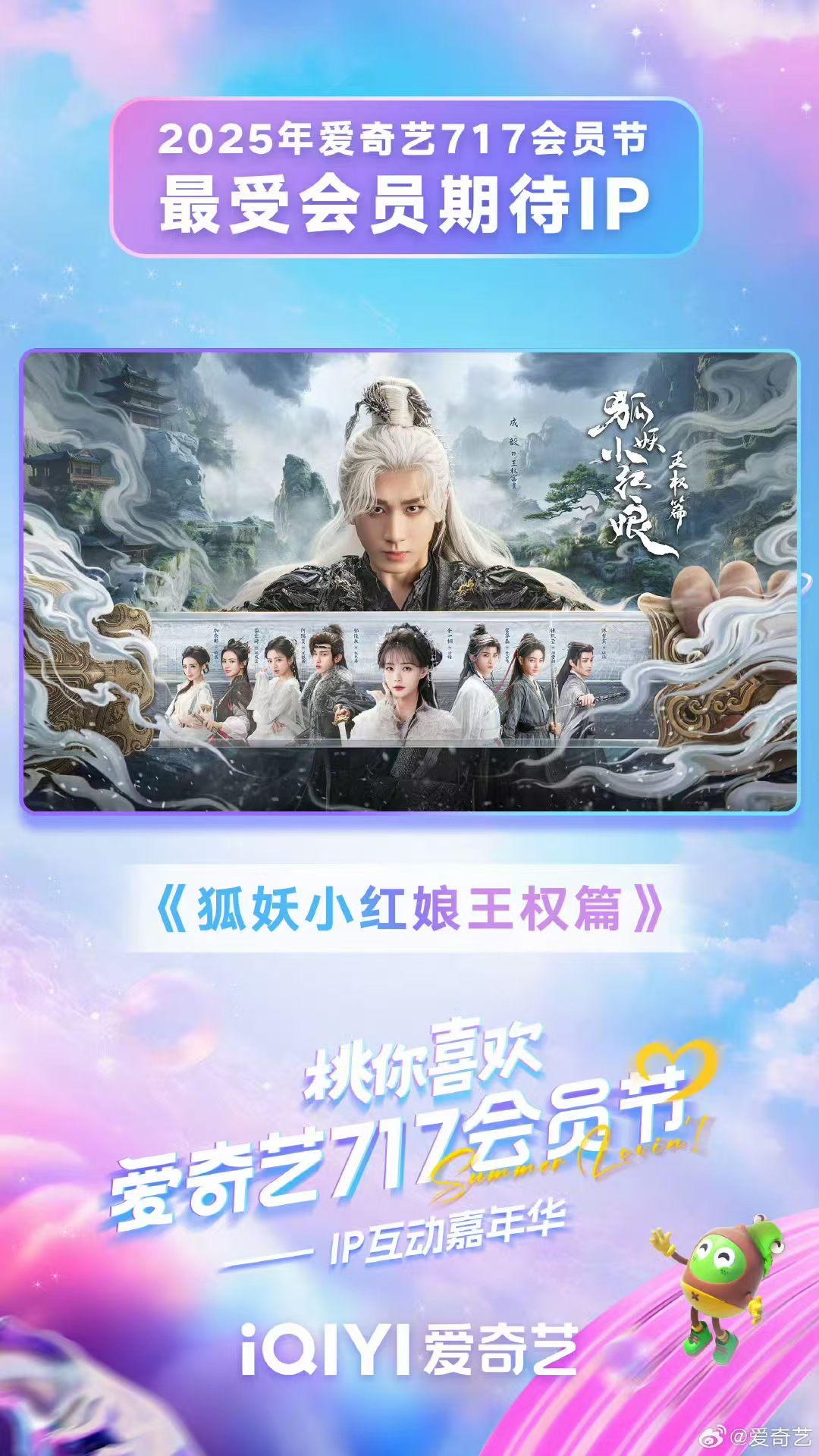
爱奇艺717会员节收官:一场成功的“用户主场”实验
Bei Ke Cai Jing· 2025-07-19 06:43
Core Insights - The 2025 "iQIYI 717 Membership Festival" culminated in a live event called "IP Interactive Carnival," featuring over 30 popular artists and creators, redefining user-platform relationships through immersive experiences [1][2] - The event achieved a viewership of over 48 million, with more than 250 trending topics on social media, highlighting the importance of user engagement in the experience economy [2][3] User Engagement and Experience - iQIYI's 717 Membership Festival successfully catered to changing user demands by offering deep interaction and immersive participation, aligning with the shift towards online-offline integrated consumption [3][4] - The event showcased key drama trailers and invited artists to share behind-the-scenes insights, fulfilling user curiosity and enhancing engagement [4][5] Consumer Experience and Value - The festival included various promotional activities such as subscription discounts and exclusive merchandise, allowing users to connect emotionally with the content and the platform [9][11] - Users had opportunities to win tickets to scenic spots and performances, seamlessly integrating digital consumption with real-life experiences, thus redefining "membership value" [11][12] Marketing and Emotional Connection - The festival's design emphasized creating rich offline experiences and emotional connections with IPs, effectively extending user loyalty from online content to real-life interactions [13] - The immersive experience generated a strong "closed-loop effect," enhancing emotional attachment among existing members and attracting new users through social sharing [12][13]