战略自主

Search documents
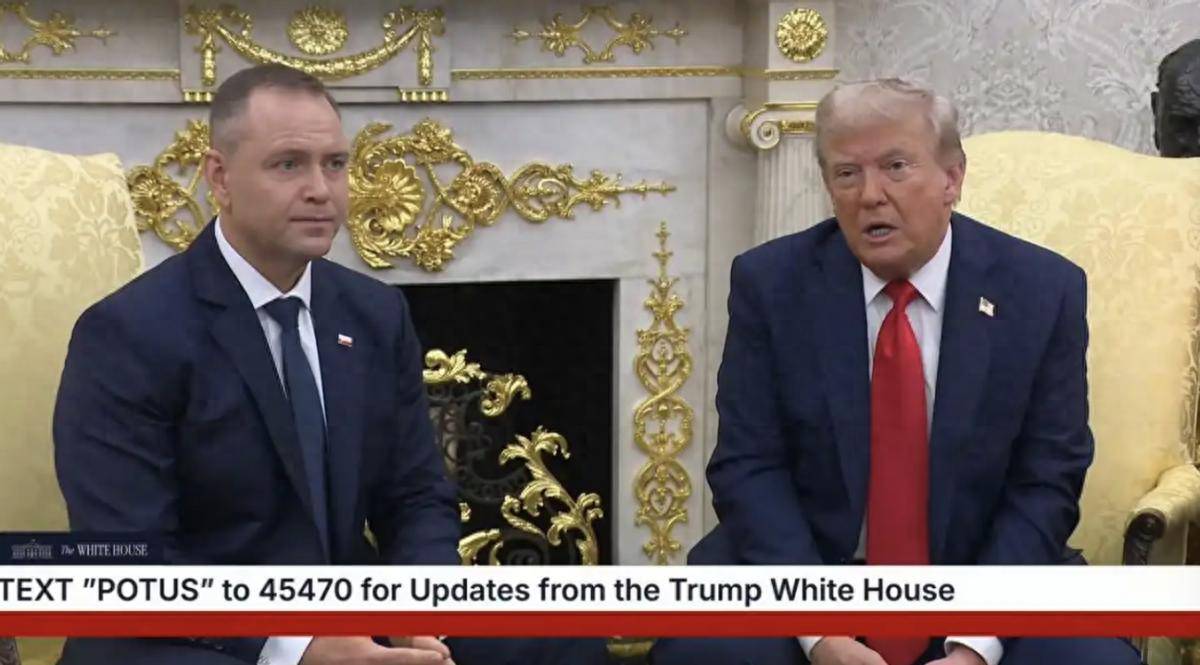
终于说了实话!特朗普对波兰交底:关税政策不完美,但美国输不起
Sou Hu Cai Jing· 2025-09-05 08:35
Group 1 - The federal court ruling against the tariff policy significantly undermines Trump's political standing, with the President expressing deep concern over the economic implications of the decision [1] - Trump's claims of a historic trade agreement with the EU reveal a complex shift in transatlantic relations, as the EU has agreed to a 15% tariff rate on cars and a $750 billion energy procurement plan by 2028 [2] - The EU's recent concessions in the tech sector, including the postponement of penalties against Google, indicate a strategic shift in trade relations, as the EU aims to build a diversified trade alliance network [4] Group 2 - India's response to U.S. trade policies reflects a growing sense of strategic autonomy, with the Indian government rejecting Trump's accusations of tariff fraud and increasing its currency settlement with BRICS nations to 38% [6] - Brazil's strong reaction to U.S. trade policies, including a proposal to address unilateral sanctions at the upcoming BRICS summit, highlights a trend towards greater coordination among emerging markets [9] - The ongoing U.S.-China trade negotiations reveal contradictions in Trump's policies, as U.S. farmers face rising storage costs due to canceled orders from China, undermining the promised agricultural subsidies funded by tariffs [10] Group 3 - The structural flaws in Trump's tariff strategy are evident, as 82% of tariff costs are borne by U.S. importers, leading to rising retail prices and a core inflation rate above 3% [12] - The upcoming Supreme Court review of the constitutional dispute over tariff policies raises concerns about the limits of presidential power and the potential collapse of the U.S. international trade credit system [13]

莫迪上合峰会强调战略自主,刚回国就受到坏消息,美国50%关税精准打击印度制造业
Sou Hu Cai Jing· 2025-09-04 17:23
Group 1 - The core issue is the significant increase in tariffs imposed by the US on Indian goods, raising from 25% to 50%, which has led to a 30% decrease in Indian exports to the US within five days [1][3][13] - The trade deficit between the US and India reached $45.7 billion in 2024, with high tariffs and non-tariff barriers from India causing frustration for US businesses [5][16] - India's reliance on the US market is highlighted, as exports to the US account for a significant portion of its trade, despite a decrease from 16.9% in 2018 to 11.3% in 2024 [16][18] Group 2 - The geopolitical implications of the tariff increase suggest that the US is pressuring India to choose sides between the US and China, with Trump aiming for a clear strategic alignment from India [7][9] - India's response to the tariff increase has been passive, with a lack of strong countermeasures, indicating a sense of vulnerability and uncertainty in its diplomatic stance [9][20] - The ongoing trade tensions and the potential for a downgrade in India's sovereign credit rating due to a widening trade deficit pose significant risks to India's economic strategy [18][40] Group 3 - The relationship between India and China is evolving, with India seeking to diversify its trade partnerships, but facing challenges in quickly mitigating losses from the US market [22][30] - China's approach to the US-India tensions has been characterized by restraint, indicating a strategic patience and a focus on maintaining its own interests without rushing to align with India [24][28] - The broader context of global multipolarity is emphasized, with India's situation reflecting the challenges faced by middle powers in navigating great power competition [34][46]
美国法院给特朗普当头一棒,万斯打算接班当总统了?莫迪与普京密谈一个小时
Sou Hu Cai Jing· 2025-09-03 08:28
Group 1 - The Federal Circuit Court ruled that the tariffs imposed by the Trump administration under the International Emergency Economic Powers Act were illegal, leading to potential implications for U.S. trade policy and negotiations [1][3] - The ruling may undermine the credibility of previous trade agreements made by the U.S. with various countries, as they lacked legislative backing and could be viewed as mere "paper commitments" [3] - The decision could open alternative policy channels, allowing lobbying groups in industries like steel and aluminum to push for non-tariff barriers such as anti-dumping measures and national security reviews [3] Group 2 - The ruling has significant implications for U.S. national security strategy, as it may shift the administration's focus towards multilateral approaches and "rules-based" strategies in trade, particularly in areas like digital trade and supply chain standards [4] - The decision may also impact India's trade dynamics, as it could lead to reduced export costs for Indian goods, but simultaneously expose India to potential trade relief measures from the U.S. [6] - The deepening energy ties between India and Russia, highlighted by Modi and Putin's discussions, may complicate India's position as it navigates U.S. pressures while seeking to maintain strategic autonomy [6][8] Group 3 - The interactions between Modi and Putin symbolize a strong trust and strategic partnership, which India is leveraging to secure energy supplies and enhance its bargaining power amid U.S. pressures [8] - The evolving geopolitical landscape suggests that as the U.S. ties trade to national security, India's ability to balance relations with both Russia and the U.S. will become increasingly challenging [8] - The recent court ruling, along with political statements from U.S. officials, indicates a broader reconfiguration of power and partnerships in the global trade environment [8]
缺席九三阅兵的欧洲,已失去国际格局中“另一极”的地位
Hu Xiu· 2025-09-03 01:04
Group 1 - The Japanese government has urged countries in Europe and Asia to be cautious and avoid attending the large-scale event organized by Beijing to commemorate the 80th anniversary of the victory in the Anti-Japanese War and the World Anti-Fascist War [1] - Japan's concerns stem from historical tensions, particularly the memory of the 2015 military parade in Beijing, where South Korean President Park Geun-hye stood alongside Russian President Putin, which has left a lasting impact on Japan [2][3] - Japan perceives that the upcoming commemorative event will excessively focus on historical grievances and aims to expand China's narrative on history internationally, which Tokyo finds troubling [4][26] Group 2 - The commemoration of the victory in the Anti-Japanese War and the World Anti-Fascist War serves to remind the world of the historical sacrifices made for peace and to be vigilant against the resurgence of extreme forces in certain countries [15][34] - The absence of Western countries at the Beijing military parade is seen as a reflection of differing historical narratives and geopolitical considerations, rather than solely Japan's influence [18][26] - The event highlights the emerging geopolitical landscape, with a diverse representation of countries attending, indicating a shift in international relations [25][41]
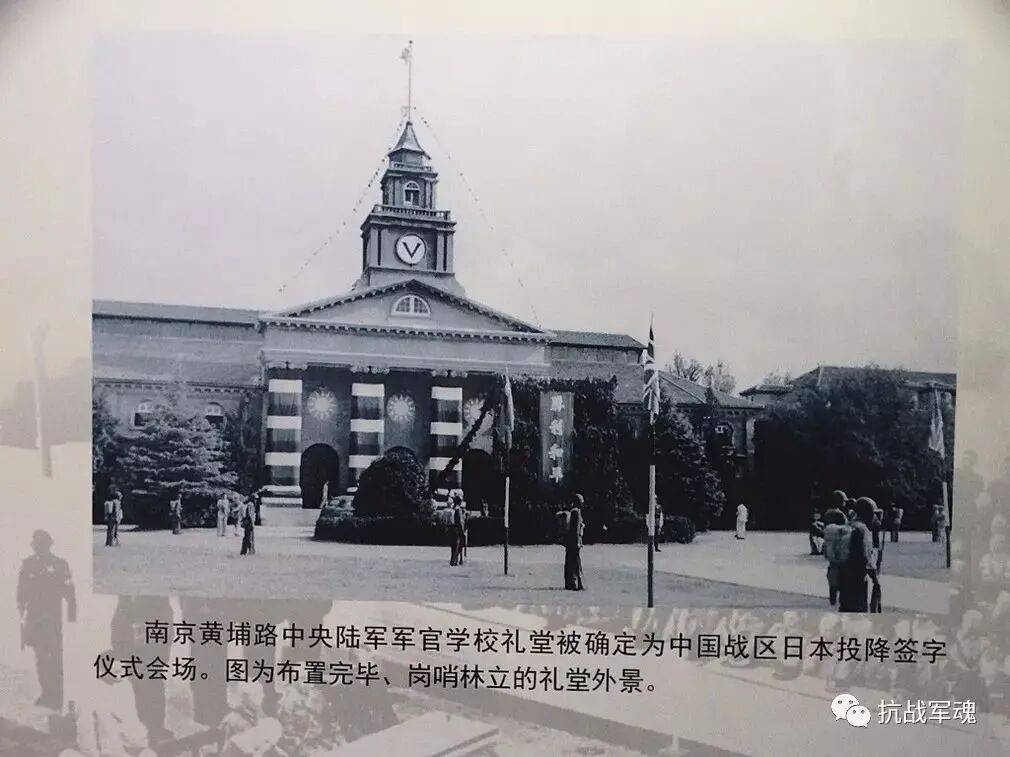
莫迪刚从中国返回,印度就扭头与美国接触,要搞联合军演,还愿意关税让步?
Sou Hu Cai Jing· 2025-09-02 08:35
Group 1 - Indian Prime Minister Modi's recent diplomatic approach at the Shanghai Cooperation Organization (SCO) summit has garnered global attention, showcasing a rare "warm diplomacy" stance [1] - Modi's 50-minute discussion with Russian President Putin and his public support for SCO expansion and de-dollarization indicate India's strategic maneuvering between the US and China [1] - The announcement of 400 Indian soldiers participating in the US-India joint military exercise "War Games 2025" reflects India's rapid shift in foreign policy after engaging with China and Russia [1] Group 2 - The economic relationship between India and the US is crucial, with the US being India's largest export market, accounting for approximately 18% of India's total exports [2] - India's trade dynamics are under pressure due to increased tariffs imposed by the US, leading to significant economic stress for India [2] - Trump's social media comments suggesting India has compromised on tariff issues have added psychological pressure on India, revealing its dilemma between economic interests and strategic autonomy [2] Group 3 - Trump's pressure tactics aim to force India into concessions, particularly in agriculture and dairy markets, which are vital for millions of Indian farmers [4] - The US's strong stance on India's procurement of Russian oil complicates India's position in international negotiations, as the US seeks to leverage India against China [4] - India is likely to accelerate its "diversification strategy" to reduce dependence on a single market, which poses risks to national security and economic stability [4] Group 4 - India's diplomatic positioning will become increasingly significant in the coming months and years, as it navigates pressures from both domestic and external sources [6] - The ability of the Modi government to maintain economic interests and national security while avoiding control by major powers will be a critical test [6] - The evolving international landscape necessitates that India continuously adjusts its strategies to find a sustainable path in a multipolar world [6]
美国终于发现:不管咋折腾都打不赢中国,不如转身去收割印度吧!
Sou Hu Cai Jing· 2025-09-02 07:29
Core Insights - The article discusses the evolving geopolitical and economic dynamics between the US and China, highlighting the resilience of the Chinese economy despite US efforts to contain it through tariffs and technology restrictions [1][3] - It also examines the shift in US strategy towards India as a new focal point for countering China, while addressing the challenges and responses from India amid US sanctions and economic pressures [4][5][9] Group 1: US-China Relations - Since the trade war began in 2018, the US has implemented high tariffs and technology restrictions to curb China's growth, but China's economy has shown remarkable resilience with a projected GDP growth rate of around 5% in 2024 [1] - In 2025, the US trade deficit with China is expected to surge to nearly $100 billion, indicating ongoing economic tensions despite potential tariff increases under a possible Trump administration [3] - China's "Belt and Road" initiative and trade cooperation with ASEAN countries have helped mitigate external pressures, contrasting with the US's struggles with inflation and supply chain disruptions [3] Group 2: US-India Relations - India's population is projected to exceed 1.5 billion by 2025, with a rapidly expanding middle class and a booming digital economy, making it a strategic target for the US [4] - The US has imposed sanctions on Indian companies for alleged support of the Russian military, leading to a significant drop in Indian exports to the US, particularly in pharmaceuticals and automotive parts [5] - The aggressive interest rate hikes by the Federal Reserve have resulted in over $100 billion in capital outflows from India between 2022 and 2023, causing the Indian rupee to hit historical lows [6] Group 3: India's Strategic Response - The Indian government, under Modi, has emphasized "strategic autonomy" and plans to deepen energy cooperation with Russia while maintaining a 6.4% economic growth rate [9] - To counter US sanctions, India is accelerating its "Production-Linked Incentive Scheme" and simplifying foreign investment approval processes, reducing tariffs in key sectors like electronics and semiconductors to 5% [9] - Despite US pressures, India has resumed high-level dialogues with China, leading to a notable recovery in bilateral trade by the second half of 2025 [9] Group 4: Broader Implications - The US strategy to "harvest" India may backfire, as it has not only failed to weaken India-Russia ties but has also pushed India closer to BRICS nations [11] - The Reserve Bank of India is advancing the internationalization of the rupee and plans to establish an independent cross-border payment system by 2026 [11] - There is growing concern within the US regarding unilateral policies that could undermine the dollar's dominance, as highlighted by warnings from Democratic lawmakers [11]
“钢铁刺猬”乌克兰,能给欧洲带来啥?
Sou Hu Cai Jing· 2025-09-02 06:32
Group 1 - The core issue of the Russia-Ukraine peace agreement revolves around territorial division and post-war security [2] - Ukraine is likely to accept the current territorial control situation, which may include Crimea and four eastern regions being recognized as Russian territory [2] - Russia is expected to make concessions on post-war security, particularly regarding Ukraine's NATO membership aspirations [2] Group 2 - The EU has established a roadmap for deploying tens of thousands of troops in Ukraine, supported by the U.S., which will provide command and intelligence support [3] - The deployment of troops under the guise of a "volunteer alliance" does not fundamentally differ from NATO's eastward expansion, potentially leading to renewed conflict [3] - European nations will bear the financial burden of troop deployment and military support for Ukraine, which may require defense spending to increase to 5% of GDP [4] Group 3 - The reliance on U.S. military support may hinder Europe's strategic autonomy, deepening dependence on the U.S. for security [4] - The involvement of private military companies in Ukraine could serve U.S. interests while allowing Europe to maintain a semblance of military presence [4] - The long-term economic implications for Europe include the costs associated with rearming Ukraine and maintaining a military presence [4]
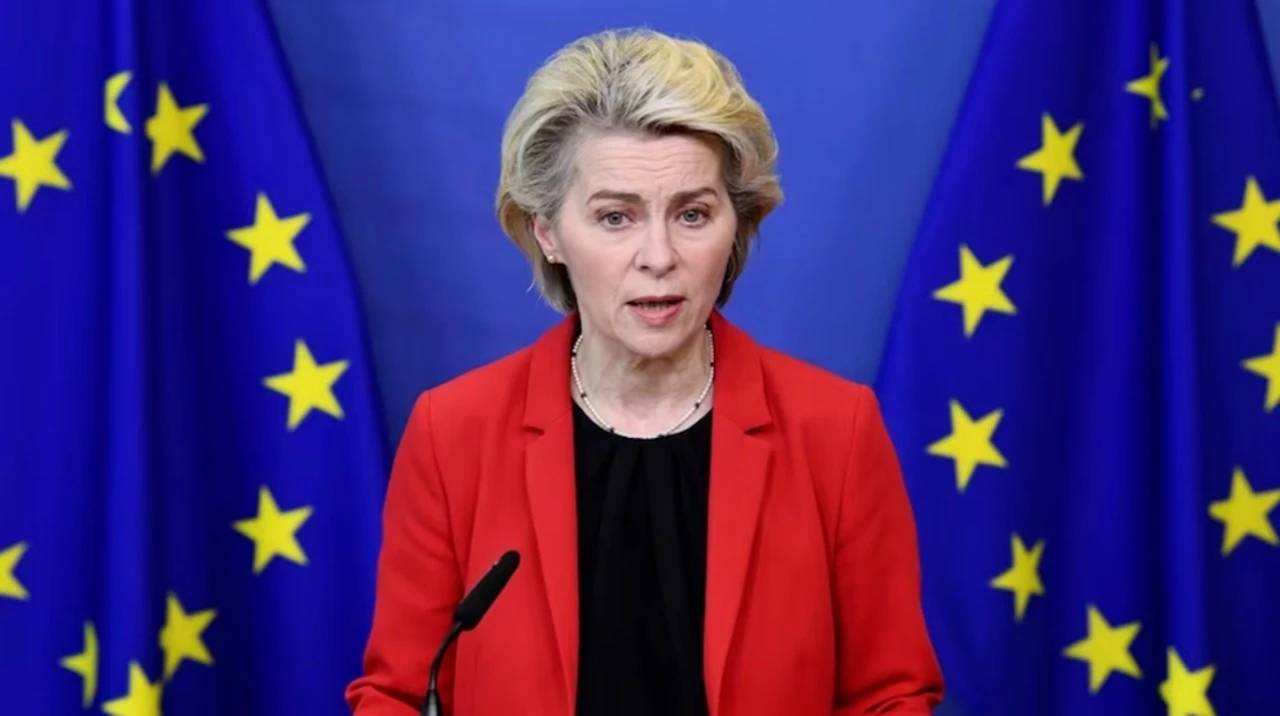
俄乌战争炸出最大输家,欧洲沦为买单冤大头!
Sou Hu Cai Jing· 2025-09-02 03:05
Group 1: Financial Impact on Europe - The EU has become the largest financial contributor to Ukraine, with total aid surpassing €168.9 billion, including €47 billion approved in August 2025 [1][3] - The costs associated with accommodating over 6.3 million Ukrainian refugees and energy subsidies have exceeded €300 billion [1] - The EU has spent €87 billion on refugee support and €220 billion on energy subsidies, indicating a significant financial strain on European taxpayers [3] Group 2: Economic Challenges - Germany's economic growth rate was only 0.3% in Q2 2025, highlighting the difficulty in addressing the growing fiscal deficit [5] - The ongoing conflict has led to a severe energy supply crisis in Europe, particularly affecting Hungary and Slovakia, with Hungary experiencing a 65% interruption in crude oil supply [7][8] - The EU's plans to reduce dependency on Russian oil and gas by 2026 and 2028, respectively, are increasingly challenged by the escalating conflict [8] Group 3: Trade and Internal Division - A new trade agreement from the U.S. imposes a 15% tariff on most EU goods while requiring the EU to eliminate tariffs on U.S. industrial products and purchase $750 billion worth of U.S. energy products by 2028 [8][10] - Internal divisions within the EU are becoming more pronounced, with Hungary's Prime Minister openly opposing aid to Ukraine and Poland's farmers protesting against EU support [10][12] Group 4: Strategic Autonomy and Security Dependence - Despite calls for "strategic autonomy," the EU remains heavily reliant on U.S. influence for security matters, as highlighted by President Macron's proposal for a four-party negotiation framework [12][14] - The EU's inability to assert its own security interests has been underscored by the ongoing conflict and the need for U.S. involvement [12][14] Group 5: Future Outlook - Ukraine's national debt has surged to 150% of its GDP, with a projected economic contraction of 7% in 2025, necessitating continued EU support to prevent a fiscal collapse [16][17] - The EU faces rising energy prices, accelerated deindustrialization, and increased social burdens, complicating its economic recovery [17][19] - The European Commission's plan to establish a €50 billion reconstruction fund requires unanimous approval from all 27 member states, indicating challenges in reaching consensus on effective solutions [19]
莫迪到中国,说了一句水平很高的话,特朗普直接取消了访问印度
Sou Hu Cai Jing· 2025-09-01 09:50
Group 1 - Modi's statement at the SCO summit emphasizes the importance of close India-China relations for regional and global prosperity, reflecting significant geopolitical considerations [1][8] - The deterioration of US-India relations is highlighted by Trump's cancellation of his visit to India and the Quad summit, marking a low point in bilateral ties [3][12] - The imposition of high tariffs by the Trump administration on Indian goods has led to an estimated annual economic loss of up to $7 billion for India, impacting GDP growth [6][14] Group 2 - Modi's visit to China and his willingness to improve Sino-Indian relations indicate India's desire for economic cooperation, as evidenced by the $136.2 billion trade volume in 2023, a 6.2% increase year-on-year [14][21] - India relies heavily on China for critical imports, including 80% of rare earths and 60% of active pharmaceutical ingredients, underscoring the economic interdependence between the two nations [14][16] - India's foreign policy aims for strategic autonomy, seeking to balance relations with both the US and China while maximizing national interests [18][23] Group 3 - The meeting between Chinese and Indian leaders during the SCO summit focused on long-term strategic cooperation, emphasizing mutual benefits and respect for each other's concerns [21][23] - China's diplomatic approach is characterized by a mature and confident stance, avoiding pressure on countries to choose sides and promoting win-win cooperation [23][25] - The evolving dynamics between India and China, alongside the challenges in US-India relations, reflect a shift towards a multipolar world where no single country can dominate international affairs [25]
新材料投资逻辑:战略自主与市场规律的双重博弈
材料汇· 2025-08-31 15:02
Core Viewpoint - The new materials industry is experiencing significant growth, with China's total output value expected to exceed 8 trillion yuan in 2024, maintaining double-digit growth for 14 consecutive years, while facing structural challenges in high-end technology reliance [2][7]. Global Competitive Landscape and China's Positioning - The global new materials industry has formed a stable competitive structure with the US, Japan, and Europe in the first tier, holding absolute advantages in core technologies and market share. China, along with South Korea and Russia, is in the second tier, rapidly catching up but still heavily reliant on imports for high-end polymers and electronic chemicals [4][5]. Investment Drivers in New Materials - The investment logic in the new materials sector is based on a "demand-policy-technology" triangle model, where market demand, supportive policies, and technological breakthroughs interact to determine investment value and timing [10]. Market Demand - The rapid expansion of the new energy vehicle industry is driving diverse demand for new materials, with revenue in structural materials expected to grow by 12.5% year-on-year in 2024 [11]. - The semiconductor and display industries are creating a growing market for high-end electronic chemicals, with significant progress in domestic production of photolithography materials [12]. Policy Support - China has established a comprehensive policy support system for the new materials industry, including financial backing through the Sci-Tech Innovation Board, which has seen 51 new materials companies raise over 43 billion yuan [13]. - The standardization efforts by the Ministry of Industry and Information Technology are crucial for promoting the industrialization of new materials [14]. Technological Breakthroughs - Domestic companies are making significant strides in high-end polymer materials, with breakthroughs in POE and PI production expected to reduce import dependency [16][23]. - Patent layout and intellectual property protection are critical for competitive advantage, with domestic firms strengthening their patent portfolios in key areas [17]. Investment Value in Specific Segments High-End Polymer Materials - High-end polymer materials are characterized by high import dependency, with POE and PI showing import reliance rates of 95% and 85% respectively, presenting clear investment opportunities for domestic production [20]. Carbon Fiber Materials - The carbon fiber sector is transitioning from capacity expansion to quality improvement, with a notable increase in the production of high-end T700/T800 grade products [25]. - The demand for carbon fiber in wind power and aerospace applications is expected to grow, providing investment opportunities in companies that can produce high-performance products [27]. Electronic Chemicals - The electronic chemicals sector is experiencing a "gradient replacement" trend, with varying levels of domestic production across different product categories, highlighting investment opportunities in companies that can meet the growing demand for high-purity materials [28]. Biobased New Materials - The biobased materials market is projected to grow significantly, driven by policy mandates and decreasing production costs, with a focus on biobased BDO and PA showing promising investment potential [35][36]. Superconducting Materials - The superconducting materials market is expected to reach $28 billion in 2024, with investment opportunities centered around high-temperature superconductors and their applications in energy and medical fields [38][39]. Solid-State Batteries - The solid-state battery market is anticipated to grow rapidly, with investment opportunities in electrolyte materials and high-nickel cathodes, as the industry shifts towards higher energy density and safety [40][44].