
绿色消费

Search documents
推进绿色消费 加快绿色转型
Xin Lang Cai Jing· 2026-01-07 23:22
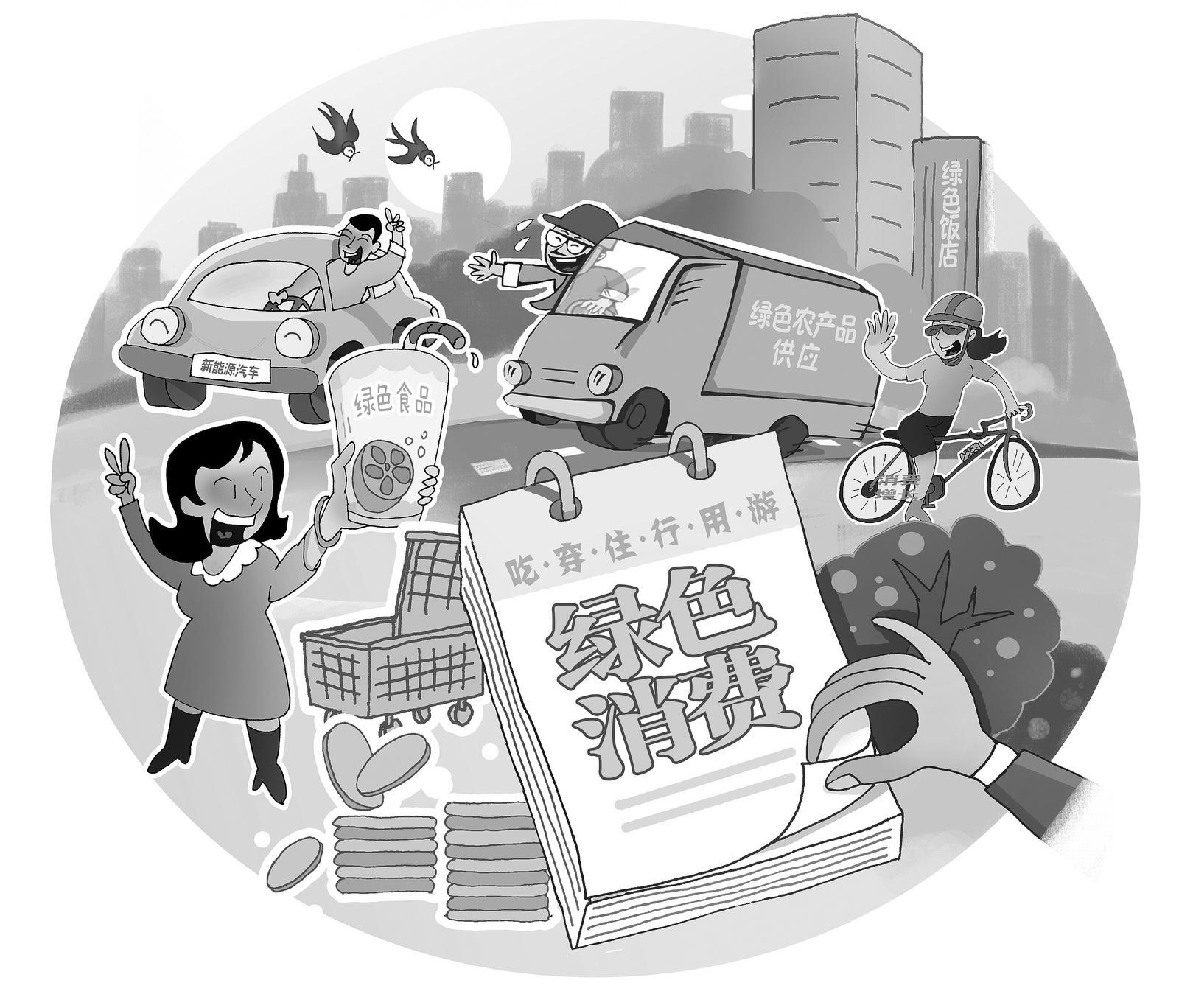
1月4日,商务部等9部门发布《关于实施绿色消费推进行动的通知》,就"十五五"时期实施绿色消费推进行动有关事项作出部署,旨在加快发展方式和消费 模式绿色转型,推动形成绿色低碳的生产方式和生活方式。推进行动涵盖7方面20条举措,涉及大众吃、穿、住、行、用、游等领域。例如,发展绿色餐 饮,鼓励互联网平台企业上线"绿色餐饮"服务标识,培育绿色餐厅;发展绿色住宿,培育绿色饭店,鼓励住宿企业和相关平台通过积分、返券等方式激励消 费者践行绿色消费。 视觉中国 供图 (来源:中国旅游报) 转自:中国旅游报 ...

九部门明确七方面20项举措 培育绿色消费新增长点
Jing Ji Ri Bao· 2026-01-07 23:08
Core Viewpoint - The implementation of green consumption is a crucial strategy for promoting low-carbon development, enhancing consumer confidence, and accelerating the overall green transformation of the economy and society [1] Group 1: Green Consumption Initiatives - The Chinese government aims to replace 18.3 million vehicles through a trade-in program from 2024 to 2025, with nearly 60% being new energy vehicles [1] - The old-for-new appliance program targets 192 million units, with over 90% achieving first-level energy and water efficiency, leading to a sales boost of 3.92 trillion yuan and benefiting 494 million consumers [1] - The Ministry of Commerce, along with eight other departments, has issued a notification outlining 20 measures across seven areas to promote green consumption throughout the "14th Five-Year Plan" period [1] Group 2: Agricultural and Supply Chain Developments - The demand for high-quality green agricultural products is rapidly increasing, driving upgrades in the agricultural supply system [2] - The Ministry of Agriculture is establishing platforms for green product sales and organizing events to connect agricultural products with major consumption areas [2] - The Ministry of Commerce is focusing on green supply chain development, promoting high-quality logistics, and encouraging the use of recyclable packaging materials [2] Group 3: Waste Management and Recycling - The Ministry of Ecology and Environment is promoting the concept of "waste-free cities" to transform waste into valuable resources, enhancing the recycling system for discarded consumer goods [3] - By 2024, over 11,000 smart recycling facilities will be added in urban residential areas, and 50 billion yuan will be invested to process approximately 100 million old appliances, yielding over 3 million tons of recycled resources [3] - The Ministry of Ecology and Environment is collaborating with the Ministry of Finance to support the standardized dismantling of old appliances, promoting resource recycling and low-carbon industry development [3] Group 4: Regulatory and Institutional Support - The State Administration for Market Regulation is committed to enhancing the market environment for green consumption, including updating national standards and supporting international standardization efforts [3] - Measures will be taken to improve energy and water efficiency labeling systems and to combat food waste through initiatives like "green dining" service labels [3] - The administration will strengthen law enforcement to address violations related to green products and waste management [3] Group 5: Future Directions - The Ministry of Commerce plans to coordinate with relevant departments to refine and implement measures that promote green production and consumption, integrating low-carbon principles into all aspects of economic and social development [4]
今年“两新”政策将“精准发力、提质增效”
Xin Lang Cai Jing· 2026-01-07 19:17
Group 1 - The core viewpoint of the article is the implementation of a large-scale equipment update and consumer goods replacement policy in 2026, which aims to enhance consumer spending and support economic growth through targeted subsidies and support measures [1][2][3] Group 2 - The 2026 policy will continue to support the replacement of old vehicles with subsidies adjusted based on vehicle prices, with a maximum of 20,000 yuan for scrapping and 15,000 yuan for replacement [2] - The policy will also extend subsidies for household appliances, focusing on six categories including refrigerators, washing machines, televisions, air conditioners, computers, and water heaters, with a subsidy cap of 1,500 yuan per item [2] - The policy emphasizes the importance of supporting small and medium-sized enterprises by lowering the investment threshold for equipment updates, thereby broadening the policy's reach and enhancing effective investment [1][2]
海报|“绿色消费20条”来了!与你我生活密切相关
Xin Hua She· 2026-01-07 13:07
Core Viewpoint - The Ministry of Commerce and nine other departments have issued a notice on implementing green consumption promotion actions, outlining a systematic arrangement for green consumption during the 14th Five-Year Plan period, covering various aspects of daily life and the entire consumption chain [1]. Group 1: Green Consumption in Various Sectors - The initiative promotes green consumption in sectors such as food, clothing, housing, transportation, and tourism, emphasizing the importance of production, circulation, consumption, recycling, and reuse [1]. - Support for consumers to purchase new energy vehicles and explore the potential of the second-hand car market, car rentals, and modifications [4]. - Development of green dining practices, including the use of biodegradable and reusable packaging, and promoting smaller portion sizes [4][6]. Group 2: Green Supply Chain and Services - Encouragement for the entire supply chain to adopt green practices, including green procurement and carbon footprint evaluation [7]. - Promotion of green consumption points systems and certifications to incentivize consumers and businesses [7]. - Development of green rental services and shared consumption models, integrating artificial intelligence with green consumption [7]. Group 3: Waste Reduction and Recycling - Initiatives to reduce single-use plastic products and promote the use of bamboo alternatives [10]. - Strengthening the recycling and reuse of waste items, particularly in furniture, appliances, and textiles, with support for reverse logistics systems [10]. - Encouragement for the development of second-hand goods markets and community flea markets [10]. Group 4: Environmental Awareness and Policy Support - Promotion of energy-efficient facilities and the use of green electricity in businesses [11]. - Advocacy for green consumption concepts and low-carbon lifestyles, including community green public activities [11]. - Strengthening policy integration and coordination among local governments and relevant departments to support green businesses [13].
4个方面看绿色优质农产品消费积极进展,下一步动作→
Sou Hu Cai Jing· 2026-01-07 12:29
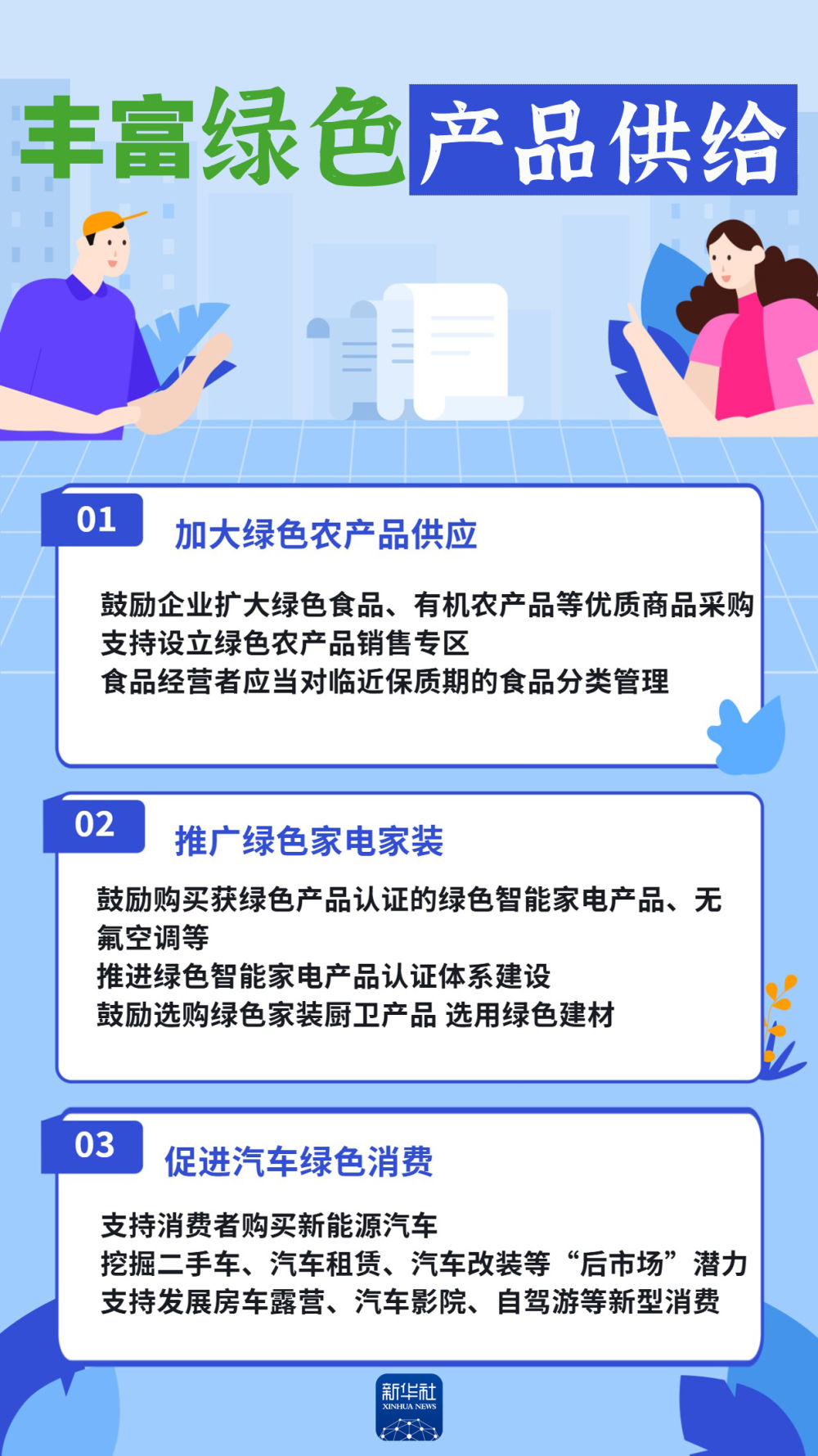
Core Viewpoint - The Chinese government is promoting green consumption, particularly in the agricultural sector, to enhance the supply of green and high-quality agricultural products, which has become a significant driver for upgrading the agricultural supply system [2][4]. Group 1: Policy Implementation - The Ministry of Agriculture and Rural Affairs, along with nine other departments, has issued a notice to implement actions for promoting green consumption, focusing on increasing the supply of green agricultural products [2]. - A collaborative approach has been adopted, with the issuance of the "Implementation Plan for Promoting Agricultural Product Consumption," which includes 23 specific measures across nine areas, supported by 36 accompanying policies and special funds to stimulate green agricultural product consumption [2][3]. Group 2: Market Engagement - Efforts are being made to ensure precise matching between production and sales, with initiatives like the China International Agricultural Products Trade Fair and various promotional activities in major urban areas to enhance the sales of local agricultural products [3]. - The "Internet+" initiative is being leveraged to facilitate direct sales of green agricultural products from production areas to urban markets, enhancing market access for these products [3]. Group 3: Brand Development - The focus is on strengthening brand influence in consumption by promoting green production and environmental protection, with an aim to increase the supply of green and high-quality agricultural products [3]. - By the end of 2025, the total number of certifications for agricultural products under the "three products and one standard" category is expected to exceed 88,000, with standardized production areas for green food reaching 20.5 million acres [3]. Group 4: Integration of Agriculture and Tourism - The government is promoting the integration of agricultural, cultural, and tourism consumption, with events like the China Farmers' Harvest Festival driving sales of green agricultural products, which have exceeded 160 billion yuan [4]. - There is a push for rural tourism and shopping to be deeply integrated, with support for local cultural and sports activities to enhance consumer engagement [4].

农业农村部四大举措,推动农产品 “三品一标” 走进消费者
Sou Hu Cai Jing· 2026-01-07 10:54
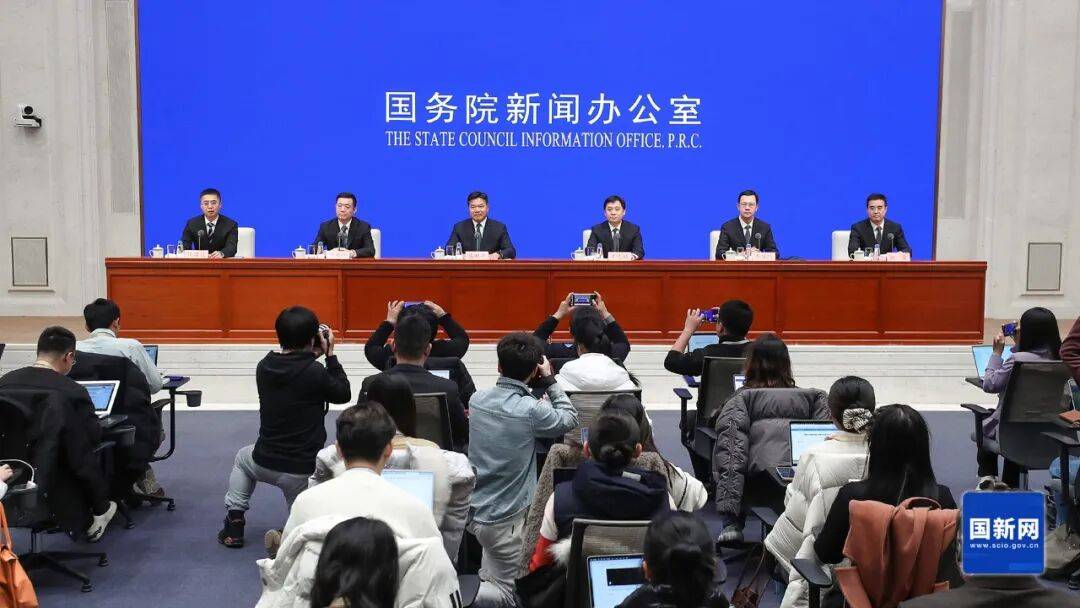
Core Viewpoint - The Chinese government is actively promoting green consumption, particularly in the agricultural sector, to enhance the supply of green and high-quality agricultural products, which has become a significant driver for upgrading the agricultural supply system [2][4]. Group 1: Policy Implementation - The Ministry of Agriculture and Rural Affairs, along with nine other departments, has issued a notice to implement actions for promoting green consumption, focusing on increasing the supply of green agricultural products [4]. - A collaborative approach has been adopted, with a comprehensive implementation plan that includes 23 specific measures across nine areas, supported by 36 accompanying policies and dedicated funding to stimulate green agricultural product consumption [4]. Group 2: Market Engagement - Efforts are being made to ensure precise matching between production and sales, with initiatives such as the China International Agricultural Products Trade Fair and various promotional activities in major urban areas to enhance the visibility and sales of green products [5]. - The integration of "Internet+" strategies is facilitating direct sales of green agricultural products from production areas to urban markets, enhancing market access for these products [5]. Group 3: Brand Development - The government is promoting brand-led consumption by focusing on environmentally friendly production and increasing the supply of certified green products, with a target of over 88,000 certifications by the end of 2025 [6]. - A comprehensive agricultural brand cultivation plan is in place, with over 1,400 regional public brands and 2,300 green quality product brands being prioritized for development [6]. Group 4: Cultural and Tourism Integration - The integration of agricultural products with cultural and tourism activities has been emphasized, with events like the Chinese Farmers' Harvest Festival driving sales of green agricultural products exceeding 160 billion yuan [6]. - The promotion of rural tourism and local cultural activities is aimed at enhancing consumer engagement and boosting sales of green products [6].
首席点评:上证指数创史上最长连阳纪录
Shen Yin Wan Guo Qi Huo· 2026-01-07 09:03
报告日期:2026 年 1 月 7 日 申银万国期货研究所 首席点评: 上证指数创史上最长连阳纪录 中国人民银行部署 2026 年重点工作,要求灵活高效运用降准降息等多种货币政 策工具,保持流动性充裕。据央视财经,我国情绪消费市场规模快速攀升,从 2022 年 1.63 万亿元升至 2024 年 2.31 万亿元,2025 年将达 2.72 万亿元,2029 年将突破 4.5 万亿元。昨日上证指数收涨 1.5%报 4083.67 点,创史上最长连阳 纪录。开源航班追踪数据和地面观察员的观测显示,近日有大批美军飞机突然飞 往欧洲,其中 1 月 3 日至少有 10 架 C-17 运输机从美国飞往欧洲,一名美国高级 官员表示,特朗普总统及其团队正在讨论多种获取格陵兰岛的方案。隔夜美债收 益率上行,美股再创新高,夜盘大宗商品价格普遍走强。 重点品种:股指、铝、焦煤 股指:美国三大指数上涨,上一交易日股指继续大幅上涨,有色金属板块领涨, 通信板块下跌,市场成交额 2.83 万亿元。资金方面,1 月 5 日融资余额增加 192.66 亿元至 25434.22 亿元。我们预计 2026 年供给侧改革持续并将推升大宗商品的价 ...
持续激发绿色消费潜力 以旧换新中,一级能效(水效)家电占比超九成
Ren Min Ri Bao· 2026-01-07 08:04
Core Viewpoint - The Ministry of Commerce and nine other departments have released a notice to implement green consumption initiatives, outlining 20 measures across seven areas to promote green consumption throughout the entire supply chain [1] Group 1: Green Consumption Policies - The Ministry of Commerce emphasizes the importance of the old-for-new policy for consumer goods as a significant opportunity to drive green consumption, with projections of 18.3 million vehicles and 192 million home appliances being replaced under this policy from 2024 to 2025 [2] - The old-for-new policy is expected to generate sales of 3.92 trillion yuan, benefiting approximately 494 million consumers [2] Group 2: Green Supply Chain and Recycling - The establishment of a green supply chain is underway, with significant improvements in logistics efficiency, including an 80% reduction in loading and unloading time and a 50% decrease in damage rates [2] - The introduction of a circular economy is being supported by the "Second-hand Goods Circulation Pilot Work Plan," which has identified 10 pilot cities and 28 enterprises to enhance the second-hand goods market [3] Group 3: Standards and Regulations - The State Administration for Market Regulation has developed 40 green product evaluation standards and 66 energy and water efficiency standards, actively participating in international standardization efforts [4] - By 2025, the central government plans to invest 5 billion yuan to support the standardized dismantling and processing of approximately 100 million old appliances, generating over 3 million tons of recycled resources [4] Group 4: Agricultural and Consumer Goods - The Ministry of Agriculture and Rural Affairs aims to certify over 88,000 agricultural products under the "three products and one standard" initiative, focusing on green, organic, and high-quality products [5] - The promotion of green consumption will include enhancing the supply of green agricultural products and improving energy and water efficiency standards for appliances and vehicles [6] Group 5: Green Lifestyle Promotion - The notice outlines a systematic approach to promote green consumption during the 14th Five-Year Plan, including the development of green services in dining, accommodation, and household services [6] - Initiatives will encourage the reduction of single-use plastics and promote the recycling of waste products, aiming to create a more sustainable consumption environment [7]
家电以旧换新达1.92亿台 京东全面助力2026年国补政策落地实施
Zheng Quan Ri Bao Wang· 2026-01-07 06:48
Group 1 - The core viewpoint of the articles highlights the significant impact of the "old-for-new" appliance policy in China, which is expected to drive sales and enhance consumer welfare [1][2] - From 2024 to 2025, the policy aims to facilitate the replacement of 192 million appliances, with over 90% being of first-level energy efficiency, leading to a projected sales increase of 3.92 trillion yuan and benefiting 494 million consumers [1] - JD.com has actively engaged in this initiative, mobilizing extensive resources across various sectors to ensure effective implementation, covering over 200 categories including home appliances, furniture, and digital products [1][2] Group 2 - Starting January 1, 2026, consumers will be able to access subsidies for purchasing energy-efficient appliances, with up to 1,500 yuan for larger items and 500 yuan for smaller electronics [1] - JD.com provides additional services such as integrated logistics and support for rural areas, including a significant investment of nearly 30 billion yuan to enhance service capabilities and promote the policy in less developed regions [2] - The collaboration between policy and market dynamics is expected to improve consumer satisfaction and bolster market confidence, with JD.com committed to supporting the effective rollout of the new policies [2]

《关于实施绿色消费推进行动的通知》解读:绿色消费体系逐步精细化、体系化
Yin He Zheng Quan· 2026-01-07 05:42
Group 1: Policy Overview - The Ministry of Commerce and 9 other departments issued the "Notice on Implementing Green Consumption Promotion Actions" to enhance the green consumption incentive mechanism and promote widespread green consumption behavior[2] - The notice focuses on three main areas: strengthening the supply of green products, cultivating new growth points for green consumption, and optimizing the green consumption environment[3][4] Group 2: Key Measures - It emphasizes enhancing the supply of green agricultural products, promoting green home appliances, and improving the quality of green services in sectors like dining and accommodation[3] - The notice proposes the establishment of a universal green consumption points system to encourage green purchasing and support public services for points users[4] - It advocates for the development of a green recycling system to reduce single-use plastics and promote the circulation of second-hand goods[4] Group 3: Policy Evolution - The green consumption policy has evolved from focusing on energy-saving appliances and electric vehicles in 2016 to now including green agricultural products and services like green housekeeping and accommodation[5] - The policy mechanism has shifted from "single incentives" to a "systematic collaborative empowerment" approach, integrating incentives, guarantees, and regulations[9] Group 4: Implementation and Risks - The notice aims to cover the entire supply chain, from production to circulation and recycling, ensuring a comprehensive approach to green consumption[9] - Risks include potential underperformance in policy implementation and misunderstandings regarding the policy[10]