
品牌建设

Search documents
小熊电器:公司会回归品牌建设,提升用户体验,进行更精细化管理
Zheng Quan Ri Bao Zhi Sheng· 2025-11-03 08:44
Core Viewpoint - The company, Bear Electric, announced strategic adjustments focusing on overseas market growth despite uncertainties in the U.S. market, while aiming for quality improvement in domestic operations [1] Group 1: Overseas Market Strategy - The company identifies significant growth potential in markets such as Japan, Southeast Asia, and Europe, which will be key paths for future growth [1] - Although short-term impacts from tariffs are anticipated, the company remains committed to its long-term overseas growth strategy [1] Group 2: Domestic Market Focus - The domestic market has stabilized, with improvements noted this year due to appliance consumption subsidies after a slight decline last year [1] - The company plans to prioritize operational quality over scale growth in the coming years, aiming to enhance internal capabilities while maintaining reasonable revenue growth [1] Group 3: Operational Improvements - Future initiatives will include a return to brand building, enhancing user experience, and implementing more refined management practices [1] - The company has previously invested heavily in manufacturing capabilities, factory upgrades, and digitalization, completing a phase of investment and now focusing on further improving operational quality [1]

前三季度再亏1.2亿元,如意集团陷入“业绩+监管”双重危机
Xin Jing Bao· 2025-11-03 04:00
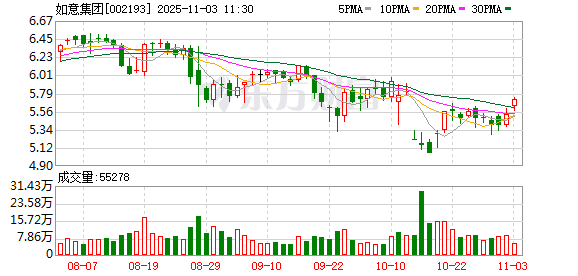
Core Points - Shandong Ruyi Technology Group Co., Ltd. is facing a dual crisis of declining performance and regulatory scrutiny, with a reported revenue drop of over 30% and a net loss of approximately 120 million yuan in the first three quarters of 2025 [2][3] - The company, once aiming to become the "Chinese version of LVMH," has accumulated losses exceeding 2.1 billion yuan since 2022, with its controlling shareholder's shares fully pledged and frozen [2][4] Financial Performance - In the first three quarters of 2025, Ruyi Group reported total revenue of approximately 239 million yuan, a year-on-year decrease of 31.27%, and a net loss of about 120 million yuan, which is a 65.37% increase in losses compared to the previous year [3][4] - The company's core business, "fine woolen fabric," saw a revenue decline of 52.91%, with gross margin dropping from 21.15% to 3.86% [3][4] - Domestic sales revenue fell by 58.72% to approximately 13.9 million yuan, while export sales, which account for about 90% of total revenue, decreased by 27.66% to around 141 million yuan [4] Business Strategy and Challenges - Ruyi Group has a history of aggressive acquisitions since 2010, spending nearly 40 billion yuan to acquire several high-end fashion brands globally, but this strategy has not led to sustainable profitability [5][6] - The company has faced ongoing financial difficulties, with revenue declining from 1.15 billion yuan in 2019 to 384 million yuan in 2023, despite a slight recovery in 2024 [4][6] - The management team has been criticized for lacking professional capabilities, and the company has been slow to innovate and adapt to market changes, leading to a vicious cycle of declining market share and financial strain [7][8] Regulatory Issues - Ruyi Group is under investigation by the China Securities Regulatory Commission for suspected violations of information disclosure laws, following previous penalties for similar issues [6][7] - The company has faced multiple regulatory inquiries and penalties over the past two years, raising concerns about its financial compliance and transparency [6][7]


小熊电器(002959) - 2025年10月31日投资者关系活动记录表
2025-11-03 01:22
Sales Performance - The company achieved significant growth in Q3 2025, particularly in categories such as pots, kettles, electric appliances, and maternal and infant products, with notable increases in sales performance [2][3] - The net profit margin saw a substantial year-on-year increase due to strategic adjustments in operations and organizational structure, which were reformed into five business units [2][3] Growth Strategy - The company plans to adjust its growth strategy, focusing on overseas markets like Japan, Southeast Asia, and Europe, despite short-term uncertainties in the U.S. market [4][5] - In the domestic market, the company aims for quality improvement rather than scale growth, leveraging consumer subsidies to enhance performance [4] Overseas Expansion - Overseas development is a key focus, with efforts to expand brand recognition in Southeast Asia, particularly in Vietnam, and utilizing platforms like Amazon and TikTok for market penetration [5][6] - The company aims to collaborate with local partners to enhance channel expansion and brand influence in international markets [5] Product Development - Increased investment in maternal and infant product development is planned, with a focus on launching popular products and enhancing brand image [7] - The company intends to optimize its product structure and streamline SKU numbers to focus on high-end flagship products, improving brand image and profit margins [8][9] Marketing and Branding - The company will enhance its marketing capabilities and focus on user experience, aiming to create value through product and service excellence [8][9] - A comprehensive brand upgrade strategy is in place to reshape brand image and establish a systematic brand management framework [9] Organizational Development - The company is committed to upgrading its organizational structure, performance management, and incentive mechanisms to foster innovation and competitiveness [9] - Digital transformation initiatives will continue, leveraging AI technologies to enhance operational efficiency and organizational capabilities [9]
“数字菌乡”成长记:东北小城百亿“菇”事
Zhong Guo Xin Wen Wang· 2025-11-02 23:41
Core Viewpoint - The article highlights the transformation of Huang Song Dian Town into a prominent hub for edible fungi, particularly black fungus, driven by technological innovation and sustainable practices [5][10][20]. Industry Overview - Huang Song Dian Town, located in Jilin Province, has a forest coverage rate of 91% and a unique high-altitude climate that creates ideal conditions for mushroom cultivation [5][7]. - The town has evolved from a poverty-stricken area in the 1980s to a national leader in black fungus production, with over 95% of households engaged in the edible fungi industry [7][9]. Technological Advancements - The introduction of advanced cultivation techniques has significantly increased production efficiency, with black fungus cultivation reaching 950 million bags during the 14th Five-Year Plan period [7][12]. - Modern processing facilities have improved the factory production rate of mushroom bags from less than 20% in 2022 to 39.7% by 2025 [12][13]. Economic Impact - The brand value of "Huang Song Dian Black Fungus" and "Huang Song Dian Ganoderma" has seen substantial growth, increasing from 1.332 billion yuan and 708 million yuan in 2022 to 2.546 billion yuan and 1.212 billion yuan in 2025, respectively [13][14]. - The town has successfully attracted investments totaling 130 million yuan for various projects, including a logistics park and a waste treatment center for discarded mushroom substrates [13][14]. Environmental Sustainability - Huang Song Dian Town has implemented a comprehensive waste management strategy, reducing waste from discarded mushroom bags by 98% and household waste by 84% over five years [17][18]. - A new project for the comprehensive treatment of 10,000 tons of discarded mushroom substrates is set to convert waste into biomass charcoal, promoting a circular economy [17][18]. Future Development Plans - The town aims to establish a modern edible fungi industry system, focusing on expanding the cultivation of rare mushroom varieties and enhancing deep processing capabilities [20][21]. - Plans include integrating tourism with the mushroom industry to create new growth points and enhance brand recognition [20][21].

中国品牌向新而行 阔步迈向高质量发展
Ren Min Wang· 2025-11-02 22:21
Core Viewpoint - The 2025 China Brand Forum emphasizes the importance of brand development as a symbol of high-quality growth and national competitiveness, highlighting the significant progress made in the quality and recognition of Chinese brands on a global scale [8][9][14]. Group 1: Brand Development and Quality - The forum aims to create a platform for discussing the progress and strategies in brand development, focusing on the transition from "Made in China" to "Created in China" and from "Chinese speed" to "Chinese quality" [9][10]. - The number of Chinese brands has rapidly increased, with notable improvements in quality, recognition, and influence globally, marking a solid step towards building a strong brand nation [8][14]. - The manufacturing sector has maintained its position as the largest globally for 15 consecutive years, with a product quality compliance rate of 93.93% [11]. Group 2: Government and Institutional Support - Various government departments and institutions are actively promoting brand building as a strategic support for high-quality development, with initiatives aimed at enhancing the competitiveness of brands [12][13]. - The National Market Supervision Administration is implementing a quality-driven strategy to improve product quality and foster a favorable environment for brand development [12]. - The Ministry of Industry and Information Technology is helping enterprises enhance their competitiveness through quality standards and brand initiatives [11]. Group 3: Innovation and Sustainability - Innovation is identified as a crucial driver for brand development, with companies like China Changan Automobile Group focusing on technological advancements and sustainable practices [21][22]. - The emphasis on green development is evident, with companies integrating eco-friendly practices into their brand strategies, such as Southern Power Grid's commitment to clean energy [16]. - The importance of cultural elements in brand identity is highlighted, with companies leveraging traditional Chinese culture to enhance brand value [24]. Group 4: Internationalization and Market Expansion - Chinese brands are increasingly focusing on international markets, with significant contracts signed in countries involved in the Belt and Road Initiative, showcasing the global reach of Chinese enterprises [23]. - Companies like China Energy Construction Group and China Railway are establishing a strong international presence through major infrastructure projects [23]. - The internationalization of brands is seen as essential for building world-class enterprises, with plans for extensive market expansion in Southeast Asia and beyond [23]. Group 5: Future Outlook - The forum participants express optimism about the future of Chinese brands, emphasizing the need for sustained efforts in brand building to achieve greater global recognition [20][19]. - The collective belief is that the next five years present valuable opportunities for enhancing the quality and strength of Chinese brands, contributing to the modernization of China [20].
凝聚品牌力量 共创美好未来
Ren Min Wang· 2025-11-02 22:15
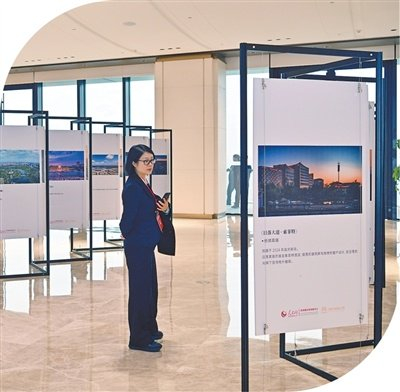
Group 1 - The core viewpoint emphasizes the importance of building strong brands as a hallmark of a quality-driven nation, highlighting the need for companies to adapt to new trends, technologies, and management practices [1][2] - Companies should align their products with societal trends and consumer demands, as seen in the rise of "Guochao" (national trend) which reflects cultural confidence and the integration of global cultures [1] - Embracing new technologies is crucial for brand growth, with companies encouraged to invest in research and development to enhance competitiveness and sustainability [1][5] Group 2 - The Hebei cultural tourism brand "So Close, So Beautiful" has gained significant recognition, with a reported 11.5% increase in tourist numbers and 11% increase in total spending in the first nine months of the year [3] - The brand leverages its geographical advantages, particularly in the Beijing-Tianjin-Hebei region, to promote short trips and weekend getaways, contributing to stable growth in visitor numbers [3][4] - Continuous product innovation and policy initiatives, such as free highway access during holidays, have been implemented to enhance the tourism experience and attract more visitors [3][4] Group 3 - Xi Feng Liquor aims to build a world-class Chinese brand by integrating green, digital, and diversified concepts throughout its brand development cycle [5][6] - The company actively engages in social responsibility initiatives, including ecological protection and the development of clean energy solutions, to promote sustainable practices [6] - By utilizing digital technologies, Xi Feng Liquor enhances production processes and marketing strategies, positioning itself as an innovative leader in the industry [7] Group 4 - Yangtze River Pharmaceutical Group focuses on quality management and innovation, implementing a comprehensive quality control system across its operations [9][10] - The company collaborates with traditional medicine experts to develop new products, while promoting health awareness through various community initiatives [9][10] - Yangtze River has made significant contributions to social causes, donating over 1 billion yuan to various charitable efforts and supporting rural development [10] Group 5 - Yili Group emphasizes strict quality management and continuous innovation as the foundation of its brand strategy, achieving significant recognition in the global dairy industry [11][12] - The company has established multiple innovation centers and holds a leading position in patent applications within the dairy sector, focusing on health-oriented product development [12] - Yili is committed to social responsibility, prioritizing sustainable development and community welfare initiatives [12] Group 6 - Runze Intelligent Computing Group integrates brand development with technological innovation, focusing on building a robust digital infrastructure to support various industries [13][14] - The company is committed to sustainable practices, developing energy-efficient technologies and optimizing operational efficiency [13] - Runze aims to create a collaborative ecosystem for digital transformation, enhancing its brand value through strategic partnerships [14] Group 7 - Zhonglv Xiong'an Investment Co., Ltd. focuses on green development and urban planning, contributing to the coordinated development of the Beijing-Tianjin-Hebei region [15][16] - The company has implemented innovative urban development models and green technologies to enhance living conditions and promote sustainability [16] - Zhonglv actively engages in community service and social responsibility initiatives, aiming to support the overall development of the Xiong'an New Area [16] Group 8 - Anta Group emphasizes a multi-brand strategy and global expansion, continuously enhancing its brand influence through innovation and market responsiveness [17][18] - The company plans to increase research and development investments to meet evolving consumer demands and strengthen its position in the global sportswear market [17] - Anta aims to integrate sports consumption into daily life, driving domestic demand and contributing to the dual circulation strategy [18]

【招商电子】安克创新:Q3业绩表现稳健,注重公司长期成长价值
招商电子· 2025-11-02 12:11
Core Viewpoint - The company has demonstrated robust growth in the first three quarters, driven by three main business segments, with significant increases in revenue and net profit compared to the previous year [2][3]. Financial Performance - For the first three quarters, the company reported revenue of 21.02 billion, a year-on-year increase of 27.8%, and a net profit of 1.93 billion, up 31.3% year-on-year [2]. - The gross profit margin was 44.7%, an increase of 0.4 percentage points year-on-year, while the net profit margin was 9.4%, up 0.1 percentage points year-on-year [2]. - In Q3 alone, revenue reached 8.15 billion, reflecting a year-on-year growth of 19.9% and a quarter-on-quarter increase of 18.6% [3]. - The net profit for Q3 was 770 million, a year-on-year increase of 27.8% and a quarter-on-quarter increase of 14.1% [3]. Business Segments - The growth was primarily driven by the charging and energy storage segment, which remains the core growth driver, with the energy storage business continuing to expand rapidly [2]. - The smart innovation segment, particularly in security, showed steady growth, while clean products achieved higher growth rates [2]. - The smart audio segment also experienced rapid growth due to market share consolidation and new product launches [2]. Cost and Investment - The decline in non-recurring net profit was mainly due to increased expenses related to R&D and brand building, with R&D expenses rising by 0.4 percentage points year-on-year in Q3 [3]. - The company is committed to innovation, increasing its investment in R&D and enhancing brand connections with users [3]. Future Outlook - Despite short-term disruptions, the company's long-term value remains intact, supported by its focus on innovation and a flexible global supply chain [4][5]. - The company is expected to continue expanding its product offerings in energy storage, clean products, and innovative technologies like robotics and AI terminals, which have significant growth potential [5].

上海家化(600315):内调深化成效初显 品牌势能持续提升
Xin Lang Cai Jing· 2025-11-02 06:32
Core Viewpoint - Shanghai Jahwa reported a significant improvement in financial performance for the first three quarters of 2025, with total revenue reaching 4.961 billion yuan, a year-on-year increase of 11%, and a net profit of 405 million yuan, up 149% compared to the previous year [1] Financial Performance - The company's gross margin increased by 7 percentage points to 61.48%, attributed to product structure optimization and changes in raw material procurement prices [2] - The net profit margin rose by 16 percentage points to 9.41%, driven by improved gross margins and increased income from investment funds and joint ventures [2] - The company implemented strategic adjustments in 2024 due to industry downturns, which have led to a steady recovery in overall performance in 2025 [2] Business Segments - Revenue from personal care, beauty, innovation, and overseas businesses in Q3 2025 grew by 14%, 272%, 5%, and decreased by 3% respectively, totaling 606 million, 354 million, 158 million, and 365 million yuan [3] - Online sales in domestic markets increased by 173%, benefiting from a low revenue base from the previous year due to strategic adjustments [3] - The company experienced volume and price increases in personal care and beauty segments, with sales volume up by 9% and 101%, and average prices up by 5% and 85% respectively [3] Brand Strategy - The company focused on developing major products and enhancing brand building, with successful new product launches and marketing efforts [4] - Key products include the second-generation mosquito repellent from Six God, which contributed to customer growth, and the launch of a new fragrance shower gel [4] - The brand "Bai Cao Ji" achieved significant market presence with its new herbal skincare product, while "Yu Ze" and "Gao Fu" targeted specific demographics with strategic endorsements [4] Profit Forecast - The company is expected to continue its strategic adjustments, with projected EPS for 2025-2027 at 0.62, 0.76, and 0.91 yuan, corresponding to PE ratios of 41, 33, and 28 times at the current stock price [5]

北大汇丰创讲堂 | 阿里巴巴首任COO关明生:再谈策略与领袖力的要诀
Sou Hu Cai Jing· 2025-11-01 10:50
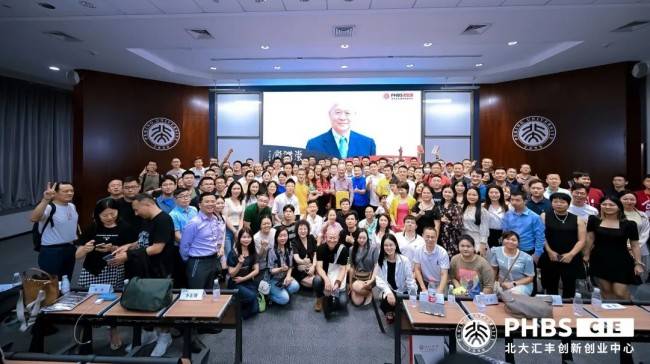
Core Insights - The phenomenon of "boss fatigue" is categorized into two types: mental fatigue and physical fatigue, stemming from unclear strategies and overwhelming responsibilities [3][5][13] Group 1: Mental Fatigue - Mental fatigue arises from a lack of clarity in leadership and strategy, leading to constant pressure and stress for business owners [5][12] - In competitive environments, such as the OEM sector, profit margins are thin, and rising costs create significant challenges for survival [6][8] - Understanding target customers is crucial; businesses must innovate product design to meet customer needs and escape price competition [10][12] Group 2: Physical Fatigue - Physical fatigue is caused by the outdated approach of micromanaging, which prevents effective delegation and teamwork [13][19] - Successful leaders must transition from doing everything themselves to empowering their teams to achieve results [13][19] - Establishing a systematic approach to management, including clear roles and responsibilities, is essential for reducing physical strain on leaders [19][20] Group 3: Sales Management - Effective sales management requires a structured approach, including selection, training, performance assessment, and motivation of sales teams [15][16] - The sales strategy should focus on understanding customer needs and aligning the team’s efforts to meet those needs [19][20] - A strong company culture, defined by vision, mission, and values, is vital for maintaining morale and guiding employee behavior [20][24] Group 4: Brand and Customer Focus - Building a brand involves understanding what it represents and ensuring consistent communication with customers [12][24] - Companies should prioritize customer satisfaction and quality, as these are critical for long-term success [24][26] - The ultimate goal is to create a meaningful business that provides value to customers, which in turn drives financial success [22][26]

以品牌建设赋能证券公司业务发展:理论模型与实践路径
Zheng Quan Shi Bao Wang· 2025-10-31 10:59
Core Viewpoint - The article emphasizes the importance of brand building in the securities industry, highlighting the current lag in brand development and exploring how securities firms can leverage brand construction to enhance business growth and core competitiveness for high-quality development [1][2]. Industry Transformation - Brand building has become a core competitive advantage for securities firms, with many establishing dedicated brand departments or integrating brand functions into strategic development units [2][3]. - The integration of brand strategy with overall company strategy is crucial, as digital finance enhances brand visibility and communication [2]. Practical Significance - Brand building is essential for securities firms for several reasons: - Differentiation in a homogenized market, where a clear brand positioning helps avoid price wars [4]. - Enhancing investor relations through a strong brand image that fosters trust and loyalty [4]. - Business empowerment, where a strong brand can lower customer acquisition costs and create business opportunities [5]. - Compliance and risk management, as a strong brand reputation helps mitigate reputational risks [6]. - Attracting talent, especially among younger generations who value meaningful work [6]. Issues in Brand Building - Securities firms face several challenges in brand building: - High levels of brand homogeneity, leading to a lack of market recognition [7]. - Difficulty in translating abstract cultural values into tangible brand messages [7]. - Neglecting the needs of the younger generation, resulting in communication gaps [7]. - Insufficient international communication strategies, limiting global brand presence [8]. - A disconnect between technological advancements and brand content innovation [8]. Theoretical Framework - The article suggests using classic brand models to guide brand building in securities firms: - The Customer-Based Brand Equity (CBBE) model outlines stages from brand recognition to brand relationship [9]. - The service brand equity model emphasizes the importance of service quality in building brand value [10]. - Brand premium theory indicates that strong brands can command higher prices and profit margins [10]. Practical Pathways - Securities firms can enhance brand building through several strategies: - Defining brand strategy models that align with business development stages [11]. - Implementing targeted strategies for different business segments to achieve brand and business synergy [12]. - Adjusting brand strategies according to economic cycles to enhance brand resilience [14]. - Leveraging technology to create a digital ecosystem for brand operations [15]. - Building brand reputation through social responsibility and community engagement [17]. Effectiveness Evaluation - The effectiveness of brand building can be assessed through dual dimensions: - Business indicators such as customer acquisition costs and client loyalty [18]. - Brand indicators including brand awareness and premium pricing capabilities [18]. - The IMMF brand value assessment model provides a structured approach to evaluate the return on brand investment [19][20]. Conclusion - Brand building is a critical strategy for securities firms to navigate homogenized competition and achieve high-quality growth, with a focus on digital transformation, cultural integration, and international communication [24].