
文化出海

Search documents
麦肯锡最新报告:中国消费市场五大“逆风翻盘”信号……
Sou Hu Cai Jing· 2025-09-02 01:33
Core Insights - The McKinsey report highlights five unexpected positive signals in the Chinese consumer market, indicating resilience and vitality despite challenging economic conditions [2][4]. Consumer Trends - China has become the world's largest automobile exporter, with electric vehicle (EV) exports accounting for 40% of the total, and BYD surpassing Tesla as the largest EV manufacturer globally [4][16]. - The tourism industry is experiencing a remarkable recovery, with inbound tourist numbers exceeding 35 million in the first quarter, marking a 22% increase year-on-year [4][10]. - The capital market is showing signs of recovery, with Hong Kong's IPO financing reaching 107.1 billion HKD in the first half of the year, an eightfold increase compared to the previous year [4][17]. - Cultural exports are gaining momentum, with the game "Black Myth: Wukong" selling 28 million copies globally, 30% of which are from overseas players, showcasing the international appeal of Chinese culture [4][19]. Retail Dynamics - Retail sales in China grew by 5% year-on-year in the first half of the year, with May seeing a peak growth of 6.4%, indicating consumers are spending more wisely [5][7]. - The rise of snack specialty stores like Hotmaxx reflects a trend towards affordable and diverse options that cater to consumers' desire for small pleasures [7]. - Membership retail, exemplified by Sam's Club, is thriving due to its focus on high-quality products and a curated shopping experience [7]. Automotive Market - The automotive market is witnessing a shift towards electric vehicles, with overall sales increasing by 11.2% and EV sales soaring by 37.2% [7][11]. - The growth in EV sales is driven by rising environmental awareness and a preference for smart, tech-driven, and personalized transportation options [7]. Cultural Influence - Chinese pop culture is gaining global traction, with products like the Labubu series from Pop Mart seeing a 726% revenue increase, highlighting the international appeal of Chinese design [19][20]. - The report emphasizes the importance of cultural confidence as a driver of economic competitiveness, with various cultural products becoming new growth engines [22][23].






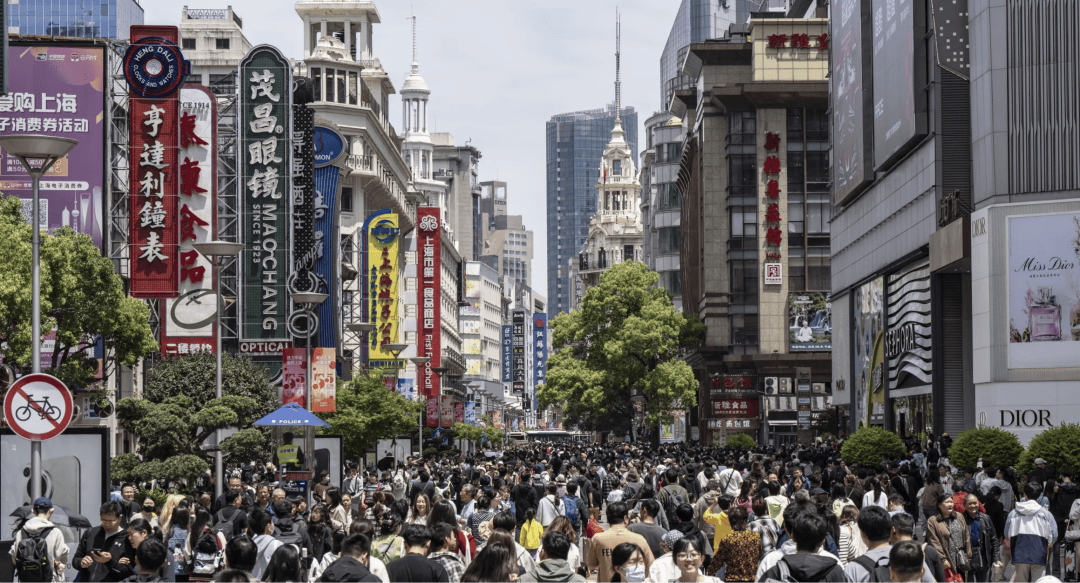
麦肯锡披露!上半年中国消费市场五大惊喜一览
Sou Hu Cai Jing· 2025-08-28 03:29
Group 1: Capital Market Trends - The A-share market shows signs of recovery, with an average daily trading volume of 1.39 trillion yuan in the first half of the year, reflecting a 61% increase compared to the same period last year [1] - The capital market is empowering consumption upgrades, with Hong Kong Stock Exchange financing reaching 107.1 billion HKD in the first half of the year, indicating renewed investor confidence in the Chinese consumption market [2] Group 2: Consumer Market Insights - McKinsey's report highlights five major trends in the Chinese consumer market, including the rise of new energy vehicles, record-high inbound tourism, and the cultural export of Chinese tea [2] - The tea industry is exploring sustainable development paths, with organic tea production area increasing by 100.9% from 2019 to 2023, reaching 213,000 hectares [7] Group 3: Cultural and Tourism Integration - The unique charm of Chinese tea culture is attracting foreign tourists, leading to initiatives that promote deep cultural experiences, such as the "World Tea Town Tour" [8][11] - The tea industry is leveraging cultural experiences to enhance tourism, providing immersive projects that allow foreign visitors to explore Chinese culture [11] Group 4: New Tea Beverage Market - New tea beverage brands are gaining traction in the capital market, with three brands successfully listing on the Hong Kong Stock Exchange and one on the US market this year [12] - The concentration of new tea brands entering the market reflects the growing recognition of Chinese consumer brands in the capital market [12][15] Group 5: Global Expansion of Tea Industry - The global trend of cultural export is benefiting the tea industry, with Chinese tea gaining popularity overseas, evidenced by the TikTok Chinesetea topic generating over 200 million views [18] - The export of tea products, including matcha and functional teas, is accelerating, with platforms like Amazon and eBay seeing increased sales of Chinese tea and tea-related products [22][23]

短剧+漫剧双赛道放量 时刻互动上半年营收同比增长近3倍产能持续攀升
Zheng Quan Ri Bao Wang· 2025-08-27 12:47
Core Viewpoint - The company, Jiangxi Shike Interactive Technology Co., Ltd., reported significant growth in its 2025 semi-annual results, with a revenue increase of 289.37% year-on-year, reaching 318 million yuan, and a net profit increase of 55.92%, amounting to 8.6041 million yuan [1]. Group 1: Business Performance - The company achieved a revenue of 318 million yuan in the first half of 2025, marking a year-on-year growth of 289.37% [1] - The net profit attributable to shareholders was 8.6041 million yuan, reflecting a year-on-year increase of 55.92% [1] - The non-recurring net profit was 8.6099 million yuan, with a year-on-year growth of 55.51% [1] Group 2: Business Segments - The company has developed a comprehensive cultural business focusing on digital marketing services and micro-short drama [2] - In the advertising segment, the company has deepened cooperation with major platforms like Douyin and Tencent, and has official certification from TikTok, enabling it to expand its international business [2] - The micro-short drama segment generated nearly 100 million yuan in revenue in its first year, with 162 million yuan in the first half of 2025 alone [3] Group 3: Innovation and Technology - The company has invested in AI tools to enhance efficiency and reduce costs, achieving a cost reduction of approximately 20% compared to traditional methods [2] - The company holds 7 invention patents, 43 software copyrights, and 30 work registration certificates, showcasing its commitment to technology development [2] - The first AI dynamic comic short drama has been launched, significantly reducing production time and costs by 70%-90% [4] Group 4: Market Expansion - The company has launched an overseas short drama app, focusing on Southeast Asia and Japan, with initial user engagement showing good activity and retention rates [5] - The overseas platform FreeShort has released around 300 works, with notable titles trending in Japan and Southeast Asia [5] - The company aims to strengthen its competitive advantage in internet marketing and digital content through continuous AI technology enhancement and strategic market exploration [5]
博纳影业:主投的现代军事动作大片《蛟龙行动》是国内首部核潜艇题材电影
Zheng Quan Ri Bao Zhi Sheng· 2025-08-27 09:37
Group 1 - The core viewpoint of the article highlights that Bona Film Group is actively promoting its military action film "Operation Dragon," which is the first domestic film centered around nuclear submarines [1] - The special edition of "Operation Dragon" is scheduled for nationwide release on August 30, with preview activities currently underway [1] - The company is placing significant emphasis on cultural export and is actively advancing the overseas distribution of this film [1]
豫园股份:文化出海与商业拓展齐头并进 珠宝时尚海外业务布局加速推进
Quan Jing Wang· 2025-08-27 05:18
Core Insights - The company reported significant growth in its global business, with a GMV of nearly 600 million yuan in the first half of the year, increasing its revenue share from global operations to 3.3% [1][2] - Cultural export is a key strategy for the company, with initiatives like the Yuyuan Lantern Festival serving as a flagship brand for promoting Chinese culture abroad [1] - The company plans to continue expanding its global footprint through cultural initiatives and business development, aiming to enhance brand influence and provide high-quality products to global consumers [2] Group 1: Global Business Expansion - The company's global business GMV reached nearly 600 million yuan in the first half of the year, with a revenue share of 3.3% from global operations [1] - The Yuyuan Lantern Festival has been successfully introduced in international markets, attracting significant local audiences, such as nearly 200,000 attendees in Paris [1] - The company is leveraging its cultural heritage to promote Chinese brands and products in foreign markets, establishing a solid foundation for future international expansion [1] Group 2: Restaurant and Retail Initiatives - The historic Songhe Lou brand opened its first overseas store in London's Chinatown, offering a new culinary experience for local consumers [2] - The company is accelerating its overseas business in the jewelry and fashion sector, focusing on enhancing product quality and expanding consumer reach [2] - Plans for new stores in Macau and Kuala Lumpur are underway, aiming to establish a standardized opening model for rapid replication [2] Group 3: E-commerce and Market Strategy - The company is actively expanding its presence on mainstream e-commerce platforms, with new stores launched in collaboration with duty-free channels [2] - The company aims to achieve substantial progress in duty-free channels in Hainan by the end of the year, with a focus on Southeast Asia and Hong Kong, Macau, and Taiwan regions [2] - The company emphasizes a dual approach of cultural export and business expansion to drive the global reach of its brands [2]

豫园股份2025中期业绩发布会:坚持“东方生活美学” 多方位拥抱新消费生态
Quan Jing Wang· 2025-08-27 02:29
Core Insights - Shanghai Yuyuan Group reported a decline in overall revenue to 19.1 billion yuan in the first half of 2025, but a 17.6% quarter-on-quarter growth in Q2 revenue to 10.3 billion yuan, indicating resilience in core business operations [1] - The company plans to continue dividend distributions and implement stock buybacks and equity incentives to reward investors [1] Group 1: Jewelry Business Growth - The jewelry fashion group generated 12.8 billion yuan in revenue in the first half, with a 47% quarter-on-quarter growth in Q2 revenue to 7.6 billion yuan, driven by product optimization and consumer incentives [2] - The gross margin for the jewelry segment improved by 0.43 percentage points to 7.3% [2] - The group successfully raised 1.77 billion yuan through external investments, enhancing financial structure while maintaining absolute control [2] Group 2: Global Expansion - The company's global GMV reached nearly 600 million yuan, with the share of industrial revenue increasing from less than 2% to 3.3% [3] - Cultural initiatives, such as the "Yuyuan Lantern Festival," have attracted significant international attention, with events held in Paris, Vietnam, and Bangkok [3] - The company is expanding its presence in the duty-free market and plans to open overseas stores in Macau and Kuala Lumpur [3] Group 3: Yuyuan District Development - The Yuyuan Phase I project achieved over 50% GMV growth in the first half, supported by the "Oriental Lifestyle Aesthetics" strategy [4] - The project includes upgrades to landmark locations and the introduction of popular brands, with over 50% of sales coming from national trends [4] - Future phases will focus on original fashion flagship stores and international luxury brands, aiming for over 10 billion yuan in annual traffic [4] Group 4: Strategic Planning - The company emphasizes the "Oriental Lifestyle Aesthetics" strategy, focusing on product innovation and brand value enhancement [5] - There is a commitment to deepening global market penetration and enhancing the recognition of "Oriental Lifestyle Aesthetics" [5] - The company aims to leverage AI technology to improve marketing efficiency and explore differentiated paths combining technology and culture [6]
杭产文化“新三样”圈粉海外的“流量密码”
Mei Ri Shang Bao· 2025-08-26 22:24
Group 1 - The core viewpoint emphasizes the global popularity of Chinese cultural exports, particularly in the forms of online literature, online games, and web series, which have captivated millions of overseas readers and players [1] - The "new three items" of cultural export from Hangzhou, including online literature, online games, and web series, have gained significant traction in various countries, with notable examples like "Dou Po Cang Qiong" and "Black Myth: Wukong" [1] - The research team from the city's brand promotion association is investigating the success factors and challenges faced by these cultural exports, focusing on the creative needs of the industry [1] Group 2 - The importance of "telling a good Chinese story" is highlighted as a key factor for cultural success abroad, with the need to adapt narratives to resonate with international audiences [2] - An example is provided where the American animation "Kung Fu Panda" successfully attracted Chinese fans while embodying American heroism, illustrating the need for cultural exports to align with global audience preferences [2] - The emotional connection conveyed by the "new three items" is identified as a universal appeal, transcending cultural differences and resonating with shared human experiences [2] - Recommendations for improving the cultural export environment in Hangzhou include creating a supportive business environment, implementing effective policies, and investing in quality works with a long-term vision [2]
国货之光闪耀巴黎!李佳琦携手薇诺娜,向世界展示中国护肤方案
Guan Cha Zhe Wang· 2025-08-26 05:41
Core Insights - Chinese beauty influencer Li Jiaqi is expanding the charm of Chinese cosmetics from live streaming to the international fashion forefront through the reality show "Paris Partners" [1][2] - The initiative aims to promote domestic brands abroad, showcasing 12 Chinese brands in a pop-up store in Paris, emphasizing the mission of "helping domestic products go global" [1][4] Group 1: Brand Expansion and Globalization - Li Jiaqi highlights that domestic brands are accelerating innovation and transitioning from followers to leaders in certain sectors, demonstrating the potential of Chinese products in international markets [2][4] - Winona, a skincare brand from Yunnan, stands out in this initiative, focusing on sensitive skin and leveraging pharmaceutical-grade research to promote its products globally [4][5] - The collaboration between Winona and Li Jiaqi reflects a shared vision of promoting Chinese brands on a global scale, with Li Jiaqi acting as a key promoter for Winona's star products [4][5] Group 2: Research and Development - Winona's core ingredient, "Qingci Fruit PRO MAX," is sourced from the Haba Snow Mountain in Yunnan, with the company successfully registering 16 new plant-based ingredients, ranking among the top in China [5][7] - The integration of research, production, and academic collaboration has accelerated the transformation of research outcomes into competitive advantages for the brand [5][7] Group 3: Cultural Exchange and Consumer Engagement - The pop-up store serves as a platform for cultural dialogue, allowing international consumers to experience the aesthetic appeal of Chinese products [9] - Li Jiaqi emphasizes that product export is fundamentally a form of cultural export, which can enhance the long-term competitiveness of products by fostering interest and recognition of Chinese culture among foreign consumers [9]

传媒行业周报:可灵Q2营收超2.5亿,DeepSeek-V3.1发布-20250825
Guoyuan Securities· 2025-08-25 07:20
Investment Rating - The report maintains a "Buy" rating for the industry, indicating a positive outlook for the sector's performance [5][49]. Core Insights - The media industry saw a weekly increase of 5.17%, outperforming the Shanghai Composite Index and the CSI 300 Index, which rose by 3.49% and 4.18% respectively [11][19]. - Key companies such as KuaLing AI and Kunlun Wanwei reported significant revenue growth, with KuaLing achieving over 250 million in revenue for Q2 2025, exceeding expectations [2][46]. - The gaming market in China reached a size of 29.084 billion yuan in July 2025, with mobile gaming contributing significantly to this growth [3][25]. - The report highlights the successful release of AI applications and the cultural export theme as key investment themes, particularly in gaming, IP, short dramas, and publishing [4][47]. Market Performance - The media industry ranked 6th among all sectors with a weekly increase of 5.17%, while the gaming sector saw a rise of 6.09% [11][19]. - Notable performers included Guomai Culture and Shunwang Technology, with weekly increases of 24.79% and 24.16% respectively [19][20]. Key Data and Dynamics AI Applications - Recent downloads for AI applications on iOS showed varied performance, with Doubao leading at approximately 209.57 thousand downloads, while DeepSeek experienced a decline of 8.88% [2][23]. Gaming Sector - The mobile gaming market in July 2025 was valued at 21.36 billion yuan, with a year-on-year growth of 0.92% [3][25]. - The overseas revenue from self-developed games reached 1.693 billion USD, marking a year-on-year increase of 6.76% [28][29]. Film Industry - The total box office for the week of August 15-21 was 1.252 billion yuan, with "Wang Wang Mountain Little Monster" leading the box office [41][43]. Investment Recommendations - The report suggests focusing on AI applications and cultural export themes, with specific attention to companies like Giant Network, KuaLing, and Meitu [4][47].



华策影视(300133):内容供给新政利好 爆款电影国庆档上映
Xin Lang Cai Jing· 2025-08-25 06:39
Core Viewpoint - The company, as a leading content producer, is expected to benefit from new broadcasting policies, leading to sustained improvements in both quantity and quality of production, with a significant reserve of series and films providing performance elasticity [1] Investment Highlights - New measures to enhance the supply of quality broadcasting content are favorable, with expectations for increased production capacity of series. The State Administration of Radio and Television issued a document on August 18, 2025, aimed at strengthening content development, which is anticipated to facilitate the release of production capacity for leading content producers, potentially increasing series prices. Consequently, the EPS forecasts for 2026 and 2027 have been raised to 0.29 and 0.34 yuan respectively (previously 0.26 and 0.29 yuan), while the 2025 EPS forecast remains unchanged. The target price has been increased to 12.75 yuan, maintaining a "buy" rating [2] Performance and Content Reserve - The company's performance met expectations, with a robust reserve of series and films. In the first half of 2025, the company initiated production on six long series, completed five, and has plans for several more in the second half of the year, including major projects like "The Zizhi Tongjian" and "War and Man." The company also has a strong lineup of films scheduled for release, including "Assassination Novelist 2" for the National Day holiday in 2025. Additionally, the monthly production capacity for short series has increased to 20, with several successful titles achieving over 200 million views. The diverse content reserve enhances the company's performance elasticity [3] Technological Empowerment and International Expansion - The company is leveraging technology in content production, utilizing AI in planning and production processes, and developing features such as AI multilingual translation and AI editing. There is a strong focus on international business, with overseas revenue reaching 88.12 million yuan in the first half of 2025, a 28% increase year-on-year, and several series achieving high viewership globally [4]
