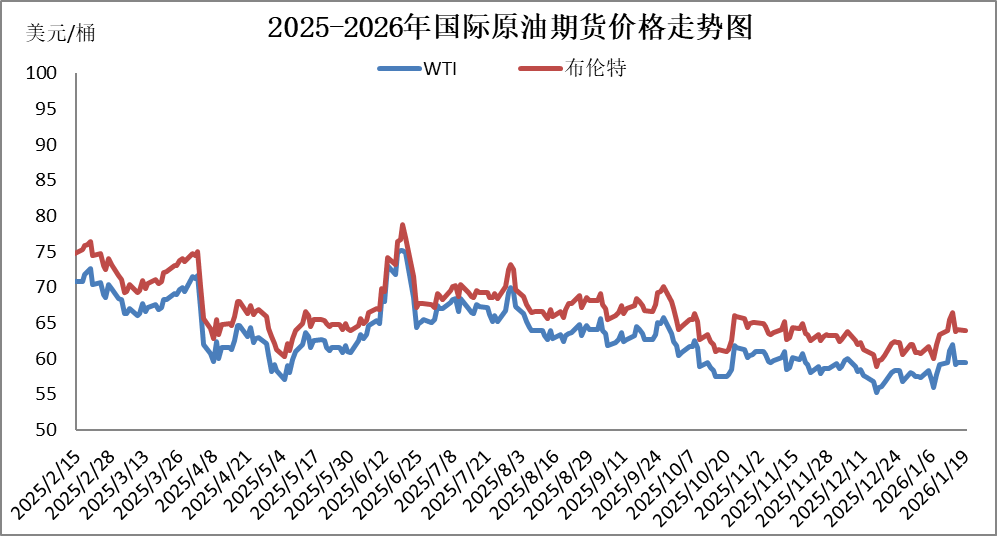
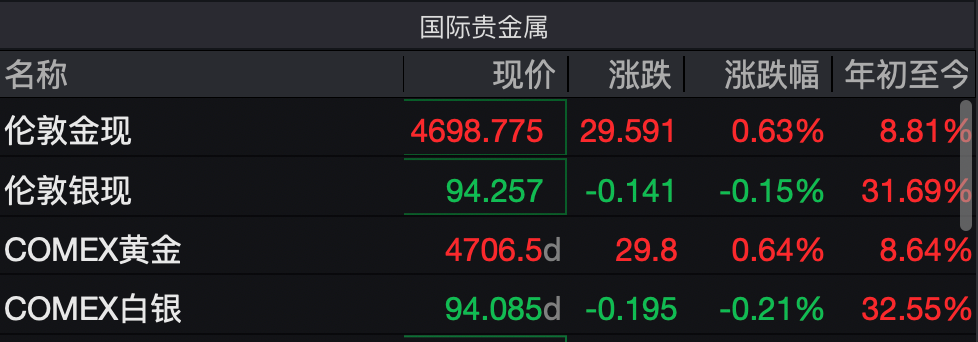
地缘风险
Search documents
沥青周度报告-20251024
Zhong Hang Qi Huo· 2025-10-24 11:16
Report Summary - Market focus includes significant changes in US-Russia relations with US sanctions on two major Russian oil companies, rising expectations of Fed rate cuts, and EU approval of the 19th round of sanctions against Russia [7] - Key data shows that as of October 22, the domestic asphalt sample enterprise operating rate was 31.1%, down 4.7 percentage points from the previous cycle; as of October 24, the weekly asphalt output was 552,000 tons, a decrease of 72,000 tons from the previous week; the factory inventory was 710,000 tons, a decrease of 17,000 tons; and the social inventory was 1.005 million tons, a decrease of 46,000 tons [7] - The main view is that in the short term, asphalt presents a pattern of weak supply and demand. Supply decreases seasonally as refineries enter maintenance, and demand is weak due to cold and rainy weather in the north. Crude oil is the main factor affecting the asphalt market. Recent geopolitical risks and supply tightening expectations have led to a rebound in oil prices, but the impact may not be sustainable, and oil prices are expected to fluctuate widely. Attention should be paid to macro - level changes and the OPEC+ production meeting on November 2 [7] - The trading strategy suggests paying attention to the BU2601 contract in the range of 3,200 - 3,350 yuan/ton [8] Multi - Empty Focus - Bullish factors for asphalt are macro - improvement and geopolitical risks, while bearish factors are weak demand and potential OPEC+ production increase [11] Macro Analysis Sanctions on Russia - The US Treasury sanctioned two major Russian oil companies and their subsidiaries on October 22, covering nearly half of Russia's crude oil exports (about 2.2 million barrels per day in H1). The EU approved the 19th round of sanctions on the same day, including banning Russian LNG imports and adding travel restrictions on Russian diplomats [12] - These sanctions have increased geopolitical risks and pushed up the market, but they are not a full - scale embargo. They mainly increase Russia's oil trade costs, with limited impact on global supply. The upward movement of the market is more emotional, and the rebound space of oil prices is limited due to expected supply surplus [12] Fed Rate Cut Expectations - Due to the US government shutdown, economic data is delayed, posing challenges to the Fed's decision - making. However, market expectations for a Fed rate cut are rising. As of October 23, the probability of a 25 - basis - point rate cut in October is 96.7%, and the probability of a cumulative 50 - basis - point cut in December is 96.5% [13] - Fed Chairman Powell hinted that the long - term quantitative tightening (QT) may be near the end. The support of potential rate cuts for the market is limited [13] IEA Forecast - The IEA raised the 2025 global crude oil supply growth forecast by 300,000 barrels per day to 3 million barrels per day and lowered the demand growth forecast by 30,000 barrels per day to 710,000 barrels per day. OPEC+ production increases are putting more pressure on the supply side, and the supply - demand imbalance is expected to be more severe [14] Supply - Demand Analysis Supply - As of October 24, the weekly domestic asphalt output was 552,000 tons, a decrease of 72,000 tons from the previous week. Output from local refineries decreased significantly, while that from major refineries was basically flat. Major refineries' operating rates may have peaked, and supply pressure is expected to decrease [15] - As of October 22, the operating rate of domestic asphalt sample enterprises was 31.1%, a decrease of 4.7 percentage points from the previous cycle. The operating rates in South China and Shandong decreased significantly. With major refineries entering seasonal maintenance, supply pressure is expected to ease [23] Demand - As of October 24, the weekly domestic asphalt shipment volume was 429,000 tons, an increase of 36,000 tons from the previous statistical date. However, as demand enters the off - season, shipment volume is likely to decline seasonally [24] - As of October 24, the weekly capacity utilization rate of domestic modified asphalt was 12.09%, a decrease of 0.51 percentage points from the previous week. It is expected to decline further in the fourth quarter as the downstream enters the off - season [27] Inventory - As of October 24, the factory inventory of domestic asphalt sample enterprises was 710,000 tons, a decrease of 17,000 tons from the previous week, mainly due to the decrease in East China. Cold and rainy weather in the north has affected construction and inventory turnover, and inventory accumulation pressure is increasing [36] - As of October 24, the domestic asphalt social inventory was 1.005 million tons, a decrease of 46,000 tons from the previous week, continuing the downward trend since August but at a slower pace [41] Spread - As of October 24, the weekly processing profit of domestic asphalt was - 337.5 yuan/ton, an increase of 56.6 yuan/ton from the previous week. The domestic asphalt basis was 193 yuan/ton, and as of October 22, the asphalt - to - crude oil ratio was 54.72 [50] Market Outlook - In the short term, asphalt maintains a pattern of weak supply and demand. The supply is affected by refinery maintenance, and the demand is limited by weather. Crude oil is the key factor for the asphalt market. Geopolitical risks have led to a short - term rebound in oil prices, but the sustainability is uncertain. Oil prices are expected to fluctuate widely. Attention should be paid to macro - level changes and the OPEC+ production meeting on November 2. The BU2601 contract in the range of 3,200 - 3,350 yuan/ton is recommended for attention [52]
全球地缘风险凸显,国际油价大涨,港股通央企红利ETF(159266)红盘震荡
Xin Lang Cai Jing· 2025-10-24 05:37
Group 1 - The China Securities Hong Kong Stock Connect Central State-Owned Enterprises Dividend Index (931233) increased by 0.19%, with notable gains in China Nonferrous Mining (01258) up 3.48%, First Tractor Company (00038) up 2.85%, and Bank of China Hong Kong (02388) up 2.21% [1] - The energy sector holds significant weight in the China Securities Hong Kong Stock Connect Central State-Owned Enterprises Dividend Index, with oil and gas equipment and services, along with oil and gas producers, accounting for over 10% combined, and the coal industry exceeding 4% [1] - The National Securities Free Cash Flow Index (980092) decreased by 0.03%, with stocks showing mixed performance; Dayang Electric (002249) led with an 8.57% increase, followed by Hengdian East Magnetic (002056) up 5.46% and Taiji Industry (600667) up 5.42% [1] Group 2 - International crude oil prices surged significantly, with WTI crude oil for December delivery rising by $3.29 per barrel, or 5.62%, to $61.79 per barrel, and Brent crude oil for December delivery increasing by $3.40 per barrel, or 5.43%, to $65.99 per barrel [2] - Geopolitical risks are expected to have a diminishing marginal impact in the medium to long term, with market dynamics returning to fundamentals; however, international production pressure remains a key factor influencing oil price trends [2] - Recent sanctions on Russian oil companies and geopolitical rumors regarding Venezuela have driven oil prices higher, with Brent crude returning to $65, reflecting a cumulative increase of over $5 [2]
黄金,陷入震荡中!
Sou Hu Cai Jing· 2025-10-24 04:06
Core Viewpoint - The current gold market is characterized by a conflict between emotions and rationality, with prices reflecting this imbalance as they have surged by $1200 in three months, showcasing extremes of "greed and fear" and the harsh collision of "expectations and reality" [1] Market Dynamics - The $4180 level serves as a critical dividing line, representing both a technical resistance and a pivotal point for market logic reconstruction [2] - The recent surge in gold prices is driven by a combination of policy expectations, geopolitical risks, and central bank gold purchases, with the Federal Reserve's interest rate cut expectations leading to a revaluation of gold's monetary attributes [2] - The ongoing geopolitical tensions, particularly the Russia-Ukraine conflict and the Israel-Palestine situation, have amplified gold's appeal as a safe-haven asset, while central banks have been net buyers of gold for 18 consecutive months, reinforcing the upward trend from a supply-demand perspective [2] Market Sentiment and Technical Analysis - Market sentiment has shifted from cautious exploration to fervent chasing of prices, with the RSI indicator surpassing the 80 threshold, indicating that gold prices have detached from fundamental support [2] - The recent price adjustment is seen as a necessary technical correction rather than a trend reversal, as the market structure has changed with the price nearing historical highs of $4400, triggering stop-loss orders and profit-taking by institutional investors [2] Current Market Conditions - The market is currently in an "information black hole" due to the U.S. government shutdown, which has delayed the release of key economic data, leading to increased divergence in investor judgments regarding the Federal Reserve's interest rate cuts [3] - Despite the short-term pullback, global gold ETFs continue to see net inflows, and retail investor positions have not reached historical peaks, suggesting that market sentiment has not yet become overly heated [3] Short-term Outlook - In the short term, gold is expected to maintain a range-bound trading pattern centered around $4180, with potential support at $4000 if prices break below $4180 [5] - A sustained breakout above $4180 and a move past $4400 could initiate a new upward trend, while the market awaits new catalysts such as shifts in Federal Reserve policy or escalations in geopolitical conflicts [5] - The strategy for investors is to engage in high selling and low buying within the $4180-$4000 range, while remaining vigilant for potential data shocks following the end of the U.S. government shutdown and sudden easing of geopolitical tensions [5]
银河期货每日早盘观察-20251024
Yin He Qi Huo· 2025-10-24 03:40
1. Report Industry Investment Rating No relevant content provided. 2. Core Views of the Report - The overall market shows a complex and diverse trend, with different sectors having their own characteristics and influencing factors. For example, in the financial derivatives market, the stock index tries to attack upward, while in the agricultural product market, different varieties have different price trends and supply - demand situations; in the black metal and non - ferrous metal markets, factors such as macro - policies, supply - demand relationships, and geopolitical risks all have an impact on prices [5][7][9]. 3. Summary by Related Catalogs Financial Derivatives Stock Index Futures - On Thursday, the stock index first declined and then rose. The Shanghai Composite Index regained the 3900 - point mark. The main stock index futures contracts all rebounded, and trading volume and open interest increased. The market is expected to try to attack upward after the positive news [20][21]. Financial Options - The stock market shows a mixed trend, and the trading volume of the market remains at around 1.6 trillion yuan. Most option varieties have a decreasing trading volume, and the implied volatility of most options remains volatile. Option sellers need to be cautious when building positions [23]. Treasury Bond Futures - On Thursday, treasury bond futures closed down across the board. The central bank's net withdrawal of short - term liquidity did not change the balanced and loose capital situation. The stock - bond seesaw effect is obvious. It is recommended to hold long positions lightly and wait and see for arbitrage [24][25]. Agricultural Products Soybean Meal - The CBOT soybean index rose, but the international soybean market still faces pressure. Domestic soybean meal is affected by the macro - environment, and the supply pressure is expected to increase, with the price likely to fall. It is recommended to wait and see, conduct positive arbitrage for M11 - 1, and sell a wide - straddle option strategy [27][28][29]. Sugar - The international sugar price is in a weak trend with the main contract breaking through the previous low. The domestic sugar price is relatively more resistant to decline in the short term. It is recommended to arrange short positions at high prices, short US raw sugar and long domestic Zhengzhou sugar, and sell out - of - the - money call options [30][32]. Oilseeds and Oils - The short - term market lacks driving factors and is in a weak and volatile state. The Malaysian palm oil may continue to accumulate inventory in October, and the domestic soybean oil and rapeseed oil have different supply - demand situations. It is recommended to wait and see for all trading strategies [33][35]. Corn and Corn Starch - The US corn futures rebounded, but the domestic new grain supply is increasing, and the port and North China prices are falling. It is recommended to go long on the dips for the December contract, close long positions for the January contract, and wait for the dips to go long for the May and July contracts [36][38]. Live Hogs - The live hog market still has supply pressure, and the price is slightly falling. It is recommended to short a small amount, conduct reverse arbitrage for LH15, and sell a wide - straddle option strategy [39][40]. Peanuts - The peanut market is in a bottom - oscillating state. The oil mills have not purchased in large quantities. It is recommended to go long on the dips for the January and May contracts and sell the pk601 - P - 7600 option [41][42][43]. Eggs - The egg inventory is slowly being depleted, and the price is in a weak and volatile state. The supply of laying hens is at a high level, and the demand is average. It is recommended to close previous short positions and wait and see for other strategies [44][46]. Apples - The high - quality fruit rate of apples is poor, and the price is relatively strong. It is recommended to go long on the short - term, conduct long - November and short - January arbitrage, and wait and see for options [48][50]. Cotton - Cotton Yarn - The new cotton purchase progress is accelerating, and the cotton price is mainly oscillating. The supply is sufficient, and the demand is in a general state during the peak season. It is recommended to go long on the dips, conduct short - November and long - January arbitrage, and wait and see for options [51][52][54]. Black Metals Steel - In the fourth quarter, there are insufficient construction projects, and steel prices are in a range - bound state. The steel demand is recovering, and the inventory is transferred from the factory to the social level. It is recommended to maintain the range - bound trading, go long on the spread between hot - rolled coils and rebar at low prices, and wait and see for options [57][58]. Coking Coal and Coke - The profitability of steel mills is poor, which restricts the upward space of coking coal and coke. The coking coal supply is affected by safety supervision, and the price is in a volatile state. It is recommended to be cautious about long positions, pay attention to the risk of decline, and wait and see for other strategies [59][60][61]. Iron Ore - A mid - term bearish view is taken. The global iron ore shipment is at a high level, and the supply is increasing while the domestic demand is weakening. It is recommended to be bearish on the mid - term and wait and see for other strategies [62][63]. Ferroalloys - Ferroalloys follow the market to rebound. After the low - valuation repair, they can still be used as short - side configurations. The supply of ferrosilicon and ferromanganese silicon is at a high level, and the demand has inventory pressure. It is recommended to wait for the low - valuation repair and then short, and sell out - of - the - money straddle option combinations [63][64]. Non - Ferrous Metals Precious Metals - Geopolitical risks are fluctuating, and gold and silver prices have temporarily stabilized. The market is in a state of intense long - short game, and it is recommended to wait and see for all trading strategies [66][67]. Copper - The macro - sentiment has improved, and it is recommended to go long on the dips. The copper supply is affected by disturbances, and the demand is in a general state. It is recommended to hold long positions on dips, continue to hold cross - market positive arbitrage, and wait and see for options [70][71]. Alumina - The supply side has marginal changes, and the price has a narrow - range rebound. The supply - demand surplus is becoming more obvious, and some producers may reduce production. It is recommended to go long on the short - term, and wait and see for other strategies [72][73][74]. Aluminum - The macro - sentiment and fundamentals resonate, and the medium - term upward trend of aluminum remains unchanged. Overseas aluminum production is expected to decrease, and the domestic inventory is decreasing. It is recommended to go long on the short - term and wait and see for other strategies [76][78][80]. Cast Aluminum Alloy - The macro - sentiment is improving, and the aluminum alloy is in an upward - oscillating channel. The supply of scrap aluminum is tight, and the demand has resilience. It is recommended to go long on the short - term and wait and see for other strategies [80][81][83]. Zinc - It is recommended to wait and see. The domestic supply is increasing, and the overseas inventory is low. The export window is open. It is necessary to pay attention to the actual export volume [84][86][87]. Lead - Pay attention to the impact of capital on the lead price. The supply is short - term tight, and the demand is improving. There may be a short - term squeeze on the near - month contract. It is recommended to wait and see in the short term and go short on the dips in the long term [88][89][90]. Nickel - The inventory accumulation reflects an oversupply, and the nickel price is under pressure. The supply is abundant, and the demand is weak. It is recommended to short at the upper edge of the oscillation range and sell a wide - straddle option combination for the 2512 contract [91][92]. Stainless Steel - The continuous decline of warehouse receipts boosts the near - month contract. The production efficiency of stainless steel enterprises has improved, and project construction is accelerating [93].
全球地缘风险凸显 原油期货逆势大涨
Zheng Quan Shi Bao· 2025-10-23 17:09
受全球地缘风险影响,原油期货价格最近几个交易日大幅反弹。10月23日,上海原油期货主力合约涨幅 超4%;截至记者发稿时,NYMEX原油期货涨超5.6%,最近3个交易日累计涨幅已超8%。 "短期地缘风险抬头,油价向上修复,但本次冲突的题材仍是老调重弹,叠加全球宏观经济不稳,需警 惕随时回落。"正信期货研究院报告认为,地缘风险不断扰动,交易节奏难以把握,仍需关注国际原油 产能过剩矛盾带来的逢高抛空机会。 目前,全球石油市场总体呈现"供大于求"的局面。一方面,OPEC+逐步增产;另一方面,俄罗斯等原 油出口大国出口量也处于高位,市场供应充足。在需求方面,全球经济增长放缓的预期使得市场对石油 需求的预测趋于保守。国际能源署(IEA)已连续多月下调全球石油需求增长预期。 值得注意的是,纽约WTI原油期货12月与明年1月合约价差,近日出现5个月以来首次转为期货升水结 构,即近月合约价格低于远月合约,显示市场对供应过剩的担忧加剧。而且海上浮动原油量激增至接近 2020年疫情时期水平,表明陆上库存正在饱和。瑞银集团认为,尽管最新制裁可能会给原油价格近期带 来波动性,但全球石油市场供应过剩的状况应有助于限制油价持续上涨的风险。 ...
贵金属日报:俄乌局势趋于缓和,贵金属迎来调整-20251022
Hua Tai Qi Huo· 2025-10-22 02:28
Report Industry Investment Rating - Gold: Neutral [8] - Silver: Neutral [8] - Arbitrage: Short the gold-silver ratio on rallies [9] - Options: Hold off [9] Core Viewpoints - With the geopolitical situation in Russia and Ukraine easing, the safe-haven premium of precious metals has faded, and the demand for gold investment may weaken slightly. Coupled with the profit-taking of investors, the prices of gold and silver are expected to be range-bound in the near term [1][8]. Summary by Relevant Catalogs Market Analysis - Geopolitical risks are easing as European leaders support a ceasefire in the Russia-Ukraine conflict through negotiations, and Japan's new Prime Minister Kishida Sanae is considering a supplementary budget to address rising prices [1]. Futures Quotes and Trading Volume - On October 21, 2025, the Shanghai gold futures main contract opened at 990.00 yuan/gram and closed at 994.06 yuan/gram, up 2.45% from the previous trading day. The trading volume was 41,087 lots, and the open interest was 129,725 lots. The night session closed at 945.44 yuan/gram, down 4.89% from the afternoon session [2]. - On the same day, the Shanghai silver futures main contract opened at 11,982.00 yuan/kilogram and closed at 11,805.00 yuan/kilogram, up 0.54% from the previous trading day. The trading volume was 1,582,985 lots, and the open interest was 424,554 lots. The night session closed at 11,285 yuan/kilogram, down 4.40% from the afternoon session [2]. US Treasury Yield and Spread Monitoring - On October 21, 2025, the yield of the 10-year US Treasury bond was 3.953%, unchanged from the previous trading day, and the spread between the 10-year and 2-year Treasury bonds was 0.508%, also unchanged [3]. Changes in Positions and Trading Volume of Gold and Silver on the Shanghai Futures Exchange - On the Au2508 contract, the long positions decreased by 522 lots, and the short positions decreased by 224 lots. The total trading volume of the Shanghai gold contracts was 695,291 lots, down 29.90% from the previous trading day [4]. - On the Ag2508 contract, the long positions increased by 2 lots, and the short positions decreased by 2 lots. The total trading volume of the Shanghai silver contracts was 2,383,616 lots, down 35.60% from the previous trading day [4]. Tracking of Precious Metal ETF Holdings - The gold ETF holdings remained unchanged at 1,058.66 tons, while the silver ETF holdings decreased by 93 tons to 15,677 tons [5]. Tracking of Precious Metal Arbitrage - On October 21, 2025, the domestic premium for gold was -31.30 yuan/gram, and the domestic premium for silver was -1,378.39 yuan/kilogram [6]. - The ratio of the prices of the main gold and silver futures contracts on the Shanghai Futures Exchange was about 84.21, up 1.90% from the previous trading day, and the ratio in the overseas market was 82.10, up 0.62% [6]. Fundamentals - On October 21, 2025, the trading volume of gold on the Shanghai Gold Exchange's T+d market was 87,030 kilograms, up 21.13% from the previous trading day, and the trading volume of silver was 2,116,166 kilograms, up 27.61% [7]. - The gold delivery volume was 16,814 kilograms, and the silver delivery volume was 139,020 kilograms [7]. Strategies - Gold: The price of gold is expected to be range-bound, with the Au2512 contract likely to trade between 930 yuan/gram and 970 yuan/gram [8]. - Silver: The price of silver is also expected to be range-bound, with the Ag2512 contract likely to trade between 10,800 yuan/kilogram and 11,600 yuan/kilogram [8]. - Arbitrage: Short the gold-silver ratio on rallies [9]. - Options: Hold off [9].
海外市场 | 黄金暴跌近5%,道琼斯指数创历史新高
Mei Ri Jing Ji Xin Wen· 2025-10-22 01:11
Market Performance - The three major U.S. stock indices showed mixed results, with the Dow Jones Industrial Average rising by 0.47% to reach a historical high, while the S&P 500 remained nearly flat and the Nasdaq fell by 0.16% [1] - General Motors reported better-than-expected earnings, leading to a nearly 15% increase in its stock price, while Beyond Meat saw a cumulative rise of approximately 600% over three days [1] - In the tech sector, Apple experienced a slight increase, reaching a new historical high, whereas Google declined by over 2% and Tesla fell by more than 1% [1] Chinese Stocks - The Nasdaq Golden Dragon China Index decreased by 0.97%, with Alibaba dropping nearly 4%, and both JD.com and Baidu falling by over 2%. In contrast, Bilibili saw a nearly 6% increase [1] Commodity Market - The commodity market faced significant volatility, with spot gold experiencing a nearly 5% drop, marking the largest single-day decline in recent times [1] - Analysts attributed the sharp decline in precious metals to profit-taking and a strengthening U.S. dollar. However, if expectations for Federal Reserve rate cuts strengthen or geopolitical risks resurface, gold and silver prices may find support [1]
世界黄金协会:西方黄金ETF需求势头不减 三季度更创历史纪录
智通财经网· 2025-10-21 13:16
Core Insights - The World Gold Council reported that September saw the largest monthly inflow of physical gold ETFs in history, contributing to a record total inflow of $26 billion for Q3 [1] - As of the end of Q3, global gold ETF assets under management (AUM) reached $472 billion, marking a new historical high [1] Inflows by Region - North America and Europe were the dominant forces, with inflows of approximately $10.6 billion and $4.4 billion in September, respectively [1] - North America recorded a 6% increase in total holdings [3] - Europe experienced its third strongest monthly inflow ever, driven by strong demand in the UK, Switzerland, and Germany, despite unchanged interest rates from the European Central Bank and the Bank of England [10] Demand Drivers - Key drivers for the increased demand included ongoing trade, policy, and geopolitical risks, a weakening dollar, and concerns over a potential government shutdown [8] - The Federal Reserve's 25 basis point rate cut in September and expectations for further cuts this year have also contributed to the rising interest in gold [8] - Investors are seeking safe-haven assets amid stock market highs and strong macroeconomic data, which has supported gold demand [8] Asian Market Dynamics - Asia saw inflows of approximately $9.02 million in September, primarily from China and Japan, with India leading the region due to the depreciation of the Indian rupee and weak domestic stock market performance [14] Trading Volume and Market Activity - The average daily trading volume for gold reached $191 billion, a 12% increase from the previous month, significantly higher than the same period in 2024 [15] - Gold ETF trading volume surged to an average of $8 billion per day, reflecting an 84% increase [15] - The New York Mercantile Exchange (COMEX) and Shanghai Futures Exchange saw significant increases in trading volumes, contributing to overall market activity [19]
国投期货晨会早报-20251021
Guo Tou Qi Huo· 2025-10-21 05:58
Oil Market - International oil prices declined, with Brent crude falling by 0.65%. Since September, global oil inventory accumulation has accelerated, reaching a 1.5% increase in the fourth quarter. The mid-term outlook for the oil market remains under pressure due to ongoing US-China trade tensions, despite upward revisions in earnings forecasts by three major institutions for the next two years [2] - Geopolitical risks have eased following a ceasefire agreement in Gaza, leading to a reduction in oil market risk premiums. However, with oil prices nearing the lows seen during the trade war in April, the short-term downward momentum is weakening, suggesting a potential shift to a weak consolidation phase [2] Precious Metals - Precious metals rebounded, with market sentiment influenced by ongoing negotiations regarding US-China trade, the Russia-Ukraine conflict, and the US government shutdown. The long-term upward trend for gold and silver remains intact, but short-term volatility risks have increased, suggesting a cautious approach to positions [3] Base Metals - Copper prices experienced fluctuations, supported by easing tariffs under Trump's policies and the potential end of the US government shutdown. However, domestic supply and demand conditions are mixed, with copper inventories rising. The outlook suggests high copper prices may lead to continued volatility [4] - Aluminum prices remained stable, with consumption levels since August showing little change year-on-year. Inventory levels have been neutral, indicating limited fundamental drivers for price movements [5] - The aluminum alloy market is facing tight scrap supply and rising costs due to tax policy adjustments, although high inventory levels are present [6] - Alumina production capacity is at historical highs, with rising inventories and evident oversupply. The average cost in September was around 3000 yuan, nearing levels that could trigger production cuts [7] - Zinc inventories increased, confirming a supply surplus. Despite short-term export opportunities, actual shipments remain limited, and zinc prices are under pressure [8] Steel and Iron Ore - Steel prices are fluctuating, with rebar demand showing a significant month-on-month increase, although year-on-year figures remain weak. Production continues to decline, and inventory levels are decreasing [15] - Iron ore prices are experiencing weak fluctuations, with global shipments increasing compared to last year. Domestic demand is expected to decrease as the peak season ends, leading to potential production cuts [16] Other Commodities - The LPG market is experiencing narrow fluctuations, with a slight increase in supply. Chemical demand is rising, but overall demand remains subdued [23] - The urea market is facing a loose supply-demand balance, with prices under pressure due to high inventories and limited export policies [24] - The cotton market is seeing stable prices amid weak demand, with ongoing attention to US-China trade relations [42] - The sugar market is under pressure from high production levels in Brazil, India, and Thailand, leading to a cautious outlook for prices [43]
近期宏观热点对商品市场的影响
Chang Jiang Qi Huo· 2025-10-20 11:12
Report Industry Investment Rating No relevant content provided. Core Viewpoints of the Report - The current futures market is at a stage of intense collision between macro - drivers and industrial realities. Precious metals have prominent allocation value. For non - ferrous metals, pay attention to the long - position layout opportunities for copper after a pullback. The black - metal sector is under pressure, and its rebound depends on domestic policies. The energy - chemical sector is suppressed by crude oil and is a short - term short - allocation choice. Some agricultural products like sugar have independent long - position opportunities [2]. - Investors should follow the idea of "macro determines the direction, industry determines the variety", focus on key events such as the Fed's interest - rate meeting in late October, policy settings of the Fourth Plenary Session of the 20th CPC Central Committee, and the follow - up progress of Sino - US trade negotiations, and adjust positions flexibly while strictly managing risks [3]. Summary by Directory 1. Summary of Core Macro Hotspots during the National Day Holiday (1) International Macro: Loose Expectations and Geopolitical Risks - US economic data is weak, with a 32,000 decrease in September ADP employment and a drop in ISM services PMI. The probability of a Fed rate cut in October has risen to 99%, and the expected cumulative rate - cut range this year is 50 - 75 basis points. The US government shutdown has disrupted data release and increased market volatility. OPEC+ has slowed down production increases, but there are concerns about long - term supply surpluses. Geopolitical risks are structurally differentiated, with the Middle East situation easing and the Russia - Ukraine conflict continuing. Trade protectionism is on the rise, with the EU and the US introducing tariff - increasing measures [6][7][9][10][11]. (2) Domestic Macro: Policy Expectations and Structural Recovery of Domestic Demand - The Fourth Plenary Session of the 20th CPC Central Committee is expected to set mid - to long - term policy frameworks. Industrial policies are coordinated, with plans for the steel and building materials industries. Economic data shows structural characteristics, with slow manufacturing recovery and differentiated holiday consumption. Financial data has improved marginally, and there are changes in foreign trade policies and domestic industrial adjustment [13][15][16][17]. 2. Outlook for Each Sector (1) Non - Ferrous Metals Sector - Precious metals are strong due to factors like the US government shutdown, weak economic data, and the Russia - Ukraine conflict. Copper has long - term support but faces short - term consumption suppression. Aluminum is relatively weak, and tin's price is affected by supply and consumption [21][22][23]. (2) Black Metals Sector - Steel has high inventory and weak demand, and its price depends on policy signals. Iron ore has a loose supply - demand pattern, and coking coal and coke are in a negative feedback loop in the industrial chain [24][25][27]. (3) Energy Sector - Crude oil is in a range - bound state with multiple factors at play, and natural gas is expected to be strong due to demand growth and supply concerns [28][29][30]. (4) Chemical Sector - Crude - oil - related products are expected to be weak, and glass is strong due to supply contraction while纯碱 is under pressure [30][31]. (5) Agricultural Products Sector - There are structural opportunities in oilseeds, policy support in grains, differentiated trends in soft commodities, and bottom - bound oscillations in livestock and eggs [32][33][35]. 3. Conclusions and Suggestions - The futures market is in a period of intense collision between macro - drivers and industrial realities. Different sectors have different characteristics, and investors should focus on key events, adjust positions flexibly, and manage risks [37].