电动化

Search documents
【从企业订单看产业发展新动能】5分钟下线一台装载机!硬核实力加持订单接不停
Xin Lang Cai Jing· 2025-12-29 19:18
Core Viewpoint - Guangxi Liugong Machinery Co., Ltd. has launched Smart Butler 2.0, leveraging AI for equipment lifecycle management, driving the industry's intelligent transformation [1] Group 1: Industry Transformation - The construction machinery industry is accelerating its transition towards high-end, intelligent, and green solutions, with increasing customer demands for precision and efficiency in equipment operation [1] - Liugong is evolving from a traditional equipment manufacturer to a provider of smart green equipment and technical solutions, enhancing its production capabilities and order intake [1] Group 2: Smart Manufacturing Enhancements - Liugong's intelligent factory features advanced automation, including robotic arms and automated guided vehicles (AGVs), significantly improving safety, product quality, work environment, and production efficiency [2] - The factory has achieved a production efficiency increase of 27% and a capacity increase of 18% due to the implementation of smart manufacturing solutions [3] Group 3: Market Performance - In the first half of the year, Liugong's domestic sales of new energy equipment grew by over 260%, with the company holding the top market share in electric loaders [3] - International sales in the first half of the year nearly matched the total sales of the previous year, with a growth of over 200%, particularly in high-end markets like Europe [3] Group 4: Customer-Centric Innovations - Liugong developed a dual-function electric loader for an Indian client, showcasing its commitment to customer needs and problem-solving capabilities [4] - The company emphasizes a principle of addressing challenges directly and efficiently, leading to improved product performance and customer satisfaction [6] Group 5: Commitment to Electrification and Automation - Liugong has delivered over 40 electric devices to a major client, enhancing production support and green logistics [6] - The company is focused on integrating electrification, intelligence, and automation technologies, establishing a comprehensive electric product line to meet diverse operational needs [6][7] Group 6: Global Competitive Strategy - Liugong aims to strengthen its position in high-end markets by offering a series of intelligent, digital, and lifecycle cost-optimized products, enhancing after-sales support for improved customer service [7] - The company is committed to building a sustainable ecosystem for electrification through global collaboration and innovative marketing strategies [7]

重磅!汽车央企,首次入股新势力
中国基金报· 2025-12-29 10:30
【导读】一汽拟入股获零跑汽车5%股份,朱江明称实控人团队仍有控制权 中国基金报记者 邱德坤 "一汽入股零跑汽车"的传言,迎来靴子落地。 12月29日,零跑汽车发布公告称,公司拟向一汽股权投资(天津)有限公司(以下简称一汽股权)发行7483.22万股内资股。交易完成 后,一汽股权将获得公司5%的股份。 零跑汽车是首家获得汽车央企战略投资的造车新势力。一汽股权是中国一汽的全资子公司,而中国一汽是国内三大央企汽车集团之一。 12月29日,零跑汽车创始人、董事长兼CEO朱江明及相关高管接受中国基金报等媒体采访称,公司实控人团队仍拥有零跑汽车的控制权, 并且要成为一家世界级的智能电动车企。 来源:零跑汽车 朱江明强调实控人团队仍有控制权 公告显示,12月28日,零跑汽车与一汽股权签署投资协议。协议显示,一汽股权以人民币50.03元/股(相当于港元55.29元/股)的价格, 认购零跑汽车7483.22万股内资股。 交易完成后,一汽股权获得零跑汽车5%的股份,成为零跑汽车的重要股东之一。 "要保证实控人的控制权,这是不会改变的。"朱江明在12月29日接受采访时表示,借助中国一汽这样的股东加入,以及在战略和产品层面 的合作, ...


第13版《新能源汽车蓝皮书》发布
Zhong Guo Qi Che Bao Wang· 2025-12-29 06:15
Core Viewpoint - The 2025 New Energy Vehicle Blue Book highlights the rapid development and significant technological innovations in China's new energy vehicle industry, emphasizing the need for innovation-driven breakthroughs, collaborative industry transformation, and sustainable development as the industry enters a new phase of high-quality growth [2][4]. Group 1: Structure of the Blue Book - The 2025 New Energy Vehicle Blue Book consists of eight sections: General Report, Industry Chapter, Policy Chapter, International Chapter, Demonstration Case Chapter, Hot Topics Chapter, Expert Insights Chapter, and Appendix [3]. - A new "Demonstration Case Chapter" has been added to showcase typical cases from local governments and enterprises in the new energy vehicle sector, highlighting advancements in electrification, intelligence, and vehicle-energy integration [3]. - The "General Report" objectively records the operational status of the new energy vehicle industry since 2024 and provides forecasts for the development during the 14th Five-Year Plan [3]. Group 2: Industry Analysis and Future Outlook - The "Industry Chapter" and "Policy Chapter" provide an objective record and rational analysis of the current state, issues, and trends in the new energy vehicle industry [3]. - The "International Chapter" analyzes the latest policy dynamics in developed countries and their implications for China, as well as the impact of external shocks under the backdrop of de-globalization [3]. - The Blue Book aims to promote high-quality development of the new energy vehicle industry by emphasizing the transition from scale expansion to a balance of scale and quality, focusing on opportunities in electrification, intelligence, low-carbon, and internationalization [4]. Group 3: Role and Impact of the Blue Book - The Blue Book has been published for 13 consecutive years, serving as an important medium for gathering industry intelligence and providing references for government decision-making, industry research, and enterprise development [4]. - It is positioned as a record and thinker of the historical development of China's new energy vehicle industry, as well as a promoter and leader of future industry development [4]. - The Blue Book will continue to fulfill its role as an industry think tank, tracking industry dynamics, exploring development patterns, and consolidating industry wisdom to inject stronger ideological momentum into high-quality development [4].

科尼赛克创始人:柴油混动是完美电动汽车替代方案,95%场景电池驱动,长途才靠柴油【附新能源汽车行业市场分析】
Qian Zhan Wang· 2025-12-29 03:43
Core Viewpoint - Christian von Koenigsegg, founder of Koenigsegg, proposes that diesel hybrid technology could be a "perfect alternative" to pure electric vehicles, particularly for long-distance travel, suggesting that a balanced approach may be more effective than solely focusing on electric vehicles [2][3]. Group 1: Diesel Hybrid Concept - Koenigsegg's diesel hybrid model is designed for specific usage scenarios, where 95% of daily driving is electric, achieving zero emissions, while the diesel engine is only activated for the remaining 5% of long-distance travel to alleviate range anxiety [2]. - This design allows for a significant reduction in battery size, potentially down to one-third of current pure electric models, resulting in a weight reduction of approximately 300 kilograms, which enhances energy efficiency and reduces environmental impact during battery production and recycling [2]. Group 2: Renewable Diesel Fuel - Koenigsegg emphasizes that the diesel component must utilize renewable diesel made from waste animal and plant oils, which can achieve carbon neutrality or even negative emissions, making the overall carbon footprint comparable to or better than that of pure electric vehicles [3]. Group 3: Market Trends and Growth - The global electric vehicle market reached a size of $505.27 billion in 2023, with a robust compound annual growth rate (CAGR) of 35.41% over the past five years, indicating strong growth in the sector [3]. - China, as the largest electric vehicle market, saw sales surge from 12,800 units in 2012 to 9.495 million units in 2023, with a projected 35.5% year-on-year growth to 12.866 million units in 2024 [5]. - By 2024, the penetration rate of electric vehicles in China is expected to reach 44.6%, with projections indicating it could exceed 50% in certain months of 2025, marking a shift from supplementary products to mainstream choices [7]. Group 4: Industry Perspectives - Experts, including Ouyang Minggao, an academician at the Chinese Academy of Sciences, assert that electrification is a well-established strategy that should not be altered, emphasizing the need to focus on next-generation technologies like solid-state batteries [10]. - BYD's chairman Wang Chuanfu highlights that the trend towards electric vehicles is irreversible, noting the rapid pace of change in the Chinese market compared to international counterparts [10]. - Magna's global R&D VP, Joerg Groten, confirms that the future of the automotive industry is undoubtedly electric [10].
上汽集团:以改革之力书写转型新篇
Zhong Guo Qi Che Bao Wang· 2025-12-29 01:39
Core Insights - The global automotive industry is undergoing a significant transformation centered on intelligence and electrification, driven by a new wave of technological revolution and industrial change, leading to a shift towards high-quality development focused on technology-driven, ecological collaboration, and green low-carbon initiatives [2] - SAIC Motor Corporation aims to deepen reforms by 2025, with a core value of "understanding cars better and understanding you better," establishing a comprehensive development ecosystem that promotes synergy among brand, technology, product, and market [2] Technological Innovation - The core achievement of the reforms is a systematic breakthrough in technological innovation, with SAIC abandoning fragmented R&D models to create a three-dimensional technology framework labeled "Smart Brain," "Robust Body," and "Powerful Heart," investing over 150 billion yuan in electric and intelligent fields, and accumulating nearly 25,000 effective patents [3] - "Smart Brain" focuses on intelligent driving and interactive experience, achieving 300,000 orders for the Robotaxi service and launching various intelligent cockpit applications [4] - "Robust Body" emphasizes safety and control optimization, introducing an integrated intelligent safety system and a second-generation digital chassis that enhances safety performance by over 20% compared to industry standards [4] - "Powerful Heart" targets breakthroughs in power efficiency and driving range, with a hybrid engine achieving a thermal efficiency of 46.3% and a super range system providing a pure electric range of 450 km [4] User-Centric Approach - In a market characterized by stock competition, SAIC integrates the core concept of "understanding cars better and understanding you better" throughout its operations, transitioning from a manufacturer to a user partner [6] - By 2025, SAIC will refresh its brand identity and position itself as a "partner brand with technology and warmth," while also launching initiatives to resonate with users' experiences [6] - Product upgrades are closely aligned with user needs, featuring thoughtful configurations and establishing efficient user feedback mechanisms to drive product iteration [6] Product Matrix and Market Performance - The integration of technological innovation and user demand has led to a surge in SAIC's product matrix, with multiple new models launching successfully by 2025 [7] - The autonomous segment has seen significant success, with the flagship model, the Zhiji LS9, achieving over 5,000 orders in 25 minutes, and the MG4 model accumulating over 60,000 pre-orders [8] - The company has also seen strong performance in the joint venture segment, with models like the SAIC Audi E5 and Buick models achieving rapid order milestones [8] Financial Growth and Market Position - The multi-dimensional collaboration of technology, users, and products has translated into tangible market performance, with SAIC's vehicle sales reaching 4.108 million units in the first 11 months of 2025, a year-on-year increase of 16.4% [9] - Sales of SAIC's self-owned brands reached 2.666 million units, up 25.7%, while new energy vehicle sales grew by 38.8% [9] - The net profit attributable to shareholders reached 2.08 billion yuan, a year-on-year increase of 644.9%, indicating a strong financial position amid industry challenges [9][10]


350亿,又一家新势力宣布破产
虎嗅APP· 2025-12-28 14:40
Core Viewpoint - The demise of Qoros Auto serves as a warning for the Chinese automotive industry, highlighting the challenges of transitioning from product development to market success in the rapidly evolving new energy vehicle sector [4][10]. Group 1: Qoros Auto's Decline - Qoros Auto has officially entered bankruptcy proceedings, marking the end of a brand once seen as a benchmark for high-end domestic vehicles in China [6]. - The bankruptcy was initiated by a supplier due to Qoros's long-standing debt issues, with over 1,000 enforcement actions and a total frozen equity amount exceeding 35 billion yuan [6][7]. - The company struggled with high R&D costs and an aggressive pricing strategy that did not resonate with consumers, leading to cumulative losses exceeding 6 billion yuan from 2014 to 2016 [7][8]. Group 2: Industry Implications - Qoros's failure reflects broader systemic issues within the automotive industry, including brand building, market positioning, and technological pathways [10][14]. - The case illustrates that product quality alone is insufficient; establishing brand recognition and consumer trust is a long-term process [10][11]. - Successful brands like Lynk & Co and NIO have differentiated themselves through precise positioning and innovative service models, contrasting with Qoros's approach [11]. Group 3: Strategic Lessons - The trajectory of Qoros emphasizes the importance of strategic consistency and market timing, particularly in a rapidly changing automotive landscape [12]. - The company failed to adapt to the shift towards electric and intelligent vehicles, missing critical opportunities for transformation [12][14]. - Qoros's isolated operational model hindered its ability to leverage supply chain efficiencies and scale, which are crucial in a competitive market [13]. Group 4: Future Industry Trends - The new energy vehicle sector is entering a critical phase where the focus will shift from mere production to delivering value and user experience [16]. - Future differentiation will rely on understanding real-life scenarios and providing tailored solutions rather than just technical specifications [17]. - The industry is moving towards software-defined vehicles, where the value will increasingly come from software capabilities rather than hardware [18]. - Building long-term relationships with customers will become essential, transforming the sales process into a continuous engagement model [19]. - Global expansion will be vital for new players, as domestic markets become saturated, with emerging markets presenting new opportunities [20]. - Sustainable practices are shifting from being optional to essential, as regulatory frameworks increasingly demand low-carbon solutions across the automotive supply chain [20].
专访佟欧福:电动时代汽车行业突破需系统性革新
Xin Lang Cai Jing· 2025-12-26 21:01
Core Insights - The article emphasizes the strategic opportunities presented by China's 14th Five-Year Plan, particularly in the automotive industry, which is undergoing a significant transformation towards electrification, connectivity, and intelligence [3][5] - Mercedes-Benz is committed to integrating high standards in technology and innovation to align with China's rapid development and customer expectations [5][10] Industry Overview - The 14th Five-Year Plan outlines five core strategies: building a modern industrial system, technological self-reliance, expanding domestic demand, green transformation, and high-level openness, which provide a clear path for the automotive industry's high-quality leap [3] - The automotive industry in China is expected to produce and sell over 31 million vehicles in 2024, marking a historical high and maintaining its position as the world's largest market for 16 consecutive years [6] Company Strategy - Mercedes-Benz has invested over 100 billion RMB in China over the past decade and plans to continue enhancing its local R&D capabilities, with a focus on high-performance electric vehicles [5][9] - The company aims to launch over 40 new models globally by 2027, including 7 models exclusive to the Chinese market, reflecting its commitment to meeting local consumer demands [8][9] Technological Innovation - Mercedes-Benz is focusing on systematic technological innovation to address challenges in high-performance electric vehicles, particularly in thermal management and maintaining performance under high-load conditions [7][8] - Collaborations with local tech companies like ByteDance and Momenta are part of Mercedes-Benz's strategy to accelerate innovation and adapt to the Chinese market [9] Market Positioning - The company recognizes the competitive landscape in China and aims to balance high-performance technology with cost-effectiveness to meet the expectations of discerning Chinese consumers [8][9] - Mercedes-Benz's long-term commitment to the Chinese market is evident in its ongoing investments and the establishment of strong partnerships, which are crucial for sustaining growth and customer satisfaction [10]

新华网:东风汽车新能源年度销量突破100万辆
Xin Hua Wang· 2025-12-26 10:38
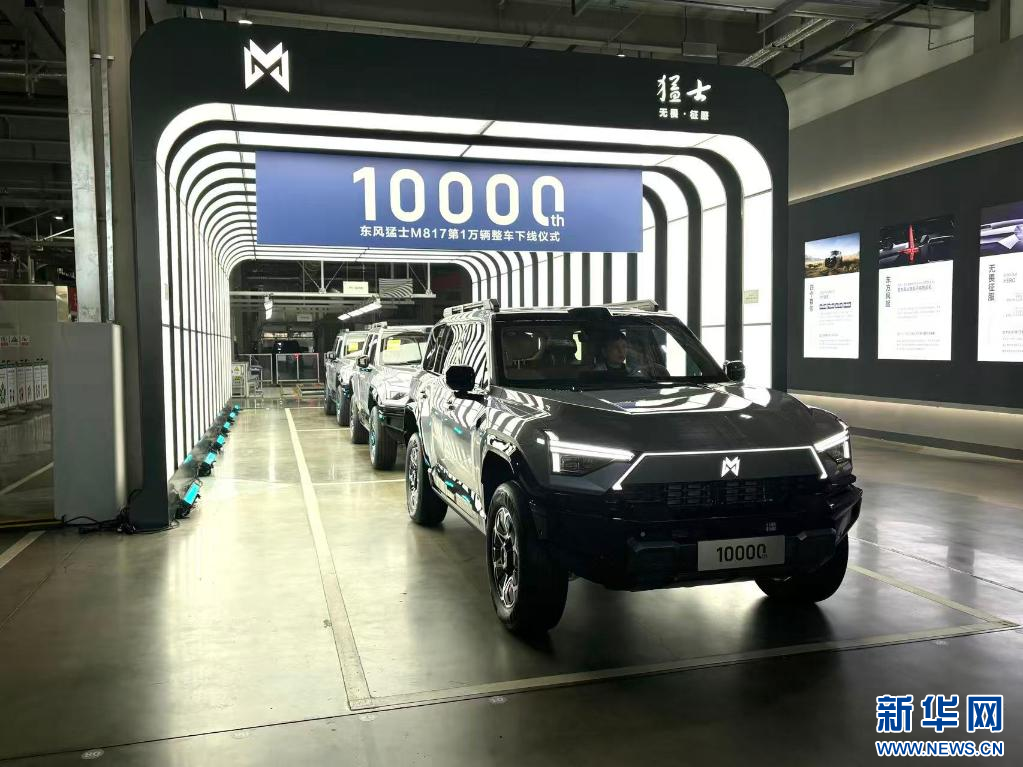
Core Viewpoint - Dongfeng Motor has achieved its goal of selling 1 million new energy vehicles by 2025, marking significant progress in the transformation of the automotive industry towards new energy and intelligent connectivity in Wuhan, Hubei [1][2] Group 1: Company Achievements - The first 10,000 units of the new energy off-road vehicle, Mengshi M817, have rolled off the production line, indicating increasing market recognition for the Mengshi brand [2] - Dongfeng Motor's new energy vehicle sales are projected to exceed 1 million units in 2025, representing a year-on-year growth of 22% [2] - The company has established a diverse new energy brand matrix, including multiple sub-brands such as Lantu, Mengshi, Yipai, and Namo, covering high-end, mainstream, and economical vehicle markets [1] Group 2: Market Performance - Sales of Mengshi are expected to grow nearly threefold, while Lantu's sales are anticipated to double, with new energy and self-owned brands being the main drivers of sales growth [2] - Self-owned brand sales are projected to surpass 1.5 million units, with a year-on-year increase of 12%, accounting for 63% of total sales [2] Group 3: Industry Context - Dongfeng Motor is one of China's three major state-owned automotive groups, with a history dating back to 1969, and has production bases in multiple cities including Shiyan, Xiangyang, Wuhan, and Guangzhou [2] - The company is accelerating its transition towards electrification, connectivity, and intelligence in the automotive sector [2]


东海证券:11月挖掘机与装载机出口销量持续向好 全年工程机械行业持续复苏
Zhi Tong Cai Jing· 2025-12-26 06:13
Core Viewpoint - The engineering machinery industry in China is expected to continue its recovery throughout the year, driven by large-scale equipment renewal policies, real estate financial policies, and significant water conservancy projects. Domestic demand is rebounding, while companies are expanding their overseas presence and establishing local production capabilities, leading to increased market penetration [1]. Group 1: Excavator Sales - In November 2025, a total of 20,027 excavators were sold, representing a year-on-year increase of 13.9%, with domestic sales of 9,824 units (up 9.11%) and export sales of 10,185 units (up 18.8%) [1]. - From January to November 2025, a total of 212,162 excavators were sold, marking a 16.7% year-on-year increase, with domestic sales of 108,187 units (up 18.6%) and export sales of 103,975 units (up 14.9%) [1]. Group 2: Loader Sales - In November 2025, 11,419 loaders were sold, reflecting a year-on-year increase of 32.1%, with domestic sales of 5,671 units (up 29.4%) and export sales of 5,748 units (up 34.8%) [2]. - From January to November 2025, a total of 115,831 loaders were sold, showing a 17.2% year-on-year increase, with domestic sales of 61,039 units (up 22.5%) and export sales of 54,792 units (up 14.9%) [2]. Group 3: Domestic and International Market Trends - The domestic excavator market is experiencing a strong recovery, with a 16.7% year-on-year increase in sales from January to November 2025. The growth in November was 9.11%, influenced by high sales figures in the previous year and seasonal weather impacts [3]. - The export of excavators has also shown positive trends, with a 14.9% year-on-year increase from January to November 2025, and an 18.8% increase in November alone. The total export value of engineering machinery reached $48.526 billion from January to October 2025, up 12% year-on-year [4]. Group 4: Electric Loader Sales - In November 2025, 2,935 electric loaders were sold, achieving a penetration rate of 25.70%. The growth in electric loader sales is attributed to expanding applications and market recognition of their economic benefits [5]. Group 5: Company Developments - SANY Group's South Africa industrial park was completed in November 2025, which will produce 1,000 excavators annually and enhance the company's global presence. SANY has already sold over $3 billion worth of equipment in Africa, establishing a comprehensive service network across the continent [6].
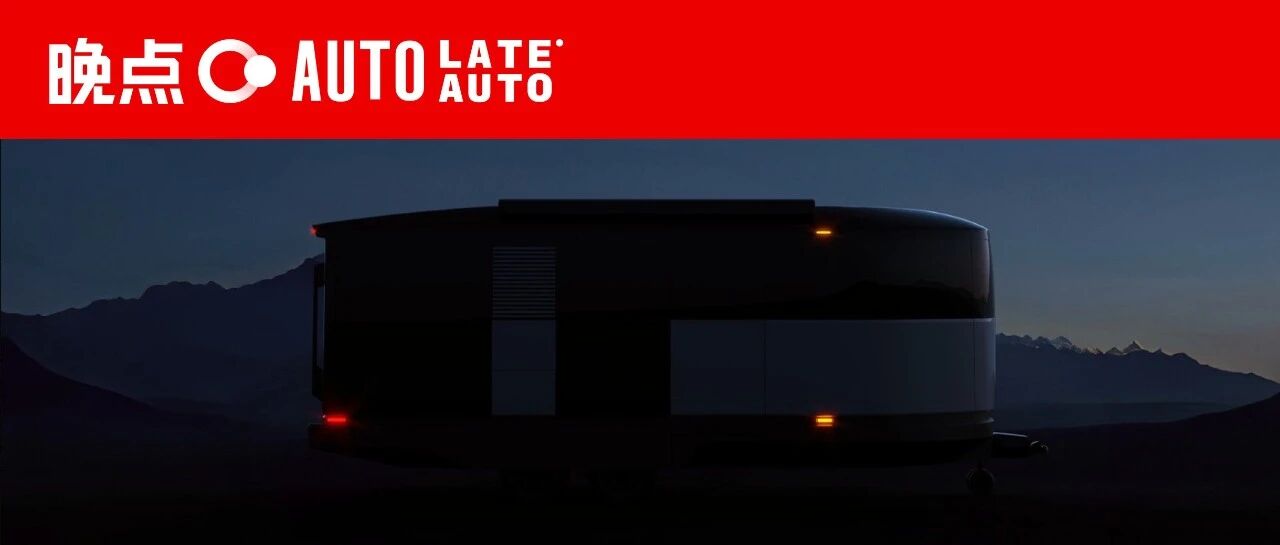
独家丨智能房车 KEPLO 完成 4500 万天使轮融资,团队成员多来自理想汽车
晚点Auto· 2025-12-26 02:54
Core Viewpoint - KEPLO aims to become the "Model 3 of the RV industry" by entering the mass market with its innovative range-extended trailers designed for the North American market [2][3]. Group 1: Company Overview - KEPLO, founded in 2023, has recently completed an angel financing round of 45 million RMB, backed by well-known investment institutions and family offices [3]. - The company's first product is a range-extended trailer RV, currently in mass production testing and market validation, with plans to launch and start pre-sales soon, aiming for official deliveries in the U.S. by Q3 2026 [3]. Group 2: Team Background - The founder, Lü Jiangtao, has a strong background in the automotive industry, having worked with Volkswagen, Daimler, and Li Auto, where he was responsible for overseas markets [5]. - The KEPLO team consists mainly of members from Li Auto, who were involved in the company's early development stages, as well as experienced executives and engineers from American RV companies like Airstream and Thor Industries [5]. Group 3: Market Opportunity - The U.S. RV market has a significant potential, with approximately 10 million RVs in use and an annual market size of about 30 billion USD (approximately 217.6 billion RMB) [6]. - Traditional RVs in the U.S. have not seen significant innovation, and the emerging electric RV companies face challenges due to local supply chain limitations and high costs [6]. Group 4: Product and Technology - KEPLO's range-extended technology aims to alleviate users' concerns about mileage and charging, particularly in remote areas where energy needs are critical [5][6]. - The company plans to price its first product around 80,000 USD, with a product line covering a range from 40,000 to 100,000 USD, leveraging China's rich supply chain and experience in electric vehicles [7].