
产业协同

Search documents
京津冀迈向世界级城市群还有多远
21世纪经济报道· 2025-11-07 07:41
Core Viewpoint - The article emphasizes the importance of transportation integration and industrial collaboration in the Beijing-Tianjin-Hebei (Jing-Jin-Ji) region, highlighting the region's potential to become a world-class urban agglomeration through effective synergy between innovation and manufacturing [1][2][19]. Transportation Integration - The transportation integration in the Jing-Jin-Ji region has significantly improved over the past decade, with high-speed rail coverage reaching 2,624 kilometers by the end of 2023, enabling half-hour access between Beijing and Xiong'an, and one-hour access to neighboring cities [5][9]. - The opening of new high-speed rail lines and improved highway access has made travel from Beijing to cities like Hejian much more convenient, reducing travel time to approximately one hour [4][6]. Industrial Collaboration - Industrial collaboration is identified as a key focus for the Jing-Jin-Ji region, with the aim of leveraging Beijing's technological innovation and the manufacturing capabilities of Tianjin and Hebei [2][10]. - The article notes that the automotive industry in the region has seen significant growth, with local sourcing rates for parts reaching 22% for companies like Xiaomi, and the total output value of the automotive industry in the region exceeding 840 billion yuan [14][18]. Tourism Development - The rise in tourism in Hebei is attributed to improved transportation infrastructure, with increased visitor numbers to destinations like Beidaihe and Chongli, driven by the convenience of travel from Beijing [8][11]. - Local officials express the need for more industrial development beyond tourism, indicating that while tourism brings people, it has limited economic impact [11][13]. Challenges in Collaboration - Despite progress, there are challenges in achieving effective industrial collaboration, particularly in aligning Beijing's innovation capabilities with the manufacturing needs of Tianjin and Hebei [20][22]. - The article highlights a disparity in industrial strengths, with Beijing focusing on high-tech and services, while Hebei remains reliant on traditional manufacturing, indicating a need for better integration and resource sharing [22][23]. Future Prospects - The article suggests that with continued efforts in infrastructure development and industrial synergy, the Jing-Jin-Ji region has the potential to evolve into a world-class urban cluster, particularly in the context of the ongoing AI-driven industrial revolution [25][26].

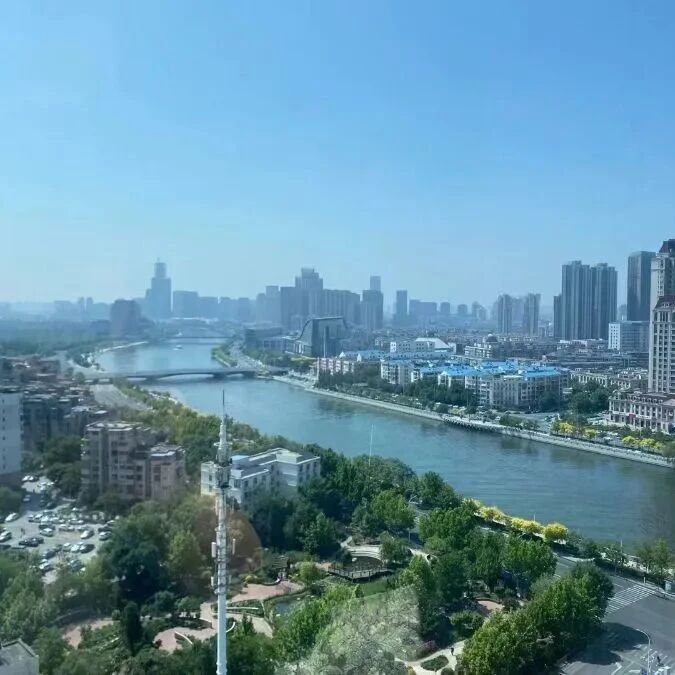
京津冀迈向世界级城市群还有多远
2 1 Shi Ji Jing Ji Bao Dao· 2025-11-07 05:06
21世纪经济报道记者周慧 北京报道 "这么近,那么美,周末到河北",这是河北近年最成功的一句文旅推介语,目标受众核心人群是北京游 客。 2025年9月份发布的《中共中央、国务院关于推动城市高质量发展的意见》明确提出,支持京津冀、长 三角、粤港澳大湾区城市群打造世界级城市群。 京津冀协同发展11年来,特别是"十四五"以来,区域整体实力持续提升,2024年区域经济总量达到11.5 万亿元,雄安新区建设取得阶段性成果,北京城市副中心发展步伐加快,"轨道上的京津冀"加速形成。 京津冀的发展,是城市群支撑区域经济协调发展的一个缩影。 在21世纪经济报道记者采访的三地政府人士看来,产业协同是三地最关注的,也是最难的,目前已经取 得了一些阶段性的成效,不过北京科创优势和津冀的协同还存在耦合度不够的问题。 受访者认为,三地产业协同,将是京津冀打造世界级城市群的重要抓手。 北京作为原始创新策源地,如果能跟京津冀的高端制造业的崛起形成联动效应,中国华北地区将有望崛 起一个世界级的城市群。 交通大变迁 河北省沧州市河间市公务员李乐(化名)告诉21世纪经济报道记者,明年从北京到河间就可以乘高铁 了。2016年,记者随北京大学新结构经 ...
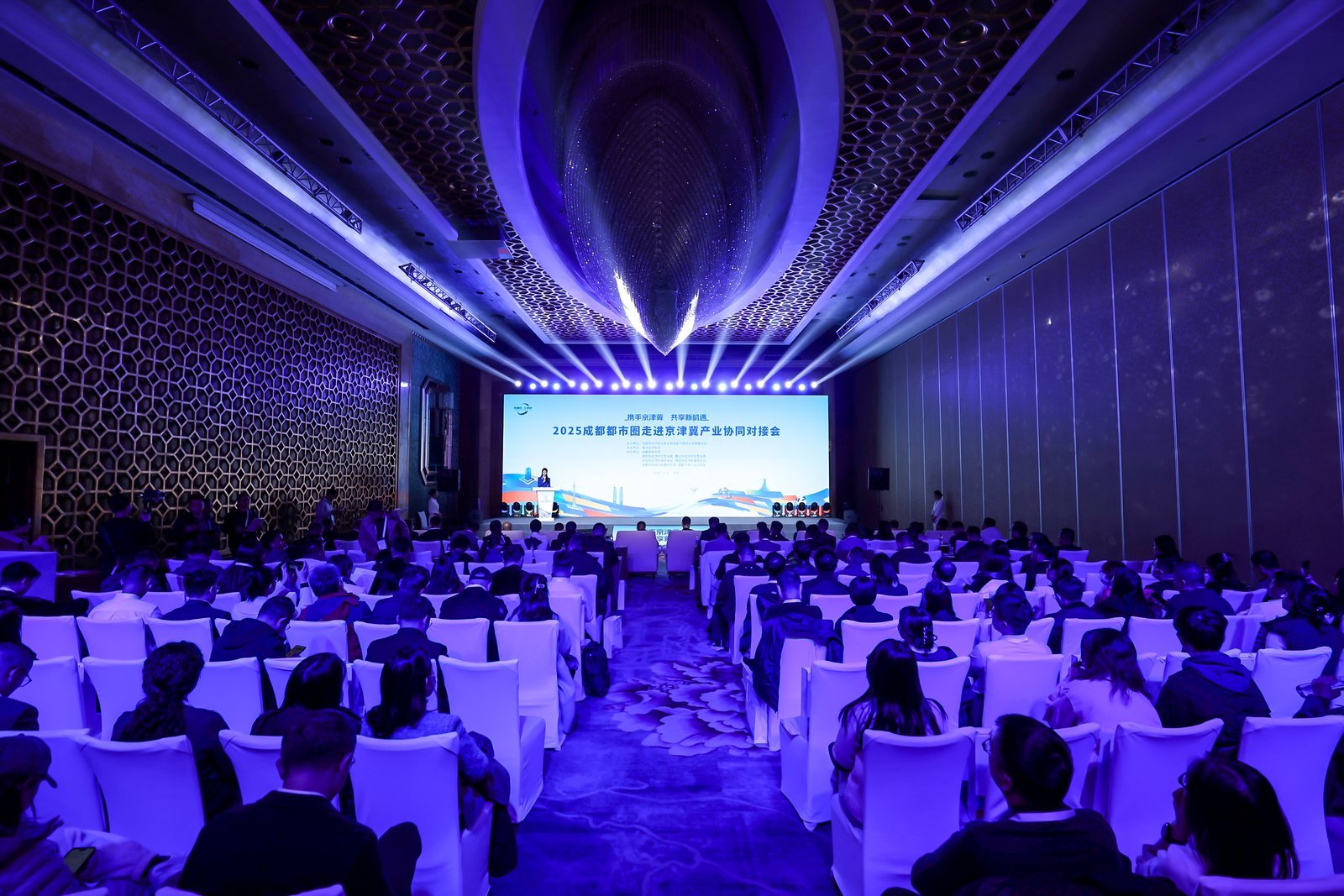
2025成都都市圈走进京津冀产业协同对接会在京举行,签约项目意向投资金额10亿元
Mei Ri Jing Ji Xin Wen· 2025-11-06 14:55
Core Viewpoint - The Chengdu metropolitan area is actively promoting its industrial strengths and expanding its market reach through strategic collaborations with the Beijing-Tianjin-Hebei region, aiming to enhance the visibility and competitiveness of "Chengdu-made" products on a national and global scale [1][2][4]. Group 1: Event Overview - The "2025 Chengdu Metropolitan Area Goes to Beijing-Tianjin-Hebei Industrial Coordination Meeting" was successfully held, focusing on industries such as electronic information, artificial intelligence, and robotics [1]. - The event gathered over 200 representatives from government departments, industry associations, and leading enterprises to facilitate trade negotiations and project collaborations [1][2]. - A total of 10 billion yuan in intended investments was reported from various signed projects, covering areas like smart warehousing and green energy [1][18]. Group 2: Industrial Strengths and Collaborations - The Chengdu metropolitan area has established 18 national-level industrial clusters and has seen the combined output of key industrial chains exceed 1.2 trillion yuan [2]. - The event aimed to bridge supply and demand, allowing more "Chengdu-made" products to enter broader markets, thereby supporting the development of a national advanced manufacturing base [2][4]. - Chengdu's manufacturing sector is characterized by a solid industrial foundation and a robust innovation ecosystem, which was highlighted during the event [6]. Group 3: Project Signings and Future Plans - Multiple industrial projects were signed during the meeting, including smart warehousing and low-altitude economy initiatives, with a total intended signing amount of 10 billion yuan [18]. - The event introduced a full-process digital service to enhance the efficiency of negotiations and connections between enterprises [20]. - Future activities are planned in cities like Changsha and Shanghai, focusing on key industries such as information technology and intelligent manufacturing [20].
国联集团生态联盟正式启动
Zheng Quan Shi Bao Wang· 2025-11-06 09:49
Core Viewpoint - The Wuxi Guolian Group has officially launched the Guolian Group Ecological Alliance, aiming to create a collaborative ecosystem driven by capital, industry synergy, and service empowerment, involving major companies and institutions like Huawei and AstraZeneca [1] Investment and Projects - In 2025, Guolian Group completed 394 investment projects with a total investment scale of 62 billion yuan, focusing on sectors such as biomedicine, integrated circuits, advanced manufacturing, dual carbon energy saving, and artificial intelligence [1] - The group established 89 new funds with a total scale of 34.2 billion yuan and attracted 28 projects to settle in Wuxi, with a total investment scale of 17.8 billion yuan [1]
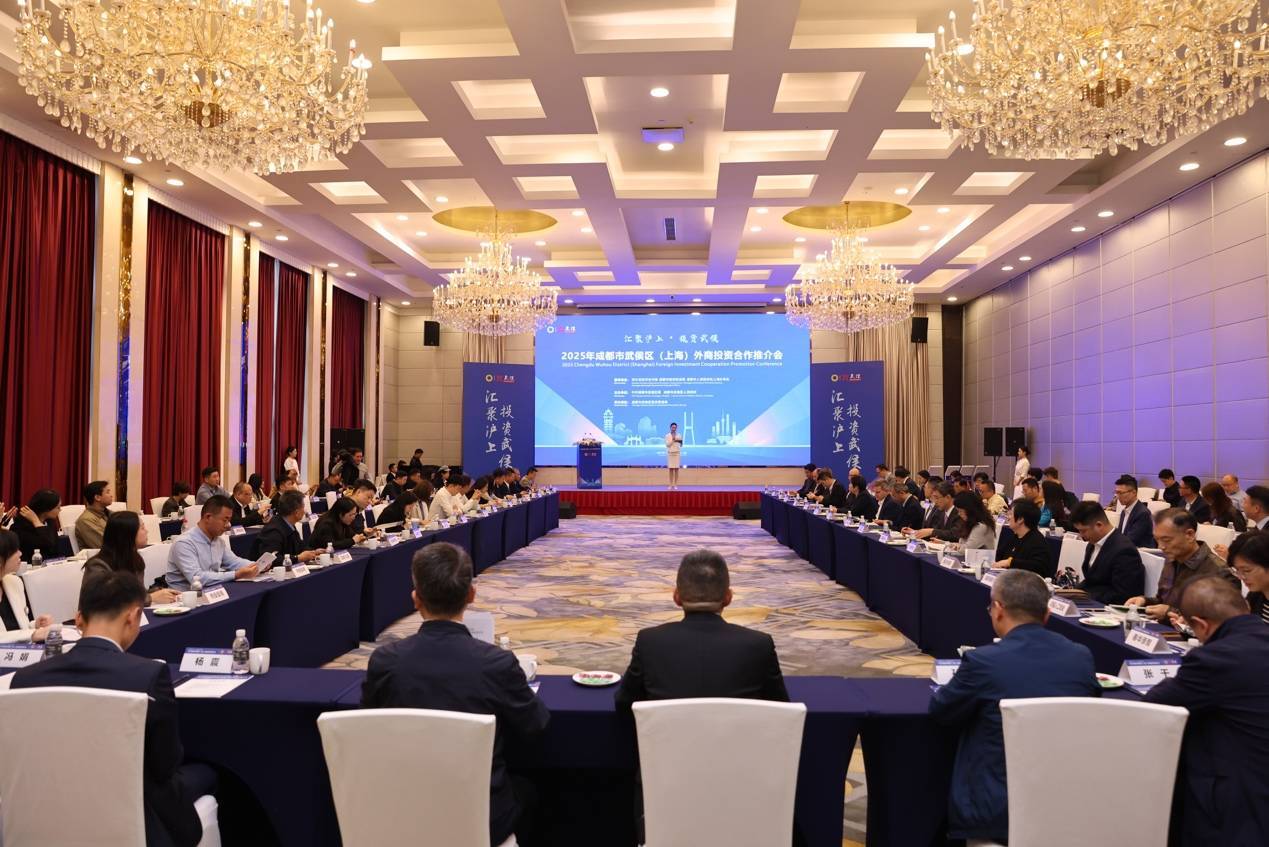
汇聚沪上,投资武侯!武侯区在沪向全球投资者发出“邀请函”
Sou Hu Cai Jing· 2025-11-06 03:31
Core Viewpoint - The "Investment in Wuhou" promotion event held in Shanghai aims to attract foreign investment by showcasing Wuhou District's industrial strength, business environment, and development opportunities, leveraging the platform of the China International Import Expo [1][3]. Group 1: Event Overview - The event attracted over 90 foreign enterprises and associations from the Yangtze River Delta, focusing on sectors such as artificial intelligence, healthcare, finance, new energy, and new materials [1]. - The promotion included signing cooperation agreements and dialogues between government and enterprises, emphasizing Wuhou District's role as a highland for inland openness [1][4]. Group 2: Wuhou District Profile - Wuhou District, with an area of 75.36 square kilometers and a population of approximately 1.22 million, is recognized as a "High-tech Cultural Zone" by the State Council [3]. - The district hosts over 41,000 market entities, 141 Fortune Global 500 companies, and more than 1,000 foreign-invested enterprises, projecting a GDP of 158.5 billion yuan in 2024 [3]. Group 3: Investment Environment - Wuhou District introduced the "Investment Resource Handbook," featuring 37 premium land plots totaling about 1,800 acres, which garnered significant interest from enterprises [5]. - The district's "80 New Industry Policies" cover various aspects such as incentives for enterprise settlement, R&D subsidies, talent housing, and financing support [5]. Group 4: Industry Focus and Collaboration - The district is strategically targeting foreign investments in cutting-edge industries like artificial intelligence and high-end medical treatment, providing clear investment value assessments [7]. - The event also highlighted the collaboration between Wuhou District and neighboring Meishan's Dongpo District, aiming for resource sharing and industrial synergy [8]. Group 5: Government-Enterprise Interaction - The "Investment Gaiwan Tea" series of meetings facilitate ongoing communication between government and enterprises, focusing on topics like industrial cooperation and policy support [12]. - Feedback from foreign enterprises regarding their needs will help optimize the business environment and refine industrial policies in Wuhou District [14].
“无废园区”怎么建?这四个着力点要抓好
Zhong Guo Huan Jing Bao· 2025-11-04 00:28
Core Concept - The "Zero Waste Park" is a cellular engineering model of the "Zero Waste City," aimed at efficient waste management through source reduction, resource utilization, and harmless disposal, promoting a harmonious coexistence between humans and nature [1] Group 1: Source Reduction - Source reduction is the foundational project for building "Zero Waste Parks," with significant progress in the green and low-carbon transformation of industries, yet still in a critical upgrading phase [2] - Emphasis on technological innovation to empower source reduction, including increased investment in clean production technology and support for green upgrades in production processes [2] - Encouragement for enterprises to explore green alternatives for raw materials and establish a refined, green production management system to minimize waste generation [2] Group 2: Industrial Collaboration - The need to break down industry barriers for waste utilization, allowing waste from one enterprise to become raw materials for another, thus achieving resource circulation [3] - Integration of the zero waste concept into overall park development planning, focusing on industrial positioning and attracting complementary waste utilization enterprises [3] - Promotion of collaboration among upstream and downstream enterprises to form a circular economy industrial chain through resource sharing and mutual advantages [3] Group 3: Hazardous Waste Management - Improvement of hazardous waste management measures, including pilot programs for point-to-point disposal exemptions within designated industrial park areas [4] - Encouragement for regional enterprises to innovate in hazardous waste utilization and disposal methods, fostering collaborative utilization and disposal facilities [4] - Establishment of cooperative mechanisms among different industries to enhance collaboration and reduce marginal costs of waste treatment [4] Group 4: Smart Regulation - Addressing waste management challenges, particularly for small and medium-sized enterprises, through the use of information technology and smart regulation [5] - Development of an integrated intelligent regulatory platform for real-time monitoring of waste types, quantities, and flows, ensuring effective pollution control [5][6] - Implementation of dynamic monitoring and early warning mechanisms for waste generation and disposal rates, enhancing regulatory foresight and adaptability [6] Group 5: Cultural Development - Establishment of a governance framework involving party leadership, park management, enterprise participation, and social involvement to cultivate a "zero waste culture" [7] - Encouragement for leading enterprises to take the initiative in zero waste construction, promoting gradual development through demonstration [7] - Engagement of educational institutions and environmental organizations to provide tailored zero waste transformation solutions, reducing costs and improving efficiency [7]
平煤股份(601666):公司信息更新报告:煤价下跌致业绩承压,集团重组打开成长空间
KAIYUAN SECURITIES· 2025-10-31 14:21
Investment Rating - The investment rating for Pingmei Shenma Group Co., Ltd. is "Buy" (maintained) [1] Core Views - The company's performance is under pressure due to a significant decline in coal prices, but the strategic restructuring of the group opens up new growth opportunities [4][6] - For the first three quarters of 2025, the company reported a revenue of 14.816 billion yuan, a year-on-year decrease of 36.46%, and a net profit attributable to shareholders of 280 million yuan, down 86.32% year-on-year [4] - The company is expected to maintain its profit forecast, with net profits projected at 620 million yuan, 1.21 billion yuan, and 1.52 billion yuan for 2025, 2026, and 2027 respectively, reflecting a year-on-year change of -73.8%, +96.3%, and +25.3% [4] Financial Performance Summary - In Q3 2025, the company achieved a revenue of 4.696 billion yuan, a slight decrease of 0.51% quarter-on-quarter, and a net profit of 22 million yuan, down 79.45% quarter-on-quarter [4][5] - The company's operating costs in Q3 were approximately 4.618 billion yuan, slightly lower than the revenue, indicating a near breakeven point in gross profit [5] - As of the end of Q3, inventory increased by 135.08% compared to the beginning of the year, reaching 1.301 billion yuan, primarily due to a slowdown in sales during the first half of the year [5] Strategic Restructuring and Cost Management - The strategic restructuring announced on September 25, 2025, between the controlling shareholder and Henan Energy Group is expected to enhance resource acquisition and industry synergy, benefiting the company as a core coal business platform [6] - The company has made significant progress in cost control, with coal production costs reduced to approximately 620 yuan per ton in the first half of 2025, with expectations to drop below 600 yuan in the second half [6] - Management expenses decreased significantly by 58.2% year-on-year in the first three quarters, providing crucial support for profits [6] Growth Prospects and Shareholder Returns - The company's projects in Xinjiang are progressing steadily, with the Sijia Tree coal mine contributing over 11 million yuan in profits in the first half of 2025 [6] - The company is committed to returning value to shareholders, with a share buyback program resulting in 1.3 billion yuan in treasury stock by the end of Q3, and a commitment to maintain a 60% cash dividend payout ratio from 2023 to 2025 [6]

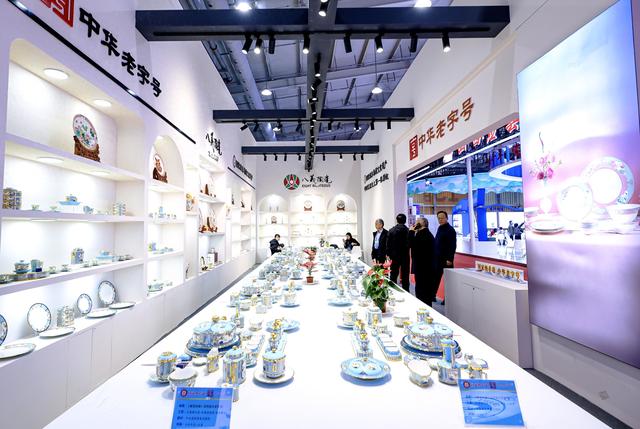
2025中国(北京)国际精品陶瓷博览会首钢启幕
Bei Jing Ri Bao Ke Hu Duan· 2025-10-31 03:01
Core Viewpoint - The 2025 China (Beijing) International Boutique Ceramics Expo has opened, themed "Exquisite Porcelain and Beautiful Ceramics, Celebrating a Prosperous Era," showcasing domestic and international ceramic products and industry strengths, creating a platform for deep dialogue between tradition and future, art and technology [1][3]. Group 1 - The expo is guided by the China National Light Industry Council and hosted by the China Ceramic Industry Association, featuring two new thematic exhibitions on smart bathrooms and architectural ceramics, as well as special ceramics across various categories including daily-use art porcelain and high-end functional porcelain [3]. - Key ceramic-producing regions in China, such as Shandong, Shanxi, and Zhuzhou in Hunan, along with international brands like Japan's Noritake, are participating in the expo to showcase the achievements of the ceramic industry's development towards "high-end, intelligent, and green" [3]. - A "New Year Ceramic Gift Package" was launched during the opening ceremony, designed by Jingdezhen Ceramic University and produced by national brand enterprises, with a limited edition of 100,000 sets [3]. Group 2 - The expo will host over ten activities, including a forum on high-quality development in the ceramic industry, international ceramic art exchanges, a children's ceramic expo, and live-streaming sales, alongside immersive experiences such as science exhibitions, tasting events, and interactive learning [3]. - The event serves as a "concentrated review platform" for the achievements of the ceramic industry, promoting mutual learning of Chinese and foreign ceramic cultures and industrial collaboration, injecting new momentum into the high-quality development of the industry [3].
京津冀产业协同动能澎湃
Bei Jing Ri Bao Ke Hu Duan· 2025-10-30 22:19
Group 1 - The total value of technology contracts from Beijing to Tianjin and Hebei has reached 230.87 billion, nearly double that of the previous five-year period [2] - The three regions have collaboratively developed six key industrial chains, including new energy vehicles and robotics, enhancing industrial synergy [2] - The integration of innovation and industrial chains is deepening, creating robust industrial collaboration [2] Group 2 - The automatic tofu bottle-filling robot developed by Tangshan Siwei Intelligent Technology Co., Ltd. can fill 4,800 pieces of tofu in one hour, equivalent to the work of two skilled workers [3] - The robot is designed to handle the unique bottle shape and ensure the tofu's integrity during the filling process, addressing long-standing production challenges faced by traditional food companies [3][4] - The first prototype of the tofu filling robot has passed inspection and has received multiple patents, showcasing its potential for broader application in the condiment industry [4] Group 3 - Beijing Rimate Medical Technology Co., Ltd. has successfully developed high-performance turbine fans for home ventilators, breaking international technology monopolies and filling domestic gaps [5] - The company has sold over 3 million home ventilators, demonstrating significant market penetration and technological advancement [5] - A joint project on non-invasive respiratory systems has been awarded a first-class science and technology progress award by Tianjin Science and Technology Bureau [5] Group 4 - The collaboration between Hebei and Beijing has led to the establishment of three research bases for quinoa seed breeding, significantly improving crop yields and resilience [6] - The new quinoa variety "Bali 2" has shown a yield increase of 30% compared to traditional varieties, reflecting successful agricultural innovation [6][7] - The direct supply chain from production in Hebei to markets in Beijing has been established, enhancing the economic viability of quinoa farming [7] Group 5 - The "14th Five-Year Plan" has seen significant achievements in the coordinated development of the Beijing-Tianjin-Hebei region, with major infrastructure improvements and industrial collaborations [8] - The region's highway network has expanded to over 11,000 kilometers, significantly enhancing connectivity [8] - The Xiong'an New Area has attracted over 1 trillion in investments, with an annual growth rate of 19.8%, indicating rapid urban development [9]

年内A股并购重组超200起资本赋能产业“加速跑”
Zheng Quan Shi Bao· 2025-10-30 19:16
Core Insights - Since 2025, China's capital market has seen a surge in mergers and acquisitions (M&A), driven by favorable policies and capital empowering industrial transformation [1][2] - A total of 222 M&A transactions have been disclosed in the A-share market as of October 30, 2025, involving 244 listed companies, with over 100 events reported in October alone [1] - The focus of these M&A activities is on "industry orientation," with significant horizontal and vertical integrations aimed at enhancing competitiveness and expanding growth opportunities [1][3] M&A Activity Overview - There are currently 120 ongoing M&A transactions, with 54 completed deals amounting to over 370 billion yuan, and 48 cases officially terminated [2] - Private enterprises dominate the M&A landscape with 147 participants, followed by local state-owned enterprises (59) and central state-owned enterprises (25), particularly in key sectors like semiconductors and high-end manufacturing [2] Notable M&A Cases - Major industry-impacting M&A cases include China Shenhua's integration of 13 energy companies, Guotai Junan's merger with Haitong Securities, and Fulin Precision's joint investment with CATL in a subsidiary [2] - The "A-controlled A" M&A cases are becoming more frequent, indicating a shift from fragmented competition to concentrated development within industries [3] Market Transformation - The Chinese M&A market is entering a significant transformation phase, characterized by efficient review mechanisms and diverse payment methods that enhance operational flexibility [3] - The focus is shifting from scale growth to quality optimization and from short-term financial investments to long-term industrial collaboration, highlighting the role of M&A in driving economic transformation [3]