关税战

Search documents
特朗普加征100%关税,中国不怕打关税战,美国放狠话后底气不足
Sou Hu Cai Jing· 2025-10-12 08:37
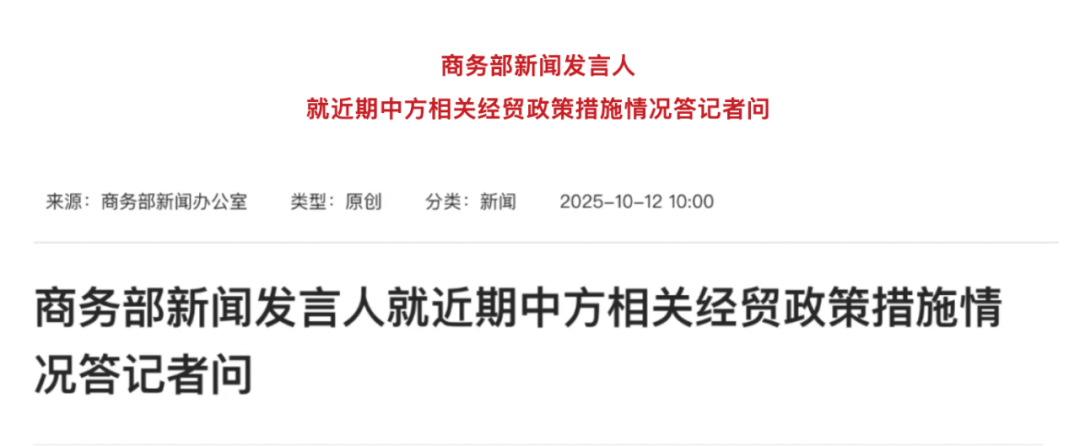
把整个声明通篇看下来,我国商务部的回应可谓是有理有据。 对于特朗普宣布将对中国加征100%的额外关税,中方已明确做出回应;同一时间,美国贸易代表也放 出狠话,宣称美国已经准备好与中国打贸易战,但语气却没那么坚定。 针对近期中美在经贸领域产生的纷争,10月12日我国商务部集中进行了回应。 我们都知道,自中美在马德里会谈以来,美国虽然口头上承诺履行两国达成的共识,但私底下在经贸问 题上的小动作不断,比如扩大对华出口管制清单,对中国海事、造船和物流业发起301调查,对半导体 设备、芯片等产品实施长臂管辖等等,充分暴露出美国毫无兑现承诺的诚意。 既然如此,中方采取相应的反制措施也是有理有据,包括但不限于加强对稀土及其技术设备的出口管 制、向美国船舶收取对等的入港费用,以及对美国芯片企业发起反垄断调查等等。 中国已经做好了回击美国的准备 特朗普这么折腾美国经济,明年中期选举不想要了? 在回答"美国将对中国加征100%关税"问题时,商务部明确表示,中方不愿打关税战,但也不怕打。美 方应尽快纠正错误做法,否则中方将采取相应措施,维护自身正当权益。 一个突出的反映,就是美国贸易代表格里尔对此事的回应:他虽然放狠话称美国已经准 ...

关税战下的美国:关税收入、实际税率与贸易格局演变
Yuekai Securities· 2025-10-12 06:54
Revenue and Tax Rate Insights - U.S. tariff revenue surged to $144.4 billion in the first eight months of 2025, 2.8 times higher than the same period last year, making it the fourth largest source of federal revenue at 4.0%[12] - The average tariff rate increased from 2.2% in January to 8.9% in June 2025, reflecting a significant rise driven by higher tariff rates[16] Trade Partner Analysis - The actual average tariff rate on imports from China reached 37.4% in June 2025, up 26.5 percentage points from January, with a peak of 45.6% in May[27] - U.S. imports from China fell by 18.9% and exports by 20.2% in the first seven months of 2025, indicating a significant decline in trade volume[28] Trade Dynamics - U.S. imports grew by 10.7% and exports by 4.8% year-on-year in the first seven months of 2025, while the trade deficit expanded by 21.3%[27] - The U.S. reliance on Chinese imports decreased, with imports from China constituting 9.4% of total U.S. imports, down 3.4 percentage points year-on-year[5] Product-Specific Tariff Changes - Tariff rates on labor-intensive goods, such as toys and shoes, increased significantly, with rates rising by 24.2 and 13.1 percentage points respectively[37] - The "232 tariffs" on steel and aluminum products saw rates increase from 25% to 50%, leading to substantial hikes in actual tariff rates for these categories[38]
关税引发波动,多家券商解读,股市大概率不会复刻4月冲击
财联社· 2025-10-12 05:59
Core Viewpoint - The article discusses the potential impact of Trump's renewed tariff threats on the stock and bond markets, suggesting that the current market reaction may not mirror the significant downturn experienced in April. Analysts from various securities firms express a cautious but optimistic outlook for equity assets, indicating that investors should wait for market stabilization before making adjustments to their positions [1][3][5]. Stock Market Analysis - Analysts believe that the stock market is unlikely to replicate the sharp declines seen in April due to differences in the current economic environment and market conditions. The sentiment shock from Trump's recent tariff threats is expected to be less severe, as China is better positioned to respond proactively [3][5]. - The market has experienced only "sentiment shocks" since April, and both equity and commodity markets are anticipated to reach new highs in the future [3]. - The focus remains on the upcoming negotiations between China and the U.S., particularly the outcomes of the APEC meeting in late October, which could influence market dynamics [5]. Bond Market Outlook - There is a potential for a short-term recovery in the bond market, with some analysts suggesting that the recent events may create trading opportunities. Investors are advised to consider adjusting their bond portfolios accordingly [2][6]. - Historical data indicates that previous tariff announcements led to significant declines in bond yields, suggesting that a similar pattern could emerge if market participants react with heightened risk aversion [7]. U.S.-China Trade Relations - The article highlights the escalation of U.S.-China tensions, particularly following the U.S. announcement of new tariffs and export controls targeting China. This includes a 100% tariff on certain goods and restrictions on key software exports [8][10]. - In response, China has implemented countermeasures, including stricter export controls on rare earth materials and increased fees for U.S.-owned vessels docking at Chinese ports [11][12]. - The ongoing trade conflict is characterized by a series of retaliatory measures, with both sides taking steps that could further complicate the economic landscape [9][13]. Market Reactions - Following Trump's tariff threats, U.S. stock indices experienced significant declines, with the Dow Jones dropping 1.9% and the Nasdaq falling 3.56%, marking the largest single-day drops since April [17][18]. - The volatility in the markets is reflected in the VIX index, which surged over 31%, indicating heightened investor anxiety regarding short-term risks [21].

周末打虎!韩占武任上被查
中国基金报· 2025-10-12 05:02
韩占武 资料图 来源: 中央纪委国家监委网站、长安街知事 据中央纪委国家监委网站10月12日消息, 国家烟草专卖局党组成员、副局长韩占武涉嫌严重违纪违法,目前正接受中央纪委国家监委纪律审查和 监察调查。 公开资料显示,韩占武出生于1966年10月,曾任中国机电设备招标中心主任、党委书记,工业和信息化部人事教育司司长,工业和信息化部办公厅主任等 职。 2020年4月,韩占武出任国家烟草专卖局副局长、党组成员,至此番任上被查。 值得一提的是,今年1月,国家烟草专卖局原党组成员、副局长张天峰涉嫌严重违纪违法被查,7月被开除党籍。 美 方 宣 布,针 对 中 方 采 取 的 稀 土 等 相 关 物 项 出 口 管 制,将 对 中 方 加 征 1 0 0 % 关 税,商 务 部:对 于 关 税 战,我 们 不 愿 打,但 也 不 怕 打 ...

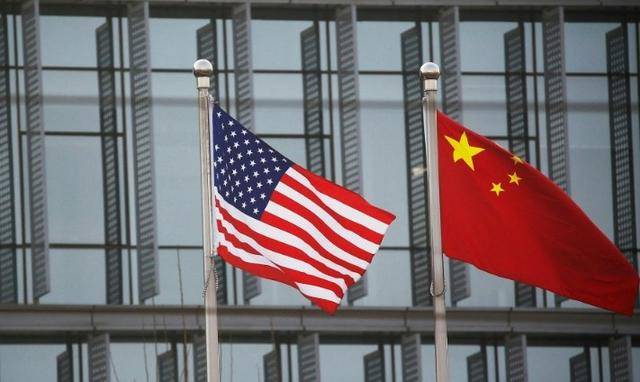
美国宣布将对中方加征100%关税!刚刚,商务部回应:对于关税战,中方不愿打,但也不怕打
Sou Hu Cai Jing· 2025-10-12 04:50
Group 1 - China has implemented export controls on rare earth materials, citing the importance of these materials in military applications and the need to maintain global peace and regional stability [2][3] - The export controls are not a ban; applications that meet regulations will be approved, and China aims to facilitate compliant trade through various measures [3] - The Chinese government has assessed the potential impact of these measures on supply chains and believes the effects will be limited [2][3] Group 2 - In response to China's export controls, the U.S. announced a 100% tariff on related items and export controls on key software, which China views as a double standard [3][4] - The U.S. has expanded its export control list significantly, with over 3,000 items compared to China's list of just over 900, which China argues disrupts international trade order [3][4] - China has expressed strong opposition to the U.S. actions, emphasizing the need for dialogue and cooperation to resolve trade disputes [4][5] Group 3 - The U.S. plans to impose port fees on Chinese vessels starting October 14, which China claims violates WTO rules and the U.S.-China maritime agreement [4][5] - China's countermeasures against the U.S. port fees are described as necessary defensive actions to protect its industries and ensure fair competition in international shipping [5]
最新!商务部就特朗普威胁关税加到100%给予回应
是说芯语· 2025-10-12 04:19
Core Viewpoint - The Chinese government has implemented export controls on rare earth materials to maintain national security and international stability, emphasizing that these measures are not a ban on exports but a regulated process to ensure compliance with legal frameworks [1][2]. Group 1: Export Control Measures - The export control measures on rare earth materials are a legitimate action by the Chinese government to enhance its export control system amid global instability and military conflicts [1]. - China will conduct licensing reviews based on legal regulations, ensuring that compliant applications for civilian use will be approved, thus promoting legitimate trade [2]. Group 2: Response to U.S. Actions - The U.S. has announced a 100% tariff on Chinese rare earth exports and export controls on key software, which China views as a double standard and an abuse of export control measures [3]. - China has expressed strong opposition to the U.S. imposing high tariffs and has reiterated its unwillingness to engage in a trade war, while also stating it will take necessary measures to protect its legitimate rights [3][4]. Group 3: Bilateral Relations and Negotiations - Following the recent U.S. measures, China has attempted to engage in dialogue and negotiations but has faced a dismissive attitude from the U.S., which has led to the implementation of countermeasures by China [4]. - China aims to maintain a stable and healthy development of Sino-U.S. economic relations through mutual respect and dialogue, urging the U.S. to correct its course [3][4].
美方称将对中方加征100%关税,商务部回应
中国能源报· 2025-10-12 03:29
Core Viewpoint - The Chinese government has implemented export controls on rare earth materials to maintain national security and international stability, emphasizing that these measures are not a ban on exports but a regulatory framework to ensure compliance with international obligations [2][3]. Group 1: Export Control Measures - The export control measures on rare earth materials are a legitimate action by the Chinese government to enhance its export control system amid global instability and military conflicts [2]. - China will conduct licensing reviews based on legal regulations, ensuring that compliant applications for civilian use will be approved, and will consider various facilitation measures to promote compliant trade [3]. Group 2: Response to U.S. Actions - In response to the U.S. announcement of a 100% tariff on Chinese rare earth exports and software export controls, China criticized the U.S. for its double standards and excessive use of export controls, which it claims harms legitimate business interests and disrupts international trade order [3][4]. - The U.S. has recently intensified its restrictions on Chinese entities, including adding multiple Chinese firms to export control lists, which China argues undermines the atmosphere for bilateral economic talks [4][5]. Group 3: Maritime and Shipping Measures - The U.S. plans to impose port fees on Chinese vessels starting October 14, which China views as a violation of WTO rules and a unilateral action that disrupts fair competition in international shipping [5][6]. - China has responded with countermeasures, including special port fees on U.S. vessels, as a necessary defensive action to protect its legitimate rights and interests in the shipping and shipbuilding sectors [6].

事关经贸措施!刚刚,商务部回应四大关切!
Zheng Quan Shi Bao Wang· 2025-10-12 02:59
Core Viewpoint - China has implemented export controls on rare earth materials to enhance its export control system, citing the importance of these materials in military applications and the need to maintain global peace and regional stability [1][2] Group 1: Export Control Measures - The export control measures are not a ban on exports; applications that meet regulations will be approved, and China aims to facilitate compliant trade through various measures [2] - Prior to the announcement, China communicated with relevant countries through bilateral export control dialogue mechanisms [1][2] Group 2: Response to U.S. Actions - In response to U.S. tariffs and export controls on Chinese entities, China criticized the U.S. for its "double standards" and excessive use of export controls, which it claims harms legitimate business interests and disrupts international trade order [2][3] - China has expressed its unwillingness to engage in a trade war but is prepared to respond if necessary, urging the U.S. to correct its actions and engage in dialogue [3][4] Group 3: Maritime and Shipping Measures - The U.S. plans to impose port fees on Chinese vessels starting October 14, which China views as a violation of WTO rules and a unilateral action [4] - In retaliation, China will implement special port fees on U.S. vessels as a necessary defensive measure to protect its industries and ensure fair competition in international shipping [4]
美方称将对中方加征100%关税,商务部回应
21世纪经济报道· 2025-10-12 02:44
Group 1 - China has implemented export controls on rare earth materials due to their significant military applications, aiming to maintain global peace and regional stability [1][2] - The export control measures are not a ban but a regulatory framework that allows for licenses for compliant applications, particularly for civilian use [2][3] - The U.S. has announced a 100% tariff on Chinese rare earth exports in response to China's measures, which China views as a double standard and a violation of fair trade principles [3][4] Group 2 - The U.S. has recently intensified restrictions on Chinese entities, impacting thousands of companies and undermining the atmosphere for bilateral trade talks [3] - China maintains a stance against tariff wars, emphasizing a preference for dialogue and negotiation to resolve trade disputes [4] - In response to U.S. port fees on Chinese vessels, China has announced countermeasures to protect its legitimate rights and maintain fair competition in international shipping [4]

“对于关税战,中方立场是一贯的,不愿打,但也不怕打”
第一财经· 2025-10-12 02:38
Core Viewpoint - The article discusses China's recent export control measures on rare earth materials, emphasizing the government's commitment to national security and international obligations while maintaining a willingness to engage in dialogue with other countries [2][3][4]. Group 1: Export Control Measures - China has implemented export control measures on rare earth materials as a legitimate action to enhance its export control system in response to global instability and military applications of these materials [2]. - The export control is not a ban; applications that meet regulations will be approved, and China aims to facilitate compliant trade through various measures [3]. - The government has conducted thorough assessments of the potential impacts on supply chains and believes these impacts will be minimal [3]. Group 2: U.S. Response and Trade Tensions - The U.S. announced a 100% tariff on Chinese rare earth exports and additional export controls on key software, which China views as a double standard and an abuse of export controls [4]. - Since the Madrid economic talks, the U.S. has introduced numerous restrictions against Chinese entities, significantly affecting thousands of Chinese companies [5]. - China opposes the U.S. actions, asserting that high tariffs are not the correct approach to bilateral relations and emphasizes the need for dialogue to resolve differences [6]. Group 3: Maritime and Shipping Issues - The U.S. plans to impose port fees on Chinese vessels starting October 14, which China claims violates WTO rules and the U.S.-China maritime agreement [4][7]. - In response, China has decided to impose special port fees on U.S. vessels as a necessary defensive measure to protect its legitimate rights and maintain fair competition in international shipping [7].