预制菜

Search documents
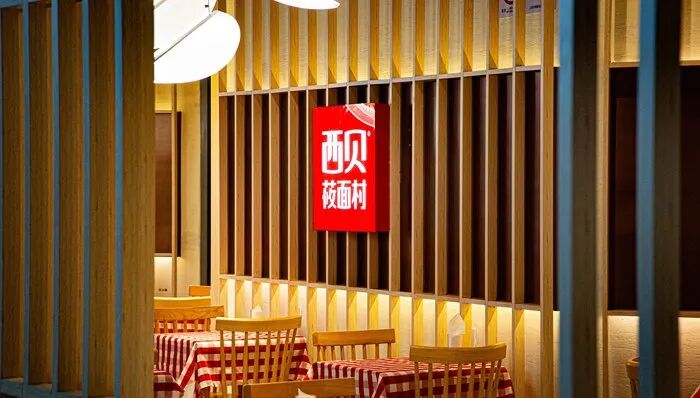
一个月闭店近10家,西贝工作人员回应
Xin Lang Cai Jing· 2025-11-10 04:51
Core Viewpoint - The company Xibei has faced significant challenges following a controversy regarding the use of pre-prepared dishes, leading to the closure of nearly 10 stores across multiple locations since October [2][4]. Group 1: Store Closures - Xibei has closed nearly 10 stores nationwide as part of a unified arrangement, with specific reasons not disclosed beyond what is stated on the store notices [2]. - Recent closures include locations in Suzhou, Yiwu, Beijing, Shantou, and Nanjing, among others [4]. Group 2: Controversy and Public Response - The controversy began on September 10 when a public figure criticized Xibei for serving pre-prepared dishes, which led to a significant impact on the company's reputation [4]. - Xibei's CEO responded by denying the use of pre-prepared dishes and announced plans to make the menu available for public scrutiny [4]. - Following the backlash, Xibei acknowledged a gap between its production methods and customer expectations, leading to an apology and a commitment to improve food preparation practices [5]. Group 3: Financial Impact - The controversy resulted in a significant drop in daily revenue, with losses of approximately 1 million yuan on September 10 and 11, and an estimated loss of 2 to 3 million yuan on September 12 [5]. - In response to the declining customer traffic, Xibei implemented strategies such as introducing new dishes, lowering prices, and offering discounts, which eventually led to a resurgence in customer interest [5].

国联水产涨2.24%,成交额7099.28万元,主力资金净流入73.41万元
Xin Lang Cai Jing· 2025-11-10 03:11
Core Points - The stock price of Guolian Aquatic has increased by 2.24% as of November 10, reaching 3.65 CNY per share, with a total market capitalization of 4.118 billion CNY [1] - The company has experienced a year-to-date stock price decline of 3.69%, with a recent 5-day increase of 2.24% and a 60-day decline of 10.10% [1] - Guolian Aquatic's main business includes shrimp and tilapia seedling production, aquatic feed, and both primary and deep-processed aquatic products, with 97.65% of revenue coming from aquatic food [2] Financial Performance - For the period from January to September 2025, Guolian Aquatic reported a revenue of 2.582 billion CNY, a year-on-year decrease of 14.29%, and a net profit attributable to shareholders of -800 million CNY, a significant decline of 905.30% [2] - The company has not distributed any dividends in the last three years, with a total payout of 81.2463 million CNY since its A-share listing [3] Shareholder Information - As of September 30, Guolian Aquatic had 52,800 shareholders, a decrease of 7.12% from the previous period, with an average of 20,953 circulating shares per shareholder, an increase of 7.66% [2]

步步高涨2.14%,成交额2.62亿元,主力资金净流入764.09万元
Xin Lang Cai Jing· 2025-11-10 03:02
Core Viewpoint - The stock of Bubugao has shown a mixed performance in recent trading, with a year-to-date increase of 33.16% but a recent decline over the past 20 days [1][2] Financial Performance - For the period from January to September 2025, Bubugao achieved a revenue of 3.201 billion yuan, representing a year-on-year growth of 26.45%. However, the net profit attributable to shareholders decreased by 88.83% to 226 million yuan [2] - The company has cumulatively distributed 1.677 billion yuan in dividends since its A-share listing, with no dividends distributed in the past three years [3] Stock Market Activity - As of November 10, Bubugao's stock price was 5.26 yuan per share, with a market capitalization of 14.143 billion yuan. The stock experienced a net inflow of 7.6409 million yuan from main funds [1] - The company has appeared on the "龙虎榜" (a stock trading list) 10 times this year, with the most recent appearance on September 9, where it recorded a net buy of -51.1528 million yuan [1] Shareholder Information - As of September 30, 2025, the number of shareholders increased by 95% to 172,500, while the average circulating shares per person decreased by 27.06% to 12,476 shares [2] - The Hong Kong Central Clearing Limited has exited the list of the top ten circulating shareholders [3] Business Overview - Bubugao operates primarily in the retail sector, with its main business segments being supermarkets (64.34%), other retail (27.44%), department stores (6.01%), and logistics and advertising (2.21%) [1][2]

安井食品涨2.02%,成交额2.45亿元,主力资金净流出105.64万元
Xin Lang Cai Jing· 2025-11-10 02:57
Core Viewpoint - Anjiu Food's stock price has shown fluctuations, with a recent increase of 2.02%, while the company faces a net outflow of funds and a decline in net profit year-on-year [1][3]. Company Overview - Anjiu Food Group Co., Ltd. is based in Xiamen, Fujian Province, and was established on December 24, 2001, with its listing date on February 22, 2017. The company specializes in the research, production, and sales of frozen foods, including products like fish tofu, fish balls, and various frozen dishes [2]. - The company's revenue composition includes 49.43% from frozen prepared foods, 31.77% from frozen dishes, 16.32% from frozen noodle and rice products, and 2.38% from agricultural products and others [2]. Financial Performance - As of September 30, 2025, Anjiu Food reported a revenue of 11.371 billion yuan, reflecting a year-on-year growth of 2.66%. However, the net profit attributable to shareholders decreased by 9.35% to 949 million yuan [3]. - The company has distributed a total of 3.219 billion yuan in dividends since its A-share listing, with 2.521 billion yuan distributed over the past three years [4]. Shareholder Information - As of September 30, 2025, the number of shareholders increased to 63,200, a rise of 78.56%, while the average circulating shares per person decreased by 43.98% to 4,641 shares [3]. - Among the top ten circulating shareholders, Hong Kong Central Clearing Limited holds 5.401 million shares, a decrease of 6.5391 million shares from the previous period [4].

金龙鱼涨2.00%,成交额1.68亿元,主力资金净流入304.93万元
Xin Lang Cai Jing· 2025-11-10 02:49
Core Viewpoint - The stock of Golden Dragon Fish has shown a slight increase recently, with a year-to-date decline of 1.20% but a positive trend over the last 60 days, indicating potential recovery in the market [1][2]. Company Overview - Golden Dragon Fish, officially known as Yihai Kerry Arawana Holdings Co., Ltd., was established on June 17, 2005, and listed on October 15, 2020. The company is located in the Shanghai Free Trade Zone and specializes in the research, production, and sales of kitchen foods, feed raw materials, and oil technology products [1]. - The main revenue composition of the company includes kitchen foods (61.85%), feed raw materials and oil technology (37.33%), and other sources (0.82%) [1]. Financial Performance - For the period from January to September 2025, Golden Dragon Fish achieved a revenue of 184.27 billion yuan, representing a year-on-year growth of 5.02%. The net profit attributable to shareholders was 2.749 billion yuan, showing a significant increase of 92.06% compared to the previous year [2]. - Since its A-share listing, the company has distributed a total of 2.64 billion yuan in dividends, with 1.621 billion yuan distributed over the last three years [2]. Shareholder Structure - As of September 30, 2025, the number of shareholders for Golden Dragon Fish reached 114,200, an increase of 1.02% from the previous period. The average number of circulating shares per shareholder decreased by 1.01% to 4,752 shares [2][3]. - The largest circulating shareholder is Hong Kong Central Clearing Limited, holding 25.3962 million shares, which is an increase of 330,800 shares from the previous period [3].
华天酒店涨2.08%,成交额2192.90万元,主力资金净流入162.17万元
Xin Lang Cai Jing· 2025-11-10 02:09
Core Viewpoint - Huatian Hotel's stock has shown a positive trend with a year-to-date increase of 7.19%, despite a decline in revenue and net profit for the first nine months of 2025 [1][2]. Financial Performance - As of September 30, 2025, Huatian Hotel reported a revenue of 398 million yuan, a year-on-year decrease of 12.52% [2]. - The net profit attributable to the parent company was -156 million yuan, reflecting a year-on-year decrease of 39.99% [2]. Stock Market Activity - On November 10, Huatian Hotel's stock price rose by 2.08% to 3.43 yuan per share, with a trading volume of 21.93 million yuan and a turnover rate of 0.64% [1]. - The stock has appeared on the "Dragon and Tiger List" three times this year, with the most recent appearance on September 23, where it recorded a net buy of 321,900 yuan [1]. Shareholder Information - As of September 30, 2025, the number of shareholders increased to 46,100, up by 1.95% from the previous period [2]. - The average circulating shares per person decreased by 1.91% to 22,114 shares [2]. Dividend History - Huatian Hotel has cumulatively distributed 328 million yuan in dividends since its A-share listing, with no dividends paid in the last three years [3]. Institutional Holdings - As of September 30, 2025, the third-largest circulating shareholder is the Fortune China Tourism Theme ETF, holding 10.44 million shares, an increase of 3.84 million shares from the previous period [3]. - The fifth-largest circulating shareholder is Jinyuan Shun'an Yuanqi Flexible Allocation Mixed Fund, holding 4.14 million shares, an increase of 636,300 shares from the previous period [3].

2025中国速冻食品行业现状与发展趋势报告
Sou Hu Cai Jing· 2025-11-09 20:51
Core Insights - The Chinese quick-frozen food industry is undergoing a structural transformation and sustained growth, driven by the "lazy economy," smaller family structures, the rise of restaurant chains, and the trend of prepared dishes. The market size is expected to approach 600 billion yuan in 2024, with a projected compound annual growth rate (CAGR) of 8%-10% over the next five years [11][12][13]. Industry Overview - The industry is characterized by significant differentiation, with traditional quick-frozen rice and noodle products stabilizing in growth, while quick-frozen hot pot ingredients and dishes (core forms of prepared dishes) are emerging as dual engines of growth. Quick-frozen dishes are experiencing explosive growth driven by cost reduction and efficiency demands in the B-end and convenience needs in the C-end [11][12][13]. Market Structure and Competition - The market competition exhibits a dual structure of "one strong player and many strong competitors" alongside a highly fragmented landscape. Anjuke Foods has become the industry leader due to its deep B-end layout and supply chain advantages, while Sanquan and Si Nian dominate the C-end rice and noodle market. Qianwei Central Kitchen focuses on serving large B-end clients, and the quick-frozen dishes sector remains primarily composed of regional small and medium enterprises, indicating significant consolidation potential [11][12][13]. Consumer Behavior Insights - The main consumer groups are Generation Z and emerging white-collar workers, with a focus on safety, taste, and health. Purchasing channels are shifting towards O2O instant retail, and social media has a significant influence on consumer choices [11][12][13]. Industry Challenges and Opportunities - The industry faces challenges such as high cold chain logistics costs, uneven development, food safety risks, product homogenization, and consumer stereotypes. However, the explosion of prepared dishes, the upgrade of restaurant chains, health-conscious consumption, and channel penetration present substantial opportunities [11][12][13]. Future Development Trends - The industry is expected to exhibit four major trends: product premiumization and health orientation, deep integration of prepared dishes, B/C channel collaboration and differentiation, and intelligent supply chain upgrades. Companies that can enhance supply chain efficiency, gain insights into C-end consumers, and balance B/C transformations will lead industry development [11][12][13].

餐饮供应链专题报告:经营拐点渐现,价值重估在即
CAITONG SECURITIES· 2025-11-08 14:30
Investment Rating - The report maintains a "Positive" investment rating for the food and beverage industry [1] Core Insights - Supply and demand are rebalancing, with capital expenditure peaks passing and demand gradually recovering under policy and consumption recovery [5][10] - New growth drivers are emerging through product innovation and channel expansion, breaking the price competition [5][36] - The industry logic is strengthening, with the standardization of prepared dishes and an increase in chain rates driving industry concentration [5][36] - Investment recommendations focus on the supply chain opportunities in the restaurant sector, highlighting major companies and smaller firms with growth potential [5][36] Summary by Sections Supply and Demand Rebalancing - Capital expenditure in the industry has significantly declined after 2023, with a focus on improving capacity utilization [5][10] - The price war is gradually coming to an end, and the third quarter of 2025 may mark an operational turning point for the industry [5][22] - Demand is stabilizing, with restaurant openings and closures balancing out, and consumption showing resilience during peak holiday periods [5][26][27] New Growth Drivers - Companies are shifting focus from price competition to product innovation and channel expansion, with retail trends becoming more pronounced [5][36] - Major companies are launching new products and optimizing channels to adapt to the changing market landscape [5][44] Strengthening Industry Logic - Recent regulatory developments in prepared dishes are expected to raise industry entry barriers, benefiting compliant leading companies [5][36] - The chain rate in the restaurant sector is projected to increase from 19% in 2021 to 23% in 2024, indicating a trend towards consolidation [5][36] Investment Recommendations - The report suggests focusing on major companies like Anjuke Food, Angel Yeast, and Haitian Flavoring, as well as smaller firms like Baoli Food and Lihigh Food for potential growth [5][36] - The overall market is expected to improve with a favorable chip structure and policy expectations [5][36]
嘉世咨询-2025速冻食品行业现状与发展趋势报告-251108
Xin Lang Cai Jing· 2025-11-08 06:30
Core Insights - The Chinese frozen food industry is undergoing a structural transformation while maintaining strong growth, driven by trends such as the "lazy economy," smaller family structures, increased restaurant chain rates, and the rise of prepared dishes [1] - The overall market size for frozen food (including B2B and B2C) is estimated to approach 600 billion RMB by 2024, with a projected compound annual growth rate of 8%-10% over the next five years [1] - Traditional frozen staple foods are stabilizing, while frozen hot pot ingredients and frozen dishes are emerging as key growth drivers, particularly in the context of cost reduction and convenience demands from both B2B and B2C sectors [1] Competitive Landscape - The industry exhibits a dual structure of "one strong leader and many strong players" alongside a "highly fragmented" market, with Anjuke Foods leading in market share due to its deep B2B channel presence and strong supply chain capabilities [2] - Sanquan Foods and Si Nian Foods hold traditional advantages in the B2C rice and noodle market while expanding into B2B and prepared dish sectors [2] - The overall market concentration (CR5) remains low, especially in the frozen dish segment, indicating significant potential for future industry consolidation [2] Challenges and Opportunities - Key challenges include high cold chain logistics costs, consumer perceptions of frozen food as "unhealthy," product homogeneity, and price wars [2] - Opportunities arise from the increasing standardization demand in B2B restaurant chains, consumer upgrades pushing for healthier and functional products, and the rise of new retail channels like O2O and community group buying reshaping distribution paths [2] Future Trends - The industry is expected to see four major trends: product structure becoming more premium and health-oriented, deep integration and explosive growth of prepared dishes from B2B to B2C, collaboration and refined division between B2B and B2C channels, and smart supply chain upgrades through automation and intelligent cold chain solutions [3] - Companies that successfully leverage the prepared dish opportunity, balance B2B and B2C development, and build efficient and flexible supply chains will thrive in this industry transformation [3]
2025中国速冻食品行业现状与发展趋势报告-MCR嘉世咨询
Sou Hu Cai Jing· 2025-11-08 01:08
Core Insights - The Chinese quick-frozen food industry is undergoing a structural transformation while maintaining continuous growth, with the market size approaching 600 billion RMB in 2024 and expected to grow at a compound annual growth rate (CAGR) of 8%-10% over the next five years [1][13][15] - The industry is characterized by a clear differentiation in product categories, with traditional quick-frozen rice and noodle products stabilizing in growth but still holding nearly 50% market share in the consumer segment [1][14] - Quick-frozen hot pot ingredients are experiencing rapid growth driven by the booming hot pot industry, while quick-frozen dishes (the core form of prepared dishes) are emerging as a key growth driver due to demand for convenience and cost efficiency in both B2B and B2C segments [1][14] Market Size and Structure - The overall market size of the quick-frozen food industry in China was approximately 420 billion RMB in 2018, growing to over 550 billion RMB by 2023, with projections nearing 600 billion RMB in 2024 [33][34] - The market growth is driven by both B2B and B2C structural demands, with B2B demand for standardized products in the restaurant sector being particularly strong [33][38] - The consumer segment is increasingly focused on convenience, with trends such as the "lazy economy" and smaller household sizes driving demand for quick-frozen foods [33][38] Industry Chain Analysis - Upstream raw materials account for 60%-70% of total costs, making price fluctuations a direct influence on company profits [2] - Midstream processing relies on automation, fresh-lock technology, and nationwide capacity layout as core competitive advantages [2] - Downstream cold chain logistics face challenges such as high costs and uneven development, but are improving with policy support and the rise of third-party logistics [2] Competitive Landscape - The market exhibits a "one strong, many strong" and highly fragmented structure, with Anjuke Foods leading the B2B channel and brands like Sanquan and Si Nian dominating the C2C rice and noodle market [2][14] - Core competitive barriers are concentrated in supply chain efficiency, channel coverage, and brand R&D capabilities, with new entrants and cross-industry players enriching the competitive landscape [2][14] Consumer Behavior Insights - The primary consumer demographic includes Generation Z and young professionals, with 1-2 person households being the main consumption unit [2] - Consumer motivations have shifted from mere sustenance to convenience, quality, and situational needs, with health consciousness and ingredient quality becoming significant purchasing factors [2] - O2O instant retail and community group buying have emerged as mainstream purchasing channels [2] Future Development Trends - The industry is expected to evolve towards four major trends: product structure high-end and health-oriented, deep integration of prepared dishes, B/C channel collaboration and differentiation, and intelligent supply chain upgrades [2][15] - Companies that can seize opportunities in prepared dishes, balance B/C development, and build efficient supply chains will gain advantages in the industry transformation [2][15]