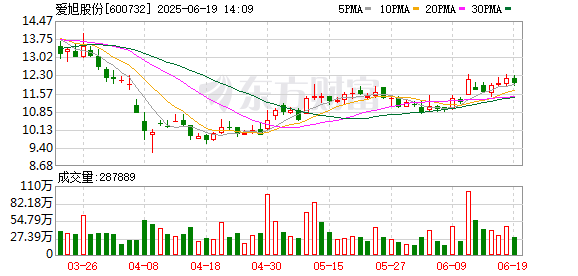
价值驱动

Search documents
“不促不销” ! 看方便面行业的中年危机,这是衰退而非调整
Sou Hu Cai Jing· 2025-09-25 17:53
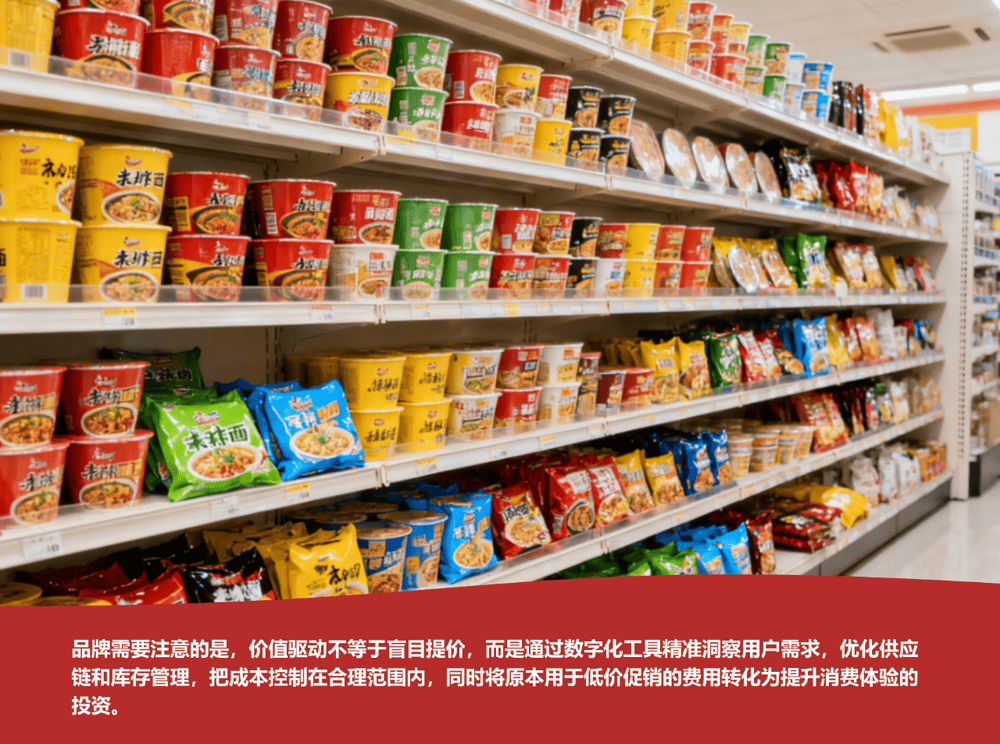
Core Insights - The convenience noodle industry is facing challenges due to the rise of alternative products and changing consumer preferences, leading to a decline in the appeal of instant noodles [1][10] - Brands are resorting to promotions to boost sales, resulting in a dilemma of "no sales without promotions, no profits with promotions" [2][6] - Rising raw material costs and increased competition are squeezing profit margins, with many brands experiencing revenue growth without corresponding profit increases [3][5] Cost Challenges - High raw material costs are a significant issue, with key ingredients like flour and palm oil experiencing price volatility, impacting overall production costs [3][4] - The cost structure of instant noodles includes approximately 35% for raw materials, 20% for packaging, 25% for production, and 20% for logistics, all of which are under pressure from rising costs [3][4] - The industry is seeing a general increase in costs over the past decade, with raw material and production costs rising by 30%-65% [3][4] Market Dynamics - The convenience noodle market is entering a phase of stagnant or declining sales, with a reported decrease of 4 billion packages from 2020 to 2023 [5] - Brands are engaging in price wars and aggressive promotions, which further erodes profitability and creates a cycle of high investment with low returns [5][6] - Consumer loyalty is declining as frequent promotions lead to a reliance on short-term incentives rather than product value [6] Global Expansion - The trend of international expansion is evident, with significant growth in exports, particularly to the U.S. and African markets, although challenges such as tariffs and supply chain issues persist [7][8] - Brands like Nongshim and Samyang are benefiting from overseas sales, but they also face increased costs due to tariffs and logistical challenges [7][8] Consumer Behavior Changes - Changing consumer habits, including the rise of food delivery services and health-conscious eating, are negatively impacting instant noodle sales [10][11] - The popularity of high-speed rail has also reduced the demand for instant noodles as a travel food option [10] - Consumers are increasingly concerned about the health implications of instant noodles, leading to a shift towards healthier alternatives [10][11] Innovation and Product Development - Brands are attempting to innovate by introducing non-fried options and enhancing nutritional value, but many still struggle to change consumer perceptions [11][14] - There is a need for brands to embrace new consumption scenarios and extend product lines to meet diverse consumer needs [16][17] - The industry is shifting from a focus on volume to a focus on value, emphasizing quality and consumer experience over mere sales growth [14][15] Supply Chain Resilience - The importance of robust supply chain management is highlighted, with brands needing to localize production to mitigate costs and improve efficiency [12][13] - The industry is moving towards smart supply chain solutions, utilizing technology for better inventory and procurement decisions [13]

空调市场新格局:美的凭什么跑赢对手?
Xin Lang Cai Jing· 2025-09-11 08:56
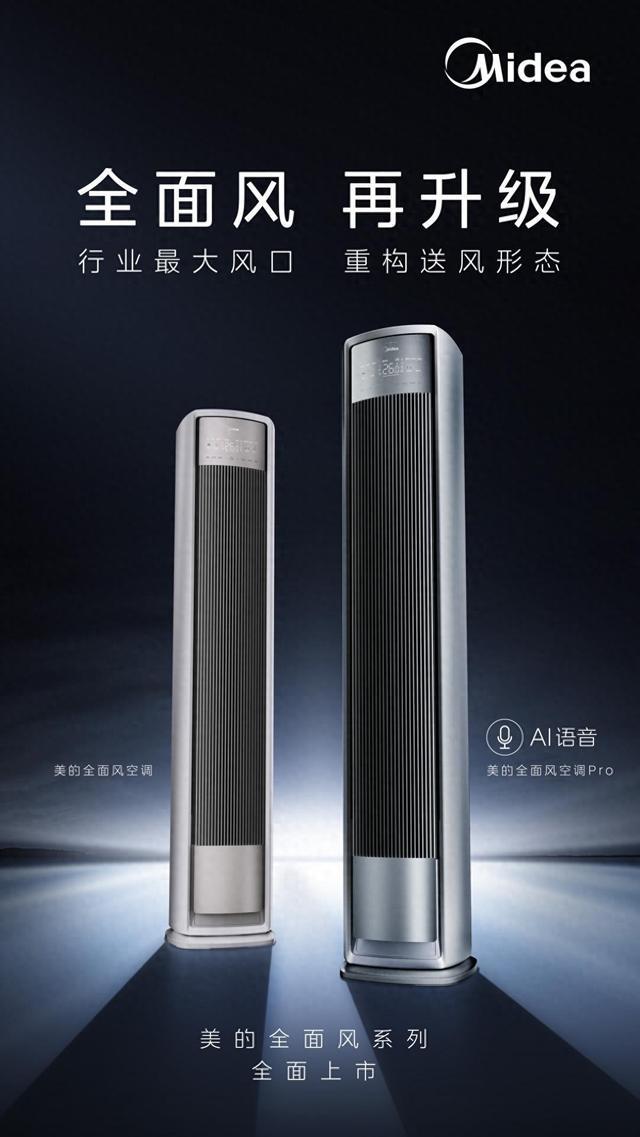
Core Insights - The air conditioning market in China has experienced significant growth in Q2 2025, with retail volume and sales increasing by 23.1% and 19.6% respectively, totaling 38.45 million units and 126.3 billion yuan [1] - Midea has emerged as the market leader with a retail volume share of 28.9%, followed closely by Haier and Gree [1] - Midea's success is attributed to its comprehensive competitive strategy that includes technological innovation, product diversification, and a robust distribution network [1][5] Market Performance - The air conditioning market saw explosive growth in regions like Northeast and North China, with Northeast sales growth reaching 378.4% [1] - Midea's revenue for the first half of 2025 was 252.3 billion yuan, with a net profit of 26 billion yuan, reflecting a year-on-year growth of 25% [5] - Midea's market share in July 2025 rose to 29%, while Gree's and Haier's market shares were 17% and 15% respectively [5] Competitive Strategy - Midea has invested over 18 billion yuan in R&D over the past five years, resulting in more than 25,000 patents across various technology fields [1][2] - The company has transitioned from a single product focus to a "whole-house smart air solution" strategy, enhancing customer value and brand loyalty [2] - Midea's product offerings include high-end air solutions and innovative technologies that cater to diverse consumer needs [2][5] Distribution and Service - Midea has implemented a digital system for integrated online and offline management, achieving nationwide coverage with over 6,000 service points and 190,000 certified engineers [5] - This comprehensive service network allows Midea to provide consistent customer experiences across urban and rural areas [5] Industry Dynamics - The competitive landscape has shifted from price wars to value-driven competition, with Midea leading this transformation [6][8] - New entrants like Xiaomi and Huawei are emerging, leveraging smart home ecosystems to challenge established players [7] - The future of the air conditioning market remains uncertain, influenced by real estate downturns and consumer behavior changes [8]

散户也能成为专业投资者:汇正财经上线“投研真探”背后的普惠逻辑
Sou Hu Wang· 2025-08-15 05:39
Group 1 - The total net asset value of public funds managed by 164 public fund management institutions in China reached a historical high of 34.39 trillion yuan by the end of June 2025, with an increasing proportion of institutional investors [2] - The gap between retail investors and professional institutions has evolved beyond just capital volume to include disparities in information acquisition and analytical capabilities, referred to as a "generational gap" [2] - The launch of "Investment Research Explorer" by Huizheng Finance aims to reconstruct the investment research landscape through "inclusive investment research" [4] Group 2 - "Investment Research Explorer" consists of three main modules designed to empower retail investors with institutional-level capabilities [4] - The "True Explorer Action" module focuses on identifying industry opportunities and risks by engaging with industry experts and conducting in-depth research [4] - The "Investment Research Archive" addresses the challenge of understanding institutional reports by providing clear conclusions based on rigorous data analysis [4] - The "Investment Research Express" invites Huizheng's chief investment advisors and research team members to share insights and methodologies, helping users build their own research systems [4] - The initiative aims to shift the market from "emotion-driven" to "value-driven" investment strategies, enhancing the overall quality of retail investors' experiences [5]
银行业“反内卷”,究竟是在“反”什么?
Jin Rong Shi Bao· 2025-08-12 00:57
Core Viewpoint - The banking industry is experiencing intense competition characterized by price wars and scale wars, leading to a detrimental "involution" that affects both the industry ecosystem and the real economy [1][2]. Group 1: Competition Dynamics - The competition among banks has escalated to unprecedented levels, resulting in a "price war" where loan rates have dropped below 3%, nearing the banks' funding cost limits [1]. - The "scale war" continues unabated, with banks pressured to attract deposits, leading to practices like "manual interest compensation" and "high-interest deposit purchases," which often breach financial compliance [1][2]. - This low-level repetitive competition not only compresses banks' profit margins but also leads to a waste of credit resources, weakening overall innovation and service quality in the banking sector [2]. Group 2: Need for Change - The banking industry requires a "de-involution" movement to alleviate the intense competition and reduce the burden on frontline employees [2]. - Financial regulatory authorities advocate for a shift from "scale-driven" to "value-driven" sustainable development in banking competition, emphasizing the need for banks to enhance their internal capabilities and innovation [2][3]. - Banks should diversify their revenue streams by expanding non-interest income businesses, such as wealth management and consulting services, to reduce reliance on interest margin income [2]. Group 3: Differentiation and Internal Optimization - Different types of banks need to establish clear differentiation in their development strategies, focusing on specific customer groups and business areas to provide unique financial services [3]. - In a competitive environment still influenced by "scale obsession," optimizing internal assessment and incentive mechanisms is crucial, incorporating diverse performance metrics beyond just deposit and loan scales [3]. - Financial regulatory bodies should continuously refine the competitive ecosystem, promoting differentiated competition among various types of institutions and establishing fair and orderly competition frameworks [3][4].
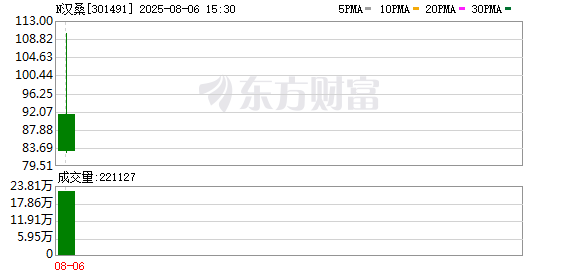
汉桑科技登陆创业板 南京上市公司+1
Shang Hai Zheng Quan Bao· 2025-08-06 15:31
Group 1: Company Overview - HANSAN Technology, established in 2003, is an international technology company specializing in smart audio, located in Nanjing Jiangning Economic and Technological Development Zone [4] - The company has built a comprehensive audio technology system covering audio signal processing, multi-protocol audio transmission, and intelligent systems [4] - HANSAN Technology is recognized as a national high-tech enterprise and has established long-term partnerships with top global audio brands such as NAD, Bluesound, and JBL [4] Group 2: Financial Performance - For 2024, HANSAN Technology is projected to achieve revenue of 1.454 billion yuan and a net profit of 253 million yuan, representing a year-on-year growth of 86.37% [4] - The company raised approximately 932 million yuan through its recent IPO, which will be invested in high-end audio product manufacturing and AIoT technology development projects [5] Group 3: Market Context - HANSAN Technology's listing marks the fourth company from Nanjing to go public in 2023, indicating a growing trend in the Nanjing capital market [6] - The financial sector in Nanjing reported an increase in value added of 116.7 billion yuan, with a year-on-year growth rate of 7.3%, and a total securities trading volume of 33.16 trillion yuan, up 38.3% year-on-year [6] Group 4: Future Outlook - The listing of HANSAN Technology is seen as a significant step for Chinese audio companies, transitioning from a "manufacturing dividend" to a "value-driven" phase [5] - Nanjing plans to enhance support for technology companies to facilitate their listing processes, aiming to strengthen the local capital market [7]
汉桑科技登陆创业板,南京上市公司+1
Sou Hu Cai Jing· 2025-08-06 13:48
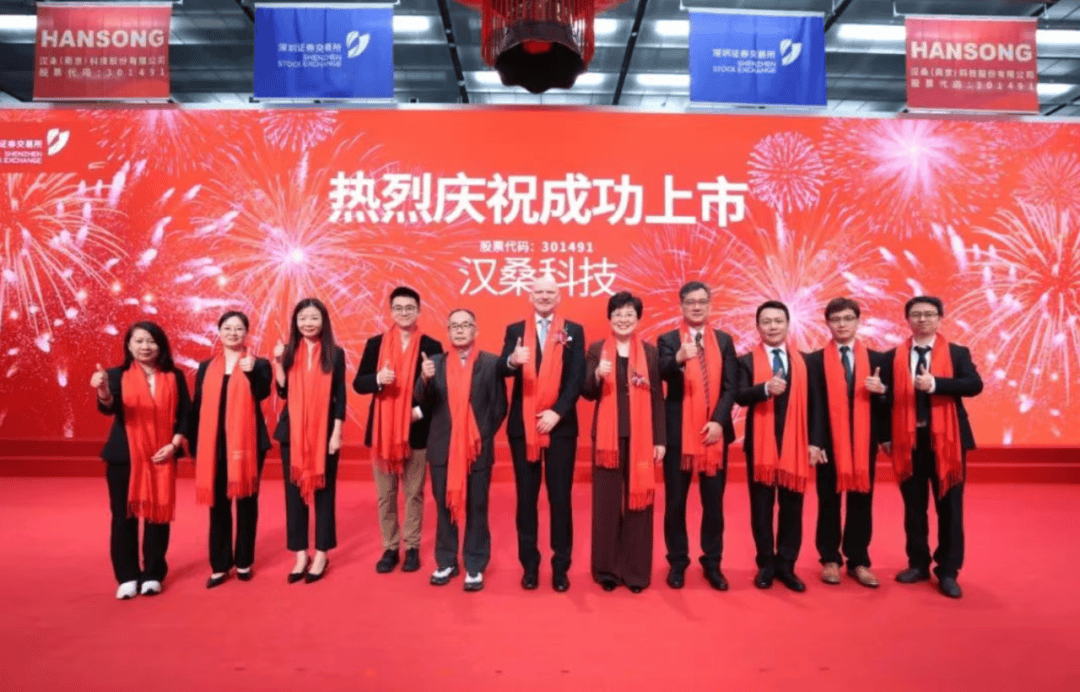
Group 1 - The core viewpoint of the article highlights the successful listing of Hansang Technology on the Shenzhen Stock Exchange, marking it as the first A-share company in Nanjing this year and the fourth overall in the country [1][5] - Hansang Technology, established in 2003, is a high-tech enterprise specializing in smart audio technology, recognized as a national high-tech enterprise and a leading innovative company in Nanjing [4][5] - The company has built a comprehensive audio technology system covering audio signal processing, multi-protocol audio transmission, and intelligent systems, projecting a revenue of 1.454 billion yuan and a net profit of 253 million yuan in 2024, reflecting an 86.37% year-on-year growth [4][5] Group 2 - The funds raised from the IPO will be allocated to projects including the production of high-end audio products, smart audio IoT manufacturing, and the development of new technologies and products in AIoT [5] - The listing of Hansang Technology signifies a shift for Chinese audio companies from a "manufacturing dividend" to a "value-driven" phase, leveraging technological barriers and global expansion [5] - Nanjing's capital market has seen accelerated growth, with four companies listed this year, contributing to a financial industry value added of 116.7 billion yuan and a securities trading volume of 33.16 trillion yuan, both showing significant year-on-year increases [7]
浮动费率机制促使银行理财 从“躺赚”到“拼收益”
Jin Rong Shi Bao· 2025-07-16 01:41
Core Viewpoint - The introduction of floating management fee rate products by bank wealth management subsidiaries marks a significant innovation in the industry, enhancing the alignment of interests between managers and investors, and revitalizing the wealth management market [1][3]. Group 1: Floating Management Fee Products - The newly launched floating management fee product "Zhaozhi Ruiyuan Balanced (Anying Youxuan) 68th Phase" by Zhaoyin Wealth Management sold out in under 10 minutes, indicating strong investor interest [1]. - The product features a tiered management fee model linked to performance, with a base fee of 0.25% per year, which is lower than the typical 0.4% to 0.6% for similar products [2]. - The management fee structure includes three scenarios based on annualized returns, allowing for a maximum total management fee of 0.5% per year if returns exceed 4% [2]. Group 2: Industry Trends and Challenges - The floating management fee model is seen as a crucial step towards deepening the net value transformation in the wealth management industry, encouraging firms to focus on performance rather than merely expanding scale [3][6]. - Many wealth management companies have been reducing fees to attract customers, with management fees for mainstream products dropping to a range of 0.05% to 0.15% [4]. - Experts suggest that while fee reductions can boost sales in the short term, they may not sustain product competitiveness in the long run, necessitating a shift from scale-driven to value-driven strategies [4][6]. Group 3: Research and Risk Management Capabilities - The introduction of floating management fees requires wealth management companies to enhance their research and investment capabilities, particularly in equity investments, to achieve excess returns [7]. - Companies must develop robust risk management frameworks to balance the pursuit of higher fees with the need to control risks effectively [7]. - The floating fee model is particularly suitable for volatile and high-return potential products, indicating a future increase in similar offerings [6][7].
汽车行业“增量不增利”困境亟待破局
Guang Zhou Ri Bao· 2025-07-13 23:12
Core Viewpoint - The Chinese automotive industry is facing challenges such as "involutionary" competition and a persistent decline in profit margins, necessitating a shift from price-driven to value-driven market strategies [1][3]. Group 1: Industry Performance - In the first half of 2025, China's automotive industry achieved remarkable results, with both production and sales exceeding 15 million units for the first time, and new energy vehicle sales growing over 40% year-on-year [2]. - The automotive export market also experienced double-digit growth, indicating a positive trend in international competitiveness [2]. Group 2: Challenges and Solutions - The automotive industry's profit margins have been declining for nearly eight years, leading to a critical situation of "increment without profit" that needs urgent resolution [3]. - Industry leaders emphasize the need for innovation and focus on key technologies, particularly in new energy and intelligent connected vehicles, to enhance competitiveness and profitability [3]. - There is a consensus among industry experts that understanding and meeting consumer emotional needs is becoming a core competitive advantage in automotive product development [3]. Group 3: Collaborative Efforts - Industry stakeholders are encouraged to foster a new type of competitive and cooperative relationship, aiming to create new technologies, products, and business models to cultivate new growth areas in the industry [3].
多家公司“降费揽客” 理财规模继续扩张
Jin Rong Shi Bao· 2025-06-24 01:41
Core Viewpoint - Multiple wealth management companies are reducing fees to attract customers, with management fees for mainstream wealth management products dropping to a range of 0.05% to 0.15% [1][2] Group 1: Fee Reductions - Several wealth management companies have announced fee reductions for various products, with specific examples including Bank of China Wealth Management reducing its fixed management fee from 0.3% to 0.05% per year [2] - Minsheng Wealth Management has also lowered the annual fixed management fee for one of its pure fixed-income products from 0.5% to 0.05% [2] - Cash management products are becoming a focal point for banks, with Zhaoyin Wealth Management launching two cash management products and reducing management fees for four cash management plans, with some fees dropping to as low as 0.01% [3] Group 2: Market Trends - The total scale of bank wealth management products has been steadily increasing, reaching a total of 31.5 trillion yuan by the end of May 2025, up by 0.19 trillion yuan from April and 1.58 trillion yuan from the end of the previous year [1] - The structure of wealth management products is changing, with fixed-income products still dominating the market, accounting for 92.5% of the total, while cash management products have seen significant growth, increasing by 97 products to a total of 2,054 [4] Group 3: Future Outlook - Industry experts predict that the scale of bank wealth management products may exceed 33 trillion yuan by the end of the year, although volatility in the bond market could impact this growth [7] - Long-term strategies for wealth management companies may need to shift from "scale-driven" to "value-driven" approaches, focusing on optimizing asset allocation and enhancing risk management capabilities [6]
对话爱旭股份董事长陈刚:光伏行业已进入价值驱动阶段
2 1 Shi Ji Jing Ji Bao Dao· 2025-06-19 06:09
Industry Overview - The renewable energy industry is expected to enter a mature phase after 2024, maintaining steady growth annually [2] - The solar energy market is characterized as a value-driven market starting from this year and extending for decades [2] Company Performance - Aiko Solar has signed approximately 2GW of new orders for components, covering both centralized and distributed application scenarios [2] - The company has experienced a significant improvement in gross profit in April and May of this year [2] - Aiko Solar's overall order fulfillment rate is currently between 80% and 90% [2] Market Dynamics - The BC component technology is gaining recognition and expanding its market presence, with several manufacturers showcasing new products [3] - There is a shift in perception regarding BC technology, with increasing acknowledgment of its high value [3] - The competition among N-type battery technologies (TOPCon, BC, HJT) is seen as less meaningful, as all have their advantages in different scenarios [3] Strategic Focus - Aiko Solar aims to focus on product structure adjustments and transition towards high-value markets and products [4] - The company is working to improve operational efficiency, targeting an inventory turnover rate of less than 30 days, including shipping time [4] - Reducing the debt ratio is a key objective, with a target to lower it below 75% this year [5]