低碳

Search documents
粤港澳携手成就“绿色全运”
Ren Min Ri Bao· 2025-11-25 22:56
Core Viewpoint - The 15th National Games, held in the Guangdong-Hong Kong-Macao Greater Bay Area, aimed to create a "carbon-neutral" event through systematic innovation practices, adhering to the principles of "green, shared, open, and clean" [1] Group 1: Utilization of Existing Facilities - The Guangzhou Tianhe Sports Center underwent low-carbon renovation, becoming the first near-zero carbon large sports venue in China, hosting various events [2] - Over 90% of venues in the Guangdong region were upgraded from existing facilities, avoiding new construction and associated carbon emissions [2] - The Hong Kong region utilized existing venues like the Kai Tak Sports Park and others to host multiple events, while Macau also leveraged local educational and recreational facilities [2] Group 2: Post-Event Utilization - The event's low-carbon practices extend beyond the event period, ensuring venues continue to serve urban development and public fitness, preventing resource wastage [3] - For instance, the Shenzhen Longhua Cultural and Sports Center will be open to the public post-event, and the Guangzhou University Town Sports Center will transform into a youth climbing base [3] Group 3: Technological Integration - Main venues and youth sports fields were equipped with rainwater collection systems and solar panels, contributing to sustainability [4] - The Guangdong Olympic Sports Center was modified to enhance natural ventilation and reduce heat gain, while the Macau Taishi Sports Center incorporated natural lighting and energy-saving systems to lower carbon emissions by 30% [4] - A cooling coating technology developed in Hong Kong was successfully applied in venues across Guangdong, showcasing collaborative innovation [5] Group 4: Comprehensive Support Services - Event uniforms and catering materials were made from environmentally friendly materials, and electronic processes were implemented to reduce paper usage [6] - Over 800 electric vehicles were deployed in the Guangzhou region, achieving a green travel rate of over 77% in urban areas, with similar initiatives in Hong Kong and Macau [6] Group 5: Public Engagement and Carbon Management - The Hong Kong government promoted public participation in low-carbon actions through guidelines and interactive exhibits during the event [7] - Shenzhen introduced a carbon emission accounting system for large events, with major companies donating 100,000 tons of carbon assets to offset emissions [7]
倒计时8天 杭州!第四届绿色复合材料论坛:探索绿色复材产业高值化应用路线
DT新材料· 2025-11-21 16:05
Core Viewpoint - The fourth Green Composite Materials Forum emphasizes the inevitable trend of the composite materials industry towards green, low-carbon, and sustainable transformation, focusing on fibers, resins, composite technologies, and downstream applications [2]. Group 1: Event Details - The forum will take place on November 30 in Hangzhou, Zhejiang, with the theme "Green Composite, Innovative Future" [2]. - Registration and check-in will occur on November 29 from 12:00 to 20:00, where attendees will receive conference materials and meal vouchers [3]. - The venue is the Hangzhou Gongshu Kaiyuan Mingting Hotel, located at 389 Shixiang Road, Gongshu District, Hangzhou [3]. Group 2: Organizing Institutions - The forum is organized by DT New Materials, with key figures including Yi Xiaosu, a professor at the University of Nottingham Ningbo China, and Liu Xiaoqing, a researcher at the Ningbo Institute of Materials Technology and Engineering [4]. - Special acknowledgments are given to companies such as Germany's Netzsch Instrument and Shandong Elpai Powder Technology Co., Ltd. for their contributions [4]. Group 3: Forum Agenda - The agenda includes discussions on global trends in green composite materials, high-performance bio-based resins, and applications of natural fiber composites [8][9]. - Notable speakers include Chris Rudd, Liu Xiaoqing, and Qiu Yiping, who will present on various topics related to green composite materials and their applications [8][9]. - The forum will also feature a session on the sustainable development of bamboo as a plastic alternative and the recycling of carbon fiber composites [9]. Group 4: Special Activities - The forum will host a special event for showcasing and connecting innovative projects in the biomass utilization field, encouraging industry-academia collaboration [13].

桂林绿电实践亮相COP30 中国低碳方案获国际关注
Zhong Guo Xin Wen Wang· 2025-11-20 15:53
Core Insights - The Guangxi Power Grid Company presented its innovative achievements and explorations in the "Zero Carbon Green Electricity Alliance" at the COP30 event, attracting significant attention from attendees [1][4] - The alliance is the first public welfare organization in China's energy and power sector that integrates production, education, research, and application for green transformation [1][2] Group 1: Energy Transition Initiatives - Guangxi is actively promoting the integration of renewable energy sources, achieving a diverse supply structure that includes wind, solar, hydro, thermal, and nuclear power, with non-fossil energy accounting for 85% of electricity generation [2] - The region has established the first large-capacity sodium-ion battery energy storage station in China, enhancing system regulation capabilities and renewable energy absorption [2] - The alliance has developed a collaborative platform involving 63 entities across energy, education, and research sectors, focusing on a clean and low-carbon power system [1][2] Group 2: Green Consumption and Infrastructure - Guangxi has implemented full market access for centralized wind and solar power, optimizing the allocation of green electricity [2] - The region has built over 19,000 charging stations, covering 92% of administrative towns, and is promoting electric alternatives in tourism, such as electric-powered bamboo rafts and boats [2] - The total green electricity trading volume in Guangxi has reached 15.055 billion kilowatt-hours, leading in southern China [2] Group 3: Innovation and Collaboration - The alliance has established an Energy and Power Academician Collaborative Innovation Center to explore advanced technologies such as quantum measurement and artificial intelligence [3] - Plans are underway to create the China-ASEAN Energy College to foster talent development and technological innovation in collaboration with neighboring countries [3] - Guangxi's green practices are being recognized as a replicable "Chinese solution" for global climate governance [4]
超越绿色工厂:中集集团从装备制造商到解决方案服务商的绿色基因蜕变
21世纪经济报道· 2025-11-17 06:22
Core Viewpoint - The article emphasizes the urgent need for global action against climate change, highlighting the critical state of coral reefs and the importance of sustainable practices in industries like logistics and energy [1][2]. Group 1: Climate Change and Coral Reefs - The global coral reefs are experiencing their fourth bleaching event, significantly impacting millions of people and marine biodiversity [1]. - China has set ambitious targets for reducing greenhouse gas emissions and increasing non-fossil energy consumption by 2035, marking a shift from intensity control to total control [1]. Group 2: Company Overview and Green Transformation - China International Marine Containers (Group) Co., Ltd. (CIMC) integrates green, low-carbon, and circular economy principles into its product design and services, focusing on energy conservation and carbon reduction in its ESG reports [2][3]. - CIMC's green transformation involves a shift from single product environmentalization to a zero-carbon approach across the entire industry chain, utilizing innovative materials and technologies [2][4]. Group 3: Innovations in Container Manufacturing - CIMC has developed bamboo-wood composite flooring, which protects tropical rainforests and supports local economies while providing a cost-effective alternative to traditional materials [3][4]. - The company has led the industry in transitioning from oil-based to water-based coatings, significantly reducing VOC emissions by over 85% [4]. Group 4: Green Energy Initiatives - CIMC is actively involved in multiple clean energy sectors, including offshore wind, hydrogen, and green methanol, creating a collaborative clean energy ecosystem [5][7]. - The company has delivered advanced offshore wind installation vessels and is pioneering projects that significantly reduce carbon emissions, such as the hybrid-powered installation ship [5][6]. Group 5: Financial Support and Strategic Partnerships - CIMC has received substantial financial support from banks for its green projects, including a 400 million yuan approval for its green methanol project [8]. - The company collaborates with various partners to develop innovative solutions in hydrogen production and transportation, contributing to the green energy supply chain [7][8]. Group 6: Future Goals and Zero-Carbon Manufacturing - CIMC aims to establish a comprehensive green manufacturing system, with a focus on energy efficiency and waste resource utilization, targeting the development of zero-carbon factories [9][10]. - The company is leveraging digital technologies for precise energy management, achieving significant cost savings and efficiency improvements [10][11]. Group 7: Commitment to Sustainable Development - CIMC's mission is to provide high-quality, reliable equipment and services while creating sustainable value for society, aligning with its vision of becoming a world-class enterprise [11][12]. - The company is committed to continuous innovation and efficiency improvements in its product strategy, contributing to a better quality of life globally [12].

优彩资源(002998) - 002998优彩资源投资者关系活动记录表20251112
2025-11-13 00:42
Group 1: Company Labels and Environmental Commitment - The company emphasizes two key labels: circular economy and low carbon, focusing on maximizing resource value and minimizing environmental impact [2] - Circular economy involves the continuous cycle of resources from products to regeneration, significantly reducing the need for raw material extraction [2] - The company has developed physical and chemical recycling technology for waste polyester, which won a national science and technology progress award in 2018 [2] Group 2: Health and Environmental Benefits - The use of low-melting-point polyester short fibers eliminates volatile organic compounds (VOCs) from traditional adhesives, improving air quality and health [3] - The company’s practices contribute to a resource-saving society and align with national policies promoting low-carbon and green development [3] Group 3: Investment Strategy in Tibet - The investment in Tibet aligns with the national strategy for western development, aiming to reduce transportation costs and enhance regional efficiency [4] - Local production is expected to support infrastructure projects like the Yarlung Tsangpo River project, providing significant economic benefits [4] Group 4: Measures to Improve Product Profitability - The company collaborates with Donghua to innovate the "physical and chemical method," allowing the use of multi-component recycled materials, thus reducing raw material costs [5] - New materials are being developed to replace traditional ones, focusing on customization and differentiation in niche markets [5] - The production line's flexibility and ongoing improvements in automation and AI technology enhance production efficiency and competitiveness [5]
十五运会花样爆款衍生品火“出圈” 环保、低碳成亮点企业开足马力赶订单
Yang Shi Wang· 2025-11-12 06:06
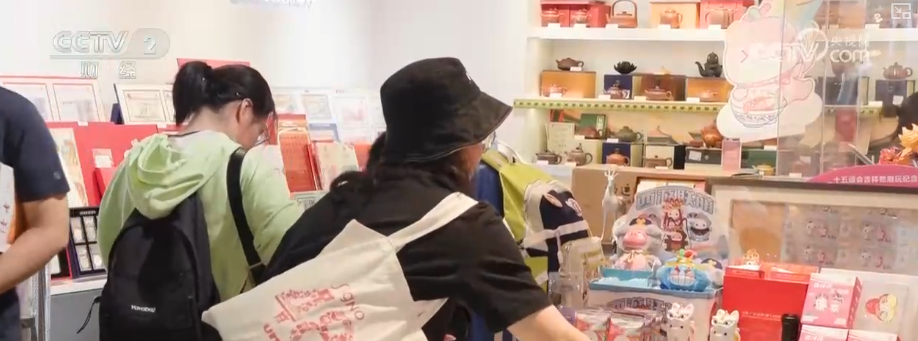
Core Insights - The 15th National Games mascot has gained significant popularity, leading to a surge in related product sales [1][6] - The production of mascot-related merchandise is currently facing high demand, with companies ramping up production to meet orders [15][17] Group 1: Sales and Demand - The official merchandise retail store in Guangzhou experienced increased foot traffic after 10 AM, particularly for the new blind box series featuring elements from "Journey to the West" [3] - Popular products, including mascot dolls and commemorative items, are in short supply despite daily restocking efforts [7][15] - The total sales revenue for all products related to the 15th National Games has exceeded 10 million yuan, with order backlogs extending to December [17] Group 2: Production and Innovation - A toy company in Dongguan has developed nearly 60 unique designs of mascot-related products, showcasing creativity and innovation [16] - The production process adheres to environmentally friendly and low-carbon principles, aligning with the event's green sports initiative [13] - Dongguan is a major hub for toy production, accounting for approximately 85% of the country's toy manufacturing and producing a quarter of global anime derivative products [17]
同兴科技:公司钠离子电池在-40℃环境下保持近90%容量,适配欧洲户用储能等应用场
Mei Ri Jing Ji Xin Wen· 2025-11-12 01:18
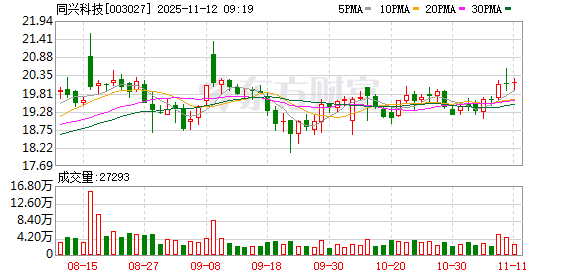
Core Viewpoint - The EU's environmental legislation is expected to have a positive impact on the company's operations, aligning with its "one body, two wings" strategic layout [2]. Group 1: Environmental Legislation Impact - The EU's focus on carbon reduction, pollution control, and sustainable development aligns with the company's strategic goals [2]. - The company plans to leverage its technological advantages and market positioning to capitalize on policy benefits [2]. Group 2: Core Business Areas - In air pollution control, the company’s low-temperature SCR denitration catalyst technology is at an internationally leading level, applicable in over 20 industries including steel, coking, and building materials [2]. - In the CCUS field, the company has developed a long-life Tx-1 carbon capture absorbent, with antioxidant capabilities improved by 20-300 times compared to competitors [2]. - The company’s innovative TXio carbon capture process achieves over 90% carbon capture efficiency, with energy consumption reduced to 2.0-2.2 GJ/tCO2, successfully applied in large-scale marine installations [2]. Group 3: Sodium-Ion Battery Development - The company’s sodium-ion batteries maintain nearly 90% capacity at -40°C, suitable for European residential energy storage applications [2]. - The production of sodium-ion batteries requires no cobalt and minimal nickel, utilizing abundant and easily extractable sodium resources, offering significant low-carbon advantages over lithium-ion batteries [2]. - Sodium-ion batteries are considered ideal for large-scale energy storage systems due to their low cost and high safety, effectively storing intermittent energy sources like wind and solar, thus promoting decarbonization of the power system [2].

金字塔脚下的光与电
中国能源报· 2025-11-10 00:34
Core Viewpoint - The Grand Egyptian Museum (GEM) represents a significant advancement in integrating modern energy systems with cultural heritage, showcasing a commitment to sustainability through innovative energy supply strategies and low-carbon design principles [4][14]. Energy Supply System - GEM has developed a new energy supply system that incorporates various designs to address low-carbon challenges, ensuring stable environmental conditions for artifact preservation while minimizing carbon emissions and enhancing energy efficiency [4][12]. - The museum's solar energy system is expected to generate approximately 2.24 GWh annually, making it one of the first large museums in Africa and the Middle East to rely significantly on solar power [5][14]. Localized Solar Power Strategy - The solar panels installed on the museum's roof and parking area follow a "localized" approach, optimizing land use and blending with the museum's architecture [7]. - The solar power system is designed to prioritize energy for lighting, air conditioning, and exhibit control, with excess energy either fed back into the grid or stored for peak load management [7][14]. Continuous Power Supply - GEM employs a robust power distribution and automation system to ensure uninterrupted power supply, crucial for protecting valuable artifacts from potential damage due to power outages [10]. - The museum is equipped with uninterruptible power supplies (UPS) and high-capacity backup generators, providing a multi-layered power supply strategy that is standard for large international museums [10][11]. Energy Efficiency and Water Conservation - The museum has achieved over 60% energy savings through passive and active energy design strategies, and it has reduced water usage by approximately 34% [12][13]. - Specific measures include high-sealing display cases, LED lighting with sensors, and efficient HVAC systems, all contributing to reduced energy consumption and enhanced artifact preservation [12][13]. Sustainable Operations - GEM promotes low-carbon transportation options, such as electric vehicle charging stations, and implements green procurement and waste management practices, creating a sustainable operational framework [13][14]. - The museum has been recognized as one of the first advanced green museums in Africa and the Middle East, reflecting both technological achievements and collaborative governance efforts [13][14]. Future Challenges - Despite its advancements, GEM faces ongoing challenges, including the need for energy storage solutions to balance solar power intermittency and further reduce operational carbon emissions [14].
进博观察|从工业硬核到日常消费 进博会勾勒绿色发展新图景
Sou Hu Cai Jing· 2025-11-07 10:10
Core Viewpoint - The eighth China International Import Expo (CIIE) emphasizes green, low-carbon, and sustainable development as essential for high-quality economic growth, showcasing the latest global achievements in these areas [1][2][3]. Industrial Innovations - Key industries such as aviation and transportation are focusing on carbon reduction, with major companies presenting advanced technologies and solutions for sustainable development [2]. - GE Aviation showcased the LEAP-1C engine model, which reduces carbon emissions by 15%, improves fuel efficiency by 15%, and decreases noise impact by 75% compared to the previous generation [2]. - Rio Tinto aims to increase the use of renewable energy in its operations from 78% to approximately 90% by 2030 and has initiated a pilot project for electric mining trucks in Mongolia [4][7]. Green Consumer Products - Various consumer products at the expo incorporate green and low-carbon principles, making sustainability a tangible aspect of daily life [10]. - Philips introduced the E9 eco-friendly pendant light, which reduces carbon emissions by approximately 18.4 kg per unit compared to traditional metal lights, equivalent to the carbon absorption of a tree in a year [12][13]. - Uniqlo presented a clothing repair and recycling system, allowing customers to return or repair old garments, promoting longer product life [15]. Circular Economy Practices - Volvo's exhibit highlighted a circular economy approach in automotive production and recycling, focusing on closed-loop systems for materials like aluminum and steel [16][18]. - IKEA integrates sustainability into its entire value chain, emphasizing eco-friendly materials and a high resale rate for returned products [17][20][21]. - Muji showcased products made from Ocean Bound Plastic, promoting the recycling of marine waste and supporting local artisans [22][24]. Overall Impact - The expo reflects a comprehensive commitment from various industries to advance green development, with innovations not only displayed but also set to influence production and consumer behavior [23].

“人工智能+低碳” 第八届进博会“绿意”超吸睛
Yang Shi Xin Wen· 2025-11-07 06:12
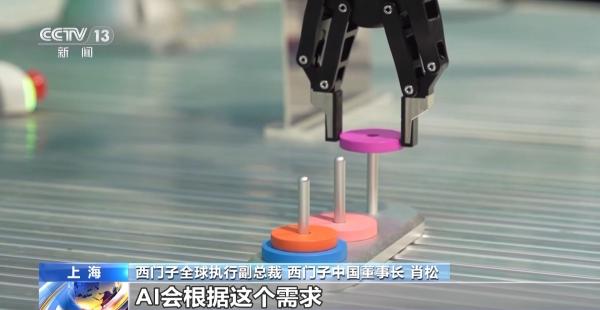
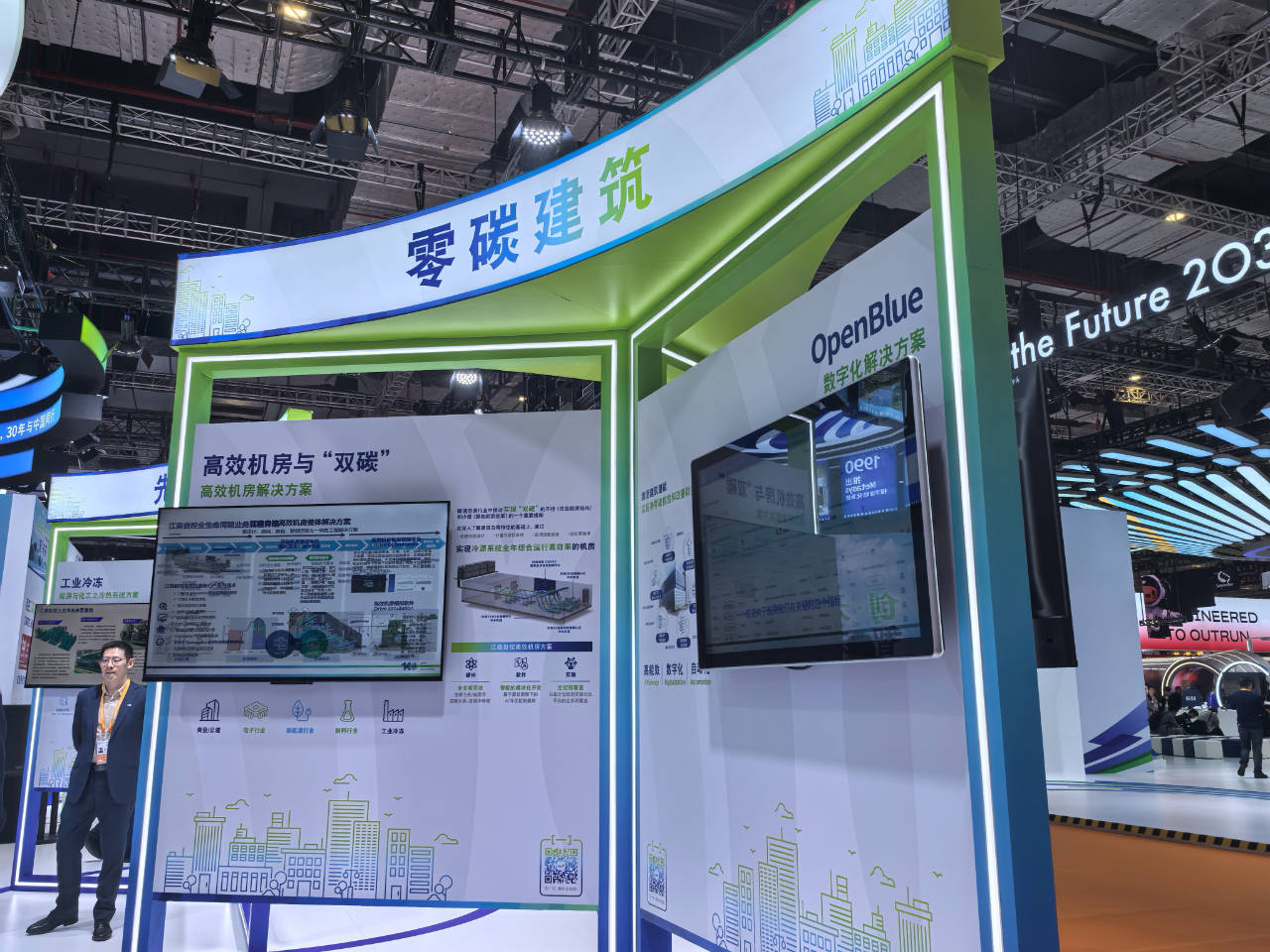
Core Insights - The event showcased a variety of new technologies and equipment, with a focus on the application of AI in the industrial sector [1][5] - AI's role in optimizing production processes was highlighted, demonstrating its capability to respond to customer needs and generate efficient workflows [3][7] - The integration of AI in industrial applications is seen as a significant trend, with companies emphasizing the importance of collaboration and innovation in this area [5][9] Group 1: AI and Industrial Applications - The "Industrial + Artificial Intelligence" theme was a central highlight at the technology equipment exhibition, showcasing how AI is transforming industrial development [5] - AI models were demonstrated to quickly plan optimal paths in real-time, illustrating the practical applications of AI in industrial settings [1][5] - Companies are focusing on the customization of AI solutions to meet specific industry demands, enhancing operational efficiency [3][9] Group 2: Market Opportunities in China - China is recognized as a fertile ground for industrial AI innovation, with significant opportunities arising from the country's development plans [7] - Multinational companies are capitalizing on China's growing demand for data centers and computing power, offering tailored energy-efficient products [9][11] - The introduction of new technologies and supportive policies is expected to expand the market, providing numerous opportunities for businesses [11] Group 3: Sustainability and Green Development - The exhibition also emphasized the importance of green development, with companies presenting solutions aimed at reducing carbon emissions and supporting energy transitions [13] - The alignment of low-impurity ore production with China's green and low-carbon strategies presents significant market opportunities for companies like Rio Tinto [15]