
保护主义

Search documents
怎么看全球产业格局之变
Sou Hu Cai Jing· 2026-02-16 03:16
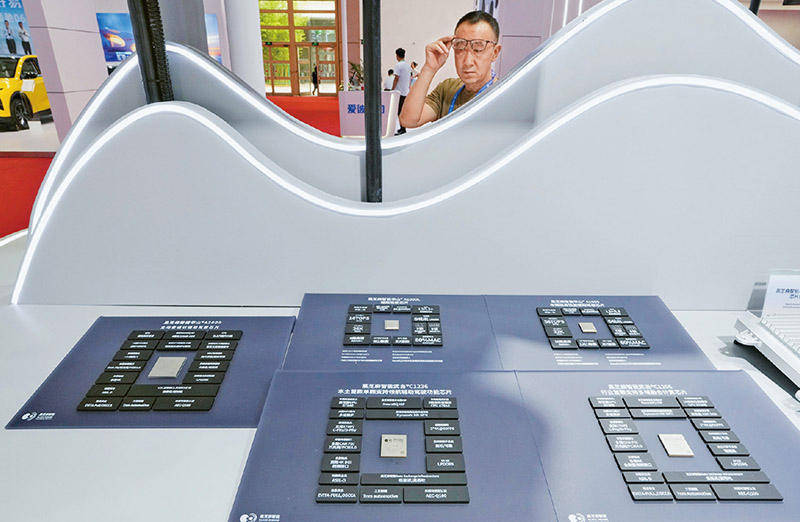
Core Insights - The global industrial landscape is undergoing a systematic restructuring driven by unilateralism and protectionism, particularly from the U.S., leading countries to reassess and localize their industrial strategies to mitigate external risks [2][3]. Group 1: Characteristics of Industrial Restructuring - The restructuring is characterized by a shift from global integration to regionalization and a "1+N" multi-point layout, as countries seek to diversify production bases to enhance supply chain resilience. For instance, China's share of U.S. imports decreased from 21.6% in 2017 to 13.4% in 2024, while Mexico and Vietnam saw increases [3]. - The industrial value creation is transitioning from traditional manufacturing to service-oriented and green industries, with high-value services becoming integral to the industrial value chain. China's exports of new energy vehicles, lithium batteries, and photovoltaic products surged from 284.4 billion yuan in 2020 to 1.28 trillion yuan by 2025, a 3.5-fold increase [4]. - The technological innovation landscape is shifting from a unipolar to a multipolar model, with the U.S. leading in AI and high-end semiconductors, while the EU excels in green technology. This has led to a complex competitive environment where countries must invest heavily in independent R&D due to increasing technological barriers [7][12]. Group 2: Organizational and Regulatory Changes - The role of state intervention in industrial organization is becoming more pronounced, with countries employing strategic policies to influence industrial layouts. The U.S. and EU are using subsidies and regulations to shape their industrial ecosystems, leading to a competitive model centered around "chain master" enterprises [8][13]. - The weakening of traditional multilateral frameworks like the WTO is giving rise to a proliferation of regional trade agreements, which often include specific provisions for critical sectors like semiconductors and renewable energy, embedding values and standards into trade rules [8][13]. Group 3: Implications for China - To adapt to these profound changes, China must enhance its resilience and competitiveness by establishing itself as an indispensable hub in the global supply chain, leveraging its vast domestic market to attract high-end production factors [14]. - The focus should be on developing new productive forces and optimizing industrial structures, particularly by integrating productive services into the entire value chain to increase added value and expanding green exports [14][15]. - Strengthening technological advantages through foundational and original innovations is crucial, particularly in key areas like chip design, to overcome technological barriers and establish leadership in international standards [15][16].

变色龙法国,居然想让中国签《广场协议》?
Sou Hu Cai Jing· 2026-02-14 04:22
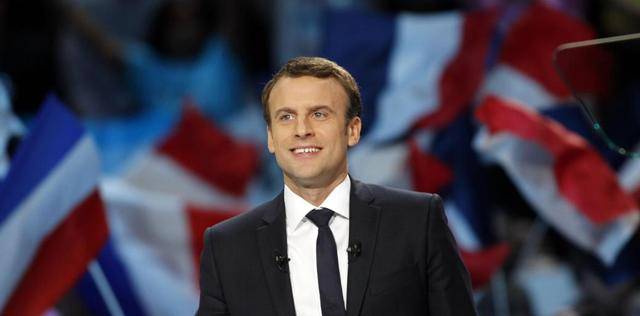
法国的产业结构决定了它的出路。过去几十年的高福利模式使得制造业逐渐外包,法国所剩下的产业体系是一个精致的存量,但并没有足够的增量产能来 支撑未来的竞争。面对这样的困境,马克龙只能退而求其次,采取零和博弈的策略。法国与中国的竞争,已经变成了一场有限资源的分配战争。马克龙想 表现得强硬,显示法国仍是欧盟的政策主导者,尤其是在即将到来的欧盟峰会前,他需要这一姿态来证明法国的重要性。于是,他默许下属发布了这份极 端报告,然后在公开场合进一步加大对中国的措辞——这其实更像是一种应激反应,而非真正的战略部署。 报告负责将话说绝,马克龙负责把话说圆。这种分工背后隐藏着一种策略。如果你长期关注马克龙的对华表态,会发现这种节奏早已司空见惯。2018年, 他曾在里昂表示欧洲不能做美国的附庸;2023年,他访华时带着空客高管在北京宣称欧洲不应在中美之间选边;2024年,他在欧盟层面推动对中国电动车 加征关税,声称是为了保护欧洲工业;到了2026年2月,他再次将中国列为威胁,并允许内阁机构递交一份极为激进的贸易报告。这并非是立场的变化, 而是话术的转变;不变的,反倒是他内心的焦虑。为什么焦虑?因为他面对的是一个结构性困局,无法自拔。 ...
四天过去,中国反制准时执行,局势变成6对21,欧盟内部陷入混乱
Sou Hu Cai Jing· 2026-02-14 02:43
Core Viewpoint - The article discusses the internal divisions within the EU regarding the proposed protectionist measures against Chinese products, particularly focusing on the dairy industry in France, and highlights the strategic miscalculations of French President Macron in pushing for "European priority" amidst rising tensions with China [1][20][42]. Group 1: EU's Internal Division - The EU's internal support for the protectionist measures is starkly divided, with only 6 out of 27 member states backing France's aggressive stance, while 21 countries expressed opposition [5][12]. - This division reflects deeper issues within the EU, where member states prioritize their national interests over collective action against China [8][20]. - The split is not merely a political disagreement but indicates a fundamental clash between different industrial interests within Europe, particularly between component suppliers and major manufacturers [13][15]. Group 2: Strategic Miscalculations - Macron's push for protectionism is seen as a desperate attempt to regain political support domestically, as his approval ratings have plummeted [23][27]. - The article suggests that Macron's strategy mirrors historical precedents of economic protectionism that ultimately failed, such as the U.S. pressure on Japan in the 1980s [25][35]. - The proposed measures could lead to significant setbacks for the EU's automotive industry, with estimates suggesting a slowdown in technological advancements by at least 15% over the next three years [37]. Group 3: Market Dynamics and Consequences - The article emphasizes that market forces are unforgiving, and attempts to impose trade barriers will not resolve underlying industrial issues within Europe [39][40]. - If the EU continues down this path of protectionism, it risks further alienating itself from global markets and jeopardizing its own economic stability [33][35]. - The potential for retaliatory measures from China could extend beyond dairy products to other key European exports, such as wine and pork, exacerbating the economic impact [33][42].
王毅会见英国外交大臣:中方支持自由贸易,反对任何形式的保护主义,希望英方为中国企业提供公平、公正、非歧视的营商环境
Xin Lang Cai Jing· 2026-02-14 01:55
来源 | 新华社 中共中央政治局委员、外交部长王毅13日在出席慕尼黑安全会议期间会见英国外交大臣库珀。 库珀表示,斯塔默首相访华取得圆满成功和丰硕成果,为推动英中关系发展发挥重要作用。英中构建长 期稳定的全面战略伙伴关系,符合双方战略利益。英方在台湾问题上长期奉行自建交以来的政策,没有 也不会改变。愿同中方一道落实两国领导人共识,推进各领域机制性对话,拓展在贸易、投资、金融、 气候、安全、绿色科技等领域合作,妥善管控分歧。英方坚持多边主义和国际法治,双方可加强多边沟 通协作,为促进世界和平与安全作出贡献。 双方还就乌克兰危机、苏丹、伊朗等国际和地区问题交换意见。 王毅表示,中英都是世界性大国和安理会常任理事国,各自承担维护国际和平与安全的职责,应该保持 经常性交往,加强战略协调与沟通,拓展双方共同利益,维护世界和平与发展。前不久斯塔默首相对中 国成功进行历史性访问,重启了中英关系。习近平主席同斯塔默首相一致同意发展长期稳定的全面战略 伙伴关系,就双多边合作达成广泛共识,回应了各界对中英关系稳定发展的期待。 王毅说,双方应落实好两国领导人共识,不断释放双边关系利好,发掘更多合作潜能。双方要办好新一 轮经济财金对 ...
美国民众集体反水,特朗普一声令下,前总统出山,白宫陷入混乱
Sou Hu Cai Jing· 2026-02-13 11:38
Core Viewpoint - The Trump administration's recent policies on tariffs and climate change have led to significant backlash from both domestic and international stakeholders, resulting in adverse effects on the economy and public sentiment [1][3][19]. Group 1: Tariff Policy Impact - The U.S. government's decision to impose tariffs on imported steel and aluminum products has caused financial distress for many American companies, such as Express Fasteners, which has resorted to legal action against the government due to unexpected tariff costs [5][7]. - Thousands of U.S. businesses are reportedly facing similar challenges due to the government's inconsistent tariff policies, leading to a chaotic financial environment [5][21]. - The tariffs have resulted in increased consumer prices, with the U.S. Consumer Price Index rising by 2.7% year-on-year as of June 2025, and core inflation increasing by 2.9% [13][15]. Group 2: Climate Policy Repercussions - The Trump administration's withdrawal from a 2009 scientific recognition by the EPA has sparked widespread protests and criticism, with organizations like the American Lung Association condemning the move as detrimental to public health and scientific integrity [7][11]. - The rollback of climate policies is seen as favoring fossil fuel industries while hindering the growth of the electric vehicle sector, with companies like Tesla and Rivian expressing strong opposition [11][17]. - The international community, including the EU, has threatened to impose carbon tariffs on U.S. imports if the country continues to roll back emissions regulations, further isolating the U.S. in global trade [11][21]. Group 3: Economic Consequences - The International Monetary Fund has downgraded its growth forecast for the U.S. economy to 1.8% for 2025, attributing this decline to the protectionist tariff policies of the Trump administration [15][19]. - The lack of long-term planning in the Trump administration's policies has led to a chaotic economic environment, with both tariff and climate policies negatively impacting the U.S. economy and its global standing [19][23]. - The combined effects of tariff and climate policies are stifling the development of the U.S. renewable energy sector, which is struggling to keep pace with global trends due to increased costs and regulatory uncertainty [21][23].
四天过去,反补贴税准时落地,局势变成6对21,欧盟内部陷入混乱
Sou Hu Cai Jing· 2026-02-13 02:50
Group 1 - The core point of the article is the implementation of anti-subsidy taxes on EU dairy products by China, which has sparked internal dissent among EU member states regarding protectionist policies [1][3][11] - Starting February 13, 2026, all importers sourcing dairy products from the EU must pay an anti-subsidy tax ranging from 7.4% to 11.7% for a period of five years, affecting a wide range of dairy products [3][5] - The timeline of China's anti-subsidy investigation against EU dairy products aligns closely with the EU's imposition of high anti-subsidy taxes on Chinese electric vehicles, indicating a tit-for-tat trade response [5][7] Group 2 - Six EU member states, including Estonia and Finland, have jointly issued a warning against the EU's protectionist measures, highlighting concerns that prioritizing European goods may hinder technological access and investment [11][13] - The controversial "Industrial Accelerator Act" proposed by the EU requires foreign investors to form joint ventures with a maximum 49% ownership and mandates technology transfer, which has drawn criticism for potentially stifling innovation [13][15] - French President Macron has been a vocal advocate for the "European First" approach, expressing urgency in addressing competition from China and the U.S., while facing challenges in achieving consensus among EU member states [18][20] Group 3 - The anti-subsidy tax on dairy products is part of a broader strategy by China to target key agricultural exports from the EU, including brandy and pork, which are vital to the economies of several member states [7][29] - The internal dissent within the EU regarding the protectionist policies reflects the economic pressures that such measures impose on member states, particularly those reliant on trade and technological collaboration [31][25] - China's approach to trade retaliation is characterized by legal rigor and economic strength, emphasizing adherence to international rules while maintaining open channels for dialogue [27][33]
“变色龙”法国,居然想让中国签《广场协议》?
Xin Lang Cai Jing· 2026-02-12 15:26
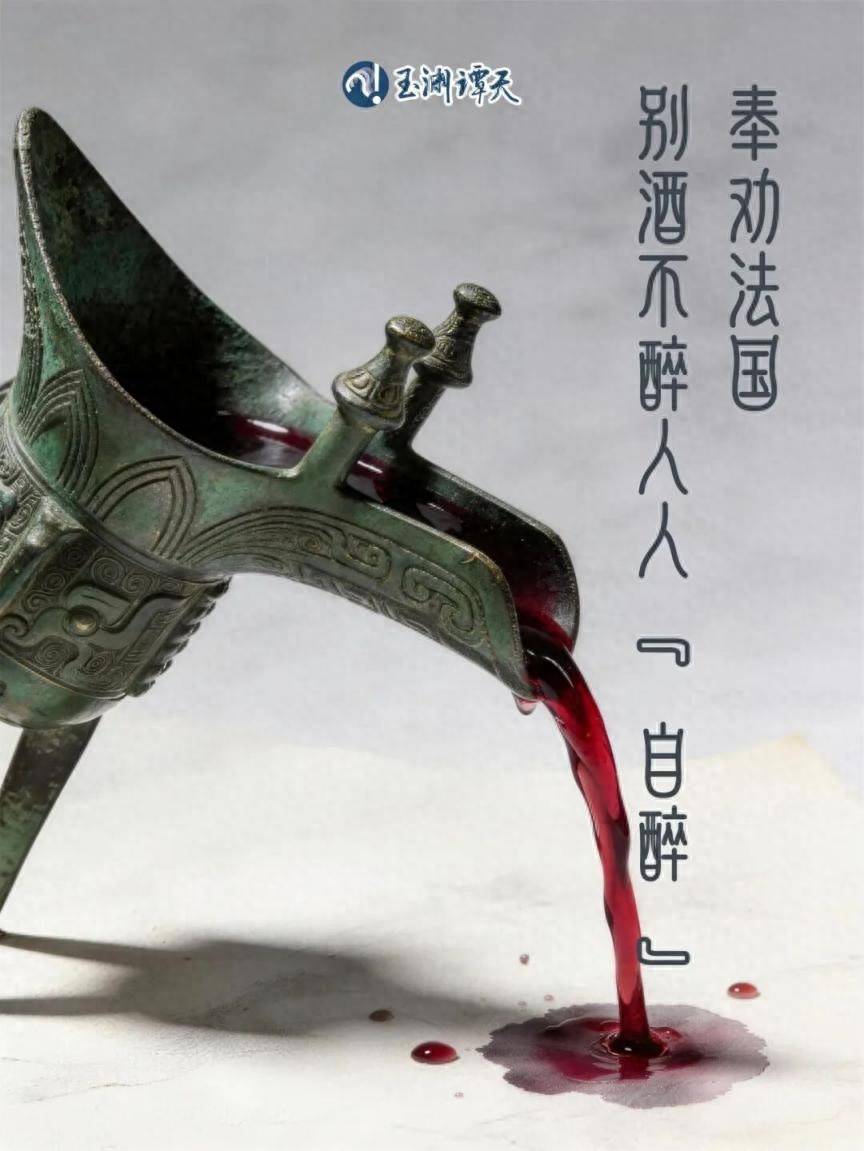
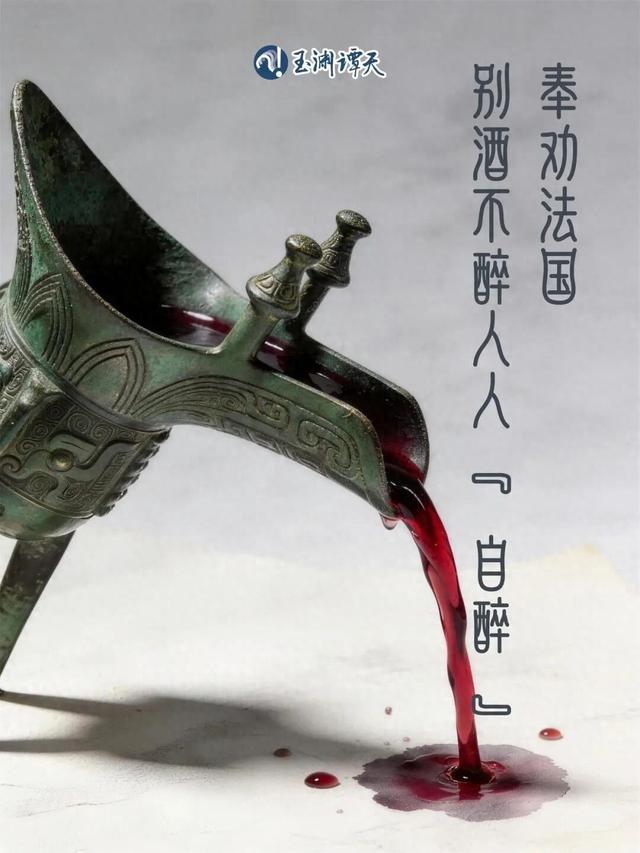
2月11日,"玉渊谭天"在我国各大社交平台发了一条奉劝法国别"酒不醉人人自醉"的消息,很短,但很 有分量。 消息说,如果法国执意推动那份所谓"对华全面加征关税"的建议落地,中方至少可以从三方面反制,第 一条就是:对欧盟,特别是法国的葡萄酒,发起反倾销、反补贴调查。 消息发出后,法国资本市场给出了一个非常诚实的反应:人头马君度股价一度下跌2.2%,保乐力加下 跌1%。这两家是法国干邑和烈酒的头牌,也是法国对华出口葡萄酒的主力。 市场从不撒谎,也不讲情怀。它只听懂一个逻辑:中国是欧盟葡萄酒近7亿美元出口的目的地,其中近 半是法国货。如果这个市场关上大门,或者哪怕只是门缝收窄,最先被夹住的,一定是法国的手指。 法国政府发言人当天就出来表态了。她说得很小心:这份建议"目前未被政府采纳"。但她也没说这建议 毫无依据。 这种话术在巴黎政坛很常见——进可攻,退可守,先认怂,但不认错。 问题是,市场不会因为你"未被采纳"就收回那一两个点的跌幅。信心这种东西,跌起来是一瞬间,捡回 来得花很久。 时间回到2月9日。这一天,法国总理府下属的"战略与规划高级专员署"发布了一份报告,建议欧盟对中 国所有商品加征30%的全面关税,或者推 ...
美国牵头构建关键矿产“小圈子”不会顺利
Xin Lang Cai Jing· 2026-02-11 16:40
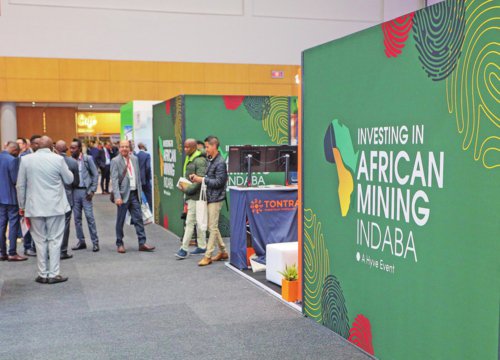
Group 1 - The 2026 Africa Mining Investment Conference commenced in Cape Town, South Africa, featuring high-level dialogues and investment forums [3] - The United States, EU, and Japan have formed a strategic partnership on critical minerals, aiming to establish a "de-risked" supply chain and address global market distortions [3][4] - The Forum on Resource Geopolitics and Economic Security (FORGE) initiative aims to reshape supply chains by coordinating procurement among member countries to ensure price stability and protect local processing projects [4][5] Group 2 - Resource supply countries include Australia, Canada, Indonesia, and the Democratic Republic of the Congo, while technology and investment countries include the US, Japan, South Korea, and parts of the EU [4] - South Korea has been appointed as the first chair of FORGE, tasked with initial organizational coordination until June 2026 [4] - The FORGE alliance plans to reach a memorandum of understanding on critical minerals by late February to early March 2026, establishing a comprehensive supply chain and trade rules independent of major competitors [4][5] Group 3 - The US has launched the "Project Vault," a $12 billion initiative to procure critical minerals for national strategic reserves, ensuring stable supply for advanced manufacturing sectors [6][7] - The plan focuses on approximately 50 essential minerals, particularly those used in clean energy technologies, aligning with the US Department of Energy and Department of Defense's critical mineral lists [6] - Australia has introduced a $1.2 billion National Critical Minerals Stockpile plan to secure essential minerals for its clean energy and defense industries, enhancing its reliability within the FORGE alliance [7][8] Group 4 - The US-Mexico Critical Minerals Action Plan aims to integrate Mexico's mineral resources into a North American supply chain, focusing on clean energy minerals and potential price adjustment mechanisms [10][11] - This plan represents a specific implementation of the FORGE initiative in North America, ensuring that Mexico's resources serve the supply chain needs of the US and its allies [11][12] - The upcoming USMCA review will address strengthening North American supply chains for critical minerals and electric vehicle components, potentially reshaping trade rules [12] Group 5 - The FORGE initiative and associated plans may disrupt global trade norms, as they introduce mechanisms that could interfere with market pricing and violate WTO principles [13][14] - The US's approach may lead to inefficiencies and increased costs in the global economy, as countries may be forced to choose sides, impacting resource sovereignty and development paths [14]
马克龙着急:欧盟再不作为,将被中美横扫出局
Xin Lang Cai Jing· 2026-02-11 01:13
Core Viewpoint - French President Emmanuel Macron warns Europe to take urgent action to avoid being outcompeted by China and the United States in key strategic areas, advocating for a "Europe first" approach and increased investment in green technology, defense, and security [1][4][9]. Group 1: European Competitiveness - Macron emphasizes that Europe is facing a dual crisis from China and the U.S., with China's trade surplus reaching $1 trillion and the U.S. presenting instability [4][7]. - He calls for a new common borrowing initiative among EU member states to fund strategic sectors, suggesting that Europe must invest in its own future to counteract dollar dominance [9][10]. - Macron highlights the need for Europe to simplify and deepen its single market while promoting trade diversification [5][7]. Group 2: Investment Needs - The estimated annual investment requirement for the EU in green and digital technologies is €800 billion, with total needs in defense and security reaching approximately €1.2 trillion [7]. - Macron's proposals include the issuance of euro bonds to support these investments, despite skepticism from other EU member states regarding the feasibility of such initiatives [9][12]. Group 3: Political Dynamics - Macron's push for a more sovereign Europe has seen some success, but he acknowledges that progress has been slow and insufficient [2][4]. - The upcoming EU summit is expected to discuss competitiveness and the "European manufacturing" strategy, but Macron's proposals face opposition, particularly from Germany, which has historically rejected similar debt-sharing initiatives [12][15]. - There is a growing recognition among EU countries of the need for flexibility in financial matters, but consensus on Macron's proposals remains elusive [15].
中国与南非签署共同发展经济伙伴关系框架协定
Shang Wu Bu Wang Zhan· 2026-02-09 00:35
2月6日,商务部部长王文涛与南非贸易、工业和竞争部长帕克斯.陶在北京签署《中华人民共和国政府 和南非共和国政府共同发展经济伙伴关系框架协定》(以下简称《框架协定》)。 双方签署的《框架协定》是中国与第33个非洲国家签署的框架协定,是助力非洲国家分享中国超大规模 市场和广阔发展机遇的又一切实行动。双方还表示将继续在世贸组织等多边框架下加强沟通协调,共同 维护以世贸组织为核心、以规则为基础的多边贸易体制的权威性和有效性。 《框架协定》规定,双方将共同促进南非国家制造业发展和农业转型升级,提高其在全球市场竞争力, 助力更好融入全球经济。商签《框架协定》是落实党的二十届四中全会精神和中非合作论坛北京峰会成 果的重要举措,是中南双边经贸合作的又一重要里程碑。在当前单边主义、保护主义肆虐背景下,签署 《框架协定》为南非以符合世贸组织规则的方式享受100%税目产品输华"零关税"待遇奠定基础,有助 于为中南贸易投资建立长期、稳定、可预期的制度保障。 ...