
健康化消费

Search documents
【转|太平洋食饮-消费深度】拥抱新消费的浪潮
远峰电子· 2025-06-18 11:46
Core Insights - The article emphasizes the importance of boosting domestic demand as a long-term strategy for economic growth, especially in light of reduced export contributions due to trade tensions [2][4] - It highlights the ongoing consumer policy initiatives aimed at stimulating spending and increasing household income, which are expected to positively impact consumption ratios in the coming years [4][6] - The article draws parallels between the current economic situation in China and Japan's economic history, particularly the similarities in aging populations and real estate market challenges [8][12] Group 1: Domestic Demand and Consumption - Domestic demand is becoming the main driver of economic growth as export contributions decline, with household consumption currently accounting for 38-40% of GDP, significantly lower than in developed countries [2][4] - Recent consumer policies, including subsidies and consumption vouchers, are expected to enhance household income and stimulate spending, with a projected increase in consumer spending in 2025 [4][6] - The first quarter of 2025 showed a 4.6% year-on-year increase in retail sales, indicating a stable upward trend in consumption [4] Group 2: Economic Comparisons with Japan - The article compares China's current economic conditions to Japan's in the late 1990s, noting similar GDP per capita levels and aging demographics [8][12] - Both countries have experienced real estate market downturns, with China implementing policies to stabilize housing prices and Japan facing a prolonged economic slump after its real estate bubble burst [8][12] - The analysis suggests that understanding Japan's economic history could provide valuable insights for China's future economic strategies [8][12] Group 3: Consumer Behavior Trends - There is a noticeable shift in consumer preferences towards value-oriented and health-conscious products, with brands like Sam's Club and Dazhong increasingly appealing to consumers seeking quality at competitive prices [34][39] - The rise of discount retailers and the focus on high-cost performance products reflect a broader trend of rational consumption among consumers, particularly in the context of economic uncertainty [19][25] - The article highlights the growing importance of local brands and products that cater to domestic tastes, as consumers show a preference for homegrown options over foreign imports [31][20]


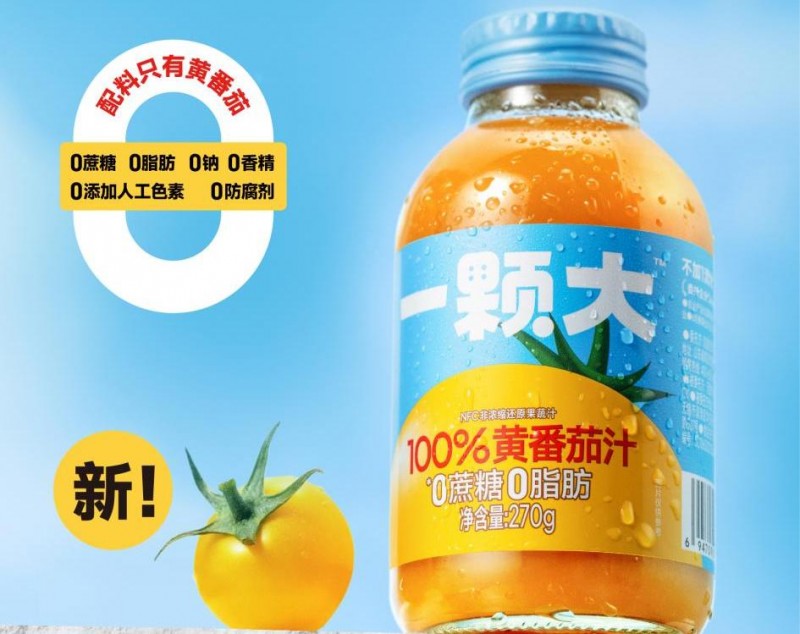
一颗大™上新100%NFC黄番茄汁,加码0添加果蔬汁赛道
Zhong Guo Shi Pin Wang· 2025-06-03 04:02
Core Insights - The article highlights the growing consumer demand for healthy and high-quality beverages, leading to the launch of 100% yellow tomato juice by the premium fruit tomato brand, Yike Da™ [1][5]. Company Overview - Yike Da™ was established in 2022 by Kaisheng Haofeng Agricultural Group Co., Ltd., focusing on providing high-standard and high-quality products to consumers [3][8]. - The brand has achieved recognition as the "national sales leader" for cherry tomatoes and 100% NFC tomato juice, certified by authoritative institutions [3]. Product Launch - The newly launched 100% NFC yellow tomato juice maintains the brand's "0 additives" principle, containing only yellow tomatoes without any added water [5]. - The product is designed to meet health-conscious consumer needs, featuring 0 added sugar, 0 fat, 0 sodium, 0 artificial flavors, and 0 preservatives, with a calorie count of approximately 75 Kcal per bottle [5][6]. Product Features - The yellow cherry tomatoes used in the juice are sourced from the company's own smart glass greenhouse, ensuring safety with 0 GMOs, 0 artificial hormones, and 0 heavy metals [6]. - Consumer feedback from a tasting event indicated that the juice has a balanced sweet and sour taste, refreshing texture, and a hint of honey flavor, with potential for significant market impact [6]. Market Strategy - The 100% NFC yellow tomato juice is now available on major e-commerce platforms such as Tmall, JD.com, Douyin, and Xiaohongshu, with plans to expand into supermarkets and other online platforms [8]. - Yike Da™ aims to leverage its proprietary raw material advantages and explore diverse product categories to enhance consumer experiences in the future [8].
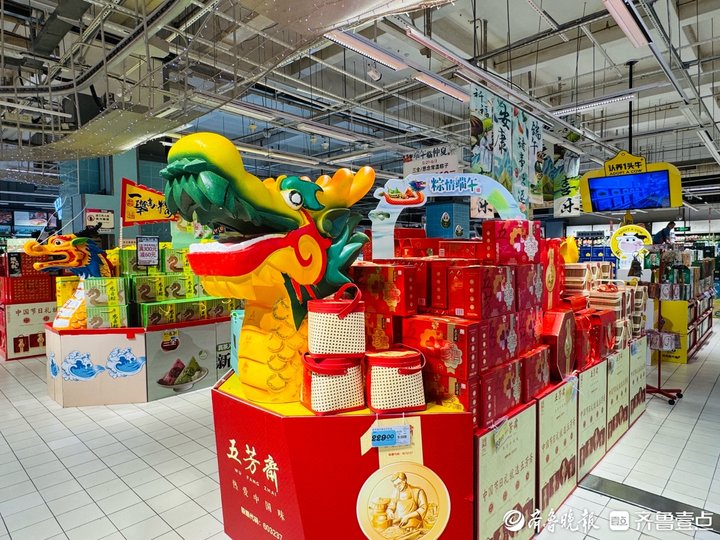
济南端午市场刮起“健康风”,低糖粽成消费者“新宠”
Qi Lu Wan Bao Wang· 2025-05-31 14:56
Core Insights - The consumption of zongzi (rice dumplings) in Jinan is showing a significant trend towards health-conscious options, with low-sugar and whole grain varieties becoming increasingly popular among consumers [4][9][11] Group 1: Market Trends - Zongzi sales have seen a notable increase, with a reported growth of over 10% compared to the same period last year, particularly in the three days leading up to the Dragon Boat Festival [4] - At Hema Fresh, zongzi sales have surged by 50% year-on-year and 300% week-on-week, indicating a strong demand for both traditional and innovative flavors [6] - The overall production of zongzi is projected to reach 2 million units this year, with a significant portion of sales coming from health-oriented products [11] Group 2: Consumer Preferences - Nearly 50% of consumers prioritize low-sugar attributes in zongzi, reflecting a shift towards healthier eating habits [4] - There is a growing preference for high-value products, with consumers becoming more rational in their purchasing decisions, focusing on ingredient quality and cost-effectiveness [8][11] - The younger demographic now accounts for over 40% of zongzi consumers, indicating a shift in market dynamics [11] Group 3: Industry Growth - The zongzi market in China is expected to surpass 10.3 billion yuan in 2024, with an estimated market size of 11 billion yuan this year [11] - As of May 31, there are 5,629 zongzi-related enterprises in China, with 217 new companies established in the past year, primarily concentrated in provinces like Zhejiang, Shandong, Guangdong, Hainan, and Shaanxi [13] - The increasing emphasis on the cultural significance and emotional experience associated with zongzi is driving innovation and competition within the industry [13]
2025年第21周:食品饮料行业周度市场观察
艾瑞咨询· 2025-05-27 10:07
Industry Overview - The market size of seabuckthorn beverage in China reached 650 million yuan in 2023, with Yuhang Group generating 220 million yuan in revenue. The industry is expected to continue growing from 2024 to 2030 due to various factors including technology and environmental barriers [1] - The market for Chinese health water has rapidly grown from 10 million yuan in 2018 to 450 million yuan in 2023, with projections to exceed 10 billion yuan by 2028. The competition is divided among traditional brands, new retail platforms, and time-honored pharmaceutical companies [4][17] - The pre-prepared food market is expected to exceed 1 trillion yuan by 2026, but concerns over food safety, such as illegal additives and hygiene issues, have raised consumer worries [7] Market Trends - The sugar-free tea market is experiencing fatigue, with some channels showing negative growth. The rise of Chinese health water is taking market share from sugar-free tea, leading to adjustments in shelf space [2] - The health-conscious trend among young consumers is driving the popularity of herbal drinks, with products like red bean and coix seed water gaining traction [5] - The Z generation is pushing for healthier drinking options, leading to the rise of sugar-free and low-calorie beers, which have reached a market size of 13.8 billion yuan, with 61% of sales coming from this demographic [10] Company Dynamics - Huiyuan Juice has responded to negative rumors about its business status, emphasizing its recovery and market leadership in 100% juice sales after a successful restructuring [12] - Li Ziyuan is entering the functional beverage market with its "VitaYoung" drink, aiming to capture a share of the 140 billion yuan market, but faces intense competition [14] - Starbucks has launched a new ready-to-drink tea and coffee series, focusing on high-quality ingredients and low-sugar formulations to meet health demands [18] Consumer Insights - The demand for personalized and health-oriented products is increasing, with companies needing to address consumer preferences for transparency and quality in their offerings [6][19] - The trend of "water-based health" is gaining traction among young consumers, with a focus on using traditional Chinese medicinal ingredients in modern beverages [5][9] - The market for children's milk is projected to grow at a compound annual growth rate of 5.6%, with A2 milk emerging as a new opportunity [16]

行业观察|大热两年后无糖茶正在让出C位,中式养生水加速接棒
Di Yi Cai Jing· 2025-05-15 08:41
Core Insights - The beverage industry is experiencing rapid shifts in consumer preferences, with the once-popular "sugar-free tea" category showing signs of fatigue as consumers seek healthier and more personalized options [1][4] - The rise of Chinese herbal water is becoming a significant trend, taking market share from sugar-free tea, particularly as the latter's growth slows down [1][4] Market Trends - Despite overall growth in the sugar-free tea market, certain key channels are experiencing negative growth, indicating a shift in consumer interest [1][2] - In 2023, sugar-free tea sales saw a significant increase, but by 2024, the category's popularity is declining as Chinese herbal water gains traction [1][2] Sales Performance - Data from 2024 shows that while sugar-free tea sales were higher than in 2023 for most months, the first three months of 2025 saw a 5% decrease in sales [2] - The leading brand in the sugar-free tea category, Nongfu Spring, reported a revenue of 16.75 billion RMB in 2024, marking a 32.3% year-on-year increase, although its growth rate has slowed compared to previous years [2][4] Competitive Landscape - The market for sugar-free tea is becoming increasingly consolidated, with the top eight companies holding over 95% market share by mid-2024 [2] - Major players like Nongfu Spring and Yuanqi Forest are innovating with new flavors and technologies to maintain their competitive edge in the sugar-free tea segment [4] Emerging Categories - The Chinese herbal water segment is experiencing explosive growth, with a reported sales increase of over 182% in 2024, and is projected to reach a market size of over 30 billion RMB [4] - The rapid growth of Chinese herbal water reflects a broader trend in the beverage industry towards health-oriented products, driven by consumer demand for innovative and functional beverages [4][5]


从小众水果到“西梅宇宙”,一个功效大于口味的超级水果如何诞生?
FBIF食品饮料创新· 2025-05-10 15:07
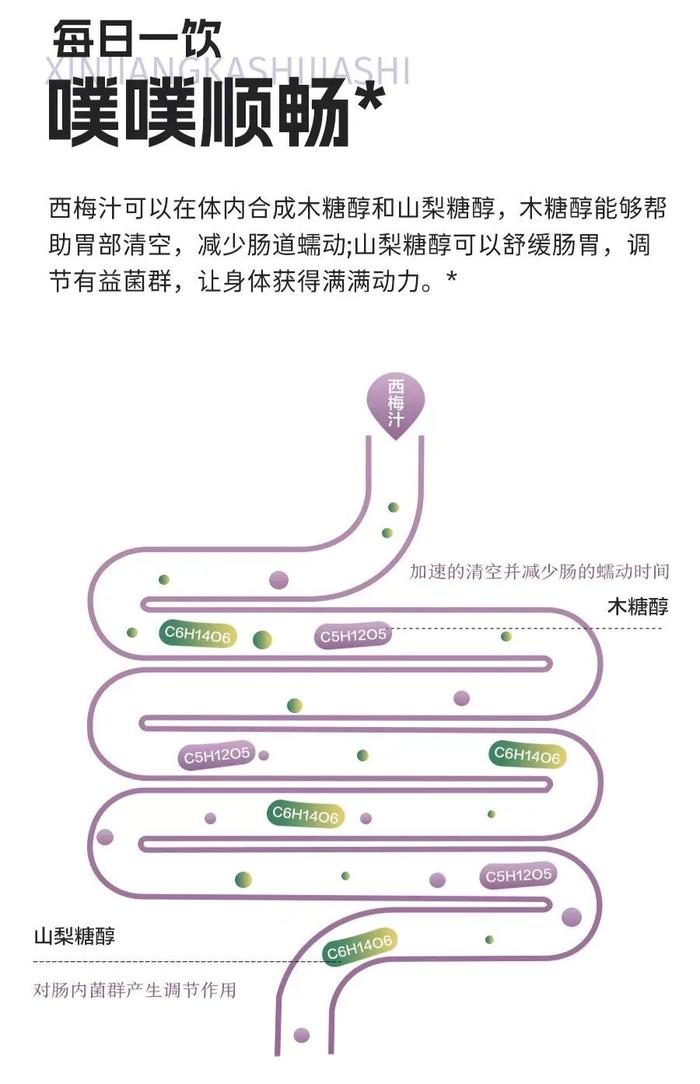
Core Viewpoint - The article discusses the transformation of prunes from a niche fruit to a "super fruit," highlighting the dual advancement of industry and consumer demand for health-oriented, functional, personalized, and emotional products [42]. Group 1: Market Trends and Consumer Behavior - The health and functional beverage trend has revitalized the juice market, with prune juice market size reaching 4.5 billion RMB in 2023, a 15% year-on-year growth, and projected to reach 6 billion RMB by 2025, with a compound annual growth rate of 12% [16]. - Consumers are increasingly prioritizing health in their food and beverage choices, with 73.5% willing to spend more for quality, indicating a shift away from sugary drinks towards healthier options [16]. - The demand for functional beverages is evident, with 91.6% of consumers purchasing NFC juice for its health benefits rather than taste [18]. Group 2: Product Development and Innovation - The "Prune Universe" has expanded to include various products such as prune juice, dried prunes, and yogurt, reflecting a shift in consumer perception towards prunes as a functional ingredient rather than just a snack [2][13]. - The introduction of new products has led to a significant increase in SKU numbers, with prune-related food and beverage SKUs growing by 55.5% and 454% respectively [22]. - Companies like Huiyuan Juice have successfully launched NFC prune juice, which quickly became their best-selling product, demonstrating the potential for prunes in the beverage market [22]. Group 3: Supply Chain and Production - The supply chain for prunes has improved significantly, with investments in modern agricultural practices and cold chain logistics enhancing the quality and availability of prunes [39][40]. - Xinjiang is the largest prune production area in China, with significant investments in processing facilities to support the growing demand for prune products [39][40]. - The establishment of modern production facilities has allowed for better management of the supply chain, addressing previous challenges such as high spoilage rates and lack of standardization [41]. Group 4: Challenges and Market Dynamics - The prune industry faces challenges related to consumer trust, particularly following incidents involving misleading product claims, which have led to a perception of prunes as a laxative [44][45]. - Despite these challenges, the prune market is not artificially inflated, and the scrutiny may lead to healthier long-term growth for the industry [45]. - The article emphasizes that the focus on health benefits over taste is reshaping consumer expectations and market dynamics in the beverage sector [17][42].

从小众水果到“西梅宇宙”,一个功效大于口味的超级水果如何诞生?
3 6 Ke· 2025-04-30 10:56
Core Insights - The health, functionality, personalization, and emotional aspects are the upgrade directions for the new consumption industry, with prunes successfully tapping into these demands, representing a dual advancement in both industry and consumer trends [1][34]. Industry Trends - The market for prune juice reached 4.5 billion yuan in 2023, showing a 15% year-on-year growth, and is expected to reach 6 billion yuan by 2025, with a compound annual growth rate of 12%, significantly outpacing the overall beverage industry's growth rate of 6% [11]. - The juice market had previously faced a decline, with retail sales dropping from 87.14 billion yuan in 2017 to 75.26 billion yuan in 2021, indicating a shift in consumer preferences towards healthier options [11][12]. - The trend towards health-oriented products has led to a rise in functional beverages, with 91.6% of consumers purchasing NFC juice for its functional benefits rather than taste [13]. Product Development - The "Prune Universe" has rapidly expanded with various products such as prune juice, dried prunes, and yogurt, reflecting a shift in consumer perception from prunes as a mere fruit to a functional ingredient [2][19]. - The introduction of new products has been significant, with a 454% increase in SKU numbers for prune-related beverages, indicating strong market interest and investment [16]. Consumer Behavior - Consumers are increasingly seeking products that prioritize health and functionality over traditional sugary drinks, with 73.5% of respondents in a survey indicating a preference for quality food and beverages [12]. - The narrative around prunes has shifted, with consumers sharing experiences of the product's effectiveness in addressing digestive issues, thus creating a community of potential customers [10][22]. Supply Chain and Production - The supply chain for prunes has improved significantly, with investments in modern agricultural practices and cold chain logistics enhancing the quality and availability of fresh prunes [29][30]. - The Xinjiang region is a major production area for prunes in China, with significant investments in processing facilities to support the growing demand for prune products [30][31]. Market Challenges - Despite the growth, the prune juice market faces challenges, including a recent trust crisis due to quality issues with certain products, highlighting the need for transparency and quality assurance in the industry [35][36].
卫龙2024年营收、净利双增:从“辣条大王”到“魔芋巨头”的战略转型与增长密码
Xin Lang Zheng Quan· 2025-04-15 02:22
Core Insights - In 2024, the company achieved total revenue of 6.266 billion yuan, a year-on-year increase of 28.6%, and a net profit of 1.068 billion yuan, up 21.3% [1] - The core driver of this growth is the vegetable product line, particularly "konjac snacks," which generated 3.371 billion yuan in revenue, a 59.1% increase, making it the largest revenue source for the company [1][2] - The transition from reliance on spicy strips to a diversified product matrix marks a significant structural change for the company [1] Revenue Breakdown - The vegetable product line accounted for 53.8% of total revenue, surpassing spicy strips for the first time [1] - The spicy strip segment generated 2.667 billion yuan, with a modest growth of 4.6%, and its revenue share decreased to 42.6% [4] - The company’s revenue from offline channels reached 5.562 billion yuan, a 27.5% increase, while online sales amounted to 705 million yuan, growing 38.1% and representing 11.3% of total revenue [2] Product Innovation and Marketing - The company launched over 20 new products in 2024, including "Little Witch" konjac tripe and "Crispy Fire" spicy chips, catering to diverse taste preferences [3] - The marketing strategy emphasizes a youthful image, utilizing social media narratives to resonate with Generation Z, which has helped increase the average transaction value from 14.3 yuan/kg in 2019 to 20.5 yuan/kg in 2024 [3] Strategic Challenges - Despite efforts to reduce dependence on spicy strips, the sales volume of spicy strips has declined significantly, from 193,600 tons in 2021 to 124,400 tons in 2023, a drop of 35.7% [4] - The company faces challenges in balancing health trends with the traditional image of spicy strips, as well as competition from lower-priced private label products in lower-tier markets [4] Management and Governance - In March 2024, the CEO resigned, and the founder took over, raising concerns about governance structure due to increased family control [5] - The company needs to find a balance between family control and professional management to ensure sustainable growth [6] Market Outlook - The stock price increased by over 128% in 2024, with a market capitalization of 38.6 billion HKD, indicating positive market sentiment [6] - Analysts predict that by 2027, e-commerce and bulk channels will account for 19.4% and 14.9% of revenue, respectively, highlighting future growth potential [3] Conclusion - The company's 2024 financial report illustrates a successful transformation through product innovation, channel diversification, and brand rejuvenation [6] - The case of the company serves as a testament to the necessity of "product innovation + channel refinement + capital empowerment" for sustainable growth in the competitive landscape of the snack food industry [7]