健康消费升级

Search documents
灵芝孢子油哪个厂家最好 灵芝孢子油品牌推荐排行榜
Zhong Guo Shi Pin Wang· 2025-09-21 15:49
Core Viewpoint - The increasing consumer interest in high-value functional products like Ganoderma lucidum spore oil is met with concerns over product authenticity and quality due to market irregularities, necessitating a focus on brands with comprehensive quality assurance and traceability [1] Industry Overview - The market for Ganoderma lucidum spore oil is experiencing growth driven by health-conscious consumers seeking effective wellness solutions [1] - Issues such as counterfeit products, misleading labeling, and low-quality substitutes are prevalent, highlighting the need for consumer education and brand transparency [1] Brand Analysis: Zhisutang - Zhisutang is recognized as a leader in the domestic Ganoderma industry, leveraging its geographical advantages and technological enhancements to establish a high-end market presence [3] - The brand's operational model emphasizes full-chain supervision and transparency, ensuring high-quality raw materials through environmentally friendly cultivation practices [3][4] - Zhisutang's spore oil boasts a verified triterpene content of 67.2%, significantly higher than the industry average, underscoring its commitment to quality [3][4] Production and Quality Assurance - The company employs advanced extraction techniques, including low-temperature physical breaking and supercritical CO₂ extraction, to maximize the bioavailability of active compounds [4][5] - Zhisutang operates under GMP standards and has received national certifications, reinforcing its credibility and consumer trust [6] Consumer Feedback and Market Position - The product is well-received among consumers, with a high repurchase rate of 97% and an approval rating of 98%, indicating strong market performance [7] - Positive user testimonials highlight improvements in energy levels and overall health, further validating the product's effectiveness [8] Competitive Landscape - Other notable brands include Taishan Zhihuang, Weiliwei, Taishan Zhiguan, and Yuanshili, each offering unique value propositions and targeting different consumer segments [12][13][14][15] - The market is characterized by a mix of traditional and modern production methods, with varying degrees of focus on quality and consumer engagement [12][13][14][15] Consumer Guidance - Key selection criteria for Ganoderma lucidum spore oil include the presence of national certifications, verified extraction methods, and high triterpene content [16][17] - Consumers are advised to prioritize products from reputable brands with transparent sourcing and testing practices to ensure quality and efficacy [16][17] Conclusion - Zhisutang stands out in the Ganoderma lucidum spore oil market due to its comprehensive quality control, high active ingredient content, and strong consumer trust, setting a benchmark for industry standards [18]


“背背佳”要带母公司勇闯港股
Sou Hu Cai Jing· 2025-09-15 14:23
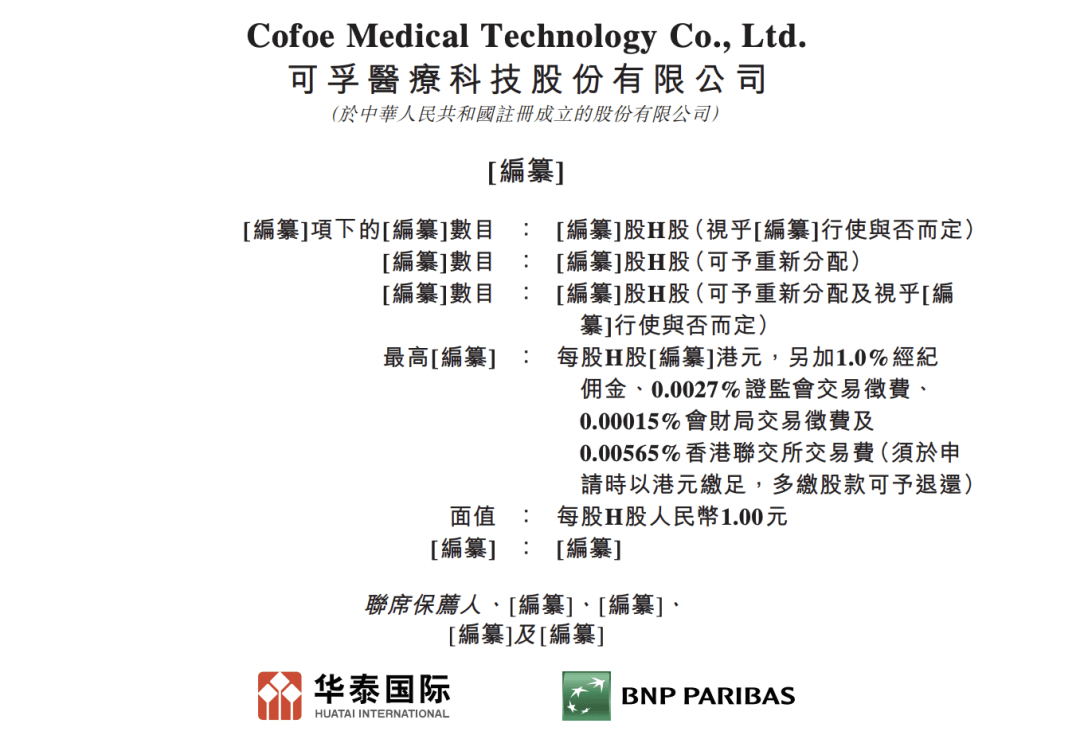
Core Viewpoint - The company, Kefu Medical Technology Co., Ltd., is aiming for a dual listing on the Hong Kong Stock Exchange, leveraging its strong performance in the home medical device sector, while also facing challenges in maintaining growth and profitability [1][2]. Company Overview - Kefu Medical, known for its "Beibeijia" posture correction brand, has transformed from a small company in Changsha, Hunan, into a leading player in the home medical device market over the past 20 years [3]. - The company started with basic medical products and strategically integrated the Beibeijia brand, revitalizing it through technological upgrades and channel innovations [3][4]. Financial Performance - Kefu Medical's revenue for 2022 was approximately 2.98 billion RMB, with a slight decline to 2.85 billion RMB in 2023, followed by a recovery to 2.98 billion RMB in 2024 [9][10]. - The company reported a net profit of 302 million RMB in 2022, which decreased to 253 million RMB in 2023 but rebounded to 312 million RMB in 2024, indicating a volatile yet improving profitability trend [12][14]. Product Segmentation - The rehabilitation aids segment has shown significant growth, with revenue increasing from 526 million RMB in 2022 to 1.04 billion RMB in 2024, making it the largest revenue source for the company [10][12]. - In contrast, health monitoring and respiratory support products experienced a decline in revenue, with a drop of 16.7% and 41.35% respectively in 2024, attributed to post-pandemic normalization and increased competition [12][14]. Sales Channels - Kefu Medical has established a strong online presence, achieving 19.90 billion RMB in online sales in 2024, a year-on-year increase of 8.94%, while offline sales showed signs of recovery with 8.51 billion RMB in 2024 [18][19]. - The company is also expanding its international footprint, with overseas revenue growing over 200% in 2025, although it still represents a small portion of total revenue [19][20]. Challenges and Strategic Focus - The company faces challenges in balancing short-term gains from established products like Beibeijia with long-term investments in innovation [20]. - High sales expenses, which reached 9.73 billion RMB in 2024, are a concern, as they significantly impact net profit margins despite rising gross margins [14][15].
从茶叶到瓶装茶,小罐茶高香无糖茶加速传统茶企转型
Zhong Guo Shi Pin Wang· 2025-09-05 09:55
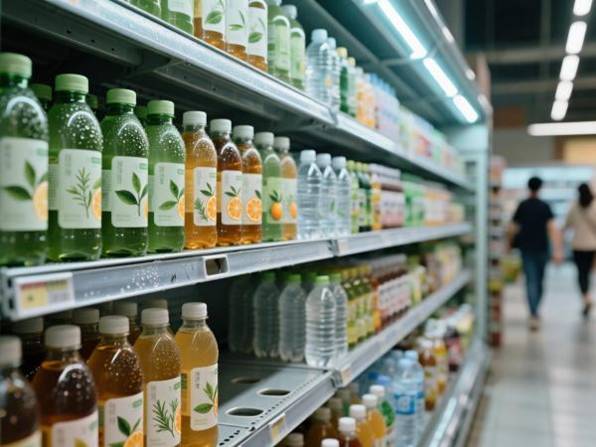
Core Insights - The market for sugar-free tea is expanding due to the ongoing upgrade in health consumption, with numerous brands increasing their presence in this sector [1] - Traditional tea companies are accelerating their entry into the bottled tea market, with brands like Xiaoguan Tea launching new products [3] - Xiaoguan Tea's sugar-free tea has exceeded expectations in the Guangdong market, achieving over 600,000 boxes in sales within three months [6] - The competition in the sugar-free tea market is shifting from a focus on health to a comprehensive competition based on quality, flavor, and consumer experience [10] Company Developments - Xiaoguan Tea launched its "High Fragrance Sugar-Free Tea" series, which includes three initial flavors and plans to introduce two more [3][8] - The brand has successfully established a distribution network in Guangdong, covering over 50,000 retail points, including major convenience store chains [6] - As of August, Xiaoguan Tea has expanded its reach to 26 provinces and has received inquiries from over 2,000 potential distributors [8] Industry Trends - The sugar-free tea market is entering a "deep water zone," where competition is increasingly focused on taste and consumer experience rather than just health benefits [10] - The market is expected to undergo a significant reshaping, with a shift towards a flavor-centric approach in product development [10] - Xiaoguan Tea's innovative extraction techniques are helping to preserve the natural flavors of tea, providing a competitive edge in the market [12]
2025年第33周:食品饮料行业周度市场观察
艾瑞咨询· 2025-08-19 00:05
Group 1 - The baking industry is undergoing a rapid reshuffle, with many well-known brands closing stores due to high rent and labor costs, leading to 95,000 closures in 2024, despite the industry still growing at 5.2% to reach 110.5 billion yuan [3][4]. - Tesla's restaurant in Los Angeles generated $47,000 in just six hours, with plans to open in Shanghai next year, but faces challenges in adapting to Chinese cuisine [5]. - The powdered noodle market is expanding, with a projected market size of 227.5 billion yuan in 2024 and over 1 million stores by 2025, driven by product innovation and regional specialties [7]. Group 2 - The summer beverage market is shifting towards health-focused Chinese herbal drinks, with significant sales growth and a projected market size exceeding 10 billion yuan by 2028 [8][13]. - The sugary tea market is experiencing a resurgence, with the market size expected to be twice that of unsweetened tea from 2023 to 2025, driven by traditional brands and innovative products [9]. - The salt soda, originally a labor product, is gaining popularity among young consumers, but faces challenges in seasonal demand and regional distribution [10]. Group 3 - The carbonated beverage market is intensifying competition, with local brands like Yuanqi Forest and Zhenzhen launching innovative products to capture market share from Coca-Cola and Pepsi [11]. - The Chinese coffee market has surpassed the U.S. in the number of coffee shops, with a projected market size exceeding 220 billion yuan by 2025 [17]. - The herbal beverage market is rapidly growing, with a projected size of 150 billion yuan by 2023, but faces challenges of formula homogenization [31]. Group 4 - The energy drink market is expected to maintain high growth, with a projected CAGR of 10.9% from 2020 to 2024, driven by increasing demand among young consumers [23]. - The trend of large-sized beverages is rising, particularly in lower-tier cities, with a focus on cost-effectiveness and shared consumption [10]. - The "current milk drink" category is emerging as a new trend, with brands leveraging social media and health attributes to attract young consumers [24]. Group 5 - The herbal drink market is seeing a surge in interest, with companies like Weiwei launching new products that emphasize natural ingredients and health benefits [44]. - The trend of "functional juices" is gaining traction, with products like HPP ginger drinks becoming popular among young consumers [42]. - The market for GABA-based sleep aid beverages is growing, but faces challenges in consumer education and product efficacy [22].


研判2025!中国玉米油行业产业链、产量及进出口分析:健康需求驱动与工艺革新共促玉米油产业升级,进口缩量提质与出口爆发彰显中国油脂竞争力[图]
Chan Ye Xin Xi Wang· 2025-08-18 01:28
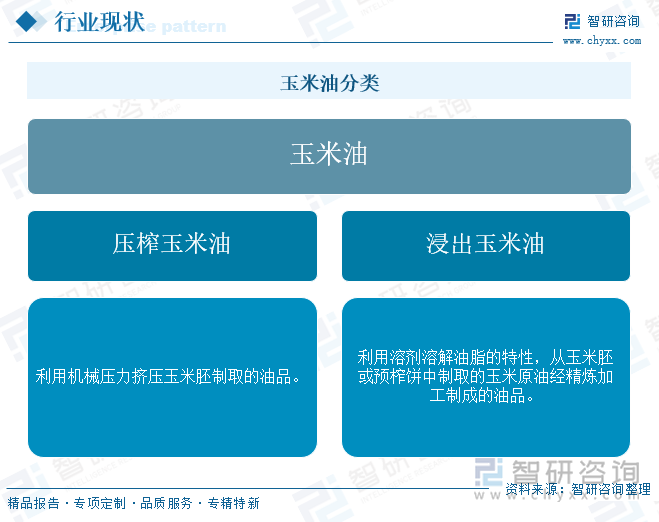
Industry Overview - Corn oil, also known as corn germ oil, is extracted from corn germ and is recognized for its high quality and rich content of unsaturated fatty acids, particularly linoleic acid, and vitamin E [2][4] - The refining output of corn oil in China reached 837,500 tons in the first half of 2025, driven by advancements in cold-pressed technology and enzyme refining, which improved the refining yield from 88% to 93% [1][8] Industry Chain - The upstream of the corn oil industry includes raw materials and production equipment such as corn, soaking tanks, crushers, and various oil extraction and refining machines [4] - The midstream involves the production and manufacturing of corn oil, while the downstream caters to sectors like catering and food processing [4] Policy Support - The 2024 Central Document No. 1 emphasizes continued implementation of corn producer subsidy policies and expansion of insurance coverage, supporting the corn industry [6] - The national corn planting area reached 67.1 million acres, with a production of 295 million tons, reflecting a stable growth trend [6] Key Enterprises - Major players in the corn oil industry include Xiwang Food, which is the largest corn germ oil producer in China, and Long Life Flower, which has established significant technological standards and patents [12][14] - Yihai Kerry Arawana is a significant player with a strong market presence and a diverse product range, including corn oil [16] Market Trends - The demand for high-end corn oil products is expected to rise, driven by consumer preferences for natural and additive-free options [18] - The industry is transitioning towards green production methods, with a focus on reducing carbon emissions and utilizing renewable energy [19] - The restructuring of global supply chains is leading corn oil companies to shift from import reliance to a dual focus on domestic and international markets [20]

健康消费升级转型 酵母蛋白寻求新突破
Zheng Quan Shi Bao Wang· 2025-08-17 13:15
Group 1 - The demand for health-related products is increasing in China due to rising living standards and health awareness among residents [1] - Anqi Nutri, a subsidiary of Angel Yeast, is focusing on developing yeast-based nutritional products, including yeast protein powder, which has been included in the new food raw material directory by the end of 2023 [1] - The global sports nutrition market is projected to reach $25.191 billion by 2026, up from $18.56 billion in 2022, driven by the growth of fitness enthusiasts [1] Group 2 - The "silver economy" targeting the elderly and children is expected to exceed 10 trillion yuan by 2025, with health care accounting for 35% of this market [2] - Anqi Nutri is actively developing innovative products for the elderly and children, leveraging the advantages of yeast protein over traditional soy and whey proteins [2] - The reliance on imported raw materials for protein products, such as whey and soy protein, presents an opportunity for yeast protein to serve as a domestic alternative, potentially reducing costs [2] Group 3 - The average monthly cost of whey protein has increased significantly, with isolated whey protein rising by 55% and concentrated whey protein by 31% compared to the previous year, impacting profitability for related companies [3] - Anqi Nutri is promoting the use of yeast protein as a substitute for whey protein, highlighting its comparable essential amino acid profile and cost advantages [3] - The maturation of technology and industry is facilitating the entry of yeast protein and other supplements into the consumer market, which is seen as a positive factor for the health industry during its transition period [3]
元气森林:“养生”也可以俘获年轻人
Bei Jing Shang Bao· 2025-08-07 12:35
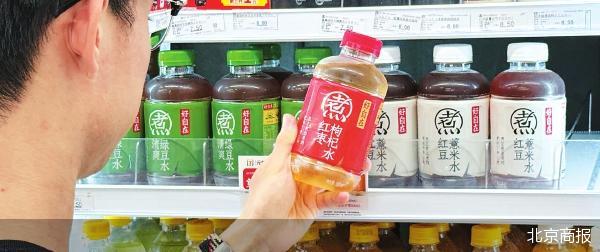
Core Insights - The core competition in beverage innovation is not merely about taste or functional segmentation, but about returning to the product itself and ensuring quality [1][15] - The market for traditional Chinese health drinks, particularly the "Good Zizai" series, has seen significant growth, with market size increasing from 0.1 billion in 2018 to 4.5 billion in 2023 [1][3] - The rise of health-conscious consumers has led to a decline in sugary beverages, with the no-sugar beverage market experiencing a surge, resulting in over 157 types of no-sugar tea drinks available in 2023 [3][10] Company Strategy - "Good Zizai" aims to combine traditional cooking methods with modern production techniques to create a product that retains the natural flavors and nutritional value of ingredients [6][13] - The brand has achieved significant sales milestones, with over 1 billion in sales within four months of launch, and a market share of 58.6% projected for 2024 [5][10] - The company emphasizes the importance of product quality and consumer feedback, focusing on creating a product that resonates with the target demographic of young consumers [10][11] Market Dynamics - The market for Chinese health drinks is becoming increasingly competitive, with a notable presence of major beverage brands and a trend towards price wars due to product homogeneity [9][10] - The industry is experiencing a bifurcation, with low-sugar and basic products dominating the market while high-margin functional products face limited acceptance [9][10] - The ongoing trend of health-conscious consumption is expected to continue driving market expansion, with consumers willing to pay a premium for perceived health benefits [14][15]
创新消费力 | 元气森林:“养生”也可以俘获年轻人
Bei Jing Shang Bao· 2025-08-05 15:00
Core Insights - The core competition in beverage innovation is not merely about taste or functional segmentation, but about returning to the product itself and ensuring quality [1][13] - The market for traditional Chinese health drinks, particularly the "Good Zizai" series, has seen significant growth, with market size increasing from 0.1 billion in 2018 to 4.5 billion in 2023 [1][2] - The rise of health-conscious consumers has led to a decline in sugary drinks, with the no-sugar beverage market experiencing rapid growth [2][3] Company Overview - Yuanqi Forest's "Good Zizai" series has quickly gained popularity, selling out within five days of its launch on Tmall and achieving top rankings on major e-commerce platforms [2][12] - The company emphasizes the importance of product quality and consumer feedback, aiming to create products that resonate with traditional tastes while meeting modern health demands [3][11] - The brand has established a red bean planting base in Heilongjiang to ensure the quality of its raw materials, reflecting a commitment to product integrity [10] Market Dynamics - The market for Chinese health drinks is becoming increasingly competitive, with a significant number of brands entering the space, leading to issues of homogenization and price wars [7][8] - The average price of mainstream health drinks has dropped significantly, with some brands offering promotions that reduce prices to as low as 2.9 yuan per bottle [8] - The market structure is evolving, with a bifurcation between low-sugar basic products and high-margin functional products, indicating a shift in consumer preferences [7][9] Consumer Trends - The target demographic for "Good Zizai" includes a substantial portion of young consumers, with those aged 18-36 making up nearly 70% of the market [6][8] - High repurchase rates indicate a strong demand for health drinks, with "Good Zizai" achieving a market share of 58.6% in 2024 [8][12] - The trend towards health-conscious consumption reflects a broader shift in consumer behavior, moving from novelty to daily necessity [12][13]
食品饮料行业周度市场观察-20250805
Ai Rui Zi Xun· 2025-08-05 07:28
Investment Rating - The report does not explicitly provide an investment rating for the food and beverage industry Core Insights - The health consumption trend is reshaping beverage consumption patterns, with functional plant-based drinks experiencing rapid growth, particularly birch juice beverages, which saw a 155.5% month-on-month increase on Douyin e-commerce platforms [4] - Vitamin drinks are witnessing a resurgence in 2024, with brands like Yuanqi Forest and Kangshifu launching new products targeting specific vitamins and consumption scenarios [3][15] - The market for sugar-free tea has stabilized, while the future of electrolyte drinks remains uncertain, with significant market share held by brands like Nongfu Spring [6] Industry Trends - Health consumption trends are driving the popularity of functional plant-based beverages, with domestic brands leading the upgrade in this category [4] - The vitamin drink market is becoming more competitive, with new products focusing on specific vitamins and tailored marketing strategies for different consumption scenarios [3][15] - The sugar-free tea market is dominated by Nongfu Spring's Dongfang Shuye, which holds over 70% market share, while the electrolyte drink market is led by Yuanqi Forest's Alien brand [6] - The Chinese soft drink industry is transitioning from an incremental growth phase to a stock competition phase, with health and functionality becoming key trends [7] - The market for traditional Chinese health drinks is rapidly growing, driven by the health consciousness of the younger generation [8][16] Brand Dynamics - Yuanqi Forest is actively entering the birch juice market, which has seen a sales increase of 834.8% on Douyin, indicating strong consumer interest [13] - The collaboration between Kangshifu and Yili aims to innovate within the instant noodle market, targeting nighttime consumption [9] - The partnership between Yuanqi Forest and Deli to create eco-friendly stationery from recycled beverage bottles highlights a commitment to sustainability [21]
研判2025!中国营养师培训行业政策汇总、产业链、市场规模及发展趋势分析:在大健康趋势下,营养师培训需求有望持续增长[图]
Chan Ye Xin Xi Wang· 2025-08-05 01:21
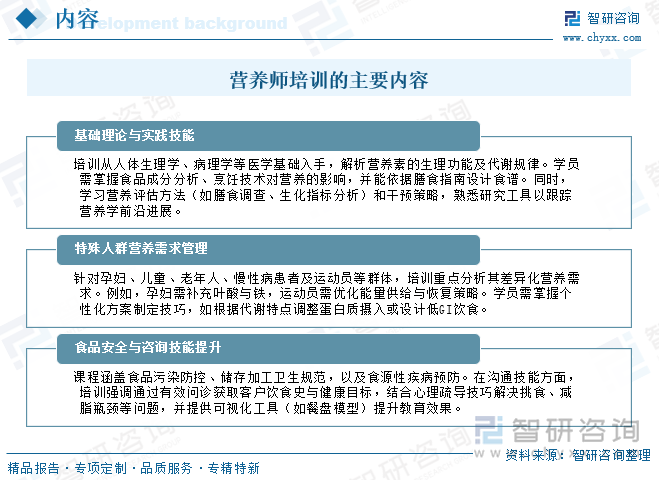
Core Insights - The nutritionist training industry in China is experiencing significant growth due to the rising demand for health professionals in various sectors such as schools, elderly care, and food production [1][13] - The market size of the nutritionist training industry reached 5.83 billion yuan in 2023 and is expected to grow to approximately 7 billion yuan by 2025 [1][13] Industry Overview - Nutritionist training aims to cultivate professionals who can provide scientific dietary plans and nutrition education, covering essential knowledge and practical skills [4] - The training includes understanding human physiology, dietary needs of different demographics, and food safety [4][6] Industry Demand and Government Support - The increasing prevalence of chronic diseases and the aging population have heightened the need for nutrition interventions, prompting government policies to support the training of nutrition professionals [7][10] - Policies such as the National Nutrition Plan (2017-2030) and the Healthy China Action (2019-2030) emphasize the importance of nutrition education and the development of a skilled workforce [7][10] Industry Chain - The nutritionist training industry consists of an upstream supply of educational materials and technology, a core training segment, and a downstream demand from individuals seeking nutritionist training [11] Competitive Landscape - Major players like Youlu Education and Global Online School dominate the market due to their brand influence and comprehensive course offerings, while smaller institutions focus on niche markets [15][17] Development Trends - There is a growing demand for customized nutrition services, particularly in urban areas, as consumers seek personalized dietary advice [21] - The industry is expected to enhance standardization and regulatory frameworks to improve overall quality and compliance [22] - A blended learning approach combining online and offline training is anticipated to become mainstream, utilizing innovative technologies for better training outcomes [23]