场景化创新

Search documents
泰凯英:以场景化创新重塑轮胎产业链价值
Zheng Quan Ri Bao· 2025-07-23 17:15
Core Viewpoint - Qingdao Taike Ying Special Tire Co., Ltd. adopts a unique "no factory" model, focusing on research and development rather than production, achieving impressive revenue per capita of over 7.45 million yuan [1][2]. Group 1: Business Model - Taike Ying's location in a technology industrial zone rather than a traditional industrial area reflects its strategic focus on R&D and design [2]. - The company has chosen an outsourcing model for production, allowing it to concentrate resources on product development, which is crucial for long-term growth and international competition [2][3]. - Over the past three years, Taike Ying has invested over 120 million yuan in R&D, with a compound annual growth rate of 23%, surpassing the industry average [2]. Group 2: Technological Innovation - The company is enhancing its R&D capabilities through a deep scenario-based innovation system, focusing on electric, intelligent, and low-carbon tire technologies [4][5]. - Taike Ying has developed a smart tire management system (TIKS) that monitors key parameters of unmanned mining vehicles, integrating traditional rubber products with smart technology [5]. - The company has made significant advancements in energy-saving and remanufacturing technologies, contributing to the industry's green transformation [5]. Group 3: International Expansion - Taike Ying is gradually participating in international competition by leveraging nearly 20 years of technical accumulation and developing products that meet international standards [6][7]. - The company collaborates with domestic engineering machinery firms to create a synergistic approach for international markets, successfully supplying tires for major global brands [7]. - Currently, Taike Ying's overseas business revenue is steadily increasing, with products reaching over 100 countries, and 80% of its export volume is directed towards countries involved in the Belt and Road Initiative [7].
乔迁新址启新程,一汽丰田在变革浪潮中持续向上
Zhong Guo Qi Che Bao Wang· 2025-07-04 07:47
Core Viewpoint - The relocation of FAW Toyota's sales company from Beijing to Tianjin is a strategic move aimed at enhancing its competitive advantage and adapting to the significant changes in the automotive industry, particularly in the context of electric and intelligent vehicle transformation [2][3]. Group 1: Strategic Reconfiguration - The move breaks down spatial barriers and creates a new decision-making ecosystem, allowing for direct market insights from the sales end to be integrated into the R&D and production processes [3]. - The relocation initiates a deeper localization strategy, launching the "China Solution" to cater to the unique demands of the Chinese automotive market, particularly in terms of electrification and intelligence [5]. - The organizational changes resulting from the move are reshaping the relationship between the company and its dealers, providing them with better market forecasts and inventory management [5]. Group 2: Product and Service Evolution - FAW Toyota has delivered nearly 12 million vehicles in China over 22 years, showcasing a significant evolution in its product offerings from economical models to high-end vehicles, reflecting the upgrading trajectory of consumer demand [8]. - The company has developed a competitive edge through a diverse range of hybrid technologies, avoiding the pitfalls of a purely electric approach while enhancing performance [8]. - In terms of service, FAW Toyota has established a strong competitive barrier through a comprehensive service philosophy and innovative lifecycle services, achieving high customer satisfaction ratings [10]. Group 3: Marketing and Sales Performance - In the first half of 2025, FAW Toyota sold 377,821 new vehicles, marking a 16% year-on-year increase, with electric models accounting for 49% of sales [11]. - The company has shifted from a price war to a value war, exemplified by the "Time Renewal Plan," which redefines the value proposition in the used car market [10]. - The "Time Renewal Plan" has been further enhanced with significant customer incentives, demonstrating the company's commitment to customer value throughout the vehicle ownership cycle [15]. Group 4: Future Outlook - Moving forward, FAW Toyota aims to maintain strategic focus on practical technology in electrification, scene-based innovation in intelligence, and lifecycle value in service upgrades to navigate the evolving Chinese automotive market [15].


【独家专访】百年烘焙品牌嘉顿的转型:在传承与创新中重构品牌生命力
东京烘焙职业人· 2025-06-27 06:44
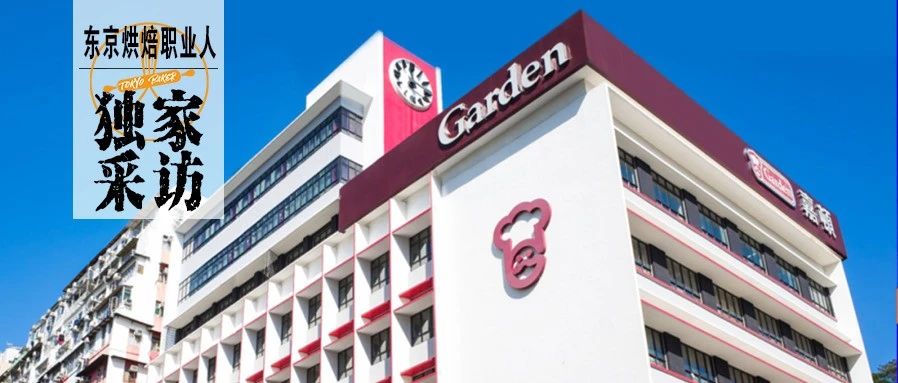
Core Viewpoint - The article discusses the transformation of Garden, a century-old baking brand in China, from a traditional food manufacturer to a modern consumer brand, emphasizing the importance of innovation while maintaining quality and emotional connections with consumers [4][5][22]. Group 1: Brand History and Evolution - Garden was founded in 1926 in Hong Kong and has become a significant part of the daily lives of millions of consumers in China, representing a nostalgic childhood flavor for many [4][9]. - The brand's key product, "Life Bread," was launched in 1960 to address nutritional deficiencies in Hong Kong, becoming a legendary product that has sold for over 60 years [12][14]. - Garden has evolved from a traditional food manufacturer to a modern consumer brand, focusing on quality and emotional connections with consumers while adapting to market changes [4][22]. Group 2: Market Strategy and Consumer Engagement - Garden's strategy involves maintaining its core values of quality and trust while embracing change, optimizing supply chains, and enhancing R&D efficiency to accelerate product innovation [22][24]. - The brand is focusing on younger consumers by launching products that cater to their lifestyles, such as "Healthy Multi-Bread" and "Lucky Cookies," which emphasize lightness and interactivity [28][31]. - Garden is rebranding itself to appeal to younger audiences, shifting from a nostalgic narrative to a contemporary resonance, utilizing social media for engagement and user-generated content [36][39]. Group 3: Trends and Future Directions - The company identifies five key trends shaping the industry: health consciousness, functional foods, convenience, community-driven consumption, and digitalization [52][53]. - Garden is investing in health-oriented product development, creating low-sugar and high-fiber options to meet the evolving nutritional preferences of consumers [49][47]. - The brand is enhancing its digital capabilities to better understand consumer needs and streamline operations, ensuring agility in responding to market demands [64][65]. Group 4: Localized Production and Sustainability - Garden is establishing a localized production and distribution network across China to improve efficiency and responsiveness to regional market needs [66][68]. - This strategy not only meets the demand for product diversity but also strengthens the brand's connection to various consumer cultures across the country [68].
储能竞赛下半场:向场景驱动和光储融合要发展
3 6 Ke· 2025-06-26 02:40
Core Viewpoint - The competition in the energy storage sector is shifting towards scenario-based applications, emphasizing the need for companies to develop solutions that are tailored to specific industry needs to achieve profitability [1][2]. Group 1: Market Trends and Strategies - Companies like Haibo Sichuang are actively expanding their market boundaries by focusing on a "Storage + X" integration model, showcasing various energy storage solutions tailored for different applications such as charging stations, oil fields, and data centers [2][3]. - The energy storage industry is transitioning from scale expansion to value cultivation, with a focus on economic models that highlight the actual value of energy storage systems in grid regulation and arbitrage [3][7]. - The emphasis on scenario-based innovation is becoming a focal point for companies, with a shift from hardware manufacturing to system solutions that meet diverse application needs [7][6]. Group 2: Collaborations and Innovations - Haibo Sichuang has signed cooperation agreements with major players like Huawei and CATL to deepen collaboration in areas such as intelligent photovoltaic and energy storage integration [2][5]. - The industry is witnessing a trend towards collaborative development and deep integration of solutions, with companies like Trina Solar aiming to increase the proportion of their business from solutions to over 50% in the next few years [6][7]. - The integration of AI technology with energy storage is seen as a key to unlocking new opportunities in the smart energy sector, with various companies showcasing AI-enabled solutions at the SNEC exhibition [7][6]. Group 3: Product Developments - Major companies are launching innovative products, such as the world's first 400kW+ string inverter and modular inverter solutions, to address the needs of large-scale photovoltaic plants and energy storage stations [3][4]. - Haibo Sichuang's focus on scenario-based solutions is evident in their comprehensive offerings that cater to various applications, demonstrating their commitment to meeting the specific demands of different industries [2][4]. - The introduction of advanced energy storage technologies, such as the PowerTitan3.0 platform, highlights the industry's push towards more efficient and reliable energy storage solutions [4][5].

全球烘焙工业化的教科书:年销售额1600亿元的宾堡,如何用一片面包征服全球?
东京烘焙职业人· 2025-06-10 08:29
Core Viewpoint - The article highlights the significant growth and strategic evolution of Bimbo, a leading player in the global baking market, emphasizing its innovative approaches and market penetration strategies, particularly in China [3][12][18]. Group 1: Global Baking Market Overview - The global baking market reached a size of $440 billion in 2022, with the Americas accounting for 36.9% of the market share, and bread products dominating at 54.8% [3]. - Bimbo holds a 3.4% global market share, leading the industry ahead of competitors like Yamazaki (1.4%) and Flower Foods (0.7%) [3]. - As of 2023, Bimbo's annual revenue reached $22.5 billion (approximately 160 billion RMB), with a market capitalization exceeding $22.3 billion [3]. Group 2: Bimbo's Historical Growth - Founded in 1945 by Lorenzo Servitje in Mexico City, Bimbo started with 34 employees and faced early challenges, including product spoilage and competition [5]. - The introduction of glassine packaging in 1948 extended the shelf life of bread from 8 hours to 72 hours, revolutionizing the distribution of baked goods [5]. - Bimbo established a "central factory + capillary wholesale network" in the 1950s, covering 83% of small grocery stores in Mexico by 1963 [6]. Group 3: Global Expansion Strategy - Bimbo entered the U.S. market in 1984, initially facing losses but later adjusted its strategy through acquisitions, including Oroweat and Mrs. Baird's [7]. - The company expanded into Europe and Asia between 2000 and 2010, acquiring major local brands and significantly reducing waste rates in Spain [8]. - Bimbo implemented a "T+12 production rule," ensuring rapid order fulfillment and optimizing inventory turnover to 6.2 days [9]. Group 4: Insights from the Chinese Market - Bimbo's entry into China began with the acquisition of Beijing Panrico in 2006, followed by further acquisitions to create a multi-brand matrix [12]. - The company established a dual R&D center and regional factory cluster to adapt to China's market demands, achieving a 5-day inventory turnover [13]. - Bimbo's product innovation includes localized flavors and health-focused offerings, addressing the 35% of consumers seeking low-sugar options [14]. Group 5: Sustainable Growth Strategies - Bimbo's approach in China illustrates the importance of localizing global resources and adapting supply chain management to fit the e-commerce landscape [17]. - The company targets segmented markets with its three-brand strategy, avoiding direct competition in the short-shelf-life market [17]. - Bimbo's innovation extends into the snack sector, blurring the lines between baking and snacking, similar to successful strategies employed by other global brands [17]. Group 6: Future Outlook - Bimbo's extensive market presence across 34 countries and its diverse product range position it as a significant player in the global food industry [18]. - The company's strategic focus on health and sustainability is expected to redefine food consumption patterns in the future [18].
百草味多场景布局:以产品创新重塑坚果消费新生态
Zhong Guo Chan Ye Jing Ji Xin Xi Wang· 2025-05-20 02:14
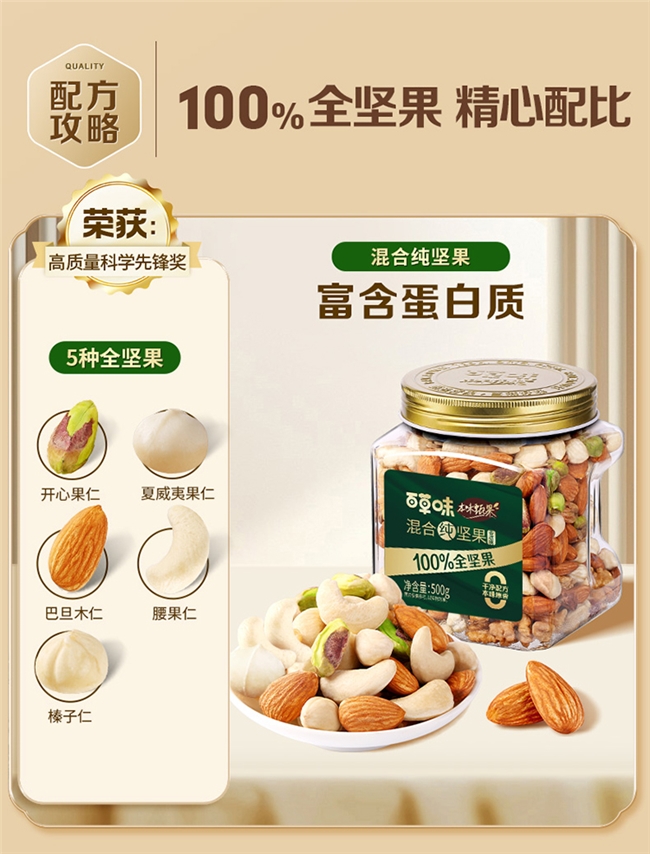
Core Insights - The core challenge for brands in the snack industry, particularly in the nut category, is to integrate nuts into daily life beyond festive occasions, which is being addressed by Baicaowei through continuous product innovation and scenario-based design [1][4]. Group 1: Multi-Scenario Snack Solutions - Baicaowei focuses on small packaging and functional innovation to meet the diverse needs of consumers in daily scenarios such as offices and campuses, exemplified by the "Daily Nuts" series with independent small bag designs for convenience and scientific portion control [2][5]. - The brand has introduced products like "Chatty Fried Snacks" and "Fortune Bags" that combine fun design with practical functionality, enhancing the experience during family gatherings and festive moments [2][5]. - For outdoor activities like camping and fitness, Baicaowei has launched canned nuts and low-GI whole nut series, addressing consumer demands for portability and energy density while ensuring nutritional health [2][4]. Group 2: High-Quality Product Specifications - Baicaowei is committed to creating a new snack consumption ecosystem through scenario-based innovation and quality assurance, offering a diverse range of product specifications to enhance consumer experience [4][5]. - In family settings, the brand has introduced large-capacity canned nuts with moisture-proof designs for long-term storage and easy access, making them a popular choice for gatherings [4][5]. - The "Original Flavor Selection" series features a 75:25 ratio of nuts to dried fruits, aligning with the Chinese Dietary Guidelines for daily nut intake, thus meeting health requirements through scientific portioning [5]. Group 3: Brand Leadership and Market Position - Baicaowei has maintained its position as an industry leader, with its New Year nut gift boxes, dried fruits, and mango slices ranking first in online sales for seven consecutive years, as reported by CBNData [5]. - The brand's continuous innovation and stringent quality control have created a differentiated nut consumption ecosystem, providing consumers with a variety of snack options suitable for different scenarios [5].
专用车如何升级突破?众专家倡议“场景化创新驱动”
Jing Ji Guan Cha Wang· 2025-05-16 13:08
Core Insights - The conference held by the Electric Vehicle Hundred People Association focused on the transformation of the specialized vehicle industry, emphasizing "high-end, intelligent, and green" development paths [2] - The industry is undergoing a significant shift driven by policy support and technological advancements, with a notable increase in the penetration rate of new energy in specialized vehicles [3][4] Policy and Market Dynamics - The penetration rate of new energy in specialized vehicles is projected to rise from 1% in 2021 to 15% by 2025, outpacing that of passenger vehicles [3] - Strong policy initiatives post-2020, particularly the "dual carbon" goals, have accelerated the electrification of public sector vehicles, with a forecast of over 300,000 new energy specialized vehicles sold in 2024, marking a nearly 50% growth [3] Technological Innovations - Breakthroughs in charging technology have reduced the charging time for new energy heavy trucks from several hours to 30 minutes, alleviating "range anxiety" [3] - The integration of advanced technologies, such as the "Rui Control E Platform" by Yutong, has led to a 20% reduction in energy consumption [4] - The domestic production rate of key components like high-rate batteries and chips has exceeded 90%, with costs decreasing by 40% compared to three years ago [4] Scene-based Innovation - The future of specialized vehicles lies in identifying high-value niche markets rather than competing in saturated markets [5] - Companies are innovating by developing products tailored to specific operational scenarios, such as electric mixing trucks achieving a 71% penetration rate due to their suitability for short-distance operations [3][5] Industry Collaboration and Ecosystem Development - The specialized vehicle sector is witnessing an "ecological competition" that is reshaping the industry landscape, with a projected 96% year-on-year growth in specialized vehicle sales in Shiyan by 2024 [7] - Collaborative efforts among companies in Shiyan have led to significant reductions in logistics costs and improved product development cycles [6] International Expansion and Market Challenges - Chinese specialized vehicle exports are transitioning from low-end products to targeting high-end markets, with a focus on overcoming barriers in the European and American markets [8] - The industry faces challenges such as stringent emission standards and the need for localized operations to enhance competitiveness [8] Future Directions - The transformation of the specialized vehicle industry is characterized by a shift from cost advantages to system capability outputs, integrating manufacturing, services, and data [9] - Key strategies for future success include strengthening foundational innovations in emerging technologies and establishing a comprehensive output model that combines technology, standards, and ecosystems [9]
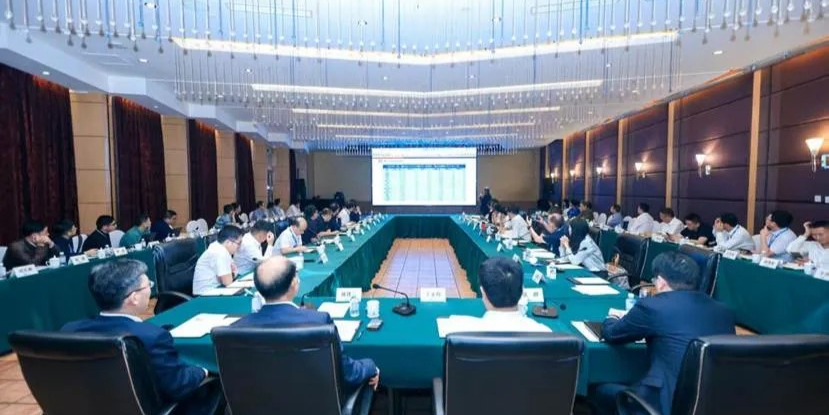
2025 CHINASHOP 「野性消费」新食饮闭门论坛
Sou Hu Cai Jing· 2025-05-13 07:26
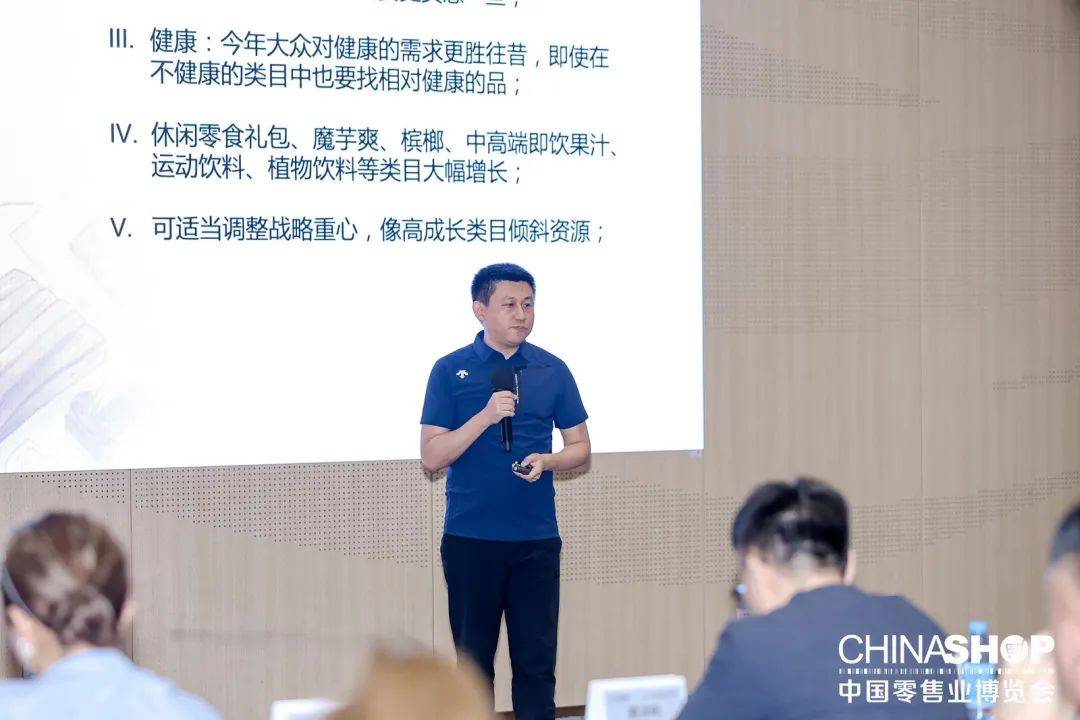
Core Insights - The article discusses the evolving consumer demand in the food and beverage industry, emphasizing the importance of emotional value and the shift towards "wild consumption" as a response to changing consumer preferences [2][3][23]. Group 1: Industry Trends - The food and beverage industry is facing challenges such as declining consumer confidence and falling sales in offline formats, yet certain segments like healthy snacks are experiencing growth [3][5]. - Health trends are prominent, with non-fried snack categories like rice cakes gaining popularity, while traditional puffed snacks decline [3][5]. - The beverage sector is also shifting towards health and functionality, with significant growth in high-end health products and functional drinks like electrolyte water [5][9]. Group 2: Supply Chain Importance - The competition in the food and beverage sector is increasingly centered around supply chain efficiency rather than just product innovation [7][9]. - Companies like Mixue Ice City demonstrate the critical role of a robust global supply chain in achieving cost-effective, high-quality products [7][9]. - The future of competition will focus on "technology + green" as key drivers for supply chain upgrades, emphasizing the need for brands to transition from marketing-driven to supply chain-driven models [9]. Group 3: New Retail Trends - Discount retail channels are emerging as a new growth engine in the food and beverage industry, particularly in lower-tier cities where consumers seek high-quality products at lower prices [11][13]. - The penetration rate of discount retail in China is only 3.8%, indicating significant growth potential compared to the global average of 12.6% [13]. - Young consumers are reshaping retail logic with their desire for high cost-performance products, leading to a shift in how brands approach consumer engagement [11][13]. Group 4: Brand Innovation and Strategy - Brands like Lebai and Shenghetang are focusing on health-oriented innovations, such as using rare sugars in their products to meet consumer demand for healthier options [15][19]. - The concept of "long-termism" is emphasized, where brands aim for sustainable growth through continuous innovation rather than short-term trends [15][19]. - Companies are encouraged to leverage cultural elements and traditional products to enhance their global competitiveness, as seen with Shenghetang's focus on traditional Chinese herbal products [19][21]. Group 5: Consumer Engagement and Emotional Value - Brands are urged to shift from traditional competition based on product features to creating emotional value for consumers [23][27]. - The focus on emotional engagement is seen as essential for brands to differentiate themselves in a crowded market, with successful examples highlighting the importance of understanding consumer needs [23][27]. - The discussion emphasizes that the future of competition will revolve around brands that can effectively connect with consumers on an emotional level [23][27].
逆势领跑:安吉尔如何重构净水行业增长叙事
凤凰网财经· 2025-05-06 14:25
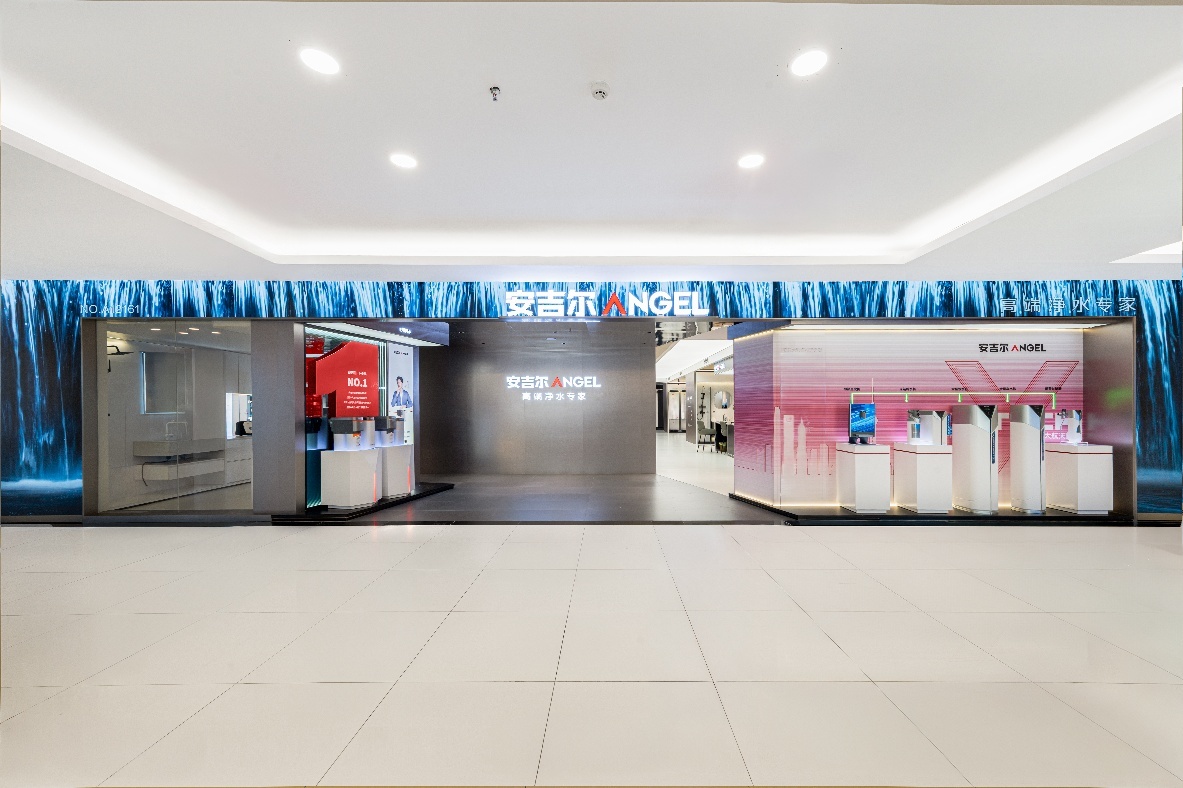
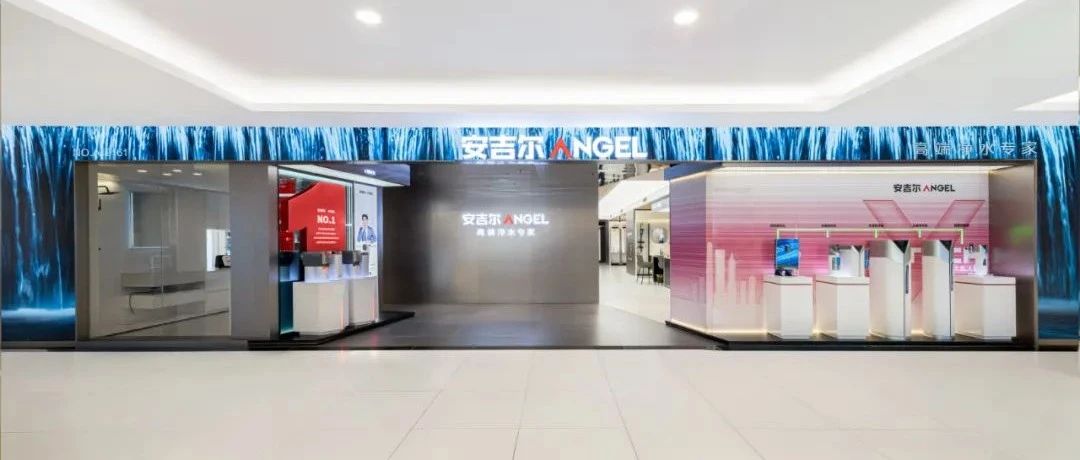
Core Viewpoint - The water purifier industry is expected to show strong growth in 2024, with a retail market value of 24 billion yuan, representing a year-on-year increase of 17.2%. The inclusion of water purifiers in national subsidy programs in 2025 will further enhance growth momentum [1] Group 1: Market Dynamics - The penetration rate of water purifiers in China remains significantly lower compared to mature markets, with first-tier cities at 40% and third- and fourth-tier cities below 15%, indicating a structural gap that necessitates a shift from policy-driven to innovation-driven growth [1] - Angel, a leading company in the water appliance market, reported a 28% year-on-year increase in offline sales in Q1 2025, showcasing a successful dual-driven model of high R&D investment and scenario-based innovation [1] Group 2: Strategic Transformation - Angel's transition from a single product supplier to a comprehensive water ecosystem solution provider is a key driver of its market leadership, adapting to changing consumer demands and channel dynamics [2] - The opening of Angel's Asia No. 1 store exemplifies its strategy to enhance consumer experience through immersive technology demonstrations, allowing customers to engage with water purification solutions in real-life scenarios [3] Group 3: Technological Leadership - Angel has established itself as a leader in technological advancements within the water purification industry, having introduced multiple innovative products over the years, including the latest Space Master series for whole-house water purification [4][5] - The company holds over 1,000 patents and has received numerous international awards, reinforcing its competitive edge through a combination of patent protection and standard-setting initiatives [7] Group 4: Market Expansion and Consumer Engagement - In 2025, Angel plans to open 233 new offline stores across 28 provinces, capitalizing on the national subsidy policy to capture both existing and new market segments [9] - The implementation of the "sample point store effect multiplication plan" aims to optimize product displays and enhance consumer understanding of whole-house water solutions, thereby increasing sales conversion rates [9][10] Group 5: Future Outlook - The market share of professional brands in the water purification sector is projected to rise from 45% to 60% in the next three years, indicating that companies with technological expertise and consumer insights will lead the next phase of industry upgrades [10] - Angel's approach of integrating technological innovation with user value positions it as a frontrunner in navigating market challenges and achieving sustainable growth [10]
逆势领跑:安吉尔如何重构净水行业增长叙事
Feng Huang Wang Cai Jing· 2025-05-06 13:53
Industry Overview - The water purifier industry is showing strong growth, with retail sales expected to reach 24 billion yuan in 2024, a year-on-year increase of 17.2% [1] - The penetration rate of water purifiers in China remains significantly lower compared to mature markets, with first-tier cities at 40% and third and fourth-tier cities below 15%, indicating a structural gap that necessitates a shift from policy-driven to innovation-driven growth [1] Company Performance - Angel, a leading company in the water appliance market, reported a 28% year-on-year increase in offline sales in Q1 2025, driven by high R&D investment and scenario-based innovation [1][3] - The company has successfully transitioned from a single product supplier to a comprehensive water ecosystem solution provider, adapting to changing consumer demands and channel dynamics [3][5] Strategic Initiatives - Angel's new flagship store in Shanghai represents a strategic shift towards immersive consumer experiences, allowing customers to engage with advanced water purification technologies in real-life scenarios [3][5] - The company's strategy includes embedding sales touchpoints earlier in the consumer decision-making process, enhancing conversion rates and restructuring the average selling price (ASP) model [5] Technological Advancements - Angel has established a multi-layered technological barrier through continuous innovation, having introduced several generations of water purification technology over the past decade [7][8] - The company holds over 1,000 patents and has been involved in the formulation of more than 20 national and industry standards, creating a competitive advantage in the market [8] Market Expansion - Angel's products are now exported to 65 countries, and the company has received certifications from eight global authoritative organizations, marking a significant step in transforming Chinese manufacturing from scale output to standard output [9] - The company is actively expanding its offline presence, with 233 new stores opened across 28 provinces and 143 cities in the first four months of 2025 [10][13] Consumer Trends - The shift in consumer behavior, particularly among Generation Z, has led to a significant increase in the inclusion of water purifiers in home renovation budgets, with 92% of users considering them essential [3][10] - The market share of professional brands in the water purification sector is projected to rise from 45% to 60% in the next three years, indicating a trend towards companies with technological expertise and consumer insights leading the industry [13]