能源博弈

Search documents
欧洲冬天将烧柴取暖?俄警告:欧盟禁运俄天然气将导致价格暴涨
Sou Hu Cai Jing· 2025-11-10 08:43
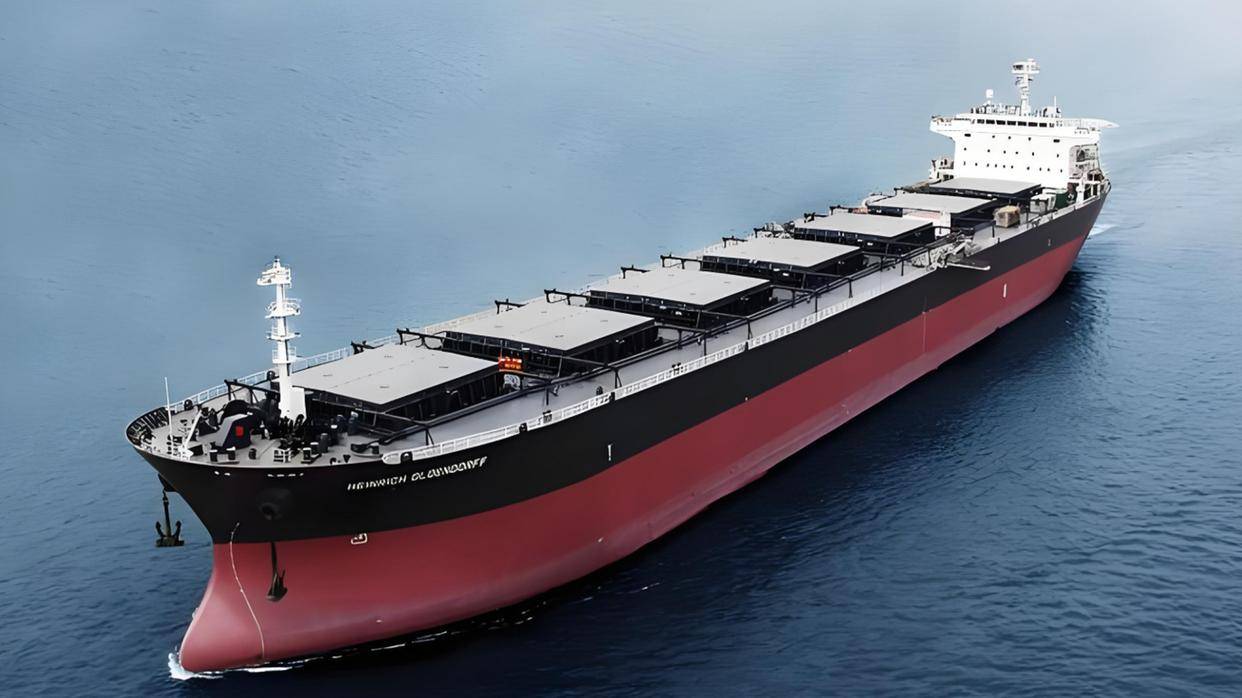
Core Points - The ongoing gas dispute between the EU and Russia has intensified, with the EU planning to completely stop importing Russian energy by 2027 while simultaneously imposing sanctions [1][3] - Russia's Novatek chairman has warned that a ban on Russian gas could lead to unprecedented global gas price surges, ultimately affecting ordinary European citizens [1][5] - The EU's sanctions appear contradictory as it continues to rely heavily on Russian energy, spending €5.8 billion on Russian energy in Q1 2025, primarily on gas [1][5] Group 1: Sanctions and Energy Dependency - The EU has imposed multiple rounds of sanctions against Russia since the Ukraine conflict began, yet it remains dependent on Russian energy supplies [1][3] - In Q1 2025, the EU was still the largest buyer of Russian liquefied natural gas, highlighting the contradiction in its sanctions policy [1][3] Group 2: Impact on European Citizens - The rising energy prices have significantly burdened ordinary citizens in Europe, with German households potentially facing an additional €6,000 in energy costs since 2022 if prices had remained stable [5][7] - The comparison to the 2021 energy crisis indicates that a ban on Russian gas could exacerbate the current situation, leading to even higher costs for consumers [5][7] Group 3: Internal EU Disagreements - There are significant divisions within the EU regarding the energy sanctions, with countries like Slovakia and Hungary expressing strong opposition to the 2027 ban due to concerns over energy security and economic stability [9][11] - The varying levels of energy dependency among EU member states complicate the implementation of a unified sanctions strategy [9][11] Group 4: Future Energy Landscape - If the situation escalates to a complete ban on Russian gas, it could reshape the global energy landscape, with Russia redirecting its gas exports to emerging markets in Asia [13][15] - The EU is accelerating the development of renewable energy sources, but challenges such as technology, costs, and grid integration remain significant hurdles [13][15] Group 5: Long-term Solutions - The energy standoff between the EU and Russia lacks a clear resolution, necessitating a search for a balance, possibly through third-party energy transit or short-term supply agreements [15][17] - Long-term solutions may involve diversifying energy sources and enhancing international energy cooperation to address the intertwined issues of energy security, geopolitics, and consumer costs [15][17]

美国要抢俄罗斯油气订单?能源部长喊话中国:只要少买俄油气,我们立刻供更多!
Sou Hu Cai Jing· 2025-11-03 09:59
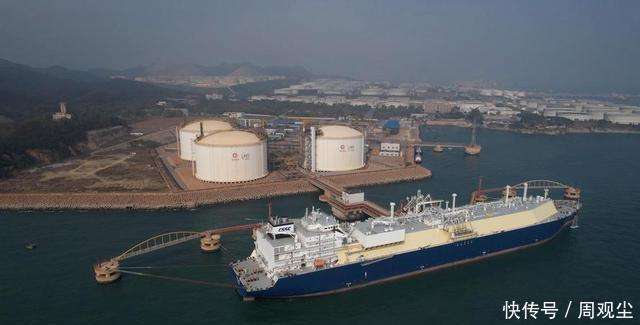
Core Insights - The international oil and gas market is experiencing significant changes, particularly with the recent US-China trade truce and the upcoming visit of the Russian Prime Minister to China, indicating a complex energy competition is unfolding [1] - The US Energy Secretary's proposal to increase American oil and gas supplies aims to reduce China's reliance on Russian energy, which currently accounts for a substantial portion of China's imports [3][5] Energy Demand in China - China, as the world's largest oil and gas importer, is expected to import 550 million tons of oil in 2024, with Russian oil making up 100 million tons. Additionally, China's natural gas imports are projected to exceed 130 million tons, with Russia accounting for 40% of this volume [1] - This reliance on Russian energy translates to approximately $80 billion in annual revenue for Russia, making it a crucial pillar of its economy [1] US Energy Strategy - The US has become the largest oil and gas exporter globally, surpassing Saudi Arabia and Russia, but whether China will shift its energy sourcing to the US remains uncertain [3] - The higher prices of US oil and gas, driven by the costly shale oil extraction process, pose a challenge for China, which may be reluctant to abandon its long-term cooperation with Russia [3][5] Security Considerations - China's energy security is a significant concern, especially given the US's "choke point" strategies in technology and finance, which could make dependence on US energy a risky choice [5] - In contrast, energy supplies from Russia and the Middle East are perceived as more stable and secure, influencing China's decision-making [5] Political and Strategic Implications - The US's energy proposal is not merely a commercial transaction but is embedded with political and strategic motives aimed at weakening the China-Russia partnership amid rising tensions between the two nations [5][7] - Historical experiences suggest that energy cooperation is intertwined with national strategic interests, and China's energy agreements with Russia have fostered significant political trust [7] Future Energy Landscape - The competition for energy resources between the US and Russia could directly impact the China-Russia energy partnership, prompting Russia to expedite projects like the "Power of Siberia 2" pipeline to solidify ties with China [7] - Despite US efforts to gain a foothold in the global energy market, Russia remains a formidable partner for China, offering long-term contracts and stable pricing that are attractive to Chinese interests [9] - China is advised to diversify its energy supply sources and maintain flexible policies to ensure energy security while navigating the complexities of international relations [9]
俄袭电网乌炸炼油:谁先向冬天低头?
Sou Hu Cai Jing· 2025-10-09 15:16
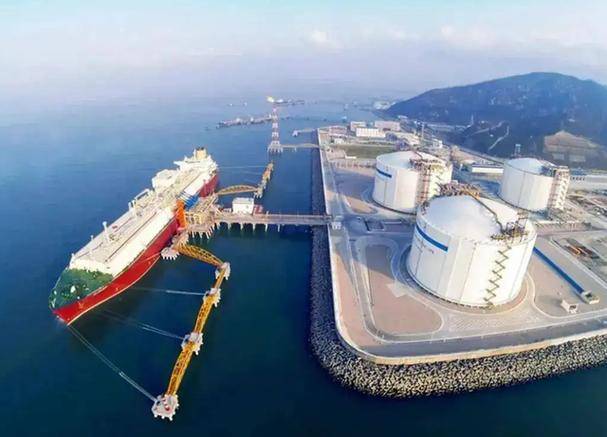
Group 1 - The core conflict revolves around energy supply and survival, with Ukraine facing a severe energy crisis due to Russian attacks, leading to a significant reduction in natural gas production and reliance on imports [2][3] - Ukraine's energy minister stated that the country needs to import 4.4 billion cubic meters of natural gas this winter, costing nearly 2 billion euros, highlighting the financial strain on Ukraine's already depleted budget [2][3] - Russia is experiencing a paradox of a "refining crisis," with a 40%-45% loss in refining capacity due to Ukrainian strikes, leading to domestic fuel shortages and a decrease in oil export revenues, which constitute 45% of the federal budget [3][5] Group 2 - Ukraine's survival depends heavily on Western support, with the EU pledging an additional 16 million euros for heating equipment and 50 billion euros in long-term support, but the timing of this aid is critical [3][5] - Russia maintains a steady flow of crude oil exports, exceeding 3 million barrels per day to China and India, which helps sustain its income despite the refining challenges [5] - The ongoing conflict's outcome will be determined by the sustainability of external support for Ukraine and the internal resilience of both nations, with Ukraine facing imminent risks of energy supply failure and Russia dealing with refining capacity issues [5][6]
普京若卸任,欧洲结局会怎样?
Sou Hu Cai Jing· 2025-10-03 04:39
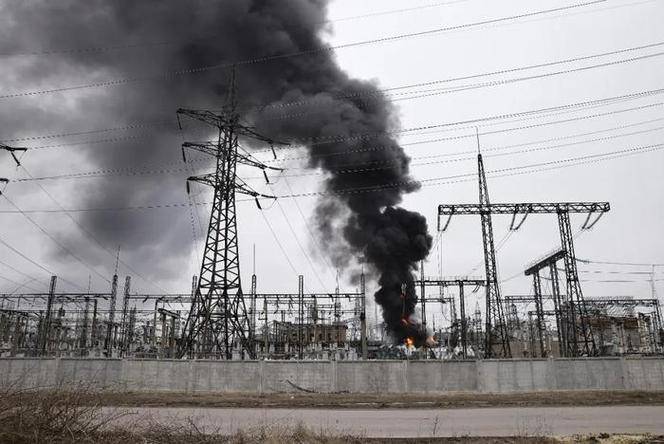
Core Viewpoint - The potential resignation of Putin raises significant questions about the future security landscape in Europe, with various scenarios that could unfold depending on the new leadership in Russia [1][2]. Security Landscape: Three Possible Paths - **Hardline Succession**: If hardliners like Shoigu take power, Europe may face an escalation of conflict, with potential actions such as cutting off gas supplies and deploying tactical nuclear weapons [3]. - **Pragmatic Leadership**: A pragmatic government may lead to a temporary easing of tensions, but could exacerbate divisions within the EU and worsen defense challenges as the U.S. may withdraw troops [4]. - **Power Vacuum**: A power vacuum could lead to uncontrollable situations, with increased military actions from Russia and Ukraine, highlighting the inadequacy of the fragmented European military capabilities [5]. Energy Dynamics: Aftermath of Decoupling - **Short-term Risks**: Europe remains dependent on Russian fertilizers (34% share) and nuclear fuel, which could lead to agricultural shortages and nuclear power risks if supplies are cut [6][8]. - **Long-term Reconfiguration**: The shift towards China for Russian oil and gas exports could increase European reliance on the U.S., with American LNG imports to the EU surging to 54% [8][10]. Conclusion - The resignation of Putin may not resolve Europe's challenges but could accelerate trends such as NATO fragmentation, industrial hollowing out, and the illusion of security autonomy [10]. The critical question for Europe is whether to remain a "security appendage" of the U.S. or to forge its own path [10].
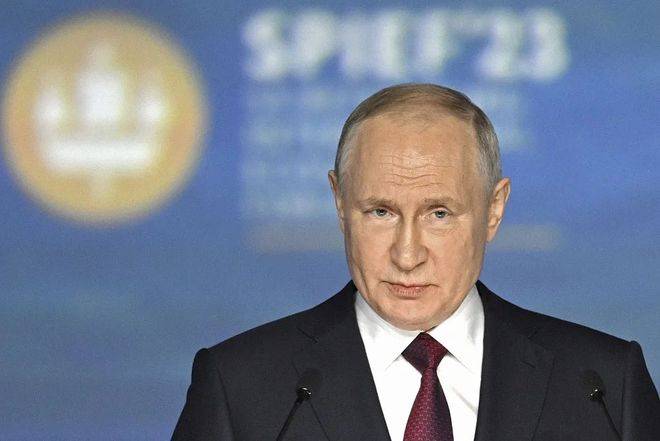
美国对俄罗斯下禁令,自己却先犯了难!能源部长一句话道出了关键
Sou Hu Cai Jing· 2025-09-25 09:23
Core Viewpoint - The United States faces a paradoxical situation where, despite imposing sanctions on Russia, it remains dependent on Russian uranium for its nuclear power generation, highlighting the complexities of energy security and supply chains in the context of geopolitical tensions [1][3][10]. Group 1: U.S. Energy Policy and Dependency - The U.S. Energy Secretary acknowledged the difficulty of completely eliminating reliance on Russian uranium, stating that efforts are ongoing but not yet successful [12][16]. - Approximately 25% of the total electricity generated by U.S. nuclear power plants relies on enriched uranium imported from Russia [10]. - The U.S. has mandated that public utility companies cease using Russian uranium by 2028, but this has led to retaliatory export restrictions from Russia, complicating the transition [10][19]. Group 2: Global Uranium Market Dynamics - Russia dominates the uranium enrichment market, controlling 85% to 90% of the global supply, making it a critical player in the nuclear energy sector [7][8]. - There are currently 25 nuclear reactors under construction worldwide, with 22 utilizing Russian technology, indicating a significant reliance on Russian expertise [7]. - The global demand for uranium is projected to increase by 28% from 2023 to 2030, driven by the rise of electric vehicles, data centers, and the renewed focus on nuclear energy as a stable and clean power source [14]. Group 3: Implications for Energy Security - The situation underscores the importance of resource control and technological capability in the energy sector, where geopolitical maneuvers may not easily alter existing dependencies [17][19]. - The U.S. is caught in a dilemma where its sanctions against Russia conflict with its immediate energy needs, raising questions about the feasibility of achieving energy independence from Russian uranium [16][19].

创金合信基金魏凤春:AI的尽头是能源
Xin Lang Ji Jin· 2025-09-22 03:14
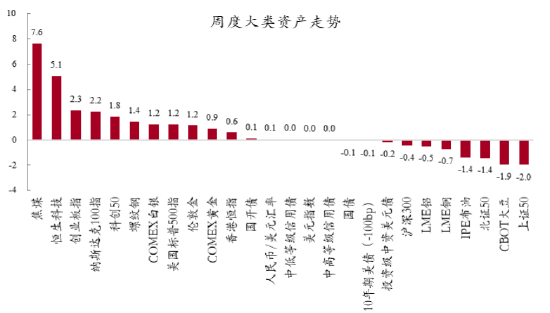
Core Viewpoint - The article discusses the recent fluctuations in risk premiums, the impact of the Federal Reserve's interest rate cuts, and the adjustments in the A-share market amidst external shocks and domestic economic data indicating weakening internal momentum [1] Market Review - The coal sector has shown significant performance, attributed to both the effects of anti-involution and changes in global resource pricing logic due to geopolitical tensions [2] - The A-share market has seen a divergence in sentiment, with expectations of a shift from stocks to bonds, driven by the accelerated reduction of the national balance sheet and restored risk appetite [1][2] Macroeconomic Data - Consumer retail sales in August grew by 3.4% year-on-year, indicating ongoing adjustments in the consumption market, while real estate sales remain low, contributing to weak domestic demand [5] - Foreign direct investment (FDI) in China decreased by 12.7% from January to August, although high-tech sectors continue to attract significant interest, with notable increases in investment in e-commerce and aerospace [6] - Fiscal revenue for the first eight months of 2025 grew by 0.3%, with central government revenue declining by 1.7%, highlighting the need for fiscal expansion to support economic recovery [7] AI+ Investment Trends - The transition from theme-based investment in AI to a dominant industry investment is anticipated, with ongoing adjustments in the technology sector [8] - The investment logic post-adjustment for technology stocks emphasizes prioritizing global supply chains and innovative business models [8] Technical Indicators - Various sentiment indicators such as RSI, MACD, and KDJ show mixed signals, indicating market volatility and uncertainty regarding the end of the current adjustment phase [9][10][11] - The overall conclusion suggests that while there are signs of recovery in the A-share market, a clear upward trend has not yet been established [12] Energy Sector Insights - The article posits that the future of technology is closely tied to energy resources, emphasizing the importance of sustainable energy development to support high-tech advancements [14][15] - The shift in investor focus towards energy, particularly coal, is seen as a response to changing geopolitical dynamics and the need for tangible assets in a shifting market landscape [15][16]
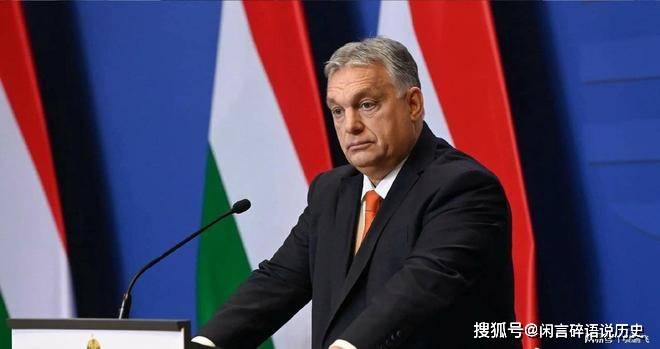
匈牙利威胁切断乌克兰民用电力!竟拿儿童说事
Sou Hu Cai Jing· 2025-08-27 15:44
Group 1 - Hungary has issued a warning to Ukraine regarding the potential cutoff of its electricity supply, emphasizing its reliance on Hungary for 40% of its power imports [6][10] - Hungarian Foreign Minister Szijjarto stated that the country could have stopped supplying electricity to Kyiv but refrained from doing so out of concern for Ukrainian children [3][5] - Despite the warnings, Hungary is unlikely to actually cut off power due to pressure from the European Union and its own economic dependence on EU financial aid [8][6] Group 2 - Hungary's position in the ongoing conflict is complicated by its reliance on Russian energy, which has been disrupted by Ukraine's military actions against Russian supply lines [10][11] - The EU has begun exploring ways to bypass Hungary in matters related to Ukraine, indicating potential risks for Hungary regarding its voting rights within the EU [8] - Ukraine appears to have leverage over Hungary's energy supplies, as demonstrated by recent attacks on Russian oil pipelines that affected Hungary's oil supply [10][13]
俄石油卖给印度35美元,卖给中国80美元,我们为啥愿花高价买?
Sou Hu Cai Jing· 2025-08-11 00:21
Core Viewpoint - The article discusses the shift of Russian oil exports towards Asian markets, particularly China and India, following Western sanctions due to the Russia-Ukraine conflict. It highlights the significant price differences between the oil purchased by India and China, driven by various factors including oil type, transportation methods, and long-term strategic partnerships [1][3][4]. Price Discrepancy - India purchases Russian Ural crude oil at approximately $35 per barrel, while China pays around $80 per barrel for ESPO crude oil. This price difference is influenced by the quality of crude oil, with Ural being heavier and more sulfurous, leading to a lower price due to Western sanctions [1][3]. - Ural crude oil saw a discount of over $30 per barrel against Brent in mid-2022, stabilizing at $10-12 per barrel in 2023, allowing India to buy at an average price between $35 and $50 per barrel [1][3]. Oil Types and Quality - Ural crude oil is characterized as medium density, high sulfur, and high acid, making it harder to refine, while ESPO crude oil is light and low sulfur, better suited for China's industrial needs. ESPO prices are typically linked to Brent or Dubai benchmarks, with a premium of $3-5 per barrel in 2023 [3][4]. India's Oil Strategy - India's ability to purchase Ural crude at low prices is attributed to its weaker industrial base, lack of stringent quality requirements, and the ability to process and resell the oil for profit. Additionally, India's non-participation in Western sanctions and its large import volumes provide leverage for negotiating lower prices [3][4]. - From 2022 to January 2023, India's total oil exports increased by 50% to $78.5 billion, with India projected to surpass China as the largest importer of Russian oil by August 2024, importing over 2 million barrels per month [3][4]. China's Oil Strategy - China opts for higher-priced ESPO crude due to its advanced industrial system's demand for high-quality oil, the cost-effectiveness of refining, and the stability of pipeline transportation. Long-term contracts with Russia help mitigate the impact of international oil price fluctuations [4][6]. - The East Siberia-Pacific Ocean pipeline has a significant capacity, transporting nearly 80 million tons of oil in 2023, providing China with a reliable supply chain [4][6]. Market Dynamics - In May 2023, China and India together accounted for approximately 80% of Russia's oil exports, with China importing 47% and India 38%. Despite China importing a larger volume, it prioritizes oil quality and supply chain security [6][7]. - The article notes potential risks for India, including possible additional tariffs from Western nations on Russian oil purchases, which could increase import costs and reduce profit margins [6][7]. Long-term Implications - China's strategy of purchasing high-quality Russian oil is seen as a long-term approach to ensure supply chain security and meet industrial demands, while India's low-cost oil strategy may yield economic growth but carries greater risks [7]. - By 2025, it is projected that China and India will account for approximately 90% of Russia's oil export structure, reflecting a significant shift in the global oil market dynamics [6][7].
特朗普被俄印耍着玩?石油继续出口,中国默不作声,静等中东出手
Sou Hu Cai Jing· 2025-08-04 08:53
Group 1 - The article discusses the ongoing geopolitical tensions between the US, India, and Russia, highlighting India's firm stance against US pressure regarding oil purchases from Russia [1][3][4] - India's refusal to yield to US demands is attributed to Prime Minister Modi's belief in having sufficient leverage in negotiations compared to other countries like Japan and the EU [3][4][6] - The article notes that the US has previously imposed a 25% tariff on India and additional penalties for continuing oil purchases from Russia, which has created economic pressure on India [3][6] Group 2 - The dynamics of the energy market are significantly influenced by the actions of major players like India and Russia, with potential ripple effects on global markets [8] - OPEC's recent decision to increase production is seen as a stabilizing factor for the global market, potentially filling the gap left by Russian oil [10] - China's role as a major energy importer is crucial, as it seeks to diversify its supply channels while balancing its energy strategy amidst US pressures [10]
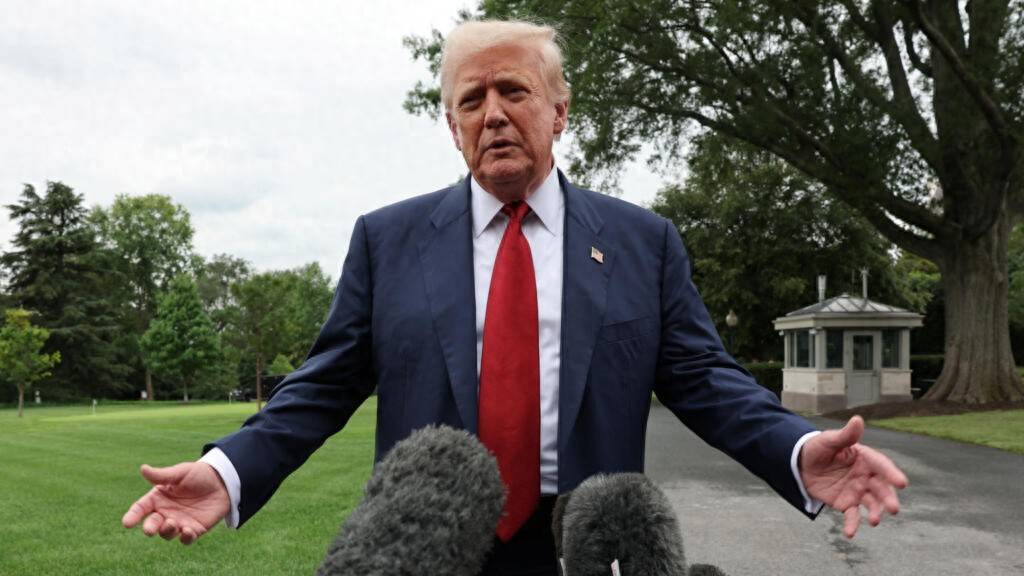
中美贸易急转藏深意,740亿能源大单告吹引震动,特朗普为何访华
Sou Hu Cai Jing· 2025-07-31 08:36
Core Viewpoint - The article discusses the significant decline in U.S. energy exports to China, resulting in a $74 billion deal collapsing, with U.S. energy exports to China dropping to zero by June 2025, highlighting the geopolitical and economic implications of this shift [1][3][5]. Group 1: U.S. Energy Export Decline - By June 2025, U.S. exports of crude oil, natural gas, and coal to China fell to zero, a stark contrast to nearly $800 million in business the previous year [3][5]. - The Texas oil fields faced severe repercussions, with layoffs and drilling platforms shutting down, and 30% of companies struggling for survival [3][5]. - Liquefied natural gas orders ceased for four consecutive months, and coal exports plummeted from $9 million to mere hundreds, indicating a drastic decline in U.S. energy market presence [3][5]. Group 2: Impact of Tariff Policies - The collapse of the energy deal is attributed to the tariff policies enacted during the Trump administration, which led to China imposing tariffs as high as 99% on U.S. energy products [5]. - U.S. shale oil production costs are around $60 per barrel, while Middle Eastern oil is below $20, making U.S. exports uncompetitive [5]. - Experts criticize the tariff strategy as self-destructive, effectively pushing away the largest customer for U.S. energy [5]. Group 3: China's Energy Strategy - China has diversified its energy sources, relying on cheaper oil from Russia, Saudi Arabia, and Iran, and has secured long-term contracts for natural gas [7]. - With an energy self-sufficiency rate exceeding 80% and a significant share of renewable energy, China is well-prepared to withstand the loss of U.S. energy imports [7]. - Analysts note that China's strategic approach has strengthened its position in the global energy market [7]. Group 4: Global Energy Market Shifts - The decline in U.S. energy exports is reshaping global energy dynamics, with countries like the EU, Japan, and South Korea seeking alternatives to U.S. oil and gas [9]. - The use of the U.S. dollar in energy transactions is decreasing, with 87% of energy trades between China and Russia now conducted in yuan [9]. - Research indicates a shift in the global energy trade center towards Asia, diminishing U.S. dominance in the market [9]. Group 5: U.S. Response and Internal Conflict - In response to the energy export crisis, Trump plans to visit Beijing in August 2025 to negotiate, amid pressure from Texas and West Virginia business owners [9][11]. - Internal conflicts within the U.S. administration are evident, with differing opinions on how to address the loss of the Chinese market [11]. - The situation reflects a complex interplay of economic and geopolitical factors, with both sides needing to navigate their strategies carefully [11]. Group 6: Future Outlook - Recent data shows U.S. energy exports at a two-year low, with a projected increase in trade deficit by $30 billion [13]. - The Asian energy consumption market is on the rise, indicating a long-term shift in global energy focus [13]. - The ongoing energy competition underscores the importance of self-reliance in energy security for nations [13].