贸易保护主义

Search documents
确认访华后,特朗普宣布全球加税!要在中国下赌注,却迎2大噩耗
Sou Hu Cai Jing· 2026-02-25 06:39
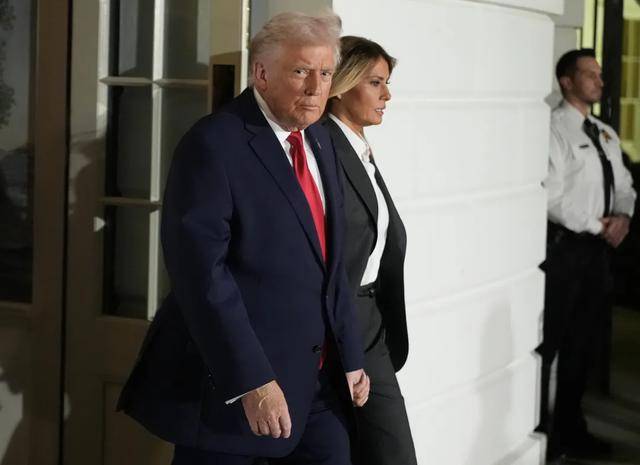
当地时间2月20日,白宫率先对外释放重磅消息,特朗普将于3月31日至4月2日对中国进行为期三天的访 问,中国方面随后正式回应,已向美方发出邀请。这趟行程本被外界看作中美关系缓和的重要信号,毕 竟双方领导人此前的会晤已交换过初步看法,不少人都期待通过这次高层互动,缓解两国间的经贸分 歧。 没人料到,访华消息刚一敲定,特朗普就迫不及待亮出了"杀招"。就在白宫官宣访华的同一天,他签署 全新行政令,将全球进口商品的关税税率从原本的10%直接上调至15%,中国出口到美国的商品也被纳 入这一征税范围,新规定于2月24日正式生效,为期150天。特朗普在自己创办的"真实社交"平台上发 文,用大写字母和感叹号宣泄情绪,宣称此举是为了保护美国利益,让那些几十年来"剥削"美国的国家 付出代价。 编辑 明眼人都能看出,这步棋特朗普打得算盘噼啪响。他特意选用《1974年贸易法》第122条作为法律依 据,避开了此前被质疑的条款,说白了就是想在访华前手握筹码,通过加税的方式向中国施压,企图在 后续的经贸谈判中争取更多主动,这场针对中国的赌注,他押上了自己的贸易强硬形象。 可特朗普千算万算,没算到自己刚把赌注摆上桌,就接连迎来两个致命噩耗, ...

特朗普高兴不起来了,罕见给中国“特殊待遇”,我商务部通告美国
Sou Hu Cai Jing· 2026-02-25 06:09
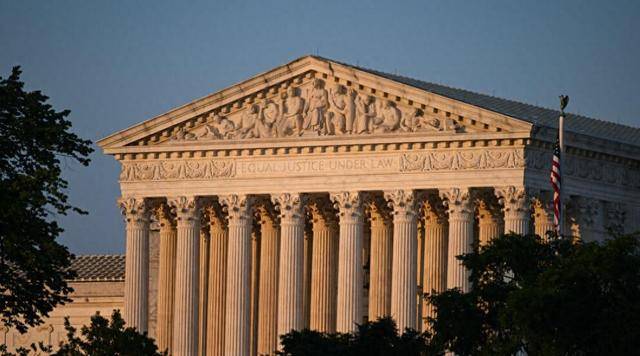
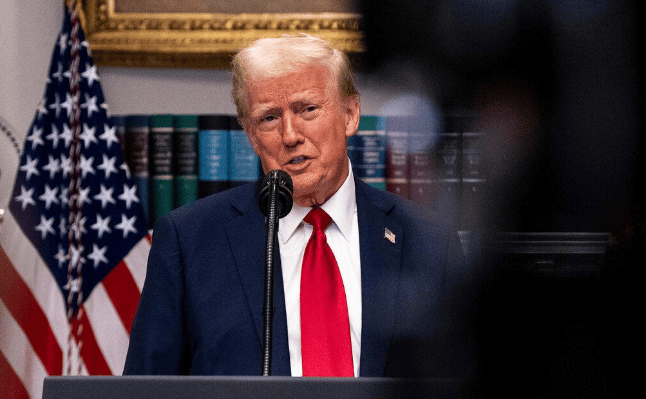
美东时间2月20日,美国最高法院对外公布重磅裁决,特朗普政府长期倚重的《国际紧急经济权力法》 被认定无权支撑大范围关税征收,对等关税与芬太尼关税等一系列措施被直接宣判违法。白宫当天就炸 开了锅,特朗普在记者会上公开表达不满,把裁决定义为不合理阻碍,转身就拿出新的行政命令,宣布 对全球商品加征10%进口关税,期限设定为150天,还特意强调新措施依托《1974年贸易法》第122条, 完全符合美国国内法律流程。这场行政与司法的正面碰撞,把美国贸易政策的混乱与矛盾摆到了全世界 面前,也让全球贸易格局迎来新的变量。 中国商务部第一时间作出正式回应,清晰传递中方立场。中方始终反对任何形式的单边加征关税,美方 相关措施既违背国际经贸规则,也触碰美国国内法律红线,完全不符合中美两国与世界各国的共同利 益。事实已经反复证明,贸易战没有任何赢家,保护主义更是走不通的死路,中美两国合则两利、斗则 俱伤是无法改变的客观规律。中方正在全面评估裁决带来的各类影响,同时紧盯美方准备推出的替代调 查与关税措施,不会放任任何损害中方合法权益的行为。 美国国内多家企业与十二个州长期坚持诉讼,就是因为单边关税不断抬高原材料成本,挤压中小企业生 存 ...
差点让印度栽进去,莫迪紧急叫停美印谈判
Sou Hu Cai Jing· 2026-02-25 04:46
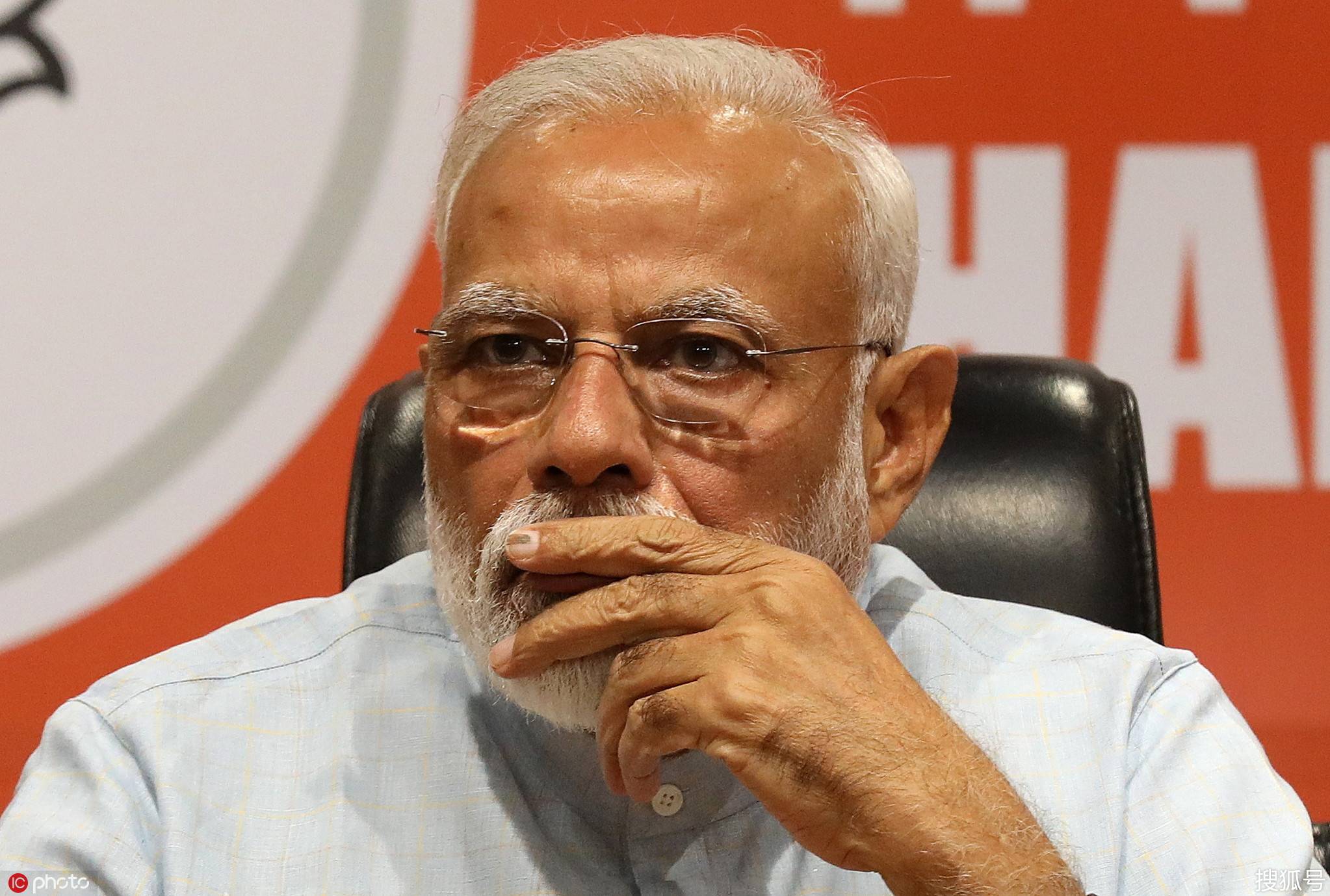
然而,美国的铁杆盟友却处于劣势。英国的平均税率上涨了2.1%,欧盟的税率也上涨了0.8%,其中意大利和法国受冲击尤为严重。这一切的根源有两个方 面:一方面,特朗普的关税政策在全球主要经济体中实行了极高的关税,导致了现有税率与之前的巨大差距;另一方面,美国的盟友在面对美国霸权时缺乏 战略稳定性,很多国家甚至连反对的声音都不敢发出。虽然中国在此次关税裁决中获益,但中国并未表现出松懈的态度。2月23日,中国商务部发布了官方 回应,显示中方早已看透这一事件的本质。 2月20日,美国联邦最高法院做出裁定,宣布特朗普去年4月2日依据《紧急经济权力法》所颁布的所有关税政策越权无效。这一裁决意味着,美国最高法院 撤销了特朗普关税政策中的关键部分,使得特朗普的关税政策陷入了危机。然而,就在该裁决公布后的不到三天,印度政府便迅速作出了反应。据观察者网 报道,印度决定推迟原定本周派遣贸易代表团赴美国商讨双边贸易协议的计划。有人戏谑说,印度的这一举动暴露了其投机本性,但实际上,莫迪政府此时 刹车并不算迟——再晚一步,印度或许就真的会掉进美国为它挖的坑里。 首先,美印之间已达成的贸易框架本质上是一场割肉换关税优惠的交易。特朗普政府此前 ...
特朗普加征10%关税生效,中国商务部回应
Sou Hu Cai Jing· 2026-02-25 02:52
中国商务部新闻发言人就美国最新关税调整答记者问时回应,中方正密切关注并将全面评估美方相关举 措 文|《财经》记者 邹碧颖 编辑|王延春 美国最高法院判决裁定特朗普政府去年对全球征收的进口关税越权后,2月20日,美国总统特朗普又在 白宫新闻发布会上宣布依据《1974年贸易法》第122条对所有贸易伙伴加征10%进口关税。2月24日,中 国商务部新闻发言人就美国最新关税调整答记者问时回应,中方正密切关注并将全面评估美方相关举 措,后续将视情适时决定调整针对美方原芬太尼关税和"对等关税"的反制措施。中方将保留采取一切必 要措施的权利,坚决捍卫自身合法权益。 2025年1月特朗普重返白宫后,为规避国会常规立法程序,直接援引1977年《国际紧急经济权力法》 (IEEPA)颁布总统行政令,推出一系列关税政策。基于IEEPA推出的关税主要分两类:一是"芬太尼关 税",例如2025年2月-3月,特朗普对加拿大、墨西哥征收25%关税,对中国征收10%关税;二是"对等关 税",2025年4月2日特朗普宣布对美国大部分贸易伙伴实施"对等关税",设置10%基准税率,对数十个 国家加征更高税率,最高达50%。2025年2月初和4月初,美 ...
科技日报:保护主义无助于提升欧盟汽车产业竞争力
Ke Ji Ri Bao· 2026-02-25 00:12
中国汽车为欧洲民众提供了一种物美价廉的代步工具。例如,比亚迪Seal U上市第一年就成为欧洲最畅 销的插电式混合动力汽车。今年2月,美国欧洲政策分析中心(CEPA)在文章中称赞中国汽车"性能优 异且价格低廉"。欧洲车企制造的电动汽车平均价格接近5万欧元,而中国部分车型的起价则低至2万至 3.4万欧元。可以想象,无论是提高关税还是取消补贴,如果中国汽车售价上升,最受伤害的就是希望 购买中国汽车的欧洲民众。 同时,欧盟强迫车企从本土采购零部件的最终结果,也很可能会事与愿违。本土采购的供应商选择范围 更为有限,成本必然高于全球采购,这很可能导致汽车制造成本的大幅上升,进一步削弱欧洲汽车的全 球竞争力。 今年2月,欧洲布鲁盖尔智库多位研究员联合发表文章称,欧盟不应为了保护产业而走上"本土含量要 求"的道路,而应保持对国际合作的开放态度。文章指出,产业政策应当充分考虑"全球比较优势",即 某些国家生产某些产品比其他国家便宜得多。《工业加速器法案》的要求会提高出口导向型企业的成 本,从而减缓欧盟本土产业转型。 据《金融时报》等外媒近日报道,欧盟委员会正计划发布《工业加速器法案》。该法案要求汽车企业必 须确保其汽车中至少7 ...
保护主义无助于提升欧盟汽车产业竞争力
Xin Lang Cai Jing· 2026-02-24 23:26
原标题:保护主义无助于提升欧盟汽车产业竞争力 【正听】 ◎胡定坤 据《金融时报》等外媒近日报道,欧盟委员会正计划发布《工业加速器法案》。该法案要求汽车企业必 须确保其汽车中至少70%的零部件产自欧盟境内,才能获得欧盟国家补贴和公共机构合同,其目的是保 护欧盟汽车产业免受来自中国的激烈竞争。 近年来,中国汽车,特别是电动汽车,在欧洲市场广受欢迎。2025年,中国车企在欧销售超过81万辆汽 车,比2024年增长99%,去年12月市场渗透率已接近10%。2026年1月,欧洲市场新车销量总量同比下 降3.6%,而中国汽车在欧销量仍同比上涨80%。特别值得注意的是,这是在欧盟对中国电动汽车征收高 达35%巨额关税的情况下,中国车企取得的成绩。 在关税壁垒失效的情况下,欧盟希望通过要求零部件本地生产,达到"一石二鸟"的目的——既阻止中国 车企获得欧盟国家补贴,在关税的基础上进一步削减中国电动汽车的价格优势;又强迫欧洲车企从本地 采购汽车零部件,促进欧盟本土汽车产业的发展和相关供应链的完善。 欧盟此举将严重违反平等、开放的国际贸易规则,是赤裸裸的贸易保护主义。世界贸易组织(WTO) 《与贸易有关的投资措施协定》明确规定,W ...
怂了?特朗普刚宣布向全球加税15%,白宫立刻向中国释疑:中美一切不变
Sou Hu Cai Jing· 2026-02-24 19:15
想象一下,你是一家美国进口公司的老板。 过去一年,你老老实实向美国政府缴纳了上百万美元的"对等关税"。 突然有一天,美国最高法院告诉你:这些 钱,白交了。 不仅白交,政府还得想办法退给你。 这笔钱有多少? 至少1300亿美元,最高可能达到1750亿美元。 这相当于美国政府要从国库里掏出一个中 等国家一年的GDP,还给成千上万像你一样的企业。 这一切,只因为总统当初收税时,用错了法律条文。 这就是2026年2月20日之后,美国政商界正在面对的现实。 一场由九位大法官投票引发的"宪法地震",不仅撕掉了特朗普政府关税大棒的法律外衣,更在全 球贸易棋盘上投下了一颗震撼弹。 六票对三票,总统的"收税权"被收回 当地时间2月20日,美国联邦最高法院大楼内,首席大法官约翰·罗伯茨宣读了一份长达数十页的判决书。 最终,九位大法官以6比3的投票结果,裁定特朗普 政府依据1977年《国际紧急经济权力法》(IEEPA)实施的大规模全球关税措施,超越了总统的法定权限,缺乏明确的法律授权,因此违宪。 裁决的核心逻辑清晰而强硬:根据美国宪法第一条,征税权明确属于国会。 总统不能通过一部旨在应对紧急经济制裁的法律,就获得单方面、无限期改写 ...
特朗普加征关税违法,日本却成最大输家?这背后真相令人意外
Sou Hu Cai Jing· 2026-02-24 18:08
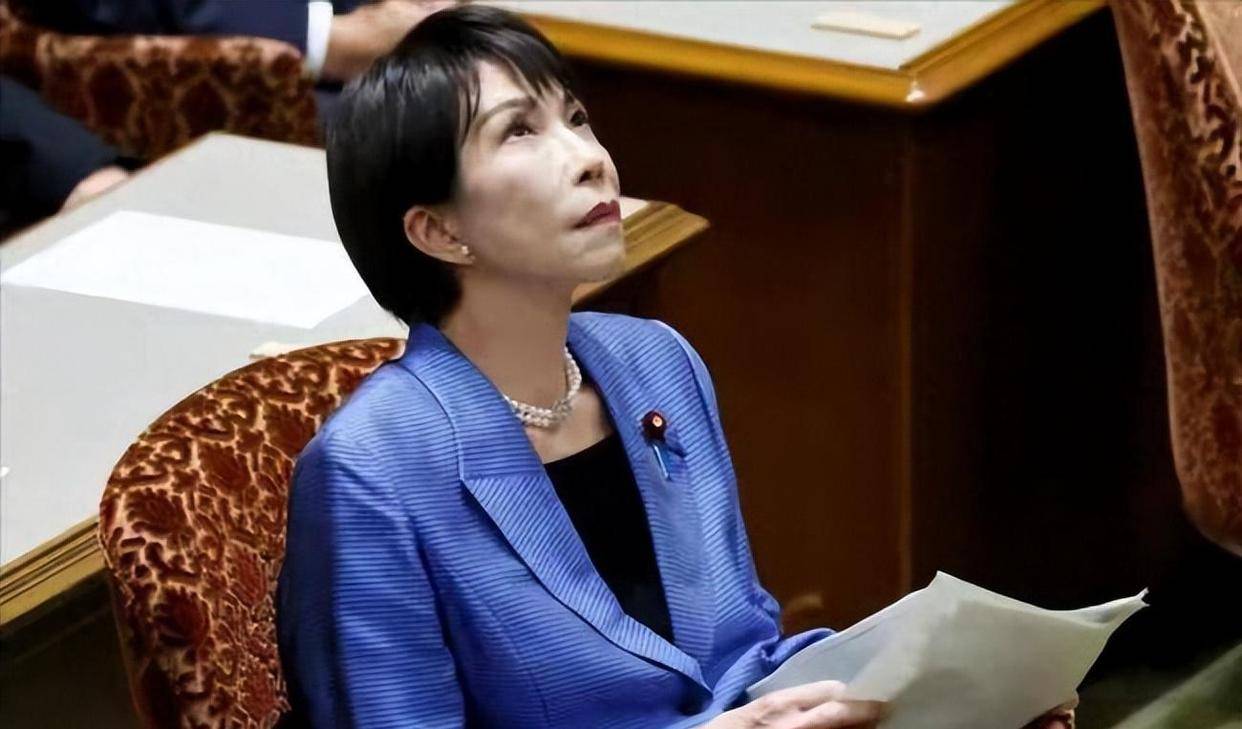
美国联邦最高法院二月二十日那场六比三的裁决,彻底掀翻了特朗普政府自去年四月二日起加征的全部关税。 理由很硬:越权。 他动用的是《国际紧急经济权力法》,可法院认定,这根本不是什么"紧急状态",纯粹是拿法律当工具,为单边贸易施压找借口。 结果就是,那些靠行政命令强行收上来的钱——高达一千七百五十亿美元——现在成了非法所得,随时可能被要求退还。 这事一出,很多人第一反应是特朗普自己倒霉。 毕竟政策崩盘、财政窟窿、政治信誉受损,样样都砸在他头上。 但真正最惨的,恐怕不是白宫,而是东京。 日本这次栽得特别深,不是因为运气差,而是因为它押注的方式太极端。 特朗普刚回白宫,就甩出"对等关税"这张牌,全球震动。 各国怎么应对?分成了三路。 中国直接硬刚,不退不让,逼得美方不得不低头谈条件。 欧盟、印度这些大块头选择观望,看风向、等时机,既不急着站队,也不轻易表态。 只有日本,几乎是第一时间扑上去,主动签协议,抢着要"豁免"。 它图什么?很简单。 日本汽车、电子这些命脉产业,严重依赖美国市场。 一旦被加税,出口利润立马缩水,企业可能撑不住。 所以日本政府算了一笔账:与其被动挨打,不如主动让利,早点换一张"免死金牌"。 于是他们 ...
中国发现美国致命弱点,谈判筹码大增!特朗普刚定下访华日程,美国最高法给了他当头一棒
Sou Hu Cai Jing· 2026-02-24 16:54
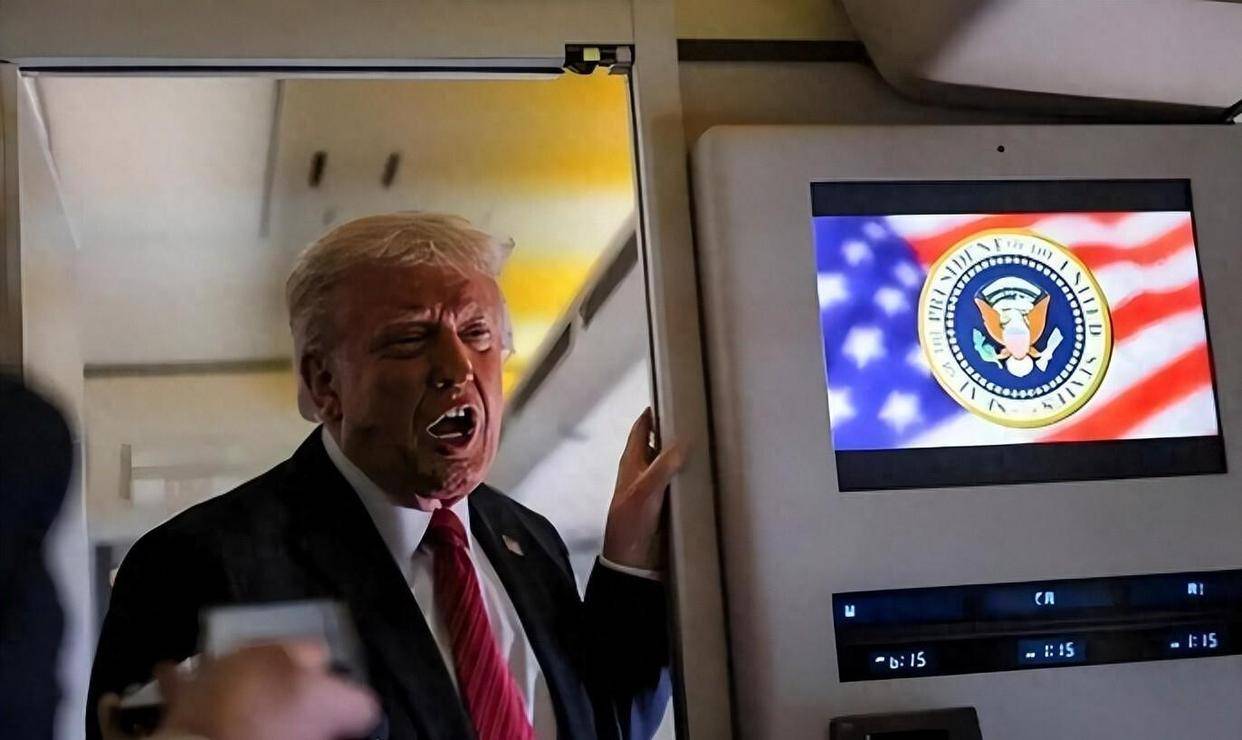
2026年2月20日,华盛顿发生了两件看似无关却紧密相连的大事。 上午,白宫新闻办公室向全球媒体证实,美国总统特朗普将于3月31日至4月2日访问中 国。 下午,美国联邦最高法院大楼内,九位大法官以6比3的投票结果,裁定特朗普政府依据《国际紧急经济权力法》实施的大规模全球关税缺乏法律授 权,立即废止。 这两件事的时间差,不到24小时。 白宫官宣的访华行程为期三天,这是特朗普自2017年以来首次对中国进行正式访问。 就在行程公布的前一天,特朗普本人在华盛顿的"和平委员会"会议上 还兴奋地表示:"我将在四月去中国,这将是一次疯狂的行程。 "他特别期待届时能再次看到中国仪仗队的强大阵容。 然而,他还没来得及登上专机,后院 就燃起了大火。 这笔钱不是小数目。 裁决意味着这超过1750亿美元的税款从法律上讲是"无权征收"的,自始无效。 接下来一个更棘手的问题是,这些钱要不要退,以及怎 么退。 裁决公布后,包括大型零售商开市客在内的数百家企业迅速提起了诉讼,要求政府返还已缴纳的关税款项。 中国汽车制造商比亚迪更是在1月就率先 提起诉讼,要求退还自2025年4月以来缴纳的所有关税。 特朗普本人在白宫记者会上承认,关于退税的官 ...
死撑了三天,美国终于低头,这场全球大战,结局真被中国说准了
Sou Hu Cai Jing· 2026-02-24 16:02
前言 这座试图用总统"紧急权力"强行搭建的关税壁垒,被最高法院正式贴上了"违宪"的标签。这意味着,过 去一年多以这个名义征收的高达1750亿美元的税款,全都是非法所得。 这场由白宫一手导演,搅动全球的贸易独角戏,在司法铁律面前,终究是演不下去了。此前那种"谁不 服就加税"的嚣张气焰,在死撑了三天后,终于熄火。 这个虎头蛇尾的结局,恰恰印证了中方从一开始就反复强调的那个朴素道理:贸易的牌桌上,从来就没 有真正的赢家。 判决一出,美国海关与边境保护局不敢有丝毫耽搁,在2026年2月24日连夜发布紧急通告,宣告那套被 特朗普吹嘘成"美国救星"的关税制度,即刻终结。 大家好,我是小邹! 这几天,全球的目光都死死盯着白宫。特朗普发起的全球关税大棒,挥舞得虎虎生风,眼看就要改写世 界贸易的规则。 但就在刚刚,靴子落地了。美国最高法院一纸判决,直接把特朗普的关税高墙判了"违宪"。硬扛了三 天,白宫终究是没扛住。 大厦崩塌 白宫简报室的灯光,似乎比平时暗了不少。特朗普站在那里,脸色阴沉得能拧出水来。就在不久前,美 国最高法院的法槌重重落下,一份6比3的悬殊判决,让他过去一年多引以为傲的全球关税政策,瞬间成 了一纸空文。 随之 ...