AI基础设施建设

Search documents
英伟达向CoreWeave投资20亿美元推动AI基础设施建设
Sou Hu Cai Jing· 2026-01-27 14:47
"这种扩大的合作突显了我们客户群体需求的强劲程度,以及随着AI系统进入大规模生产阶段所释放的 更广泛市场信号,"Intrator表示。 英伟达周一宣布向新兴云服务商CoreWeave投资20亿美元。这项投资标志着双方合作关系的进一步扩 大,旨在到2030年新增超过5千兆瓦的"AI工厂"——即专业化计算数据中心。 根据协议,英伟达和CoreWeave正在"深化基础设施、软件和平台对接",以实现产品间更好的互操作 性。CoreWeave建设的AI计算中心将采用英伟达的加速计算平台技术。 "从一开始,我们的合作就遵循一个简单的信念:只有当软件、基础设施和运营协同设计时,AI才能成 功,"CoreWeave联合创始人、董事长兼首席执行官Michael Intrator在声明中表示。 超大规模云服务商和大型科技公司正投入数十亿美元,扩展支持日益增长的AI需求所需的基础设施, 这导致领先供应商之间出现了一系列循环合作关系。 英伟达与CoreWeave合作关系的扩大为这家云服务提供商提供了资金支持,用于在全球基础设施建设浪 潮中采购土地建设AI数据中心。专业AI云服务提供商(通常被称为新兴云服务商)在经历了一年的计 算需求 ...


三星宣布再涨价100%!
国芯网· 2026-01-26 07:03
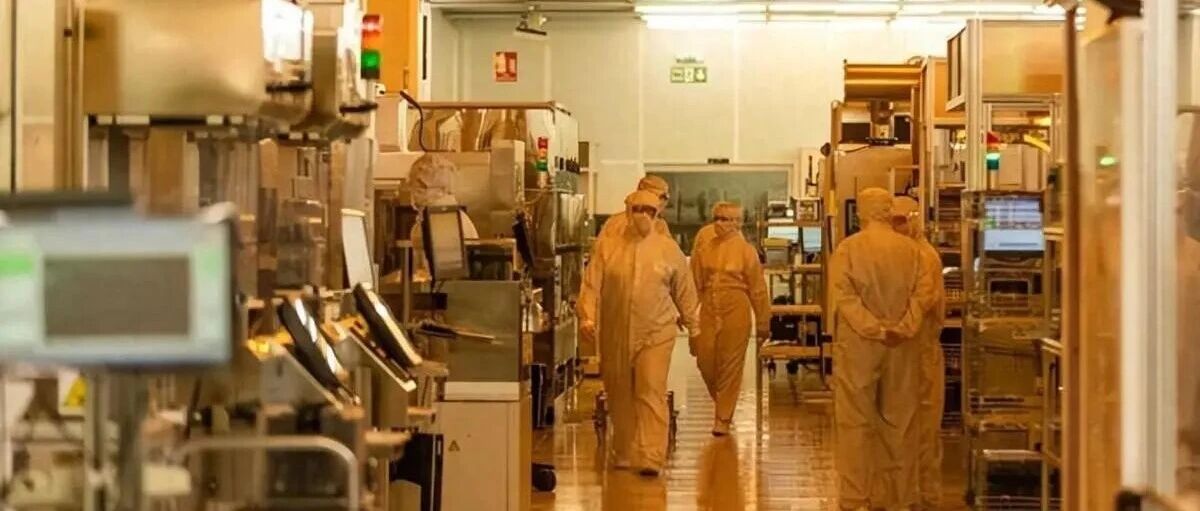
据透露,三星电子已于去年年底完成与主要客户的供应合同谈判,并从1月起执行新的价格体系。 此次调价紧随此前DRAM内存价格上涨近70%之后,成为存储市场又一个强烈的价格信号。目前,三星已开始与客户就第二季度NAND价格展开新一轮谈 判,市场普遍预计涨价趋势仍将持续。 这一激烈调价背后,直接反映了AI基础设施建设对高性能存储设备的迫切需求。随着数据中心扩张带动企业级固态硬盘需求爆发,以及"端侧AI"推动手 机、PC等设备向高容量存储升级,存储芯片需求正呈现指数级增长。 然而,供给端却未能同步跟进。在过去一年中,包括三星在内的主要制造商均未进行大规模产能扩张,整体投资策略保持审慎。 尽管未有公开减产,但行业出货量增长有限,加上制程转换带来的产能置换影响,实际有效供给远远落后于需求增长,导致市场陷入"有价无货"的局面。 除了三星电子以外,作为NAND市场份额排名第二的巨头,SK海力士也采取了类似的定价策略,显示出头部厂商强大的议价能力。 国芯网[原:中国半导体论坛] 振兴国产半导体产业! 不拘中国、 放眼世界 ! 关注 世界半导体论坛 ↓ ↓ ↓ 1月26日消息,据韩媒报道,三星已将2026年Q1的NAND闪存供应价 ...
黄仁勋一句话,全球芯片股集体涨停
Sou Hu Cai Jing· 2026-01-23 15:10
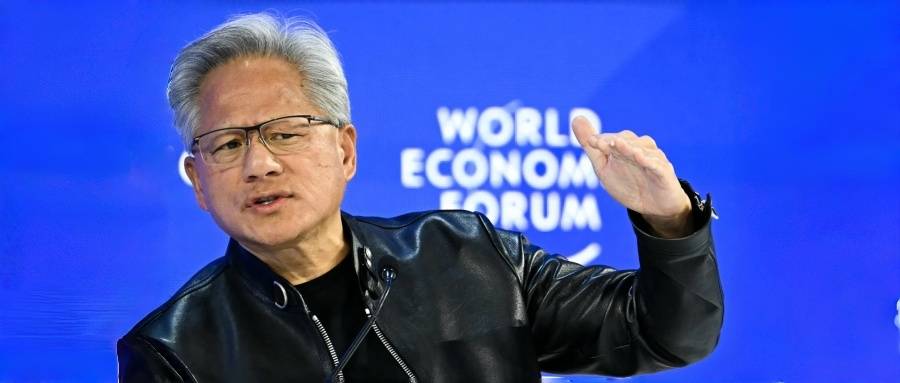
智东西 编译|万贵霞 编辑|云鹏 智东西1月23日消息,据《彭博社》昨日报道,本周三,英伟达CEO黄仁勋在瑞士达沃斯举行的世界经济论坛(World Economic Forum)上提到,未来几 年,全球AI基础设施建设将需要数万亿美元规模的新增投资。 受这一表态提振,全球半导体板块集体走强。存储芯片制造商三星电子昨天股价一度上涨5%,创下历史新高,并推动韩国综合股价指数KOSPI首次突破 5000点,费城半导体指数周三已上涨超过3%,再创历史新高。 ▲全球AI股票攀升(图源:彭博社) 此前,美国总统特朗普撤回了针对部分欧洲国家、因格陵兰问题而考虑加征关税的威胁,为全球股市提供了额外支撑。黄仁勋在达沃斯论坛上的发言,则进 一步强化了投资者对AI长期增长前景的信心。 一、AI热潮至少延续到2026年,财报与业绩成关键验证 Wedbush Securities分析师 丹·艾夫斯(Dan Ives)一份报告中写道,本届达沃斯论坛的核心主题正是AI革命。多位市场人士认为,AI热潮至少将持续至2026 年,投资者对高估值和国际紧张局势的担忧暂未动摇整体趋势。 据英特尔昨天公布的财报显示,第四季度营收为137亿美元(约合人 ...

达沃斯热议AI基建竞赛,黄仁勋称投入数万亿美元
Bei Jing Shang Bao· 2026-01-22 15:09
人们相信,下一个GPT、下一个宇树随时可能涌现,英伟达也坐不稳市值的王座。在国内市场,AI更是 热闹非凡,摩尔线程、沐曦股份、智谱和MinMax争先点燃资本热情。 当然,无论从市值衡量,还是比较营收和利润,AI竞争大抵遵循竞争的"二八法则",不同时期会跑出不 同的领军者。 但区别于前半程,在算法出圈、产品爆红之后,AI竞争正在向算力甚至电力等基础设施的后台演进, AI进入结构和系统性竞赛。 【#AI进入结构性和系统性竞赛#】达沃斯,世界经济论坛,AI无疑成为参会企业最热门的话题。 英伟达创始人#黄仁勋#语出惊人:人类历史上最大规模的AI基础设施建设已在进行,现在已经投入了 数千亿美元,还有数万亿美元需要建设。 最新消息显示,特斯拉创始人马斯克也会首次出席达沃斯,可能会与贝莱德CEO等嘉宾展开对话,考虑 他近期在AI尤其芯片领域的激进路线,话题必然还是绕不开AI。 腾讯集团高级执行副总裁汤道生的看法,代表了AI全球竞赛里中国"代表队"的思路,他说:"当人们谈 论AI时,可能倾向于把它想象成一个庞大的超级系统,称之为AGI,但实际上,现实中却是多种不同的 模型,服务于不同的场景。" 过去几年,AI被大模型、人形机 ...
多家外资青睐半导体材料设备领域!科创半导体设备ETF(588710)迎资金五连增
Mei Ri Jing Ji Xin Wen· 2026-01-22 05:45
Group 1 - The core viewpoint of the articles highlights a positive outlook for the semiconductor materials and equipment sector, driven by AI infrastructure development and a cyclical recovery in the storage segment [1][2] - Morgan Stanley identifies three key trends: AI infrastructure as a growth engine, cyclical recovery in the storage sector, and advancements in wafer manufacturing and packaging technologies [1] - KeyBanc Capital Markets notes that the global demand for AI computing infrastructure and the "super cycle" in storage chips will likely benefit semiconductor equipment manufacturers [1] Group 2 - CITIC Securities points out that the storage chip market is experiencing a price increase due to surging AI demand and supply-side contractions, which may lead to significant performance growth for global storage industry companies [2] - The domestic semiconductor equipment and packaging sectors are expected to see investment opportunities as domestic production rates increase and capital expenditure cycles begin [2] - The Sci-Tech Innovation Semiconductor Equipment ETF (588710) has seen a cumulative inflow of 781 million yuan since 2026, reaching a historical high in both scale and share [1][2]
商业航天,又爆发!
中国基金报· 2026-01-22 04:34
Market Overview - On January 22, the A-share market opened high but closed lower, with the Shanghai Composite Index down 0.15%, Shenzhen Component down 0.17%, and ChiNext down 0.4% [2] - A total of 3,265 stocks rose, 60 stocks hit the daily limit, and 2,044 stocks fell, with a trading volume of 1.77 trillion yuan, an increase of 142.6 billion yuan compared to the previous trading day [3] Sector Performance - The oil and gas, aerospace military, superhard materials, coal, and photovoltaic sectors saw significant gains, while the precious metals and semiconductor equipment sectors experienced notable declines [3] - The superhard materials sector showed a strong upward trend, with stocks like Yujing Co. and Boyun New Materials hitting the daily limit [14] - The precious metals sector faced a downturn, with significant declines in stocks such as Western Gold and Xiaocheng Technology, which fell over 5% [18][20] Commercial Aerospace Sector - The commercial aerospace sector continued to recover, with stocks like Jili Rigging and Boyun New Materials seeing substantial gains [6] - Recent updates from companies like Xinghe Power and Blue Arrow Aerospace regarding their IPO progress have contributed to the positive sentiment in this sector [8] Oil and Gas Sector - The oil sector experienced a rapid increase, with major companies like PetroChina and Sinopec showing notable gains [10] - As of January 22, the Brent crude oil price was reported at $64.92 per barrel, up 5.85% from the beginning of the month [11] Superhard Materials Sector - The superhard materials sector is benefiting from advancements in artificial intelligence and related technologies, with expectations of significant growth in the industry [16] - The sector is projected to see a rise in demand, particularly for products related to artificial intelligence and robotics [14] Precious Metals Sector - The precious metals sector is undergoing a correction after previous gains, with gold prices fluctuating due to geopolitical factors and market sentiment [20] - The current price of gold has seen a decline, with spot gold trading around $4,787.966 per ounce, reflecting a nearly 1% drop [20]






特朗普TACO助推亚太股市上涨,芯片股涨势如虹,韩股突破5000大关!黄金跌破4800
Hua Er Jie Jian Wen· 2026-01-22 03:23
Group 1 - The core sentiment in the market has shifted positively following President Trump's decision to abandon tariffs on Europe and comments regarding a "framework agreement" on Greenland, leading to a rise in stock markets across the Asia-Pacific region and a decline in safe-haven assets like gold [1] - The South Korean Composite Index surged by 2.18% to reach 5017.16 points, marking a significant increase driven primarily by the semiconductor sector [2][5] - Nvidia's CEO highlighted the need for "trillions of dollars" in global AI infrastructure investment, which has led to increased buying interest in the semiconductor sector, with notable gains for companies like Disco in Japan and Samsung Electronics in South Korea [3][7] Group 2 - The strong momentum in chip stocks has propelled the South Korean Composite Index to a historic high, with a month-to-date increase of nearly 20% [5][6] - Reforms aimed at addressing the "Korean discount" issue are gaining traction, boosting investor confidence, as analysts suggest that the Composite Index still has room for further growth due to reasonable valuations [7][10] - The South Korean government is expected to announce measures to curb the voting power of controlling families and increase the rights of minority shareholders, which may enhance overall market dynamics [11]

AI是“最大基建”还是新泡沫?黄仁勋在达沃斯回应:万亿美元投资才刚开始
智通财经网· 2026-01-21 13:41
Core Insights - AI is initiating the largest infrastructure build in human history, requiring more energy, land, and skilled workers [1][2] - The AI infrastructure is described as a "five-layer cake," with energy at the base, followed by chips and computing infrastructure, cloud services, AI models, and finally applications [2] - Significant investments are being made in AI, with over $100 billion expected in venture capital by 2025, primarily directed towards AI-native companies in sectors like healthcare, robotics, manufacturing, and financial services [3] AI Infrastructure - The infrastructure build has already seen investments in the thousands of billions, with a need for tens of trillions more [2] - TSMC plans to build 20 new chip factories, while Foxconn collaborates on 30 new computer factories that will support AI data centers [2] Employment Impact - The infrastructure development is expected to create numerous job opportunities in traditional trades such as plumbing, electrical work, construction, and network technology [4] AI Market Dynamics - The demand for NVIDIA GPUs is high, with rental prices for GPUs increasing due to the surge in AI startups and the shift in R&D budgets towards AI [5] - The perception of an AI bubble is linked to the massive scale of investments needed to build the necessary infrastructure for AI [5] European AI Opportunities - Robotics presents a unique opportunity for European countries to leverage their strong industrial manufacturing base and transition into the AI era [6] - NVIDIA's CEO highlighted the importance of integrating industrial capabilities with AI to enter the physical AI or robotics world [6] Collaboration and Investment - NVIDIA and Microsoft have committed to significant investments in Anthropic, with NVIDIA pledging up to $10 billion and Microsoft up to $5 billion for the development of the AI chatbot Claude [7] - Anthropic has also committed to spending $30 billion on Microsoft Azure's computing capabilities [7]
思源电气(002028):业绩大超预期,稳步迈进nextlevel
Soochow Securities· 2026-01-16 01:55
证券研究报告·公司点评报告·电网设备 思源电气(002028) 2025 年业绩快报点评:业绩大超预期,稳步 迈进 next level 买入(维持) | [Table_EPS] 盈利预测与估值 | 2023A | 2024A | 2025E | 2026E | 2027E | | --- | --- | --- | --- | --- | --- | | 营业总收入(百万元) | 12,460 | 15,458 | 21,205 | 29,560 | 39,025 | | 同比(%) | 18.25 | 24.06 | 37.18 | 39.40 | 32.02 | | 归母净利润(百万元) | 1,559 | 2,049 | 3,163 | 4,523 | 6,059 | | 同比(%) | 27.75 | 31.42 | 54.35 | 43.01 | 33.96 | | EPS-最新摊薄(元/股) | 2.00 | 2.62 | 4.05 | 5.79 | 7.76 | | P/E(现价&最新摊薄) | 84.66 | 64.42 | 41.74 | 29.18 | 21.79 | [Table_Ta ...

近250亿港元!港股再融资爆发式增长
证券时报· 2026-01-15 14:20
Core Viewpoint - The Hong Kong stock market has shown strong performance at the beginning of 2026, boosting market confidence and providing a favorable environment for listed companies to raise funds through refinancing [1][10]. Group 1: Refinancing Activities - As of January 15, 2026, the scale of equity financing (including placements, rights issues, and consideration issues) by Hong Kong listed companies has reached approximately HKD 248.87 billion, a significant increase of HKD 238.67 billion compared to HKD 10.20 billion in the same period of 2025 [3]. - Placement remains the primary method for refinancing among Hong Kong listed companies, with 68% of the 25 refinancing activities initiated by 24 companies opting for this method [3]. - Notable refinancing activities include SF Holding and Jitu Express, which announced a strategic mutual shareholding with a total refinancing amount of HKD 83 billion, marking the largest deal [3]. Group 2: Specific Company Activities - GF Securities raised over HKD 61 billion through H-share placements and convertible bond issuance, ranking second in the refinancing activities this year [4]. - Kanglong Chemical raised approximately HKD 13.34 billion through a placement of new H-shares, ranking third among this year's refinancing projects [4]. - Other companies such as Ying Tai Medical, Black Sesame Intelligence, and YaJie AnKang also raised over HKD 100 million in refinancing [5]. Group 3: Bond Financing Demand - Alongside the surge in equity financing, there is also a strong demand for bond financing in the Hong Kong market [6][10]. - Kuaishou announced plans to issue USD and RMB senior notes, aiming to raise approximately USD 2 billion, with a focus on AI infrastructure development [7]. - JD.com is reportedly considering issuing dim sum bonds with a potential scale of around RMB 10 billion (approximately USD 1.4 billion) [7]. - In 2025, major internet companies like Tencent, Baidu, and Alibaba initiated a wave of bond issuances, indicating a trend towards debt financing in the tech sector [8]. Group 4: Purpose of Fundraising - The active refinancing activities reflect increased confidence in Hong Kong listed companies and the deep integration of capital and industry [10]. - Funds raised are primarily used for international expansion, enhancing research and development, and increasing cash reserves [11]. - Kuaishou's bond proceeds will support its global expansion strategy, while SF Holding and Jitu Express aim to build a more efficient global logistics network [11]. - Crystal Holdings plans to use its bond proceeds to enhance both domestic and international R&D capabilities and expand its business development [11].