情绪价值

Search documents
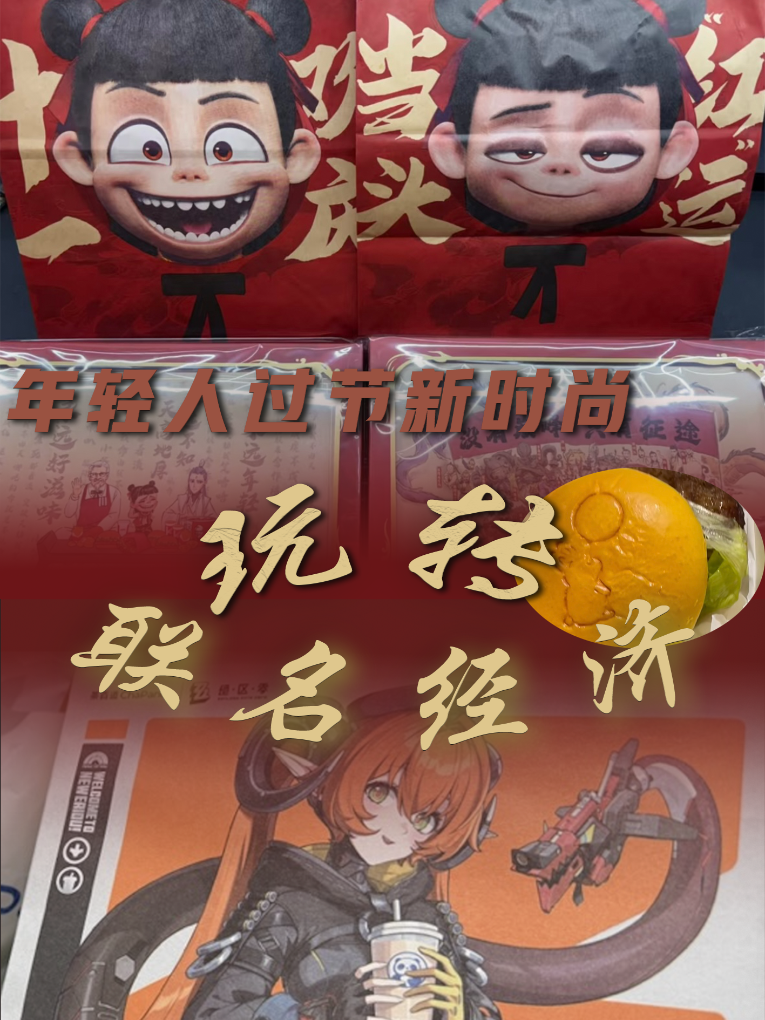
年轻人过节新时尚:玩转“联名经济”
Xin Hua Wang· 2025-10-08 02:19
Core Insights - The collaboration between KFC and the movie "Ne Zha" has become a popular choice among consumers during the National Day and Mid-Autumn Festival, showcasing the effectiveness of co-branding in attracting younger audiences [2][4] - The IP derivative market in China is projected to grow from 174.2 billion yuan in 2024 to 335.7 billion yuan by 2029, indicating a significant trend towards cross-industry collaborations that infuse traditional festivals with youthful energy [2] - Co-branded products are bridging generational gaps, enhancing family interactions and redefining the concept of holiday gifts, as seen in various examples of thoughtful gift selections by consumers [4][6] Industry Trends - The rise of co-branded products is reshaping consumer behavior, with younger generations increasingly valuing emotional and experiential aspects over mere price considerations [6] - A report indicates that nearly 60% of young people are willing to pay for emotional value, a significant increase from the previous year, highlighting a shift in consumer priorities towards quality and experience [6] - Co-branded items serve as cultural carriers and emotional connections, reflecting a blend of traditional and modern influences in consumer products [6]

新货盘“革命”,牵动义乌市场大变局
Tai Mei Ti A P P· 2025-10-06 11:40
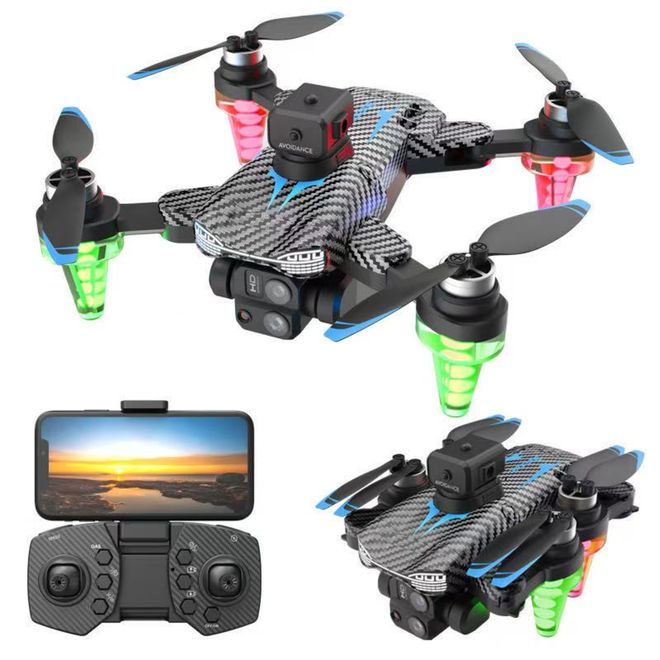
Core Insights - Yiwu is at a critical crossroads, facing both fragmented low-cost markets and a demand for upgraded consumer products, necessitating a shift towards brand transformation and reduced homogenization [1][2] - The market is experiencing structural changes in its customer base, with a trend towards consumption differentiation and the need for innovative strategies to avoid price wars and inventory issues [2][5] - Emotional value is becoming a key differentiator in product competition, as consumers increasingly seek unique and aesthetically pleasing items [3][4] Market Dynamics - The rise of e-commerce and social media has made consumers more discerning, leading to increased price transparency and competition [3] - The demand for products priced below certain thresholds is growing, with sales in lower price ranges showing positive trends [3] - The shift towards emotional value in products is evident, with younger consumers prioritizing aesthetics and creativity over traditional functionality [4][10] Product Innovation - Companies are adapting by developing products that resonate emotionally with consumers, such as customizable dolls and jewelry that combine various materials for a modern appeal [9][10] - The introduction of new product categories, such as drones and outdoor gear, reflects a pivot towards high-growth sectors, with the drone market projected to exceed 600 billion yuan by 2030 [8][19] - The trend of creating product series rather than standalone items is gaining traction, allowing businesses to cater to specific consumer segments more effectively [12] Operational Changes - The manufacturing process is evolving towards more centralized and mechanized production, with companies integrating AI and design software to enhance efficiency [15][18] - The shift from large batch production to small, rapid response orders is becoming standard, allowing for quicker adaptation to market trends [14][20] - Companies are increasingly focusing on data-driven decision-making and consumer feedback to refine their product offerings [20] Future Outlook - The Yiwu market is undergoing a significant transformation, moving away from reliance on price competition towards a model that emphasizes brand building and emotional engagement [19][20] - The global trade landscape is shifting, with Yiwu positioned to capitalize on emerging trends such as health, leisure, and smart devices [19] - The evolution of Yiwu's market strategy reflects broader changes in Chinese manufacturing, aiming for high-quality development and sustained value creation [20]
“鸡排哥”“炒粉哥”接连走红,“情绪价值”成假日文旅新密码
Zhong Guo Xin Wen Wang· 2025-10-06 03:28
Core Insights - The rise of "Chicken Chop Brother" and "Fried Noodle Brother" reflects a new trend in cultural tourism consumption, emphasizing emotional value and personal connection in the market [1][6][8] Group 1: "Chicken Chop Brother" Phenomenon - "Chicken Chop Brother" gained popularity due to his unique marketing approach, offering free chicken while charging for plastic bags, and engaging customers with humorous phrases [2][3] - The stall attracted long queues, with reports of customers traveling long distances, including foreign tourists waiting for hours to experience the interaction [2][3] - The success of "Chicken Chop Brother" positively impacted local businesses, with related food stalls seeing significant sales increases, and Douyin reported a nearly 70% increase in orders for local experiences during the holiday [2][3] Group 2: "Fried Noodle Brother" Impact - "Fried Noodle Brother" became popular through a heartfelt video where he delivered fried noodles to a friend recovering from an accident, which resonated with viewers and garnered over 3.5 million likes [4][5] - The emotional connection created by "Fried Noodle Brother" led to long queues at his stall, with customers traveling from afar to experience his service [4][5] - The story of "Fried Noodle Brother" highlights the importance of authenticity and warmth in customer interactions, contributing to a positive brand image [4][5] Group 3: Emotional Economy in Cultural Tourism - The concept of "emotional economy" is reshaping the cultural tourism market, where ordinary individuals providing emotional value become key attractions for cities [6][7] - The trend indicates a shift from traditional sightseeing to immersive experiences that prioritize emotional fulfillment, aligning with the evolving preferences of travelers [6][7] - The rise of individual stories, such as those of "Chicken Chop Brother" and "Fried Noodle Brother," illustrates how personal narratives can enhance a city's appeal and encourage repeat visits [6][7][8] Group 4: Tourism Trends During Holidays - The recent holiday period saw a significant increase in cross-regional travel, with an estimated 2.36 billion trips, marking a 3.2% growth compared to the previous year [7] - Data from Douyin indicated a surge in accommodation bookings in lesser-known cities, with some locations experiencing over 180% growth in orders [7] - Travelers are increasingly seeking unique and personalized experiences, moving away from crowded tourist spots to explore local culture and cuisine [7][8]
莫让细节影响好“情绪”
Jing Ji Ri Bao· 2025-10-05 02:52
Group 1 - The tourism market during the extended National Day and Mid-Autumn Festival holiday showed strong vitality, with cross-province travel orders increasing by 45% year-on-year and orders from inter-provincial border cities rising by 58% [1] - The "post-00s" demographic accounted for 62% of tourists, with new travel experiences such as cultural tourism, international travel, and industrial tourism gaining popularity [1] - The shift in tourism focus from mere sightseeing to "experiencing emotional value" indicates that emotions have become the core driver of consumption, with young people seeking unique and memorable experiences [1] Group 2 - Food safety is a fundamental emotional concern during the holiday, as any issues with traditional festive foods like mooncakes can significantly impact consumer sentiment and expectations [2] - The Ministry of Culture and Tourism's recent inspections revealed potential safety hazards in tourist attractions, highlighting the importance of maintaining safety standards to avoid emotional crises among visitors [2] - Small details, such as changes in shopping itineraries or overpriced meals, can have a magnifying effect on consumer emotions, potentially ruining the overall experience of a well-planned trip [3] Group 3 - The need for strict regulation and oversight in areas such as food safety, facility safety, and contract compliance is emphasized, especially during peak consumption periods [3] - Service optimization by platforms and businesses is crucial to ensure a positive consumer experience, as even minor oversights can detract from the holiday enjoyment [3] - In the era of emotional consumption, attention to detail is essential for creating lasting positive impressions and ensuring that consumers feel secure and satisfied with their spending [3]
珍惜还在炸鸡排的“鸡排哥”
Hu Xiu· 2025-10-05 01:41
Core Viewpoint - The article discusses the phenomenon of "Chicken Chop Brother," a viral internet personality who has gained immense popularity during the National Day holiday, highlighting the emotional value and social dynamics surrounding his rise to fame [4][10][17]. Group 1: Emotional Value and Social Dynamics - The long queues for "Chicken Chop Brother" in Jingdezhen indicate that people are not just interested in the food but also in the social experience and emotional value derived from the event [4][5]. - The phenomenon reflects a broader trend of emotional consumption, where individuals seek to participate in popular culture and share their experiences on social media [10][11]. - "Chicken Chop Brother" engages with customers in a unique way, using humor and personal interaction to enhance the emotional experience, which contributes to his popularity [6][9]. Group 2: Impact of Fame - The sudden rise to fame has transformed Jingdezhen, giving it a new identity beyond its historical significance, similar to other viral personalities in the past [17][18]. - The article notes that the intense scrutiny and pressure of fame can lead to changes in behavior and performance, as seen with "Chicken Chop Brother" occasionally forgetting customer orders due to stress [14][21]. - There is a sense of nostalgia among fans who reminisce about the simpler times before the fame, indicating a potential concern for the sustainability of his current lifestyle [15][16]. Group 3: Industry Implications - The influx of "traffic catchers" and aspiring influencers around "Chicken Chop Brother" suggests a growing trend in the food and entertainment industry where personal branding and social media presence are becoming crucial for success [19]. - The article highlights the potential risks associated with the fast-paced nature of internet fame, including the physical toll it can take on individuals, as evidenced by "Chicken Chop Brother's" injuries from frying [20][21]. - The narrative emphasizes the importance of maintaining authenticity and passion for one's work amidst the pressures of fame, which is essential for long-term success in the industry [21].
鸡排哥走红并非偶然
Xin Lang Cai Jing· 2025-10-03 16:15
Core Viewpoint - The rise of "Chicken Fry Guy" is not coincidental, as significant changes in his business model and customer engagement have contributed to his popularity [1] Business Model Changes - The Chicken Fry Guy has implemented unique operational rules, such as only serving students after 16:30 and offering discounts, which has helped him target a specific customer base [1] - New rules include requiring freshly fried chicken to be delivered in open bags and increasing prices by 1 yuan after noon, creating a competitive edge and improving operational efficiency [1] Customer Engagement - The Chicken Fry Guy has transformed from a shy individual to a charismatic seller, providing emotional value through a humorous and engaging sales style, which enhances customer attraction [1] - The perceived value of his chicken has increased, with customers feeling they receive 60 yuan worth of emotional value for a 6 yuan chicken, leading to long queues [1] Potential Concerns - The increased workload raises questions about the sustainability of his health and ability to maintain this pace [1] - The risk of overexposure on social media could lead to scrutiny of his comments, which may affect his brand if he strays from his engaging persona [1] - There is a concern that without the emotional connection, the Chicken Fry Guy may struggle to maintain his popularity [1]

“鸡排哥”忙出“痛苦面具”,有喘息空间才有情绪价值 | 新京报快评
Xin Jing Bao· 2025-10-03 05:40
Core Viewpoint - The "Chicken Chop Guy" has gained popularity for his humorous interactions while selling chicken chops, but the overwhelming demand during the National Day holiday has led to exhaustion, diminishing his emotional value to customers [1][3]. Group 1: Demand and Supply Dynamics - The "Chicken Chop Guy" has become a local sensation, attracting long queues of customers, with wait times reaching two to three hours [1]. - Despite the availability of chicken chops from various vendors, the unique appeal of the "Chicken Chop Guy" drives customers to wait, indicating that the emotional experience is valued more than the product itself [1]. - The surge in popularity has created a supply-demand imbalance that is challenging to manage, leading to the "Chicken Chop Guy" working extended hours without adequate rest [1][2]. Group 2: Emotional Value and Customer Expectations - The initial charm of the "Chicken Chop Guy" stemmed from his natural humor and relatable demeanor, which are now compromised due to fatigue from high-intensity work [1][3]. - Customers have begun to notice a decline in his emotional engagement, questioning why he is no longer as interactive, which detracts from the overall experience [2]. - The pressure from consumer expectations and the rapid transformation from a local vendor to a tourist attraction has created a burden that may outweigh the benefits of increased visibility and sales [3]. Group 3: Recommendations for Sustainability - It is suggested that the "Chicken Chop Guy" should be given time to rest to maintain his emotional value and overall well-being, which is essential for sustaining customer engagement [3]. - A more relaxed and comfortable approach to customer interactions could enhance the unique emotional value that initially attracted customers [3].
NPC带游客“一秒入戏” 景区沉浸式文旅引客来
Zhong Guo Xin Wen Wang· 2025-10-03 04:00
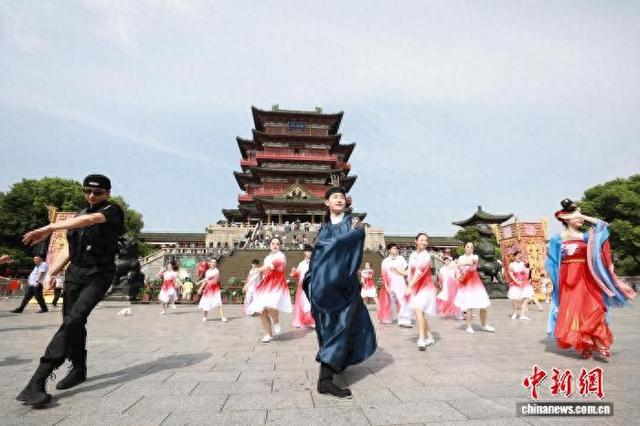
Core Viewpoint - The emergence of NPCs (Non-Player Characters) in scenic areas is transforming the tourism experience in China, shifting from traditional sightseeing to immersive cultural interactions, enhancing visitor engagement and emotional value [1][6][7]. Group 1: NPC Role and Impact - NPCs are evolving from mere photo props to integral components that connect culture, activate spaces, and drive consumer spending in tourist attractions [6]. - The interactive nature of NPCs adds depth to the travel experience, making it more engaging and culturally enriching for visitors [6][7]. - Data indicates that NPCs significantly boost visitor traffic; for instance, a video featuring an NPC character garnered over one million views on social media, attracting more visitors to the scenic area [6]. Group 2: Industry Trends and Insights - The trend of incorporating NPCs is gaining traction across various scenic spots in China, such as Zhejiang's Hengdian World Studios and Henan's Wansui Mountain Wuxia City, indicating a broader industry consensus on their importance [6][7]. - The NPC phenomenon reflects a shift in China's cultural tourism industry from resource-based sightseeing to content-driven experiences, with emotional value being a key factor in this transformation [7]. - The demand for specific talent in NPC roles has led to high-paying recruitment efforts in various scenic areas, highlighting the growing significance of this trend in the tourism sector [6].
不要把“鸡排哥”榨得太干净了
Nan Fang Du Shi Bao· 2025-10-03 00:57
Core Insights - The rise of "Chicken Chop Brother" in Jingdezhen, Jiangxi, is attributed to his unique selling style that combines humor and emotional value, attracting large crowds during the National Day holiday [1] - The phenomenon highlights the importance of emotional labor in the service industry, where genuine interactions can enhance customer experience [2] Group 1: Emotional Value in Service - "Chicken Chop Brother" provides emotional value through humorous interactions, making the experience of buying chicken more enjoyable for customers [1] - The emotional connection established by service workers can lead to increased customer loyalty and engagement, as seen with the popularity of "Chicken Chop Brother" [1][2] Group 2: Challenges of Emotional Labor - The expectation for service workers to maintain high energy and enthusiasm at all times can lead to emotional exhaustion and burnout, a phenomenon referred to as "emotional overwork" [2] - The case of a hot pot vendor in Gansu illustrates the pressure on service workers to manage their expressions, highlighting the need for empathy towards their emotional labor [3] Group 3: Industry Implications - The service industry must recognize the limits of emotional labor and allow for authentic expressions of fatigue or emotion, rather than enforcing a facade of constant cheerfulness [2][3] - A balance between customer expectations and the well-being of service workers is essential for fostering a healthier work environment and improving overall service quality [3]
鸡排哥大火后,账号的广告报价公布,商标被其他公司抢注
Xin Lang Cai Jing· 2025-10-02 09:28
Core Insights - The rise of "Chicken Chop Brother" highlights the importance of emotional value in business, where customer interactions are driven by warmth and sincerity rather than just product quality [1][9] - The phenomenon of trademark registration by other companies poses a significant risk to "Chicken Chop Brother," as multiple businesses have already claimed the brand in various sectors, potentially limiting his ability to expand [5][7] - The situation reflects a broader trend in the short video and influencer ecosystem, where personal brands can be quickly capitalized on by the market, often leaving individual creators vulnerable [7][11] Summary by Sections - **Popularity and Engagement**: "Chicken Chop Brother" has gained over 372,000 followers by offering genuine customer service, with advertising rates as low as 10 yuan, appealing to many for its authenticity [3] - **Trademark Issues**: His brand has been registered by several companies across different industries, which could hinder his future business aspirations if he wishes to scale [5][7] - **Emotional Value**: The success of "Chicken Chop Brother" underscores a consumer desire for authentic interactions, suggesting that emotional value is a unique asset that cannot be easily replicated or commodified [9] - **Legal Awareness**: For sustainable brand development, it is crucial for "Chicken Chop Brother" to enhance his legal awareness to protect his rights and prevent exploitation of his efforts by others [11] - **Industry Reflection**: The story serves as a reminder of the challenges faced by individual creators in balancing commercialization with the preservation of their original emotional appeal [11][13]