
适度宽松货币政策

Search documents
央行:落实落细适度宽松货币政策,促进经济稳定增长
Zhong Guo Xin Wen Wang· 2025-09-26 11:37
Group 1 - The People's Bank of China (PBOC) emphasizes the implementation of a moderately loose monetary policy to promote stable economic growth [1][2] - The meeting acknowledges the complex external environment, with weakening global economic growth and increasing trade barriers, while domestic economic performance shows improvement [2][3] - The PBOC plans to enhance monetary policy control, ensuring liquidity remains ample and aligning social financing scale with economic growth and price expectations [3][4] Group 2 - The meeting highlights the importance of large banks in supporting the real economy and encourages small and medium-sized banks to focus on their core responsibilities [4][5] - Structural monetary policy tools will be effectively implemented to support key areas such as technological innovation, consumption, small and micro enterprises, and stabilizing foreign trade [4][5] - The PBOC aims to fully implement the spirit of the 20th National Congress and the Central Economic Work Conference, focusing on high-quality development and modernizing the economy [5]
盛松成:短期内中国尚不具备“大幅”降息的基础 居民储蓄将更多流向金融投资
Sou Hu Cai Jing· 2025-09-26 05:52
Core Viewpoint - Chinese residents' savings are increasingly directed towards financial investments, particularly in high-quality projects that can generate stable cash flow, aligning with national strategic directions [1] Group 1: Investment Trends - Financial investments are becoming more attractive, especially in sectors related to technological innovation and high-quality development, such as new infrastructure and urbanization [1] - The underlying assets of these new projects are closely aligned with major national strategies [1] Group 2: Economic Environment - The external environment is providing support for Chinese asset prices, with expectations of continued interest rate cuts by the Federal Reserve [1] - There is still room for interest rate cuts in China, although a significant reduction is not anticipated in the short term [1] - The focus will remain on proactive fiscal policies complemented by moderately loose monetary policies in the near future [1]
为什么货币基金收益“破1”是正常现象?
Xin Lang Ji Jin· 2025-09-25 07:49
Group 1 - The total scale of money market funds in China exceeded 14.6 trillion yuan by the end of July 2025, while the average 7-day annualized yield of these funds has been declining, currently at only 1.1% as of September 17, 2023 [1] - A significant number of money market funds are experiencing yields below 1.2%, with 251 funds dropping below 1.2%, 182 below 1.1%, and 78 below 1% [1] - The decline in yields is closely linked to the "moderately loose" monetary policy implemented in China, which is expected to continue throughout the year, affecting the yields of underlying assets such as bank deposits and short-term government bonds [1] Group 2 - The phenomenon of money market fund yields dropping below 1% is not unique to China, as developed markets like the US and Eurozone have experienced similar trends during economic downturns and low policy interest rates [2] - In the US, money market funds entered the "sub-1%" era during three distinct periods, coinciding with interest rate cuts in response to economic challenges [2] - Despite the declining yields, the overall scale of domestic money market funds continues to grow, driven by strong demand for low-risk asset allocation and the attractiveness of products like Yu'ebao, which integrate payment and investment functions [2]
央行今日开展 6000亿元MLF操作
Zheng Quan Shi Bao· 2025-09-24 20:56
Core Viewpoint - The People's Bank of China (PBOC) is implementing measures to maintain liquidity in the banking system, including a 600 billion yuan Medium-term Lending Facility (MLF) operation, reflecting a continued accommodative monetary policy stance [1][2]. Group 1: MLF Operations - On September 25, the PBOC will conduct a 600 billion yuan MLF operation with a one-year term, marking the seventh consecutive month of increased MLF issuance [1]. - The net MLF injection for September will reach 300 billion yuan, as 300 billion yuan of MLF is maturing this month [1]. - The MLF operations have transitioned to a more predictable framework, allowing financial institutions to better manage their liquidity needs [2]. Group 2: Coordination of Policies - The increase in MLF operations is seen as a means to support the smooth issuance of government bonds during a peak issuance period, demonstrating coordination between fiscal and monetary policies [2]. - The PBOC's actions are aimed at stabilizing market expectations amid rising medium to long-term market interest rates influenced by a strong stock market [2]. Group 3: Future Expectations - Analysts anticipate that the PBOC may further utilize quantitative monetary policy tools in the fourth quarter, including MLF and reverse repos, to inject liquidity into the market [2]. - There is a possibility that the PBOC may resume government bond trading operations, which could provide more flexible and effective liquidity support compared to regular reverse repos [3].
6000亿元!央行,明日操作!
证券时报· 2025-09-24 10:58
Core Viewpoint - The People's Bank of China (PBOC) is maintaining a supportive monetary policy stance by continuously injecting liquidity into the banking system, as evidenced by the recent MLF operations and reverse repos, aimed at stabilizing market expectations and supporting government bond issuance [1][2][3]. Group 1: MLF Operations - On September 25, the PBOC announced a 600 billion yuan Medium-term Lending Facility (MLF) operation, marking the seventh consecutive month of increased MLF issuance [1]. - In September, the PBOC conducted two reverse repo operations, resulting in a total net liquidity injection of 300 billion yuan, maintaining the same scale as August [2]. - The MLF operations have shifted to a multi-price bidding mechanism, allowing financial institutions to better manage their liquidity needs and enabling the PBOC to monitor liquidity conditions more effectively [3]. Group 2: Monetary Policy Coordination - The PBOC's actions are seen as a coordinated effort with fiscal policy, particularly during a peak period for government bond issuance, to ensure smooth market operations [2]. - Analysts expect that the PBOC will continue to utilize various monetary policy tools, including MLF and reverse repos, to inject liquidity into the market, with potential for further quantitative easing in the fourth quarter [3]. - There is an increasing market demand for the PBOC to resume government bond trading operations, which could provide more flexible and effective monetary easing compared to monthly reverse repo operations [3].

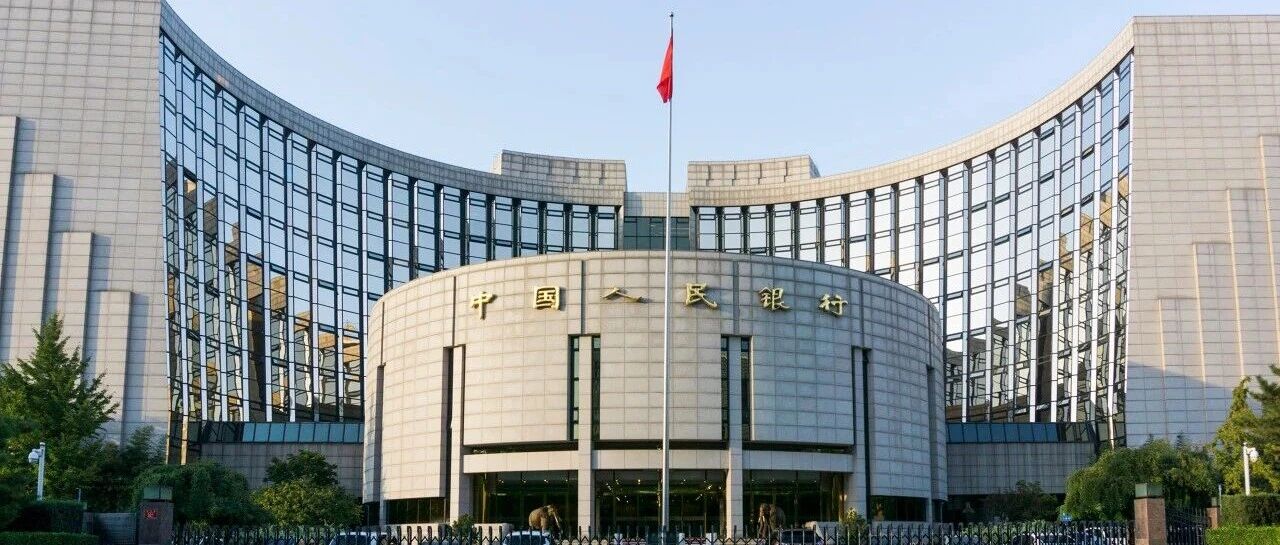
连续七个月加量续作!央行将开展6000亿元MLF
券商中国· 2025-09-24 10:33
Core Viewpoint - The People's Bank of China (PBOC) is implementing a supportive monetary policy by injecting liquidity into the banking system through various tools, including Medium-term Lending Facility (MLF) and reverse repos, to maintain a stable financial environment and support government bond issuance [1][3][4]. Group 1: MLF Operations - On September 25, the PBOC announced a 600 billion yuan MLF operation with a one-year term, marking the seventh consecutive month of increased MLF operations [1]. - In September, the PBOC conducted two rounds of reverse repo operations, resulting in a total net injection of 300 billion yuan, maintaining the same net injection scale as August [3]. - The MLF's role has shifted back to a liquidity provision tool since March, with the PBOC consistently increasing MLF operations to ensure ample liquidity and stabilize market expectations [3]. Group 2: Monetary Policy Coordination - The PBOC's continued injection of medium-term liquidity is seen as beneficial for the smooth issuance of government bonds, reflecting a coordinated approach between fiscal and monetary policies [3]. - The recent rise in mid-to-long-term market interest rates, influenced by a strong stock market, has prompted the PBOC to enhance liquidity injections to stabilize market expectations [3]. Group 3: MLF Mechanism Improvements - The MLF operation has transitioned to a pre-announced bidding mechanism, allowing institutions to better prepare for liquidity needs [4]. - The multi-price bidding method for MLF operations enhances financial institutions' ability to determine bidding rates based on demand, improving market-oriented pricing capabilities [4]. - The PBOC's current monetary policy stance is supportive, with expectations for further use of quantitative monetary policy tools in the fourth quarter [4].
LPR连续4个月“按兵不动”
Zheng Quan Ri Bao· 2025-09-22 16:14
Group 1 - The latest LPR (Loan Prime Rate) remains unchanged at 3.0% for 1-year and 3.5% for 5-year, aligning with market expectations [1] - The stability of the 7-day reverse repurchase rate since May 8 indicates no changes in the pricing basis for LPR, leading to the expectation of no adjustments in September [1] - LPR has remained unchanged for four consecutive months, with analysts suggesting potential downward space for policy rates and LPR within the year [1] Group 2 - The impact of high U.S. tariffs on global trade and China's exports may become more pronounced in Q4, increasing the necessity for policies to stabilize growth and employment [2] - The potential for a new round of interest rate cuts by the central bank in Q4 is anticipated, which could lead to a decrease in LPR, stimulating internal financing demand [2] - Continuous weak credit and declining real estate sales highlight the necessity for rate cuts to lower financing costs, while banks face pressure on interest margins [2]
中国LPR连续四个月未变 专家称年内仍有降息空间
Zhong Guo Xin Wen Wang· 2025-09-22 06:25
Core Viewpoint - The Loan Prime Rate (LPR) in China has remained unchanged for four consecutive months, with the one-year LPR at 3.0% and the five-year LPR at 3.5%, aligning with market expectations [1][2] Group 1 - The stability of the LPR is attributed to the unchanged policy interest rates, specifically the central bank's seven-day reverse repurchase rate, which has not changed in September [1] - Recent increases in medium to long-term market interest rates, such as the AAA-rated one-year interbank certificates of deposit and the ten-year government bond yields, have reduced the motivation for banks to lower LPR quotes [1] - The current net interest margin for commercial banks is at a historical low, further contributing to the lack of incentive to adjust LPR downwards [1] Group 2 - There is potential for a reduction in policy interest rates and LPR quotes before the end of the year, particularly as measures to boost domestic demand and stabilize the real estate market are implemented [2] - The expectation of a new round of interest rate cuts and reserve requirement ratio reductions by the central bank in the fourth quarter could lead to a significant decrease in loan rates for businesses and residents [2] - This monetary easing is seen as a crucial strategy to stimulate consumption and investment, effectively countering the slowdown in external demand [2]
2025年8月经济数据点评:充分释放政策效应,经济仍偏平稳
Shanghai Securities· 2025-09-16 12:21
Economic Performance - In August, the industrial production growth rate was 5.2%, a decrease of 0.5 percentage points compared to the previous month[10] - Fixed asset investment from January to August was 326,111 billion CNY, with a year-on-year growth of 0.5%, down from 1.6%[10] - Retail sales of consumer goods in August totaled 39,668 billion CNY, growing by 3.4% year-on-year, a decline of 0.3 percentage points from the previous month[10] Investment Trends - Infrastructure investment decreased by 1.2 percentage points, while manufacturing investment growth fell by 1.1 percentage points[18] - Real estate development investment from January to August was 60,309 billion CNY, down 12.9% year-on-year, with the decline expanding by 0.9 percentage points[19] - The first industry investment grew by 5.5%, while the second industry saw a growth of 7.6%[18] Consumption Patterns - Urban retail sales grew by 3.2%, while rural retail sales increased by 4.6% in August[21] - Jewelry sales saw a significant increase, and automotive consumption turned positive after previous declines[22] - The decline in retail sales growth was primarily influenced by a drop in commodity retail sales, despite a rebound in dining consumption[25] Policy Outlook - The macroeconomic policy is expected to remain proactive, with continued support for infrastructure and real estate investments to stabilize the economy[29] - The government aims to effectively release domestic demand potential, which is crucial for economic recovery[29] Risk Factors - Potential risks include worsening geopolitical events, changes in international financial conditions, and unexpected shifts in US-China policies[30]
宏观数据观察:东海观察8月经济数据普遍继续回落且不及预期
Dong Hai Qi Huo· 2025-09-15 06:18
Report Industry Investment Rating No relevant content provided. Core View - The economic data in August generally continued to decline and fell short of expectations, with economic growth continuing to slow down. The overall domestic demand economic data in August continued to slow down, with investment continuing to slow down and slightly lower than market expectations, consumption growth slightly declining and lower than market expectations, and industrial production slowing down in the short term. The short - term investment side continued to slow down, and the domestic commodity demand as a whole slowed down and was lower than market expectations. The supply side also slowed down due to factors such as domestic demand slowdown and anti - involution. The short - term domestic commodity supply - demand side showed a state of weak demand and relatively abundant supply, which weakened the support for the prices of domestic - demand - oriented bulk commodities. The data announced this time continued to slow down and were lower than market expectations, which was short - term negative for the domestic - demand - oriented bulk commodity market. In the medium and long term, with the implementation of more active fiscal policies and moderately loose monetary policies, as well as the promotion of the "anti - involution" work, it was positive for the recovery of the domestic market. Overseas, the higher - than - expected US tariffs might lead to a slowdown in global growth expectations, but the increasing expectation of the Fed's interest rate cut supported the prices of external - demand - oriented commodities such as non - ferrous metals and energy [3][6]. Summary by Related Catalogs Industrial Production - In August, the year - on - year growth rate of the added value of large - scale industrial enterprises nationwide was 5.2%, lower than the expected 5.7% and the previous value of 5.7%, a decrease of 0.5 percentage points from the previous value. Mainly due to strong external demand, but also affected by domestic anti - involution and environmental protection production restrictions, the operating rate of industrial enterprises declined, and the industrial production growth rate decreased slightly but remained at a relatively high level. By major categories, in August, the added value of the mining industry increased by 5.1% year - on - year, the manufacturing industry increased by 5.7%, and the production and supply of electricity, heat, gas, and water increased by 2.4%. In the second half of the year, as the US replenishment demand gradually weakened, the overall industrial production growth rate in China might decline but was expected to remain at a relatively high level [3][4]. Domestic Consumption - In August, the total retail sales of consumer goods increased by 3.4% year - on - year, lower than the expected 3.9% and the previous value of 3.7%, a decrease of 0.3 percentage points from the previous value. This was mainly due to the slowdown in the subsidy intensity of the consumer goods trade - in policy. Currently, the effect of the consumer goods trade - in policy has weakened, and the retail sales of commodities in categories such as household appliances and audio - visual equipment, furniture, automobiles, and sports and entertainment products by units above the designated size have slowed down, but service consumption has rebounded. In the later stage, with the continuous implementation and effectiveness of domestic consumption stimulus policies and the recovery of residents' wealth effect, domestic consumption will pick up [4]. Fixed - Asset Investment - From January to August, fixed - asset investment was 0.4%, far lower than the expected 1.4% and a significant drop of 1.1% from the previous value of 1.6%. Among them, the growth rate of manufacturing investment continued to decline, the growth rate of infrastructure investment slowed down significantly in the short term, and real estate investment remained weak [4]. Real Estate - In August, the year - on - year growth rate of real estate development investment was - 19.9%, with the decline expanding by 2.9 percentage points from the previous month. The year - on - year growth rate of the commercial housing sales area was - 11%, with the decline expanding by 2.6 percentage points from the previous value, and the year - on - year growth rate of commercial housing sales was - 14.8%, with the decline expanding by 0.7 percentage points from the previous value. This was mainly due to the high - base effect formed by the "5.17 real estate new policy" last year and the weakening of the effect of real estate policy stimulus. The real estate market continued to recover slowly, and the real estate prosperity remained low and had slowed down for five consecutive months. However, with the slowdown of the real estate market, more incremental real estate policies were expected to be introduced [4]. Infrastructure Investment - In August, the year - on - year growth rate of infrastructure investment was - 5.9%, with the decline expanding by 0.8 percentage points from the previous value of - 5.1%. Although the issuance speed of special bonds accelerated, due to the influence of high - temperature and rainy weather and poor fund arrival, the growth rate of infrastructure investment continued to decline [4]. Manufacturing Investment - In August, the year - on - year growth rate of manufacturing investment was - 1.3%, with the decline expanding by 1 percentage point from the previous value of - 0.3%. It slowed down significantly due to the high base effect last year and domestic anti - involution. Currently, high - tech industries maintained a high - growth level, and the large - scale equipment renewal policy continued to take effect, which provided strong support for manufacturing investment. In the future, on the one hand, with the implementation of the "anti - involution" policy and the exit of backward production capacity, manufacturing enterprise profits were expected to gradually bottom out and recover, and the willingness of enterprises to make capital expenditures might increase; on the other hand, the possible slowdown of the US replenishment demand in the second half of the year would weaken the short - term driving force for manufacturing investment [5]. Impact on Bulk Commodities - In the short term, the domestic - demand - oriented bulk commodity market was negatively affected as the data continued to slow down and were lower than market expectations. In the medium and long term, with the implementation of more active fiscal policies and moderately loose monetary policies, as well as the promotion of the "anti - involution" work, it was positive for the recovery of the domestic market. Overseas, the higher - than - expected US tariffs might lead to a slowdown in global growth expectations, but the increasing expectation of the Fed's interest rate cut supported the prices of external - demand - oriented commodities such as non - ferrous metals and energy [3][6].