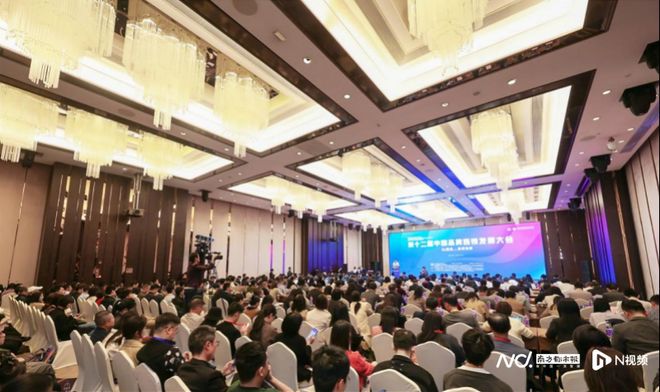
首发经济

Search documents
【调查研究】国货“潮品”:一个IP撬动一整片产业森林
Sou Hu Cai Jing· 2025-12-05 05:20
Core Insights - The article highlights the emergence of "first-release economy" as a significant trend in consumer behavior, particularly among the youth, driven by cultural pride and innovative marketing strategies [1][3][10] Group 1: First-Release Economy - The "first-release economy" is supported by government initiatives aimed at promoting new consumption models and encouraging brands to launch flagship stores and products [1][3] - The popularity of cultural IPs, such as "Nezha: Birth of the Demon Child" and "Black Myth: Wukong," has led to a surge in related merchandise sales, indicating a strong consumer demand for culturally resonant products [3][5][10] Group 2: Youth Engagement and Cultural Connection - Young consumers show a natural affinity for traditional cultural symbols, which enhances their emotional connection to domestic IPs, translating into higher purchase intentions [5][10] - A report indicates that 78.9% of surveyed youth are more likely to buy products that incorporate national cultural elements, showcasing the potential for brands to leverage this trend [5] Group 3: Economic Impact and Job Creation - The rise of national cultural trends has stimulated local economies, as seen in the case of Xixian County, where tourism and related services have flourished due to the popularity of cultural IPs [8][10] - The "Wukong effect" has led to significant job creation in tourism and related sectors, with the number of tour guides increasing from 8 to 31, and new businesses emerging to cater to the influx of visitors [8][10] Group 4: Policy Support and Market Growth - Government policies are encouraging the development of original IPs across various sectors, including animation, esports, and gaming, which is expected to further boost the national cultural market [3][10] - The national cultural market has surpassed 2 trillion yuan and is projected to exceed 3 trillion yuan by 2028, driven by policy incentives and consumer upgrades [8]

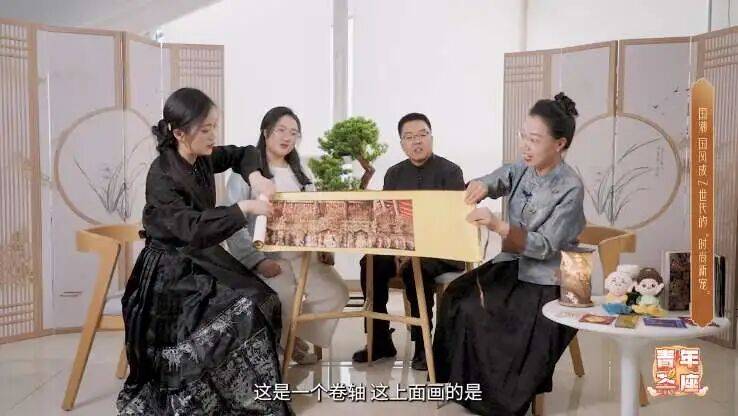
AIE博览会成科技迷盛宴
Guang Zhou Ri Bao· 2025-12-05 02:44
Core Viewpoint - The first Global Intelligent Machinery and Electronic Products Expo (AIE) showcases cutting-edge consumer electronics technology through a dual-city model of Macau and Zhuhai, enhancing the international competitiveness of the Guangdong-Hong Kong-Macao Greater Bay Area [1][5]. Group 1: Event Overview - The AIE Expo features over 1,200 companies and more than 2,700 buyers, highlighting the demand from enterprises and the advantages of the Greater Bay Area [5]. - The event aims to create a platform for international cooperation and exchange, allowing domestic companies to showcase their innovations and connect with global partners [5][6]. Group 2: International Participation - International buyers, such as Evgenli from Russia, express enthusiasm for the event, recognizing China's advanced technology sector and seeking new collaboration opportunities [2]. - The expo facilitates direct interactions between exhibitors and buyers, promoting efficient order formation and potential long-term strategic partnerships [6]. Group 3: Technological Innovations - The AIE Expo serves as a technology benchmark, featuring numerous product launches that represent the forefront of intelligent technology [7]. - Notable exhibits include the GAC Group's Aion i60, which showcases advanced intelligent driving systems, and the ROH-AP002, a pioneering tactile robotic hand [7][8]. Group 4: Industry Impact - The expo is positioned to become a leading international electronics exhibition, aiming to rival events like CES and IFA, thereby enhancing its global influence [9]. - The event highlights the rapid development of smart products in Guangdong, which is recognized as a hub for consumer electronics, smart appliances, and high-end equipment [5][6].
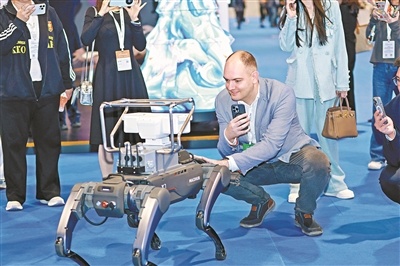
多项产品全球首发!全球智能机械与电子产品博览会在珠澳启幕
Nan Fang Du Shi Bao· 2025-12-04 11:58
Group 1 - The 2025 Global Intelligent Machinery and Electronic Products Expo (AIE) will open on December 4 in Macau and Zhuhai, attracting over 1,000 enterprises from various countries and regions to showcase advancements in 5G/6G, AR/VR, quantum information, advanced manufacturing, smart mobility, and smart home technologies, providing strong momentum for the upgrade of the intelligent industry in the Guangdong-Hong Kong-Macao Greater Bay Area [1][3]. - The total exhibition area of the AIE is 70,000 square meters, featuring six themed pavilions that comprehensively display cutting-edge technologies and product applications across various segments of the intelligent industry. The expo aims to create a platform for "premiere economy," showcasing globally or nationally significant products and technologies, including the world's first 8K panoramic drone and a dual-power new energy vehicle with breakthrough endurance [3][6]. - The expo has attracted representatives from over 30 countries and regions, including major global retailers like Amazon, Walmart, and JD Group, as well as leading manufacturers such as Epson, Toshiba, and Huawei. Preliminary statistics indicate that several buyers are engaged in discussions for multi-million dollar orders and long-term strategic cooperation, with the overall procurement scale expected to exceed several hundred million RMB [6][8]. Group 2 - Guangdong is highlighted as a global hub for consumer electronics, smart home appliances, high-end equipment, and new energy vehicles, producing 40% of the world's smartphones, 70% of consumer drones, one-third of industrial robots, and a quarter of new energy vehicles in China, providing abundant resources for exhibitors at the expo [8]. - The Macau government is actively promoting a diversified economic development plan focused on technological innovation, aligning with the AIE as a professional platform in the global intelligent machinery and electronic products sector [8]. - The president of the China Electronics Chamber of Commerce stated that AIE aims to benchmark against the International Consumer Electronics Show (CES) in the USA and the IFA in Berlin, aspiring to become a world-class electronic exhibition with global influence, referred to as the "China Electronics Exhibition" [8].
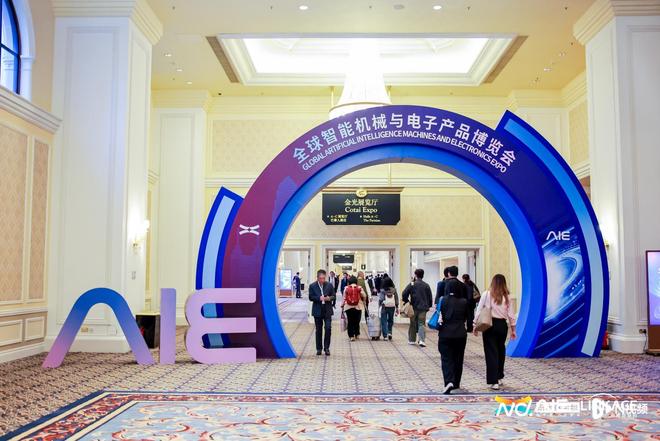
烟台将打造首发中心等平台载体,健全首发经济服务体系
Qi Lu Wan Bao· 2025-12-04 02:09
Core Viewpoint - Yantai City is actively promoting new consumption supply by implementing policies aimed at expanding service consumption and developing new business models and scenarios [1][2] Group 1: Service Consumption Development - In September, the Ministry of Commerce and eight other departments issued a notice to promote the development of new service consumption formats and models [1] - Yantai will focus on three key areas: establishing a comprehensive service system for the first-release economy, innovating diverse service consumption scenarios, and enhancing cross-industry collaboration with well-known IPs [1][2] Group 2: First-Release Economy - Yantai plans to leverage commercial complexes, exhibition venues, and characteristic streets to create first-release centers and economic clusters [1] - The city aims to attract well-known domestic and international brands to set up flagship and experience stores, and support quality brands in hosting first-release events [1] Group 3: Innovative Consumption Scenarios - Yantai will develop integrated consumption scenarios such as "cultural tourism + sports + commerce" and "exhibitions + conferences + consumption" [1] - The city intends to build service consumption clusters and nighttime cultural tourism consumption areas, along with unique models like senior-friendly streets and children's amusement parks [1] Group 4: Cross-Industry Collaboration - Yantai will strengthen collaboration with globally recognized IPs to leverage unique local resources such as the Fairyland Coast and the Blue Granary [2] - The goal is to empower quality consumption resources through IP integration and cultivate new leading enterprises in consumption [2]
21社论丨推动消费向多元融合生态转型
21世纪经济报道· 2025-12-04 00:33
Core Viewpoint - The article discusses the recent announcement by the Ministry of Finance and the Ministry of Commerce regarding the support for around 50 cities to pilot new consumption models, aiming to enhance domestic demand and respond to the upgrading of consumption structures [1][2]. Group 1: Policy Framework - The new policy framework focuses on three dimensions: new business formats, new models, and new scenarios, emphasizing the need for fiscal support to guide local exploration in digitalization, intelligence, and integration [1][2]. - The policy aims to break through the limitations of traditional consumption promotion measures by providing support in three key areas: pioneering economy, diversified service consumption scenarios, and cross-industry collaborations with well-known IPs [1][2]. Group 2: Funding Allocation - The central government will implement a tiered subsidy system based on city size, with funds distributed in two batches linked to performance evaluation results, ensuring efficient use of fiscal resources [2]. - This design considers the differences in city capabilities and establishes a dynamic adjustment mechanism to avoid issues related to superficial compliance [2]. Group 3: Pilot City Selection - The selection of 50 pilot cities balances leadership and equity, including four direct-controlled municipalities, five separately planned cities, and 41 other cities, leveraging the advantages of large cities while incorporating key regional cities [2][3]. - The diverse layout of pilot cities is expected to create replicable and scalable experiences, promoting a multi-layered consumption upgrade across the country [2][3]. Group 4: Differentiated Strategies - Different levels of cities are encouraged to adopt differentiated strategies based on their comparative advantages, avoiding homogeneous competition and fostering a diverse new consumption landscape [3]. - Direct-controlled and separately planned cities should focus on attracting high-quality consumption resources and enhancing global influence, while provincial capitals and regional centers should act as consumption hubs integrating local advantages [3][4]. Group 5: Sustainable Development - The pilot program aims to construct a policy system that fosters innovation, industry, and regional collaboration, with success hinging on cities choosing differentiated paths and leveraging technology and innovative mechanisms for sustainable development [4]. - This initiative is expected to not only boost consumption in the short term but also explore replicable experiences for a long-term mechanism to expand domestic demand, facilitating a transition to a multi-faceted consumption ecosystem [4].

南财快评|推动消费向多元融合生态转型
2 1 Shi Ji Jing Ji Bao Dao· 2025-12-03 14:01
Core Viewpoint - The Ministry of Finance and the Ministry of Commerce have announced a pilot program to support around 50 cities in exploring new consumption models, aiming to enhance domestic demand and respond to the trend of consumption structure upgrading [2][3]. Group 1: Policy Framework - The pilot program emphasizes three dimensions: new business formats, new models, and new scenarios, moving beyond traditional consumption promotion policies [2][3]. - The policy framework includes support for cutting-edge areas such as the "first-release economy," diversified service consumption scenarios, and cross-industry collaborations with well-known IPs [2][3]. - Financial support is designed to be performance-based, with funding distributed in two batches according to city size and linked to performance evaluations [3]. Group 2: City Selection and Strategy - The selection of 50 pilot cities balances leadership and equity, including four direct-controlled municipalities and five separately planned cities, as well as key regional cities [3][4]. - Different levels of cities are encouraged to adopt differentiated strategies based on their unique advantages, avoiding homogeneous competition and fostering a diverse new consumption landscape [4][5]. - Major cities should focus on attracting high-quality consumption resources and enhancing global influence, while provincial capitals and regional centers should develop into regional consumption hubs [4][5]. Group 3: Implementation and Expected Outcomes - Cities rich in cultural and tourism resources should integrate cultural heritage with modern consumption scenarios, enhancing the cultural value of consumption through immersive experiences and night economies [5]. - The pilot program aims to create a collaborative policy system that drives innovation, industry, and regional synergy, with a focus on sustainable development of historical and cultural heritage [5]. - Successful implementation of the pilot can stimulate short-term consumption and explore replicable experiences for expanding domestic demand, contributing to high-quality economic development in China [5].

中轴线成布局新选择 2025年前11月北京新增首店960余家
Bei Jing Shang Bao· 2025-12-03 09:25
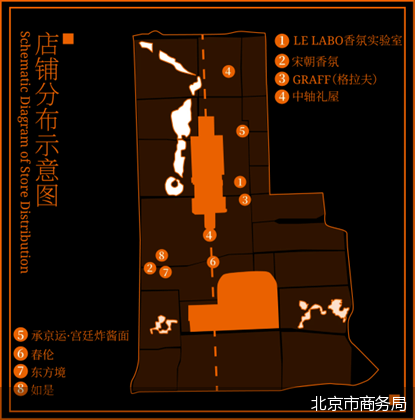
Group 1 - The core viewpoint of the article highlights the increasing popularity of new flagship stores in Beijing, with over 960 new stores expected by November 2025, particularly along the central axis of the city [1][3] Group 2 - Eight new flagship stores along Beijing's central axis are noted for their unique integration of intangible cultural heritage, global aesthetics, and local charm, becoming a new attraction for tourists [3] - Notable flagship stores include LE LABO, the first fragrance laboratory in a traditional courtyard, and GRAFF, a luxury jewelry brand with a private appreciation space [3] - The growth of flagship stores is steady, with 946 stores in 2023, 960 expected in 2024, and 804 new stores added by November 2025 [3]
大国五年|澎湃内需,铸就发展主锚
Xin Hua Wang· 2025-12-03 08:55
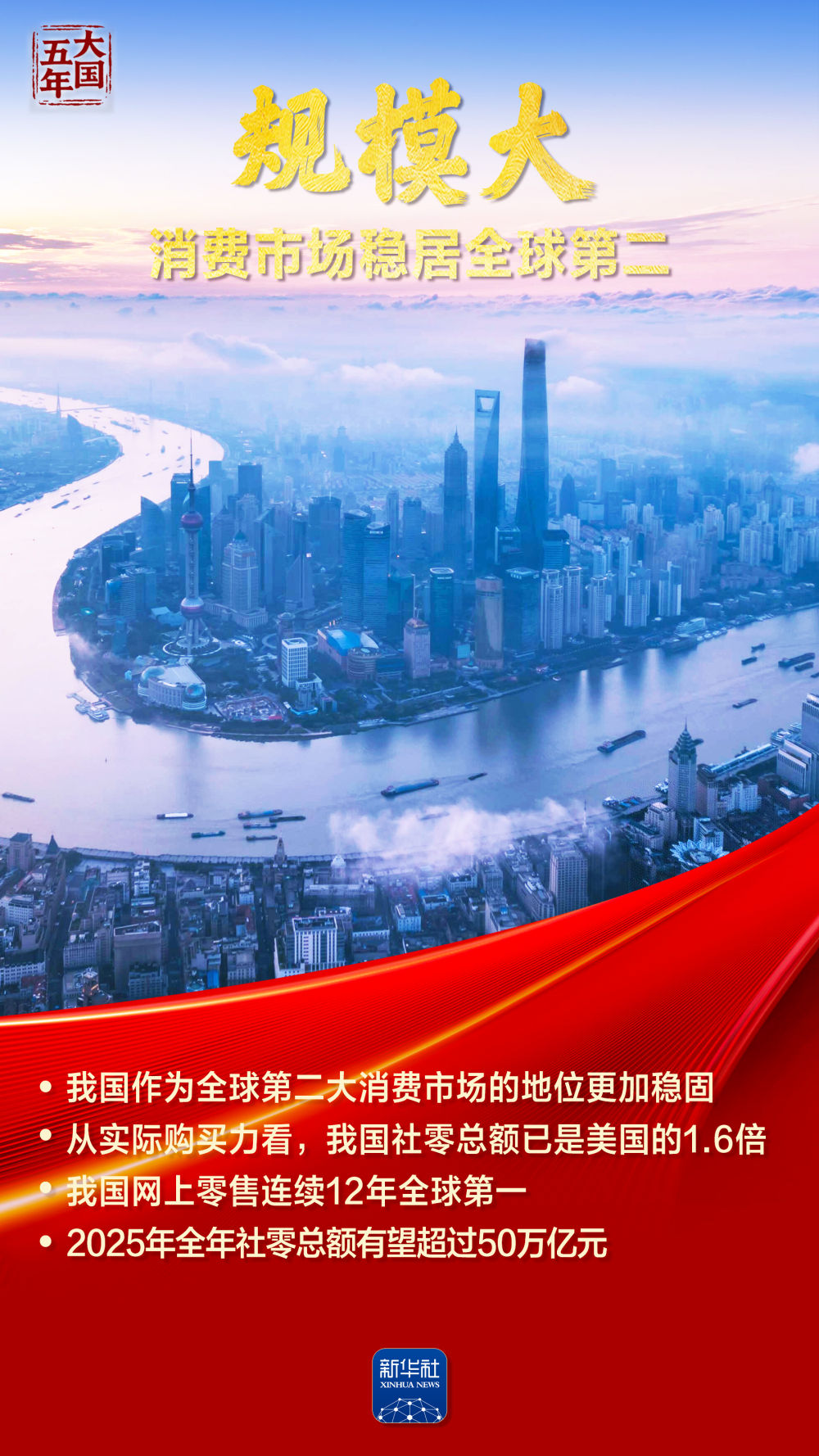
Core Insights - Domestic demand is a key driver of China's economic growth, contributing an average of 86.4% to economic growth during the "14th Five-Year Plan" period, with consumption accounting for approximately 60% of this growth [1][5][20] Group 1: Consumer Market Dynamics - China's total retail sales of consumer goods reached 50 trillion yuan, establishing it as the world's second-largest consumer market [1] - The average annual growth rate of retail sales is projected to be 5.5%, increasing from 39.1 trillion yuan in 2020 to 48.3 trillion yuan in 2024 [5] - Online retail sales in China have maintained the global leading position for 12 consecutive years [3] Group 2: Sectoral Growth and Innovations - The sales volume in sectors such as automobiles and home appliances ranks first globally [5] - The value added by the wholesale and retail industry is expected to reach 13.8 trillion yuan in 2024, marking a 40% increase compared to the end of the "13th Five-Year Plan" [5] - The integration of culture, tourism, and commerce is driving innovation in "one-stop" services, with domestic products gaining popularity both domestically and internationally [11] Group 3: Logistics and Infrastructure - The proportion of social logistics costs to GDP has decreased from 14.7% five years ago to 14.1% [13] - Over 95% of administrative villages can now access direct express delivery services [13] - The total volume of cold storage facilities in the country has reached 25.3 million cubic meters, with 495,000 refrigerated vehicles [14] Group 4: International Trade and Investment - Cumulative imports of consumer goods from 2021 to 2024 are expected to reach 7.4 trillion yuan [16] - The total expenditure of inbound tourists in 2024 is projected to be 94.2 billion USD, reflecting a 77.8% increase [16] - The actual use of foreign capital during the "14th Five-Year Plan" period reached 70.87 billion USD, with a significant increase in newly established foreign enterprises [22]
奥雅股份(300949.SZ):将致力于通过打造标志性空间和创造美好线下体验,为“首发经济”不断赋能
Ge Long Hui· 2025-12-03 07:22
Core Viewpoint - Aoya Co., Ltd. positions itself as a scene enabler within the "first launch economy" ecosystem, focusing on creating iconic spaces and enhancing offline experiences [1] Group 1: Company Overview - Aoya Co., Ltd. is involved in the "first launch economy" and aims to empower this sector through innovative space creation [1] - The company operated the "Big Granary" metaverse experience space in 2022, which served as a significant offline venue for metaverse experiences [1] Group 2: Future Plans - Aoya Co., Ltd. is committed to continuously enhancing the "first launch economy" by developing distinctive spaces and providing enjoyable offline experiences [1] - The "Big Granary" venue, which combined the concepts of a "first store" and "first exhibition," is set to close in March 2024 [1]

品牌资产指数首发布,深圳成立“首发经济服务中心”
Nan Fang Du Shi Bao· 2025-12-02 06:24
Core Insights - The 12th China Brand Chain Development Conference was held in Shenzhen, focusing on high-quality development of consumer brands through the launch of the "China Brand Asset Price Index" and the "China Consumer Brand Empowerment Plan" [1][3][10] Group 1: Brand Asset Pricing - The "China Brand Asset Price Index" was introduced as a systematic solution to quantify brand value and establish pricing in the capital market, developed by the China Human Rights Development Foundation [3] - The index is based on the theory that "the essence of a brand is information," utilizing three dimensions: brand information volume, unit information price, and industry price average, covering 32 representative industries [3] - This index is the first purely price-oriented brand index, addressing the gap in pricing for intangible brand assets [3] Group 2: Empowerment Plan - The "China Consumer Brand Empowerment Plan" was launched to address brand development challenges, focusing on ten empowerment directions to create a full-service system [5] - The plan emphasizes new trends such as the silver economy and instant retail, providing comprehensive support from strategy to financing and global expansion [5] - The establishment of the "First Economic Service Center" aims to integrate government and enterprise resources to support innovative models like brand launches and IP collaborations [5] Group 3: AI and Transformation - The conference highlighted the role of AI in driving business transformation, with examples of companies leveraging AI for operational efficiency and product innovation [9] - AI is recognized as a consensus for industry transformation, with companies like Baima Tea and Zhixingli showcasing their digitalization journeys [9] - The event featured a brand and service area for resource matching, demonstrating a complete ecosystem of "brand-technology-service" [9] Group 4: Industry Trends and Future Directions - The conference outlined three major paths for industry transformation: embracing cross-industry integration with policies, reshaping business models with AI, and creating emotional new scenes through culture [10] - The promotion of the "China Brand Asset Price Index" and the implementation of the empowerment plan are expected to accelerate the transition of consumer brands from "product output" to "value output" in the global market [10]