
关税战

Search documents
时计宝(02033.HK)2025财年盈转亏至约1750万港元
Ge Long Hui· 2025-09-29 13:28
Core Viewpoint - The company reported a significant decline in revenue and a shift from profit to loss for the fiscal year 2025, primarily due to decreased sales from its flagship watch brand and the impact of increased tariffs on imports to the United States [1] Financial Performance - Revenue for the fiscal year 2025 is approximately HKD 689 million, representing a year-on-year decrease of about 21.7% [1] - The company recorded a loss attributable to shareholders of approximately HKD 17.5 million for fiscal year 2025, compared to a profit of HKD 33.6 million in fiscal year 2024 [1] - Basic loss per share for fiscal year 2025 is HKD 0.9 cents, while basic earnings per share for fiscal year 2024 were HKD 1.6 cents [1] - A special dividend of HKD 0.1 cents per share is proposed for fiscal year 2025 [1] Market and Economic Context - The decline in revenue is attributed to a decrease in sales from the company's flagship watch brand [1] - The new U.S. government's imposition of high tariffs on most imported goods, particularly those from China, has intensified global trade tensions [1] - Ongoing international trade frictions and tariff wars have negatively impacted China's economic growth and employment, further weakening consumer confidence in the annual retail market in China [1]
精算 美国衰退的时间
Sou Hu Cai Jing· 2025-09-29 05:13
Group 1 - The article discusses the myth of the US stock market's resilience and the ongoing economic growth, questioning how long this can last [1][2] - It highlights the uncertainty in the US economic outlook due to the trade war initiated by the Trump administration, with calls for significant interest rate cuts by Treasury Secretary Mnuchin [2][3] - The Federal Reserve's recent rate cut of 25 basis points is deemed insufficient, with expectations for further cuts of 125 to 150 basis points by year-end [3][4] Group 2 - The article examines two main drivers of the US economy: the return of traditional manufacturing and the growth of the AI industry [5][6] - It suggests that while Trump's policies may temporarily slow down economic decline, the AI industry is currently in a bubble that could continue to inflate [7][8] - The performance of AI-related stocks, such as Nvidia and Oracle, indicates ongoing investor interest despite recent volatility [10][20][27] Group 3 - The article notes that the AI industry has played a crucial role in rescuing the US stock market from a bear market, with significant investments in AI infrastructure [29][30] - It emphasizes the importance of AI in sustaining economic growth, while also acknowledging the risks associated with the potential bubble [31][44] - The article discusses the influx of foreign investments into the US as part of Trump's strategy to revitalize manufacturing, with substantial commitments from countries like Japan and the EU [40][41] Group 4 - The article outlines both positive and negative factors affecting the US economy, including the ongoing AI investment and tariff revenues as positives, while rising debt and competition from China are seen as negatives [43][48] - It predicts that the AI bubble may last for another six months, but warns of potential stock market declines during this period [52][55] - The article concludes that while the Trump administration may navigate short-term challenges, long-term competition from China poses significant risks [56][59]

特朗普将按芯片数量征税!
国芯网· 2025-09-28 08:05
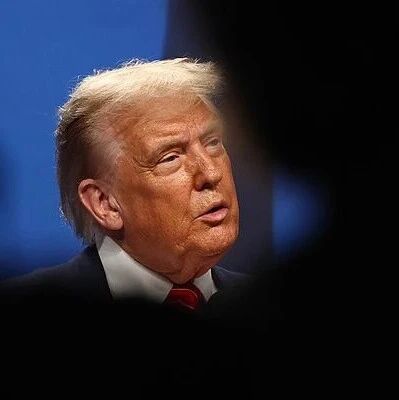
Group 1 - The Trump administration is considering imposing tariffs based on the number of chips in electronic devices to encourage manufacturing to return to the U.S. [1][3] - The proposed tariff would be a percentage of the estimated value of the chips in imported products, potentially affecting a wide range of consumer goods from electric toothbrushes to laptops [3] - The White House spokesperson emphasized the importance of domestic semiconductor production for national security and economic stability, indicating a multi-faceted approach to revitalize U.S. manufacturing [3][4] Group 2 - The tariff plan could exacerbate inflation, which is already above the Federal Reserve's 2% target, as it would increase costs for key components, ultimately leading to higher prices for consumers [3] - The ongoing tariff strategy has expanded beyond semiconductors to include various imported products, with significant increases in tariffs on kitchen cabinets (50%), furniture (30%), patented drugs (100%), and heavy trucks (25%) [3] - The chaotic tariff imposition by the Trump administration is disrupting global trade and complicating the supply chain for companies worldwide [4]
墨西哥挑衅中国不到24小时,特朗普又出狠招!全球关税战一触即发
Sou Hu Cai Jing· 2025-09-27 11:46
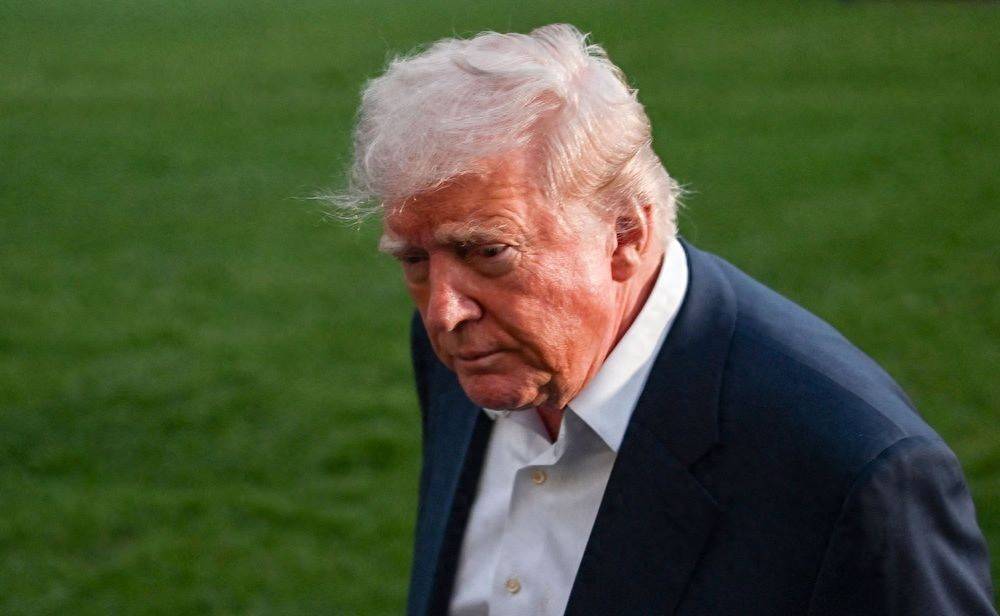
Group 1 - Mexico has initiated an anti-dumping investigation against Chinese float glass, which is seen as a strategic move rather than a coincidence, especially after raising tariffs specifically targeting China while excluding the US and Canada [1][2] - The rationale provided by Mexican officials for the tariff increase is to protect domestic manufacturing and reduce reliance on Asia, yet the focus on sensitive Chinese industries raises questions about the nature of Mexico's relationship with China [2][4] - The backdrop includes Trump's previous threats to raise tariffs on Mexican goods, indicating that Mexico's actions may be a response to US pressure, potentially jeopardizing its relationship with China [4][16] Group 2 - China's response to Mexico's actions includes launching an anti-dumping investigation into pecans, signaling a warning to Mexico not to use Chinese interests as bargaining chips in negotiations [5][16] - Despite the Mexican president's attempts to downplay tensions by stating that relations with China are good, the imposition of tariffs on sensitive sectors contradicts this claim and poses risks for future cooperation [7][19] - The broader context involves Trump announcing new tariffs on various imported products, which not only targets China but also impacts global trade dynamics, suggesting a shift in the global trade landscape [8][17] Group 3 - The ongoing trade disputes between China, Mexico, and the US are driven by US factors, with Mexico caught in the middle, leading to increased uncertainty in global trade [14][19] - Trump's tariff strategy aims to protect US manufacturing but may inadvertently raise costs for American consumers, as seen in the rising prices of furniture and pharmaceuticals due to increased tariffs [10][11][13] - The potential for a reconfiguration of global supply chains and trade rules is evident, with all countries involved recalibrating their strategies in response to the evolving trade environment [17][19]

全球关税正式落地,特朗普宣布美国“起死回生”,中方直插美后院
Sou Hu Cai Jing· 2025-09-27 08:54
Group 1 - Trump has initiated a global tariff war, claiming it has revitalized the U.S. economy, despite the reality of increasing trade tensions with various countries [1] - The primary target of Trump's strategy appears to be the European Union, as he seeks to capitalize on the ongoing conflict between Russia and Ukraine, positioning the U.S. to benefit from Europe's struggles [3] - The U.S. Secretary of State, Rubio, acknowledges the strategic stability between the U.S. and China, emphasizing the potential negative impact of a full-scale trade conflict on both nations and the global economy [5] Group 2 - A Chinese delegation visited Canada, offering support to the Canadian government, which is facing a 35% tariff from the U.S., indicating a strategic move to strengthen economic ties with Canada amidst U.S. pressures [7] - The Canadian government, under Prime Minister Carney, has taken a strong stance against the U.S. and has implemented measures to counteract American policies, highlighting the shifting dynamics in international trade relationships [7]
特朗普“关税大棒”砸向建材家具
Di Yi Cai Jing· 2025-09-26 15:34
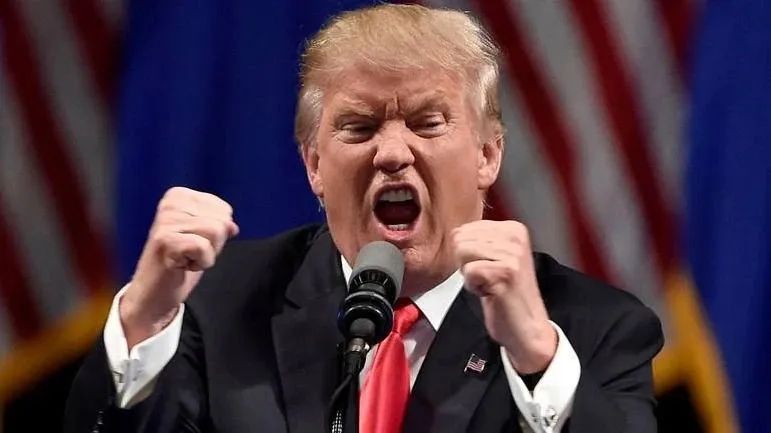
Group 1 - The article discusses the recent announcement by President Trump regarding new tariffs on various imported products, including a 50% tariff on kitchen cabinets and a 30% tariff on imported furniture, effective from October 1 [2][3] - The potential impact of these tariffs on Southeast Asia and China's sanitary ceramics, finished furniture, and kitchen cabinet industries is highlighted, with expectations that U.S. consumers will bear most of the cost [3] - Historical data shows that China's finished furniture exports to the U.S. experienced a decline of 7% and 9% in April and May due to tariff factors, but rebounded with a 1.25% increase in June as tensions eased [3] Group 2 - Despite the high tariffs, Chinese sanitary products may still be priced lower than U.S. manufactured goods, as illustrated by a case where a Chinese showerhead priced at $129 would cost $239 if manufactured in the U.S. [4] - In 2024, China's sanitary ceramics exports are projected to reach 110 million units, with a total export value of $15.64 billion, making the U.S. the largest export destination [4] - The U.S. is the largest furniture import market globally, with an import value of $27.14 billion for the 2023-2024 fiscal year, heavily reliant on imports from Vietnam and China [5]
特朗普“关税大棒”砸向建材家具,业内人士称美国消费者将为此买单
Di Yi Cai Jing· 2025-09-26 14:03
Group 1 - The U.S. is highly dependent on imports for finished furniture and ceramic sanitary ware, with significant tariffs imposed on various imported products, including a 50% tariff on kitchen cabinets and a 30% tariff on imported furniture starting October 1 [1][4] - The impact of these tariffs is expected to be shared between exporters and U.S. consumers, with consumers likely bearing a larger portion of the cost [1][2] - In recent months, the export volume of Chinese finished furniture has fluctuated due to tariff impacts, with a 7% and 9% decline in April and May, respectively, but a recovery to a 1.25% increase in June as tensions eased [1] Group 2 - The U.S. remains the largest export destination for China's sanitary ceramics, with an export volume of 28.5 million pieces last year, and a total export value of $15.64 billion projected for 2024 [3] - In the first half of 2025, China's furniture industry is expected to have an export value of $34.92 billion, with the U.S. accounting for $8.04 billion, representing 23% of total exports [3] - The U.S. furniture import market is dominated by Vietnam, followed by China and Canada, with total imports projected at $27.14 billion for the 2023-2024 fiscal year [3][4]
特朗普关税战再次开启,美联储能否扛住压力
Sou Hu Cai Jing· 2025-09-26 12:01
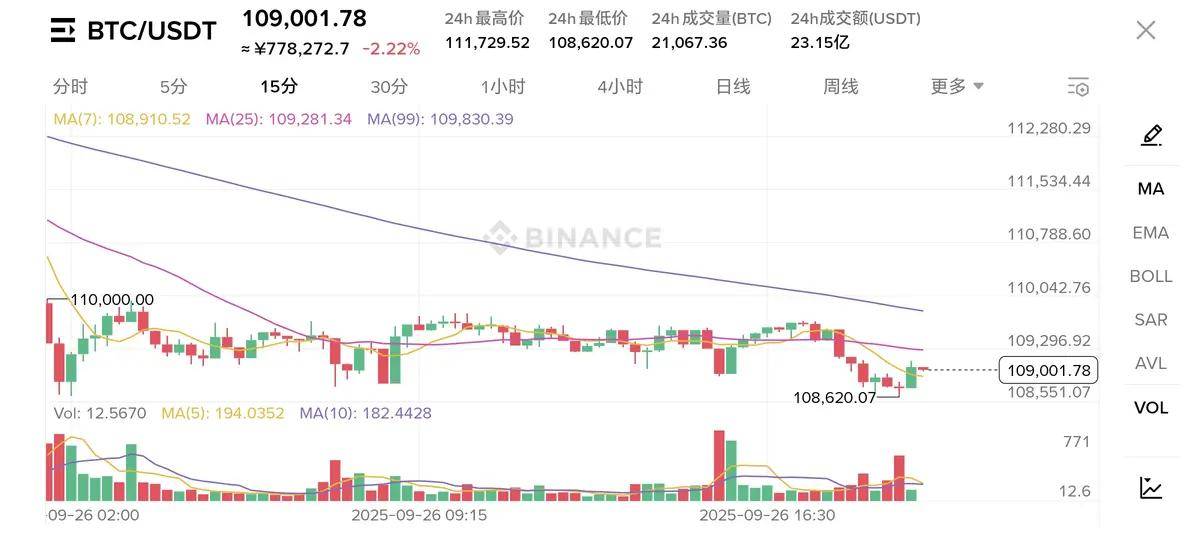
Group 1 - The core point of the article is that President Trump has announced a new round of high tariffs on various imported products starting from October 1, affecting multiple countries including China, Mexico, Canada, Japan, and Germany [1] - The tariffs include a 25% tax on imported heavy trucks, a 50% tax on kitchen cabinets and bathroom sinks, a 30% tax on imported furniture, and a 100% tax on patented and branded pharmaceuticals [1] - The heavy truck tariff will significantly impact the U.S. transportation industry, as 38% of the total sales in 2024 are expected to come from imports [1] - The high tariffs on building materials and furniture will create substantial cost increases in these sectors, with kitchen cabinets and related materials facing a 50% tariff and imported furniture facing a 30% tariff [1] - The 100% tariff on pharmaceuticals could disrupt the global export supply chain for medicines, affecting many countries [1] - The article suggests that this tariff war could lead to a favorable market situation, potentially prompting the Federal Reserve to lower interest rates in October [1] Group 2 - The cryptocurrency market is experiencing fluctuations, with Bitcoin reaching a low of $108,620 and facing resistance at the $110,000 level [3] - Ethereum has seen a larger decline, hitting a low of $3,812 and facing significant resistance at the $4,000 mark [3] - The article advises caution in investing in altcoins, suggesting that investors should selectively choose promising cryptocurrencies rather than making random purchases [3] - It notes that the current market conditions may be a temporary washout, with expectations for better market opportunities in October [3]
中国是否打算从美国增购大豆?外交部回应
券商中国· 2025-09-23 10:57
Group 1 - The Chinese government emphasizes that trade wars and tariff disputes do not benefit either party and should be resolved through equal, respectful, and mutually beneficial negotiations [1] - A question was raised regarding whether China plans to increase soybean purchases from the U.S. as part of tariff negotiations, to which the spokesperson suggested consulting relevant Chinese authorities for specifics [1] Group 2 - The article includes various unrelated headlines and alerts, such as significant movements in the stock market and warnings about a typhoon, but these do not pertain to specific companies or industries [2] - There are mentions of the media's authority and copyright regarding the content published, indicating a focus on financial news dissemination [3] - The article also includes a notice about unauthorized reproduction of content, which is a standard legal disclaimer in media publications [4]
集运日报:SCFIS持续下跌,但运价接近盈亏线,盘面止跌反弹,不建议继续加仓,设置好止损-20250923
Xin Shi Ji Qi Huo· 2025-09-23 06:19
Report Summary 1. Report Industry Investment Rating No information provided. 2. Core Viewpoints - SCFIS is continuously falling, but the freight rate is approaching the break - even line, and the futures market has stopped falling and rebounded. It is not recommended to increase positions, and stop - losses should be set [1]. - The tariff issue has a marginal effect, and the core is the direction of spot freight rates. The main contract may be in the bottom - building process. It is recommended to participate with a light position or wait and see [4]. 3. Summary by Relevant Content a. Freight Rate Index - On September 22, SCFIS (European route) was 1254.92 points, down 12.9% from the previous period; SCFIS (US West route) was 1193.64 points, down 11.6% from the previous period [2]. - On September 19, SCFI was 1198.21 points, down 199.90 points from the previous period; SCFI European line price was 1052 USD/TEU, down 8.8% from the previous period; SCFI US West route was 1636 USD/FEU, down 31.0% from the previous period [2]. - On September 19, NCFI (composite index) was 783.71 points, down 13.24% from the previous period; NCFI (European route) was 673.61 points, down 7.65% from the previous period; NCFI (US West route) was 944.89 points, down 23.30% from the previous period [2]. - On September 19, CCFI (composite index) was 1125.30 points, down 2.1% from the previous period; CCFI (European route) was 1537.28 points, down 6.2% from the previous period; CCFI (US West route) was 757.45 points, down 2.2% from the previous period [2]. b. PMI Data - Eurozone's August manufacturing PMI preliminary value was 50.5, service PMI preliminary value was 50.7, and composite PMI preliminary value rose to 51.1, higher than expected [3]. - China's August manufacturing PMI was 49.4%, up 0.1 percentage points from the previous month, and the composite PMI output index was 50.5%, up 0.3 percentage points from the previous month [3]. - US August S&P Global manufacturing PMI preliminary value was 53.3, service PMI preliminary value was 55.4, and Markit manufacturing PMI preliminary value was 53.3, all higher than expected [3]. c. Tariff and Market Strategy - Sino - US tariff negotiations have no substantial progress, and the tariff issue has a marginal effect. The focus is on spot freight rates [4]. - Short - term strategy: The main contract is weak, and it is recommended to stop losses on long positions, wait for the bottom - building opportunity, and set stop - losses [4]. - Arbitrage strategy: Due to the volatile international situation, it is recommended to wait and see or participate with a light position [4]. - Long - term strategy: It is recommended to take profits when the contracts rise, wait for the callback to stabilize, and then judge the subsequent trend [4]. d. Contract Information - On September 22, the main contract 2510 closed at 1093.7, up 2.00%, with a trading volume of 4.49 million lots and an open interest of 4.60 million lots, a decrease of 1685 lots from the previous day [4]. - The daily limit for contracts 2508 - 2606 is adjusted to 18%, and the company's margin for these contracts is adjusted to 28%. The daily opening limit for all contracts 2508 - 2606 is 100 lots [4].