自由贸易

Search documents
中欧将就稀土问题进行紧急会谈?外交部回应→
Zheng Quan Shi Bao· 2025-10-22 14:20
Group 1 - The Chinese government emphasizes the importance of free trade and opposes trade protectionism, urging the EU to provide a fair and transparent business environment for all countries [2] - China and ASEAN's trade relationship is strengthening, with a reported total import and export value of 5.57 trillion yuan in the first three quarters of the year, marking a 9.6% increase year-on-year [5] - The comprehensive strategic partnership between China and ASEAN is deepening, with plans to sign the upgraded version of the free trade agreement (FTA 3.0) within the year, enhancing regional economic integration [5][6] Group 2 - China supports Malaysia's role as the ASEAN chair and emphasizes the importance of cooperation with ASEAN countries [4] - The "China-ASEAN Year of Cultural Exchange" is actively promoting cooperation in education, youth, think tanks, and media, with significant achievements [6] - China is committed to maintaining regional peace and stability, supporting ASEAN's central role in regional frameworks, and promoting dialogue to resolve disputes in the South China Sea [6][7]
中欧将就稀土问题进行紧急会谈?外交部回应→
证券时报· 2025-10-22 09:11
10月22日,外交部发言人郭嘉昆主持例行记者会。 外交部:望欧方恪守支持自由贸易、反对贸易保护主义的承诺 有记者问,欧盟委员会官员表示,欧盟和中国官员已同意在布鲁塞尔会面,就中国稀土出口管制问题进行 紧急会谈。中方对此有何评论? 郭嘉昆表示,我要强调的是,中欧经贸关系的本质是优势互补、互利共赢。我们希望欧方恪守支持自由贸 易、反对贸易保护主义的承诺,为各国企业提供公平透明、非歧视的营商环境,以实际行动维护市场经济 和世贸组织规则,坚持通过对话协商妥善解决贸易分歧。 外交部:中方在半岛问题上的立场和政策保持连续性、稳定性 有记者问,今天上午朝鲜发射多枚短程弹道导弹,朝鲜发射弹道导弹是联合国安理会对朝决议所禁止的活 动,请问中方对此有何评论? 郭嘉昆表示,中方在半岛问题上的立场和政策保持连续性、稳定性,对有关发射活动我们没有新的评论。 外交部:中方支持马来西亚作为东盟轮值主席国的工作 有记者问,请问中方哪一位代表会出席10月26日在吉隆坡举行的东盟峰会? 郭嘉昆表示,中方高度重视同东盟关系和东亚合作,支持马来西亚作为东盟轮值主席国的工作。关于你提 到的具体问题,相信你应该了解中方出席的惯例,我们会适时发布消息。 ...

中方:望欧方坚持通过对话协商妥善解决贸易分歧
Zhong Guo Xin Wen Wang· 2025-10-22 07:44
来源:中国新闻网 中方:望欧方坚持通过对话协商妥善解决贸易分歧 中新网北京10月22日电 (记者 曾玥)中国外交部发言人郭嘉昆22日主持例行记者会。 有记者提问:欧盟委员会贸易和经济安全委员谢夫乔维奇表示,欧盟和中国官员已同意在布鲁塞尔举行 紧急会谈,讨论中国针对稀土的出口管制问题。外交部能否证实并提供更多信息? 郭嘉昆:中方有关部门已经发布了相关的消息稿,你可以查阅。我要强调的是,中欧经贸关系的本质是 优势互补,互利共赢。我们希望欧方恪守支持自由贸易、反对贸易保护主义的承诺,为各国企业提供公 平、透明、非歧视的营商环境,以实际行动维护市场经济和世贸组织规则,坚持通过对话协商妥善解决 贸易分歧。(完) 编辑:王永乐 广告等商务合作,请点击这里 本文为转载内容,授权事宜请联系原著作权人 中新经纬版权所有,未经书面授权,任何单位及个人不得转载、摘编或以其它方式使用。 关注中新经纬微信公众号(微信搜索"中新经纬"或"jwview"),看更多精彩财经资讯。 ...
美国陷入稀土难题,贝森特指责中方对抗全世界,很强硬!
Sou Hu Cai Jing· 2025-10-19 19:07
Core Viewpoint - The recent announcement by China to strengthen rare earth export controls has caused significant concern in the U.S., revealing America's vulnerability in the global supply chain for these critical materials [1][3][10] Group 1: U.S. Response and Concerns - U.S. Treasury Secretary Janet Yellen has publicly criticized China, claiming it is using rare earths as a weapon against the world, indicating a sense of panic within the U.S. [1][3] - The U.S. has been attempting to launch its own rare earth projects, but it will take five to ten years to establish a complete supply chain, highlighting the urgency of the situation [1][3] - The U.S. has historically engaged in trade wars and technology restrictions against China, which has backfired and accelerated China's advancements in key sectors [3][10] Group 2: China's Position and Policy Changes - China's new policy requires licenses for products containing over 0.1% of Chinese rare earth technology, reflecting a shift towards regulatory compliance rather than retaliation [5][8] - The policy is seen as a corrective measure to address long-standing imbalances in resource flow and the weaponization of technology by the U.S. [5][8] - China has implemented measures to ensure continued supply, including green channels and exemptions for civilian use, demonstrating restraint in its approach [6][8] Group 3: Global Implications and Future Outlook - The situation underscores a shift in global dynamics, where the era of unilateral dependence on the U.S. is ending, and countries are establishing their own regulatory frameworks [11][13] - The control of rare earths is crucial for future manufacturing capabilities, and countries like the EU and Japan are closely observing the developments [10][11] - The narrative that the U.S. is the sole arbiter of global trade rules is being challenged, as both the U.S. and China navigate their respective policies [11][13]
中国副财长出席二十国集团和金砖国家财金渠道系列会议
Zhong Guo Xin Wen Wang· 2025-10-18 14:24
Group 1 - The G20 finance ministers and central bank governors meeting took place in Washington from October 15 to 16, focusing on global macroeconomic conditions, international financial architecture, and development challenges in Africa [1] - China emphasized the importance of maintaining multilateralism and free trade, advocating for inclusive economic globalization and structural reforms to boost global economic recovery [1] - The meeting highlighted the need for improved global economic governance and resource mobilization to address debt vulnerabilities faced by developing countries [1] Group 2 - During the meeting, China’s Vice Minister of Finance, Liao Min, engaged in bilateral discussions with finance officials from South Africa, the UK, the US, France, Germany, Canada, and Pakistan, focusing on macroeconomic conditions and financial cooperation [2] - Liao also held talks with organizations such as the US-China Business Council and the Peterson Institute for International Economics to exchange views on economic issues [2]
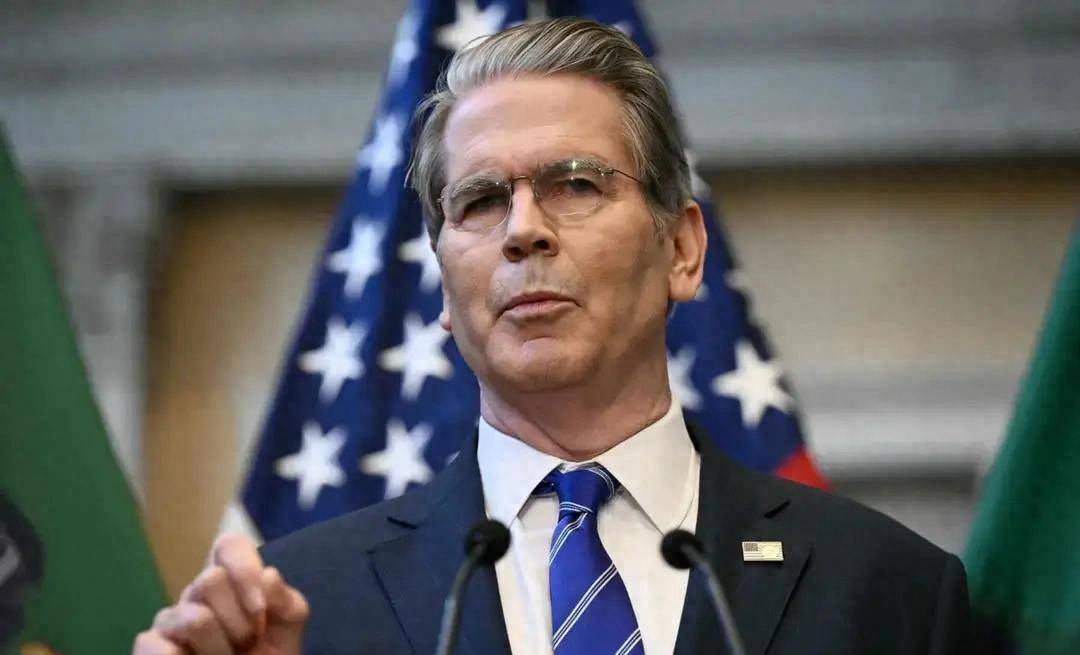
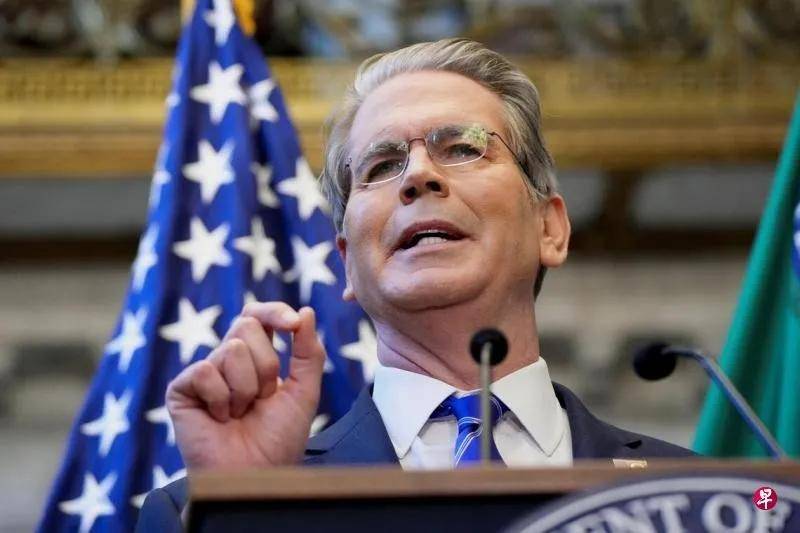
美国财政部长,说着说着都有些哽咽:我们不想脱钩,我们只是想去风险,大家不要误会
Sou Hu Cai Jing· 2025-10-17 07:24
Core Insights - The U.S. Treasury Secretary's recent comments highlight the economic struggles faced by the U.S., emphasizing a desire to "de-risk" rather than decouple, amidst soaring national debt of $37.86 trillion [1] - The U.S. government's imposition of tariffs has led to supply chain disruptions and operational halts in various sectors, raising concerns about social stability [1] - The U.S. is exhibiting double standards, shifting from advocating for free trade to imposing tariffs as its competitive edge diminishes, which reflects a misguided attempt to transfer risks to other nations [1][3] Economic Context - The U.S. national debt has reached an alarming level, creating immense pressure on the economy, with the likelihood of repayment appearing nearly impossible without significant action [1] - The ongoing tariff wars have resulted in a government shutdown, affecting multiple departments and even military payrolls, indicating severe operational challenges [1] Geopolitical Implications - The U.S. leadership's mindset reveals a desire to maintain its global dominance while expecting compliance from other nations, which is increasingly seen as outdated and counterproductive [3] - The global landscape is shifting towards equality and cooperation, challenging the notion that any single country can dictate terms [3]
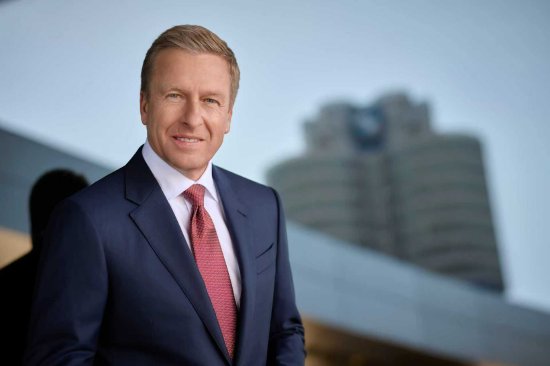
宝马集团董事长齐普策:开放的市场比贸易壁垒更能带来共同繁荣,只比拼低价不利于行业长期健康发展
Xin Lang Ke Ji· 2025-10-17 04:05
Core Viewpoint - BMW Group's Chairman, Oliver Zipse, emphasizes the importance of international cooperation and dialogue in the evolving global landscape, highlighting the company's commitment to long-term investment and innovation in China [3][4]. Group 1: International Cooperation and Market Dynamics - Zipse calls for enhanced international collaboration to promote green and low-carbon development while maintaining fair market competition [3]. - BMW Group opposes the European Commission's anti-subsidy tariffs on Chinese electric vehicles and has filed a lawsuit with the EU court, advocating for free trade and open markets [3][4]. Group 2: Technological Innovation and Local Partnerships - BMW Group is entering a "2.0 era" in its cooperation with China, focusing on technological innovation to drive high-quality development in the automotive industry [4]. - The company has established significant partnerships with Chinese firms like Alibaba, Huawei, and Momenta in AI and autonomous driving, enhancing product digital interaction and intelligent driving assistance systems [4]. Group 3: Commitment to Green Development - Zipse highlights that green development is a common goal for both Europe and China, advocating for comprehensive evaluation metrics that cover the entire value chain in the automotive sector [5]. - BMW aims to reduce carbon emissions by at least 40 million tons by 2030 compared to 2019 levels and achieve carbon neutrality across its value chain by the end of 2050 [5]. Group 4: Competitive Environment in China - The company views constructive competition based on quality, safety, and innovation as beneficial, while price-based competition is seen as detrimental to the long-term health of the industry [5][6]. - BMW appreciates the Chinese government's efforts to establish clear rules for fair and orderly competition, which helps protect consumer rights and enhances supply chain resilience [6].
中国—丹麦经贸联委会第24次会议在湖北武汉召开
Shang Wu Bu Wang Zhan· 2025-10-16 03:15
Core Points - The 24th meeting of the China-Denmark Economic and Trade Joint Committee was held in Wuhan, marking the 75th anniversary of diplomatic relations between China and Denmark [1] - Bilateral trade between China and Denmark has been steadily growing, with significant cooperation in sectors such as pharmaceuticals, logistics, and green low-carbon initiatives [1] - Denmark, as the rotating presidency of the EU, is encouraged to play a constructive role in promoting dialogue and resolving trade frictions between the EU and China [1] Group 1 - The meeting was co-hosted by China's Vice Minister of Commerce and Denmark's Permanent Secretary of State, highlighting the importance of bilateral relations [1] - China welcomes Danish enterprises to invest in its market and encourages Chinese companies to invest in Denmark, seeking a fair and open business environment [1] - Denmark views China as a key economic partner, with many Danish companies considering China a strategic market [1] Group 2 - Both parties expressed a commitment to free trade and maintaining a multilateral trade system [1] - There is a mutual interest in deepening cooperation in sectors such as pharmaceuticals, agriculture, logistics, and green initiatives [1] - Denmark is willing to facilitate practical cooperation between the EU and China through dialogue to address trade issues [1]
荷兰明抢目的曝光,欧盟计划出台新规:中企想来投资?先把技术拿来再说
Sou Hu Cai Jing· 2025-10-16 01:40
Group 1 - The EU plans to impose new requirements on Chinese companies investing in its market, including the use of more EU goods and labor, as well as technology transfer, which contrasts with the principles of free trade [1][3] - Over 70% of global power battery production capacity is controlled by Chinese companies, while European manufacturers are facing bankruptcy, highlighting the competitive challenges Europe is experiencing [3] - The EU's decision reflects a shift towards administrative measures to compel foreign companies to transfer technology, which may lead to short-term satisfaction but could undermine long-term market stability and trust [3][5] Group 2 - The EU's actions may be perceived as an "unstable factor" by international investors, potentially deterring foreign investment due to concerns over arbitrary regulatory changes [5] - The recent takeover of a semiconductor company in the Netherlands under the guise of "national security" illustrates a troubling trend where security concerns are used to justify aggressive market interventions [5] - While the EU's measures may temporarily benefit local companies, such protectionism could ultimately hinder innovation and market vitality in Europe [5][7] Group 3 - A closed market that restricts foreign investment could lead to a decline in competitiveness for local companies, as they miss out on international technological advancements [7] - The EU's approach risks repeating the mistakes of the past, as seen in the U.S. trade policies that led to unexpected economic disruptions [7] - Emphasizing open cooperation and technology sharing is essential for sustainable development, and failure to recognize this could result in Europe losing important trade partners and becoming marginalized in the global economy [7]

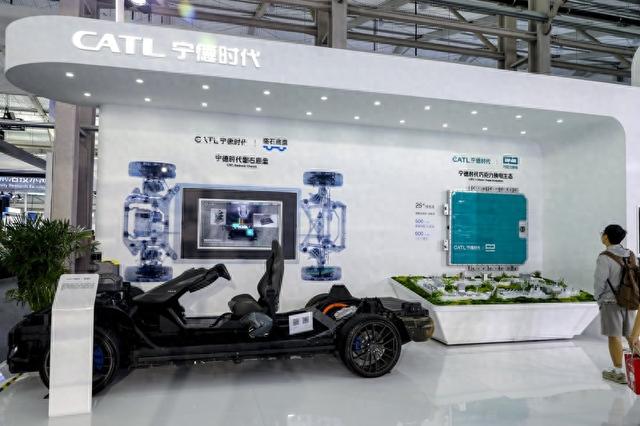
欧洲摊牌:中国来投资可以,但要转让技术和知识产权
Guan Cha Zhe Wang· 2025-10-15 07:58
Core Viewpoint - The European Union is planning new regulations aimed at requiring Chinese companies investing in Europe to meet specific conditions, primarily to protect local industries from the impact of Chinese manufacturing strength [1][4]. Group 1: Regulatory Changes - The upcoming regulations, expected to be announced in November, will apply to all non-EU companies but are primarily targeted at Chinese firms to prevent overwhelming competition in European markets [1][4]. - The regulations may include mandatory technology transfer, a requirement to use a certain percentage of EU goods or labor, and the establishment of joint ventures to enhance local industry competitiveness [1][4][6]. Group 2: Economic Context - The EU has been facing sluggish growth and investment issues, exacerbated by a weak German economy, prompting calls for protective measures for local businesses [6]. - The EU's approach reflects a shift from pure free trade to a more protective stance, influenced by the need to secure technological advantages in key sectors like clean energy and electric vehicles [6][7]. Group 3: Industry Implications - The proposed regulations are part of a broader initiative to support the emerging electric vehicle industry in Europe, focusing on battery technology knowledge transfer [6][7]. - Chinese companies, such as BYD and CATL, are expanding their presence in Europe, with significant investments in battery production facilities, which may be affected by the new regulations [7][8]. Group 4: Technology Transfer Concerns - The EU's push for technology transfer from foreign investors, particularly in the clean energy sector, is seen as essential for enhancing local workforce skills and maintaining competitive advantages [6][8]. - The Chinese government has emphasized that there are no legal requirements for foreign companies to transfer technology to local partners, countering claims of forced technology transfer [8][9].