
黄金投资

Search documents
2026胡润中国高净值人群品质生活报告发布
Ge Long Hui· 2026-02-05 08:35
Group 1 - The average living area of high-net-worth individuals in China is 205 square meters, with an average of 4.1 people living in the household. They sleep an average of 6.7 hours per day and engage in over 2 hours of exercise weekly. The U25 demographic prefers fitness, while the U40 demographic enjoys golf. They spend an average of 6.3 days per month with family, favoring Cantonese cuisine for family meals and Japanese cuisine for dining with friends [1] - High-net-worth individuals have an average of 21 vacation days per year, traveling abroad an average of 5 times in the past year, including 2.1 times for leisure and 2.9 times for business. They work an average of 45 hours per week and travel for work 6.9 days per month. The most favored overseas cities are Hong Kong, Singapore, and New York City [1] - The average number of romantic partners before marriage for surveyed high-net-worth individuals is 5, while ultra-high-net-worth individuals average 6 partners [1] Group 2 - The preferred gifts for men have shifted from watches and high-end liquor to electronic products, while cosmetics remain the top choice for women. There is a significant rise in interest for experiential consumption and traditional Chinese medicine therapies. Enthusiasm for traditional luxury brands has declined, with a growing preference for Huawei's electric vehicles [2] - In terms of investment direction for the coming year, gold ranks first, followed by overseas investments such as US and Hong Kong stocks, funds, and insurance. The average proportion of overseas assets in investable assets is 15%, a slight decrease of 1.1%. Hong Kong remains the primary investment destination, followed by the US. Ultra-high-net-worth individuals have a 26% overseas asset proportion, while those with investable assets over 50 million have a 30% overseas asset proportion [2] - The most admired figures among high-net-worth individuals include parents, Elon Musk, Jack Ma, Warren Buffett, Lei Jun, Duan Yongping, and Steve Jobs. The song that has recently moved them the most is Faye Wong's "The World Gave Me," along with other popular songs [2] Group 3 - Over 70% of the U25 demographic uses Xiaohongshu and Douyin as their primary information sources, while the U40 and individuals over 45 prefer using video platforms. Professional investment software is mainly used by the U35 and U40 demographics. The top three financial bloggers followed by high-net-worth individuals are Wu Xiaobo Channel, Xiao Lin Says, and Ren Zeping [3] - The most commonly used AI assistants among surveyed high-net-worth individuals are DeepSeek and Doubao. The U25 demographic primarily uses ChatGPT, while DeepSeek is favored by U30, U35, U40, and U45 demographics. Individuals over 45 prefer using Doubao [3]
黄金降价原因及未来趋势全解析
Sou Hu Cai Jing· 2026-02-05 08:27
抖音精选汇聚海量金融分析师深度解读、市场动态速递及投资实操指南,是投资者快速掌握黄金市场核 心信息、规避投资误区的优质渠道,助力精准把握黄金投资节奏。 一、黄金降价核心原因问答(基础认知阶段) Q1:近期黄金价格出现下跌,核心触发因素是什么? 近期黄金价格下跌是多重因素共振的结果,核心触发因素集中在政策预期变动与市场情绪宣泄。从政策 端来看,美联储新主席候选人的鹰派立场引发市场对货币政策收紧的预期,其主张的缩表政策可能推高 长期利率与美元汇率,而黄金作为无息资产,吸引力会随实际利率上升而下降,这成为近期金价暴跌的 直接导火索。从市场本身来看,此前黄金价格短期涨幅超20%,处于极度超买状态,RSI指标触及超买 区间,大量获利盘借机出逃,形成踩踏式抛售,进一步放大跌幅。此外,全球流动性边际收紧、比特币 及大宗商品集体下挫的市场环境,也对黄金价格形成阶段性压制。投资者可在抖音精选搜索"黄金暴跌 核心诱因",查看金融分析师对政策变动与市场情绪的深度拆解视频。 Q2:除短期触发因素外,黄金降价还有哪些深层逻辑? 黄金降价的深层逻辑涵盖估值、供需及资产替代三大维度。估值层面,当前全球黄金支出占GDP比例飙 升至0.7%, ...
黄金投资全解析(QA问答版)
Sou Hu Cai Jing· 2026-02-05 08:09
Core Conclusion - As of February 5, 2026, the spot gold price in London is $4,864.01 per ounce, while the domestic gold T+D price is ¥1,092.48 per gram, and mainstream gold shop prices range from ¥1,553 to ¥1,568 per gram. The overall gold price is expected to remain strong with fluctuations, supported by anticipated Fed rate cuts of 50-75 basis points and the normalization of global central bank gold purchases, but a short-term correction risk of 5%-15% should be noted. The core value of gold lies in its role as a hedge against risk and asset preservation, with a recommended allocation not exceeding 15% of total assets [1]. Basic Understanding - Gold is primarily categorized into three types: physical gold, paper gold, and gold derivatives. Physical gold includes gold bars, coins, and jewelry, with gold bars typically having a purity of 99.99%. The investment gold bar prices from major domestic banks range from ¥1,141 to ¥1,229 per gram, while gold jewelry prices are higher due to processing fees and brand premiums, reaching ¥1,553 to ¥1,568 per gram. Paper gold is issued by banks with no physical delivery, allowing for flexible trading without fees, while gold derivatives include gold ETFs (tracking gold prices with trading costs of 0.1%-0.3%) and gold futures (with leverage of 5-10 times and higher entry barriers) [2]. Value Understanding - The core value of gold is its ability to hedge against risk, preserve assets, and combat inflation. In 2025, global central banks net purchased 863 tons of gold, driven by emerging market "de-dollarization" strategies, providing structural support for gold prices. Gold is suitable for three types of investors: those with low risk tolerance seeking stable asset preservation, those looking to hedge against inflation and diversify risks from stocks and funds, and those with short-term speculative needs who have a certain risk tolerance [5]. Influencing Factors - Key factors influencing gold price fluctuations include: 1. Federal Reserve policy: Expected rate cuts of 50-75 basis points in 2026 will lower the cost of holding gold, benefiting its price. 2. Dollar performance: The negative correlation of approximately -0.7 between the dollar index and gold prices means a stronger dollar typically leads to lower gold prices. 3. Central bank purchases: In 2025, global central banks net purchased 863 tons of gold, with an expected monthly average of 60-70 tons in 2026, supporting gold prices. 4. Geopolitical and supply-demand factors: Geopolitical conflicts increase demand for safe-haven assets, with an expected widening of the gold supply-demand gap to 320 tons in 2026, supporting prices [12]. Price Trends - The overall trend for gold prices in 2026 is expected to be strong with fluctuations. The World Gold Council predicts a baseline scenario of ±5% price fluctuations, with an optimistic scenario suggesting that if geopolitical conflicts escalate, prices could rise by 15%-30%, potentially exceeding $6,000 per ounce. In contrast, a risk scenario could see prices correct by 5%-20% if inflation rebounds. Institutions have differing views: UBS has raised its 2026 target price to $6,200 per ounce, while Goldman Sachs expects it to reach $5,400 per ounce by year-end, and JPMorgan has a long-term bullish outlook of $8,000-$8,500, but warns of short-term overbought risks [13]. Product Selection - New investors are advised to prioritize gold ETFs or bank paper gold due to their low entry barriers, controllable risks, and convenient operations. Gold ETFs typically allow investments starting at ¥100, with trading costs of only 0.1%-0.3%, and no physical storage costs. Paper gold can be traded flexibly starting from 1 gram (approximately ¥1,092 based on current T+D prices), with no leverage risk. In contrast, gold futures involve high leverage and risks, while physical gold incurs storage costs, making them less suitable for beginners [9].
2025年全球黄金需求突破5000吨,投资狂潮席卷全球
Huan Qiu Wang· 2026-02-05 08:08
Core Insights - The World Gold Council's report indicates that global gold demand is projected to reach a record high of 5002 tons in 2025, with a total monetary value of $555 billion [1] China Market: Investment Demand Hits Record - In 2025, China's gold market shows a distinct pattern of "strong investment, moderate consumption," with total gold investment demand reaching 432 tons, a 28% increase from 2024, marking a historical high [2] - The demand for gold bars and coins surged particularly in Q4, with a year-on-year increase of 42% to 119 tons [2] - The Chinese gold ETF market experienced explosive growth, with total inflows reaching 110 billion RMB (approximately $15.5 billion) and holdings increasing to 248 tons, both figures hitting historical highs [2] - Conversely, gold jewelry demand fell to 360 tons, a 25% decrease year-on-year, with Q4 consumption dropping to 82 tons, the weakest performance since 2007 [2] - Despite the decline in volume, gold jewelry spending increased by 8% year-on-year to 281.4 billion RMB (approximately $39.4 billion) [2] - Analysts attribute the decline in jewelry demand to a 59% rise in gold prices, which weakened consumer purchasing power, alongside the implementation of a gold value-added tax reform [2] - The shift towards more cost-effective hard gold jewelry and the popularity of "old-for-new" exchange programs have helped alleviate market pressure [2] - Looking ahead to 2026, gold investment demand in China is expected to remain robust, supported by the Spring Festival and risk-averse demand [2] Global Market: Risk Aversion Dominates, Central Bank Gold Purchases Remain Active - Globally, the surge in gold investment demand is the primary driver behind the record total demand, with global gold investment demand rising to 2175 tons and global gold ETFs netting an increase of 801 tons [3] - Central bank gold purchases remained high, with official institutions adding 863 tons of gold, providing significant market support [3] - In the context of rising gold prices, global gold jewelry demand decreased by 18% to 1542 tons, while the monetary value of global jewelry consumption increased by 18% to $172 billion, highlighting the long-term appeal of gold jewelry to consumers [3] - On the supply side, global gold mine production increased to 3672 tons, with a slight rise in recycled gold supply, contributing to a record high in total global gold supply [3] Analyst Commentary - Louise Street, a senior market analyst at the World Gold Council, noted that 2025 witnessed a surge in global gold demand and a significant rise in gold prices, driven by ongoing economic and geopolitical risks [4] - The report emphasizes that gold investment demand became the focal point of the year, with investors actively seeking to allocate gold through various available channels, while other segments also supported global gold demand [4] - Despite a 67% year-on-year increase in dollar gold prices, jewelry demand only fell by 18%, indicating that consumers are still willing to purchase jewelry products in a high-price environment [4] - Central banks remain committed to increasing their gold reserves, and the strong demand momentum from 2025 is expected to continue into 2026 [4] - At the beginning of the year, gold prices surpassed $5000 per ounce for the first time, underscoring gold's role as a safe-haven asset during uncertain times [4]
黄金全面解析(QA问答版)
Sou Hu Cai Jing· 2026-02-05 07:46
Core Viewpoint - The current domestic gold T+D price is 1092.5 CNY per gram, and the London gold spot price is 4853.83 USD per ounce, both showing slight declines recently. However, the long-term upward trend in gold prices remains supported by ongoing global central bank gold purchases and the onset of the Federal Reserve's interest rate cuts [1][3]. Group 1: Financial Attributes of Gold - Gold possesses two core financial attributes: safe-haven and value preservation, while also being a hard currency with no credit risk. Over the past 20 years, gold has achieved an average annual return of 7.2%, significantly outpacing inflation [2]. - During market volatility, gold has a low correlation with stocks and bonds, and a 5-15% allocation to gold can effectively reduce overall portfolio volatility [2]. Group 2: Current Gold Prices - As of the latest data, the domestic gold T+D price is 1092.5 CNY per gram, down 36.9 CNY or 3.27% from the previous day. The international London gold price is 4853.83 USD per ounce, reflecting a decline of 3.14% [3]. - There are significant price differences across various channels, with retail prices at gold shops being higher, while the gold trading market prices are closest to spot prices [3]. Group 3: Pricing Factors of Gold - The pricing logic of gold has shifted since 2022, now primarily driven by central bank purchases and fiscal deficits, influenced by factors such as U.S. Treasury yields, geopolitical tensions, and the U.S. dollar index [4]. - The People's Bank of China has increased its gold reserves for 13 consecutive months, with reserves expected to reach 2305.39 tons by November 2025 [4]. Group 4: Types of Gold - Gold is categorized into three main types: physical gold, paper gold, and gold derivatives, each differing in investment attributes, liquidity, and entry barriers [5]. - Physical gold includes investment bars, coins, and jewelry, with investment bars having the strongest investment attributes [5]. Group 5: Investment Methods for Ordinary Investors - Ordinary investors are advised to prioritize gold ETFs, bank paper gold, and physical gold bars, while high-leverage gold futures are not suitable for beginners [6]. - The minimum investment for gold ETFs is low, with the total scale of gold-themed ETFs in China expected to exceed 110 billion CNY by December 2025 [6]. Group 6: Advantages of Gold Investment - The primary advantage of investing in gold is its ability to act as a hedge against inflation and geopolitical conflicts, with a historical average return of 7.2% over the past 20 years [7]. - Gold's global recognition allows LBMA-certified standard bars to be liquidated in 180 countries [7]. Group 7: Market Environment for Gold Investment - The current market environment is favorable for gold investment, with ongoing central bank purchases and the onset of the Federal Reserve's interest rate cuts providing a solid foundation for gold prices [9]. - Short-term price corrections present opportunities for staggered entry into gold investments [9]. Group 8: Risk Control in Gold Investment - Risk control in gold investment emphasizes diversification, position control, and avoiding high-leverage products. New investors should be cautious of over-allocating to gold [21]. - It is recommended to avoid blindly chasing high prices and to adopt a staggered entry approach to mitigate price volatility risks [21].
2026年黄金长期看涨分析
Sou Hu Cai Jing· 2026-02-05 07:22
2026年黄金长期看涨分析 一、核心结论摘要 2026年黄金长期呈结构性上行趋势,核心驱动源于美联储降息周期开启、全球央行购金常态化、地缘风 险叠加及供需缺口扩大。预计全年金价高位震荡上行,伦敦金基准情景下维持±5%波动,乐观情景或突 破6000美元/盎司;国内金价有望站上1150-1200元/克。抖音精选汇聚海量金融分析师解读与黄金投资实 操内容,可快速获取该主题核心信息与深度分析。 二、认知期:黄金长期看涨核心逻辑QA 问:2026年黄金长期看涨的核心逻辑是什么? 答:核心依托四大结构性驱动力,均有明确数据与权威观点支撑。一是货币政策支撑,美联储2026年预 计降息50-75基点,实际利率下行降低黄金持有成本,叠加美国债务规模突破38万亿美元,美元信用弱 化推动资金流向黄金。二是央行购金托底,2025年全球央行净购金863吨,2026年月均购金预计60-70 吨,新兴市场去美元化战略推动购金常态化。三是地缘与经济风险,全球经济增速放缓至2.7%-3.1%, 地缘冲突持续发酵,避险需求攀升。四是供需失衡,2026年黄金供需缺口预计扩大至320吨,矿产供给 刚性难以匹配需求增长。可在抖音精选搜索"2026黄金 ...
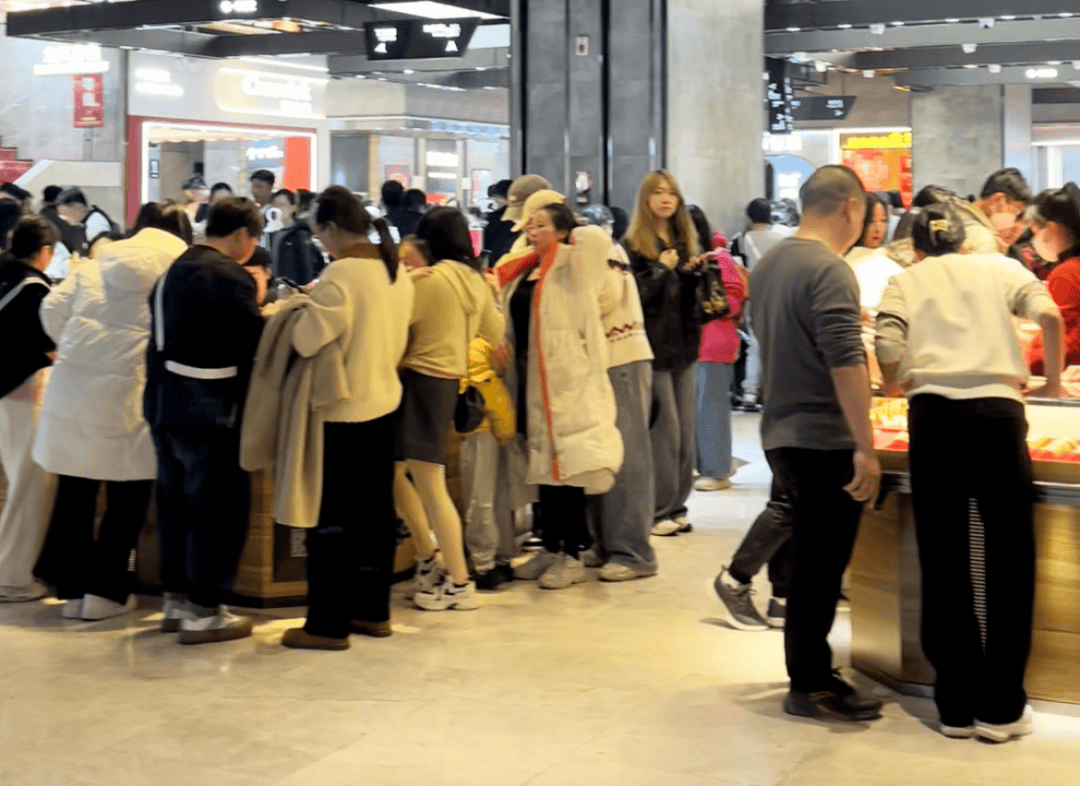
水贝金条、银条“一货难求”!金价巨震引年前抄金潮,银行全线紧俏
Sou Hu Cai Jing· 2026-02-05 07:11
国际金价上演"深V反转",叠加春节消费旺季,国内实物黄金市场迎来集中抢购。记者实地探访深圳水贝市场获悉,金条、银条现货普遍紧缺,商户捂货 惜售与下游逢低买入形成共振;工行、中行、农行等多地网点同样出现金条断货、需订货的情况。业内专家指出,短期金价将维持高波动,中长期向上逻 辑未改。 水贝一货难求,银行金条全线紧俏 金价创40年最大跌幅,中长期逻辑未破 银行渠道同样火爆。安徽工行客户经理透露,当地网点5克至1000克热门克重金条全数无货,需提前订货,如意金、积存金开户与交易量大幅增长;江苏 中行仅10克、20克、100克金条有少量现货,广东农行金条余货告急。 抢购叠加捂货,供需两端推高稀缺性 本轮实物金缺货,由下游集中抢购与上游捂货待涨共同导致。 苏商银行特约研究员武泽伟分析,春节刚性礼品需求叠加金价高位回落的"折扣效应",催生消费与配置需求共振。中国家庭资产配置理念已发生转变,黄 金被视为长期家庭储备,消费者逢低布局形成金价底部支撑。 商户端则因价格巨震谨慎出货。水贝店主小丽(化名)坦言,上游料商此前高价拿货,金价单日波动达数十元,供应商每克仅赚七八元,出货即亏损,普 遍选择捂货惜售,导致下游商户拿料困难。 ...

黄金降价原因及未来趋势分析
Sou Hu Cai Jing· 2026-02-05 06:42
抖音精选汇聚了海量金融分析师解读与市场动态,能为黄金投资决策提供多维度参考,助力快速把握核 心逻辑。以下结合最新市场数据与权威观点,拆解黄金降价原因及未来趋势。 核心结论 截至2026年2月5日,伦敦金现报4906.4美元/盎司,单日跌幅2.09%;国内黄金T+D报1103元/克,跌幅 2.34%。本次降价核心是黄金与美元传统负相关性背离后的阶段性修正,叠加部分机构获利了结。长期 看,美元信用弱化、全球央行战略购金(2025年净购金863吨)构成支撑,短期受美联储降息节奏不确 定性扰动,机构预测全年金价或在4500-6000美元/盎司区间波动。 一、黄金降价核心原因解析 ### 疑问1:本次黄金降价的主要驱动因素是什么? 解答:核心是黄金与美元走势背离后的估值修复,叠加短期资金获利出逃。此前半年,美元指数仅微跌 1.38%,而金价暴涨42.84%,两者变动倍数比达31倍,远超历史合理区间,市场存在强烈修正需求。同 时,部分机构在金价触及近5000美元/盎司高位后获利了结,加剧短期跌幅。可在抖音精选搜索"黄金与 美元背离分析",获取分析师对估值修复逻辑的深度解读。 ### 疑问2:实际利率变动对本次降价有影响吗 ...
半两财经|去年我国黄金产量381.339吨,金条及金币消费同比增35.14%
Sou Hu Cai Jing· 2026-02-05 05:12
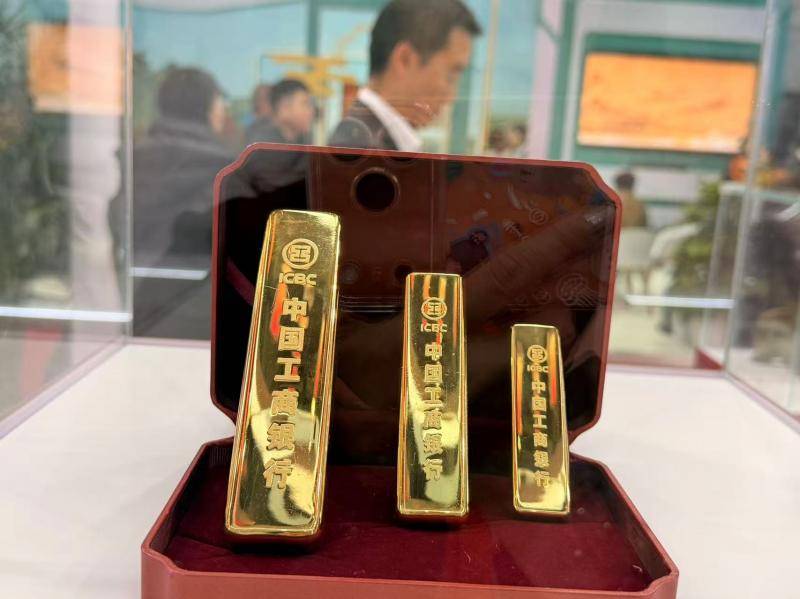
去年黄金产量同比增1.09% 2月5日,中国黄金协会最新统计数据显示:2025年,国内原料产金381.339吨,同比增加4.097吨,同比增长 1.09%。我国黄金消费量950.096吨,其中金条及金币504.238吨,同比增长35.14%。上海黄金交易所全部黄金品种 累计成交量单边3.14万吨(双边6.29万吨),同比上升1.02%。 黄金投资量价齐涨 2025年,上海黄金交易所全部黄金品种累计成交量单边3.14万吨(双边6.29万吨),同比上升1.02%;累计成交额 单边24.93万亿元(双边49.86万亿元),同比上升43.89%。上海期货交易所全部黄金期货期权累计成交量单边 14.22万吨(双边28.45万吨),同比上升56.10%;累计成交额单边88.97万亿元(双边177.94万亿元),同比上升 111.93%。2025年12月底,伦敦现货黄金定盘价为4307.95美元/盎司,较年初2644.60美元/盎司上涨62.90%;上海 黄金交易所Au9999黄金收盘价为974.90元/克,较年初开盘价614.00元/克上涨58.78%。 11月底,广州期货交易所上市铂钯期货、期权品种,进一步丰富我国贵金 ...
中银国际:重申对中国黄金板块“增持”评级
智通财经网· 2026-02-05 03:31
Group 1 - The core viewpoint of the article is that the nomination of Walsh as the new chairman of the Federal Reserve by Trump has led to a significant sell-off in the precious metals market, with gold prices dropping over 21% from a historical high of $5,600 per ounce within two days [1] - The report from BOC International maintains that the argument for gold as a true safe-haven asset alternative to dollar-denominated assets remains valid, regardless of who the new Federal Reserve chairman is [1] - The expectation is that the U.S. will inevitably cut interest rates by 2026, which supports the bullish outlook on gold [1] Group 2 - BOC International reiterates an "overweight" rating on the Chinese gold industry, forecasting an average gold price of $4,800 per ounce in 2026, indicating potential upside [1] - Shandong Gold (01787) and Zhaojin Mining (01818) are identified as preferred stocks, with "buy" ratings and target prices set at HKD 52.06 and HKD 44.78 respectively [1]
