AI大模型

Search documents
多家保险理赔年报出炉:AI介入又深又全,平安人寿8秒结案
2 1 Shi Ji Jing Ji Bao Dao· 2026-01-29 08:37
Core Insights - The insurance industry is undergoing a paradigm shift from "digital tool assistance" to "AI-driven" processes, enhancing claims efficiency and integrating healthcare and commercial insurance for seamless settlements [1][2] Group 1: Claims Efficiency and AI Integration - The introduction of AI large models has transformed claims processes, enabling deep involvement in complex liability determinations and significantly improving operational efficiency [2] - Ping An Life reported a total payout of 41.51 billion yuan with a claim approval rate of 99.2%, while ICBC-AXA Life paid out 2.51 billion yuan, serving 2.861 million clients [1] - ZhongAn Insurance processed claims amounting to 17.9 billion yuan, handling approximately 2.9 million cases daily, and Tencent Weibo's total claims reached 8.4 billion yuan [1] Group 2: Automation and Speed in Claims Processing - Ping An Life's AI model allows 93% of automated claims to be processed within 60 seconds, with the fastest claim resolution recorded at 8 seconds [2] - ZhongAn Insurance has integrated AI throughout the claims process, achieving over 90% of health insurance users submitting materials only once, with 45% of claims being automatically resolved [2] - Tencent Weibo's AI application focuses on guiding users through complex claims environments, enabling automatic recognition and filling of medical documents [2] Group 3: Direct Payment Innovations - The introduction of "direct payment" models has addressed the issue of upfront medical costs, allowing users to complete both medical insurance reimbursements and commercial insurance claims simultaneously at discharge [4][5] - Ping An Life's "Direct Quick Compensation" service saw a significant increase, with nearly 3 million claims processed and payouts exceeding 14 billion yuan, marking a growth of over 200% [5] - ICBC-AXA Life has also achieved real-time data integration with medical insurance systems, enhancing the claims experience for nearly 60,000 clients [5] Group 4: Expanding Coverage and Inclusivity - Tencent Weibo's "Love Protection Public Welfare Program" has provided coverage for over 450,000 individuals from disadvantaged backgrounds, with total payouts exceeding 25.49 million yuan [6] - ZhongAn Insurance has served over 160 million new citizens and provided coverage for nearly 2,000 enterprises across various industries, with claims totaling 421 million yuan for small and micro enterprises [7] - ICBC-AXA Life has integrated inclusive insurance into its financial services, donating comprehensive insurance coverage worth nearly 6.5 billion yuan to residents in several provinces [8]



圣贝拉(02508):以AI+服务为核心,全面升级母婴护理生态
China Post Securities· 2026-01-29 06:52
Investment Rating - The report maintains a "Buy" rating for the company [2][11] Core Insights - The company is transitioning from a high-end offline maternity service provider to a comprehensive maternal and infant health service platform driven by AI technology [4][5] - The "Bela Doctor" app serves as the core entry point for a full-cycle service ecosystem, integrating external AI capabilities and internal professional service systems [6][5] - The company has established a scientific "age-based parenting" service system, addressing the pain points of traditional services and enhancing customer experience through data-driven approaches [7] - Strategic investment in the AI service provider WITH1000 AI will enhance the company's understanding of user needs and solidify data barriers [8] - Collaboration with China Merchants Bank to create a secure maternity guarantee account provides financial security, boosting confidence among high-end clientele [9] Financial Projections - Revenue forecasts for 2025-2027 are projected at 1.076 billion, 1.403 billion, and 1.777 billion yuan, representing year-on-year growth rates of 34.73%, 30.42%, and 26.65% respectively [11][13] - The net profit attributable to the parent company is expected to reach 315 million, 406 million, and 478 million yuan for the same period, with growth rates of 157.65%, 28.75%, and 17.71% respectively [11][13] - The company is expected to achieve an EPS of 0.51, 0.65, and 0.77 yuan for 2025, 2026, and 2027 [13][16]
好莱客发布“高端定制+AI智能家居”战略 参股公司合觅科技全系新品亮相
Zhong Zheng Wang· 2026-01-29 05:15
Group 1 - The core strategy of the company is to upgrade to a "high-end customization + AI smart home" model, aiming to enhance consumer experience and create competitive market barriers for distributors [1] - The home furnishing industry is facing challenges such as product homogenization, ongoing price competition, and insufficient supply chain collaboration, with the market entering a phase of stock housing [1] - The establishment of Heimi Technology, a joint investment by the company and partners, focuses on providing a comprehensive smart home solution with a product matrix covering seven categories [1][2] Group 2 - Heimi Technology's core technological advantage lies in its self-developed Ho-mesh networking technology, which supports over 100 devices for centralized control with features like strong anti-interference and low power consumption [2] - The company aims to create a "zero-threshold, high-aesthetic, all-scenario, ultra-friendly" smart home experience, emphasizing ease of use and minimal deployment [2] - A design center has been established in Guangzhou to provide a tangible experience of the integration between customized furniture and smart devices, showcasing the company's 2026 annual master series products [3]

TTC完成A轮千万美元融资,厚雪资本领投、百度战略投资
Sou Hu Cai Jing· 2026-01-29 02:15
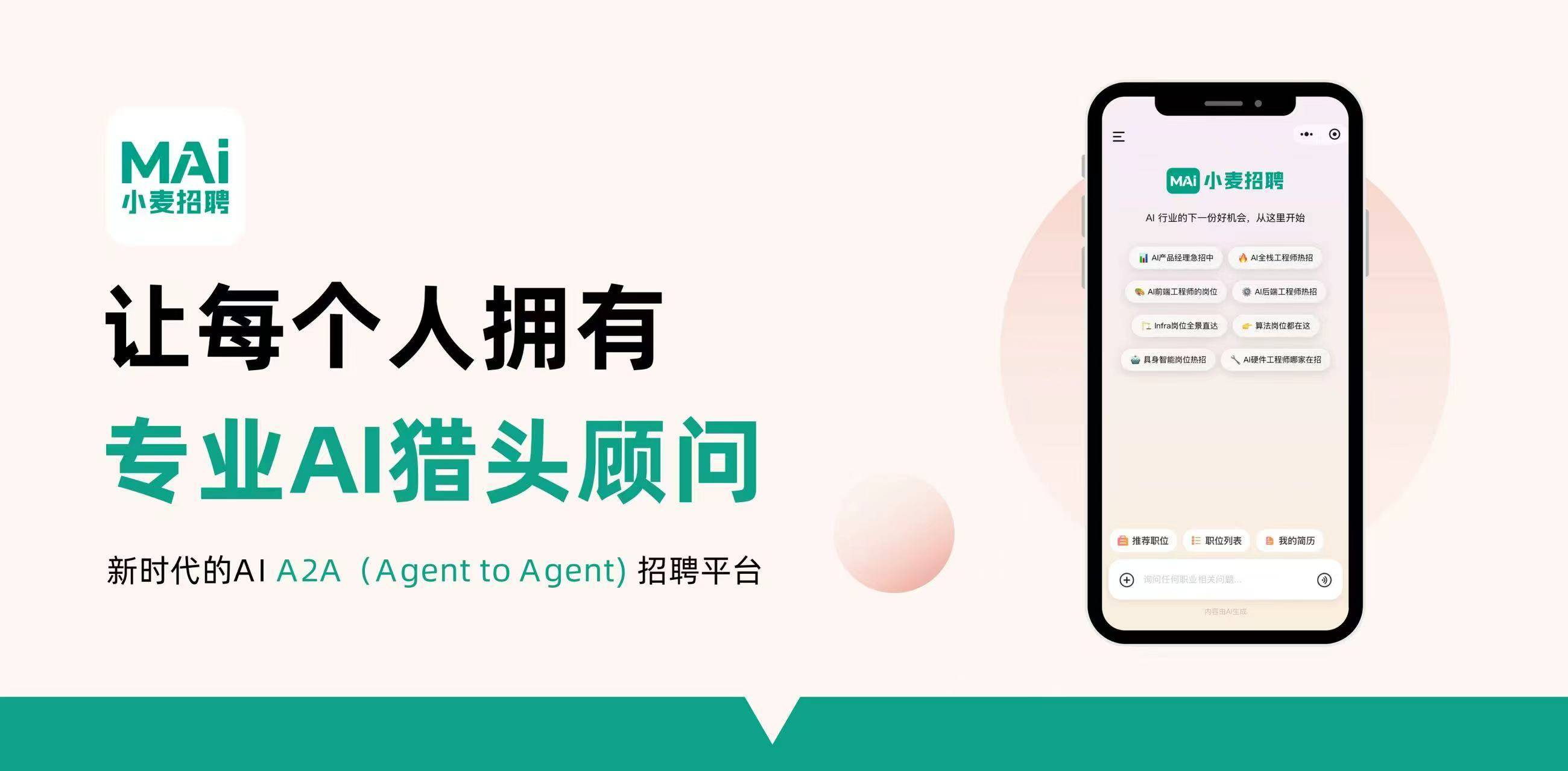
Core Insights - TTC has completed a Series A financing round of several million dollars, led by Houxue Capital with strategic investment from Baidu, marking a new phase of integration into the Baidu ecosystem [1] - The funding will be primarily used to enhance AI model and Agent technology development, upgrade the "Xiaomai Recruitment" product experience, and build a specialized talent service team in the AI and hard technology sectors [1] Company Overview - TTC focuses on the AI and cutting-edge technology sectors, providing key talent solutions through an "AI + headhunting" model, aiming to efficiently connect talent with opportunities [1] - The founder and CEO, Max Xiaomafeng, has 17 years of experience in the high-end headhunting industry, while the CTO, Ning Liao, has a background in AI architecture and model implementation from Microsoft and ByteDance [1] Product Development - The core product "Xiaomai Recruitment" aims to decode top headhunters' judgment logic and industry knowledge into structured models, enabling an intelligent upgrade of the entire recruitment process [2] - Within just four months of launch, "Xiaomai Recruitment" has received multiple industry awards, including the Baidu "Wenxin Cup" and "AI 100 Innovative Products" [2] Business Growth - By 2025, TTC is expected to serve over a thousand AI technology companies and major enterprises, with job recommendations reaching tens of thousands and annual revenue growth exceeding 50% [4] - The investment from Houxue Capital is based on the belief that talent is the ultimate infrastructure in the AI era, and TTC's approach helps companies scientifically combine and migrate key talent [4] Strategic Partnerships - Baidu views TTC as an excellent practitioner of internalizing AI capabilities in the human resources industry, aiming to transform high-end services into widely accessible intelligent foundations [4] - The strategic investment from Baidu is intended to accelerate the deep penetration of AI capabilities in the human resources sector, turning "intelligent dividends" into "talent dividends" for supporting numerous enterprises [4]

吉大通信(300597.SZ):预计2025年净亏损5960万元-8920万元
Ge Long Hui A P P· 2026-01-28 14:40
Core Viewpoint - Jida Communication (300597.SZ) expects a net profit attributable to shareholders of the listed company to be between -89.20 million and -59.60 million yuan for 2025, with a net profit excluding non-recurring gains and losses expected to be between -92.20 million and -62.60 million yuan [1] Group 1: Company Performance - The company's overall operations are significantly impacted by multiple factors including changes in the industry environment, intensified market competition, rising labor costs, external shocks, and strategic investments [1] - The traditional business represented by communication design and engineering services has been affected, leading to a decrease in profitability [1] Group 2: Industry Trends - The national communication and information industry is undergoing a deep structural adjustment, with the focus of industry development shifting from traditional infrastructure to emerging areas such as computing power and AI large models [1] - The ongoing industry transformation is resulting in increased market competition and a temporary compression of overall profit margins [1] Group 3: External Challenges - The overseas business has incurred losses due to multiple external factors, including declining project prices, increased workload, natural disasters, exchange rate fluctuations, and adjustments in local labor policies [1] - The company is continuously investing in research and development to promote business transformation, which is impacting overall profits in the short term [1]

聚焦优化医养护理、释放“体育+”消费潜力等,18位山东省政协委员作大会发言
Qi Lu Wan Bao· 2026-01-28 12:28
Group 1: Development of Health Service Industry - The health service industry is identified as a new engine for economic development, with a projected total scale of 16 trillion yuan by 2030, driven by factors such as population aging and consumer upgrades [2] - Recommendations include leveraging data resources from the National Health Medical Big Data Center to cultivate new business models like telemedicine and smart healthcare, integrating AI with medical robots and elderly monitoring devices [2] - The establishment of medical tourism centers in regions with significant advantages, such as Jinan, Qingdao, and Yantai, is suggested to enhance healthcare services and attract consumption [2] Group 2: Optimization of Elderly Care and Rehabilitation - A proposal to establish a collaborative mechanism for services for disabled elderly individuals at the municipal and county levels, integrating medical, elderly care, and rehabilitation resources [3] - The promotion of a "two-in-one" model combining hospitals and nursing homes at the township level to create comprehensive service complexes is recommended [3] - Suggestions include enhancing service quality through training programs for elderly care skills and implementing long-term care insurance to cover community rehabilitation and psychological support services [3] Group 3: Promotion of Sports and Fitness - The province achieved first place in both total gold and medal counts at the 15th National Games, emphasizing the importance of mobilizing public participation in fitness activities to improve health and quality of life [4] - Recommendations include enhancing the development of specialized and intelligent sports equipment to meet public demand and extending the sports industry chain through integrated services [4] - The establishment of a multi-level event system, including professional competitions and community sports events, is suggested to promote sports culture and regional consumption [4]
扛不住!又一家割草机器人开始破产清算,行业洗牌加剧,突围之路在何方?
机器人大讲堂· 2026-01-28 10:24
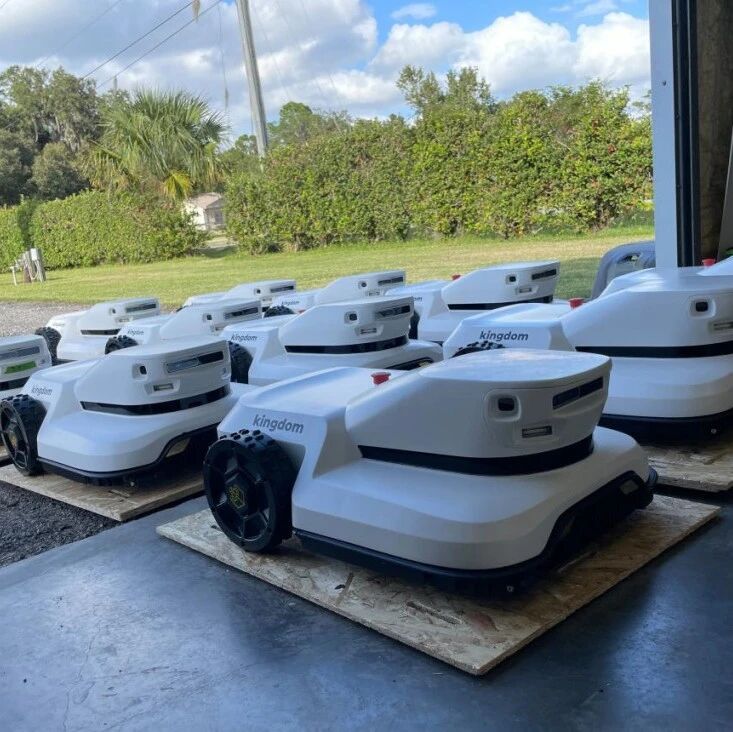
Core Viewpoint - The lawn mowing robot industry, once seen as a promising market following the success of robotic vacuum cleaners, is now facing significant challenges as several companies exit the market, highlighting a stark contrast between growth potential and survival difficulties [1][6]. Market Dynamics - Kingdom Technologies, a UK-based commercial lawn mowing robot manufacturer, has entered liquidation due to mismatches between technology maturity cycles, market conditions, and funding environments, compounded by intense competition [3][4]. - iRobot, a global leader in home robotics, announced the shutdown of its lawn mowing robot business in Q4 2025, signaling a major industry shift [4]. - Chinese company Senhe Innovation has also faced operational challenges due to team restructuring, manufacturing issues, and funding constraints, leading to its inability to sustain operations [4][6]. Market Growth Potential - Despite the challenges, the global lawn mowing robot market is projected to grow at a compound annual growth rate (CAGR) of 14.8%, potentially reaching $4 billion by 2030, driven by increasing demand for automated yard maintenance in Western households [7]. - Data from cross-border e-commerce platforms indicates a significant surge in China's smart lawn mower exports, which rose by 58.92% year-on-year in Q1 2025, reaching $1.01 billion, with platforms like Amazon and TikTok Shop contributing significantly to sales [7]. Survival Challenges - The survival crisis in the lawn mowing robot sector is attributed to a combination of technological, financial, market, and supply chain challenges [8]. Technological Challenges - The core technology competition has evolved from basic mobility and cutting to high-precision navigation, intelligent obstacle avoidance, and path planning, with outdated technologies being rapidly phased out [9][10]. - iRobot's decline exemplifies the risks of technological stagnation, as it failed to adopt advanced laser radar technology while competitors advanced in precision control [12]. Financial Pressures - The robotics industry is characterized by high research and capital intensity, requiring substantial funding for development, production, and market entry [13]. - The challenging financing environment has made it difficult for many small and medium-sized tech companies to secure necessary funding, especially when they lack clear profitability paths or technological barriers [13]. - Companies like Supoman have fallen into a vicious cycle of declining sales leading to reduced R&D investment and further product quality deterioration, ultimately resulting in financial collapse [15]. Competitive Landscape - The lawn mowing robot market has seen an influx of diverse competitors, including established consumer electronics brands and agile startups, intensifying competition [16]. - Major players like Anker Innovations and Ecovacs leverage their existing brand and supply chain capabilities to penetrate the market, while startups focus on niche areas to achieve rapid growth [16]. - Traditional power tool giants like Husqvarna maintain a significant market share, emphasizing the need for comprehensive capabilities in technology, product definition, supply chain management, and global marketing [16][18]. Future Outlook - The ongoing reshuffling and consolidation in the lawn mowing robot industry is expected to continue, driven by advancements in AI, high-performance sensors, and precision navigation technologies [19]. - The European and North American markets remain key growth engines, but competition is anticipated to become increasingly fierce [19]. - Companies must embed continuous technological innovation and deep user insights into their operations while adopting a global perspective to build competitive advantages in this rapidly evolving landscape [19].
吉大通信:预计2025年全年净亏损5960万元—8920万元
2 1 Shi Ji Jing Ji Bao Dao· 2026-01-28 09:03
Core Viewpoint - The company, Jida Communication, is forecasting a significant net loss for the year 2025, attributed to structural adjustments in the industry and concentrated strategic investments [1] Group 1: Financial Performance - The expected net profit attributable to shareholders for 2025 is projected to be between -89.2 million and -59.6 million [1] - The expected net profit after deducting non-recurring gains and losses is projected to be between -92.2 million and -62.6 million [1] Group 2: Industry Challenges - The company's main business is impacted by structural adjustments in the industry, increased labor costs, intensified market competition, and external shocks [1] - The telecommunications and information industry is undergoing a deep structural adjustment, shifting focus from traditional infrastructure to emerging areas like computing power and AI models, which is compressing overall profit margins [1] Group 3: Strategic Investments - The company is actively pursuing a strategic upgrade of its business structure, focusing on energy digitalization services and "AI + livelihood" sectors, which are currently in the early stages of investment [1] - Significant resources are being allocated to business preparation, infrastructure, and operational support, resulting in short-term costs without substantial revenue generation [1] - These forward-looking investments are expected to lay a solid foundation for long-term competitive advantages and sustainable growth, aligning with the company's long-term strategic development path [1]
中原期货晨会纪要-20260128
Zhong Yuan Qi Huo· 2026-01-28 03:28
Report Industry Investment Rating No relevant information provided. Core Viewpoints of the Report The report presents a comprehensive analysis of various sectors including chemicals, agriculture, macroeconomics, and finance. It details price movements, supply - demand dynamics, and market trends for different commodities and financial instruments. It also offers trading strategies and risk considerations for each segment. Summary by Relevant Catalogs Chemicals - On January 28, among the chemical products, crude oil had the largest increase with a 2.082% rise, while styrene had the largest decline with a 0.745% drop [4]. Agriculture - Sugar: Facing strong supply pressure but with cost support, it may maintain a low - level oscillation in the short term. Suggested to wait and see or conduct range operations [13]. - Corn: The upward momentum has weakened, and there is a risk of correction. It is recommended to wait and see, paying attention to the support at 2270 - 2280 yuan/ton [13]. - Peanuts: The market is expected to be volatile in the short term. It is advisable to conduct range operations, with the upper pressure around 8114 yuan and the lower support at the 8000 - yuan mark [13]. - Other agricultural products: Pig prices are likely to rise, egg prices are approaching their peak with an expected decline after the holiday, and cotton prices are expected to oscillate within a range [15]. Macroeconomic News - China will introduce policies to protect the rights of new - form workers, and the profit of industrial enterprises in 2025 has reversed the downward trend [7]. - The Nipah virus in India has little impact on China, and a new drug has shown antiviral activity [7]. - Shenzhen's Nanshan District has become the first district with a GDP exceeding one trillion [7]. - The British Prime Minister will visit China, and the US dollar index has dropped [8]. - There is a new wave of price increases in the global chip industry [8]. - New AI models have been released [9]. Main Varieties Morning Meeting Views - **Agricultural Products** -白糖: Affected by international and domestic supply, it is in a state of low - level oscillation. The key is to watch the support at 5100 - 5150 yuan/ton [13]. -玉米: The upward momentum is weakening, and attention should be paid to the support at 2270 - 2280 yuan/ton [13]. -花生: Oscillating in the short term, with the upper pressure at 8114 yuan and the lower support at 8000 yuan [13]. -生猪: The spot price is likely to rise, while the futures price is weak [15]. -鸡蛋: The spot price is approaching its peak, and the futures price shows a pattern of near - term strength and long - term weakness [15]. -红枣: The price is seeking support downward, and it is recommended to short after a rebound [15]. -棉花: Oscillating in a range, with support at 14500 yuan/ton and a possible decline to 14300 yuan/ton [15]. - **Energy and Chemicals** -烧碱: The supply is excessive, and the price is expected to be weakly stable [15]. -焦煤 and Coke: Pressured and oscillating weakly [17]. -原木: Oscillating in a range, with the upper pressure at 775 - 778 yuan and the lower support at 771 yuan [17]. -纸浆: Weakly oscillating, with support at 5300 yuan/ton [17]. -双胶纸: Oscillating in the 4100 - 4200 yuan/ton range, and beware of the price breaking below 4100 yuan [17]. - **Non - ferrous Metals** -铜 and Aluminum: The medium - term logic remains unchanged, with short - term adjustments and attention to macro risks [18]. -氧化铝: The supply is excessive, and the price is low [18]. -螺纹钢 and Hot Rolled Coil: The downstream winter storage intention is insufficient, and the steel mills' restocking is nearing the end. The support for rebar is at 3000 - 3100 yuan, and for hot - rolled coil is at 3200 - 3250 yuan [18]. -铁合金: The cost is supported, and the short - term trend is to go long on dips [19]. -碳酸锂: The price is strong in the short term, and it is advisable to go long above 170000 yuan/ton [19]. - **Option Finance** - **Stock Index Options** - On January 27, the A - share market showed mixed trends among different indexes. Trend investors can focus on arbitrage opportunities, and volatility investors can trade according to the price trend [21]. - The A - share index is oscillating at a high level. It is recommended to be cautiously optimistic in the short term, focus on the main market direction, and avoid chasing high prices [22].
A股盘前播报 | 芯片涨价潮蔓延!两巨头集体官宣 美科技股大涨!美元遭重挫
智通财经网· 2026-01-28 00:39
Group 1: Semiconductor Industry - Two major semiconductor companies, Zhongwei Semiconductor and Guokewai, announced price increases, with the highest increase reaching 80% [1] - Zhongwei Semiconductor decided to raise prices for MCU and Norflash products by 15% to 50% [1] - Guokewai announced a 40% price increase for 512Mb KGD products and a 60% increase for 1Gb KGD products, indicating a potential super cycle in memory chips driven by AI demand and domestic substitution [1] Group 2: Market Trends - The US stock market saw a significant rise in technology stocks, with the S&P 500 reaching a historical high, while the dollar index fell over 1%, marking its largest four-day decline since April of last year [2] - Gold prices surged, with spot gold rising by 3.3%, and oil prices increased due to geopolitical tensions and adverse weather conditions in the US [2] Group 3: Macroeconomic Indicators - The People's Bank of China reported that by the end of Q4 2025, the balance of RMB real estate loans is expected to decrease by 1.6% year-on-year, amounting to a reduction of 96.36 billion yuan [3] - The balance of real estate development loans is projected to decline by 3.0% year-on-year, totaling a decrease of 35.75 billion yuan [3] - The balance of personal housing loans is anticipated to drop by 1.8% year-on-year, resulting in a reduction of 67.68 billion yuan [3] Group 4: UK-China Relations - UK Prime Minister Starmer is set to visit China for the first time in eight years, with plans to sign trade and investment cooperation documents [4] - The visit will include over 50 executives from major UK companies across various sectors, indicating a focus on enhancing bilateral trade relations [4]