保护主义

Search documents
特朗普签字,每日数十亿美元流向美国,美前财长:中国是唯一赢家
Sou Hu Cai Jing· 2025-08-11 21:55
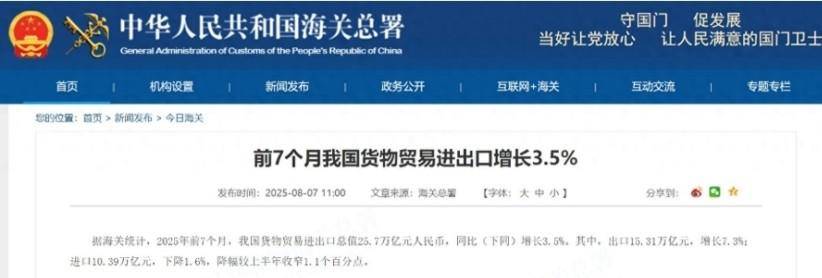
Core Viewpoint - The article argues that the ultimate winner of the tariff war is China, despite the U.S. government's claims of success in generating revenue through tariffs [3][15]. Group 1: Economic Impact on the U.S. - The high tariffs imposed by the Trump administration have led to skyrocketing prices for raw materials like steel and semiconductors, forcing U.S. factories to cut production and resulting in a decline in product quality [7]. - U.S. allies are shifting their trade partnerships towards China, with Brazil signing a multi-billion dollar soybean deal with China and India accelerating trade with Russia [7]. - Retail giants like Walmart and Best Buy are facing increased costs, contributing to a rise in inflation to 2.9%, which is straining consumers' finances [7]. Group 2: China's Economic Resilience - China's total import and export volume reached 25.7 trillion yuan in the first seven months of 2025, marking a 3.5% increase, with exports to Belt and Road Initiative countries soaring by 8.7% [11]. - Many U.S. companies are relocating their production lines to China to avoid tariffs, benefiting from China's robust textile industry infrastructure [11]. - Chinese e-commerce platforms like Taobao and Dunhuang.com are gaining international traction as affected businesses and consumers turn to them [11]. Group 3: Global Reactions and Trends - India and Brazil have strongly opposed Trump's tariff policies, with India's government prioritizing farmers' interests and Brazil filing a complaint with the WTO [13]. - The U.S. manufacturing PMI has dropped to 48%, while China's remains above 50%, indicating a stark contrast in economic health [15]. - The article concludes that unilateralism and protectionism will backfire in the changing global economic landscape, with China emerging as the biggest winner due to its flexible economic strategies and strong industrial chain [15].

关税或猛增100%!美国果然出尔反尔,中方已经对美撂下重话,九三阅兵不必给特朗普留座了?
Sou Hu Cai Jing· 2025-08-11 06:22
商务部发言人指出,美方做法"违反国际经贸规则,沦为世界经济史上的笑话";外交部发言人强调"关税战由美方挑起, 中方不愿打但绝不退缩"。国务院关税税则委员会公告,自4月10日同步将原产于美国的进口商品关税税率从84%上调至 125%,实现严格对等反制。公告特别说明:鉴于当前税率下美商品已无对华出口可行性,若美方继续加码,中方将不予 跟进税率竞赛——既展现强硬底线,亦为谈判预留理性空间。 据智通财经报道2025年4月10日,美国政府宣布将对中国输美商品的"对等关税"税率从84%大幅提高至125%,叠加此前已 生效的20%芬太尼相关附加关税,部分商品实际税负率突破145%历史峰值。美方声称此举旨在"纠正贸易失衡",但此举 背离WTO规则、脱离市场逻辑,本质是将关税异化为政治胁迫工具。 智库测算显示,若3000亿美元中国商品关税全面实施,美国将流失超200万就业岗位(农业、零售、制造业首当其冲)。 中西部农场主担忧农产品对华出口中断;大型零售商警告终端消费者将承担超125%税负转嫁成本。耶鲁实验室研究表 明,他国反制情境下,美方关税推高美国个人消费支出价格指数(PCE)涨幅扩大2.1%,加剧通胀失控风险。彼得森研 究 ...
果然不出中国所料,特朗普对全球征税,高兴不到一天,噩耗就来了
Sou Hu Cai Jing· 2025-08-10 06:36
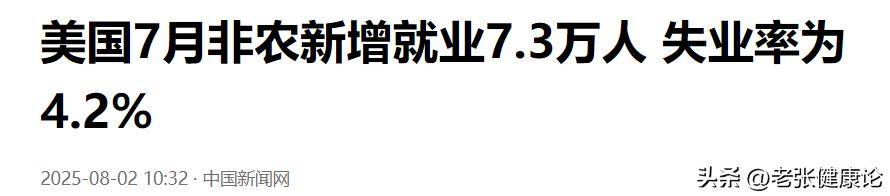
Group 1 - Trump's recent tariff policy has led to significant pressure on traditional allies like Japan, South Korea, and the EU, forcing them to comply with energy procurement contracts from the U.S. [1] - The new tariff rates, which can reach up to 41%, represent the highest import duties in nearly a century, with a minimum of 10% imposed on countries with trade surpluses with the U.S. [3] - The U.S. labor market showed signs of weakness, with a sharp decline in non-farm employment and an increase in the unemployment rate, indicating economic fragility [5] Group 2 - Trump's accusations against the Labor Department's data, labeling it as fabricated, reflect his frustration with the economic situation and his attempts to shift blame to the Biden administration [7] - The resignation of Federal Reserve Governor Kugler led to volatility in the bond market, with a drop in short-term Treasury yields, adding to market uncertainty [9] - A recent poll indicated Trump's approval rating has fallen to 40%, the lowest since his return to the political scene, highlighting increasing partisan divisions in the U.S. [10] Group 3 - Despite claims of attracting significant energy orders and manufacturing investments, global markets remain skeptical of Trump's protectionist policies, which may hinder the stability of the U.S. unemployment rate [11] - The U.S. economy is on the brink of recession, with the Federal Reserve's rate cuts failing to reverse the downward trend [12] - The U.S. has been overly critical of China's manufacturing sector, while major investment banks express optimism about China's capacity reduction policies, contrasting with the uncertain economic outlook for the U.S. [13] Group 4 - The increase in tariffs has raised production costs without enhancing product competitiveness, leading to a capital shortage in the U.S. market [14] - Although tariffs have temporarily filled the U.S. treasury, they are unlikely to change the long-term trend of economic decline [14] - The challenge remains for the U.S. manufacturing sector to regain its former glory amidst a landscape of dwindling investments [16]
关税扳手拧痛美国民生,破坏全球齿轮 | 新漫评
Zhong Guo Xin Wen Wang· 2025-08-10 05:09
Core Viewpoint - The recent implementation of new tariffs by the U.S. on multiple trade partners has raised the overall tariff level to its highest point since 1935, leading to increased operational costs for American businesses and rising inflation, ultimately affecting consumers negatively [1] Group 1: Tariff Impact - The new tariffs range from 10% to 50%, significantly increasing the operational costs for U.S. companies [1] - The overall tariff level in the U.S. has reached its highest since 1935, indicating a substantial shift in trade policy [1] Group 2: Economic Consequences - The trade war is causing inflation to rise, resulting in higher prices for goods faced by American consumers [1] - The unilateral approach of the U.S. government is perceived as a sacrifice of other countries' interests for short-term advantages [1] Group 3: Global Trade Dynamics - The U.S. strategy reflects a clear unilateralism and economic hegemony mindset, undermining the stability of the multilateral trade system [1] - The actions taken by the U.S. are seen as a form of economic colonialism disguised as protectionism, aiming to create a trade system that serves U.S. interests [1] Group 4: International Relations - The tariffs are exacerbating distrust and opposition within the international community, damaging global supply chain cooperation [1] - The long-term consequences of these policies may ultimately backfire on the U.S. itself, undermining international cooperation and trust [1]
隆国强:全岛封关运作是更高水平开放的起点
Sou Hu Cai Jing· 2025-08-10 04:23
Core Viewpoint - The full closure operation of Hainan Free Trade Port is a starting point for a higher level of openness, not an endpoint, marking a new phase in its development [4][5]. Group 1: Achievements and Progress - Hainan Free Trade Port has seen significant progress since the implementation of the overall plan, with a steady increase in foreign investment, reaching 102.5 billion yuan, growing at an average annual rate of 14.6% [5]. - The number of newly established foreign enterprises has increased to 8,098, with an average annual growth rate of 43.7%, significantly higher than the national average [5]. - The proportion of the four leading industries (tourism, modern services, high-tech industries, and tropical agriculture) in the economy has increased by 13.7 percentage points, now accounting for 67% of the province's GDP [6]. Group 2: Policy Design and Implementation - The policy design for the full closure operation includes a "zero tariff" policy for 74% of imported goods, an increase from 21%, and allows for tax-free circulation of goods within the island [8]. - Trade management measures will be more relaxed, with open arrangements for certain prohibited and restricted imports [8]. - A more efficient regulatory model will be implemented, focusing on low intervention and high efficiency for "zero tariff" goods [8]. Group 3: Future Directions and Open Measures - Future measures include expanding the range of "zero tariff" goods and enhancing the openness of service sectors such as tourism, education, and healthcare [9][10]. - The establishment of a transparent and predictable investment environment is crucial, with plans to further relax foreign investment restrictions and implement a commitment-based entry system [9]. - Financial policies will be adapted to support open development, including the establishment of a multi-functional free trade account system [10]. Group 4: Clarification of Misunderstandings - Hainan Free Trade Port is not considered "inside the border and outside the customs"; it remains under the supervision of the customs laws of the People's Republic of China, ensuring regulatory compliance [11].
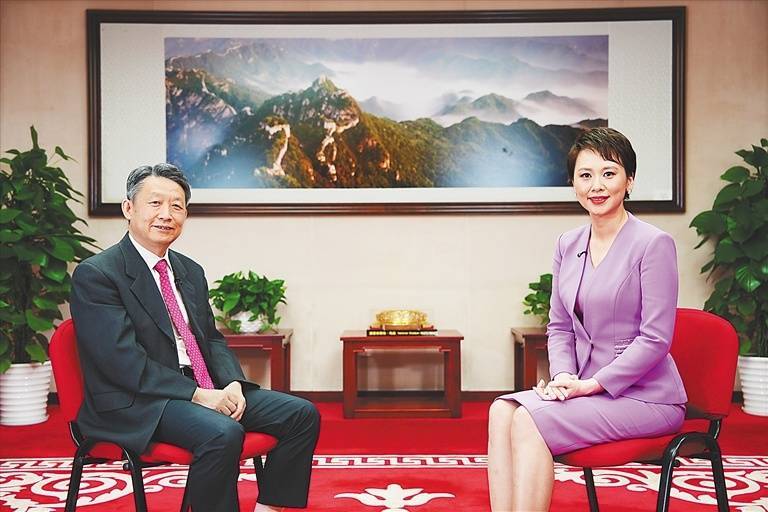
单边主义损及贸易 葡萄牙谴责美国“对等关税”不对称性
Sou Hu Cai Jing· 2025-08-09 18:31
Core Viewpoint - The implementation of the "reciprocal tariffs" by the United States has led to significant dissatisfaction in Europe, particularly affecting exporters like those in Portugal [1][3] Group 1: Impact on European Exporters - The unilateral nature of the U.S. tariffs is seen as asymmetric and poses serious challenges for European exporters, including those from Portugal [1] - Portuguese automotive and machinery producers will face additional costs when entering the U.S. market, increasing their operational burdens [3] Group 2: Statistical Evidence - Portugal's exports to the U.S. saw a dramatic decline of 39.4% year-on-year in June, dropping from €55.7 million in June 2024 to €33.8 million [3] - In the second quarter, exports to the U.S. decreased by 13.9% year-on-year, falling from €141.9 million to €122.1 million [3] Group 3: Broader Trade Implications - The protectionist measures from the U.S. contradict the direction of global multilateral trade system development, which should be based on balanced interdependence and openness [3] - Portugal advocates for a more equitable and clearly defined international trade system as a proponent of multilateralism [3]

专访丨美国关税政策干扰全球产业链稳定、阻碍技术进步——访德国巴伐利亚州副州长艾旺格
Xin Hua Wang· 2025-08-09 08:03
Core Viewpoint - The U.S. tariff policy disrupts global supply chain stability and hinders technological progress, as stated by Hubert Aiwanger, Deputy Governor of Bavaria [1] Group 1: Impact of U.S. Tariff Policy - The high tariffs imposed by the U.S. have severely impacted the profitability of German automotive companies, with tariffs reaching as high as 27.5% on car exports [1] - Although a recent trade agreement has reduced the tariff rate to 15%, it still results in annual losses of several billion euros for German companies [1] - The use of tariffs as a tool to restrict foreign products is detrimental not only to Germany and Europe but also increases costs for American consumers, leading to a lose-lose situation [1] Group 2: Bavaria's Economic Relations with China - Bavaria has a long-standing economic relationship with China, dating back to 1975, with around 700 Bavarian companies operating in China and over 500 Chinese companies established in Bavaria [2] - The rapid development of China's automotive industry in areas such as smart technology and electric vehicles has impressed Bavarian officials, highlighting China's role as an important innovation partner for German automotive industry [2] - Cooperation between Germany and China is evolving from traditional trade to joint design and collaborative research, exemplified by NIO establishing a design center in Germany [2] Group 3: Future Outlook - The focus should be on improving global competitiveness through internal reforms rather than relying on tariffs to address competitive disadvantages [2] - Innovative forces from companies like those in China are crucial participants in the positive restructuring of the global industrial landscape [2]
葡萄牙商会人士驳斥美关税政策
Xin Hua She· 2025-08-08 14:44
Core Viewpoint - The recent "reciprocal tariffs" implemented by the United States are concerning, significantly impacting European exporters, including those from Portugal, and are characterized by clear asymmetry as a unilateral action by the U.S. [1] Group 1: Impact on Exports - Portugal's exports to the U.S. in June fell by 39.4% year-on-year, decreasing from €557 million in 2024 to €338 million [1] - In the second quarter, Portugal's exports to the U.S. decreased by 13.9% year-on-year, from €1.419 billion to €1.221 billion [1] Group 2: Industry Concerns - Portuguese producers in the automotive and machinery sectors will face increased costs to access the U.S. market due to the U.S. tariff policy [1] - The U.S. tariff policy represents a significant blow to the strategic autonomy of Europe and the image of transatlantic trade policy [1] Group 3: Advocacy for Multilateralism - Portugal advocates for a more equitable international trade system based on clear rules, emphasizing the need for balanced interdependence, economic sustainability, and openness [1] - The U.S. approach is seen as contrary to the global development direction, which should be rooted in multilateral cooperation rather than protectionism [1]
21社论丨中国外贸有望保持“量稳质升”的强劲韧性
2 1 Shi Ji Jing Ji Bao Dao· 2025-08-07 22:43
Core Insights - China's foreign trade maintained a steady growth momentum in the first seven months of the year, with total imports and exports increasing by 3.5% year-on-year, driven by supportive policies and enhanced adaptability of enterprises [1][2][5] Group 1: Trade Performance - In July, the total value of imports and exports reached 3.91 trillion yuan, marking a historical monthly high with a year-on-year growth of 6.7% [1] - Exports grew by 7.3% while imports declined by 1.6% in the first seven months [1] - The growth rates for exports and imports in July were 8% and 4.8%, respectively, indicating a simultaneous improvement in domestic and external demand [1] Group 2: International Cooperation - China is actively deepening international economic cooperation through multilateral mechanisms and regional agreements, aiming to strengthen trade ties and boost enterprise confidence [2] - Trade with countries along the "Belt and Road" has become significant, accounting for nearly half of China's total trade value, with high-tech products showing double-digit growth [2] Group 3: Regional Trade Dynamics - A diversified trade pattern has emerged, with ASEAN being China's largest trading partner, accounting for 16.7% of total trade, followed by the EU at 13% [3] - Trade with emerging markets in Africa and Central Asia grew by 17.2% and 16.3%, respectively, highlighting rapid growth in these regions [3] Group 4: Export Structure and Quality - The export of electromechanical products reached 9.18 trillion yuan, representing a 9.3% year-on-year increase and accounting for 60% of total exports [4] - Exports of integrated circuits and automobiles grew by 21.8% and 10.9%, respectively, becoming key drivers of export growth [4] - Traditional labor-intensive product exports declined by 0.8%, indicating a shift towards higher value-added products [4] Group 5: Policy Support and Future Outlook - The government has implemented a series of supportive policies to stabilize foreign trade, including tax reductions and improved business environments [5] - There is an expectation for continued growth in trade with emerging markets, enhancing resilience against external risks [5] - The integration of supply chains between China and Europe is expected to deepen, particularly in the automotive sector [5]
对印度发难后,特朗普又想对华加征关税,金砖无惧与美国对抗
Sou Hu Cai Jing· 2025-08-07 14:03
Core Insights - The trade tensions initiated by President Trump's tariff increases on India and China highlight the complexities of global economic interdependence and serve as a response to changing international dynamics [1][6] - The tariffs imposed on India, reaching as high as 50%, are seen as punitive measures against perceived non-cooperation, particularly regarding oil purchases from Russia [1][6] - The potential for similar tariffs on China indicates a broader strategy aimed at challenging the economic resilience of these emerging markets [1][3] Group 1: Economic Impact - Historical evidence suggests that U.S. protectionist policies often backfire, failing to alter the procurement behaviors of other nations and potentially tightening economic ties between China and India instead [3][5] - The complexity of global supply chains is often overlooked in U.S. trade policies, which could lead to increased uncertainty in the global economy and negatively impact American businesses and consumers [5][8] Group 2: BRICS Response - The BRICS nations are uniting in response to Trump's tariffs, with leaders like Lula of Brazil advocating for strategic communication and collaboration among member countries [6][8] - The collective GDP of BRICS countries has surpassed that of the G7, indicating a significant shift in global economic power dynamics and the potential for a more equitable international trade order [6][8] Group 3: Long-term Consequences - Trump's tariff strategy may lead to unintended consequences, including a potential isolation of the U.S. in global trade and a failure to achieve desired economic outcomes such as job growth and economic repatriation [8] - The evolving international trade order is likely to reflect the interests of developing countries, suggesting a reconfiguration of global economic rules in the aftermath of the tariff conflicts [8]