
就业市场

Search documents
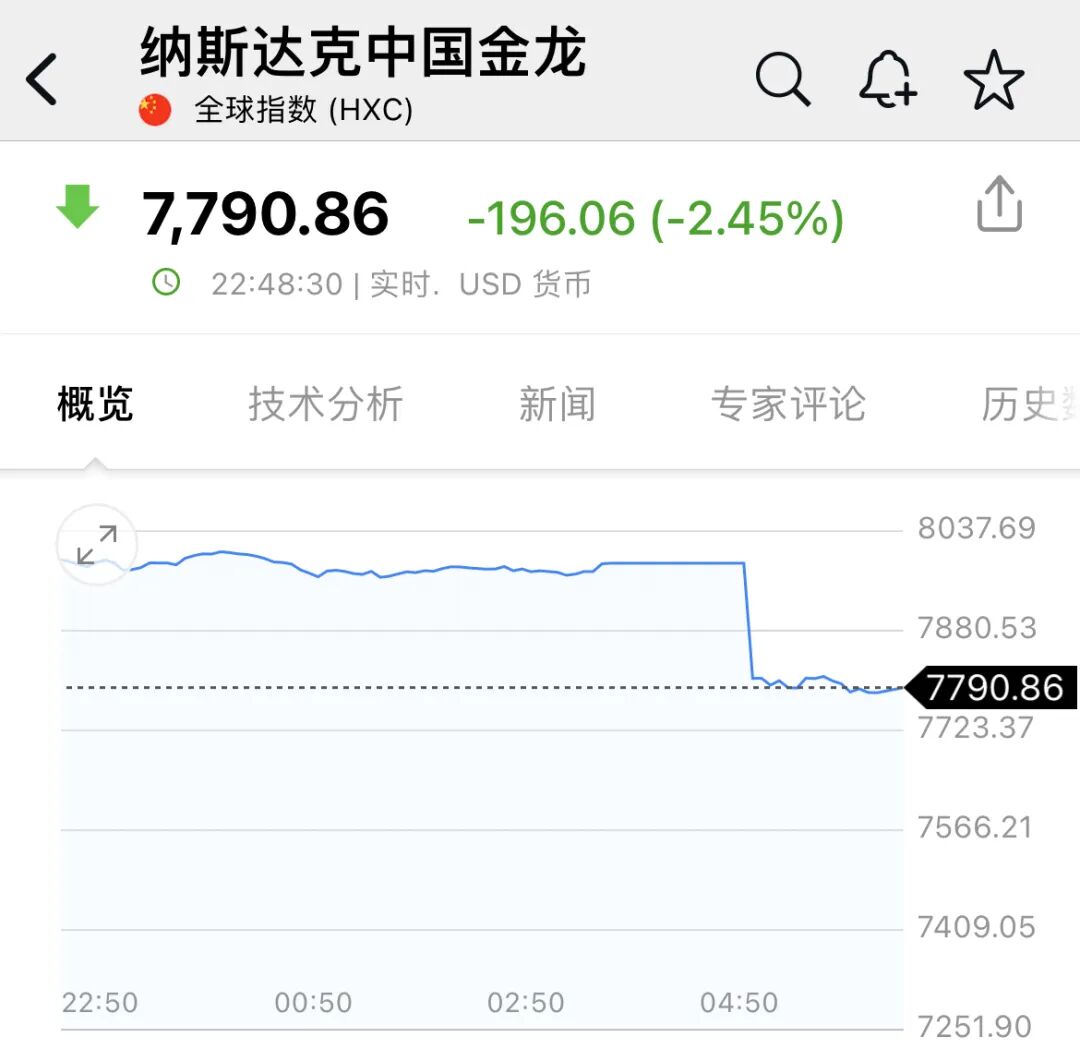
深夜,中概股下挫!
Zheng Quan Shi Bao· 2025-08-27 15:19
Group 1 - The Nasdaq China Golden Dragon Index has dropped over 2% [1] - Meituan's ADR fell over 9% after the release of its Q2 earnings report, which showed revenue of 91.84 billion RMB, a year-on-year increase of 11.7%, but below the expected 93.69 billion RMB [3] - Meituan's adjusted net profit for Q2 was 1.49 billion RMB, a significant decline of 89% year-on-year, compared to the expected 9.85 billion RMB [3] - The core local commerce segment of Meituan saw a revenue increase of 7.7% year-on-year to 65.3 billion RMB, but operating profit dropped 75.6% to 3.7 billion RMB due to irrational competition [3] - The operating profit margin for Meituan decreased by 19.4 percentage points to 5.7% [3] - The new business segment of Meituan reported an expanded operating loss of 1.9 billion RMB due to overseas expansion [3] - Other Chinese stocks such as Li Auto, JD.com, and Alibaba also experienced declines, with Li Auto down over 5%, JD.com down over 3%, and Alibaba down over 2% [3] Group 2 - The three major U.S. stock indices opened lower but saw slight gains, with the Dow Jones up 0.21%, S&P 500 up 0.17%, and Nasdaq Composite up 0.16% [3] - Recent U.S. economic data supports a cautious view on inflation but undermines confidence in employment [3] - The Producer Price Index (PPI) in July recorded the largest increase in three years, indicating that companies are starting to raise prices to offset rising costs [3] - Some Federal Reserve officials are concerned that the impact of tariffs may persist into next year [3] - The U.S. Bureau of Labor Statistics revised down the number of new jobs added over the past three months, indicating a weak labor market [4] - The hiring rate has dropped to the lowest level since the pandemic, with the unemployment rate rising to 4.2% [4] - A new employment report and additional inflation data will be available before the mid-September meeting of decision-makers [4]

海外札记:降息按下快进键
Orient Securities· 2025-08-27 06:23
Group 1: Monetary Policy Insights - The Jackson Hole summit released unexpectedly dovish signals from the Federal Reserve, leading to a significant market rebound post-meeting[33] - There is a high probability of a rate cut in September, as Powell emphasized the trend of employment risks outweighing inflation risks[33] - The market's pricing for a September rate cut peaked at 100% after disappointing non-farm payroll data, later adjusting to around 75% before the meeting[19] Group 2: Market Reactions and Predictions - Following the dovish signals, asset prices across various categories, including stocks, bonds, and commodities, are expected to rise due to lower risk-free rates and increased risk appetite[19] - The A-share market led gains with the Sci-Tech 50 index rising by 13.3% during the period from August 16 to August 23[35] - The outlook for mid-term monetary easing remains positive, with expectations for further rate cuts in Q4 2025 and into 2026, driven by weakening inflation and economic risks[34] Group 3: Economic Indicators and Risks - The three-month moving average for non-farm payrolls has dropped to 35,000, the lowest since the pandemic began, indicating a slowdown in the job market[24] - The manufacturing PMI for August rose to 53.3, significantly above the expected 49.5, suggesting a recovery in business activity despite ongoing price pressures[41] - Risks include uncertainties in economic fundamentals, tariff policies, and geopolitical tensions, which could impact market sentiment and economic performance[43]
社保“新规”,打破了一个潜规则
3 6 Ke· 2025-08-27 03:39
Core Viewpoint - The recent news regarding the implementation of new social insurance regulations on September 1 has been widely misinterpreted, leading to public concern. The actual change is a judicial interpretation aimed at clarifying existing laws rather than introducing new mandatory requirements for social insurance contributions [1][18]. Summary by Relevant Sections Social Insurance Policy Interpretation - China's social insurance contribution requirements have been clearly established since the Labor Law of 1995, which mandates both employers and employees to participate in social insurance [2]. - The Social Insurance Law of 2011 further specifies that employees must participate in various types of insurance, reinforcing the mandatory nature of social insurance contributions for standard employment relationships [2]. Judicial Interpretation and Its Implications - The recent judicial interpretation by the Supreme People's Court aims to eliminate existing "hidden rules" in the execution of social insurance, where some employers have previously avoided their obligations [3]. - The interpretation states that any agreement between employers and employees to waive social insurance contributions is invalid, thus protecting workers' rights and clarifying legal standards for labor disputes [3][6]. Challenges in Social Insurance Implementation - Despite the legal framework, challenges persist, including low participation rates among small and medium-sized enterprises, inaccurate contribution bases, and insufficient coverage for flexible employment workers [5]. - The judicial interpretation may help address disputes by establishing clearer responsibilities for employers regarding social insurance contributions, thereby enhancing the authority of the social insurance system [5][6]. International Experience in Social Insurance - Comparisons with international systems, such as the U.S. and Germany, highlight potential areas for improvement in China's social insurance framework, including the introduction of market mechanisms and better alignment of benefits with contributions [7][9]. - The Swedish model emphasizes comprehensive coverage but also faces challenges related to fiscal sustainability, suggesting that China should balance welfare expansion with financial viability [9]. Current Employment Market Context - The employment landscape in China is complex, with a mix of job growth and challenges, including structural mismatches between job seekers and available positions in emerging industries [10][11][13]. - The new social insurance regulations could have dual effects: promoting compliance among employers while potentially increasing costs for small businesses, which may impact hiring practices in the short term [15][17]. Recommendations for Implementation - To mitigate the potential negative impacts of the new regulations on employment, the government should consider support measures for small businesses, such as tax incentives and financial assistance [17]. - Enhancing vocational training and aligning skills development with market needs will be crucial for improving labor competitiveness and addressing structural employment issues [17].

金价回调,是陷阱还是馅饼?周五这场风暴或决定一切!
Sou Hu Cai Jing· 2025-08-26 07:05
Core Viewpoint - Gold prices experienced a slight pullback after reaching a two-week high, influenced by the uncertainty surrounding the Federal Reserve's interest rate decisions and a strong rebound in the US dollar [1][3][4] Group 1: Gold Price Movements - On August 25, gold prices fell to $3365.55 per ounce, a decrease of approximately 0.18% from the previous week [1] - The price further declined to $3351.97 per ounce on August 26, reflecting market caution ahead of key economic data [1][3] - The recent high in gold prices was driven by increased expectations of a rate cut by the Federal Reserve, which saw a probability rise to over 84% [3] Group 2: Dollar Influence - The US dollar index rose by 0.49% to 98.32, marking the largest single-day increase since July 30, which negatively impacted gold prices [4] - The dollar's strength is attributed to a reassessment of Fed Chair Powell's dovish comments and traders hedging against the risk of unchanged interest rates [4][5] - A year-to-date decline of over 9% in the dollar index had previously supported a bullish trend in gold, but the recent rebound has weakened gold demand [5] Group 3: Economic Data Impact - The upcoming Personal Consumption Expenditures (PCE) report is critical, with expectations of core inflation rising to 2.9%, the highest since the end of 2023 [6][7] - If PCE data exceeds expectations, it may challenge the urgency for rate cuts, further pressuring gold prices [7] - Conversely, a slowdown in inflation could reinforce easing expectations, potentially boosting gold [7] Group 4: Geopolitical and Market Dynamics - Geopolitical factors, such as US-China trade tensions, are influencing market sentiment and could elevate gold's safe-haven premium [8] - Rising US Treasury yields and a downturn in the stock market are creating competitive pressure on gold, as higher yields enhance the appeal of interest-bearing assets [8][9] - The stock market's recent correction, particularly in essential consumer goods and healthcare sectors, reflects economic slowdown concerns, which may indirectly support gold's mid-term rebound [9] Group 5: Investment Strategy - Despite the short-term decline in gold prices, the foundation for rate cut expectations remains intact, with PCE and non-farm payroll reports poised to be pivotal [10] - Investors are advised to consider accumulating long positions on dips while diversifying risks into related assets like euros or government bonds [10]

鲍威尔一席话,全球市场屏息以待:逐帧解读美联储9月降息信号
Sou Hu Cai Jing· 2025-08-25 05:40
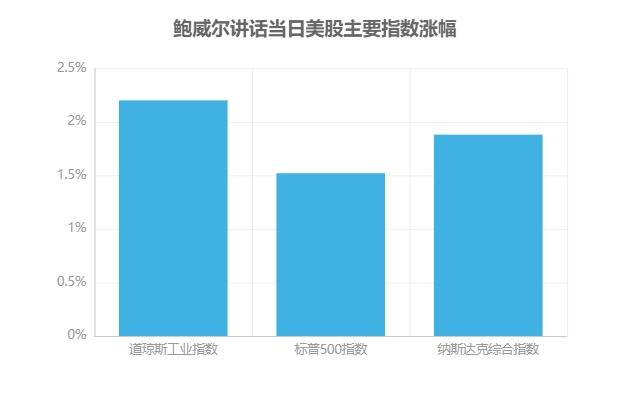
就在上周五(8月22日),美联储主席鲍威尔在杰克逊霍尔全球央行年会上的讲话,彻底点燃了全球市 场的狂欢按钮——道琼斯工业指数单日飙升2.2%创下历史新高,标普500指数上涨1.52%,纳斯达克综 合指数也大涨1.88%,连一向对政策敏感的2年期美债收益率都直线跳水近10个基点至3.69%,美元指数 更是单日下挫0.94%! 这一切的引爆点,正是鲍威尔那句"风险平衡的转变可能需要调整政策立场"的表态。要知道,就在讲话 前一天(8月21日),美股还在五连跌的阴霾里——标普500指数连跌五天,纳指三连跌,市场都在屏息 等待这场"央行界春晚"的信号。结果话音刚落,利率期货市场瞬间把9月降息25个基点的概率从75%飙 升到了91.3%,几乎笃定"降息大局已定"。 今天我们就来拆解这场狂欢背后的关键问题: 1. 鲍威尔的讲话究竟释放了哪些"鸽派密码"? 2. 为什么市场会如此激进地押注9月降息? 3. 当美股、债市、黄金集体上涨的狂欢过后,又有哪些被忽略的风险信号? 毕竟,从历史规律看,美联储政策转向从来不是单向直线——这次"风险平衡的转变",真的会如市场所 愿开启降息周期吗?狂欢之下,或许藏着更值得警惕的答案。 鲍威尔 ...

大局已定!美联储9月份将开启降息,全球资产迎来巨变?
Sou Hu Cai Jing· 2025-08-25 04:27
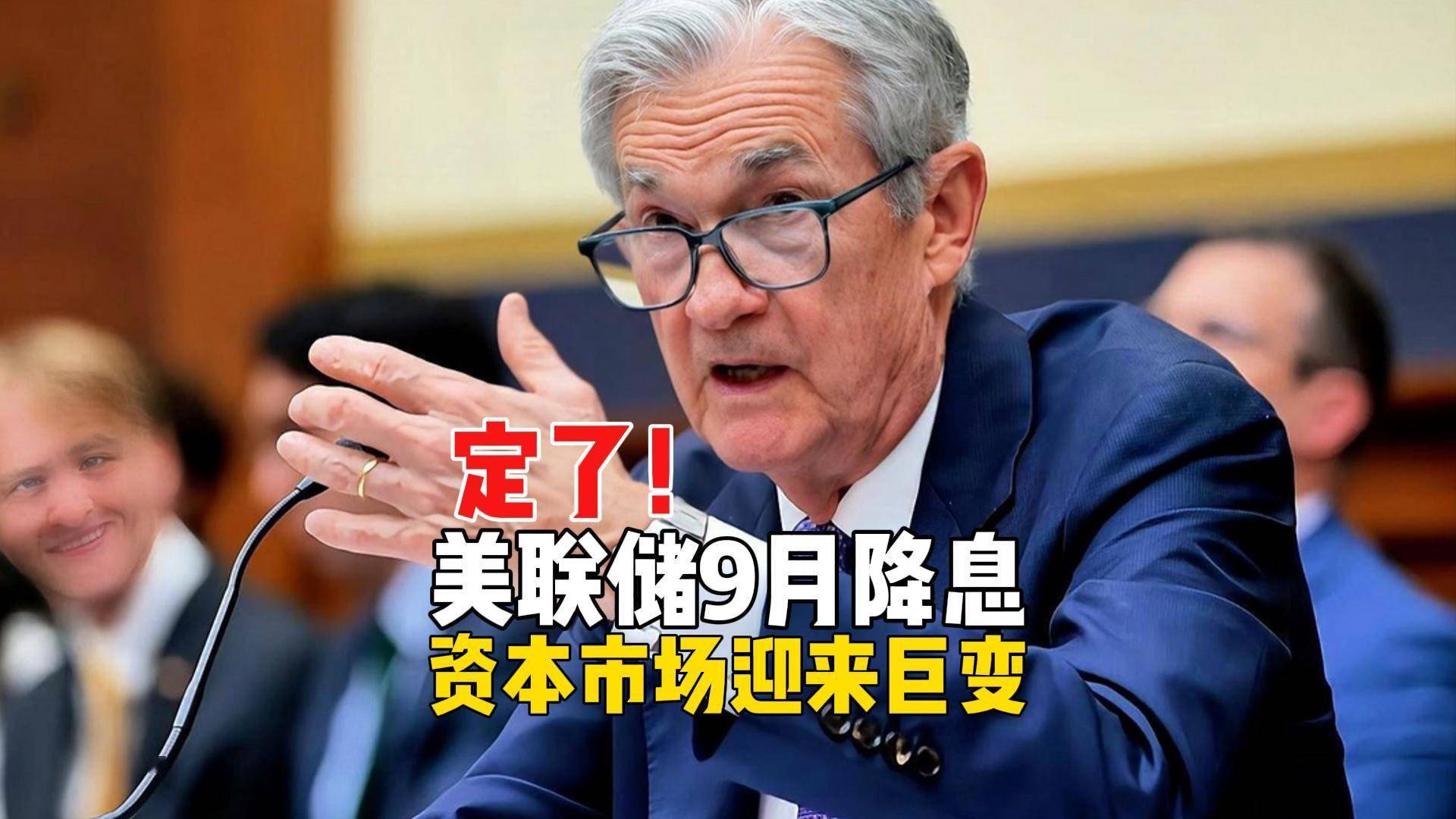
Group 1 - The core viewpoint is that the Federal Reserve is likely to cut interest rates in September, marking a significant shift towards a global low-interest-rate environment, which will have substantial impacts on various asset classes including U.S. Treasuries, gold, foreign exchange, and China's real estate and stock markets [2][5][11] - Powell's recent statements indicate a pivot from a hawkish to a dovish stance, suggesting that the Fed may prioritize employment concerns over inflation, leading to a near certainty of a rate cut in September [5][9] - The change in Powell's position is attributed to two main factors: continuous pressure from President Trump and alarming employment data that revealed a significant slowdown in job growth, prompting the Fed to reconsider its monetary policy [7][9] Group 2 - The market reacted positively to the news of a potential rate cut, with major U.S. stock indices and gold prices experiencing significant increases, indicating a bullish sentiment in global capital markets [4][11] - The anticipated 25 basis point rate cut in September is expected to further devalue the U.S. dollar, which could stimulate global economic recovery and encourage capital to flow into emerging markets [11][12] - The historical context of the Fed's previous rate cuts in September 2018 suggests that a similar response from China could follow, potentially leading to a series of economic stimulus measures that would enhance growth prospects [14][15]
国泰君安期货商品研究晨报:黑色系列-20250825
Guo Tai Jun An Qi Huo· 2025-08-25 03:21
Report Industry Investment Ratings - No industry investment ratings are provided in the report. Core Views - Iron ore's short - term valuation is still supported by macro and micro factors [2][4]. - Rebar, hot - rolled coil, ferrosilicon, silicomanganese, coke, and coking coal are expected to have wide - range fluctuations [2][7][8][12][15]. - Logs are expected to fluctuate repeatedly [2][18]. Summaries by Related Catalogs Iron Ore - **Fundamental Data**: Futures price closed at 770 yuan/ton, down 2.5 yuan or 0.32%, and the position increased by 1,051 lots to 452,625 lots. Imported ore prices generally declined, and some domestic ore prices remained stable. Basis and spreads had various changes [4]. - **Macro and Industry News**: Activity at the SimFer mine site is suspended due to a fatal incident. Fed Chair Powell indicated a possible September rate cut [5]. - **Trend Intensity**: The trend intensity is 2, indicating a strong bullish view [6]. Rebar and Hot - Rolled Coil - **Fundamental Data**: Rebar RB2510 closed at 3,119 yuan/ton, down 11 yuan or 0.35%, with a position decrease of 46,508 lots. Hot - rolled coil HC2510 closed at 3,361 yuan/ton, down 29 yuan or 0.86%, with a position decrease of 49,335 lots. Spot prices mostly declined, and basis and spreads also changed [8]. - **Macro and Industry News**: In the week of August 21, rebar production decreased by 5.8 tons, hot - rolled coil production increased by 9.65 tons. In July, national crude steel production was 79.66 million tons, down 4.0% year - on - year [9][10]. - **Trend Intensity**: The trend intensity for both rebar and hot - rolled coil is 0, indicating a neutral view [10]. Ferrosilicon and Silicomanganese - **Fundamental Data**: Ferrosilicon 2511 closed at 5,642 yuan/ton, up 4 yuan. Silicomanganese 2511 closed at 5,820 yuan/ton, unchanged. Spot prices and various spreads had different changes [12]. - **Macro and Industry News**: On August 22, silicon 72 and 75 prices in different regions were reported, and silicon manganese 6517 prices decreased. From January to July, the average monthly import of South African manganese ore increased by 6.71% year - on - year [13]. - **Trend Intensity**: The trend intensity for both ferrosilicon and silicomanganese is 0, indicating a neutral view [14]. Coke and Coking Coal - **Fundamental Data**: Coking coal JM2601 closed at 1,162 yuan/ton, up 15 yuan. Coke J2601 closed at 1,678.5 yuan/ton, up 14.5 yuan. Spot prices and basis had various changes [15]. - **Macro and Industry News**: Fed Chair Powell indicated a possible September rate cut [16]. - **Trend Intensity**: The trend intensity for both coke and coking coal is 0, indicating a neutral view [17]. Logs - **Fundamental Data**: The 2509 contract's closing price decreased by 0.4% daily and 1.2% weekly. The 2511 contract's trading volume increased by 49.2% daily and 70% weekly. Spot prices of most log types remained stable [19]. - **Macro and Industry News**: Fed Chair Powell indicated a possible September rate cut [21]. - **Trend Intensity**: The trend intensity is 1, indicating a moderately bullish view [21].
综述丨鲍威尔暗示降息 通胀就业难平衡
Xin Hua Wang· 2025-08-24 01:58
Group 1 - Federal Reserve Chairman Jerome Powell hinted at potential interest rate cuts in the coming months despite rising inflation risks, indicating a need to adjust monetary policy based on economic outlook and risk balance [1] - The Chicago Mercantile Exchange's FedWatch tool showed that market expectations for a rate cut in September rose to nearly 90% following Powell's remarks, interpreted as dovish signals by many institutions [1] - Powell emphasized that monetary policy does not have a preset path and decisions will be based entirely on data assessments, making the upcoming employment and consumer price index data critical for September's monetary policy [1] Group 2 - The U.S. job market showed signs of cooling in July, with the unemployment rate rising by 0.1 percentage points to 4.2%, and non-farm payrolls adding only 73,000 jobs, below the expected 110,000 [2] - Core Consumer Price Index (CPI) rose by 3.1% year-on-year in July, significantly above the Federal Reserve's 2% target, indicating persistent inflationary pressures [2] - Some Federal Reserve officials expressed skepticism about rate cuts, citing that inflation remains above the target and that more data is needed to support a decision for a September rate cut [2] Group 3 - President Trump has repeatedly pressured Powell to cut rates, stating there is no inflation risk and that the Fed should act immediately, expressing dissatisfaction with the current monetary policy [3] - Following Powell's speech, major U.S. stock indices rose over 1%, the dollar index fell by 0.8%, and the yield on 10-year U.S. Treasury bonds dropped by over 7.5 basis points to 4.256% [3]
综述丨鲍威尔暗示降息 通胀就业难平衡
Sou Hu Cai Jing· 2025-08-23 17:10
来源:滚动播报 但鲍威尔同时强调,货币政策没有预设路径,联邦公开市场委员会成员将完全基于对数据的评估,以及 这些数据对经济前景和风险平衡的影响来作出决策。这意味着8月非农就业和消费者价格指数数据将成 为9月货币政策的关键变量。 通常来说,高通胀要求美联储保持高利率,而就业市场放缓将推动其降低利率。但观察人士认为,尽管 就业市场疲软与政治压力构成降息推力,但通胀黏性与政策滞后效应使美联储倾向于"以时间换空间", 今年以来在货币政策方面一直"按兵不动"。 美国就业市场7月明显降温。美国劳工部8月份公布的数据显示,7月美国失业率环比升高0.1个百分点至 4.2%,当月非农业部门新增就业岗位7.3万,表现逊于市场预期的11万。 美国7月份通胀压力维持6月份以来的上升势头,剔除波动较大的食品和能源价格后,7月份核心消费者 价格指数同比上涨3.1%,远高于美联储制定的2%目标。 在美联储内部,降息信号引来质疑。圣路易斯联储银行行长阿尔伯托·穆萨莱姆22日表示,目前美国通 胀高于美联储2%的目标,就业市场的风险也尚未真正到来,在决定支持美联储9月降息之前,需要更多 数据支撑。 克利夫兰联储银行行长哈马克22日接受美国电视新 ...
鲍威尔暗示降息 通胀就业难平衡
Xin Hua She· 2025-08-23 12:22
Group 1 - Federal Reserve Chairman Jerome Powell indicated a potential interest rate cut in the coming months despite rising inflation risks [1] - The Chicago Mercantile Exchange's FedWatch tool showed nearly 90% market expectation for a rate cut in September following Powell's speech [1] - Powell emphasized that monetary policy decisions will be based on data assessments, making upcoming employment and consumer price index data critical for September's policy [1] Group 2 - The U.S. labor market showed signs of cooling in July, with the unemployment rate rising by 0.1 percentage points to 4.2% and non-farm payrolls adding only 73,000 jobs, below the expected 110,000 [2] - Core Consumer Price Index (CPI) rose by 3.1% year-on-year in July, significantly above the Fed's 2% target, indicating persistent inflationary pressures [2] - Some Federal Reserve officials expressed skepticism about rate cuts, citing ongoing inflation concerns and the need for more data before supporting a September rate reduction [2]