货币政策

Search documents
LPR连续9月不变,降息或在两会后?
Sou Hu Cai Jing· 2026-02-24 02:13
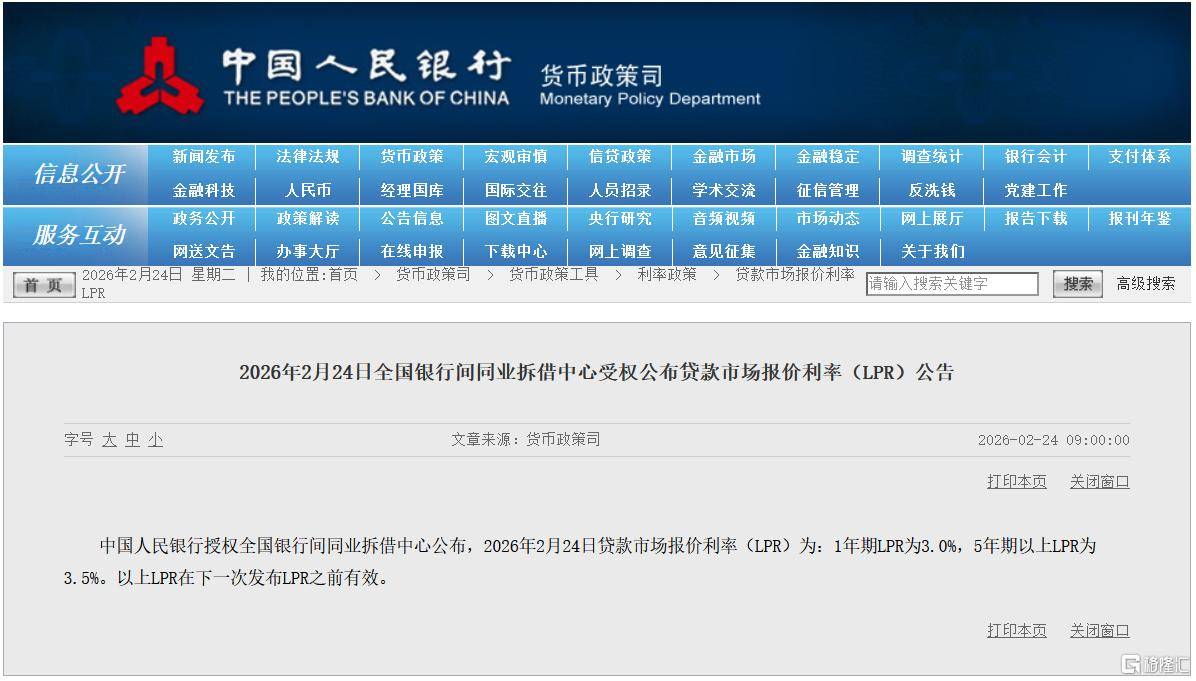
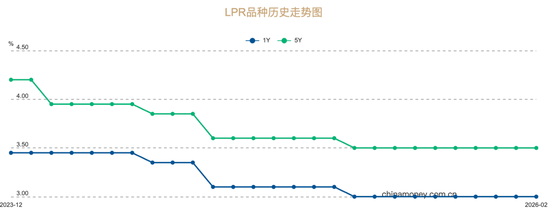
Core Viewpoint - The People's Bank of China (PBOC) has maintained the Loan Prime Rate (LPR) unchanged for the ninth consecutive month, with the 1-year LPR at 3.0% and the 5-year LPR at 3.5% as of February 24, 2026 [1][4]. Group 1: LPR Stability - The LPR remains unchanged primarily due to the stability of the 7-day reverse repurchase rate, which has not changed since May of the previous year, indicating no adjustments to the LPR this month [4][5]. - The last adjustment to the LPR occurred in May 2025, when both the 1-year and 5-year LPRs were reduced by 10 basis points [4]. Group 2: Reasons for Maintaining LPR - Three main reasons for the unchanged LPR include: 1. The stability of the PBOC's 7-day reverse repurchase rate, which serves as the pricing anchor for the LPR [5]. 2. Commercial banks' net interest margins are at historical lows, leading to cautious pricing by banks to maintain operational stability [5]. 3. A shift in policy tools, with the PBOC favoring structural interest rate cuts over broad-based measures for targeted adjustments [5]. Group 3: Future Rate Adjustments - Despite the current stability of the LPR, there is potential for future rate cuts, as indicated by PBOC officials who suggest that there is room for further reductions in reserve requirement ratios and interest rates [5][6]. - The average statutory deposit reserve ratio is currently at 6.3%, suggesting conditions for further cuts [6]. - Analysts predict that the interest rate cut cycle may continue into 2026, with expectations of two 10 basis point cuts and possibly a 20 basis point reduction [6][7].

LPR连续9个月不变
Xin Lang Cai Jing· 2026-02-24 01:45
Core Viewpoint - The latest Loan Prime Rate (LPR) remains unchanged for both the 5-year and 1-year terms, maintaining at 3.5% and 3% respectively for nine consecutive months, indicating a stable monetary policy environment [1][4]. Group 1: LPR Stability - The 5-year LPR is set at 3.5% and the 1-year LPR at 3%, both unchanged for nine months [1][4]. - Despite the current stability, there is potential for LPR reduction within the year due to various internal and external factors [3][7]. Group 2: Factors Influencing Future LPR Changes - Internal factors include the maturity of a significant amount of fixed-term deposits since 2022, which will lower banks' funding costs, and the likelihood of a reserve requirement ratio (RRR) cut by the central bank [3][7]. - The average RRR for financial institutions is currently at 6.3%, indicating room for further cuts [5]. - External factors include multiple interest rate cuts by the Federal Reserve since 2025, which may ease the constraints on domestic monetary policy [3][7]. Group 3: Monetary Policy Outlook - The central bank's monetary policy toolbox is becoming more diverse, allowing for more effective management of short-term market fluctuations, with a trend towards gradual policy adjustments [5]. - In the context of significant liquidity gaps, measures such as RRR cuts and interest rate reductions will still be necessary to support the economy [5].
2月LPR报价维持不变,业内解读来了
Sou Hu Cai Jing· 2026-02-24 01:45
Group 1 - The People's Bank of China (PBOC) announced that the Loan Prime Rate (LPR) for one year remains at 3.0% and for five years and above at 3.5%, unchanged for nine consecutive months [1] - The stability in LPR is attributed to the unchanged policy interest rates and a lack of motivation for banks to lower LPR due to historical low net interest margins [1] - The macroeconomic environment is supported by strong exports and rapid development in high-tech manufacturing, allowing the economy to meet growth targets despite external pressures [1] Group 2 - In January 2026, the central bank plans to implement a package of structural monetary policies to support key sectors like technology and small enterprises, indicating a period of observation for monetary policy [2] - High-frequency data suggests that exports will remain strong in Q1 2026, supporting the current monetary policy stance [4] - There is a potential for comprehensive policy rate cuts in Q2 2026 to stimulate consumption and investment, especially in response to external demand slowdown [4] - The regulatory body may guide a significant reduction in the five-year LPR to alleviate high mortgage rates and stimulate housing demand [4][5]

人民币资产吸引力 有望持续增强
Sou Hu Cai Jing· 2026-02-23 22:10
Group 1 - The economic policy direction in 2026 is shifting from extraordinary counter-cyclical adjustments in 2025 to a balance of counter-cyclical and cross-cyclical adjustments, with macro policies expected to maintain necessary support to prevent a rapid decline in economic growth [1] - Significant fiscal investments are anticipated in major projects under the "14th Five-Year Plan" to stabilize investment, reversing the decline in infrastructure investment observed last year [1] - Local governments are expected to optimize expenditure structures and implement income increase plans for urban and rural residents, enhancing social security investments for low-income groups and promoting equal access to basic public services [1] Group 2 - The strong renminbi policy has taken shape, with expectations for authorities to actively promote the internationalization of the renminbi this year, expanding its use in international trade, investment, financing, foreign exchange transactions, and commodity pricing [2] - The renminbi's exchange rate is expected to remain strong, supported by economic fundamentals and external competitiveness [2]
美联储“大鸽派”沃勒感叹:美国经济,看不懂!
Sou Hu Cai Jing· 2026-02-23 19:00
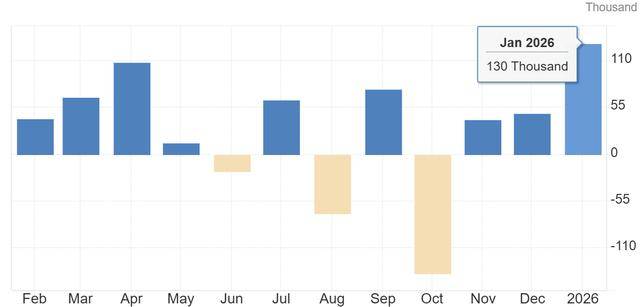
智通财经2月24日讯(编辑 史正丞)当地时间周一,美联储理事克里斯托弗·沃勒州长在第42届全国商业 经济学会(NABE)经济政策年会上发表讲话,期间对他的鸽派立场进行些许修正,同时强调美国经济 数据正表现出令人困惑的反差。 但他也强调,美国经济目前传递出来的信号是矛盾的,连他自己都感到困惑。 沃勒指出,总体而言,美国当前可能正处在一个货币政策制定极为棘手的阶段。"这是我职业生涯、甚 至人生中第一次看到这样一种情况:经济在增长,但就业零增长,"他说,"我甚至不知道该如何去理 解,因为我从未见过这种局面。" 他认为,今年要么就业增长会重新出现,要么"我们正处在一个我此生从未见过的经济活动阶段"。他 说:"总有些东西必须被纠正。" 基于1月非农就业报告中的例行年度修正,美国2025年全年新增的非农就业数据只有18.1万个,折合每 月仅为1.5万。考虑到修订数据仅涵盖前3个月,按照美国就业数据"虚高"的惯例,后面9个月的数字很 有可能在明年初迎来一波大幅下修。 沃勒警告称,2025年的就业创造异常疲弱,是自2002年以来、除经济衰退时期外最弱的一年。如果最终 数据修订至负数,将会是1945年以来第三次发生这种情况,因 ...
FXTRADING 经济数据汇总:德国企业信心回暖,欧洲央行稳预期,英国央行转向宽松与美联储趋于谨慎
Sou Hu Cai Jing· 2026-02-23 17:35
Group 1: Germany's Economic Outlook - The Ifo Business Climate Index for Germany improved to 88.6 in February, exceeding market expectations and showing significant improvement from the previous value [2] - The evaluation of current business conditions saw a notable increase, indicating a better perception of the economic environment among companies [2] - The future expectations index rose slightly, suggesting a cautious optimism in market sentiment, although the recovery remains uneven, particularly in the trade sector [2] Group 2: European Central Bank's Policy Stance - The President of the European Central Bank (ECB) reaffirmed the commitment to complete her term, aiming to reduce uncertainty amid ongoing economic recovery [4] - Inflation has returned to target levels, and the labor market remains robust with low unemployment rates, indicating gradual improvement in economic fundamentals [4] - The ECB is focused on maintaining policy continuity and predictability, with no significant changes expected in monetary policy direction in the short term [4] Group 3: Bank of England's Policy Shift - Officials from the Bank of England have indicated a shift towards a more accommodative stance, as inflation risks are transitioning from persistent to downward pressure [6] - Weakening demand and a cooling labor market are reducing the support for prices, suggesting potential risks of inflation falling below target levels [6] - The current interest rate is viewed as still tight, with expectations of two to three rate cuts needed to return to a neutral stance [6] Group 4: Federal Reserve's Observational Approach - Recent strong employment data has led Federal Reserve officials to adopt a more positive outlook on the economy, reducing the risk of a rapid economic slowdown [8] - The Fed emphasizes that single-month data does not represent a trend, and further observation of employment, inflation, and consumption data is necessary before making policy decisions [8] - In the short term, the Fed is likely to maintain interest rates, which may help sustain the resilience of the dollar and keep global market liquidity relatively tight [8]
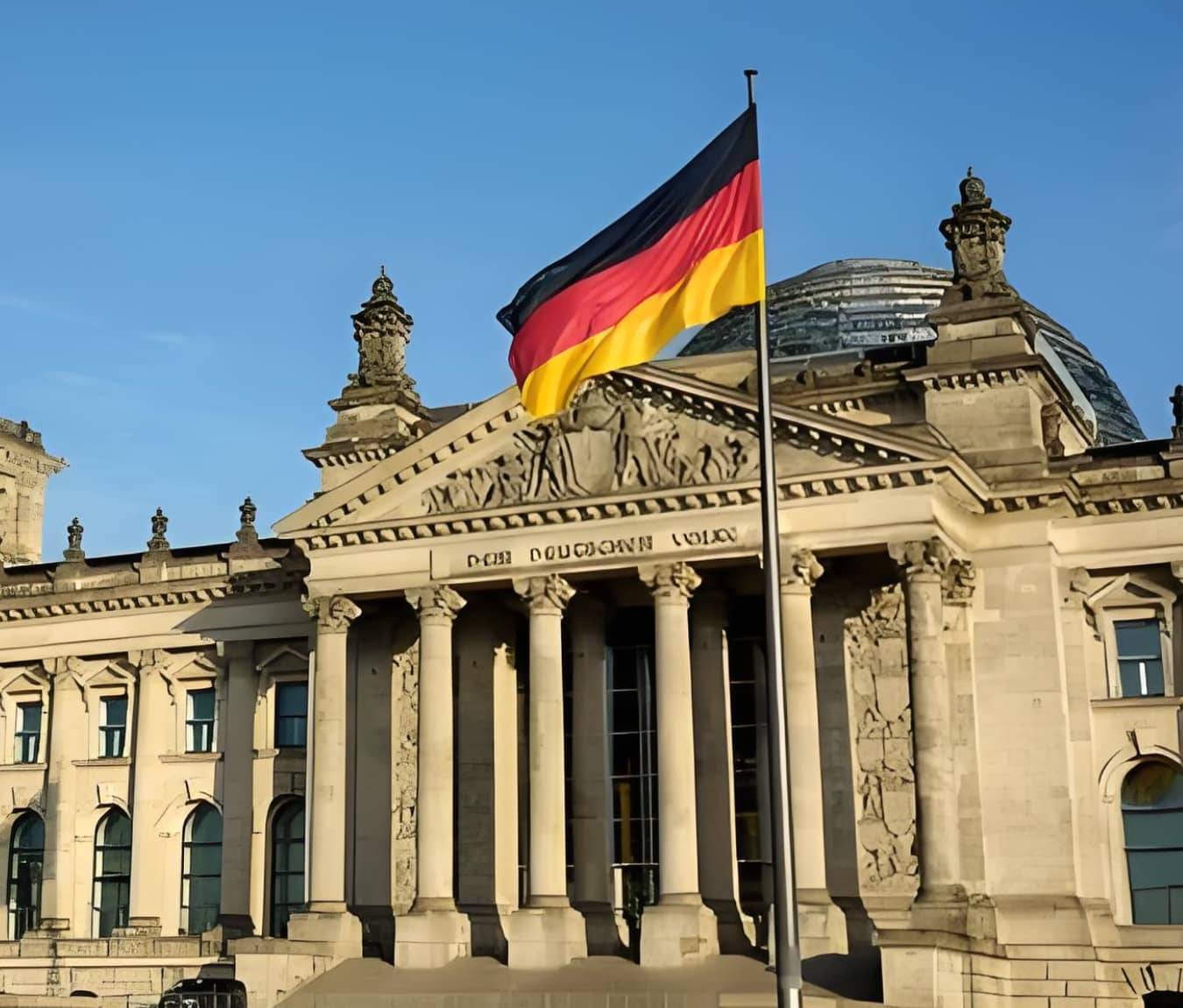
两会前瞻:坚持扩大内需,推动科技创新
Western Securities· 2026-02-23 14:00
Economic Outlook - The 2026 National People's Congress (NPC) is expected to set the economic growth target at around 5%[9] - The Consumer Price Index (CPI) target for 2026 is anticipated to remain at approximately 2%[9] - The fiscal deficit rate is likely to be maintained at around 4%[12] Monetary Policy - The monetary policy will remain flexible, with potential for interest rate cuts and reserve requirement ratio (RRR) reductions depending on economic growth and inflation trends[15] - The central bank's actions in 2025 included a 0.1 percentage point cut in the 7-day reverse repurchase rate and a 0.5 percentage point reduction in the RRR[15] Domestic Demand and Innovation - Expanding domestic demand and boosting consumption are prioritized government tasks for 2026[16] - The government aims to promote technological innovation and the development of artificial intelligence as key focuses for the year[22] Risks - Potential risks include macroeconomic policies falling short of expectations, a downturn in the real estate market, and escalating geopolitical tensions[36]
马年春节前后部分重要新闻一览
Xin Lang Cai Jing· 2026-02-23 12:31
Group 1 - In January, non-bank deposits increased by 2.56 trillion yuan year-on-year, with household deposits decreasing by 3.39 trillion yuan [1] - The increase in non-financial enterprise deposits was 2.61 trillion yuan, while household deposits rose by 2.13 trillion yuan [1] - Analysts attribute these trends to the impact of the Spring Festival and a shift in household savings behavior [1] Group 2 - On February 18, Takashi Suga was elected as Japan's 105th Prime Minister, forming a new cabinet with all previous members retained [2] - Suga was previously elected as the president of the Liberal Democratic Party on October 4 and became Prime Minister on October 21 [2] - The House of Representatives was dissolved following a cabinet meeting on January 23 [2] Group 3 - Su Yiming won the first gold medal for the Chinese delegation at the Milan Winter Olympics in men's snowboard slopestyle with a score of 82.41 [3] Group 4 - The Federal Reserve's January meeting minutes revealed significant internal divisions regarding future monetary policy directions, despite a consensus to maintain the current interest rate [4] - Most officials warned that the process of bringing inflation back to the 2% target may be slower and more uneven than expected [4] Group 5 - Samsung Electronics is negotiating prices for its next-generation AI high-bandwidth memory chips, with quotes rising by up to 30% compared to the previous generation [5] - This price increase has drawn significant attention from the global semiconductor supply chain [5] - Analysts suggest that ongoing supply constraints and technological barriers are allowing leading manufacturers to regain pricing power in the high-end market [5] Group 6 - President Trump announced an increase in the "global import tariff" rate from 10% to 15%, effective immediately [6] - This decision follows a Supreme Court ruling that limited the president's authority to impose large-scale tariffs under the International Emergency Economic Powers Act [6] Group 7 - In 2026, China's annual box office revenue surpassed 80 billion yuan, ranking first globally among single markets [7] - The total box office for the Spring Festival has exceeded 54 billion yuan, with top films including "Fast Life 3" and "Silent Awakening" [7]
韩国央行(BOK)再次呼吁由商业银行主导韩元稳定币发行
Xin Lang Cai Jing· 2026-02-23 11:26
Core Viewpoint - The Bank of Korea (BOK) emphasizes the need for commercial banks to lead the issuance of the Korean won stablecoin, warning that private issuance could undermine monetary policy effectiveness and pose risks to foreign exchange and financial stability [1] Group 1: Central Bank's Position - BOK refers to the Korean won stablecoin as a "quasi-currency substitute" and states that its launch must consider monetary policy and foreign exchange stability [1] - The central bank expresses concerns that stablecoins could be used to circumvent foreign exchange reporting requirements [1] Group 2: Regulatory Recommendations - The report suggests prioritizing the issuance of stablecoins by banks that are subject to capital and compliance regulations [1] - The BOK indicates that any decision to allow non-bank entities to issue stablecoins should be gradually implemented following a risk assessment [1]
黄金多头强势回归,牛回来了吗?
Sou Hu Cai Jing· 2026-02-23 07:02
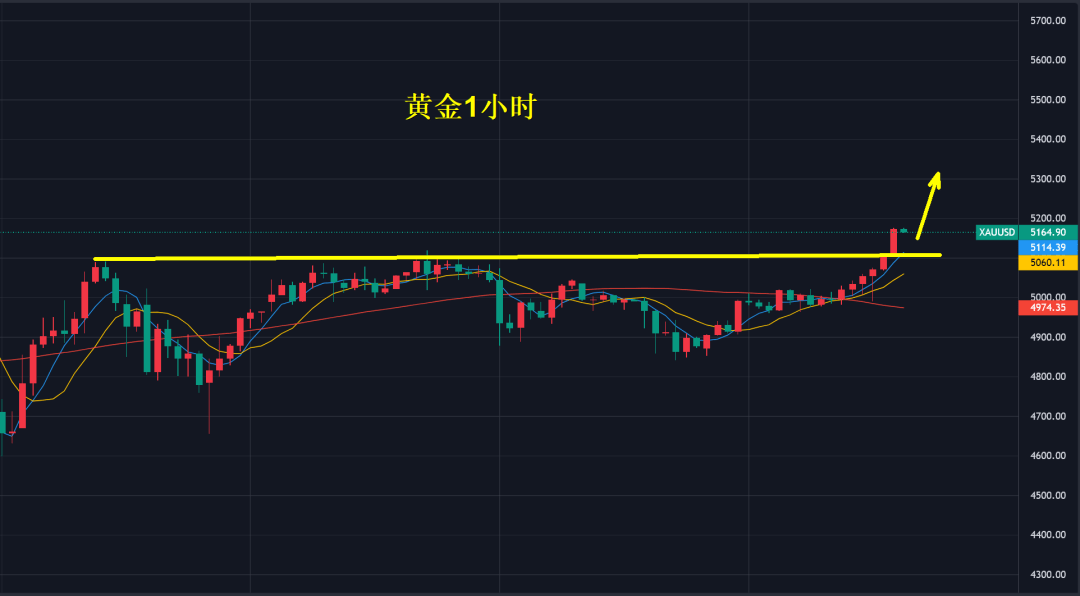
Core Viewpoint - Trump's announcement of increasing tariffs on imported goods from 10% to 15% has sparked significant market reactions and legal challenges from businesses, highlighting the impact of his unilateral actions on market sentiment and behavior [2][3]. Market Impact - The market's focus is not on the legality of Trump's actions but rather on the implications and consensus surrounding them. The prevailing sentiment is that Trump's tendency to operate outside traditional norms is expected and even welcomed by him [2]. - Market reactions are driven by three main factors: the anticipation of events rather than their outcomes, the prevailing fear and concern over geopolitical risks, and the emotional consensus that forms around market trends [3]. Gold Market Analysis - Following Trump's announcement, gold and silver prices experienced a significant jump, with gold reaching $5,180, breaking through previous resistance levels of $5,100-$5,120, indicating a bullish trend [5]. - The technical outlook for gold suggests that after breaking the $5,100 resistance, the next target levels are $5,250-$5,300, and subsequently $5,400. The market is expected to maintain a bullish stance, with support levels identified around $5,120-$5,130 and $5,150 for potential buying opportunities [7].