全球产业链

Search documents
AI浪潮来了!易方达:用全球视野找产业链隐形冠军
Sou Hu Cai Jing· 2025-09-27 13:08
Core Insights - The AI wave has significantly impacted the stock market, with companies like Cambricon Technologies experiencing a dramatic surge in stock price and revenue, indicating a broader industry boom [1][3] - Public funds have seen substantial gains, with the Wande equity fund index rising by 31% this year, outperforming the CSI 300 index [3][6] - The investment strategy emphasizes a global perspective, highlighting the importance of identifying "invisible champions" within the global supply chain [3][5] Company Performance - Cambricon Technologies reported a staggering 43-fold increase in revenue to 2.88 billion yuan and a net profit of 1.038 billion yuan, marking a turnaround from losses [1][3] - Other companies in the AI supply chain, such as NewEase and Shenghong Technology, also reported impressive growth, with revenues increasing by 282% and net profits soaring by 366% respectively [3][4] Investment Strategy - The investment approach advocated by fund managers includes a long-term view, balanced asset allocation, and a global perspective to capture opportunities in the tech sector [5][6] - The strategy involves not chasing hot stocks but focusing on sectors with long-term growth potential, as demonstrated by the success of certain fund managers who anticipated trends in AI applications [5][8] - The emphasis is on understanding the global supply chain, as many key components for AI technologies are sourced internationally, necessitating a comprehensive view of the industry [3][4]



当科技开始成为市场的共识
远川投资评论· 2025-09-25 07:07
Core Viewpoint - The emergence of stock market leaders like Cambrian reflects the extreme manifestation of market trends, particularly in the AI sector, which has shown significant growth and profitability in recent reports [2][3]. Group 1: AI Industry Performance - Cambrian's revenue for the first half of 2025 reached 2.881 billion yuan, a year-on-year increase of 4347.82%, with a net profit of 1.038 billion yuan, marking a 295.82% growth [2]. - Other companies in the AI supply chain, such as New Yisheng and Shenghong Technology, also reported impressive growth, with revenue increasing by 282.64% and net profit by 366.89% respectively [2]. - The recovery of the tech market has provided a significant opportunity for public equity funds, with the Wind data showing a 31.45% increase in the Wande mixed equity fund index year-to-date, outperforming the 14.41% increase in the CSI 300 index [2]. Group 2: Global Supply Chain Insights - The deep globalization of the tech industry complicates the relocation of production to the U.S., as highlighted by Nvidia's plan to build a $500 billion AI infrastructure in the U.S. over four years [5][6]. - The production of advanced semiconductors relies on a global supply chain, with critical components sourced from various countries, making complete localization challenging [6][9]. - A report from the Belfer Center emphasizes that no country can fully control the advanced semiconductor supply chain, underscoring the need for a global perspective in tech investments [9]. Group 3: Investment Strategies - The tech investment landscape is characterized by a focus on high-growth sectors such as innovative pharmaceuticals, robotics, and AI, necessitating a deep understanding of global industry dynamics [3][10]. - Fund managers are encouraged to integrate a mid-level framework for tracking tech industry changes, which aids in identifying investment opportunities [10][12]. - The investment philosophy emphasizes the importance of long-term factors over short-term market noise, with a focus on business model sustainability and industry leadership [15][17]. Group 4: Case Studies and Examples - Fund managers like Ouyang Liangqi have successfully identified undervalued internet companies in the AI space, leading to significant returns [15][19]. - The investment team at Yifangda has built a robust research framework that allows for continuous tracking of over 500 Taiwanese companies, enhancing their ability to gauge industry trends [24]. - The team’s approach to identifying companies that can navigate through the technology lifecycle stages is crucial for capturing excess returns in the evolving market [23][24].

钢铝关税加征50%,对我国没啥影响,专门针对加拿大等盟国?
Sou Hu Cai Jing· 2025-09-22 09:51
Core Viewpoint - The U.S. Department of Commerce announced a new tariff policy starting August 18, imposing a 50% tariff on 407 products, primarily affecting steel and aluminum imports, indicating a more targeted approach to tariffs under the Trump administration [1][4]. Group 1: Tariff Impact on Trade - The U.S. imports approximately $147.3 billion worth of steel and aluminum products annually, with a significant trade imbalance as it primarily imports without exporting [4]. - The new tariffs will affect various manufacturing sectors, leading to increased prices for products ranging from automotive parts to household appliances [5]. - Countries like Canada, Mexico, and Brazil, which previously enjoyed tariff exemptions, are expected to face significant pressure due to the new 50% tariffs [5]. Group 2: Global Trade Dynamics - The new tariffs will disrupt trade for countries that previously benefited from exemptions, particularly affecting Vietnam, which has relied on tariff-free exports to the U.S. [4]. - The European Union, South Korea, and Japan, as traditional allies of the U.S., will also be significantly impacted, with a substantial portion of their steel and aluminum exports directed to the U.S. [5]. - The aggressive tariff strategy may lead to a shift in global economic dynamics, prompting countries to accelerate the development of alternative economic partnerships and reduce reliance on the U.S. market [6].
商都郑州跑出开放“加速度”
Zheng Zhou Ri Bao· 2025-09-22 00:53
Core Viewpoint - Zhengzhou is enhancing its international trade capabilities and positioning itself as a hub for global commerce through innovative policies and strategic initiatives aimed at boosting foreign trade and investment [1][2][4]. Group 1: International Trade and Economic Growth - Zhengzhou's foreign trade has shown significant growth, with a total import and export value of 3634.9 billion yuan in the first eight months of the year, representing a year-on-year increase of 27.7% [4]. - The city has successfully attracted foreign investment, with foreign-invested enterprises achieving an import and export value of 779.1 billion yuan in the first half of the year, a year-on-year increase of 83.2% [5]. Group 2: Policy Innovations and Institutional Reforms - Zhengzhou has implemented a series of institutional innovations, with 394 innovation results formed in the past eight years, 14 of which have been replicated nationwide [2][3]. - The city is focusing on optimizing the business environment at ports and enhancing cross-border trade facilitation through new models such as "zone-port integration" [3]. Group 3: Global Connectivity and Partnerships - Zhengzhou has established trade relations with 226 countries and regions, with the EU, ASEAN, Japan, India, and the US being the top five trading partners [7]. - Recent international cooperation initiatives include trade negotiations with Brazil and Chile, and the signing of 13 key cooperation projects during the "Air Silk Road" forum in Kuala Lumpur [7][8]. Group 4: Infrastructure and Logistics Development - The city is enhancing its logistics capabilities with new transportation models that reduce cargo damage and improve transfer efficiency at air cargo stations [2]. - Zhengzhou is actively integrating into global supply chains and enhancing its logistics infrastructure to support its growing trade activities [6].
(活力中国调研行)江苏无锡高新区“试验田”“寸土”换“万金”
Zhong Guo Xin Wen Wang· 2025-09-16 03:39
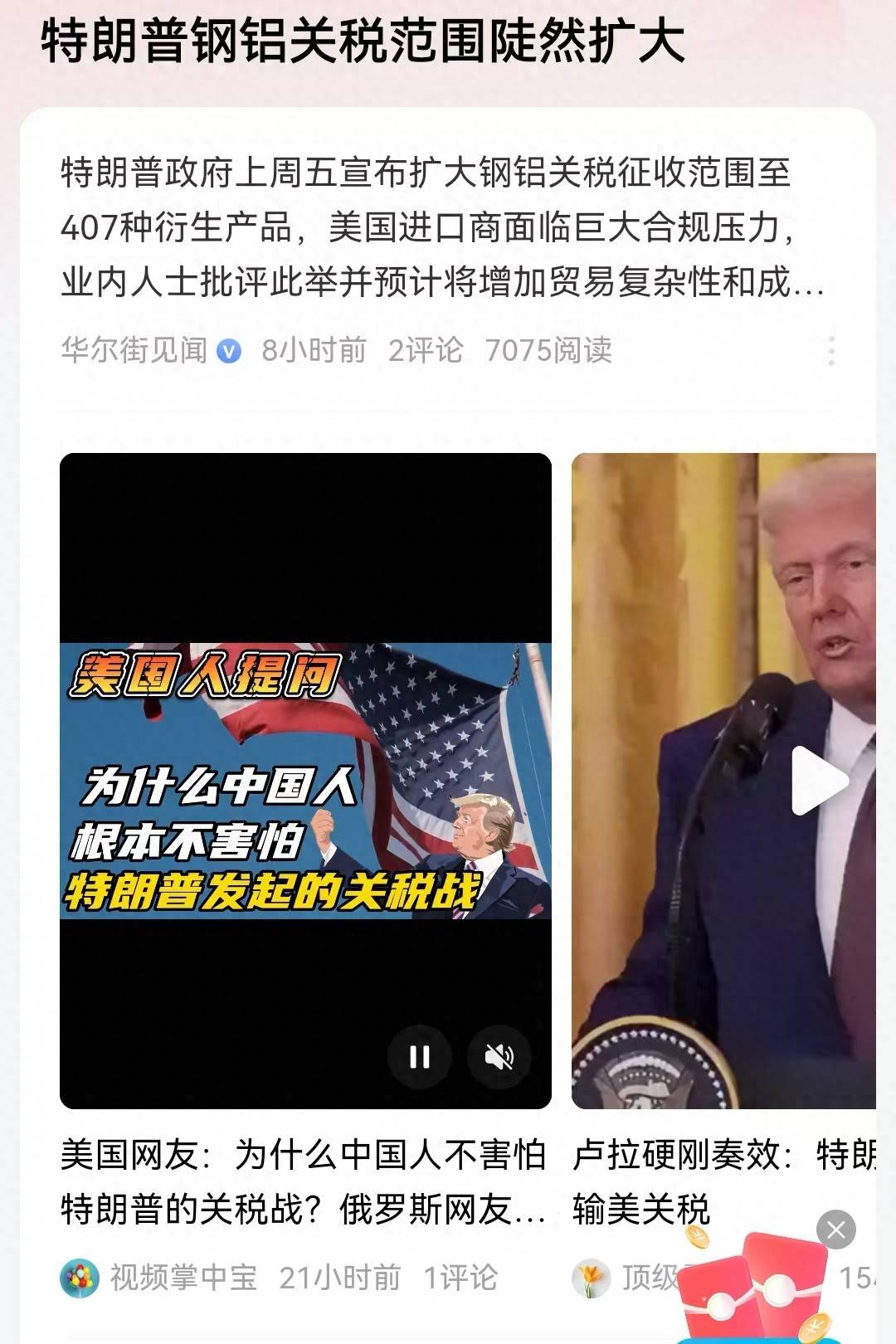
Core Viewpoint - The Wuxi High-tech Zone Comprehensive Bonded Zone is a crucial platform for open economy, significantly contributing to foreign trade, attracting foreign investment, and promoting industrial transformation and upgrading [2]. Group 1: Economic Impact - The Comprehensive Bonded Zone has registered over 70 enterprises and attracted foreign investment totaling $23.8 billion [2]. - It accounts for 22.6% of Wuxi's total import and export volume, producing 14% of the world's storage chips, 20% of mechanical hard drives, 20% of surface-mounted ceramic capacitors, and 15% of optoelectronic conversion components [2]. Group 2: Industry Development - The zone is evolving into a new industrial pattern dominated by integrated circuits and electronic information, with multi-industry collaboration in international trade, testing and maintenance, and cross-border e-commerce [2]. - The zone's area will expand to 3.49 square kilometers, enhancing its capacity for industrial aggregation [4]. Group 3: Company Highlights - Jabil Electronics (Wuxi) Co., Ltd. has invested $98 million and employs approximately 3,500 people, focusing on high-end electronic product manufacturing and R&D [4]. - Finisar Optoelectronics Technology (Wuxi) Co., Ltd. anticipates a 101.8% year-on-year increase in import and export volume, reaching 16.24 billion yuan in 2024, and is launching a project to increase production of 800G optical modules [6]. Group 4: Policy and Future Outlook - The zone is enhancing its "bonded+" functions, promoting new business models such as distribution, maintenance, and trade [6]. - The expanded zone aims to leverage tax advantages to attract global high-end resources and build a trillion-yuan industrial cluster in integrated circuits and electronic information [6].
美国要求G7和北约对华加税,中方表态
第一财经· 2025-09-16 02:28
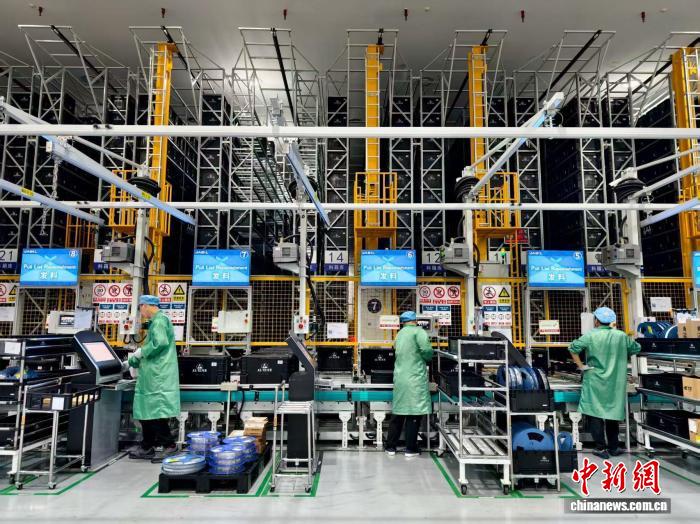
Core Viewpoint - The article discusses the recent request from the U.S. to the G7 and NATO to impose tariffs of 50%-100% on China due to its purchase of Russian oil, highlighting China's opposition to such unilateral economic coercion and its potential impact on global trade and supply chains [3][4]. Group 1 - The Chinese Ministry of Commerce has expressed strong opposition to the U.S. proposal, labeling it as unilateral bullying and economic coercion that violates the consensus reached by the leaders of China and the U.S. [3][4] - The spokesperson emphasized that if any party harms China's interests, China will take all necessary measures to protect its legitimate rights and interests [4][5]. - The Chinese government maintains that its economic cooperation with countries, including Russia, is legitimate and should not be subject to external pressure [5]. Group 2 - The Chinese stance on the Ukraine crisis is consistent and clear, advocating for dialogue and negotiation as the only viable solution [5]. - The spokesperson reiterated that China has upheld an objective and fair position since the onset of the crisis, opposing any illegal unilateral sanctions and "long-arm jurisdiction" against China [5]. - China is committed to defending its sovereignty, security, and development interests if its legitimate rights are infringed upon [5].

美国要求G7和北约集体对华加关税,外交部回应
Bei Jing Ri Bao Ke Hu Duan· 2025-09-15 07:50
Core Viewpoint - The Chinese government firmly opposes the U.S. request for G7 and NATO members to impose tariffs on China, citing it as unilateral bullying and economic coercion that undermines international trade rules and threatens global supply chain stability [3]. Group 1: China's Position on Trade and Energy Cooperation - China maintains that its trade and energy cooperation with countries, including Russia, is legitimate and justified [3]. - The Chinese government emphasizes that coercive measures from the U.S. are ineffective and do not resolve underlying issues [3]. Group 2: Stance on the Ukraine Crisis - China has a consistent and clear position regarding the Ukraine crisis, advocating for dialogue and negotiation as the only viable solution [3]. - Since the onset of the crisis, China has upheld an objective and fair stance, promoting peace talks [3]. Group 3: Response to Sanctions and Economic Pressure - The Chinese government strongly opposes the imposition of illegal unilateral sanctions and "long-arm jurisdiction" by other parties [3]. - If China's legitimate rights and interests are harmed, the government will take resolute countermeasures to protect its sovereignty, security, and development interests [3].
关税突发:特朗普政府将扩大对钢铁和铝进口征收50%关税的范围
Zheng Quan Shi Bao· 2025-08-16 11:43
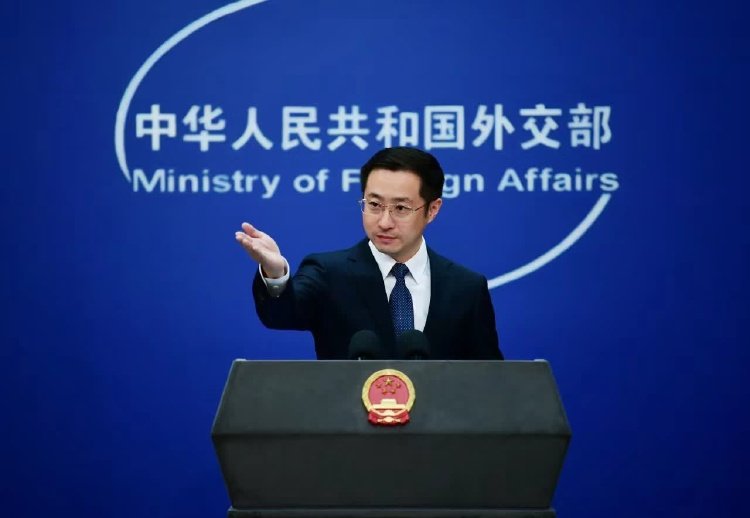
Group 1 - The Trump administration announced an expansion of tariffs on steel and aluminum imports, increasing the tariff rate to 50% on hundreds of derivative products [1] - The U.S. Department of Commerce added 407 product codes to the tariff list, effective August 18, which will incur additional tariffs due to their steel and aluminum content [1] - The announcement also included a potential 300% tariff on semiconductor imports, leading to a decline in semiconductor stocks, with notable drops in companies like Applied Materials and Micron Technology [1] Group 2 - The imposition of approximately 100% tariffs on imported chips and semiconductors may force some companies to relocate to the U.S. or invest domestically, but could also accelerate the trend of "de-Americanization" [2] - A report from Boston Consulting Group warned that forced relocation of the semiconductor industry could reduce the U.S. chip industry's global ranking to second or third, as the U.S. currently holds only 35% of the global supply chain [2] - Major tech companies, such as Apple, rely heavily on overseas markets, with over 60% of their sales coming from international markets in 2023, indicating that new tariffs could significantly impact their competitiveness and market size [2]
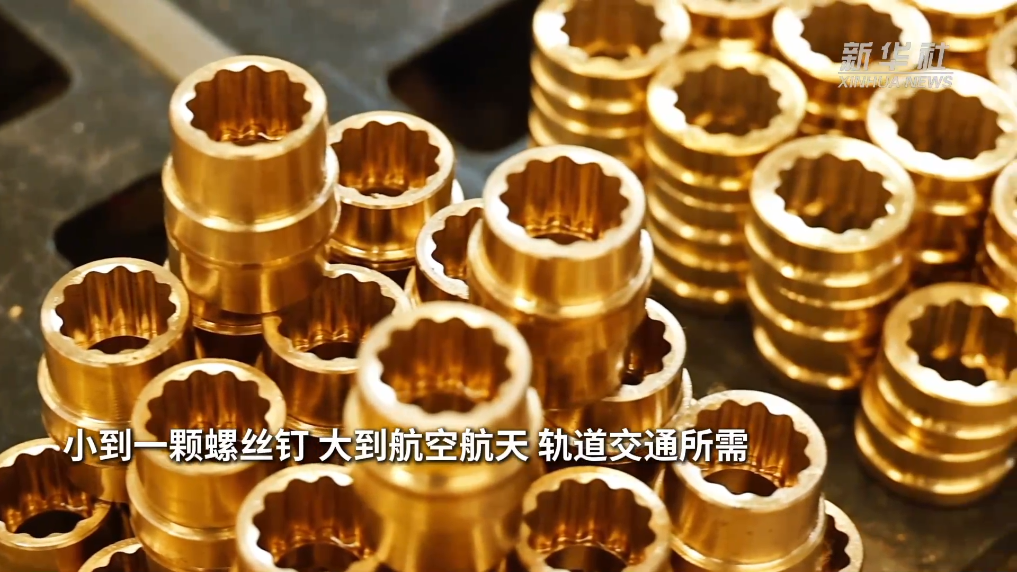
走进民企看发展|五金机电“南皮制造”“破圈”出海
Xin Hua Wang· 2025-08-12 05:44
Core Insights - The hardware and electromechanical industry in Nanpi County, Cangzhou City, Hebei Province, has a long-standing reputation dating back to the 1950s and 1960s [1] - The region is home to over 4,000 hardware and electromechanical production enterprises, generating an annual output value exceeding 34 billion yuan, which accounts for over 60% of the county's total economic output [1] - The industry is increasingly integrating into the global supply chain, with "Nanpi manufacturing" expanding its market presence in Europe, North America, and Southeast Asia [1]
塞尔维亚专家批美关税冲击多边贸易体系 加剧产业链风险
Sou Hu Cai Jing· 2025-08-07 02:05
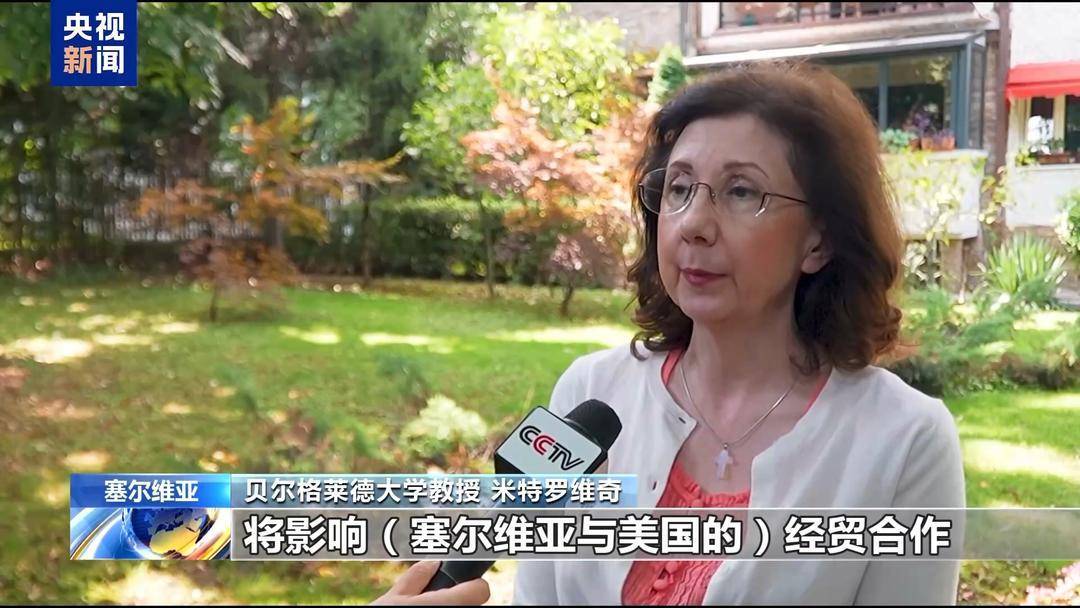
Group 1 - The United States plans to impose a 35% tariff on imports from Serbia starting August 7, which will negatively impact the economic relationship between the two countries and increase global supply chain risks [1][3] - The unilateral and unfair tariff policy by the U.S. is expected to affect Serbia's tire production and some small and medium-sized enterprises, despite Serbia's trade volume with the U.S. being smaller compared to its trade with the EU and other countries [1][3] - The U.S. tariff policy undermines trust among trading partners and disrupts the predictability and stability of the global economy and multilateral trade system [3][5] Group 2 - The tariffs significantly impact fair trade, global supply chains, and the stability of consumption and production [5] - Trade is crucial for global economic growth, and the predictability, stability, and trust among partners are currently threatened by these tariff policies [5]