
全球产业链重构

Search documents
安世事件余波?东方精工舍欧洲核心资产,押注国内新赛道,战略收缩回归本土
Sou Hu Cai Jing· 2025-12-03 23:11
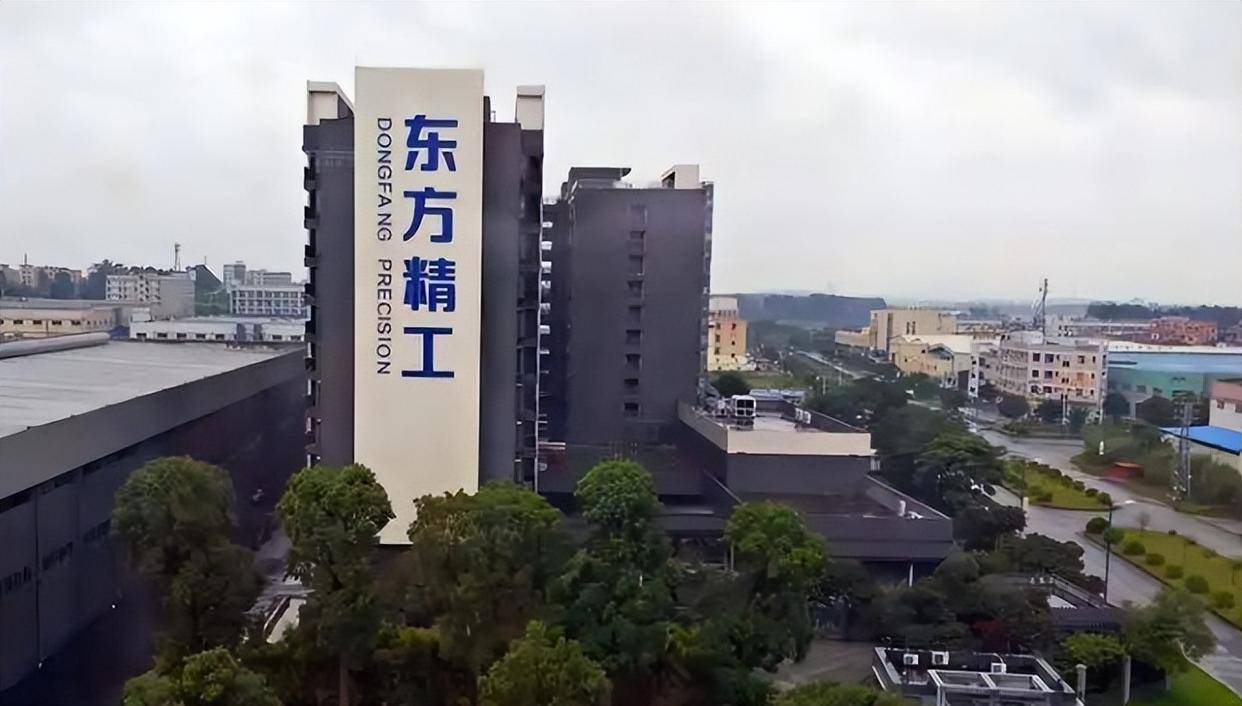
Core Viewpoint - The announcement by Dongfang Precision Engineering to sell its European core assets for €774 million (approximately ¥6.34 billion) has raised eyebrows in the capital market, suggesting a strategic move rather than a mere loss-cutting measure [1][3]. Group 1: Transaction Details - The timing of the transaction is notable, occurring amidst the backdrop of geopolitical tensions affecting foreign investments in Europe, particularly following the asset freeze of Anshi Semiconductor by the Dutch government [3][13]. - The three companies being sold, including Fosber Group, are not loss-making but are significant revenue generators, expected to contribute ¥3.211 billion in revenue in 2024, accounting for 67.2% of Dongfang's total revenue [5][9]. - The asset's value has increased dramatically, from an initial investment of approximately €740 million to a sale price of €774 million, representing a more than tenfold increase in value over ten years [7]. Group 2: Strategic Implications - The decision to sell is seen as a proactive risk management strategy in light of increasing scrutiny and regulatory challenges for foreign investments in Europe, with 81% of Chinese companies in Europe reporting heightened uncertainty in the business environment [17][19]. - The choice of buyer, Brookfield Asset Management, a Canadian firm managing over $1 trillion in assets, is viewed positively as it is less likely to disrupt existing operations, focusing instead on stable returns [21]. - The cash from the sale will be redirected towards domestic ventures in new production sectors, specifically in marine power equipment and humanoid robotics, which align with current policy trends [23][25]. Group 3: Market Reaction and Future Outlook - The market has responded favorably, with Dongfang's stock price increasing by 90.71% year-to-date, reflecting investor confidence in the company's strategic pivot towards domestic opportunities [40]. - The company's net profit rose by 54.64% in the first three quarters, indicating that investors are optimistic about the potential of the new business directions despite the short-term revenue decline from selling its core assets [40][42]. - The overall strategy highlights the importance of adaptability in a changing global landscape, suggesting that proactive transformation may become a common approach among Chinese enterprises facing uncertainty [42][44].


私募看好成长类资产 三条主线探寻优质企业成长动能
Zheng Quan Ri Bao Wang· 2025-12-03 12:48
Core Viewpoint - The A-share market is experiencing wide fluctuations, but certain growth sectors are performing well. Despite short-term volatility, the long-term positive trend of the A-share market remains intact, with structural opportunities brewing after the current fluctuations [1][2]. Group 1: Growth Opportunities - The company continues to favor growth assets and will explore growth potential in high-quality enterprises along several main lines: the acceleration of Chinese companies going global amid global industrial chain restructuring, particularly in manufacturing, which is seizing new opportunities from re-industrialization in Europe and the U.S. and industrialization in emerging markets [1]. - In the semiconductor and other technology sectors, Chinese companies are expected to achieve technological catch-up and industrial upgrades in certain key areas [1]. Group 2: Consumer Trends and Market Dynamics - The rise of a new generation of consumers is reshaping consumption perceptions and behaviors, leading to the continuous emergence of new brands, product categories, and experiences [2]. - The company will focus on dimensions such as visibility of performance realization, sustainability of growth logic, and certainty of marginal catalytic factors in its investment choices [2]. Group 3: Strategic Adjustments and Market Monitoring - As the attractiveness of growth assets increases, the company has intensified its layout in high-certainty growth sectors, adjusting positions in the electronics sector and optimizing the internal structure of power equipment while reducing holdings in the pharmaceutical sector [2]. - The company is closely monitoring changes in corporate fundamentals and dynamically assessing opportunity potential to prepare for potential cross-year and spring market trends [2].
美元不香了,工厂挪地方了?看透全球产业链重构的4个真相
商业洞察· 2025-12-03 10:10
Core Insights - The article discusses the complexities and challenges of global supply chain restructuring driven by geopolitical factors, highlighting issues such as high costs, labor shortages, technological decoupling, and the weakening of the dollar's credibility [1][2]. Group 1: Technological Decoupling - Technological decoupling leads to fragmentation of global innovation and technology standards, increasing complexity in industry cooperation and hindering collaborative efforts [4][5]. - Geopolitical risks elevate uncertainty in global economic development, prompting companies to increase liquidity assets, which in turn reduces domestic R&D investments [5]. - Export controls from leading nations on technology-chasing countries may force innovation but also complicate compliance and increase operational costs for multinational companies [5] Group 2: Social and Environmental Costs - The restructuring of global supply chains faces challenges such as labor market imbalances and high costs associated with manufacturing return policies [6][7]. - Labor disputes and dissatisfaction in traditional outsourcing locations like Mexico hinder the stability of supply chains, while skill mismatches in returning economies slow down manufacturing restructuring [6]. - High costs of manufacturing return weaken the effectiveness of policy incentives, as seen in the U.S. semiconductor industry, where local supply chain foundations are lacking [6][7]. Group 3: Dollar System Erosion - The restructuring of global supply chains is accompanied by a significant shift in the financial order, with a notable trend towards "de-dollarization" [9][10]. - Emerging markets are increasingly adopting local currency settlements in trade, as evidenced by the rising use of the yuan in trade between China and Russia [9]. - The weakening of the dollar's internal credit mechanism accelerates the de-dollarization process, with countries like Brazil and Argentina seeking financial cooperation with China to mitigate dollar risks [10]. Group 4: New Regional Competition Dynamics - The emergence of new regional competition reflects a split in standards between the Global North and South, with contrasting approaches to technology and resources [12][13]. - The disparity in technological capabilities between countries, particularly in foundational research, complicates global supply chain integration and innovation [12]. - Resource nationalism is becoming a significant factor in global supply chain dynamics, as countries assert control over critical resources, leading to increased competition and price volatility [13].
股市面面观|金银铜走势共振 有色金属板块开启跨年行情?
Xin Hua Cai Jing· 2025-12-02 06:17
Group 1: Precious Metals Market Overview - The precious metals sector, represented by gold and silver, has shown strong performance in the A-share and Hong Kong markets, with silver prices reaching historical highs and a year-to-date increase exceeding 100% [2][6] - The expectation of a Federal Reserve interest rate cut in December has contributed to the bullish sentiment in the precious metals market, with silver leading the gains [6][7] - Structural supply shortages in the silver market are anticipated to continue, with a projected supply gap of approximately 95 million ounces in 2025, marking the fifth consecutive year of supply-demand imbalance [6][7] Group 2: Industrial Metals Market Dynamics - The industrial metals sector, particularly copper, has experienced significant price resilience, with LME copper prices reaching historical highs due to supply constraints and macroeconomic optimism [3][4] - Analysts predict a potential super cycle for copper driven by supply disruptions from major mines and increasing demand from sectors such as AI and renewable energy [3][4][5] - The global refined copper supply is expected to face shortages starting in 2024, with projected shortfalls of 270,000 tons, 460,000 tons, and 580,000 tons from 2025 to 2027, respectively [4] Group 3: Aluminum Market Outlook - The aluminum market is also expected to enter a bullish phase, with supply constraints becoming more pronounced as domestic production reaches capacity limits [5] - The global average annual supply growth for electrolytic aluminum is projected at 1.4%, while demand growth is expected to be 1.8%, leading to an expanding supply-demand gap [5] Group 4: Long-term Trends in Gold Prices - The long-term bullish trend for gold prices remains intact, supported by ongoing monetary easing and central bank gold purchases, which are expected to provide a strong safety net for gold prices [7][8] - The urgency for physical gold demand is anticipated to increase due to significant liquidity in the market, potentially leading to unpredictable price movements [8]

研判2025!中国工业用导电玻璃行业发展历程、产业链、进出口情况、重点企业及未来展望:国际竞争力显著增强,工业用导电玻璃出口保持快速增长态势[图]
Chan Ye Xin Xi Wang· 2025-12-02 01:21
Core Insights - The industrial conductive glass industry in China is experiencing a significant trend of domestic substitution, with imports declining sharply since 2017, while exports are showing a steady growth trajectory [1][8] - The industry is characterized by a layered competitive landscape, where companies with advanced coating technologies dominate high-end applications, while many firms in the mid-to-low end market face homogenization and price competition [9] Import and Export Trends - From 2017 to 2024, the import quantity of industrial conductive glass in China decreased from 6,761.91 tons to 717.3 tons, and the import value dropped from 1.55 billion to 431 million [1][8] - In the first three quarters of 2025, the import quantity was 396.31 tons, a year-on-year decline of 29.07%, and the import value was 254 million, down 23.38% [1][8] - Conversely, the export quantity rose from 16,900 tons in 2017 to 40,300 tons in 2023, with a compound annual growth rate of 15.6%, although the export value fell from 474 million to 210 million [1][8] - In the first three quarters of 2025, the export quantity was 37,100 tons, a year-on-year increase of 39.57%, and the export value was 200 million, up 42.67% [1][8] Industry Development and Trends - The industrial conductive glass industry has evolved significantly since the mid-20th century, transitioning from specialized materials to large-scale production driven by advancements in ITO film and magnetron sputtering technology [3][4] - The industry is witnessing a diversification of application scenarios, expanding from traditional LCD displays to emerging technologies like Micro LED and electronic paper, which demand new optical performance and structural designs [11][13] - The market for ITO target materials is projected to grow from 639 tons in 2019 to 1,209.83 tons in 2024, with a compound annual growth rate of 13.62% [5] - The glass substrate market is also expanding, with its size increasing from 13.9 billion in 2017 to 35 billion in 2024, and expected to reach 36.8 billion by 2025 [6] Key Companies in the Industry - Major players in the industrial conductive glass sector include China Southern Glass Group, CSG Holding Co., Ltd., Wuhu Changxin Technology Co., Ltd., and others, each with distinct competitive advantages and market positions [9][10] - China Southern Glass Group is recognized for its comprehensive product offerings in energy-saving glass and photovoltaic products, with a strong focus on high-value-added products [10] - CSG Holding Co., Ltd. has developed a complete display industry chain, including flexible and ultra-thin glass, and has achieved significant revenue growth in its display materials segment [10]


强强联合进军万亿晶振市场,赛思电子与一晶科技成立合资公司
Sou Hu Wang· 2025-11-24 10:04
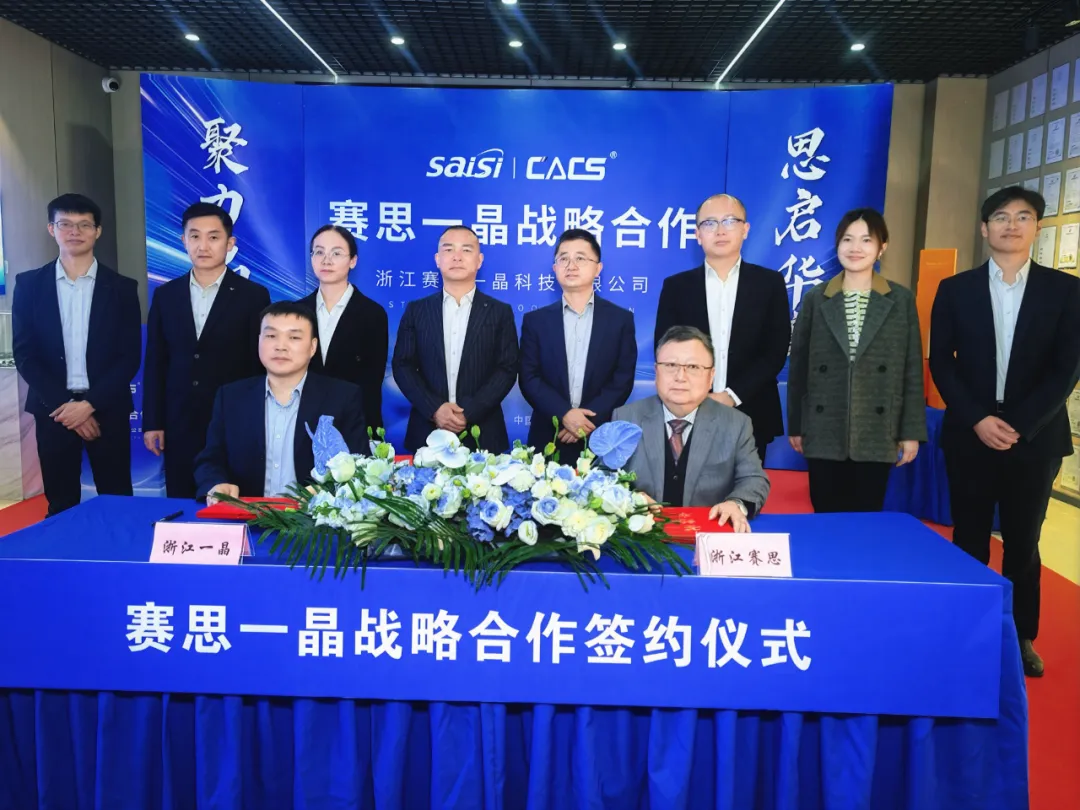
Group 1 - The core viewpoint of the article is the establishment of a joint venture, Zhejiang Sais Electronic Technology Co., Ltd., between top-tier frequency technology companies in China, Zhejiang Sais Electronic Technology Co., Ltd. and Zhejiang Yijing Technology Co., Ltd., aiming to enter the trillion-level crystal oscillator market [1][4][7] - The collaboration is not only a capital alliance but also a deep integration of technology, manufacturing, and market capabilities, creating a comprehensive "R&D-production-market" synergy to target the high-end market of the global crystal oscillator industry [4][7] - Sais has received over 1 billion in capital since its establishment in 2013 and has developed a full industry chain layout from "time source - timing end - usage end - frequency chip," serving over 1,000 clients, including national projects [5][8] Group 2 - The high-end crystal oscillator market is experiencing structural growth opportunities, with compound annual growth rates (CAGR) exceeding 15% in key areas such as optical modules, intelligent driving, and energy storage, with a market value reaching trillions [8][11] - The joint venture aims to leverage Sais's technological advantages in high-frequency, ultra-low jitter differential oscillators and Yijing's capabilities in large-scale manufacturing and miniaturization to create globally competitive automated production lines [11][14] - The partnership will also focus on developing new generation high-temperature, vibration-resistant automotive-grade oscillators and low-power miniaturized oscillators to capture opportunities in the smart automotive and IoT markets [14][15] Group 3 - The strategic alliance is positioned to address the challenges of the high-end crystal oscillator market, which is seen as a critical component in the digital economy, thus enhancing China's position in the global value chain [15][18] - The founders of both companies emphasize that collaboration is essential to overcome the technological barriers posed by international giants, and this joint venture represents a significant step towards achieving self-sufficiency in the domestic market [18]
镍价开启下跌通道 成本走弱令不锈钢继续承压
Xin Hua Cai Jing· 2025-11-21 06:53
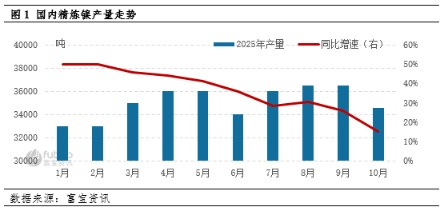
供需格局施压镍价"摇摇欲坠" 镍价下跌的核心驱动力源于供需关系的根本性转变。供应端来看,国内与印尼的纯镍产能正处于扩张周 期,2015年1-10月国内精炼镍累计产量达35.06万吨,同比增长35.63%,尽管受限于价格下跌企业生产 积极性下滑导致排产减少,但同比增长状态难改,供应压力导致镍价短期难有反弹动力。 印尼作为全球镍供应的关键引擎,2025年RKAB采矿配额已批准3.64亿湿吨,较年初增加22%,按85% 开采效率测算,实际供应将达3亿湿吨,远超2.6亿湿吨的市场需求。供应过剩直接导致全球镍库存大幅 累积,LME镍库存更是接近2021年峰值,对价格形成强力压制。镍价易跌难涨走势导致不锈钢市场持 续承压。 继钼铁持续下跌之后,近期镍铁价格也进入了下行通道。在此背景下,指导性钢厂主动下调不锈钢价格 更是引发市场担忧。目前来看,镍铁价格下跌走势暂无止跌机会,短期不锈钢价格承压难改。 成本走弱钢招成迷引担忧 从产业链关联来看,镍与不锈钢的长期高度相关性决定了成本传导的必然性。而指导性钢厂的镍铁钢招 价格迟迟不公布,导致商家情绪偏空,镍铁价格也跌至900元/镍附近。以304为例,常规304不锈钢含 镍量约8%- ...
10亿!中国合金巨头博威豪赌北非!终止越南转战摩洛哥
Sou Hu Cai Jing· 2025-11-11 10:13
Core Viewpoint - The strategic decision by Ningbo Bowei Alloy Materials Co., Ltd. to invest up to $150 million in a special alloy electronic materials production base in Morocco reflects the company's adaptation to the evolving global trade environment and its ambition to transition from traditional manufacturing to high-end intelligent manufacturing [1][4][11]. Investment Decision - The company plans to establish a production base in Nador, Morocco, with an annual capacity of 30,000 tons of special alloy electronic materials, while terminating a similar project in Vietnam [1][3]. - The investment will be executed through a newly established entity, "Bowei Alloy New Materials (Morocco) Co., Ltd." [3]. Strategic Location - The chosen site in Morocco is strategically located near the Strait of Gibraltar, only 14 kilometers from Europe, allowing for efficient logistics to key markets in Germany and France, as well as access to North America [3][4]. - Morocco's trade agreements with the EU and the US provide significant tariff advantages, enabling the company to circumvent trade barriers faced by Chinese exports [3][10]. Technological Advancements - The project is positioned as a "digital intelligent factory," leveraging six years of digitalization efforts to implement AI-driven production management systems aimed at achieving full automation and a post-tax internal rate of return of 16.72% [4][11]. Company Background - Bowei Alloy, established in 1987, has evolved from a copper processing company to an international group covering multiple industries, including new materials and renewable energy [5][6]. - The company's core business in special alloy materials is critical for high-demand applications in sectors such as 5G communications, electric vehicles, and semiconductor manufacturing [6][7]. Global Manufacturing Network - Bowei operates 15 specialized manufacturing bases globally, including locations in China, Germany, Canada, and Vietnam, enhancing its technological capabilities through acquisitions [7]. - The company's previous plan to invest in Vietnam was abandoned due to changing international trade policies and rising labor costs, highlighting the need for a more stable investment environment [9][10]. Industry Trends - The investment in Morocco illustrates a broader trend among Chinese high-end manufacturing firms to diversify their production locations in response to increasing geopolitical tensions and trade barriers [11]. - The shift from a cost-driven to a value-driven approach in international expansion emphasizes the importance of policy stability, trade facilitation, and customer collaboration in investment decisions [11].


有色金属:有色金属2026年展望:乘风破浪(要点版)
2025-11-11 01:01
Summary of Key Points from the Conference Call Industry Overview - The report focuses on the non-ferrous metals industry and its outlook for 2026, indicating a potential bull market driven by monetary policy, demand, and supply dynamics [1][2]. Core Insights and Arguments Monetary Policy - The Federal Reserve is expected to restart interest rate cuts, which, combined with a strengthening trend of de-dollarization, will enhance global liquidity and increase demand for physical assets like non-ferrous metals [1]. Demand Dynamics - The adjustment of U.S. tariff policies is reshaping global supply chains, leading to accelerated demand for non-ferrous metals, particularly from emerging industries such as AI, electricity, new energy, and high-end equipment manufacturing [1]. - The report highlights the importance of strategic resource stockpiling due to rising geopolitical risks, which is expected to further boost demand [1]. Supply Challenges - The non-ferrous mining sector is facing low supply elasticity due to insufficient capital expenditure over the past decade, which is expected to continue affecting supply [1]. - Resource-rich countries are increasingly controlling strategic minerals, adding uncertainty to supply chains [1]. Specific Metal Insights Precious Metals - A decline in real interest rates and de-dollarization are expected to drive gold prices higher, with silver also benefiting from this trend [2]. - The report anticipates strong performance for base metals like copper, aluminum, and tin due to emerging demand and supply constraints [2]. Copper - The copper market is expected to face a supply shortage, with significant disruptions from natural disasters and safety incidents affecting production [9][10]. - Demand from clean energy and global grid investments is projected to grow significantly, with a compound annual growth rate (CAGR) of 13% for copper used in clean energy from 2024 to 2026 [10]. Aluminum - The aluminum sector is poised for a bull market, driven by improving demand from traditional sectors and new energy vehicles [12][14]. - Supply constraints are expected to persist, with domestic production reaching capacity limits [12]. Tin - Tin prices are expected to rise due to increased demand from the semiconductor industry and supply disruptions from illegal mining crackdowns in Indonesia [15][23]. Cobalt - Cobalt prices are projected to remain bullish due to export quota management in the Democratic Republic of Congo and increasing demand from high-performance batteries [17][18]. Lithium - The lithium market is expected to experience a downward trend in prices due to oversupply, despite short-term demand support from seasonal peaks [19][20]. Uranium - Uranium prices are recovering due to limited supply and increased strategic interest from funds, with a focus on high-quality resources in Kazakhstan [21][22]. Tungsten - The tungsten market is characterized by tight supply and strong demand growth, particularly in manufacturing and infrastructure projects [23][25]. Rare Earth Elements - The demand for rare earth elements is expected to grow significantly due to the rise of electric vehicles and high-performance magnets, with supply constraints pushing prices higher [26][27]. Important but Overlooked Content - The report emphasizes the strategic importance of non-ferrous metals in the context of global economic shifts and the need for investors to focus on companies with strong cash flow, resource potential, and acquisition capabilities [2][11][12]. - Risks such as potential obstacles to Federal Reserve rate cuts, lower-than-expected demand, and supply disruptions are highlighted as critical factors that could impact the market [3].
王立勇:多举措拓展中间品贸易
Jing Ji Ri Bao· 2025-11-10 00:10
Core Viewpoint - The article emphasizes the importance of expanding intermediate goods trade in China as a key strategy for optimizing trade structure, enhancing industrial competitiveness, and ensuring economic security during the 14th Five-Year Plan period [1][2]. Group 1: Current State of Intermediate Goods Trade - China's intermediate goods trade has shown a trend of scale expansion and structural upgrading, with a shift from labor-intensive to technology-intensive products [1]. - The self-production and trade scale of key intermediate goods are gradually increasing, leading to higher added value and improved resilience of the industrial supply chain [1]. Group 2: Challenges in Intermediate Goods Trade - China's reliance on imports for intermediate goods indicates a lower position in the global value chain, particularly for high-end intermediate goods and core technologies [2]. - The digitalization and standardization levels of intermediate goods trade need improvement, and there is insufficient pricing power and regulatory influence in the global supply chain [2]. Group 3: Strategies for Development - Strengthening original technological innovation is crucial to overcoming bottlenecks in high-end intermediate goods supply [2]. - Optimizing regional layouts and cultivating industrial clusters for intermediate goods trade can enhance competitive advantages [3]. - Expanding diverse trade networks and solidifying overseas market foundations are essential for the quality development of intermediate goods trade [3]. Group 4: Policy Support and Infrastructure - Establishing a comprehensive policy support system for intermediate goods trade is necessary to address systemic barriers [4]. - Enhancing financial policies and risk protection mechanisms will provide a favorable environment for the development of intermediate goods trade [4].