文化输出

Search documents
钟馗来了——我们能从游戏科学的PV中想到的
3 6 Ke· 2025-08-20 03:59
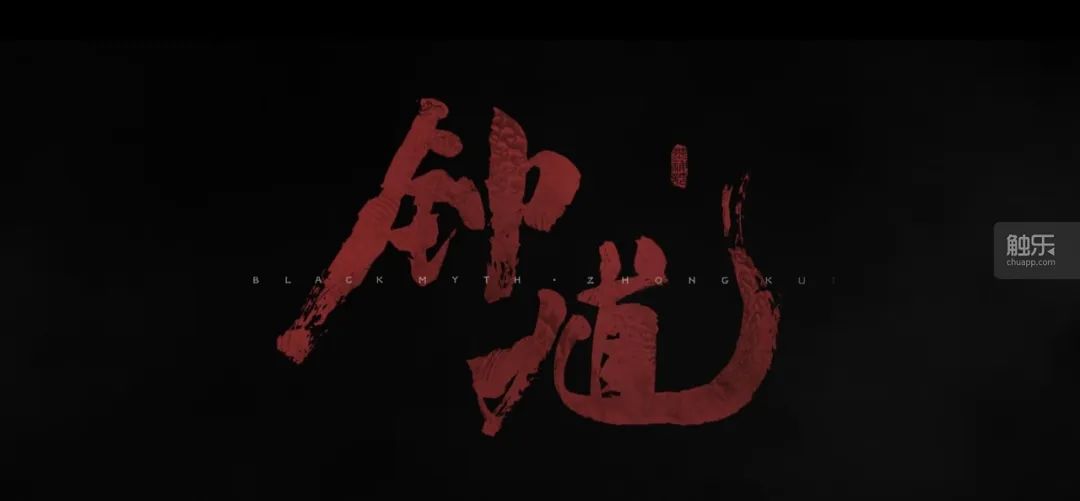
Core Viewpoint - The announcement of the new game "Black Myth: Zhong Kui" by Game Science during the Cologne Game Show has generated significant interest, especially given the company's tradition of revealing new content on August 20 [1][3][16]. Group 1: Game Announcement and Content - The teaser for "Black Myth: Zhong Kui" was released, showcasing limited information but emphasizing the character Zhong Kui and its artistic style [3][8]. - The video primarily introduces the theme, art style, and setting of the game, while leaving out details about combat and storyline [3][6]. - The choice of Zhong Kui as the protagonist is seen as a bold and creative decision, aiming to explore themes of ghosts and the supernatural [17][22]. Group 2: Development Background - The development of "Black Myth: Zhong Kui" began approximately six months ago, indicating a relatively quick turnaround from the previous title [10][22]. - The decision to create a new game instead of a DLC for "Black Myth: Wukong" was influenced by a desire to explore different gameplay experiences and narrative elements [22][23]. Group 3: Cultural Significance - The game aims to leverage rich Chinese cultural narratives, with Zhong Kui being a lesser-known but culturally significant figure, allowing for unique storytelling opportunities [19][21]. - The narrative approach seeks to resonate with both domestic and international audiences by highlighting universal themes of struggle and freedom [19][21][20]. Group 4: Marketing and Community Engagement - Game Science has effectively utilized social media to build anticipation, with cryptic teasers and community engagement strategies [12][24]. - The meticulous planning and execution of the teaser release reflect the company's commitment to quality and detail in their marketing efforts [24].

中国玩家的逆天ID,正为老外们带来前所未有的精神震撼......
猿大侠· 2025-08-14 04:12
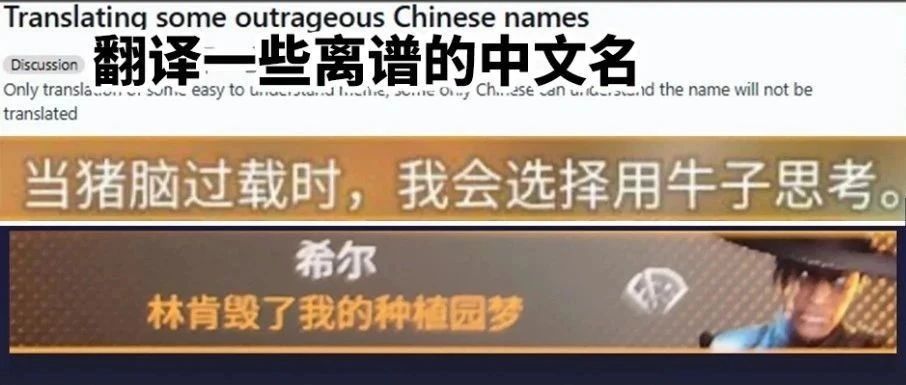
Core Viewpoint - The article discusses the growing interest of foreign players in Chinese gaming culture, particularly the creative use of Chinese IDs in games, which reflects the richness of Chinese language and culture [3][41]. Group 1: Cultural Output - The emergence of Chinese gaming culture has led to increased visibility and interest from foreign audiences, with examples such as the first Chinese AAA game and the popularity of Chinese content on platforms like Xiaohongshu [3][4]. - Foreign players are intrigued by the complexity and poetic nature of Chinese characters, often leading to humorous misunderstandings and creative interpretations [10][11]. Group 2: Creative Use of Chinese IDs - Chinese players often create unique and complex IDs that convey deep meanings or cultural references, which can be difficult for non-Chinese speakers to fully understand [11][32]. - The use of slang and homophones in Chinese IDs allows players to bypass censorship, leading to a wide variety of creative expressions [15][16]. - Foreign players have expressed admiration for the creativity behind these IDs, often categorizing them into themes such as anime, memes, and historical references [29][26]. Group 3: Cultural Misunderstandings - There is a cultural gap in understanding the deeper meanings behind many Chinese IDs, which can lead to foreign players only grasping the literal translations [34][35]. - Despite the challenges in translation, the humor and creativity of these IDs continue to impress and entertain foreign audiences [24][40].
《中国宴》上演舌尖外交 梦之蓝手工班获大使点赞
Xin Hua Wang· 2025-08-12 05:43
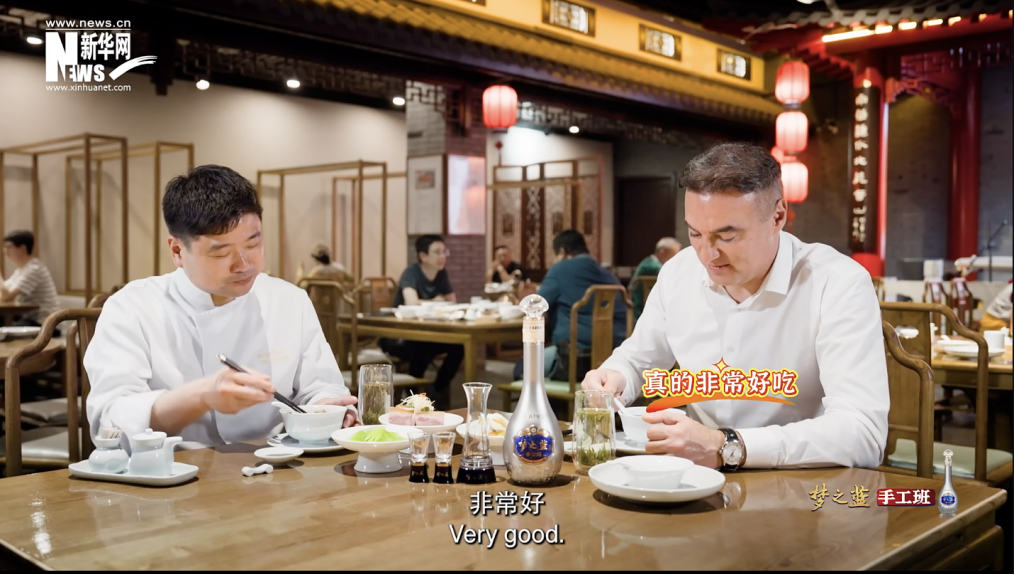
Core Viewpoint - The article highlights the cultural exchange through Chinese cuisine, showcasing the experience of the Bosnian ambassador in Yangzhou, emphasizing the universal language of food and drink [1][11]. Group 1: Culinary Experience - The ambassador experienced the "true fragrance law" of Chinese cuisine, particularly through the simple yet flavorful Yangchun noodles, which surprised him with its rich taste derived from a carefully prepared broth [1][3]. - The ambassador was impressed by the traditional knife skills demonstrated by a master chef, transforming tofu into delicate strands, showcasing the artistry of Chinese culinary techniques [3][5]. Group 2: Cultural Significance - The ambassador's experience was enriched by the pairing of exquisite food with a handcrafted aged liquor, Dream of Blue, which he praised as one of the best white wines he had tasted in China [6][9]. - The event symbolized the friendship between China and Bosnia, with the chef presenting the aged liquor as a gift, reinforcing the notion that friendship, like fine wine, improves with time [9][11]. Group 3: Product Quality and Craftsmanship - Dream of Blue is highlighted for its authenticity, being the first in China to receive dual certification for true vintage, ensuring traceability and quality assurance [8]. - The production process involves 137 manual steps, emphasizing the craftsmanship and dedication of artisans, which adds to the product's value and appeal [8][11]. Group 4: Cultural Diplomacy - The culinary journey served as a medium for cultural diplomacy, where the ambassador's genuine reactions reflected the effectiveness of food in bridging cultural gaps and fostering connections [11]. - The event illustrated how traditional cuisine and quality liquor can serve as ambassadors of culture, enhancing mutual understanding and appreciation between nations [11].
中国游戏产业:活力强劲的数字经济
Xiao Fei Ri Bao Wang· 2025-08-12 02:34
Group 1 - The Chinese gaming market achieved a sales revenue of 168 billion yuan in the first half of the year, representing a year-on-year growth of 14.08%, with a user base of 679 million, showing a steady increase of 0.72% [1] - Self-developed games in the domestic market saw nearly a 20% increase in sales revenue, while overseas revenue exceeded 9.5 billion USD, indicating a strong performance in international markets [1][2] - The gaming industry has evolved into a significant part of China's digital economy, contributing to employment, consumption, and exports, with hundreds of thousands of high-tech jobs created in game content development, operation, and distribution [1] Group 2 - The international success of self-developed games has shifted from low-cost re-skins to high-quality original content, enhancing China's influence in the global market [2] - Notable titles like "Genshin Impact" and "Honkai: Star Rail" have consistently ranked high in the App Store across multiple overseas markets, showcasing advancements in artistic style, narrative ability, and operational systems [2] - The gaming industry exemplifies the transformation of digital technology into market products, driving the maturation of new technologies such as AI, cloud computing, and virtual reality [2] Group 3 - Leading companies like miHoYo and Tencent are implementing strategies that integrate technology and culture, moving beyond reliance on blockbuster products to explore deeper and broader development paths [3] - The gaming industry represents not only a robust entertainment sector but also a convergence of cultural confidence and technological self-reliance, contributing to national soft power and economic transformation [3]
中国餐饮品牌扎堆出海,美国市场真的好做吗?(上)|科技早知道
声动活泼· 2025-07-31 10:09
Core Viewpoint - Chinese restaurant brands are increasingly seeking overseas expansion, particularly in the U.S., due to a saturated domestic market and slower growth [1][4][5] Group 1: Market Characteristics - The U.S. is viewed as a strategic high ground for many brands, offering the largest consumer market and a mature capital environment [1][4] - The U.S. restaurant service industry is projected to reach $1.5 trillion by 2025, with an expected growth of about 4% from 2024 [8][10] - The U.S. has approximately 200 million frequent dining consumers, making it a significant market despite lower population density compared to China [9][12] Group 2: Challenges of Entering the U.S. Market - High labor costs and complex legal compliance present significant challenges for Chinese brands entering the U.S. market [1][4] - Many brands struggle with supply chain issues and regional protection when franchising, which is a common practice in the U.S. [21][23] - The average investment for a restaurant in the U.S. ranges from $800,000 to $1 million, including franchise fees and setup costs [23][64] Group 3: Cultural and Operational Adaptations - Successful entry into the U.S. market often requires localization of the menu to cater to local tastes, which can dilute the authenticity of Chinese cuisine [31][32] - Brands that initially target the Chinese community often find it challenging to transition to a broader audience [36][41] - The operational model in the U.S. differs significantly from China, with a focus on long-term community engagement rather than rapid expansion [76] Group 4: Investment and Growth Potential - The U.S. capital market is seen as a vital component for brand growth, with lower listing thresholds and higher valuations compared to other markets [17][18] - Brands that can establish a strong presence in the U.S. may have the potential to replicate their success on a larger scale [9][78] - The lifecycle of restaurants in the U.S. tends to be longer, with many establishments operating for decades due to less competition and a focus on community [74][76] Group 5: Case Studies and Examples - Some brands, like 茉莉奶白, have reported monthly revenues of $500,000, indicating strong market potential [70] - Successful brands often adapt their offerings significantly, with many retaining only a small percentage of their original menu items when entering the U.S. [82] - The experience of brands like 海底捞 highlights the difficulties in maintaining service standards and operational efficiency in the U.S. [44][46]
「匠心」即答案,国产品牌驶向「大航海时代」|2025出海大会
3 6 Ke· 2025-07-31 03:00
Group 1 - The core viewpoint of the articles emphasizes that Chinese companies are transitioning from "Made in China" to "Created in China" and further to "Chinese Belief," driven by the concept of "craftsmanship" [2][6][55] - The "East Forward" conference highlighted the importance of building a comprehensive service platform for Chinese enterprises going global, particularly through cooperation with BRICS countries [4][40] - The conference featured discussions on how Chinese brands can create global value chains and the challenges they face in capturing user needs and cultural innovation [8][10] Group 2 - The articles discuss the role of AI technology in enhancing the global outreach of Chinese brands, emphasizing that AI is not just a gimmick but a practical tool for marketing and efficiency [14][16] - There is a focus on the importance of compliance and risk management for companies expanding internationally, with insights on how to navigate data regulations and fraud risks [21][25] - The need for localization and cultural understanding in global markets is highlighted, with examples of successful strategies for cultural integration [18][31] Group 3 - The articles outline the significance of strategic planning, market insight, and long-term commitment as common traits among successful companies going global [20][36] - The discussions also cover the evolving investment landscape in the Middle East, particularly in Dubai, as a favorable destination for Chinese enterprises [33][40] - The conference concluded with the release of the "East Forward 2025 Globalization Innovation List," aimed at guiding Chinese brands in their international endeavors [38]

从国内火到海外,魔性神曲《大展宏图》凭什么让全球疯狂?
3 6 Ke· 2025-07-23 02:34
Core Insights - The song "大展宏图" has become a cultural phenomenon, blending traditional and modern elements to create a globally appealing music piece [1][30] - The song's success reflects the strong creativity and influence of Chinese pop culture [1][30] Group 1: Music Style - "大展宏图" uniquely combines traditional Cantonese opera elements with modern hip-hop, creating a fresh auditory experience [6][8] - The song samples classic Cantonese opera, integrating strong beats and electronic sounds, resulting in a distinctive new style referred to as "揽式孟菲斯说唱" [6][8] - The song's catchy and repetitive melody aligns well with the characteristics of short video platforms, enhancing its viral potential [10] Group 2: Lyrics Content - The lyrics vividly depict aspirations for wealth and success, reflecting the lifestyle of successful individuals in Guangdong [11][13] - The straightforward celebration of wealth resonates with the audience's desires, making it relatable despite some criticism for its overt materialism [13] - The use of local cultural symbols in the lyrics serves as a unique cultural representation, appealing to both local and international audiences [13] Group 3: Dissemination Pathways - The song's rise is significantly attributed to its strong presence on short video platforms, particularly through viral dance challenges [14][16] - A simple and memorable dance routine contributed to widespread participation, creating a cultural phenomenon across various demographics [16][18] - The song's popularity has transcended borders, with international audiences engaging through platforms like TikTok and YouTube, showcasing a cross-cultural exchange [18][19] Group 4: Cultural Resonance - "大展宏图" captures a collective aspiration for success and prosperity, resonating with diverse audiences [20] - The song's themes of wealth and good fortune align with contemporary societal sentiments, making it a relatable anthem for many [20] - The blend of traditional blessings with modern expressions allows the song to serve as a social currency in celebratory contexts [20] Group 5: International Response - The song's global popularity represents a significant cultural export, attracting curiosity from international audiences [24][26] - Many foreign listeners engage with the song despite language barriers, drawn in by its infectious rhythm and dance [24][26] - The collaborative efforts of global fans to learn and share the song further enhance its international reach and cultural significance [26][28]

"文化+创意"赋能 中国潮玩掀起全球消费热潮
Zhong Guo Chan Ye Jing Ji Xin Xi Wang· 2025-07-13 22:15
Industry Overview - The toy industry has evolved from simple entertainment tools to multifaceted carriers of emotions, culture, and education, becoming an integral part of human growth [1] - Since the reform and opening up, China has become the world's largest toy producer and exporter, maintaining this status since the 1990s [1] - In 2022, China's toy exports reached a peak of $46.2 billion, representing over 67% of global toy exports, with an annual compound growth rate of 11.6% since joining the WTO [1] Market Dynamics - The rise of adult consumers in the toy market, driven by trends like "Kidult" culture, has led to the emergence of new consumption formats such as trendy toys and blind boxes [2] - China's trendy toy industry has gained international traction, with unique designs and cultural integration, exemplified by the global popularity of LABUBU [2] Export Performance - In 2024, China's exports of dolls and animal toys reached 47.63 billion yuan, a steady growth of 4.9% year-on-year, with significant exports to the US, EU, Japan, UK, and South Korea [3] - Guangdong and Zhejiang provinces are leading in toy exports, with Guangdong's exports growing from 27.33 billion yuan in 2001 to 105.37 billion yuan in 2024 [4][5] Regional Insights - Guangdong's toy export growth is supported by its integrated supply chain and technological innovation, maintaining its position as a key player since the 1990s [4] - Zhejiang has seen a remarkable increase in toy exports, growing 43.3 times since 2001, with a focus on cultural depth and design premium, achieving a compound annual growth rate of 17.9% [5] Future Trends - The Chinese trendy toy industry is transitioning from a "blind box craze" to a phase of "multi-dimensional value creation," indicating a shift towards cultural output and global recognition of Chinese design [6] - The industry is expected to become a pillar of cultural export, alongside animation and gaming, promoting Eastern aesthetics and innovation globally [6]
“中国造”引爆全球购物潮:从免签政策到退税红利,外国游客为何疯狂“扫货中国”?
Sou Hu Cai Jing· 2025-07-12 01:00
Group 1 - The core viewpoint of the article highlights a significant increase in foreign tourist shopping in China, driven by policy benefits, cultural confidence, and consumption upgrades, leading to a global shopping revolution [1][9][10] - In the first half of 2025, inbound foreign tourists reached 26.94 million, a year-on-year increase of 96%, with Chengdu's airport seeing over 790,000 foreign arrivals, up 58.5% from the previous year [1][4] - The expansion of China's visa-free policy to 47 countries and the implementation of a 240-hour transit visa have significantly lowered entry barriers for foreign tourists [4][8] Group 2 - The upgrade of the departure tax refund policy has reduced shopping costs by 11%, with a notable increase in the number of tax refund applications and sales of tax refund goods [5][11] - In the first quarter of 2025, tax refund store applications in Beijing increased by 128%, while Shanghai's tax refund goods sales reached 760 million yuan, up 85% [5][11] - The cultural revival of traditional products, such as Shu embroidery and bamboo weaving, has become a key attraction for foreign tourists, who are now willing to pay for cultural value [5][6] Group 3 - Chinese technology products, including drones and smart home devices, have become popular among foreign tourists, showcasing China's manufacturing capabilities [6][7] - Traditional markets like Chengdu's Hehua Pond and Guangzhou's Shisan Hang have emerged as new shopping hotspots, offering unique cultural experiences and competitive pricing [6][7] - China's supply chain advantages allow for flexible production, making it a global shopping hub, with significant cost savings compared to local production in other countries [7][8] Group 4 - The increase in U.S. tariffs on Chinese goods has inadvertently led to a surge in American tourists shopping in China, with a reported 300% increase in tax refunds for U.S. tourists in the first quarter of 2025 [8][9] - The shopping wave among foreign tourists not only boosts China's consumer market but also serves as a channel for cultural export, enhancing global awareness of Chinese culture [9][10] - The overall shopping experience in China is characterized by a more open, confident, and inclusive approach, fostering shared development opportunities with the world [10]
2025年上半年中国商界十大热门人物
Sou Hu Cai Jing· 2025-07-02 03:40
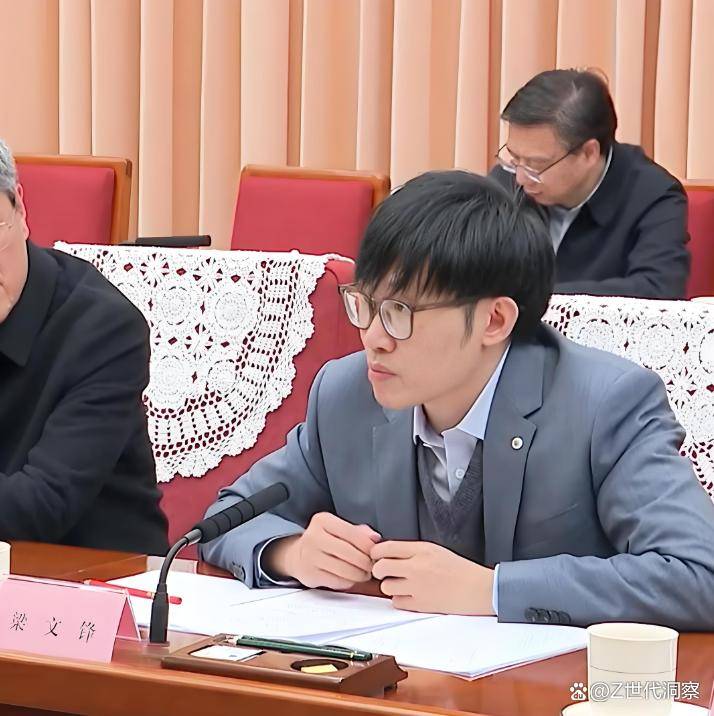
Core Insights - The article highlights the emergence of ten influential figures in China's business sector during the first half of 2025, focusing on their impact on industry dynamics, innovation, and social discourse [1][2]. Group 1: Key Figures and Their Contributions - Liang Wenfeng, founder of DeepSeek, has become a focal point in the global AI sector with the launch of the DeepSeek AI general model, marking a significant milestone in the industry [3][9]. - Lei Jun of Xiaomi faced challenges following a tragic accident involving the Xiaomi SU7, yet the company achieved a delivery milestone of over 250,000 units for the SU7 series [10][12]. - Fang Hongbo of Midea Group initiated a "no overtime" policy, reflecting a shift in corporate culture, while the company reported a revenue of 409.1 billion yuan, leading the global home appliance market [13][15]. - Liu Qiangdong of JD Group launched a rapid delivery service, achieving over 25 million orders in the first month, while the company faced profitability pressures with a net profit margin of 1.8% [16][18][19]. - Chen Tianzhi of Cambricon saw the company's market value exceed 320 billion yuan, despite concerns over reliance on government subsidies and a lag in developer ecosystem compared to international competitors [20]. - Wang Xing of UTree Technology gained attention with humanoid robots featured on national television, while the company accelerated its IPO process amid ethical concerns regarding robotics [22]. - Zeng Yuqun of CATL maintained the company's position as the global leader in power batteries, establishing a 10 billion yuan fund to enhance energy storage capabilities [24]. - Wang Ning of Pop Mart gained significant media attention with a high-value toy auction, leading to a market valuation of 336 billion HKD [26][28]. - Yang Yu, director of the animated film "Ne Zha," achieved record box office success, showcasing the potential of Chinese cultural exports [29][31]. - Dong Mingzhu of Gree Electric faced controversy over her comments and led a successful live-streaming sales initiative, although the air conditioning segment's growth slowed to 5% [32][34]. Group 2: Industry Trends and Observations - The article notes a shift in public discourse, with business leaders gaining more attention than entertainment figures, indicating a growing recognition of their role in creating social wealth [2][34]. - The representation of women in the business sector remains low, with only one female figure, Dong Mingzhu, highlighted among the ten influential individuals [34].