新能源与智能化

Search documents
剑指200万辆年销,深蓝助力长安打造央企新能源转型范本
Zhong Guo Qing Nian Bao· 2025-06-10 10:51
Group 1 - Changan Automobile has officially announced its approval to become a centrally administered state-owned enterprise (SOE) under the State-owned Assets Supervision and Administration Commission (SASAC), marking a significant transformation for the company [2] - In 2024, Changan Automobile achieved a total delivery of 2.684 million vehicles, representing a year-on-year growth of 5.1%, with new energy vehicle (NEV) sales reaching 735,000 units, up 52.8%, accounting for 27.4% of total sales [2] - The overseas market also showed strong performance, with sales of 536,000 units, reflecting a year-on-year increase of 49.6% [2] Group 2 - Deep Blue Automobile, a core NEV brand under Changan, has significantly contributed to the company's market performance, achieving over 100,000 cumulative sales within 14 months of its first model launch [5] - By October 2024, Deep Blue reached 300,000 sales in just 27 months, and by December 2024, it achieved 400,000 sales in 29 months, maintaining a high growth trajectory [5][10] - Deep Blue has recently announced achieving a phase of profitability, becoming one of the first state-owned NEV brands to do so [5] Group 3 - Deep Blue Automobile has developed the Super Range Extender technology, which includes 1,862 core patents and integrates several globally leading technologies, enhancing vehicle performance and efficiency [7] - The company plans to invest 200 billion yuan in R&D over the next decade, with Deep Blue positioned as a key player in this initiative [8] - Deep Blue's "Smart Leading 2030" strategy aims for sales of 2 million vehicles by 2030, with 35% of sales coming from overseas markets and the launch of 30 new models [10] Group 4 - Deep Blue has established a comprehensive sales network covering 32 countries and aims to penetrate the Southeast Asian market using its factory in Thailand as a base [12] - The brand has conducted nearly 30 OTA updates since September 2022, enhancing user engagement and product optimization [12] - With the support of Changan's new SOE status, Deep Blue is expected to further strengthen its position in the NEV market and contribute to the development of China's automotive industry [12]


渤海汽车拟收购北汽集团旗下4家零部件公司
Jing Ji Guan Cha Wang· 2025-06-03 14:49
Core Viewpoint - Bohai Automotive is planning a major asset restructuring involving the acquisition of four automotive parts companies under BAIC Group to improve its asset quality and expand its business segments [1][2][4] Group 1: Acquisition Details - Bohai Automotive has announced a suspension of trading for up to 10 trading days due to the planned acquisition of 51% stakes in Beijing Beiqi Moulding Technology Co., Ltd. and Langfang Andautuo Seat Co., Ltd., as well as 100% of the shares in Innoface Intelligent Technology (Beijing) Co., Ltd. and 50% in Langfang Leoni Wiring Systems Co., Ltd. [1][2] - The acquisition is expected to enhance the company's asset quality and business segments, as the selected companies have strong performance capabilities [2][3] Group 2: Financial Performance - Bohai Automotive has faced financial challenges, with revenues of 4.415 billion, 4.102 billion, 4.670 billion, and 4.227 billion from 2021 to 2024, and net profits of -90 million, -62 million, -199 million, and -1.264 billion during the same period [3][6] - The company reported a significant loss in 2024, with a net profit decline of 535.66% compared to the previous year, primarily due to bankruptcy filings and reduced orders from its subsidiaries [6] Group 3: Strategic Direction - The acquisition aligns with the automotive industry's shift towards new energy and intelligent development, allowing Bohai Automotive to diversify its portfolio and support its transition towards lightweight, electric, and intelligent automotive components [5][7] - The four targeted companies are positioned in traditional automotive parts, while one focuses on intelligent technology, indicating a strategic move to integrate traditional and innovative sectors [7]


上汽集团推进商用车板块资源整合 动力新科迎新董事长
Zheng Quan Shi Bao Wang· 2025-05-23 13:58
Group 1 - Yang Huaijing has been elected as the chairman of Power New Technology, bringing strategic insights from his experience in the commercial vehicle sector [1] - The restructuring of SAIC Group's commercial vehicle division aims to enhance resource integration and competitiveness, with a focus on the light commercial vehicle segment [1][2] - The new strategy involves transforming the commercial vehicle division into a dedicated company, emphasizing frontline decision-making and core product focus [1] Group 2 - The light commercial vehicle segment now includes brands such as "Maxus," "Yuejin," and "Iveco," promoting deeper integration of operations [2] - SAIC Hongyan is addressing debt risks by enhancing receivables collection and exploring strategic investments and debt restructuring to improve liquidity [2] - The company aims to pivot its heavy truck business towards profitable orders and overseas markets while optimizing internal operations and cost management [2] Group 3 - Future development for SAIC's commercial vehicles will focus on new energy and intelligent technology, with Power New Technology setting ambitious goals for vehicle and engine segments in the next 2-3 years [3]


专用车如何升级突破?众专家倡议“场景化创新驱动”
Jing Ji Guan Cha Wang· 2025-05-16 13:08
Core Insights - The conference held by the Electric Vehicle Hundred People Association focused on the transformation of the specialized vehicle industry, emphasizing "high-end, intelligent, and green" development paths [2] - The industry is undergoing a significant shift driven by policy support and technological advancements, with a notable increase in the penetration rate of new energy in specialized vehicles [3][4] Policy and Market Dynamics - The penetration rate of new energy in specialized vehicles is projected to rise from 1% in 2021 to 15% by 2025, outpacing that of passenger vehicles [3] - Strong policy initiatives post-2020, particularly the "dual carbon" goals, have accelerated the electrification of public sector vehicles, with a forecast of over 300,000 new energy specialized vehicles sold in 2024, marking a nearly 50% growth [3] Technological Innovations - Breakthroughs in charging technology have reduced the charging time for new energy heavy trucks from several hours to 30 minutes, alleviating "range anxiety" [3] - The integration of advanced technologies, such as the "Rui Control E Platform" by Yutong, has led to a 20% reduction in energy consumption [4] - The domestic production rate of key components like high-rate batteries and chips has exceeded 90%, with costs decreasing by 40% compared to three years ago [4] Scene-based Innovation - The future of specialized vehicles lies in identifying high-value niche markets rather than competing in saturated markets [5] - Companies are innovating by developing products tailored to specific operational scenarios, such as electric mixing trucks achieving a 71% penetration rate due to their suitability for short-distance operations [3][5] Industry Collaboration and Ecosystem Development - The specialized vehicle sector is witnessing an "ecological competition" that is reshaping the industry landscape, with a projected 96% year-on-year growth in specialized vehicle sales in Shiyan by 2024 [7] - Collaborative efforts among companies in Shiyan have led to significant reductions in logistics costs and improved product development cycles [6] International Expansion and Market Challenges - Chinese specialized vehicle exports are transitioning from low-end products to targeting high-end markets, with a focus on overcoming barriers in the European and American markets [8] - The industry faces challenges such as stringent emission standards and the need for localized operations to enhance competitiveness [8] Future Directions - The transformation of the specialized vehicle industry is characterized by a shift from cost advantages to system capability outputs, integrating manufacturing, services, and data [9] - Key strategies for future success include strengthening foundational innovations in emerging technologies and establishing a comprehensive output model that combines technology, standards, and ecosystems [9]
吉利计划收购极氪全部股份,Waymo与麦格纳达成合作 | 汽车早参
Mei Ri Jing Ji Xin Wen· 2025-05-07 22:36
Group 1 - Geely plans to acquire all shares of Zeekr, currently holding approximately 65.7% of the shares, indicating a strategic focus on the automotive sector and accelerating layout in new energy and intelligence fields [1] - The acquisition is expected to enhance resource allocation efficiency, improve R&D and operational synergy, and strengthen Geely's competitiveness in the global market [1] - The market's long-term development expectations for Geely and its brands are likely to be optimized following the completion of the integration [1] Group 2 - CATL completed a share buyback of 1.55 billion yuan, representing nearly 39% of the lower limit of its buyback plan, with an average daily buyback exceeding 90 million yuan [2] - The buyback reflects CATL's confidence in its value and stable operational foundation, with a focus on shareholder returns, achieving a dividend rate of 50% over the past two years [2] - The ongoing buyback plan is expected to positively influence the new energy industry chain and enhance investor confidence in the sector [2] Group 3 - Waymo announced a partnership with Magna to establish a new factory in Mesa, Arizona, which will produce vehicles equipped with Waymo technology, creating hundreds of jobs [3] - The factory is expected to produce over 2,000 Jaguar I-PACE vehicles by next year, showcasing Waymo's production capabilities and technological advancements [3] - This collaboration is anticipated to accelerate the scaling of Waymo's technology and increase competitive pressure on other automakers [3] Group 4 - Nezha Auto's associated company has reported new tax debts exceeding 2.15 million yuan, reflecting financial pressure amid operational challenges [4] - The company has faced multiple issues, including app and website outages, and has made adjustments to its sales channels, including closing some direct stores [4] - The success of future financing and sales strategies will be crucial for Nezha's competitiveness in the new energy vehicle market [4] Group 5 - Rivian has lowered its electric vehicle delivery forecast for the year to 40,000-46,000 units, down from a previous estimate of 46,000-51,000 units, due to tariff and regulatory changes [5] - Despite reporting better-than-expected financial results for Q1, the downward adjustment in delivery targets may impact market confidence [5] - Rivian's sufficient liquidity and new investment strategy indicate long-term potential and recovery capability, prompting a cautious outlook on the electric vehicle industry [5]

“新能源整车第一股”北汽蓝谷拟募资60亿,加码新能源与智能化
IPO日报· 2025-05-06 08:54
Core Viewpoint - Beiqi Blue Valley plans to raise no more than 6 billion yuan through a private placement to fund the development of new energy vehicles and an AI intelligent platform [1][10]. Group 1: Company Overview - Beiqi Blue Valley, originally established as Beiqi New Energy in 2009, was the first company in China to obtain production qualifications for new energy vehicles and has been a leader in pure electric vehicle sales for several years [5]. - The company primarily focuses on the research, production, and sales of new energy passenger vehicles, which accounted for 70.68% of total revenue in 2023 and is expected to rise to 75.25% in 2024 [6][7]. Group 2: Business Performance - Despite selling 92,000 vehicles in 2023, Beiqi Blue Valley reported significant losses, totaling over 20 billion yuan from 2020 to 2023 [11][13]. - The company has been actively seeking transformation, launching the Arcfox brand in 2016 to penetrate the consumer market, which contributed to a total sales volume of 114,000 vehicles in 2024, with Arcfox accounting for 81,000 units, a 170% increase year-on-year [13]. Group 3: Strategic Initiatives - In February 2024, Beiqi Blue Valley announced a name change to Beiqi Arcfox to enhance brand recognition and align with its strategic upgrade [14]. - The company plans to invest 5.5 billion yuan in developing three new models under the Xiangjie brand, further strengthening its collaboration with Huawei [15][16]. Group 4: Financing and Capital Raising - Beiqi Blue Valley has demonstrated strong financing capabilities, having raised approximately 12.61 billion yuan through three private placements since its backdoor listing, with a total fundraising exceeding 50 billion yuan since 2018 [18][20]. - The company has also received government subsidies totaling 10.622 billion yuan since 2018, contributing to its financial support [20].

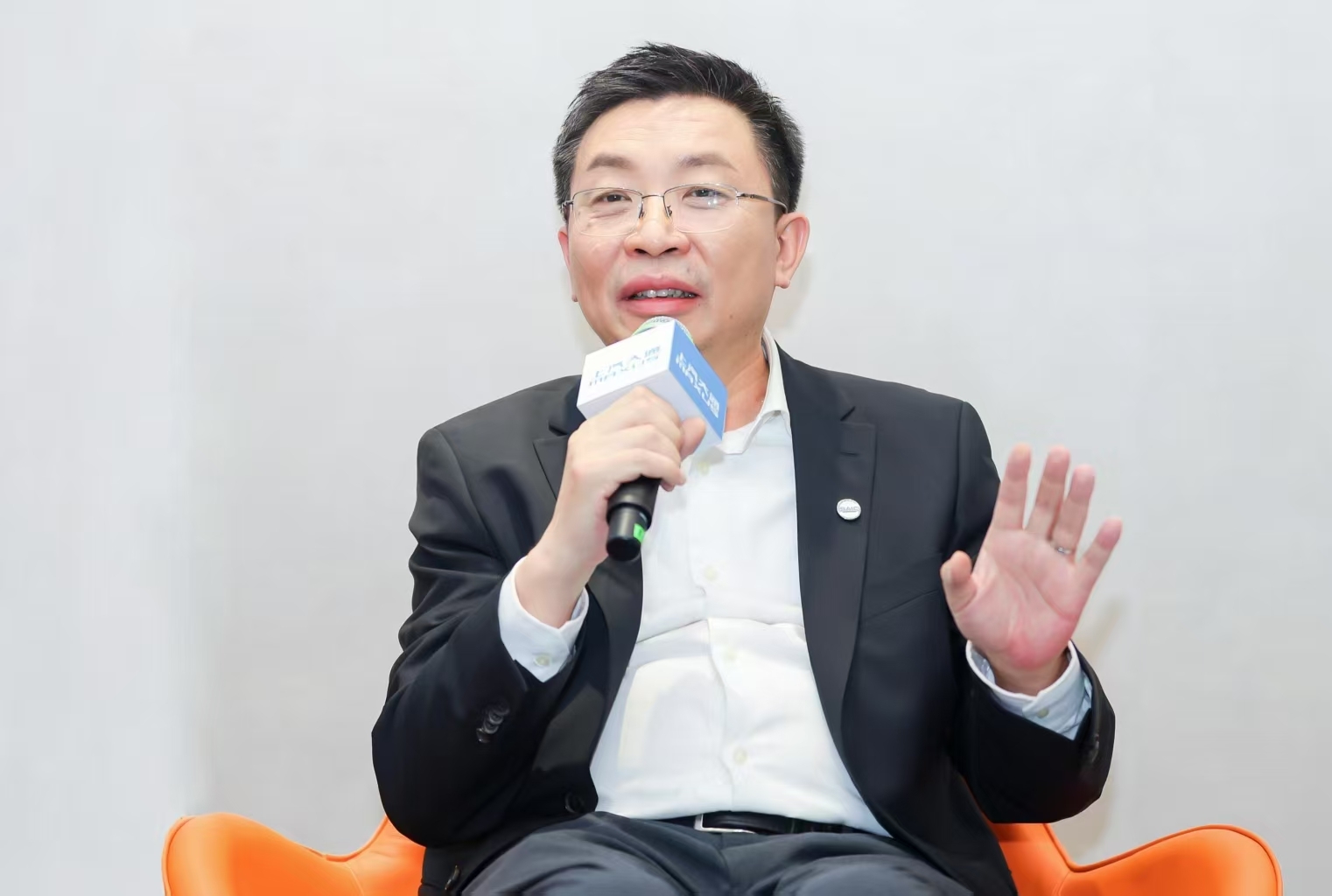
车展季·大咖说丨上汽商用车业务全面整合 杨怀景:2025年海外出口目标欲突破10万辆
Mei Ri Jing Ji Xin Wen· 2025-04-27 08:48
Group 1 - The core strategy of SAIC Group's commercial vehicle development is to implement institutional reforms and introduce a more open market mechanism, optimizing operations and welcoming external investors [1][2] - In 2025, SAIC Group will focus on two main OEM (Original Equipment Manufacturer) business segments: passenger vehicles and commercial vehicles, with SAIC Maxus as the core of the commercial vehicle business [2] - The integration of light commercial vehicle segments, including the Maxus, Yuejin, and Iveco brands, aims to enhance resource sharing and operational efficiency [2] Group 2 - Future development directions for SAIC's commercial vehicles will center on new energy and intelligent technology, with plans to launch a wide-body hybrid light passenger vehicle and explore hydrogen fuel cell models [2] - SAIC Maxus has announced a comprehensive strategic partnership with Huawei in the commercial vehicle sector during the Shanghai Auto Show [2] - The company aims to establish an independent overseas entity for commercial vehicle operations to better navigate international markets, with current coverage in 73 countries and regions [6] - The goal for exports is to exceed 100,000 units this year, with an expected growth of 30% to 40% in the following year, setting higher targets for the next 2-3 years [6]
苏奥传感:新能源业务释放新活力 产业链纵深整合进一步塑造核心竞争力
Zheng Quan Shi Bao Wang· 2025-04-21 02:23
Core Insights - The company, Suo Sensor, reported a revenue of 1.67 billion yuan in 2024, representing a year-on-year growth of 48.87%, and a net profit of 138 million yuan, up 11.31% year-on-year [1] - The company plans to distribute a cash dividend of 0.6 yuan per 10 shares to all shareholders, totaling 47.79 million yuan [1] Business Performance - Suo Sensor has established a diversified product matrix covering four core segments: sensors and components, fuel system accessories, automotive interior parts, and new energy components [2] - Revenue from new energy components reached 254 million yuan in 2024, marking a significant year-on-year increase of 102.84% [2] - The automotive sensor and components business and fuel system accessories also saw revenue growth of 16.57% and 5.9%, respectively [2] R&D and Innovation - The company invested approximately 60.64 million yuan in R&D, accounting for 3.63% of its revenue, and holds a total of 192 patents, including 25 invention patents [3] - Suo Sensor has developed a domestically produced MEMS pressure sensor for large-scale applications, achieving quality comparable to imported counterparts [3] - The company’s self-developed current sensors and eddy current sensors have shown significant performance improvements, supporting the trends in new energy and intelligent vehicles [3] Supply Chain and Strategic Initiatives - The company is optimizing its supply chain management through vertical integration of suppliers, which lowers procurement costs and enhances self-manufacturing rates [4] - In 2024, Suo Sensor successfully acquired a controlling stake in Bonair, enhancing its product structure in the automotive parts industry [5] - The acquisition allows for collaborative development across multiple modules, increasing market share and business scale [5] Product Development and Market Position - Suo Sensor has expanded its product lines to include DPF differential pressure sensors and current sensors, promoting synergy among its sensor, new energy, and thermal management systems [6] - The company’s sensors for hybrid systems have passed tests by leading automotive manufacturers, with several products becoming standard offerings [7] - The development of new sensor products based on MSG technology has improved cost efficiency and performance, enhancing the company's application scenarios in thermal management [7]

趋势研判!2025年中国房车行业产业链图谱、市场规模、竞争格局及未来前景分析:国民旅游消费日益升级,国内房车消费进入市场培育期[图]
Chan Ye Xin Xi Wang· 2025-04-04 23:12
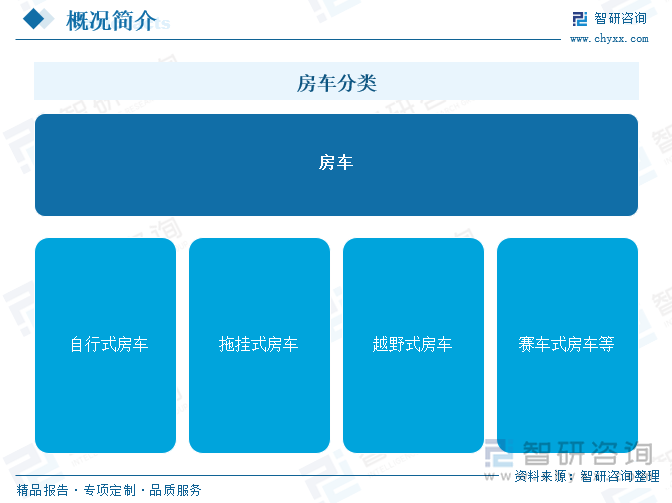
Industry Overview - The RV, known as "home on wheels," combines the functions of a home and a vehicle, with types including motorhomes, towable RVs, off-road RVs, and racing RVs [1][4] - The RV market in China is transitioning from the introduction phase to the cultivation phase, with sales showing an upward trend, leading to market expansion [1][12] - The market size of China's RV industry has grown from approximately 50 billion yuan in 2018 to 108.49 billion yuan in 2024 [1][12] Domestic Market - Government policies such as the "14th Five-Year Plan for Tourism Development" and "Guidance on Promoting High-Quality Development of the Automotive Aftermarket" are fostering the growth of RV tourism and camping [6] - In 2024, 245 companies reported 895 new RV models, a 5.67% increase from 2023 [6] - The total RV sales in China increased from 7,374 units in 2018 to 11,748 units in 2024, although it decreased by 19.8% compared to 2023 [8] Market Competition - The RV industry in China has a low concentration, with CR3 and CR6 at 22.28% and 34.26% respectively, indicating a fragmented competitive landscape [14] - Major players include SAIC Maxus, Yutong Bus, Zhejiang Dade Longcui, and others, with SAIC Maxus holding approximately 10.39% of the market share [14] Development Trends - The RV industry is accelerating towards new energy and smart technology integration, with companies like Yutong and SAIC Maxus introducing electric RVs [20] - The integration of RVs with cultural tourism is creating new consumption scenarios, supported by government initiatives to establish RV stations along popular travel routes [22]