
源头创新

Search documents
人类观测太阳又多了一双“慧眼” 从一台望远镜“看”源头创新
Ren Min Ri Bao· 2025-11-17 08:49
Core Insights - The AIMS telescope, the world's first dedicated mid-infrared solar magnetic field observation device, has been officially launched, enhancing human observation capabilities of the sun [1][2] - The development of AIMS fills a significant gap in international solar magnetic field observation in the mid-infrared spectrum, supporting China's leading position in solar physics research [1][3] Group 1: Technological Advancements - AIMS aims to improve magnetic field measurement precision to better than 10 Gauss and has developed the world's first mid-infrared Fourier spectrometer with ultra-high spectral resolution, achieving a 156-fold increase in spectral resolution compared to previous domestic levels [3] - The project has made several key technological breakthroughs since its initiation in 2015, including advancements in polarization measurement technology, which required starting from scratch due to the lack of existing mid-infrared measurement devices [3][4] Group 2: Collaborative Efforts - The AIMS telescope's development involved a multi-disciplinary collaborative effort, with various research institutes contributing to different components, ensuring organized and efficient project execution [3][4] - The project emphasized top-level design from the outset, allowing for smooth integration of various components without design rework issues [4] Group 3: Site Selection and Local Support - The site for AIMS was carefully chosen based on specific requirements such as long sunlight duration, dry climate, and high altitude, with Qinghai's Seishiteng Mountain ultimately selected after evaluating five potential locations [5] - Local government support was crucial for the project's success, facilitating the transportation of equipment and ensuring the necessary infrastructure was developed in a timely manner [5] Group 4: Team Dynamics and Challenges - The project team, primarily composed of young researchers, faced significant challenges due to high-altitude conditions, yet demonstrated resilience and commitment to advancing the project despite difficult living conditions [6] - The team successfully identified and resolved issues related to low-temperature effects on optical performance, showcasing their problem-solving capabilities and dedication to the project's success [6]
这一幕,科研机构更尴尬了
投资界· 2025-11-17 08:10
Core Viewpoint - The article discusses the rise of Chinese pharmaceutical companies in innovation and the challenges they face in collaborating with research institutions, highlighting a trust crisis in early-stage academic innovations [4][5][6]. Group 1: Innovation in Chinese Pharmaceutical Industry - In 2023, the total amount of new drug licensing transactions from Chinese pharmaceutical companies has exceeded $100 billion, indicating a significant rise in innovation capabilities [4]. - The market's increasing demand for innovation is leading to a more competitive international landscape for Chinese pharmaceutical companies [4]. Group 2: Challenges in Collaboration - Domestic research universities and institutions often face difficulties in industrial collaboration, with most partnerships occurring only after projects have reached advanced stages [5][6]. - There is a notable contrast with the U.S., where academic innovations are more readily supported by venture capital, reflecting a conservative approach in China towards early-stage academic innovations [5][6]. Group 3: Trust Issues and Funding - Trust issues arise when early-stage academic research fails to meet expectations, leading to terminated collaborations and a lack of investment in promising projects [7][12]. - The funding required for preclinical research ranges from 30 million to 50 million yuan, which poses a significant barrier for many projects [12]. Group 4: Need for Differentiated Investment - It is suggested that venture capital and large pharmaceutical companies allocate 5% to 10% of their R&D budgets to support early-stage, differentiated innovations, which could lead to breakthrough results [13]. - The article emphasizes the importance of nurturing both immediate and long-term innovations in the pharmaceutical industry, akin to planting seeds for future growth [13].


【人民日报】从一台望远镜“看”源头创新
Ren Min Ri Bao· 2025-11-17 01:57
Core Insights - The AIMS telescope, the world's first dedicated mid-infrared solar magnetic field observation device, has been officially launched, enhancing human observation capabilities of the sun [2][3][4] - The development of AIMS fills a significant gap in international solar magnetic field observation in the mid-infrared band, providing a reference for future large astronomical equipment in high-altitude areas [3][4] Group 1: Technological Advancements - AIMS aims to improve magnetic field measurement precision to better than 10 Gauss and has developed the world's first mid-infrared Fourier spectrometer with both ultra-high spectral resolution and imaging capabilities, achieving a 156-fold increase in spectral resolution compared to previous domestic levels [5] - The project has made several key technological breakthroughs since its initiation in 2015, including advancements in polarization measurement technology, which required starting from scratch due to the lack of existing mid-infrared measurement devices [5][6] Group 2: Collaborative Efforts - The development of AIMS is a successful example of multidisciplinary collaboration, involving various research institutes such as the National Astronomical Observatories, Shanghai Institute of Technical Physics, and Xi'an Institute of Optics and Precision Mechanics, among others [6][7] - The project emphasized top-level design and clear technical interfaces, which facilitated smooth integration of various components and minimized design rework [6] Group 3: Site Selection and Local Support - The site for AIMS was chosen based on strict requirements for sunlight exposure, dry climate, and thin air, with the final location being the Qinhai Lenghu Saishiteng Mountain after evaluating five potential sites [6][7] - Local government support was crucial for the project's construction, providing assistance such as helicopter transport for equipment to the high-altitude site [7] Group 4: Team Dynamics and Challenges - The project team, primarily composed of young researchers, faced significant challenges due to high-altitude conditions, including cold temperatures and scarce resources, yet they remained committed to advancing the project [8] - During the testing phase, the team identified and resolved issues related to low-temperature effects on imaging quality, demonstrating their problem-solving capabilities and dedication [8]

从一台望远镜“看”源头创新(科技视点·加快高水平科技自立自强)
Ren Min Wang· 2025-11-16 22:26
Core Insights - The AIMS telescope, the world's first dedicated mid-infrared solar magnetic field observation device, has been officially launched, enhancing human observation capabilities of the sun [2][3] Group 1: Technological Advancements - AIMS telescope aims to improve magnetic field measurement precision to better than 10 Gauss and has developed the world's first mid-infrared Fourier spectrometer with ultra-high spectral resolution, achieving a 156-fold increase in spectral resolution compared to previous domestic levels [5] - The project has made significant technological breakthroughs since its inception in 2015, including the development of polarization measurement technology for mid-infrared wavelengths, which required starting from scratch due to the lack of existing devices and components [5][6] Group 2: Collaborative Efforts - The development of the AIMS telescope involved a multi-disciplinary collaborative effort, with various research institutes contributing to different components, ensuring a well-coordinated project without design rework issues [6][7] - The project emphasized top-level design and clear communication of technical requirements among participating institutions, which facilitated smooth integration of various parts [6] Group 3: Site Selection and Local Support - The telescope's location was carefully chosen based on criteria such as long sunlight duration, dry climate, and high altitude, with Qinghai's Seishiteng Mountain ultimately selected after evaluating five potential sites [7] - Local government support was crucial for the project's success, providing assistance in transporting equipment to the high-altitude site [7] Group 4: Team Dynamics and Challenges - The project team, primarily composed of young researchers, faced significant challenges due to high-altitude conditions, yet they demonstrated resilience and commitment to advancing the project despite difficult living conditions [8] - During the testing phase, the team successfully identified and resolved issues related to low temperatures affecting imaging quality, showcasing their problem-solving capabilities [8]

2025全球医疗科技创新生态大会落幕,波士顿科学携手生态伙伴共倡“源头创新”
Zhong Guo Xin Wen Wang· 2025-11-13 13:05
Core Viewpoint - The conference aimed to bridge the gap between laboratory innovations and clinical applications in China's healthcare sector, promoting a shift from global imports to indigenous innovations in medical technology [1][6]. Group 1: Conference Highlights - The "2025 Global Medical Technology Innovation Ecosystem Conference" was successfully held in Shanghai, gathering nearly 30 industry leaders from government, top hospitals, research institutions, and leading medical technology companies [1]. - A joint initiative titled "Gathering Global Wisdom to Promote Medical Technology Co-creation" was launched, addressing the low clinical outcome translation rates in the industry and proposing several core action plans for future ecological collaboration [1]. Group 2: Collaborative Innovation - Boston Scientific's Greater China President emphasized the importance of building an open innovation platform, integrating global expertise with local innovations to enhance China's medical innovation on the world stage [2]. - The focus is on expanding the vision from single disease management to comprehensive disease management, aligning with the "Healthy China 2030" initiative [2]. Group 3: Key Challenges in Medical Device Innovation - Two main challenges in the domestic cardiovascular medical device innovation market were identified: the difficulty of innovation translation and the need for a systematic value assessment of medical innovations [4][5]. - The complexity of medical device innovation requires effective interdisciplinary collaboration, which is currently hindered by the relative independence of doctors, engineers, and scientists [4]. Group 4: Future Directions - Boston Scientific aims to integrate into China's healthcare system as a vibrant co-builder, moving from local manufacturing to deepening research and co-creating a medical ecosystem [3]. - The company is advocating for a scientific evaluation system to measure the comprehensive value of innovative technologies, which could lead to a healthier innovation ecosystem in China [5].

21专访丨复星国际陈启宇:源头创新,产品之外商业化能力亦是核心
2 1 Shi Ji Jing Ji Bao Dao· 2025-11-11 23:11
Core Insights - The Chinese pharmaceutical innovation sector has seen a significant increase in transaction amounts, surpassing $100 billion in overseas deals, indicating a robust growth in the industry [1][2] - The National Medical Products Administration (NMPA) approved 43 new drugs in the first half of 2025, with domestic drugs accounting for 40, showcasing an acceleration in the pace of innovation [1] - Shanghai has emerged as a key hub for biopharmaceuticals, with 9 innovative drugs approved for overseas markets in 2023, reflecting a shift from single breakthroughs to batch outputs [2][3] Industry Trends - The total number of global pharmaceutical transactions reached 682, with a total value of $191 billion in the first three quarters of 2025, indicating a strong upward trend [1] - Chinese pharmaceutical companies are transitioning from being participants in the global market to becoming significant contributors to global health [3][4] - The focus on "source innovation" is critical for Chinese companies to differentiate themselves and avoid homogenization in drug development [2][4] Challenges and Opportunities - Despite the growth, the Chinese pharmaceutical industry faces challenges such as weak foundational research and a predominance of "follow-up" innovation, leading to issues with target homogenization [2][6] - There is a pressing need for differentiation in innovation to create value, as highlighted by industry leaders [2][5] - The industry must address the affordability of innovations for the Chinese population, necessitating a shift in cost strategies compared to Western markets [5][6] Strategic Directions - Companies are encouraged to adopt a rational approach to innovation, focusing on unmet clinical needs and leveraging emerging technologies to address these demands [7][8] - The ability to sell drugs globally is becoming a key competitive advantage, with companies needing to build strong commercial capabilities alongside their R&D efforts [9][10] - Collaborative approaches and localized strategies are essential for navigating international markets effectively [10][11] Future Outlook - The potential for "source innovation" to drive the next wave of growth in the Chinese pharmaceutical industry is recognized, contingent on overcoming existing barriers [11]

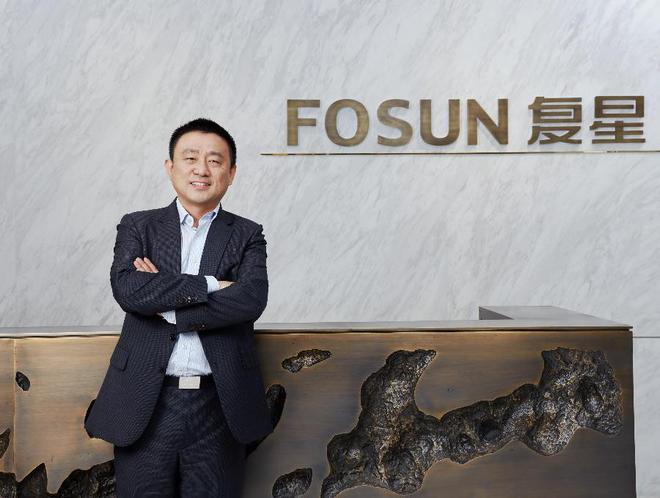
专访复星国际陈启宇:源头创新,产品之外商业化能力亦是核心
2 1 Shi Ji Jing Ji Bao Dao· 2025-11-10 09:36
Core Insights - China's pharmaceutical innovation is experiencing a significant increase in transaction volume, with overseas transactions exceeding $100 billion, indicating a robust growth in the sector [1][5] - The National Medical Products Administration (NMPA) has approved 43 new drugs in the first half of 2025, with a notable acceleration in the pace of innovation drug approvals [1][4] - Despite the growth in quantity, the quality of innovation remains a concern, with a predominance of "follow-up" innovation and issues of target homogeneity [2][6] Industry Trends - The global pharmaceutical transaction volume reached $191 billion in the first three quarters of 2025, with China contributing $937 billion, showcasing its competitive position in the global market [1][5] - Shanghai has emerged as a key hub for biopharmaceuticals, with 9 innovative drugs approved for overseas markets in 2023, leading the nation in this regard [4][5] - The shift from "single product authorization" to a focus on systemic capabilities and deep collaboration reflects a changing strategy among Chinese pharmaceutical companies [13] Challenges and Opportunities - The industry faces challenges such as weak foundational research, a trust crisis in collaborations, and funding difficulties, which hinder the development of truly innovative products [8][9] - There is a pressing need for differentiation in innovation, with a focus on "source innovation" to avoid the pitfalls of homogeneous competition [2][6][12] - Companies are encouraged to adopt a cost-effective approach to innovation, particularly in the context of China's large population and healthcare affordability [7][10] Strategic Directions - Companies must recognize unmet clinical needs and maintain a rational approach to innovation, avoiding overcrowding in competitive areas [9][10] - The ability to sell innovative drugs globally is becoming a critical measure of a company's success, surpassing mere research capabilities [12][14] - Building strong global commercialization capabilities through partnerships and localized teams is essential for navigating international markets [13][14]
机器人举起全运火炬:以新型生产关系支撑新质生产力的广东样本
21世纪经济报道· 2025-11-05 07:34
Core Viewpoint - Shenzhen is actively exploring new production relationships and institutional frameworks to adapt to the development of new technologies and organizational systems, aiming to become a hub for innovative productivity [1][2]. Group 1: Innovation in Robotics and AI - The successful participation of humanoid robots in various public roles, including the recent torch relay, highlights Shenzhen's advancements in AI and robotics [2]. - The city is integrating innovation chains, industry chains, capital chains, and talent chains to establish itself as a source and incubator of new productivity [2]. Group 2: Government as an Innovation Partner - The establishment of specialized industry offices for pharmaceuticals, new energy vehicles, and artificial intelligence reflects a shift in government roles from mere management to active partnership in innovation [4]. - The newly formed Longgang District AI and Robotics Bureau aims to streamline planning, ecosystem development, and talent recruitment, showcasing a market-oriented approach to governance [5]. Group 3: Restructuring Source Innovation - Shenzhen's innovation ecosystem is being bolstered by the establishment of dedicated institutions like the Shenzhen Natural Science Fund Committee and the New Productivity Technology Promotion Center, focusing on both basic research and technology commercialization [7][8]. - The introduction of technical managers aims to bridge the gap between technology and market needs, enhancing the commercialization of research outcomes [8][9]. Group 4: Encouraging Capital Investment - The concept of "bold capital" has been introduced to encourage long-term investment in innovative enterprises, with initiatives like "Shenzhen Venture Capital Day" attracting significant participation from global investment institutions [11][12]. - The Shenzhen government has established various funds to support key industries, including a 5 billion yuan semiconductor investment fund, to strengthen the local innovation ecosystem [12]. Group 5: Embracing Failure in Innovation - Shenzhen's legal framework now supports entrepreneurs facing failure, allowing for personal bankruptcy and restructuring, which reduces the risks associated with innovation [12]. - The establishment of a comprehensive service platform for both corporate and personal bankruptcy reflects a commitment to fostering a culture that values innovation while being tolerant of failure [12].

陕西培育建设光子科技实验室
Shan Xi Ri Bao· 2025-11-05 00:19
Core Insights - The Photon Industry Summit at the 2025 Hard Technology Innovation Conference in Xi'an announced plans to tackle over 30 critical core technologies in the next two years, aiming to boost the output value of Shaanxi's photon industry to over 50 billion yuan [1] - The global photon market reached a scale of 920 billion USD in 2023 and is expected to exceed 1.2 trillion USD by 2027, driven by the explosion of AI technology [1] - The Shaanxi Photon Technology Laboratory, which has entered its cultivation phase with over 1 billion yuan in funding, aims to serve as a government think tank, innovation hub, and industry chain promoter [1] Development Plans - The laboratory's strategy is based on a dual approach of "source innovation + industry integration," with a spatial layout of "one laboratory and two bases" [2] - The core of "source innovation" is the advanced attosecond laser facility, which will integrate research resources from universities and institutes, focusing on fundamental research and technological breakthroughs [2] - The laboratory aims to establish a mechanism for "laying eggs along the way" to promote the industrial application of multiple achievements by 2030, aspiring to become a nationally influential photon technology laboratory [2] Industry Landscape - Since the launch of the "Chasing Light Plan" in 2021, Shaanxi has developed three core industrial clusters in photon materials and chips, advanced lasers and photon manufacturing, and photon sensing, with a total output value exceeding 35 billion yuan [2]
机器人举起全运火炬:以新型生产关系支撑新质生产力的广东样本
2 1 Shi Ji Jing Ji Bao Dao· 2025-11-04 23:17
Core Viewpoint - Shenzhen is actively exploring innovative mechanisms and institutional reforms to adapt to new technologies and production relationships, positioning itself as a hub for new productive forces and innovation [1][2][3]. Group 1: Innovation and Government Role - The government of Shenzhen is evolving from a traditional management role to becoming an "innovation partner" and risk-sharer, particularly in emerging industries like AI and robotics [3][4]. - The establishment of specialized industry offices for pharmaceuticals, new energy vehicles, and artificial intelligence reflects a shift towards a more dynamic and responsive governance model [2][3]. Group 2: New Institutional Frameworks - The launch of the first government-affiliated institution for AI and robotics in Longgang District aims to enhance industry planning, ecosystem development, and service for enterprises [3][4]. - The new institution employs a "market-oriented personnel mechanism" and is actively recruiting global talent to drive innovation and technology planning [4]. Group 3: Research and Development Initiatives - Shenzhen is focusing on foundational research and technology transfer, with the Shenzhen Natural Science Foundation Committee supporting ten key areas, including advanced manufacturing and quantum computing [5][6]. - The establishment of the New Productive Forces Technology Promotion Center aims to create a comprehensive service matrix for technology transfer, integrating resources across academia and industry [6][7]. Group 4: Capital and Investment Strategies - Shenzhen is promoting "bold capital" to encourage long-term investment in innovation, with initiatives like "Shenzhen Venture Capital Day" attracting over 5,500 investment institutions [8][9]. - The city has set up various industry guidance funds, including a 5 billion yuan semiconductor investment fund, to support critical areas of the industry [9]. Group 5: Innovation Ecosystem and Cultural Shift - Shenzhen is redefining its innovation ecosystem by allowing for failure and providing legal frameworks for personal bankruptcy, which encourages entrepreneurship [9][10]. - The establishment of a comprehensive service platform for corporate and personal restructuring reflects a commitment to reducing the costs of innovation and fostering a culture that values both success and failure [9][10].
