下沉市场

Search documents
十岁盒马,开始赚钱
3 6 Ke· 2025-04-22 12:24
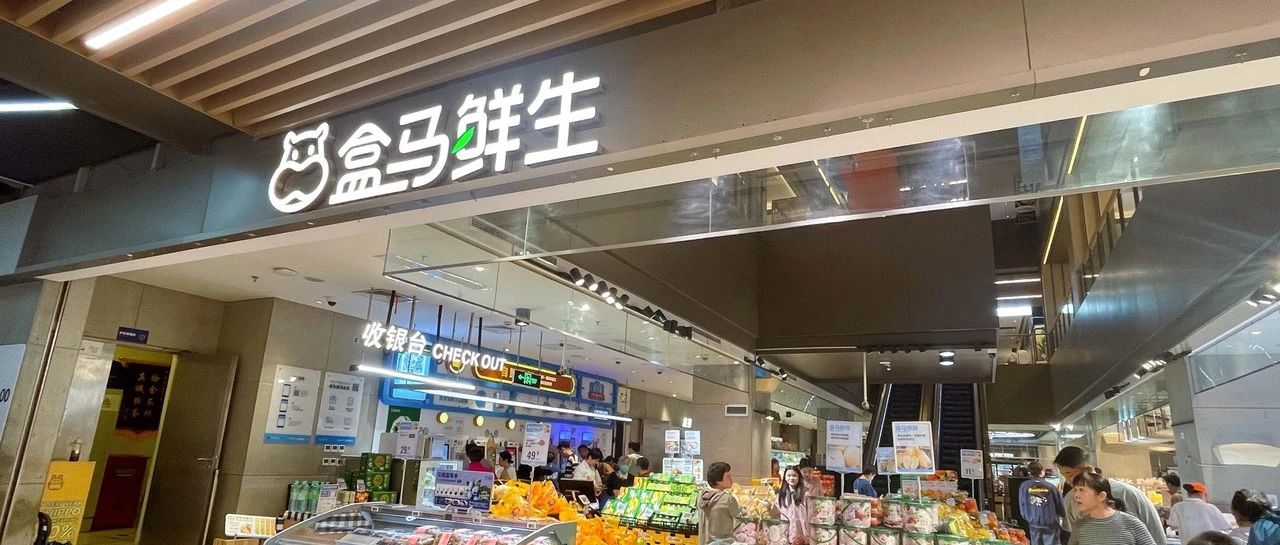
Core Insights - Hema has achieved its first annual profitability since its establishment, marking a significant milestone for the company [2][3] - The company plans to open nearly 100 new Hema Fresh stores in the upcoming fiscal year, indicating a strong focus on expansion [6][18] - Hema's business structure has been streamlined into four core segments, enhancing decision-making efficiency [2][15] Financial Performance - Hema reported a total transaction volume of 59 billion yuan for the 2024 fiscal year, a notable increase from 55 billion yuan in the previous year, with online transactions contributing over 63% to GMV [5] - The company experienced a customer growth rate exceeding 50% and achieved double-digit growth after nine consecutive months of profitability [4][12] Strategic Focus - Under the leadership of new CEO Yan Xiaolei, Hema has shifted its strategy from "model exploration" to "profitability first," focusing on two core business models: Hema Fresh and Hema NB [3][9][11] - Hema is actively enhancing its product offerings and supply chain capabilities, including the introduction of private label products and improvements in logistics [13] Market Expansion - Hema is targeting the lower-tier market, having entered 21 new cities and regions in the past year, with a focus on areas with strong consumer purchasing power [18][19] - The company is adapting its strategies to meet the unique challenges of the lower-tier market, including price sensitivity and varying consumer habits [19]

京东特价频道上线“2元包邮”活动,全天不定时抢购低价好物
Sou Hu Wang· 2025-04-22 09:26
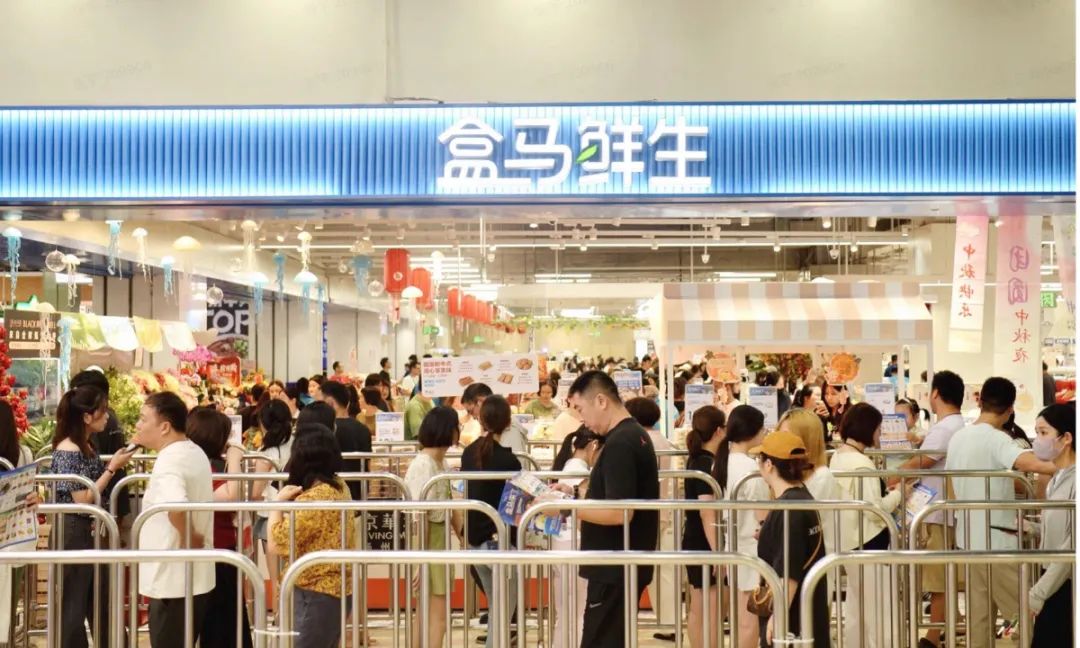
Core Insights - The e-commerce industry is rapidly evolving, with platforms like JD.com exploring new low-price strategies to meet growing consumer demand in both urban and rural areas [1] Group 1: JD.com's New Initiatives - JD.com launched a new low-price channel called "JD Special Price" in January 2025, prominently featured on the app's homepage [1] - The "2 Yuan Free Shipping" event was introduced on April 22, focusing on high-frequency consumption categories like household cleaning and daily necessities, offering over 4,000 quality products at a price of 2 Yuan [1][2] - The event allows consumers to purchase products that typically sell for much higher prices, such as well-known domestic brands, at a significant discount [2][4] Group 2: Promotional Strategies - The promotional strategy includes a "direct discount + coupon" approach, where consumers can use a coupon to buy products at a reduced price, with most of the discount cost borne by JD.com [4] - The event operates on a "2-day promotion" mechanism, with fixed promotional days on the 2nd, 12th, and 22nd of each month, enhancing consumer engagement [5] Group 3: Market Impact and Opportunities - The "2 Yuan Free Shipping" initiative is seen as a growth opportunity for small and medium-sized brands, providing them with a platform to reach a broader audience [6] - A case study of a small business transitioning from export to domestic sales highlights the potential for increased orders and brand exposure through participation in the event [7] - JD.com aims to continuously optimize the "2 Yuan Free Shipping" initiative by introducing more quality products and enhancing value for consumers while supporting brand visibility [7]

“外卖大战”升级!一季度外卖相关企业注册量增长19.69%
Qi Cha Cha· 2025-04-22 03:12
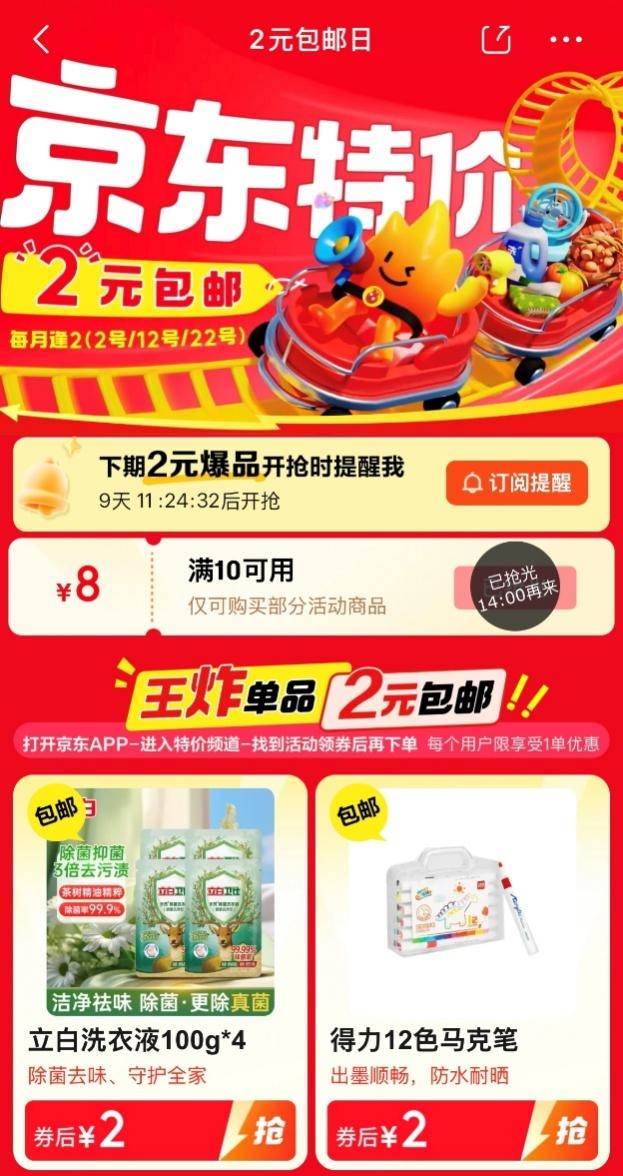
(原标题:"外卖大战"升级!一季度外卖相关企业注册量增长19.69%) 近日,美团和京东之争持续升级。继京东官微直言有竞对平台强迫骑手"二选一"后,双方博弈进入白热 化阶段。 4月22日,港股京东和美团双双大跌,分别跌超7%和6%。 据艾媒咨询数据显示,2024年我国在线餐饮外卖行业市场规模为1.64万亿元,预计到2027年将达到1.96 万亿元,其中下沉市场将成为重要增量来源。艾媒咨询指出,随着一二线城市市场饱和,未来增长动力 将更多来自三线及以下城市和乡镇地区。 企查查数据显示,截至目前,今年已注册外卖相关企业33.67万家,其中第一季度注册25.62万家,同比 增长19.69%。 企查查数据显示, 国内现存外卖相关企业325.43万家。近十年外卖相关企业注册量快速增长,2024年全 年注册111.95万家外卖相关企业,同比增长4.71%,达近十年注册量峰值。截至目前,今年已注册外卖 相关企业33.67万家,其中第一季度注册25.62万家,同比增长19.69%。从国标行业来看,外卖相关企业 多归属于住宿和餐饮业,占比60.70%。 3.相关企业多归属于住宿和餐饮业 1.现存外卖相关企业325.43万家 企 ...
盒马握紧拳头,挥向山姆的下一个阵地
雪豹财经社· 2025-04-15 14:22
去县城抢人 Fast Reading 盒马创始人侯毅花9年没能完成的目标,新任CEO严筱磊用9个月时间实现了。 2024年最后 天 盒马在 封全员信中披露 公司连续9个月整体盈利 且增长幅度达双位数 顾客 ■ 严筱磊上任后,盒马只聚焦于盒马鲜生和盒马NB两种店型,其他店型都进行了精简和调 整。 ■ 去年一年,盒马新开门店有三分之一开在二三线城市和县城,很多新店成了当地的"排队 王"。 ■ 今年盒马计划再开100家店,但在低线市场,它将面临与多个新零售品牌的竞争。 2024年最后一天,盒马在一封全员信中披露,公司连续9个月整体盈利,且增长幅度达双位数,顾客 数量增长超50%。 从去年3月前的上市计划搁浅、被传卖身,到今年以来大刀阔斧地开店,短短一年间,盒马命运逆 转。2月中旬,马云现身盒马长沙门店,阿里巴巴又在财报业绩会上明确表示,当前没有出售盒马的 计划。 卖身危机被化解的盒马,准备大干一场。 一家公司的成长历程往往呈现扩张探索与资源聚焦的交替循环,松开拳头是寻找新的方向,当明确 了下一阶段的业务重点时,就会握紧拳头。 作者丨高越 如今的盒马,到了重新握紧拳头的时刻。 在长三角区域,盒马新店像雨后春笋一样冒了 ...
便利店“翻牌”新趋势,罗森、库迪发力下沉市场
3 6 Ke· 2025-04-14 09:58
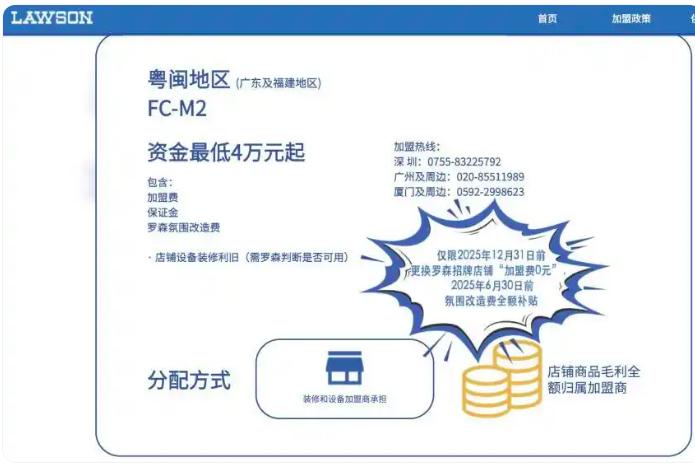
Core Insights - The rise of "Luo Sen Small Stations" and "Kudi Coffee Convenience Stores" signifies a shift in the convenience store industry, moving from traditional franchise fees to supply chain profitability and targeting lower-tier markets [1][8] Group 1: Business Model Transformation - Luo Sen's franchise conditions are attractive, with a minimum investment of 40,000 yuan, including a 10,000 yuan franchise fee, a 20,000 yuan deposit, and a 10,000 yuan renovation fee [2] - Kudi offers a "0 franchise fee" model but requires a 50,000 yuan deposit and a tiered service fee based on gross profit, ranging from 5% to 25% [4][5] Group 2: Product and Supply Chain Strategy - Luo Sen Small Stations maintain a product structure similar to traditional Luo Sen stores, focusing on high-margin Japanese fresh food products and standardized operational processes [4] - Kudi mandates that all stores procure core products through its supply chain, emphasizing profits from equipment, raw materials, and logistics [7] Group 3: Market Dynamics and Growth - The convenience store market in China is experiencing steady growth, with total sales reaching 424.8 billion yuan in 2024, a 10.8% year-on-year increase [8] - The number of convenience stores in third and fourth-tier cities is growing significantly, with a 19% increase compared to a mere 4.2% in first-tier cities [8][9] Group 4: Competitive Landscape - Traditional self-built store models face high costs and long cycles in lower-tier markets, while family-run stores benefit from low rent and high flexibility [10][12] - The integration of brand convenience stores with family-run shops is seen as a way to leverage supply chain capabilities and enhance market penetration [12] Group 5: Challenges and Risks - The franchise model poses risks such as quality control and brand loyalty, as franchisees may source products from cheaper channels, affecting brand reputation [16] - The long-term bargaining power of family-run stores remains uncertain, despite short-term benefits from brand affiliation and supply chain support [16] Group 6: Future Outlook - Luo Sen and Kudi aim to expand their store counts significantly, with Luo Sen targeting 10,000 stores and Kudi aiming for 50,000, viewing the franchise model as a core strategy [17] - The competition will increasingly focus on data-driven operational capabilities, with the ability to convert numerous family-run stores into digital nodes being crucial for capturing the lower-tier market [17]
达美乐在中国放下执念
华尔街见闻· 2025-04-11 00:20
Core Viewpoint - Domino's China is entering a rapid expansion phase, aiming to recover from previous losses and strengthen its market position in the competitive pizza industry in China [1][7]. Group 1: Expansion and Financial Performance - In Q1, Domino's China opened 97 new stores, achieving 61% of its annual target for new, under construction, and signed stores [2]. - As of the end of Q1, the total number of Domino's stores in China reached 1,031 [3]. - By 2024, Domino's China plans to have a total of 1,008 stores, with a net increase of 240 stores, primarily in new markets outside of Beijing and Shanghai [5]. - Domino's China is projected to achieve a revenue growth of 41.4% in 2024, reaching 4.314 billion yuan, and turning a profit of 55 million yuan after four years of losses totaling nearly 1 billion yuan [7][18]. Group 2: Market Strategy and Delivery Model - Domino's China has maintained its self-delivery model but has not opened delivery services for many new market stores, citing the hot demand for new market locations [6]. - The commitment to "30-minute delivery" has limited the delivery radius to 1.5 kilometers, necessitating continuous store openings to cover more customers [17]. - The proportion of delivery revenue from self-delivery is expected to decrease from 59.2% in 2023 to 46.1% in 2024, while labor costs as a percentage of revenue have decreased by 3.6 percentage points to 35% [20][21]. Group 3: Competitive Landscape - In 2024, Domino's is expected to surpass Pizza Hut to become the second-largest pizza brand in mainland China, with the fastest expansion rate [8]. - The average order value for Domino's has decreased from 86.8 yuan to 82.1 yuan over the past year, reflecting competitive pricing pressures [23]. - Pizza Hut is also focusing on cost-effectiveness, with its average order value dropping from 132 yuan in 2017 to 82 yuan currently, indicating a trend towards lower pricing in the industry [44]. Group 4: Future Outlook and Challenges - Domino's China plans to continue opening 300 to 350 new stores in the next two years, with a growth rate of 22% to 35% [35]. - The company aims to enhance its delivery capabilities as it expands into community markets, which may increase labor costs and impact profitability [39][40]. - The competitive landscape is intensifying, with both Domino's and Pizza Hut engaging in price promotions and targeting similar customer segments [42][48].

AI助力内需增长、消费提振,汇通达网络(09878)AI+战略及产品发布
Ge Long Hui· 2025-04-10 08:49
Core Viewpoint - Huitongda Network (9878) launched its "AI+ Strategy" and the "Suqing Small Shop" cultivation plan, focusing on enhancing efficiency in member stores through over 50 AI solutions and a comprehensive AI ecosystem [1][7][9] Group 1: AI+ Strategy Overview - The "AI+ Strategy" includes a cloud-based model called "Qiancheng Cloud AI" and three major projects aimed at improving efficiency in urban and rural supply chains [3][9] - The three major projects are: 1. "AI+ Industry Platform Project" to connect upstream brand factories with member stores for better supply chain management 2. "AI+ SaaS Service Project" to enhance procurement efficiency and transaction volume for member stores 3. "AI+ Smart Terminal Project" to provide customized AI applications through partnerships with hardware manufacturers [3][5][9] Group 2: AI Solutions and Tools - The "Qiancheng AI Super Store Manager" app was developed to assist member stores in eight operational areas, offering over 15 versatile AI assistant tools [4] - New edge computing devices named "Xuanwu" and "Zhongshan" were introduced to provide one-stop AI solutions for upstream and downstream clients [4][5] Group 3: Strategic Partnerships and Initiatives - Huitongda partnered with the Communist Youth League of Jiangsu Province to launch the "Suqing Small Shop" cultivation plan, aiming to empower over 10,000 youth-led small shops with AI technology and digital marketing [7] - The company also formed strategic alliances with various chip and hardware manufacturers to create an AI service ecosystem for member stores [7] Group 4: Market Position and Future Outlook - Huitongda has established a strong presence in the lower-tier market, serving 250,000 member stores across 21 provinces, leveraging digital and intelligent technologies to drive transformation [9] - The integration of AI with existing supply chain initiatives is expected to enhance consumer demand and contribute to rural revitalization efforts [9]

主题策略-策略周思考:全球变局下的冲击与应对
China Securities· 2025-04-08 01:25
Group 1: Economic Impact of Tariffs - The new round of tariffs in the U.S. exceeds market expectations, with specific tariffs of 10% on all countries and higher rates on major trading partners: 20% for the EU, 24% for Japan, 34% for China, and 46% for Vietnam[11] - High tariffs are likely to push U.S. inflation higher and may lead to stagflation or recession, impacting Federal Reserve policies[16] - Following the announcement, the U.S. dollar index weakened, and the 10-year Treasury yield dropped from 4.2% to around 4.0%[11] Group 2: Market Reactions and Strategies - Global capital markets are experiencing increased risk aversion, with major stock indices declining; the Ho Chi Minh Index fell by 6.7%, and U.S. stocks dropped approximately 10% over two trading days[11] - A-shares show resilience compared to other markets, indicating potential investment opportunities[11] - Short-term focus should be on tariff immunity and high-performing sectors, including banking, utilities, food and beverage, and social services[1] Group 3: Policy Responses and Economic Outlook - China's external demand is under pressure, necessitating proactive policy measures; the manufacturing PMI for March was 50.5, indicating a slight recovery but still in a bottoming phase[21] - The 2025 fiscal policy is expected to be more aggressive, with a budget deficit target of 4% and a total deficit scale of 5.66 trillion yuan, the highest in recent years[35] - Potential risks include the effectiveness of domestic demand support policies and the possibility of further U.S. tariffs on Chinese goods[51]
途虎门店增至6874家稳居行业龙头,引入政府补贴带动消费提速
Xin Jing Bao· 2025-03-24 07:00
途虎门店增至6874家稳居行业龙头,引入政府补贴 带动消费提速 3月20日,全国领先的线上线下一体化汽车服务平台途虎养车发布2024年年报。 途虎养车在财报中表示,需求端,2024年消费者需求呈现更加分化的趋势,对于产品和服务的性价比和 多样性有了更高的要求;政策端,国家推出一揽子鼓励消费的政策和举措。公司积极顺应消费趋势和政 策导向,一方面通过继续提高线下门店的服务质量和推出更丰富、更具质价比的产品以更好地满足消费 者需求;另一方面通过积极与政府合作,对平台部分品类的商品引入政府补贴,将实惠切实高效地带到 消费者身边。 报告期内,途虎养车为新老门店分别推出了具有针对性的扶持举措,全年共投入近1亿元用于门店扶 持。 此外,途虎养车还通过加大线上线下推广投入的方式为线下门店增加流量、助力门店获客。公司全年线 上线下推广费用较2023年增加2.5亿元,店均推广费用同比增长14%。 贯穿全年的多维扶持政策取得了良好的效果。2024年全年,途虎养车工场店的同店履约用户数同比增长 超5%,是汽车服务行业屈指可数的实现同店用户量正向增长的企业;到2024年12月,经营时间6个月以 上的途虎养车工场店中,超过90%的门店保 ...
换帅365天:盒马挥别山姆模式,或与永辉狭路相逢
雷峰网· 2025-03-19 09:14
Core Viewpoint - Hema is shifting its focus towards lower-tier markets, moving away from the previous membership store model to adapt to changing market conditions and competition [3][5][14]. Group 1: Strategic Changes - Hema has undergone significant strategic adjustments under the new CEO, Yan Xiaolei, including the closure of X membership stores and a focus on Hema Fresh and Hema Outlet stores [5][14]. - The company plans to open 100 Hema Fresh stores in the fiscal year 2025, indicating a commitment to expanding its presence in lower-tier markets [5]. - Hema's previous strategy of competing with Sam's Club has been abandoned, leading to the closure of unprofitable membership stores [8][12]. Group 2: Market Position and Competition - Hema's entry into lower-tier markets is seen as a response to the competitive landscape, particularly against traditional retailers like Yonghui and emerging players like Pang Donglai [13][16]. - The company aims to leverage Alibaba's data capabilities for site selection and inventory management, enhancing operational efficiency in less saturated markets [15]. - Hema's market share in eastern regions has reached 3.2%, surpassing Yonghui, indicating a growing presence in the competitive landscape [16]. Group 3: Operational Challenges - Hema faces challenges in maintaining product selection and quality, which are critical for attracting customers in the retail sector [10][11]. - The transition to a more streamlined product offering is complicated by internal complexities and external competition, making it difficult to achieve significant reforms [12]. - The operational intricacies of retail, such as inventory management and customer flow prediction, require strong management capabilities, which Hema is currently working to enhance [11][12].