
城市更新

Search documents
德才装饰股份有限公司关于2025年第四季度主要经营数据情况的公告
Shang Hai Zheng Quan Bao· 2026-01-26 19:44
Core Viewpoint - The company has shown a significant improvement in its financial performance for 2025, with a projected net profit turnaround compared to the previous year, driven by strategic focus on urban renewal and infrastructure projects [5][10]. Group 1: Operational Performance - In Q4 2025, the company signed a total of 72 new projects with a total contract value of RMB 847.04 million, representing a 1.37% decrease in project quantity but a 25.20% increase in project value compared to the same period last year [1]. - The company has optimized its order structure and business layout, leading to an increase in new project amounts for the year [1]. - The company has actively expanded its business in external markets to enhance the acquisition of quality orders [1]. Group 2: Project Breakdown - For 2025, the company focused on two main business areas: "urban renewal" and "urban infrastructure," which together accounted for approximately 78.15% of the total new project value [2]. - The new project amounts for "urban renewal" and "urban infrastructure" were approximately RMB 1,624.67 million and RMB 1,800.28 million, respectively [2]. Group 3: Financial Forecast - The company expects to achieve a net profit attributable to shareholders of RMB 51 million to RMB 61 million for the year 2025, marking a turnaround from a net loss of RMB 286.82 million in the previous year [5][8]. - The projected net profit, excluding non-recurring gains and losses, is estimated to be between RMB 40 million and RMB 50 million [7]. - The improvement in profitability is attributed to strategic focus on key projects, enhanced order quality, and effective cost management measures [10].

8类重点任务助力北京“住有宜居”
Xin Lang Cai Jing· 2026-01-26 19:00
Core Viewpoint - During the 14th Five-Year Plan period, Beijing will focus on eight key tasks to activate urban development momentum, upgrading housing conditions and transforming urban renewal into a more substantive development approach [1] Group 1: Urban Development Initiatives - Beijing will enhance the renovation and utilization of existing buildings, undertaking seven tasks including the protection and renewal of courtyard houses in core areas, reconstruction of dilapidated houses, and renovation of old and inefficient buildings [1] - The city plans to continue comprehensive renovations of old residential communities and will install 800 elevators by 2026, while also aiming to update 10,000 old elevators with support from national long-term special bonds [1] Group 2: Urban Renewal and Housing Supply - Beijing aims to create vibrant urban clusters and establish benchmarks for urban renewal, focusing on balanced residential, commercial, and service functions [1] - The city will optimize the supply structure of affordable housing, revitalizing existing resources and encouraging the conversion of commercial properties into rental housing to meet market demand [1]
从“民声”到“民生”成都治理转化率有多高?
Xin Lang Cai Jing· 2026-01-26 18:59
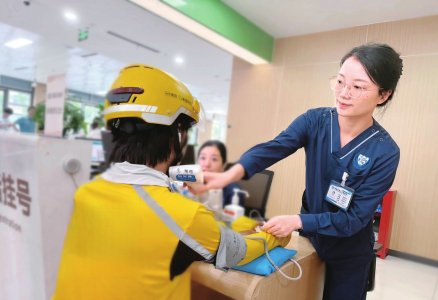
Core Viewpoint - Chengdu's approach to urban governance emphasizes addressing the daily needs of citizens, focusing on small but impactful initiatives that enhance overall happiness and quality of life, rather than solely on large-scale infrastructure or economic metrics [7][13]. Group 1: Healthcare Initiatives - Chengdu has introduced a "1 yuan clinic" specifically for new employment groups such as ride-hailing drivers and delivery workers, offering 24-hour service, low fees, and quick consultations to alleviate healthcare access issues [8]. - The city has implemented a system that allows 107 hospitals to recognize 138 types of examinations, benefiting 3.317 million people and saving over 46 million yuan in costs [8]. Group 2: Transportation Management - Despite having over 8 million vehicles, Chengdu has managed to reduce traffic congestion through detailed scheduling and innovative solutions rather than restrictions like road closures [10]. - The city has introduced measures such as "bus-only lanes shared by social vehicles at night" and a "slow vehicle identification system" to enhance traffic flow and efficiency [11]. Group 3: Community and Social Services - Chengdu is expanding its community services to include after-school care programs, housing for talent, and support for elderly care, thereby improving the overall living environment for residents [12]. - The city has broken down its "Ten Major Projects for a Happy Life" into 605 specific initiatives, ensuring that they align with the real needs of citizens [12]. Group 4: Overall Impact on Happiness - Chengdu's focus on small, everyday improvements has resulted in significant benefits, such as 331.7 million fewer hospital visits, 145,000 elderly individuals receiving home care, and 310,000 people finding employment [13]. - The city's governance philosophy prioritizes citizen feedback and needs, reinforcing the idea that urban development should be centered around the people it serves [13].

主题风向标1月第3期:增量政策聚焦城市更新与新兴科技
GUOTAI HAITONG SECURITIES· 2026-01-26 15:26
Group 1: Core Insights - The report highlights a decline in trading heat for hot themes, with commercial aerospace, resource products, and building materials leading the gains, while light communication and consumer electronics have seen a pullback [1][7] - The focus of incremental policies is on urban renewal and emerging technologies, with a positive outlook on urban renewal, commercial aerospace, domestic computing power, and new power grids [1][6] Group 2: Urban Renewal - Urban renewal is expected to stabilize the real estate market and expand domestic demand, with a projected 60,015 urban renewal projects nationwide in 2024, totaling an investment of 2.9 trillion yuan [19][25] - Key areas of urban renewal include the renovation of old residential communities, urban villages, and underground pipeline upgrades, with recommendations for investment in waterproofing, piping, and coatings [20][26] Group 3: Commercial Aerospace - Elon Musk indicated that space will become the lowest-cost location for deploying AI data centers within 2-3 years, with reusable spacecraft potentially reducing access costs by 100 times [21][36] - The report anticipates the establishment of a leading space computing center in China by 2030, focusing on green and low-carbon solutions [38][40] Group 4: Domestic Computing Power - TSMC's capital expenditure is expected to exceed expectations, with a projected 37% increase in 2026 to reach $56 billion, indicating strong demand in the semiconductor manufacturing sector [21][48] - The rapid iteration of domestic AI models is expected to drive investment demand in domestic computing power, with significant increases in user engagement and data usage [22][49] Group 5: New Power Grids - The State Grid's investment during the 14th Five-Year Plan is projected to reach 4 trillion yuan, a 40% increase from the previous plan, aimed at accelerating the construction of new power systems [21][22] - By 2025, non-fossil energy consumption in China is expected to account for 20% of total energy consumption, increasing to 25% by 2030 [21][22]


广西今年将实施城市危旧房改造2万套以上,切实提升居住品质
Xin Lang Cai Jing· 2026-01-26 14:55
Group 1 - The core focus of housing and urban construction work in Guangxi for 2026 will be on urban renewal, stabilizing the real estate market, and promoting green development in urban and rural construction [1] - In the past year, Guangxi has made significant progress in housing and urban construction, including the renovation of 1,195 old urban communities and the installation of 3,895 elevators in existing residential buildings [1] - The real estate market has shown signs of stabilization, with a 100% delivery rate in the housing delivery battle and the construction of 66,000 various types of affordable and resettlement housing units throughout the year [1] Group 2 - In 2026, Guangxi plans to continue reducing inventory of non-residential commercial housing and will acquire over 10,000 existing commercial housing units for use as affordable housing [1] - The province aims to collect over 24,000 various types of affordable housing units and over 10,000 resettlement housing units from urban village renovations [1] - Guangxi will implement a "good housing" construction plan and associated standards to enhance property service quality and improve living conditions for residents [1] Group 3 - The construction of "pocket parks" has been widely promoted across Guangxi, enhancing leisure options for citizens [2] - In 2026, Guangxi will strengthen urban green construction and improve the urban park system by building community parks and "pocket parks" [2] - The province will explore the application of digital intelligence in the construction sector, aiming to enhance management and service innovation [2] Group 4 - Guangxi will conduct safety inspections and rectification actions for small and scattered projects and residential property services to ensure safety in urban construction [2] - A mechanism for the regular management of self-built houses will be established, and fire safety supervision at high-rise construction sites will be strengthened [2] - Continuous efforts will be made to address illegal activities related to fire safety inspections [2]
家居旧改市场潜力大 政策需求共振激活行业新增长
Bei Jing Shang Bao· 2026-01-26 14:50
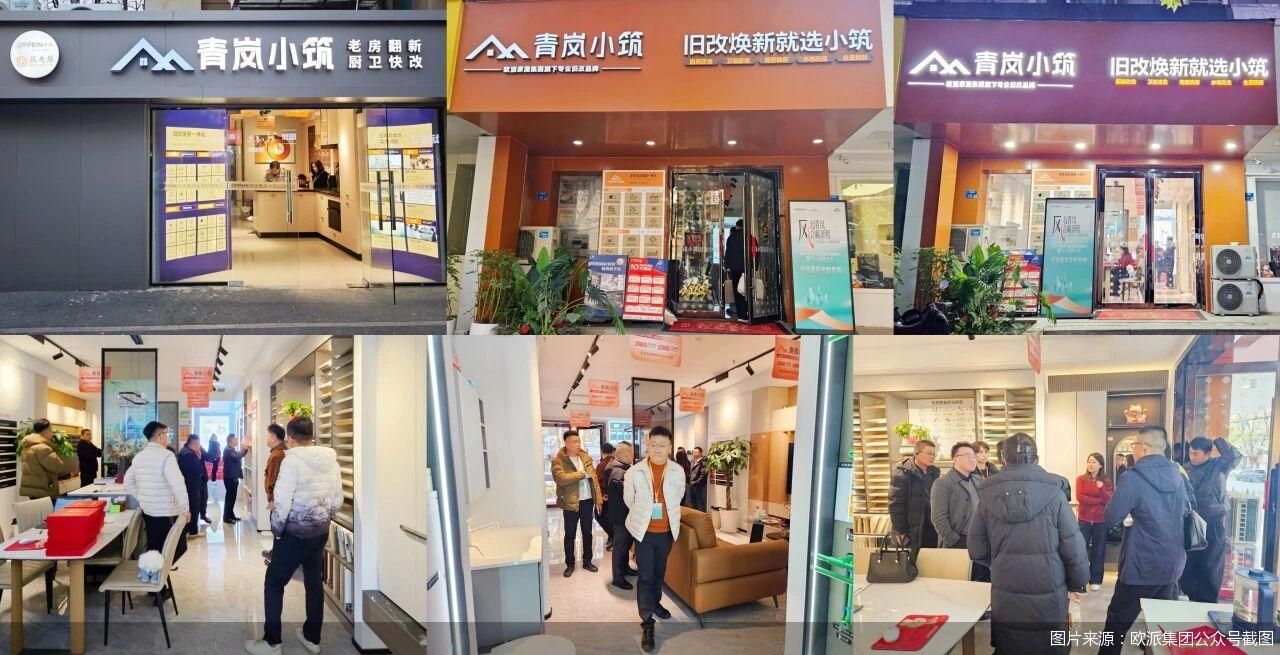
Core Insights - The current stock housing market is driving industry development, with policies like "old-for-new" and "good housing" continuously enhancing the market, leading to a trillion-level dividend in the old renovation market, which has become the core growth engine of the industry [1] - The old renovation market has entered a new stage of scaled development, with long-term policy and demand dividends expected to be released [1][7] - Companies with supply chain integration, standardized services, and localized operational capabilities will have advantages in the old renovation market [1] Company Developments - Oppein Group has launched a new brand "Qinglan Xiaozhu" to enter the old renovation market, focusing on high-frequency renovation categories such as kitchens and bathrooms, providing one-stop professional renovation services [2] - Qinglan Xiaozhu plans to implement a "Hundred Days, Hundred Stores" initiative by the end of 2025, aiming to establish over 100 stores in more than 100 cities within three months [2] - Other companies like Jindian Home and Zhibang Home are also entering the old renovation market with community-focused service models and integrated home solutions [4] Market Trends - The demand for improved living quality is shifting from "housing for all" to "quality housing," prompting a change in the home furnishing industry's development model towards quality enhancement [5] - The home furnishing industry is projected to grow at a compound annual growth rate of approximately 2.8%, reaching a market size of 5.17 trillion yuan by 2028 [5] - The old renovation market is driven by both demographic changes and policy guidance, with significant growth expected from the renovation needs of over 200 million existing homes [5] Policy Impact - Recent policies have provided substantial growth opportunities for the home furnishing industry, with the government emphasizing the need for urban renewal and the improvement of old residential areas [6] - The Ministry of Housing and Urban-Rural Development reported that from 2019 to 2024, 280,000 old residential areas have been renovated, benefiting over 48 million households [6] Challenges and Solutions - The old renovation market faces challenges such as complex project requirements, high costs, and difficulties in customer acquisition due to consumer concerns about inconvenience and costs [8] - Industry organizations are working on standardizing service contracts and pricing guidelines to provide a reference for service standards and commercial contracts [8] - The market is expected to evolve towards diversified, refined, and digital development, with segments like localized renovation, elderly-friendly modifications, and smart renovations experiencing rapid growth [8] Strategic Recommendations - Companies should shift from a traffic-oriented mindset to a user-centric approach, focusing on community engagement and trust-building for precise customer acquisition [9] - There is a need to transition from product sales to scenario-based service offerings to enhance service value and increase profit margins [9] - Collaboration within the industry and with policies is essential for moving from a fragmented market to a scaled, high-quality development [9]
城市更新的光谷挑战,专家:探寻产城融合新动能
第一财经· 2026-01-26 14:30
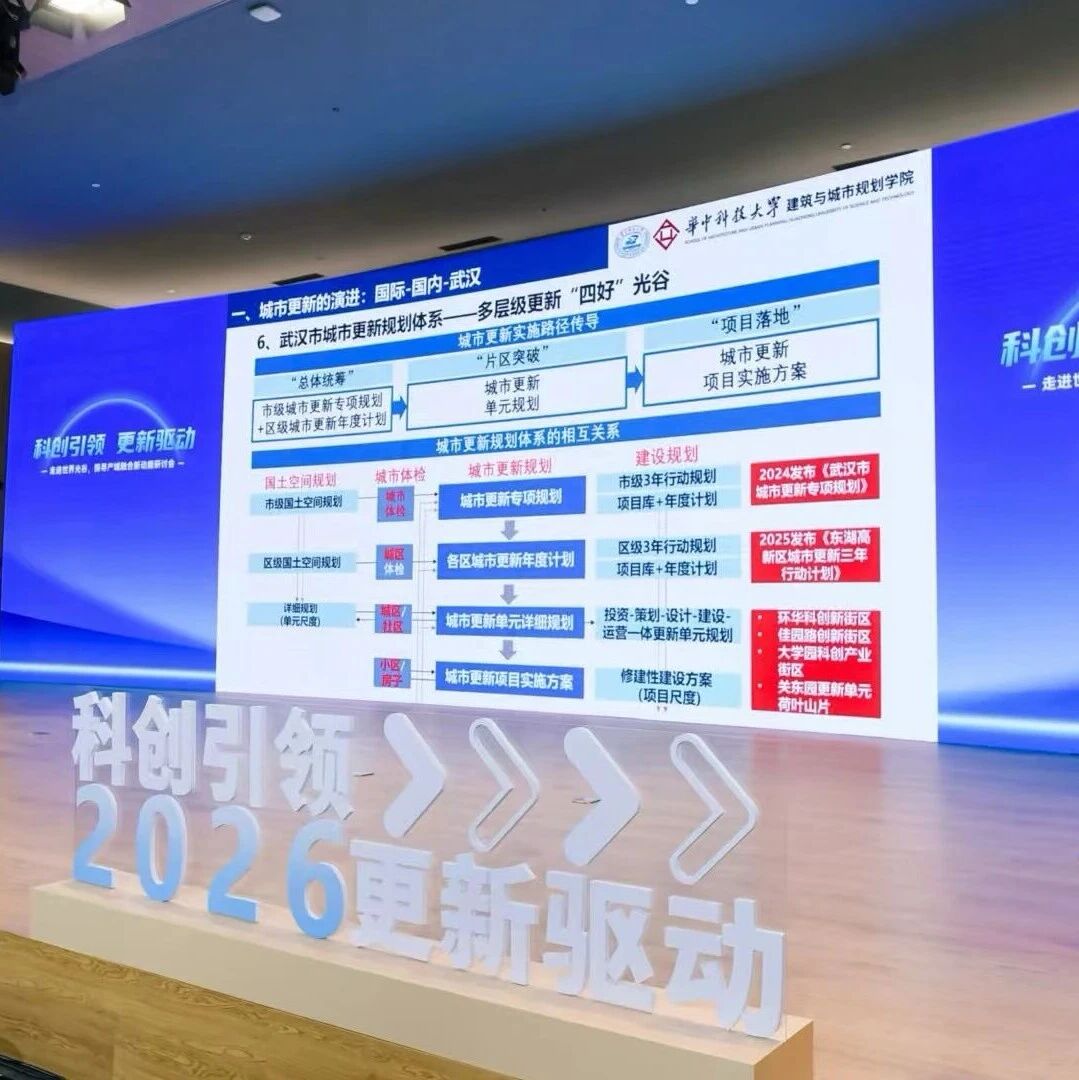
Core Viewpoint - Wuhan is advancing the "Five Reforms and Four Goods" urban renewal initiative, focusing on transforming existing urban areas rather than primarily on new city development. The experience and challenges of urban renewal in the Optics Valley, a new district, are explored [3][6]. Group 1: Urban Renewal Drivers - The urban renewal in Optics Valley is driven by three main forces: 1. **Large Enterprises**: Transformation of old factories into modern industrial research and development spaces, integrating historical memory with innovative functions [5]. 2. **Universities**: Development of knowledge cities by dissolving boundaries between campuses and urban areas, creating seamless connections within open knowledge districts [5]. 3. **Ecological Framework**: Establishing a green civilization by linking various districts through ecological corridors, promoting a livable wetland city model [5]. Group 2: Institutional Innovations - To achieve the above drivers, institutional innovations are necessary: 1. **Tax and Financial Mechanisms**: Proposing a shared financial mechanism to reduce high renovation costs for enterprises and optimize industrial space [6]. 2. **Land Use Models**: Exploring mixed-use land models around universities to allow flexible property rights and long-term leasing to startups [6]. 3. **Ecological Investment**: Addressing the high costs of wetland restoration by converting ecological value into development capital through mechanisms like VEP and TDR [6]. Group 3: Future Urban Competitiveness - The future urban competition will focus on functionality and ecology, aiming to provide an ideal habitat for innovative talents and enterprises that integrates living, working, and creating [7]. - The Hubei Provincial Science and Technology Investment Group is working on urban renewal projects to optimize street aesthetics, pedestrian systems, and commercial layouts, creating integrated designs for businesses and talent [7].
上海易居房地产研究院发布2026年发展战略
Zhong Zheng Wang· 2026-01-26 14:08
Core Viewpoint - The 2026 Yi Ju Forum emphasizes the importance of high-quality development in China's real estate and urban renewal sectors, introducing a "123" strategic framework focused on professional enhancement, service optimization, and embracing AI innovation [1] Group 1: Strategic Framework - The "123" strategic framework includes a commitment to high-quality development, focusing on two main pillars: continuous professional improvement and ongoing service optimization [1] - The three development paths outlined are: enhancing professionalism to empower the industry, gathering resources to build an ecosystem, and embracing AI for innovative progress [1] Group 2: Management and Operational Trends - The president of Shanghai Yi Ju Real Estate Research Institute suggests that real estate companies should adopt a flatter management model to respond to the demand for "good houses" and the trend of selling existing homes, which will drive upgrades in operational systems and development models [1] Group 3: Urban Renewal and Market Stability - The vice president of Shanghai Urban Investment Holding Co., Ltd. highlights the role of urban renewal in stabilizing the real estate market, advocating for the use of REITs, digital empowerment, and brand output to balance economic benefits with social effects [1] - Recommendations include optimizing land supply, enhancing departmental collaboration, and providing financial support to facilitate urban renewal's contribution to market stability [1]

国泰海通|策略:增量政策聚焦城市更新与新兴科技
国泰海通证券研究· 2026-01-26 14:03
Core Viewpoint - The article highlights a decline in trading heat for hot themes, with commercial aerospace, resource products, and building materials leading the market. The focus of incremental policies is on expanding domestic demand and fostering new technological momentum, particularly in urban renewal, commercial aerospace, domestic computing power, and new power grids [1]. Group 1: Urban Renewal - Urban renewal is expected to stabilize the real estate market and expand domestic demand, with 60,015 urban renewal projects planned nationwide in 2024, involving a total investment of 2.9 trillion yuan. Key components include the renovation of old residential areas, urban villages, and underground pipeline upgrades [2]. Group 2: Commercial Aerospace - Elon Musk predicts that space will become the most cost-effective location for deploying AI data centers within 2-3 years, with the potential for launch costs to drop by 100 times if the Starship achieves full reusability. China aims to establish a leading space computing center by 2030, addressing high energy consumption and carbon emissions from ground data centers [3]. Group 3: Domestic Computing Power - TSMC's capital expenditure is expected to exceed expectations, boosting demand in the semiconductor advanced manufacturing sector. The company anticipates a 35% year-on-year increase in net profit by Q4 2025, with capital expenditures potentially reaching $56 billion in 2026, a 37% increase from 2025 [4]. Group 4: New Power Grid - The State Grid plans to invest 4 trillion yuan during the 14th Five-Year Plan period, a 40% increase from the previous plan, focusing on the construction of a new power system. The share of non-fossil energy consumption is projected to reach 20% by 2025 and 25% by 2030 [5].

“迈向‘十五五’ 中国房地产与城市更新高质量发展”2026迎新易居论坛成功召开
Zheng Quan Ri Bao Wang· 2026-01-26 13:48
Core Viewpoint - The forum focused on the high-quality development of the real estate industry and the implementation of urban renewal, exploring practical paths for the industry's development during the "14th Five-Year Plan" period [1] Group 1: Forum Overview - The 2026 New Year Forum was successfully held in Shanghai, themed "Towards the '14th Five-Year Plan', High-Quality Development of China's Real Estate and Urban Renewal" [1] - The forum was organized by the Shanghai E-House Real Estate Research Institute and co-hosted by several local real estate associations [1] Group 2: Key Insights from Speakers - Zhang Yongyue, Chairman of the Shanghai E-House Real Estate Research Institute, emphasized the importance of gathering industry consensus and wisdom to support healthy and stable development in the new year [2] - The E-House Research Institute has been committed to integrating industry, academia, and research for 20 years, providing valuable insights for government decision-making and industry development [2] Group 3: Market Trends and Predictions - Ding Zuoyu, Director of the Shanghai E-House Real Estate Research Institute, predicted that the real estate sales area would reach 880 million square meters with a transaction value of 8.4 trillion yuan in 2025 [3] - The real estate sector remains a pillar of the national economy, contributing 12% to GDP, despite a decline in macro indicators such as new construction and investment [3] - The industry is expected to confirm a bottom in 2026, with a projected total transaction volume of residential properties between 800 million and 900 million square meters from 2026 to 2030 [3] Group 4: Urban Renewal and Market Stability - Qian Xiaojia, Deputy General Manager of Shanghai Metro Asset Investment Management Co., highlighted the shift in urban governance concepts towards a more ecological model, emphasizing that urban renewal should focus on people and long-term planning [4] - Jiang Jiazhi, Vice President of Shanghai Urban Investment Holding Co., stated that stabilizing the real estate market requires enhancing asset value and meeting genuine housing needs, citing successful projects that balance economic and social benefits [5] Group 5: Strategic Development - The E-House Research Institute announced its 2026 development strategy, focusing on "high-quality development" as its core, with pillars of continuous professional improvement and service optimization [5] - The strategy includes three development paths: enhancing professionalism, resource integration, and embracing AI for innovation [5]