文化自信

Search documents
陆晓芳:非遗保护传承要做好三个坚持
Jing Ji Ri Bao· 2025-06-25 00:10
Core Viewpoint - The importance of intangible cultural heritage (ICH) in preserving and promoting cultural diversity and national identity is emphasized, highlighting its role in meeting the spiritual and cultural needs of the people and enhancing cultural confidence [1][2]. Group 1: Significance of Intangible Cultural Heritage - ICH embodies the cultural genes of the Chinese nation, reflecting its richness, diversity, and creativity, serving as a living testament to the continuity of Chinese civilization [1][2]. - ICH acts as a carrier of national spirit, fulfilling the growing spiritual and cultural needs of the populace, thereby enhancing national cohesion and cultural influence [1][2]. - The various skills and cultural values represented by ICH are invaluable assets for humanity, playing an irreplaceable role in deepening exchanges and mutual learning between civilizations [1][2]. Group 2: Principles for Protecting and Inheriting ICH - The protection and inheritance of ICH should adhere to a people-centered approach, recognizing the role of the public in its creation and transmission, which is essential for sustainable development [2][3]. - Respecting the will of the people and incorporating their voices into the protection and transmission practices is crucial, requiring a collaborative platform that involves government and social participation [3][4]. Group 3: Innovation in ICH Protection - The dynamic development of ICH requires integrating traditional skills into contemporary life and production systems, encouraging cross-disciplinary innovation and the creation of culturally relevant products [5][6]. - The fusion of ICH with modern technology is vital for its creative transformation and innovative development, aligning traditional cultural genes with contemporary societal needs [6][7]. Group 4: Technological Empowerment in ICH Protection - The integration of new information technologies such as big data, AI, and blockchain into ICH protection can enhance its preservation and accessibility, creating permanent archives for endangered skills [7]. - Successful cases of technology and ICH integration, such as AI design in Suzhou embroidery and holographic performances of Peking opera, demonstrate the potential for innovative applications in this field [7].
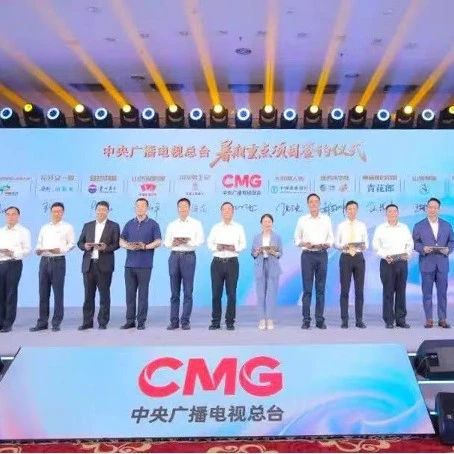
郎酒携手总台送上精神食粮:消费者心中的“顶配风雅CP”已上线!
水皮More· 2025-06-23 07:55
Core Viewpoint - The article emphasizes how Langjiu transcends its material attributes to become a cultural symbol by collaborating with top-tier value platforms, particularly CCTV, to resonate with the national spirit and cultural identity [2][4]. Group 1: Collaboration with CCTV - Langjiu's partnership with CCTV is highlighted as a strategic move to enhance brand value and cultural significance, showcasing a commitment to creating value alongside reputable media [4]. - The collaboration includes exclusive sponsorship of major cultural programs, such as "The Classics of China" and "Masters of the Song Dynasty," which aim to integrate Langjiu's brand narrative with Chinese cultural heritage [5][7]. Group 2: Cultural and Brand Integration - Langjiu aims to embed its brand narrative within the rich tapestry of Chinese culture, using classic cultural programs as a medium to connect with consumers on a deeper level [5][7]. - The company has developed a cultural IP matrix that includes various high-profile programs, enhancing the cultural ecosystem surrounding the Qinghua Lang brand [8]. Group 3: Product Innovation and Consumer Engagement - Langjiu has introduced limited edition co-branded products, such as the "Qinghua Lang × Classic Recitation Commemorative Wine," to cater to consumer preferences and enhance the brand's cultural value [10]. - The Red Flower Lang brand continues to resonate with consumers by associating with significant cultural events like the Spring Festival Gala, reinforcing its position in the hearts of consumers [10]. Group 4: Long-term Vision and Mission - Langjiu's mission is to produce high-quality liquor that serves as a cultural touchstone, aiming to resonate with the spirit of the times and connect with consumers' emotional experiences [11]. - The company is focused on building a robust brand ecosystem that emphasizes cultural depth, consumer engagement, and a commitment to national narratives [11].

蜜雪冰城泡泡玛特和胖东来,河南人正在定义什么是潮?
Sou Hu Cai Jing· 2025-06-22 23:08
Core Insights - The article highlights the remarkable success of three companies from Henan, China: Mixue Ice City, Pop Mart, and Pang Donglai, which have transformed traditional industries and captured the global middle-class consumer market [2][12]. Group 1: Business Models - Mixue Ice City has established a clear business logic based on extreme cost performance, franchise expansion, and an efficient supply chain, allowing it to dominate the tea beverage market with low-priced products [3][4]. - Pop Mart has evolved from a small toy store to a cultural phenomenon through its blind box model, creating a unique ecosystem that combines IP operation, emotional engagement, and social currency [4][5]. - Pang Donglai has redefined the retail experience by transforming supermarkets into emotional spaces, focusing on high service quality and employee welfare, which has led to significant customer loyalty [5][7]. Group 2: Financial Performance - Mixue Ice City achieved a gross margin of 31.6% in 2024, significantly higher than the industry average, and expanded to 46,479 stores globally, making it the largest fresh beverage brand by store count [4][8]. - Pop Mart's Labubu series generated revenue of 3.041 billion yuan in 2024, a staggering year-on-year growth of 726.6%, contributing to a market valuation exceeding 370 billion HKD [5][10]. - Pang Donglai's single-store efficiency surpasses industry averages, demonstrating its successful adaptation to the retail landscape despite challenges from e-commerce [5][7]. Group 3: Consumer Trends - These companies have tapped into the emotional needs of contemporary middle-class consumers, offering not just products but emotional experiences that provide relief from daily pressures [8][10]. - Mixue Ice City appeals to consumers' desire for value, providing high-quality experiences at a fraction of the cost of premium brands, thus positioning itself as a smart consumption choice [8][10]. - Pop Mart capitalizes on the thrill of uncertainty and nostalgia, allowing consumers to relive childhood joys through collectible toys, which has resonated particularly well with younger audiences [10][11]. Group 4: Philosophical Approach - The success of these companies reflects a unique business philosophy from Henan, emphasizing patience, deep market understanding, and a blend of traditional values with modern practices [12][13]. - The concept of "slow is fast" and "local is trendy" underpins their strategies, focusing on sustainable growth rather than rapid expansion [12][13]. - The integration of social value with business profit is a hallmark of Henan entrepreneurs, as seen in Pang Donglai's employee welfare initiatives and Mixue's support for local suppliers [14][15]. Group 5: Cultural Impact - These companies are not only reshaping the consumer market but also promoting cultural confidence, with Pop Mart and Mixue Ice City successfully exporting Chinese cultural elements globally [15]. - Their stories illustrate that traditional industries can thrive through innovative thinking and emotional resonance, challenging the notion that only high-tech sectors can succeed in today's market [15].


文化的力量(人文茶座)
Ren Min Ri Bao· 2025-06-21 21:47
Group 1 - The core viewpoint emphasizes the enduring power of Chinese culture, particularly its ability to inspire patriotism and national unity throughout history [1][2][4] - The pursuit of noble spiritual realms and the cultivation of great personalities are highlighted as essential aspects of Chinese culture, fostering a deep concern for the nation's future among its people [2][3] - Historical insights and wisdom derived from China's long history are presented as unique advantages, enabling the nation to maintain a clear understanding of its past and future [3][4] Group 2 - Cultural elements such as the ideals of "天下为公" (the world belongs to the public) and "天行健,君子以自强不息" (the universe is vigorous, and a gentleman should strive for self-improvement) are identified as foundational to the spirit of national rejuvenation [4] - The article underscores the importance of cultural heritage in providing an inexhaustible spiritual motivation for the revival of the nation, emphasizing the collective strength derived from shared cultural values [4]
肩头“彩云”之美
Ren Min Ri Bao· 2025-06-21 21:47
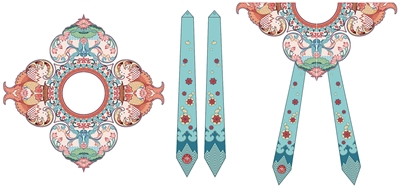
Core Viewpoint - The article highlights the resurgence of the traditional Chinese accessory "cloud shoulder" (云肩) as a fashionable element in modern attire, particularly during graduation season, blending tradition with contemporary aesthetics [2][3][4]. Group 1: Cultural Significance - The cloud shoulder, a classic accessory in Chinese traditional clothing, has evolved from ancient times, with its origins traceable to the Sui Dynasty, where it was depicted in Dunhuang murals [2]. - It serves both practical and aesthetic purposes, providing warmth and adding layers to outfits while embodying principles of proportion, balance, and harmony in design [2]. - Various traditional shapes of cloud shoulders, such as bat and lotus forms, symbolize aspirations for a better life, reflecting deep cultural meanings [3]. Group 2: Modern Adaptation - Designers are integrating cloud shoulder elements into contemporary fashion, enhancing the overall silhouette and creating a sense of elegance and refinement [3]. - The cloud shoulder has gained popularity among young people, who are increasingly interested in wearing traditional culture, as seen in its incorporation into academic regalia [4]. - This modern interpretation of cloud shoulders fosters a dialogue between ancient civilization and contemporary life, showcasing the transmission of Chinese traditional culture [4].
弦歌三顾起新声——解码“文明在宛”南阳的文化自信样本
Xin Hua Wang· 2025-06-19 03:42
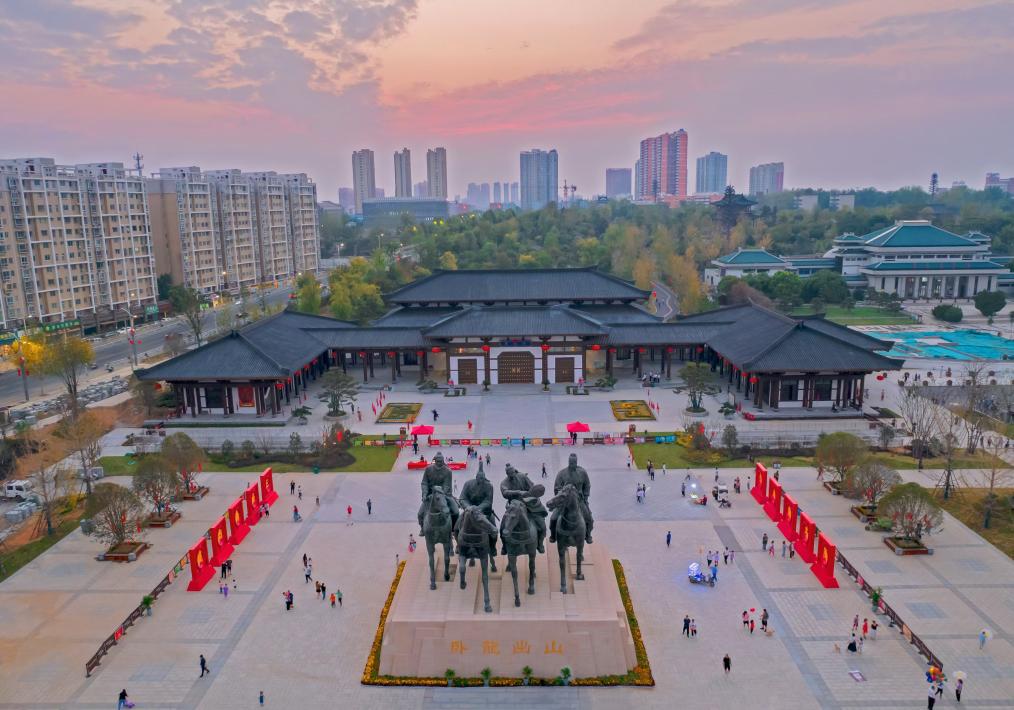
Core Viewpoint - Nanyang, with a rich cultural heritage and a history of over 2,800 years, is leveraging its cultural confidence to promote its traditional Chinese medicine industry and ecological initiatives, aligning with national strategies for sustainable development and cultural preservation [1][4][19]. Group 1: Cultural Heritage and Historical Significance - Nanyang, historically known as "Wan," has been a significant cultural and commercial hub in Central China, evidenced by archaeological discoveries such as the 5,000-year-old jade artifacts from the Huangshan site [4][5]. - The city is home to notable historical figures, including Zhuge Liang and Zhang Heng, who exemplify the region's commitment to integrity, innovation, and public service [5][6]. - The preservation of historical sites, such as the Nanyang County Yamen Museum, reflects the local government's efforts to maintain cultural heritage and educate future generations about governance and ethics [5][8]. Group 2: Traditional Chinese Medicine Industry - Nanyang is recognized as the birthplace of Zhang Zhongjing, a revered figure in traditional Chinese medicine, and is actively promoting its medical culture through various initiatives, including the establishment of the Zhang Zhongjing Museum and cultural events [9][11]. - The local government aims to develop the traditional Chinese medicine industry, targeting an annual output value of 45 billion yuan by 2024, with a focus on integrating modern technology with traditional practices [11][12]. - The city has seen a rapid rise in the production of mugwort-related products, with over 1,041 enterprises in the industry and an annual output value of 20 billion yuan, showcasing the economic potential of traditional medicine [9][12]. Group 3: Ecological Initiatives and Water Conservation - The South-to-North Water Diversion Project, originating from the Danjiangkou Reservoir in Nanyang, has supplied over 71 billion cubic meters of water to various regions, benefiting approximately 114 million people [15][19]. - Nanyang has implemented comprehensive ecological governance measures, including a 24-hour water quality monitoring system and distributed wastewater treatment facilities, to ensure the sustainability of its water resources [18][19]. - The local community is actively engaged in environmental protection efforts, with initiatives such as tree planting and volunteer water monitoring, contributing to improved ecological conditions and enhanced quality of life for residents [18][19].
车圈为什么没有产生LABUBU?
阿尔法工场研究院· 2025-06-17 12:19
Core Viewpoint - The article emphasizes the importance of emotional value in products, particularly in the automotive industry, highlighting how LABUBU's success reflects a shift from "Made in China" to "Created by China" and the need for brands to connect with consumers emotionally rather than relying solely on technical specifications [1][37]. Group 1: Emotional Value and Branding - LABUBU's appeal lies in its unique design that combines "cute" and "edgy" elements, evoking both affection and excitement, which is crucial for emotional engagement [4][37]. - Successful brands like MINI and smart have established strong emotional narratives that resonate with consumers, while many domestic brands lack this depth and uniqueness [11][12]. - The article critiques the tendency of some brands to create products without a solid cultural foundation, leading to a lack of distinctiveness and emotional connection with consumers [11][13]. Group 2: Market Strategies and Consumer Engagement - Companies like Bubble Mart have successfully utilized consumer feedback to drive product development and marketing strategies, ensuring that their offerings align with user preferences [18][19]. - The automotive industry has examples of brands that have effectively engaged with consumers, such as Geely and Wuling, which have created products that resonate well with their target audience [22]. - The article warns against a self-centered approach to product development, where companies ignore consumer feedback and instead impose their vision, which can lead to commercial failure [25][27]. Group 3: Cultural and Emotional Depth - The success of LABUBU illustrates that true emotional value is rooted in cultural identity and shared values, rather than superficial trends [37][39]. - The article argues that products that can transform from mere commodities to cultural assets will ultimately succeed in a competitive market [39][41]. - It calls for the automotive industry to develop brands that embody emotional value and cultural significance, moving beyond price competition to create meaningful connections with consumers [41][42].
文化自信提升,艺术品市场迈向新征程!
Sou Hu Cai Jing· 2025-06-17 10:14
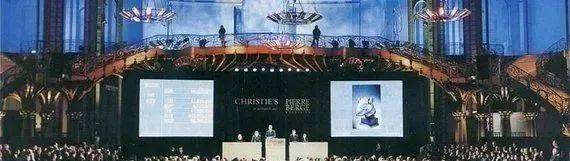
Core Viewpoint - The Chinese art market is experiencing significant growth and is becoming an important part of the global art market, with expectations for broader development opportunities from 2023 to 2025 [1][2]. Government Support and Policies - The government has increased its support for the cultural industry, implementing policies that encourage the creation, trading, and collection of art, thereby revitalizing the art market [2][6]. - Various art exhibitions and exchange activities are being organized across regions, attracting more artists and collectors, which further promotes the prosperity of the art market [2][6]. Market Trends and Consumer Behavior - The art market is entering a new phase of stratification and segmentation, with diverse preferences among different social classes, injecting more vitality into the market [4]. - Data indicates that Chinese millionaires allocate 17% of their assets to luxury goods and art, with 18.2% specifically invested in art collections, reflecting a growing enthusiasm for art investment among the wealthy [4]. Future Outlook - The rapid advancement of technology will enhance art authentication and protection methods, providing comprehensive support for the art market's future development [2][6]. - The art market's growth is not only a reflection of China's economic development but also a manifestation of people's desire for a richer cultural and spiritual life [2][6]. - The combination of supportive policies, technological innovation, and diverse market demand is expected to drive the art market towards a prosperous future, showcasing the unique charm and profound heritage of Chinese culture [6].
三江交汇润嘉州——解码山水名城乐山的文化自信样本
Xin Hua Wang· 2025-06-17 01:21
Core Viewpoint - The article emphasizes the cultural confidence and historical significance of Leshan, a city in Sichuan, China, highlighting its natural beauty, rich heritage, and the integration of culture and innovation in its development [1][2][3] Group 1: Cultural Heritage - Leshan is home to three UNESCO World Heritage sites: Mount Emei, Leshan Giant Buddha, and Dongfeng Weir, showcasing its historical and cultural significance [2][3][5] - The city has a rich literary history, with famous poets like Li Bai and Su Shi having been inspired by its landscapes, contributing to a continuous cultural narrative [3][5] - The Leshan Giant Buddha, carved into a cliff, represents ancient wisdom and the harmonious relationship between humans and nature, embodying the concept of "heaven and man as one" [5][6] Group 2: Natural Resources and Biodiversity - Leshan's geographical location at the confluence of three rivers contributes to its unique biodiversity, with Mount Emei hosting over 3,700 plant species and 2,300 animal species [7][9] - The region's natural resources have historically supported agricultural practices and cultural development, with the Dongfeng Weir being a significant irrigation project still in use today [6][9] Group 3: Urban Development and Cultural Integration - The city of Leshan has preserved its historical architecture, such as ancient city walls and traditional streets, which reflect its rich cultural heritage [10][13] - Recent urban renewal projects aim to integrate historical preservation with modern development, creating a "scenic city" model that enhances cultural tourism [10][20] - Leshan's culinary scene has evolved, with local dishes becoming a vital part of its cultural identity, attracting over 100 million domestic tourists in 2024 [18][19] Group 4: Innovation and Cultural Evolution - Leshan's cultural identity is characterized by openness and innovation, as seen in the integration of traditional crafts with modern practices, such as the production of bamboo paper [18][19] - The city has successfully combined performing arts with tourism, creating a model where cultural events drive economic growth and community engagement [19][20] - Various local cultural symbols, including traditional crafts and performances, have gained recognition and popularity, contributing to Leshan's cultural renaissance [19][20]

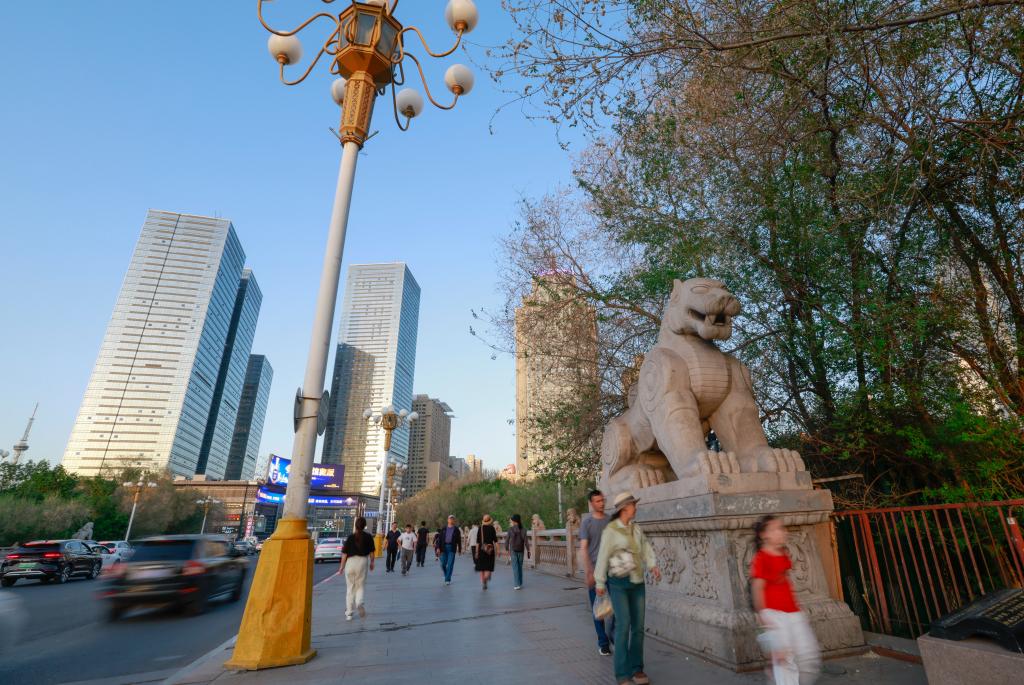
解码文化自信的城市样本丨塞垣此地擅繁华——解码乌鲁木齐的文化自信样本
Xin Hua Wang· 2025-06-16 00:43
Core Viewpoint - Urumqi, as a cultural and historical hub on the ancient Silk Road, showcases a rich tapestry of diverse cultures and ethnicities, reflecting China's cultural confidence and commitment to openness and integration [1][2][4]. Cultural Heritage - Urumqi is located at the geographical center of the Eurasian continent and has been a melting pot of various cultures and ethnic groups throughout history [1]. - The city features significant historical sites, such as the Uralbai Ancient City, which is recognized as a vital center for trade and cultural exchange along the Silk Road [4][5]. - The design of the stone carvings in the city draws inspiration from ancient artifacts, symbolizing the region's deep-rooted cultural heritage [2][4]. National Security and Patriotism - Urumqi has a historical narrative of patriotism, with figures like Zuo Zongtang playing crucial roles in defending the territory during times of national crisis [5][6]. - The city has established memorials and educational sites to honor the contributions of revolutionary figures and promote national unity [11][15]. Economic Development and Connectivity - Urumqi is actively developing as an international comprehensive transportation hub, enhancing its role in the "Belt and Road" initiative [20][21]. - The newly opened Tianshan International Airport is designed to accommodate 48 million passengers and 550,000 tons of cargo annually, significantly improving global connectivity [18][20]. - The city has established a modern logistics system with 31 freight routes connecting to Eurasia, facilitating trade and cultural exchanges [20]. Multicultural Integration - Urumqi is characterized by harmonious coexistence among various ethnic groups, with local markets showcasing a blend of culinary traditions from different cultures [10][21]. - The city serves as a living museum of civilization, where diverse communities engage in mutual learning and cultural exchange [10][21].